
























- India Must Build Faster, Smarter and Sovereign Warfighting Systems Say Experts
- Future Warfare Will Be Defined by Speed, AI and Integrated Networks: Panel at Kalam & Kavach 3.
- Experts Warn Against Slow Acquisition Cycles in Era of Autonomous Warfare
- “Business as Usual Must End”: Experts Call for Transformational Military Solutions
By Sangeeta Saxena
New Delhi. 16 May 2026. Understanding the term future-proofing in the military context is important because the nature of warfare is changing faster than ever before, driven by rapid technological advances, evolving geopolitical challenges and the emergence of new battle domains such as cyber, space and information warfare. Traditional military planning based only on current threats is no longer sufficient, as modern conflicts increasingly involve artificial intelligence, autonomous systems, drones, electronic warfare, precision strikes, data-driven operations and hybrid tactics that can evolve within months rather than decades. Future-proofing helps military planners, policymakers and defence industries anticipate these changes and prepare forces that remain effective, adaptable and resilient in uncertain and rapidly shifting operational environments.
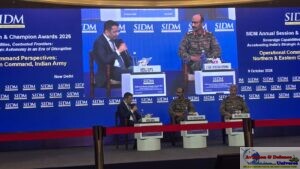
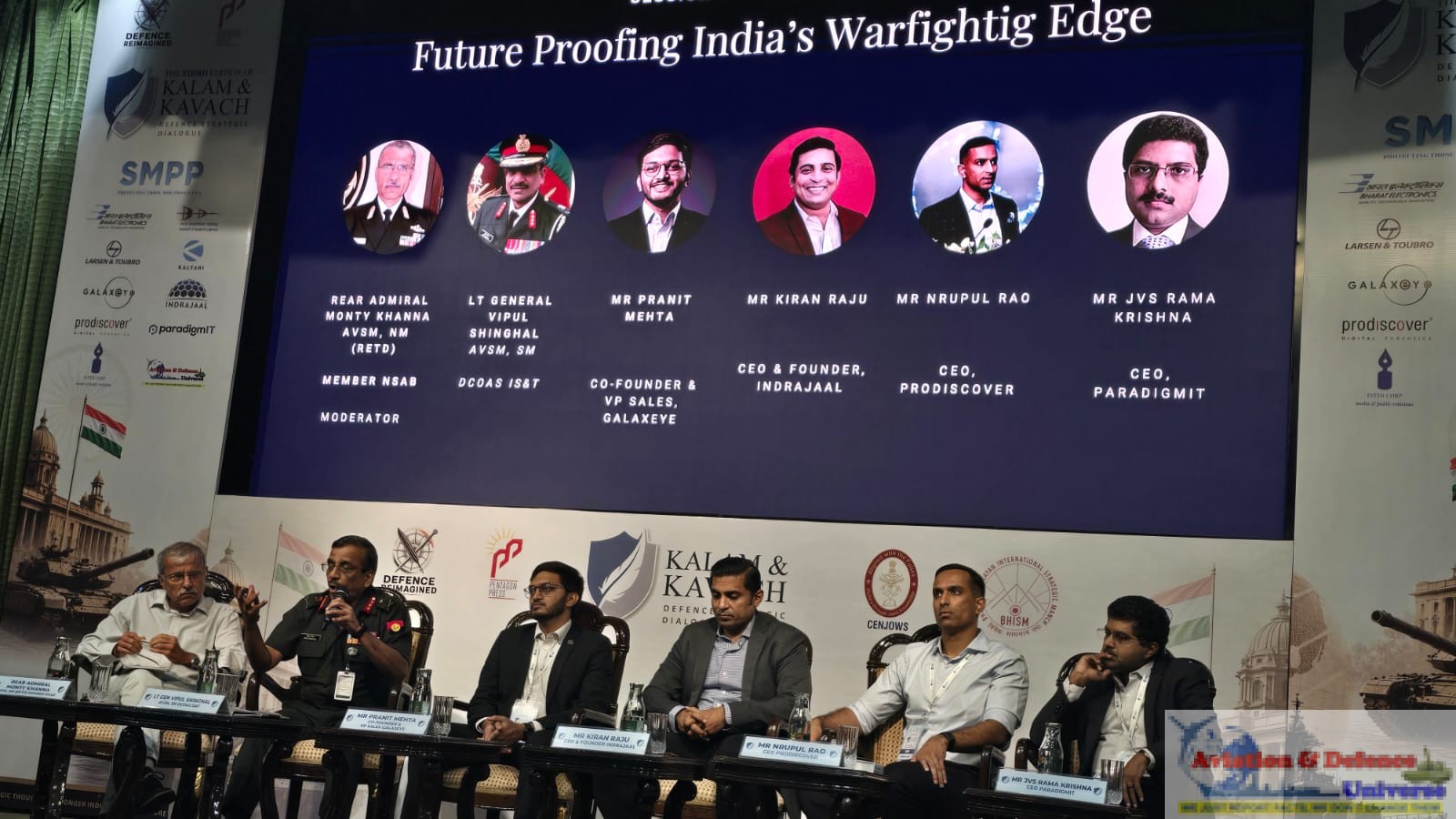
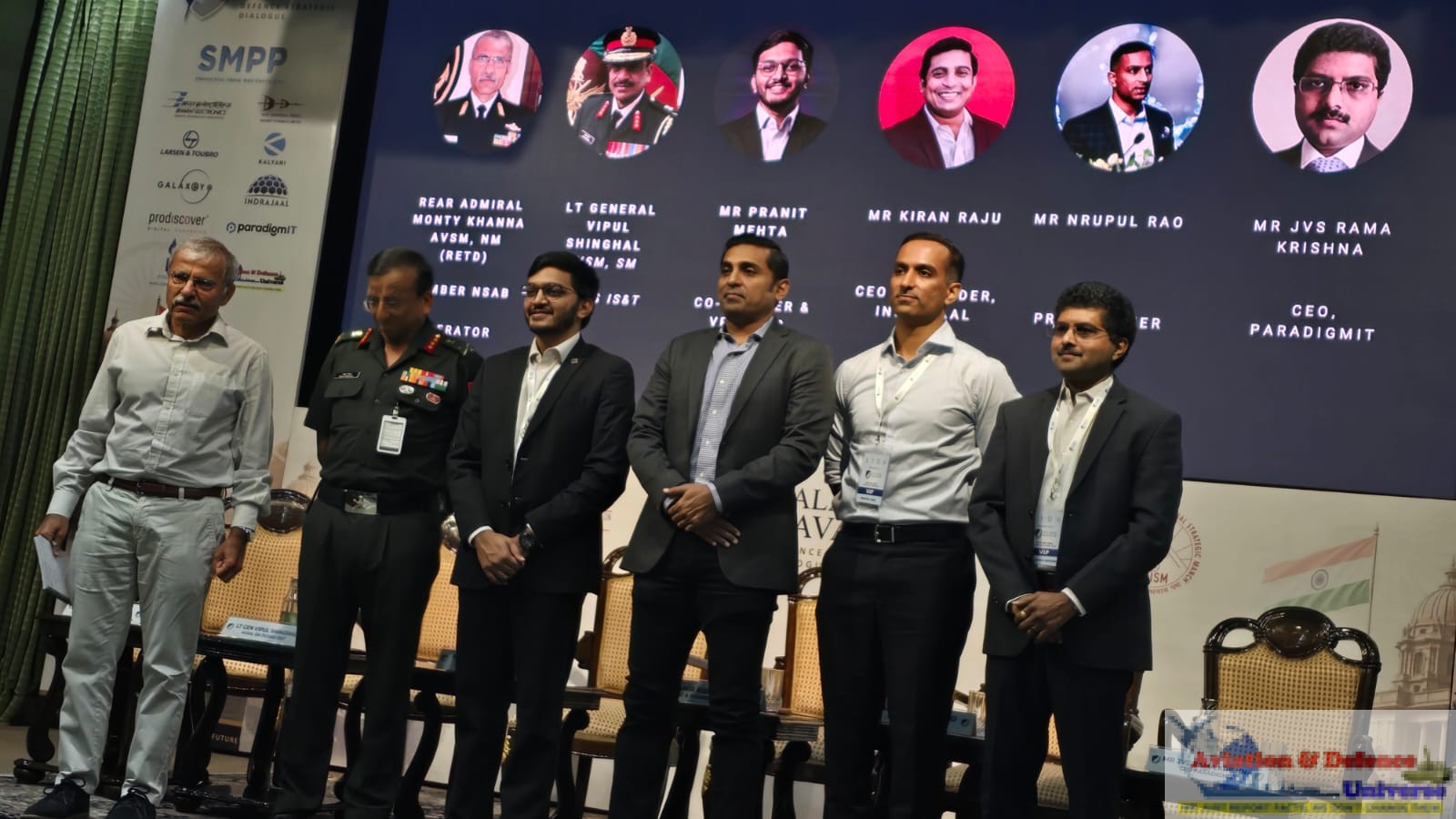
The rapidly evolving character of warfare, driven by artificial intelligence, autonomous systems, space technologies, cyber operations and integrated digital ecosystems, took centre stage during the session “Future Proofing India’s Warfighting Edge” at Kalam & Kavach 3.0. Moderated by Rear Admiral Monty Khanna (Retd.), the panel featured Lt. Gen. Vipul Singhal, Pranit Mehta, Co-Founder & VP Sales, GalaxEye; Kiran Raju, CEO & Founder, Indrajaal; Nrupul Rao, CEO, ProDiscover; and JVS Ramakrishna, CEO, ParadigmIT.
The discussion explored how India must prepare for the next generation of warfare by building sovereign technological capability, accelerating innovation cycles, strengthening interoperability and integrating military, civilian and industrial ecosystems. Panelists repeatedly stressed that the future battlefield will be shaped not only by kinetic capability but by speed, autonomy, secure networks, data integration and rapid decision-making across domains ranging from space and cyber to drones and AI-enabled operations.
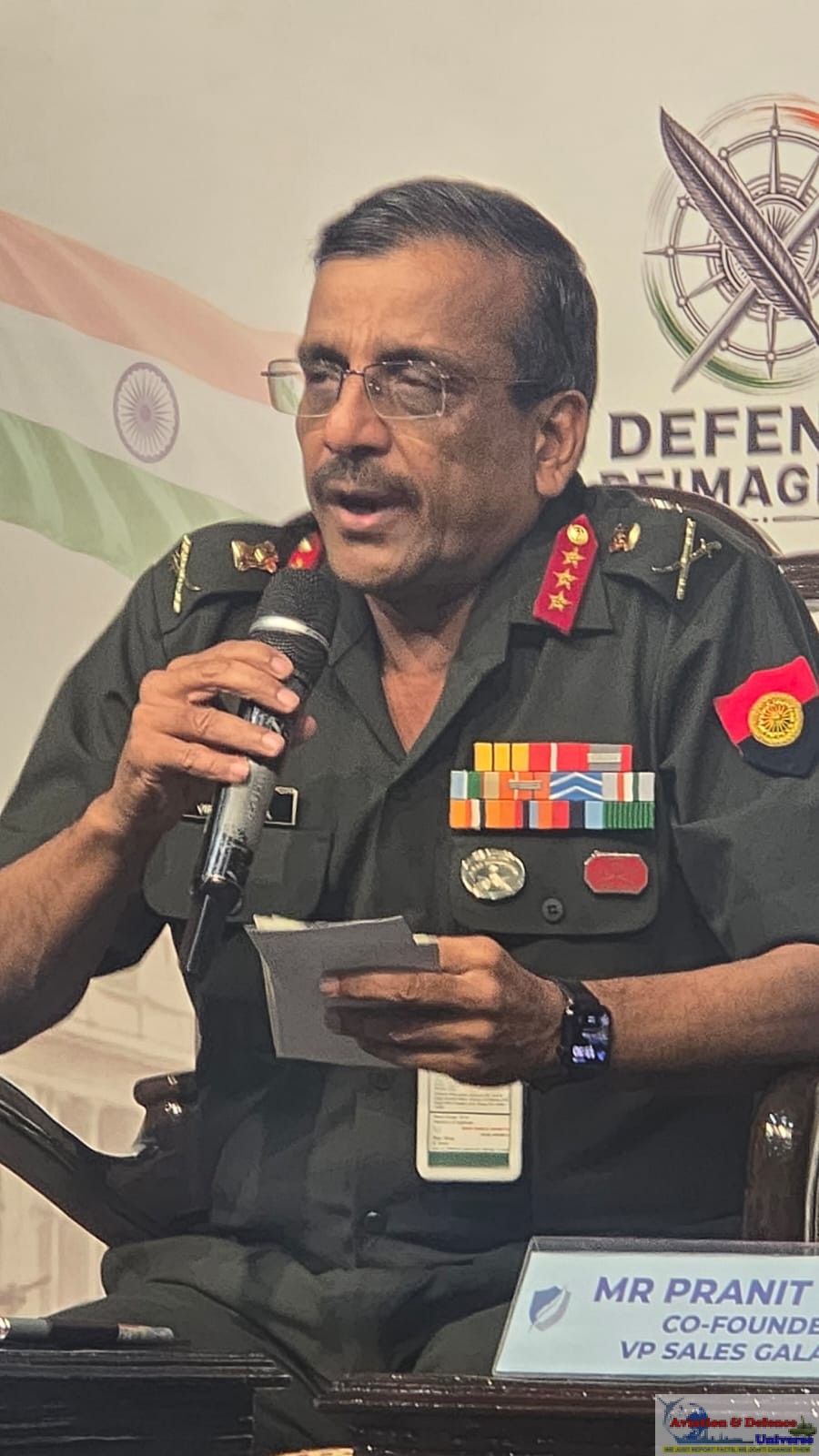 Opening the discussion, Lt. Gen. Vipul Singhal outlined the major attributes shaping future warfare and stressed that warfare transformation is no longer incremental but revolutionary. “There are many loops,” he remarked. “There is a targeting loop, a procurement loop, an acquisition loop and a construction loop. All these loops have to start spinning much faster so that you can produce capabilities in a finite amount of time.” According to Lt. Gen. Singhal, one of the defining characteristics of modern warfare is the growing dominance of long-range precision strike systems. “The relevance of geography is starting to decrease because you now have the ability for long-range strike,” he observed. “The democratisation of these vectors, particularly drones, means the threat becomes almost omnipresent.”
He explained that this transformation is forcing militaries worldwide to rethink force structures and investments in traditional platforms.“If aerial engagements are going to take place at 300–400 kilometres, then certain high-end attributes of aircraft may need reconsideration,” he said.The General Officeralso highlighted the importance of resilient and secure networks in maintaining battlefield coherence.“You have to maintain coherence throughout the entire spectrum,” he stated. “And you need fallback options in case networks are denied.”
Speaking about robotics and autonomous systems, Lt. Gen. Singhal argued that these technologies could fundamentally alter the nature and frequency of conflict.“Robotics reduces the threshold of conflict,” he remarked. “If human beings are not losing lives directly, then the propensity to use force tends to go up.” The discussion then moved toward military digital transformation and sovereign AI capabilities. Lt. Gen. Singhal highlighted the importance of faster kill chains, predictive maintenance and decision-support systems.
 “What are the outcomes we desire? Faster kill chains. Better sensor-to-shooter integration. Predictive maintenance. Faster procurement processes. Decision support,” he explained. He further stressed that India’s military is actively building sovereign technological infrastructure. “We fully understand that as a military, you require this to be sovereign — whether the cloud or the LLM,” he said. “We are developing the complete technology stack.” Lt. Gen. Singhal also emphasised the importance of collaboration between the armed forces, academia and industry. “This cannot be done alone,” he remarked. “It requires deep engagement with industry, academia, scholars and forums like these.”
Future-proofing warfighting forces refers to the process of preparing the military to remain operationally effective, technologically relevant and strategically adaptable in the face of rapidly evolving threats, emerging technologies and changing forms of warfare. Unlike traditional military modernisation, which often focuses on upgrading existing platforms, future-proofing involves building flexible, integrated and resilient capabilities that can adapt to unpredictable battlefield conditions across land, air, sea, cyber and space domains. This includes investing in artificial intelligence, autonomous systems, drones, robotics, quantum technologies, secure communication networks, predictive analytics, cyber defence and space-based surveillance while also strengthening interoperability between services and allied systems.
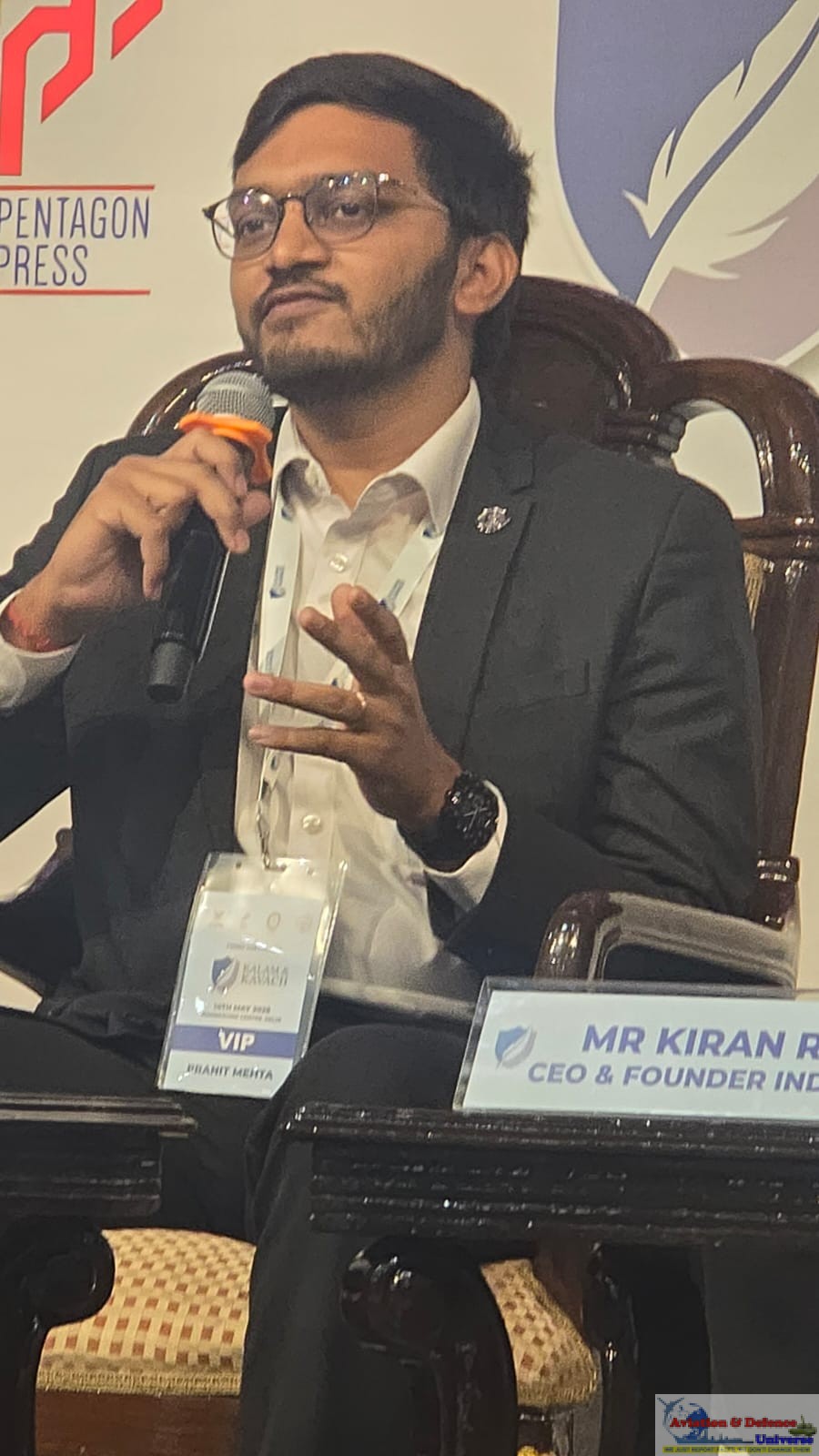 Pranit Mehta of GalaxEye focused on the strategic importance of space-based capabilities and sovereign satellite infrastructure. “Future-proofing space is not an option,” he said. “If we do not have local industry, we are handicapped.”He stressed that India cannot afford to remain dependent on external actors for critical space-based intelligence and surveillance capabilities. “We should not be dependent on third parties,” he remarked. “We should not be at the mercy of someone allowing us to use a particular capability.” Highlighting the rapid pace of technological evolution, Mehta warned against slow development cycles. “We cannot take two years to build a capability where by the time it gets ready, it is already outdated,” he said. He also explained GalaxEye’s development of the world’s first SyncFusion SAR-optical imaging satellite. “We are the first to put both optical and SAR sensors on the same platform and capture simultaneously,” he noted. “That capability does not exist anywhere else.”
Future-proofing also requires faster procurement cycles, continuous innovation, real-time data integration and strong collaboration between the military, industry, startups, academia and policymakers. Equally important is the need to develop sovereign technological capability and resilient supply chains so that critical defence systems remain operational during crises or prolonged conflicts. In essence, future-proofing ensures that armed forces are not only prepared for today’s wars, but are capable of anticipating, adapting to and dominating the complex and technology-driven conflicts of tomorrow.
Kiran Raju of Indrajaal focused on counter-drone ecosystems and low-altitude airspace security. “Most conflict now is no more about killing people,” he observed. “It is about disabling the country by targeting critical infrastructure.” According to him, India must begin viewing low-altitude airspace as unified national infrastructure rather than fragmented military and civilian domains. “The country needs to start thinking in terms of unified military-civilian infrastructure as far as low-altitude airspace is concerned,” he said. Raju warned that fragmented counter-drone systems across agencies could create operational problems in the future.“The Air Force, Navy and Army cannot all operate isolated counter-drone systems along the same border,” he remarked. “You need a unified infrastructure approach.”
 On Atmanirbharta, Raju argued for balancing indigenous development with immediate operational capability. “Capability first for the country before you can build it in-house,” he stated. “Protect the country first while simultaneously investing in indigenous capability.” He further highlighted the growing importance of autonomous response systems in modern warfare.“ There is no way there is going to be manual intervention in a five-second or ten-second response timeline,” he said. “We have to assume warfare response will increasingly be autonomous.”
Futureproofing is also important because defence systems and military platforms often require years of development and massive financial investment. Without future-proofing, armed forces risk investing in technologies or doctrines that may become obsolete before they are fully operational. By understanding future-proofing, militaries can prioritise flexibility, interoperability, rapid innovation and scalable technologies that can evolve with changing threats. This approach also strengthens strategic autonomy by encouraging sovereign technological capability, resilient supply chains and deeper collaboration between the armed forces, industry, academia and startups. Ultimately, future-proofing is not just about acquiring advanced weapons; it is about ensuring that a nation’s military can continuously adapt, survive and maintain strategic advantage in the conflicts of tomorrow.
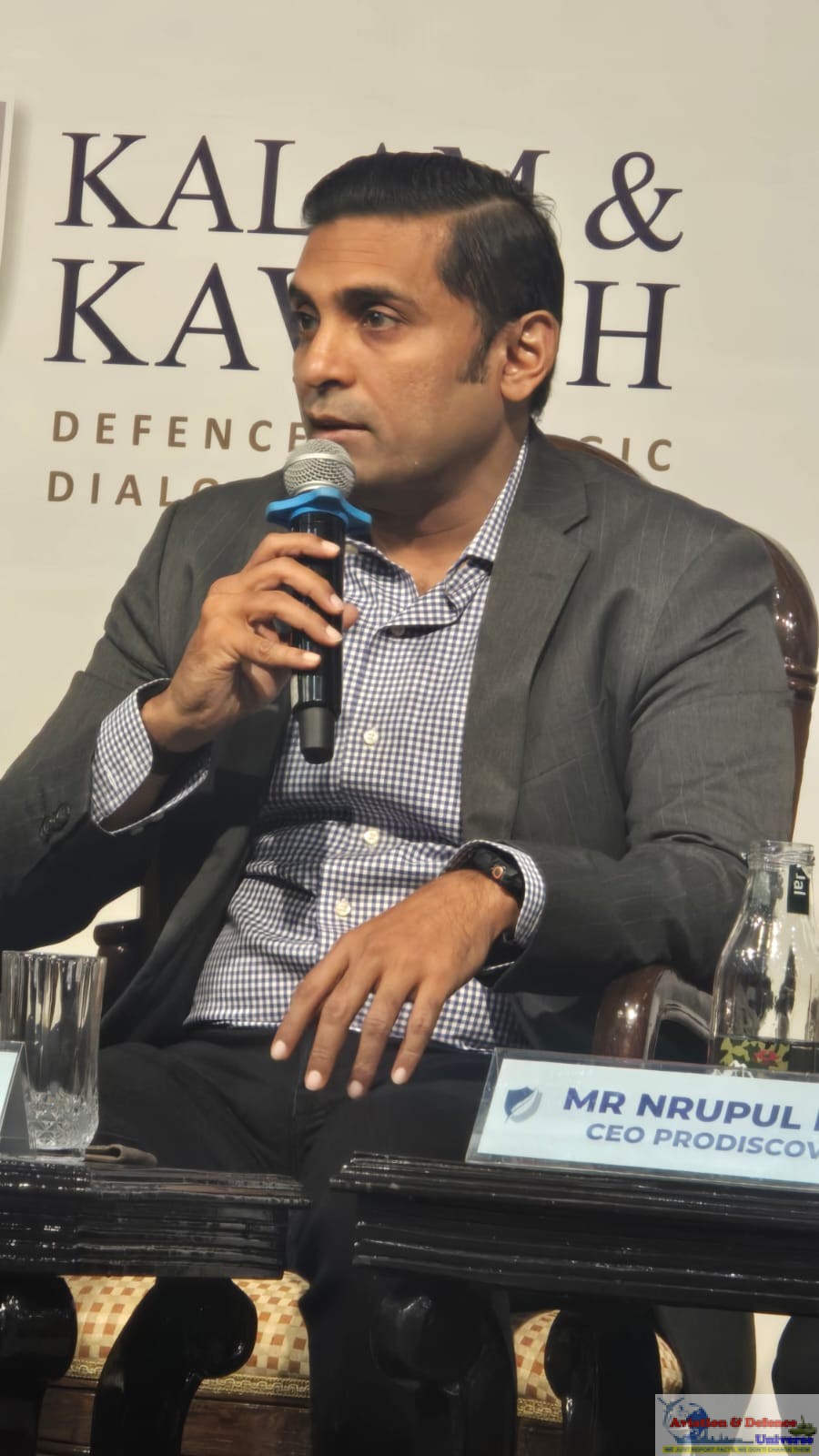
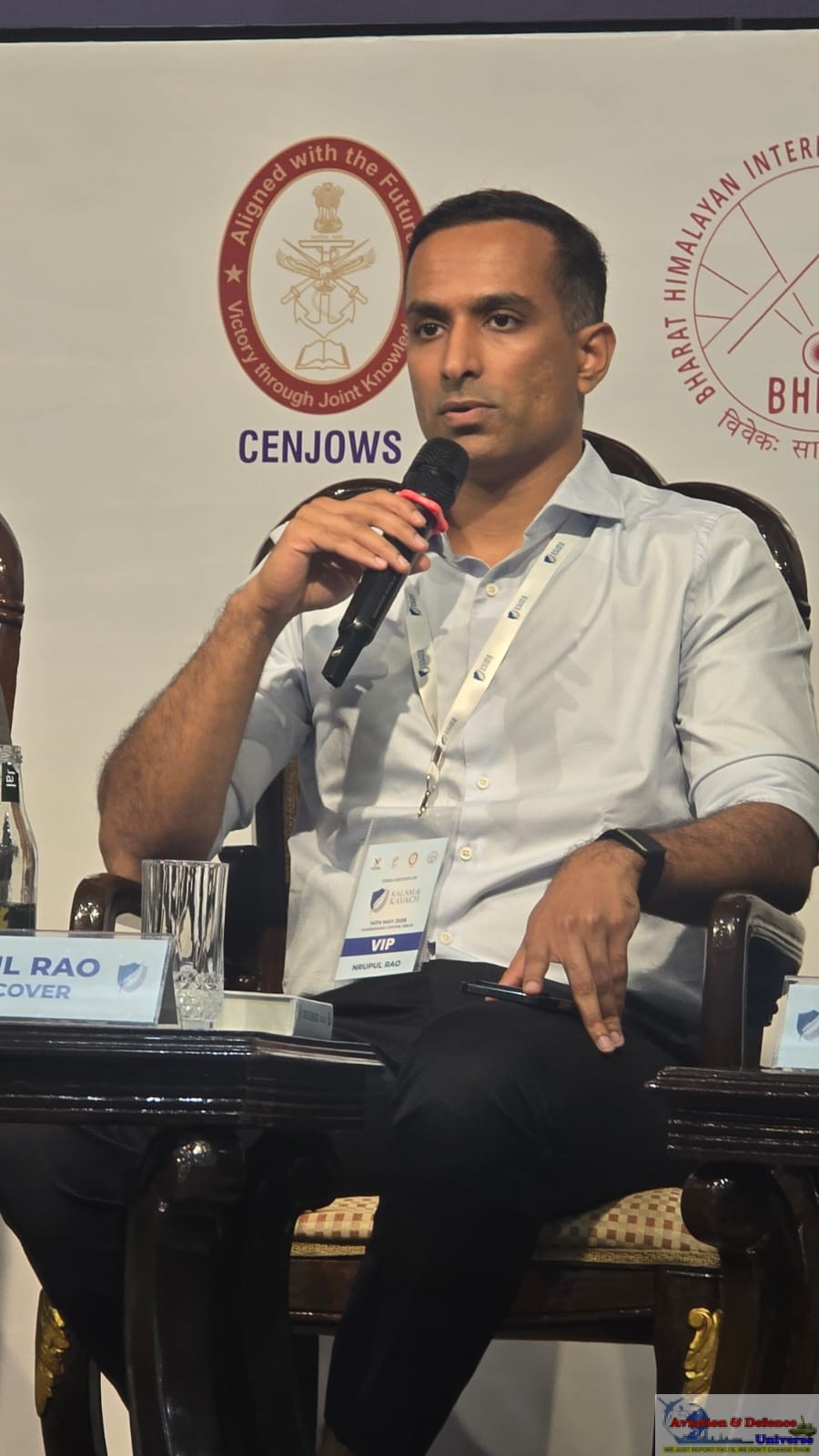 Nrupul Rao of ProDiscover focused on digital forensics, cyber integration and decision-speed in warfare.“Products are not going to solve the problems of today,” he said. “We need integrated solutions. He argued that future conflicts will increasingly depend on how quickly systems can process information and act upon it.“How fast we see, how fast we decide and how fast we act — that will define how the next war plays out,” Rao remarked. Rao also highlighted the expanding role of digital forensics in operational warfare. “Forensics is increasingly becoming part of the OODA loop,” he said. “It is no longer only post-operation.”
From secure networks and predictive decision support to counter-drone infrastructure and sovereign space capability, the panel reflected the growing recognition that warfare transformation is now revolutionary rather than evolutionary. The repeated emphasis on speed, machine-driven integration and collaborative ecosystems also reinforced the need for deeper engagement between the military, private industry, academia and technology innovators.
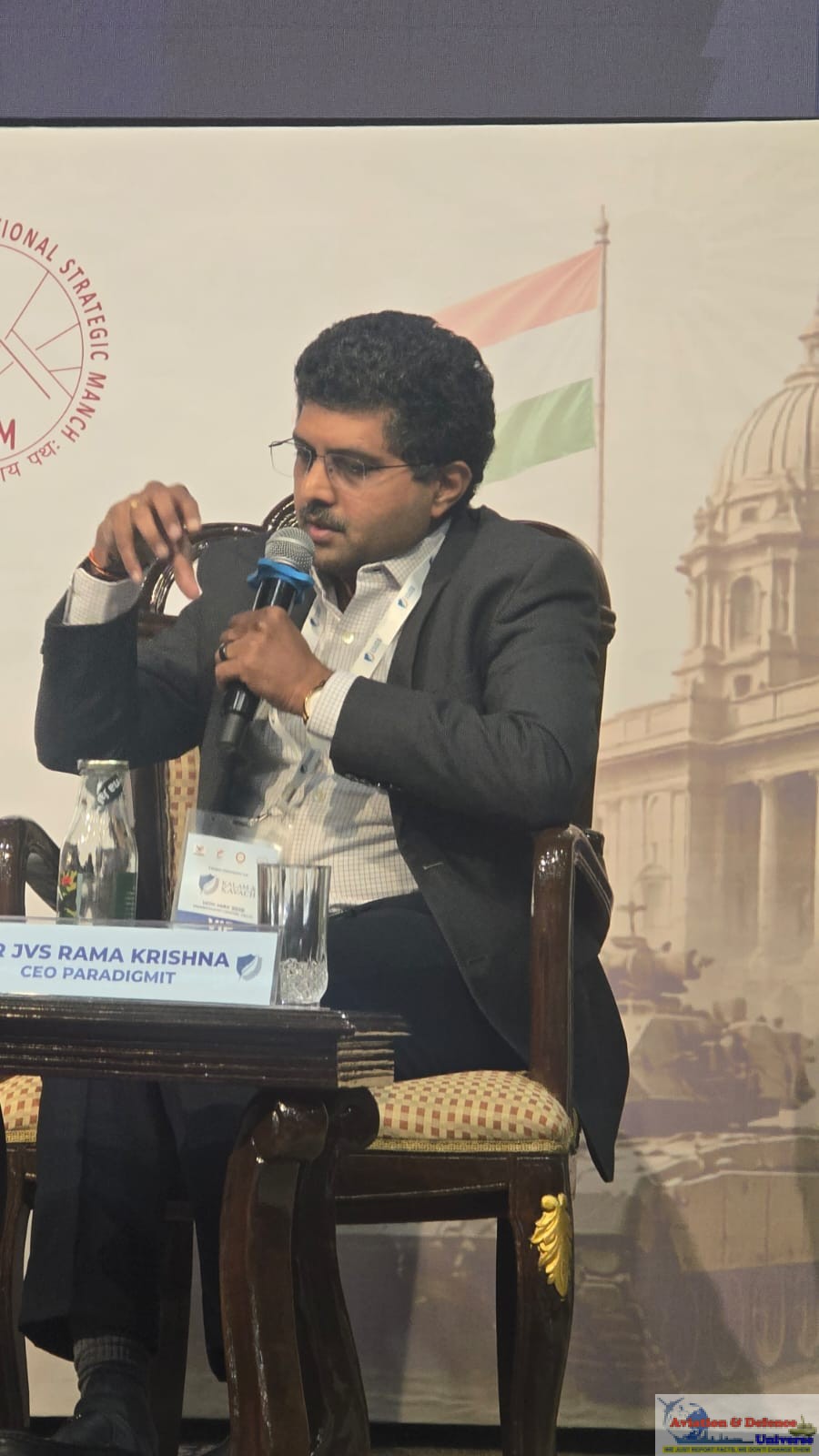 JVS Ramakrishna of ParadigmIT focused on interoperability, contextual intelligence and secure AI ecosystems.“It is not technology that is limiting us,” he said. “The biggest challenge is interoperability.” Drawing from experiences in smart infrastructure and crowd management systems, he highlighted the importance of real-time data integration and AI-driven decision-making. “The autonomy we spoke about in the morning is now fairly possible,” he observed. “What we need is interoperability that can operate at machine speed.”
Concluding the session, Rear Admiral Monty Khanna (Retd.) summarised the discussion by warning that the world is now entering a full-scale revolution in military affairs. “These changes are no longer evolutionary. They are revolutionary,” he stated. “Business as usual is the first thing we have to get rid of.”He stressed the importance of transformational thinking, interoperable ecosystems and machine-speed governance. “You have to create the ecosystem and standards that allow plug-and-play systems and interoperability,” he said. “Solutions must move from conceptualisation to fielding at machine speed.”
The session “Future Proofing India’s Warfighting Edge” at Kalam & Kavach 3.0 highlighted how the future battlefield is rapidly evolving into a highly networked, autonomous and data-driven operational environment shaped by AI, cyber operations, drones, space technologies and integrated digital ecosystems. The discussion underscored that future military advantage will depend not only on weapon systems but on the speed of decision-making, interoperability, sovereign technological capability and the ability to rapidly adapt to emerging threats.
As India prepares for increasingly complex multi-domain conflicts, the session demonstrated that future-proofing the country’s warfighting edge will require transformational thinking, agile innovation and a sustained commitment to building sovereign, interoperable and future-ready defence capabilities.













































































-A4-Size-(2)_page-0001.jpg)