









- Calls for Sovereign Capability Through Trusted Defence Partnerships
- States Technology Transfer Must Create Real Capability in India
- Says Future Wars Will Be Won by Nations That Adapt Faster
By Sangeeta Saxena
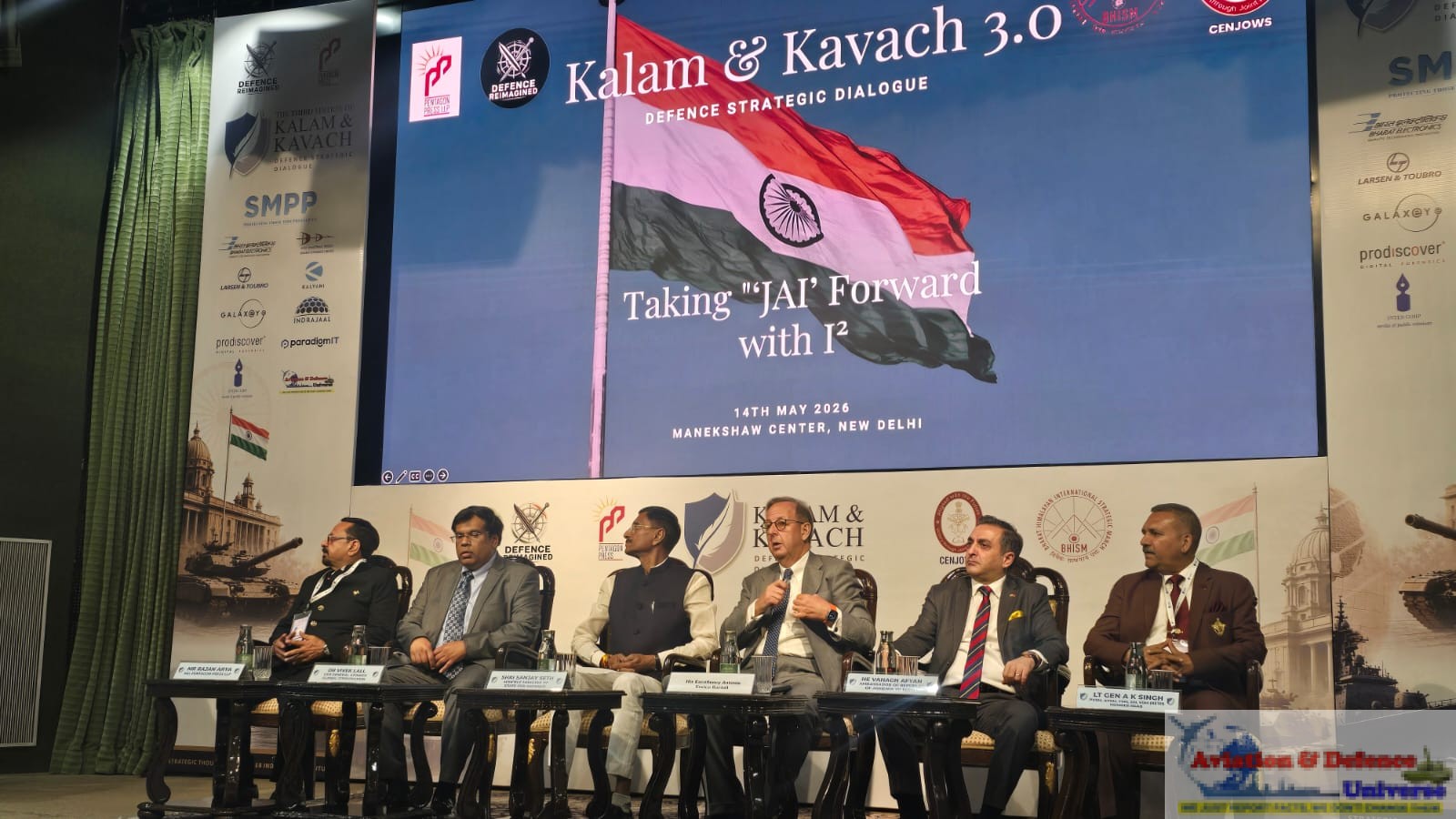
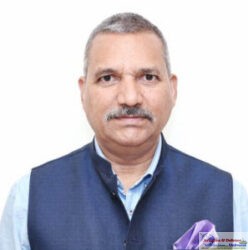
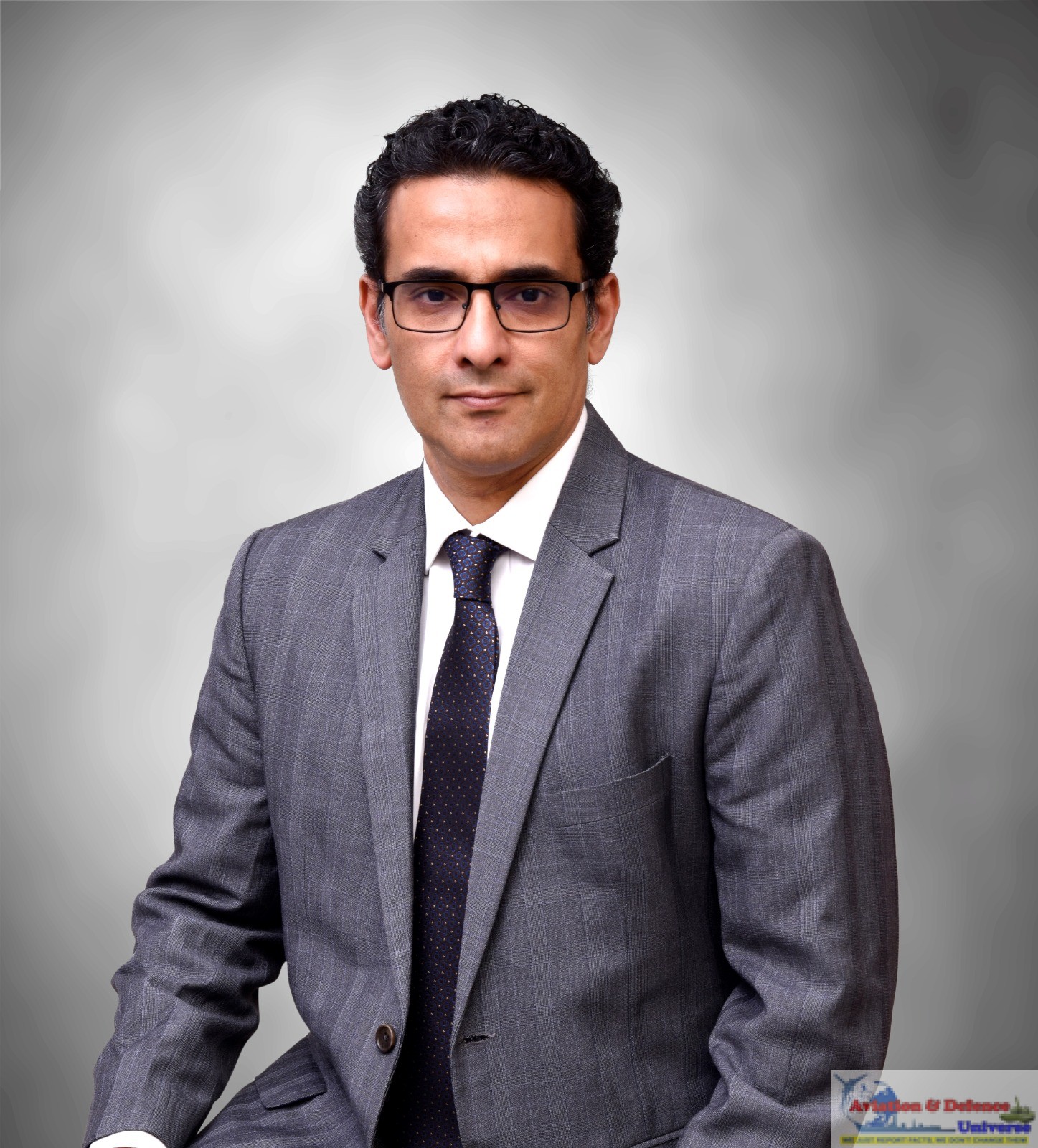
New Delhi. 14 May 2026. It was a powerful assertion, “India’s moment is not approaching. It is here,” which captured the audience’s attention and encapsulated the growing global recognition of India’s emergence as a major strategic, technological and defence power. The statement reflected confidence in India’s rapidly expanding capabilities across defence manufacturing, space, innovation, digital technologies and military modernisation. Coming at a time when India is accelerating efforts toward self-reliance through initiatives such as Atmanirbhar Bharat and indigenous defence development, the remark reiterated that India is no longer preparing for a future role in the global strategic order — it is already shaping it. And coming from Dr. Vivek Lall, Chief Executive of General Atomics Global Corporation this message also highlighted the significance of India’s operational readiness, innovation ecosystem and strategic partnerships, indicating that the country now possesses the industrial depth, technological talent and geopolitical influence required to play a defining role in the security architecture of the coming decades.
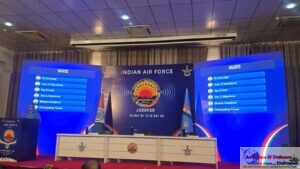
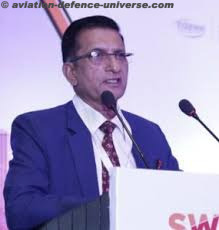
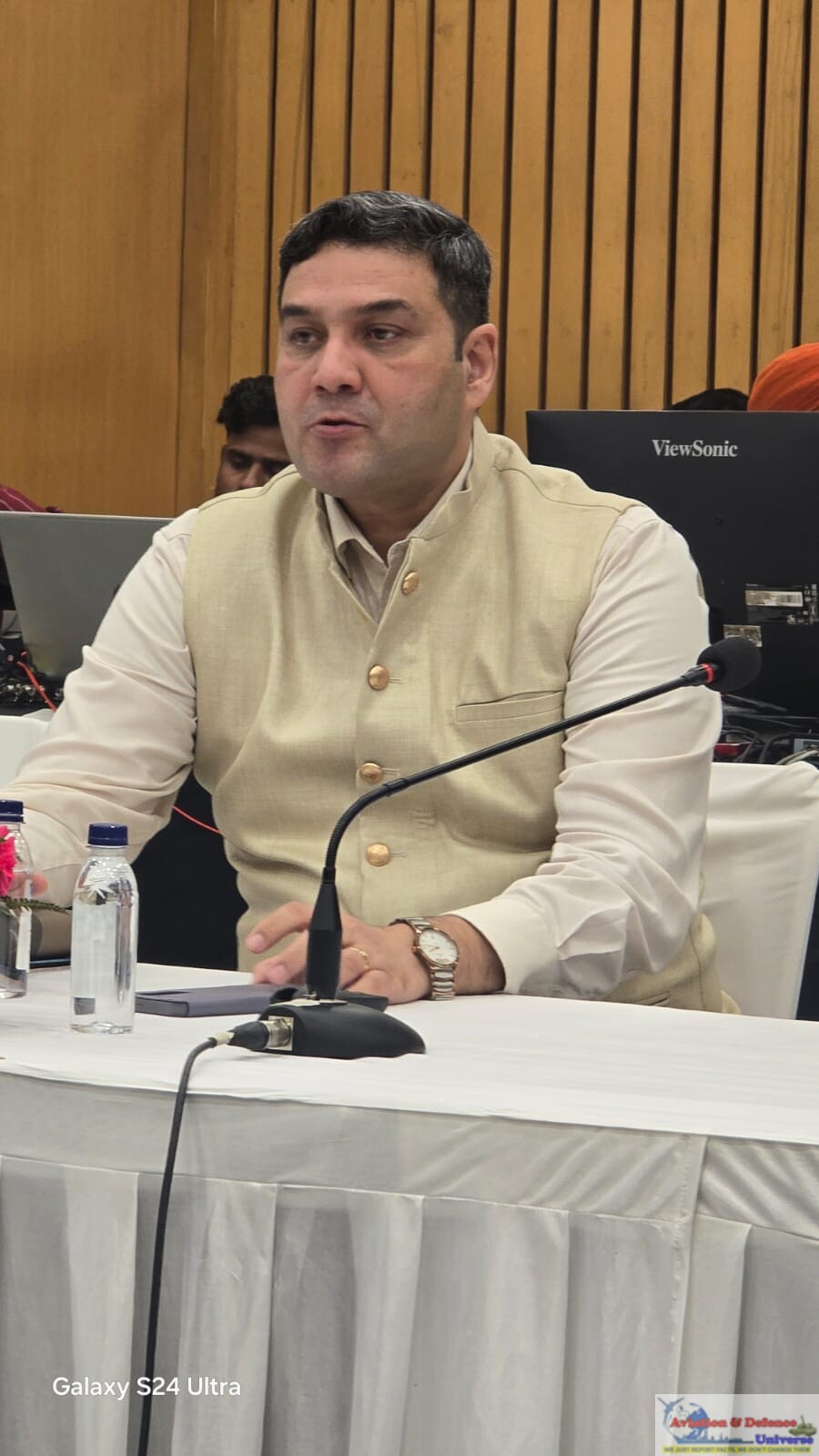
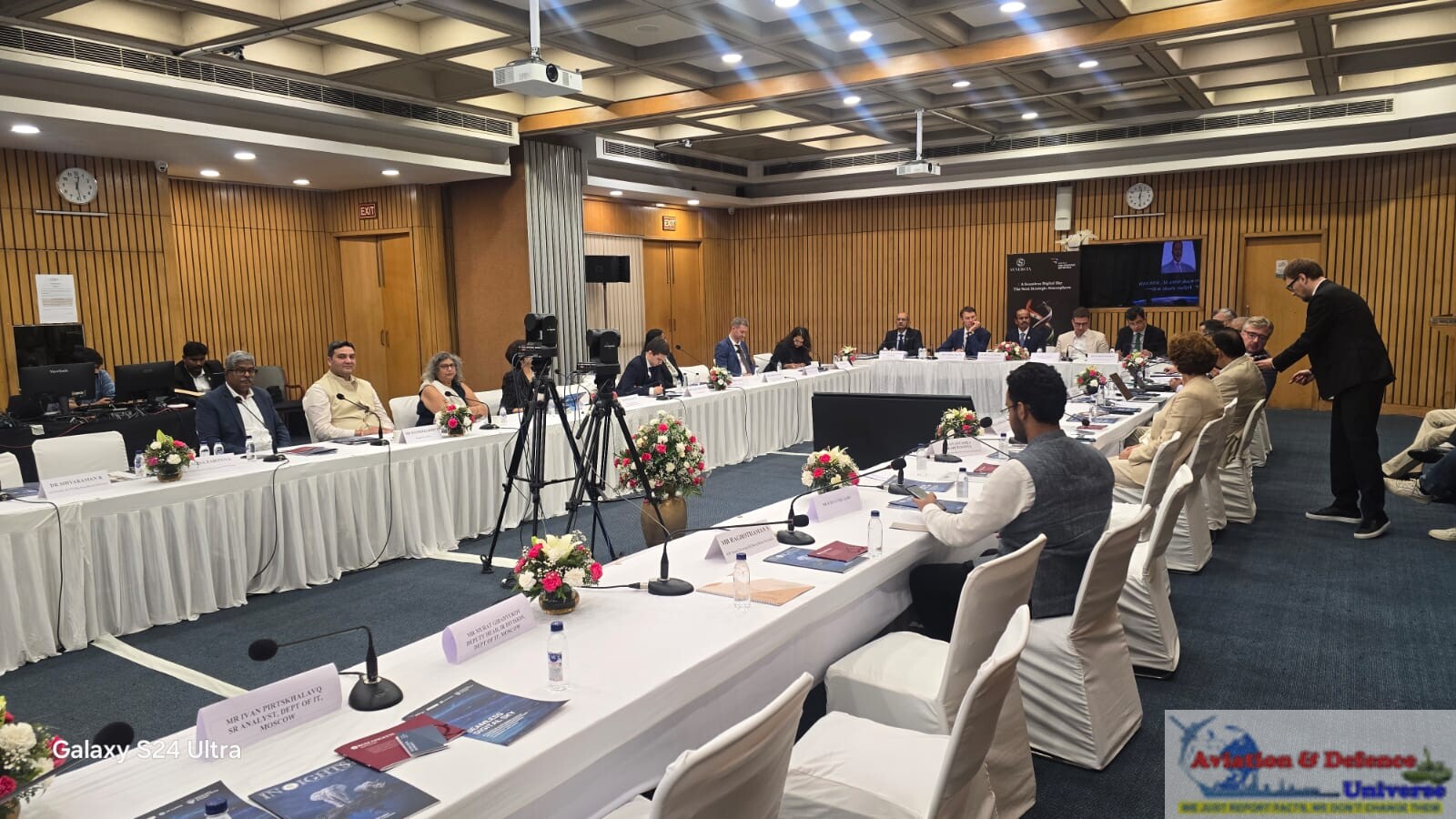
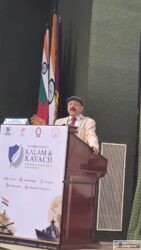
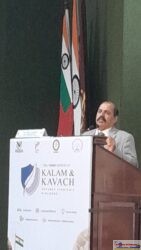
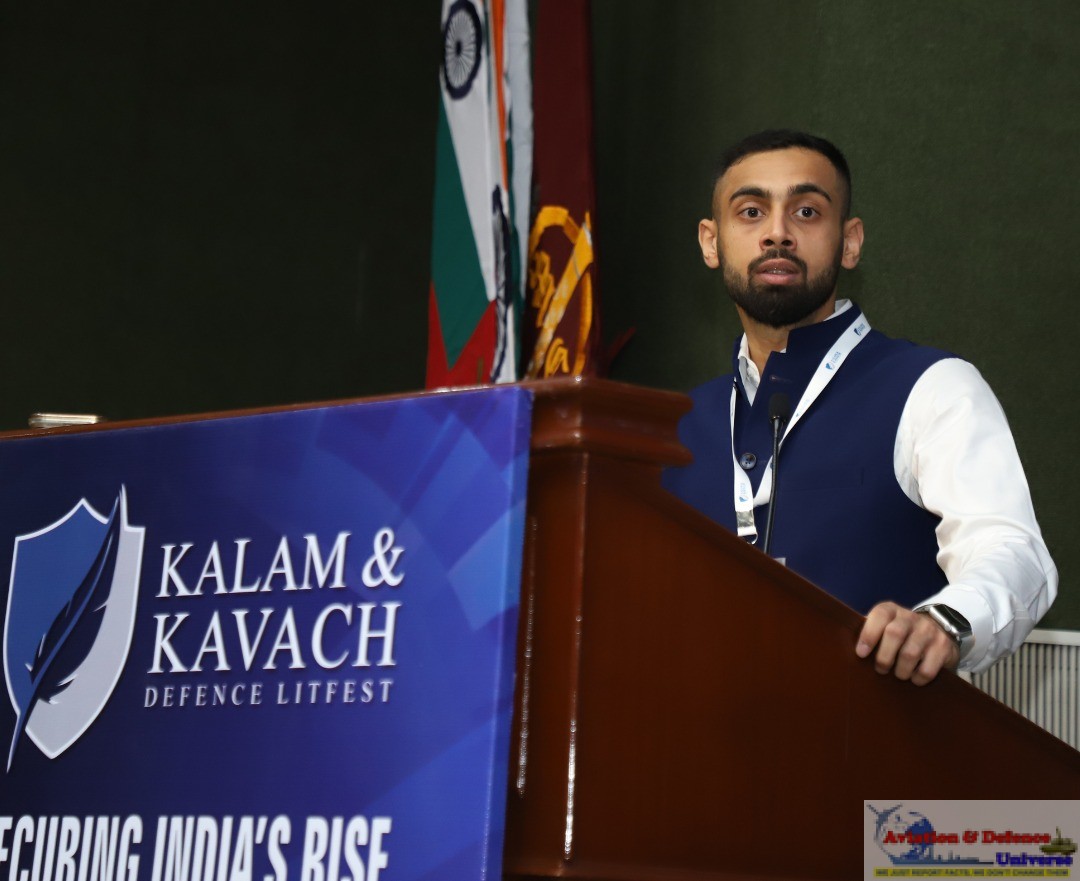
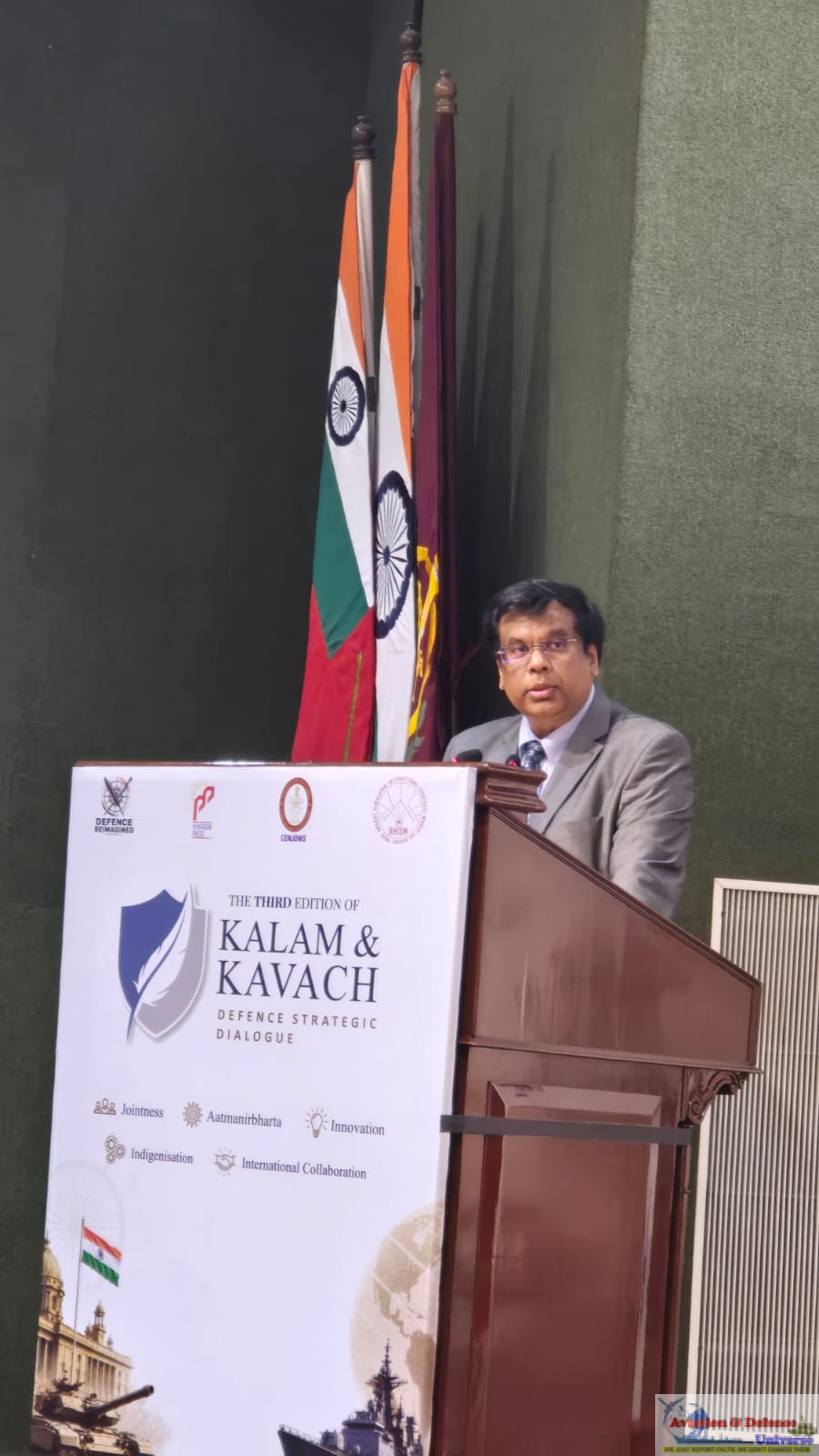 Highlighting the growing importance of strategic autonomy, joint operational capability and technology-driven warfare, Dr. Vivek Lall delivered a powerful address at Kalam & Kavach 3.0, emphasising that India has entered a defining phase in its defence transformation journey. Speaking at the strategic dialogue, he emphasized the importance of indigenous capability development, resilient defence supply chains and trusted international collaborations in an era increasingly shaped by multi-domain warfare, cyber operations and space-based threats.
Opening his address, Dr. Vivek Lall described the gathering at Kalam & Kavach 3.0 as an important platform for shaping conversations around strategic capability and technological transformation. Referring to India’s recent operational achievements and the country’s growing confidence in indigenous defence capability, Dr. Lall remarked that the global conversation around India’s defence ecosystem had fundamentally changed.
A major focus of his speech was the evolving meaning of technology transfer and strategic partnerships. According to Dr. Lall, India must now evaluate partnerships based on the actual operational and industrial capabilities created within the country rather than the promises contained in agreements.
“Technology transfer should be measured not by what is written in an agreement, but by what Indian engineers, Indian maintainers and Indian institutions actually gain from it,” he said. “Can the system be sustained in India without external support? Can Indian companies enter the global supply chain? Can the capability be adapted to India’s own operational requirements? Those are the tests that matter.”
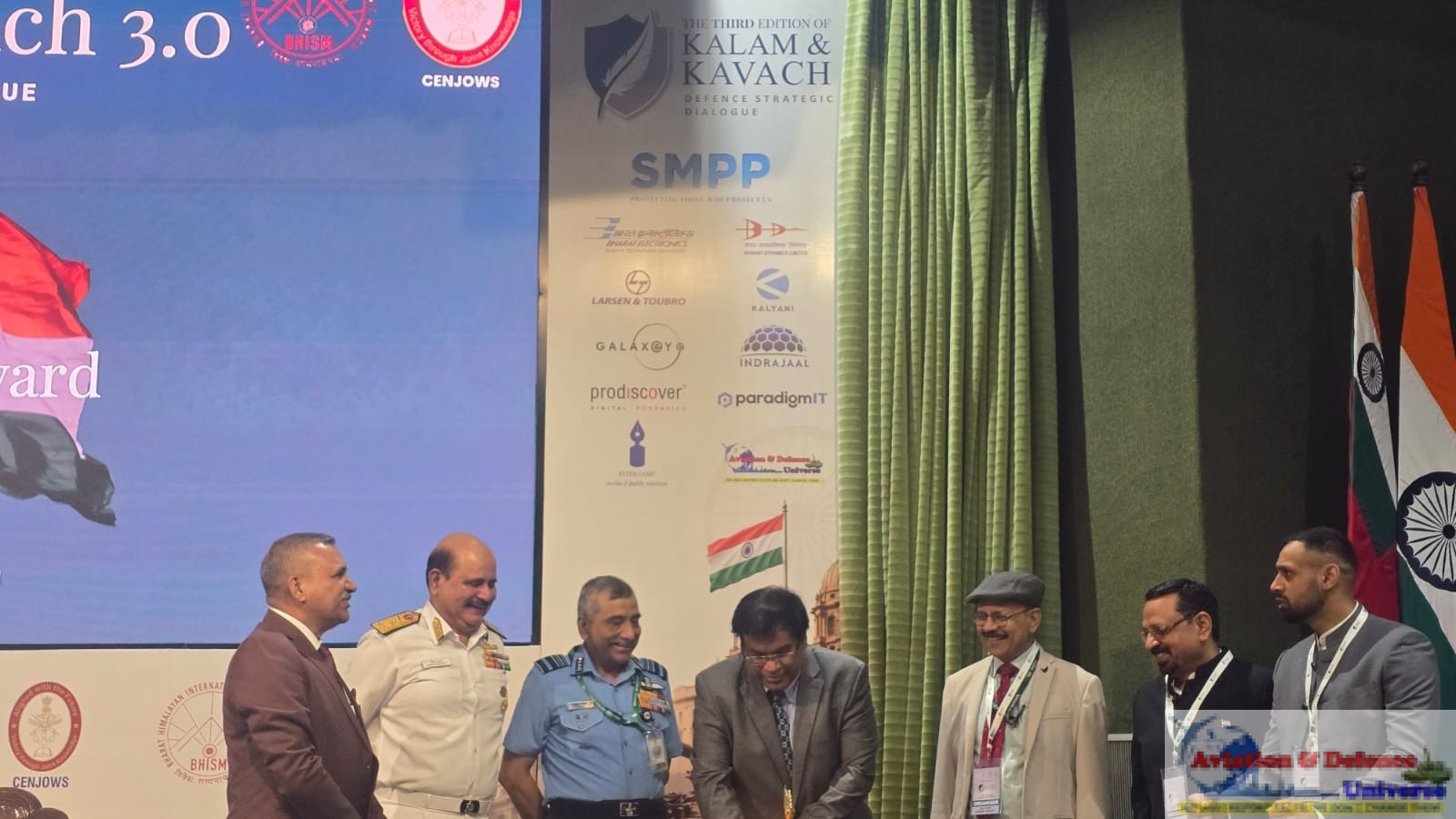 He also highlighted the strategic importance of sustainment and supply-chain resilience in today’s geopolitical environment. “A country that cannot sustain its own critical systems during a crisis will not truly control those systems,” Dr. Lall said. “Sustainment is not an afterthought. It is a core strategic capability.”
Speaking on the concept of jointness, Dr. Lall argued that future warfare demands integrated technological architectures rather than isolated service-specific platforms.“Land, air, sea, cyber, and electronic warfare did not operate in parallel. They were networked,” he observed. “Sensors cued shooters, systems communicated across domains, decisions moved faster than the adversary could adapt.”
Dr. Lall stressed that space and cyber domains would become increasingly central to future conflicts, warning that militaries worldwide are already competing intensely in these arenas. “Space is no longer a strategic enabler sitting safely above the battlefield. It is a contested domain,” he said, while also cautioning that cyber operations, misinformation and cognitive warfare are becoming critical components of modern conflict.
On India’s defence innovation ecosystem, Dr. Lall praised initiatives such as iDEX and the country’s rapidly growing defence startup landscape, describing it as a “genuine structural shift.” “The talent exists, the ambition exists,” he noted. “The system needs to close the distance between a promising prototype and a fielded capability.”
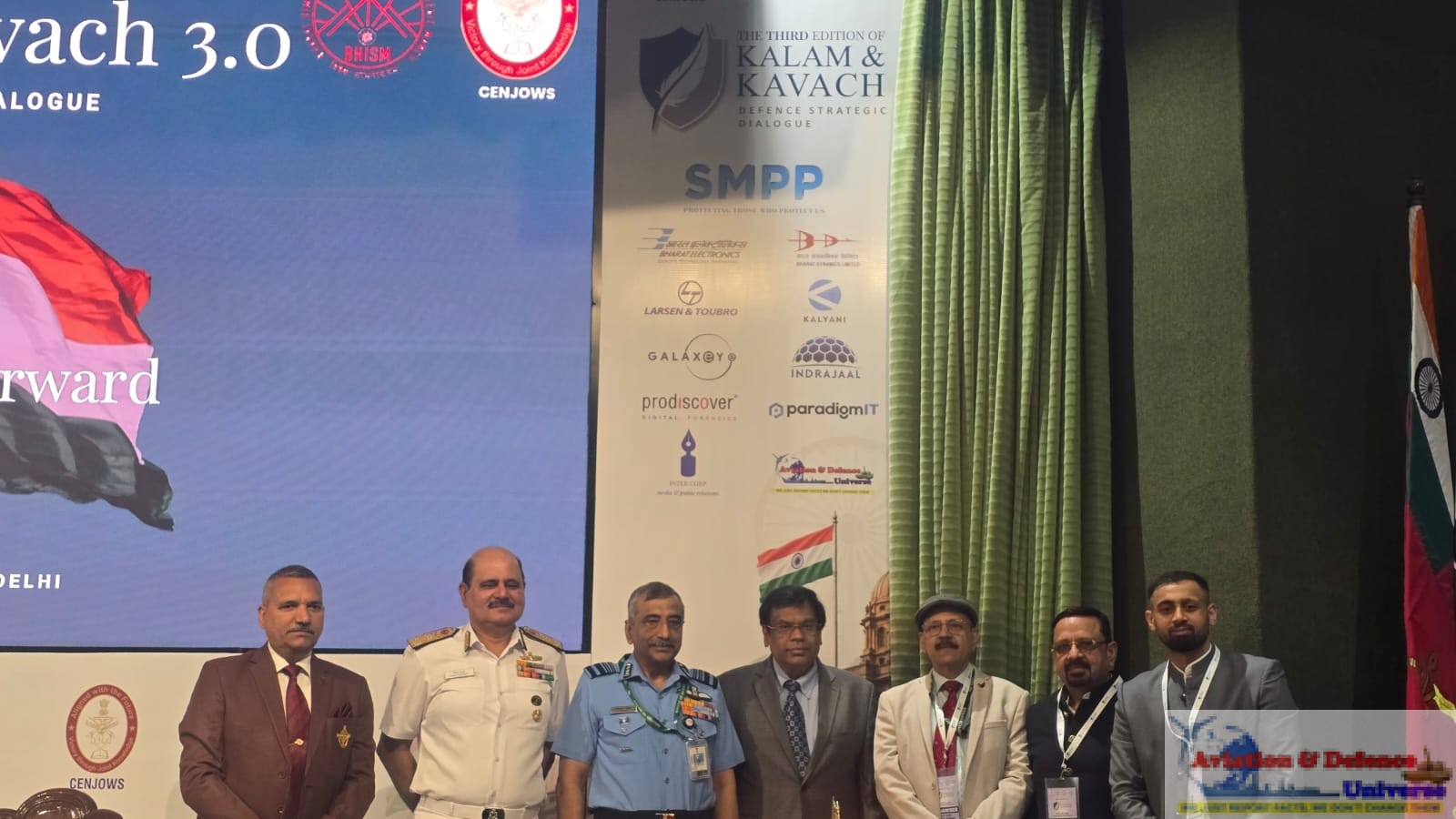 He further argued that self-reliance and international collaboration should not be viewed as contradictory objectives.“The right model is self-reliance through trusted partnerships,” Dr. Lall said. “India collaborates where collaboration accelerates sovereign capability and develops independently where national control is essential.”
Concluding his address, Dr. Lall emphasised that India already possesses the ingredients required to emerge as a leading strategic power in the coming decade.“The nations that shape the security landscape of the next decade will not necessarily be the ones with the largest budgets,” he said. “They will be the ones that move from concept to capability fastest, sustain that capability under pressure, and adapt before the threat does.”
Dr. Vivek Lall’s address at Kalam & Kavach 3.0 highlighted the accelerating transformation of modern warfare and the urgent need for India to build resilient, integrated and self-reliant defence capabilities. From technology transfer and supply-chain resilience to joint operational architectures and the growing significance of cyber and space domains, his remarks reflected the evolving priorities of global security and defence innovation.
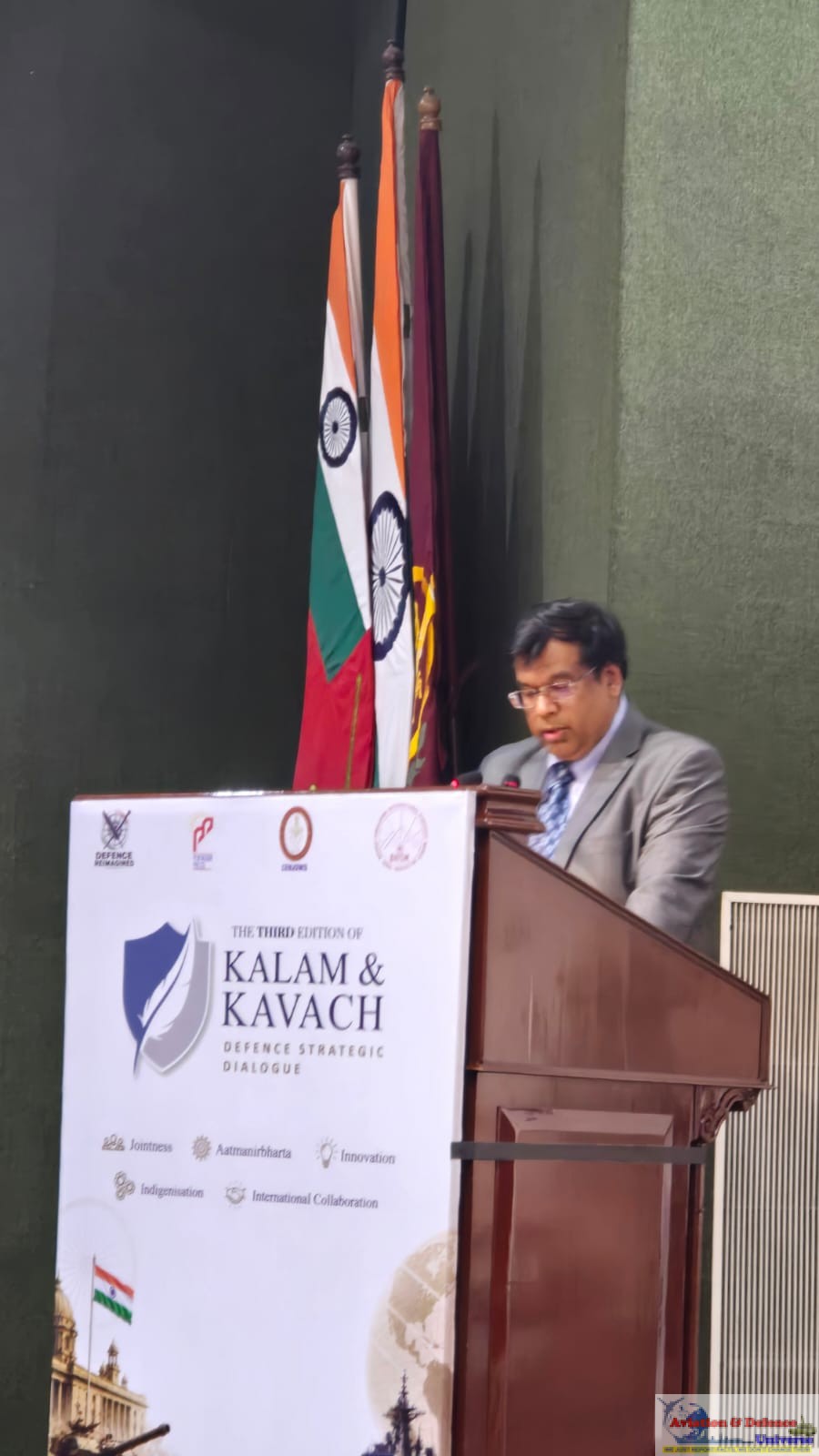 His emphasis on “self-reliance through trusted partnerships” reinforced the idea that India’s defence future will depend on balancing indigenous capability development with strategic global collaboration. At the same time, his focus on speed, adaptability and sustainment underscored the reality that future military advantage will belong to nations capable of rapidly converting innovation into operational capability.
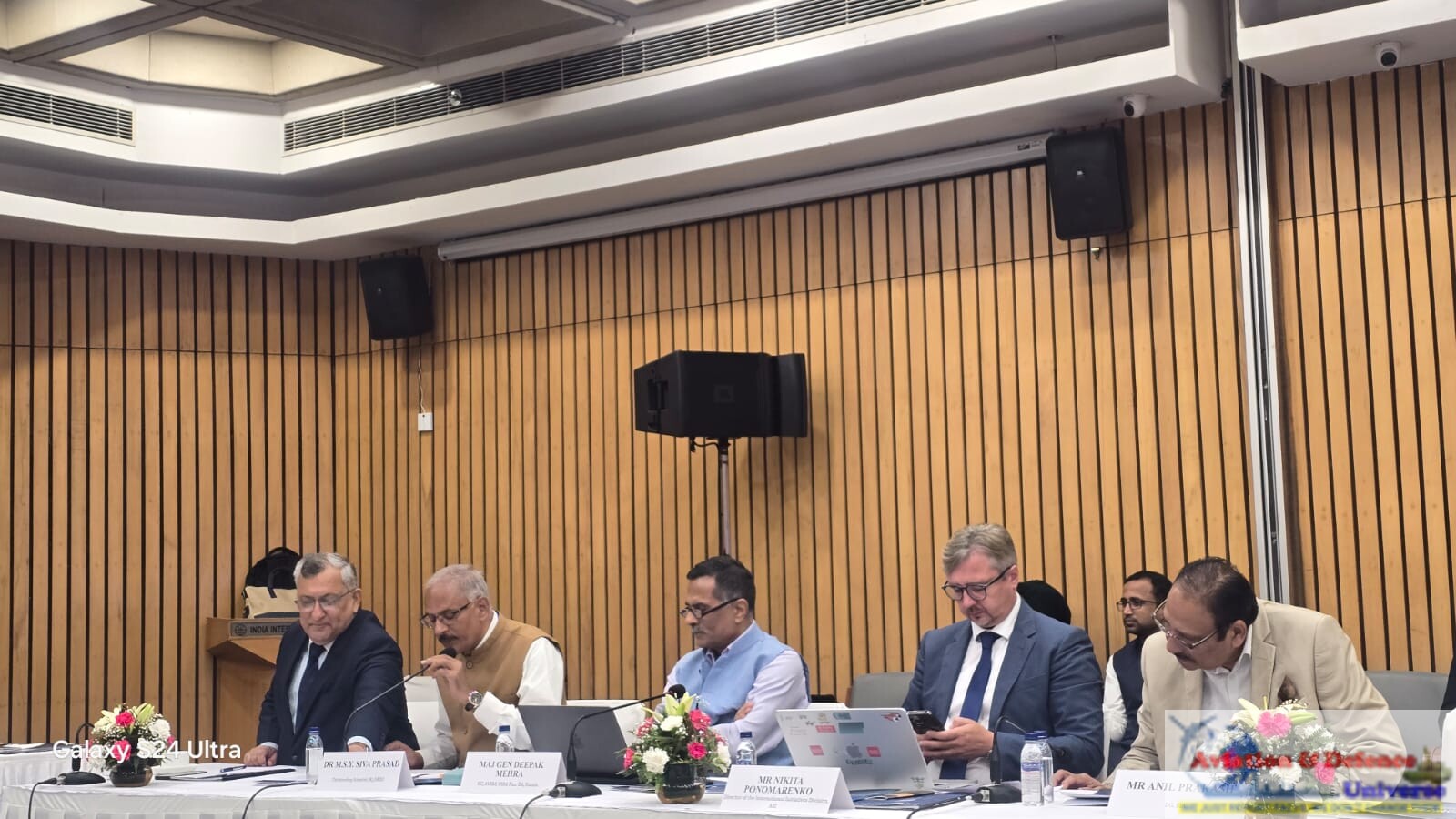
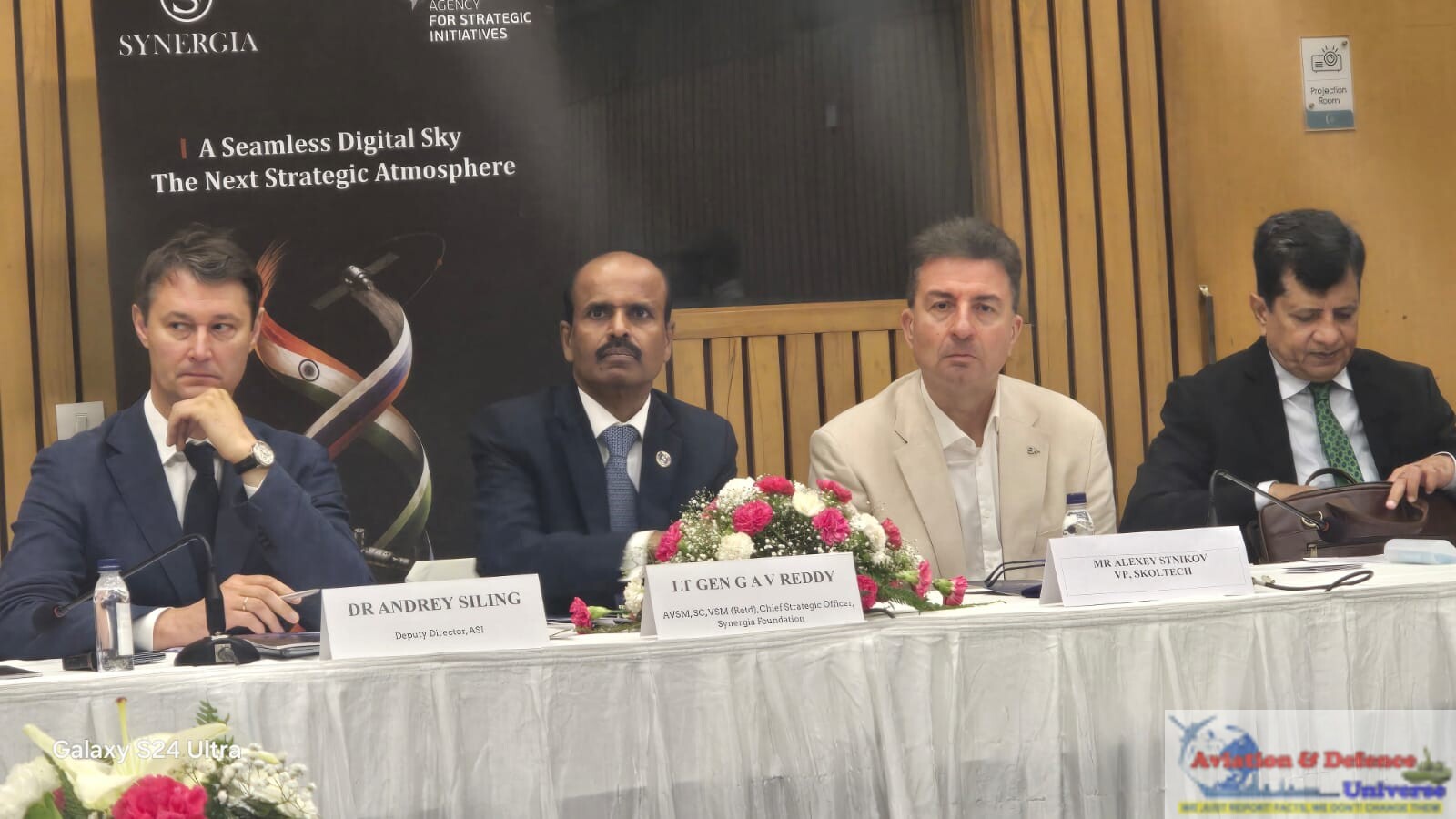
As Kalam & Kavach 3.0 continued its discussions on jointness, indigenisation and emerging technologies, Dr. Lall’s address served as a strong reminder that India’s defence transformation is no longer a distant ambition but an active strategic reality shaping the future battlespace.
An Indian-origin business leader with deep engagement in the India-US strategic partnership ecosystem, Dr. Lall has consistently advocated for stronger defence-industrial cooperation, technology collaboration and indigenous capability development for India. Over the years, he has played an important role in strengthening conversations around critical technologies, defence modernisation, aerospace innovation, unmanned systems and strategic autonomy.





































































-A4-Size-(2)_page-0001.jpg)