 18th BRICS Summit
















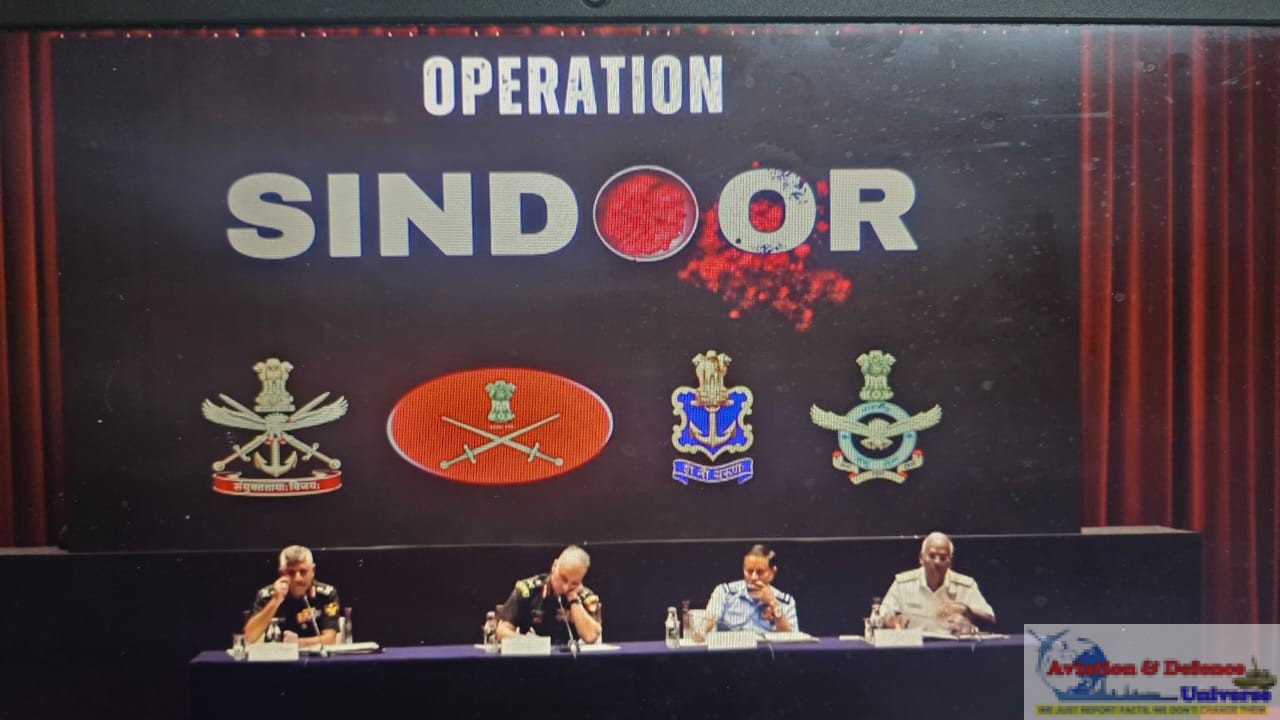
- “We Struck Hard, Achieved Objectives and Stepped Back”: Armed Forces Reflect on Operation Sindoor
- From Precision Strikes to Multi-Domain Warfare: One Year of Operation Sindoor
- “India’s Fight Against Terror Will Go On”: Armed Forces Reaffirm Resolve
By Sangeeta Saxena
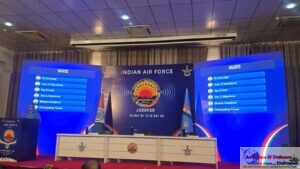
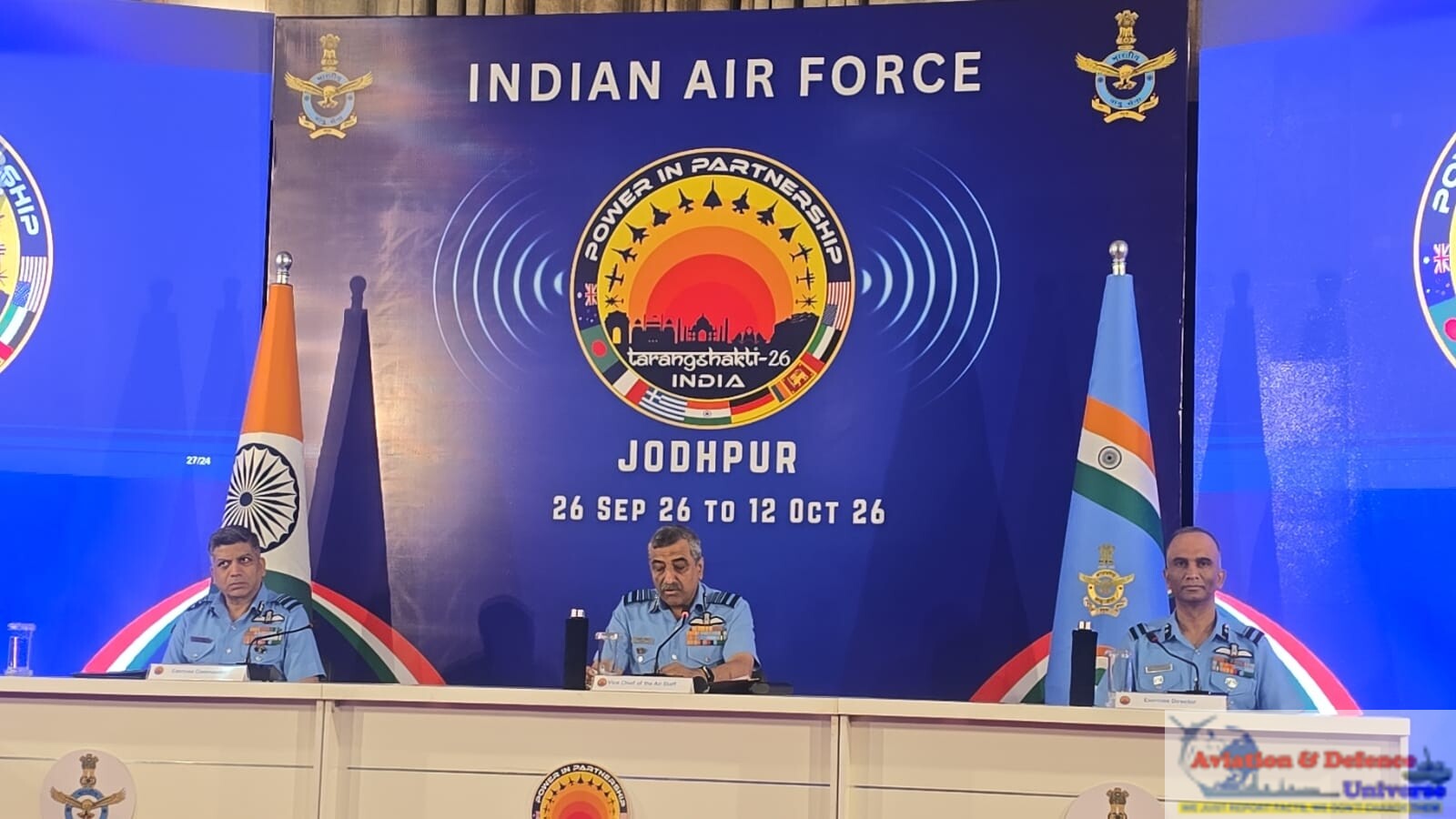
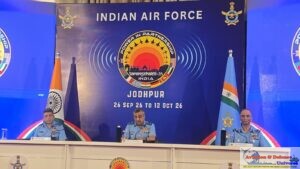
Jaipur/New Delhi. 07 May 2026. On the first anniversary of Operation Sindoor, senior officers of the Indian Army, Indian Navy and Indian Air Force addressed a joint press conference highlighting the operation’s strategic, military and technological significance. The briefing reflected on the calibrated yet decisive response mounted by India following the Pahalgam terror attack of April 2025, and underscored how the operation became a defining example of joint tri-services integration, indigenous capability, multi-domain warfare and a whole-of-government national security approach.
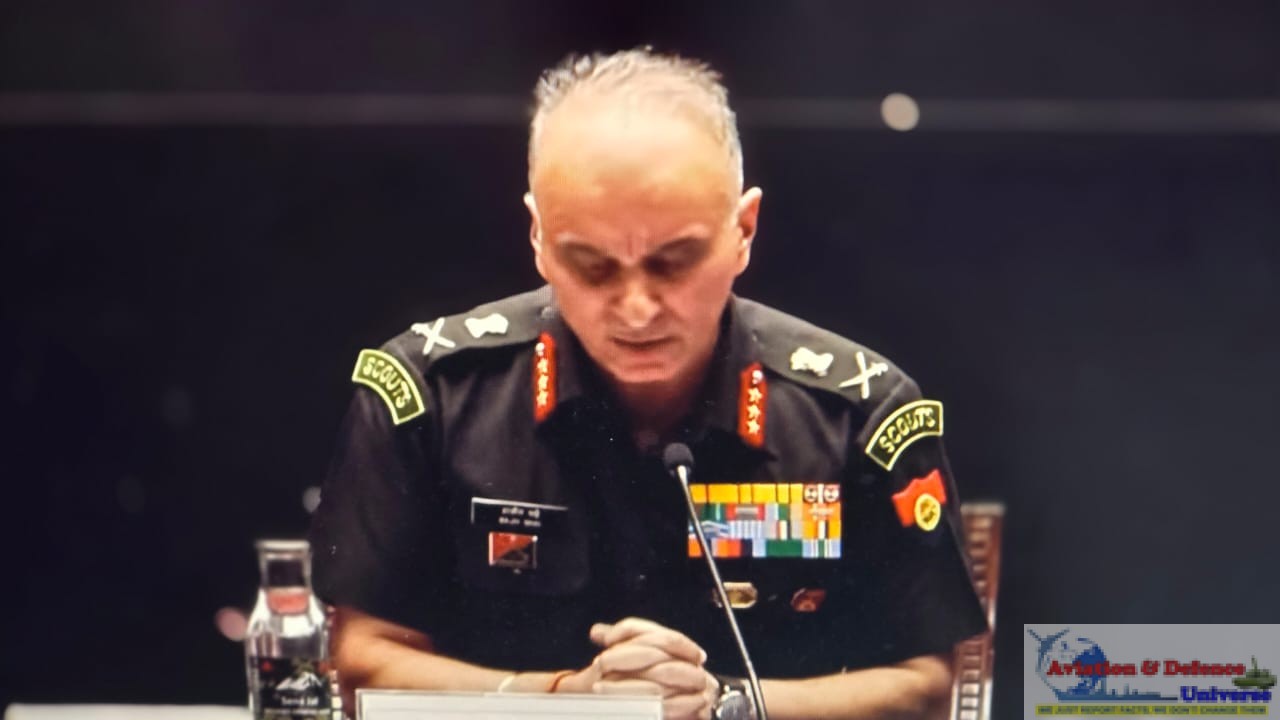
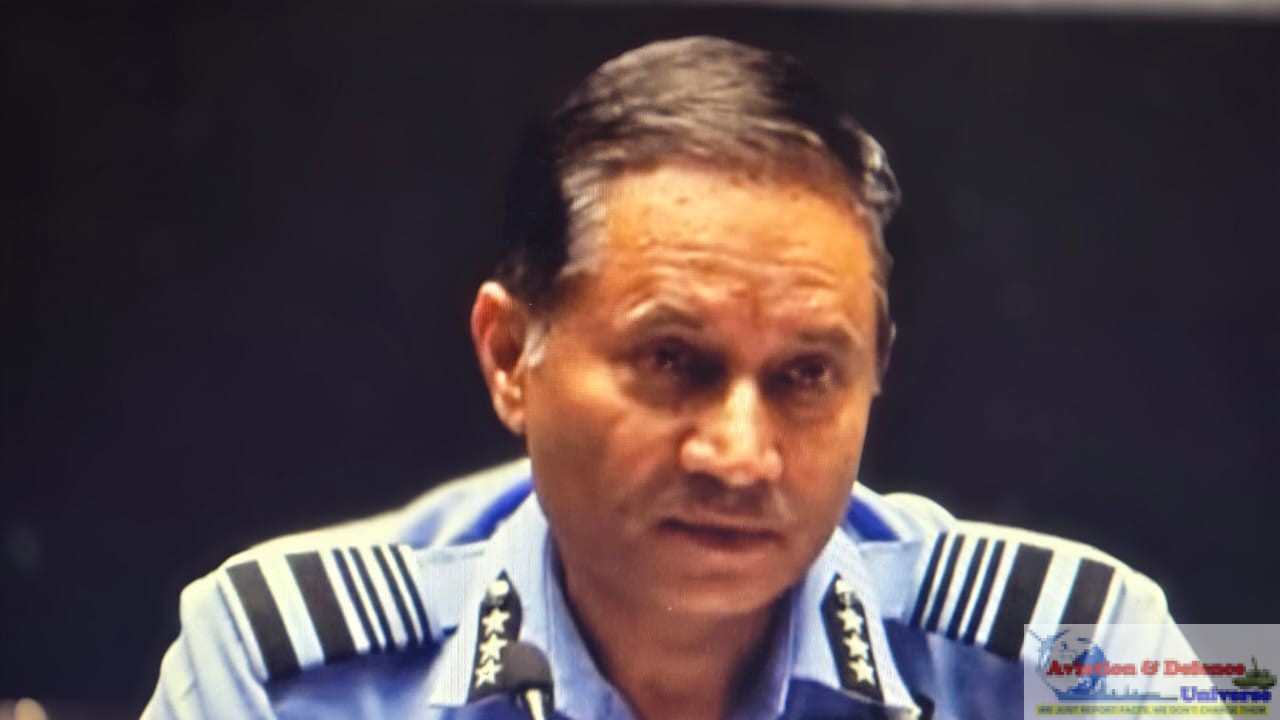
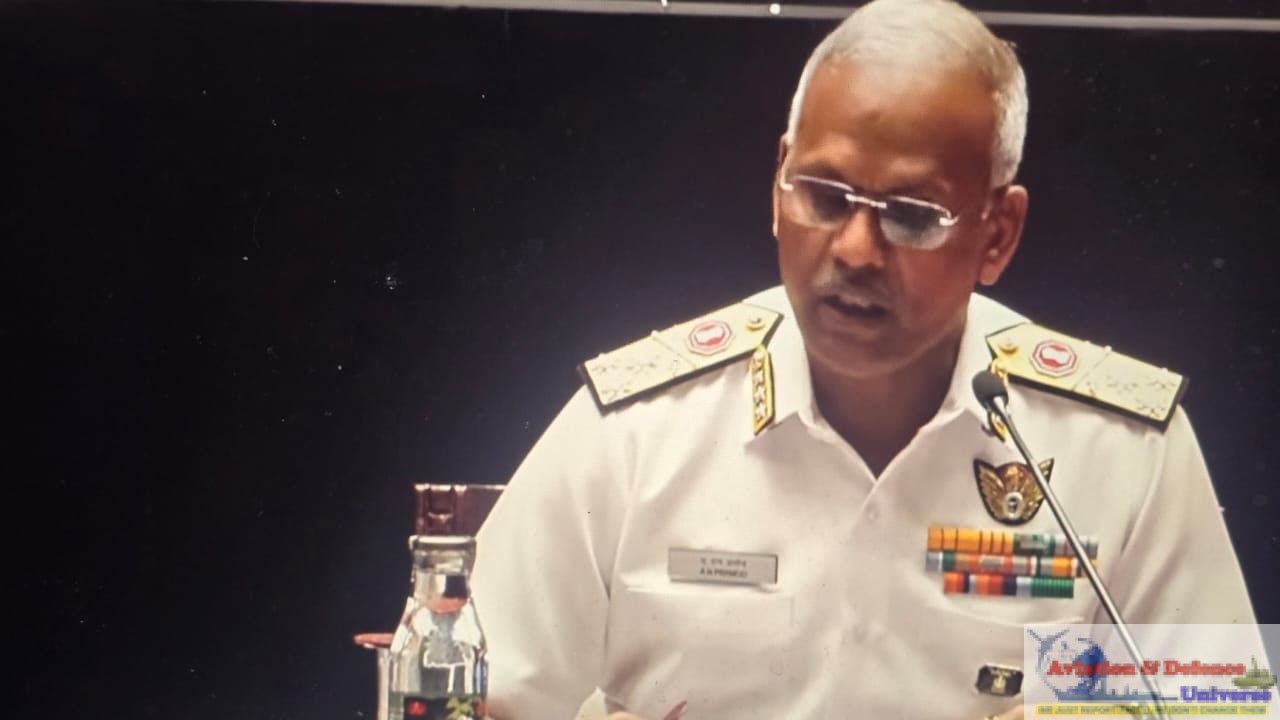
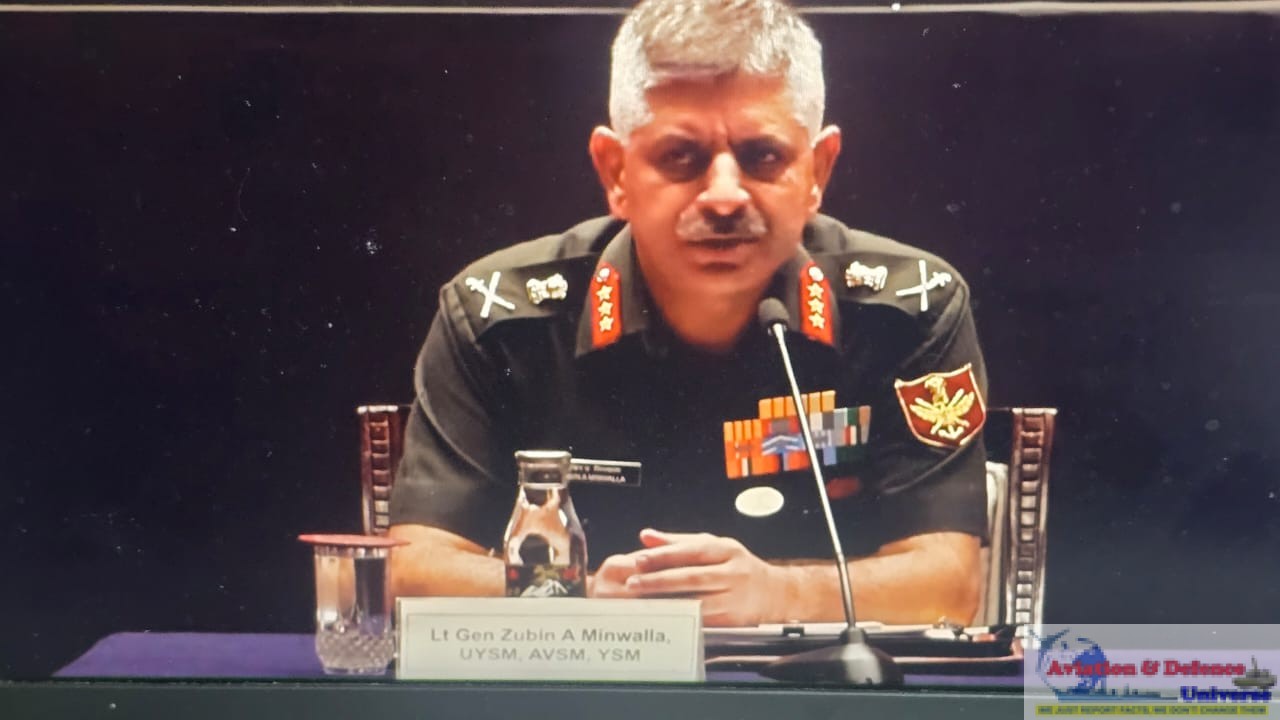 The senior military leadership, including Deputy Chief of Integrated Defence Staff Lt Gen Zubin A. Minwalla, Director General of Military Operations (DGMO) Lt Gen Rajiv Ghai, Deputy Chief of Air Staff Air Marshal Avdhesh Kumar Bharti, and Director General Naval Operations (DGNO) Vice Admiral A.N. Pramod. The briefing provided a detailed account of the planning, execution, strategic lessons and continuing implications of Operation Sindoor, while highlighting India’s growing emphasis on jointness, multi-domain operations, indigenous capability and a whole-of-government approach to national security.
Opening the briefing, senior military leadership described Operation Sindoor as more than a military response, calling it “a statement of resolve, responsibility and strategic restraint by a nation.” The armed forces revealed that the government had laid down “clear politico-military objectives and the operational flexibility to achieve these”, with the mission focused on destroying and degrading terror ecosystems, disrupting their planning, and deterring future aggression.
Officials highlighted that this operational freedom enabled the military to “adapt swiftly, to de-conflict, to synchronise and to respond decisively in a dynamic multi-domain battlefield.” Operation Sindoor was repeatedly described as a landmark in India’s evolution toward integrated warfare. The briefing noted that the operation reflected “India’s evolving whole-of-government approach”, where ministries, intelligence agencies, cyber and information warfare institutions, border guarding forces and the armed services worked in synchronisation. The military leadership said the operation had become “the gold standard both militarily and strategically across the world.”
 The press conference detailed how land, air and maritime capabilities were integrated through “shared situational awareness, common operation and intelligence pictures and real-time decision making.” The armed forces confirmed that nine precision stand-off strikes were executed against terror infrastructure deep inside Pakistan and Pakistan-occupied Jammu & Kashmir. According to the briefing, “seven were executed by the Indian Army and two by the Indian Air Force”, achieving “total surprise and inflicting maximum damage.” Military leaders stressed that Pakistan’s attempts to target Indian military infrastructure were neutralised due to “a very carefully and deliberately laid out air defence architecture.”
A major emphasis during the conference was on indigenous defence capability. Officials highlighted that “a significant percentage of the weapon systems, munitions, rockets and missiles, sensors and electronic warfare suits employed were developed and produced in India.” Systems such as BrahMos, Akash, advanced surveillance platforms and indigenous ammunition played a decisive role in the operation. The military leadership asserted, “Operation Sindoor proved that Atmanirbhar is not just a slogan, it is indeed a force multiplier.”
One of the key strategic themes of the briefing was escalation control. The armed forces stated that India had adopted “a calibrated shot and sharp shock” approach that achieved military objectives without being drawn into a prolonged war. Officials said India deliberately chose conflict termination after Pakistan sought cessation of hostilities, explaining, “We paused when the request came, we stepped back, but we didn’t blink.” The military leadership clarified that the mission was aimed specifically at terrorists and their support infrastructure, stating, “Our fight was with the terrorists and their support infrastructure.”
 At the same time, the armed forces warned that any escalation by Pakistan was met decisively. The briefing stated, “When we responded, it was lethal and ruthless.” Reflecting on the broader message of the operation, the officers said, “Acts of terror will carry consequences.”
The Indian Air Force highlighted critical operational lessons from the campaign. Air power, according to the briefing, was reaffirmed as “the first responder and the dimension of choice for any nation.” The operation also validated the IAF’s focus on “precision targeting and net-centric warfare, with ICCS emerging as a clear enabler.”
The Indian Navy explained how forward deployment in the Northern Arabian Sea forced Pakistani naval and air units into a defensive posture. Naval leadership stated that India’s maritime dominance “created credible deterrence and helped Pakistani economic trade routes and risks, thereby significantly contributing to escalation control.” The Navy also emphasised the role of unmanned and autonomous systems, calling for accelerated induction of drones and next-generation systems into operational structures.
 A recurring theme throughout the briefing was the transition toward Multi-Domain Operations (MDO). Officials stated that operations were integrated not only across traditional domains but also “cyber, space and information domains, marking a decisive evolution in our warfighting philosophy.” The military leadership highlighted that Operation Sindoor demonstrated “rapid speed, precision and accuracy” and became “a foundational step towards multi-domain operations.”
The role of reforms initiated under the Chief of Defence Staff structure was also acknowledged. Officers stated that the creation of the CDS and the designation of 2025 as the “Year of Reforms” by the Raksha Mantri had significantly accelerated jointness and integration.
On the technological front, the briefing detailed ongoing work toward integrated air defence systems, layered architecture against drones and missiles, AI-enabled strategic communication capabilities, manned-unmanned teaming, and a transition from network-centric to data-centric warfare architecture.
Addressing questions on future military transformation, officials confirmed the continued raising of specialised formations such as Divyastra batteries, Shaktimaan regiments and Ashni platoons to counter emerging drone and missile threats.
The military leadership also openly acknowledged the close military relationship between Pakistan and China. The officers noted that Chinese support included arms transfers, space collaboration, information amplification and intelligence support, adding that such realities are factored into India’s military calculus.
 When asked about lessons from the conflict, the armed forces stressed the importance of preparedness and conflict termination strategies. They warned that nations entering war without a clear exit strategy risk becoming trapped in prolonged conflicts.
Concluding the briefing, the armed forces reaffirmed India’s preparedness and resolve. One of the strongest messages of the conference came in the closing remarks:
“Since times immemorial, we have lived with a simple philosophy of live and let live. But when our desire for peace is mistaken for weakness and our silence is taken as absence, there is no choice but to act. And when we act, there are no half measures.”
The first anniversary briefing of Operation Sindoor was not merely a retrospective military assessment—it was a declaration of India’s evolving strategic doctrine. The operation demonstrated the maturity of India’s tri-services integration, the effectiveness of indigenous defence capability, and the emergence of multi-domain warfare as the foundation of future military operations. Equally significant was the emphasis on calibrated escalation control, rapid precision strikes, and whole-of-government coordination. One year later, the message from the Indian armed forces remains unambiguous: India seeks peace, but any act of terror or aggression will invite a decisive, integrated and technologically sophisticated response.











































































-A4-Size-(2)_page-0001.jpg)