














- From Linear Campaigns to Convergent Warfare: Redefining Operational Art in the 21st Century
- No Domain Stands Alone: Lessons from Operation Epic Fury for Future Warfare
- Speed, Scale, and Synchronisation: The New Grammar of Operational Art
- Outthink, Outpace, Outlast: A New Blueprint for Multi-Domain Campaign Design
By Sangeeta Saxena
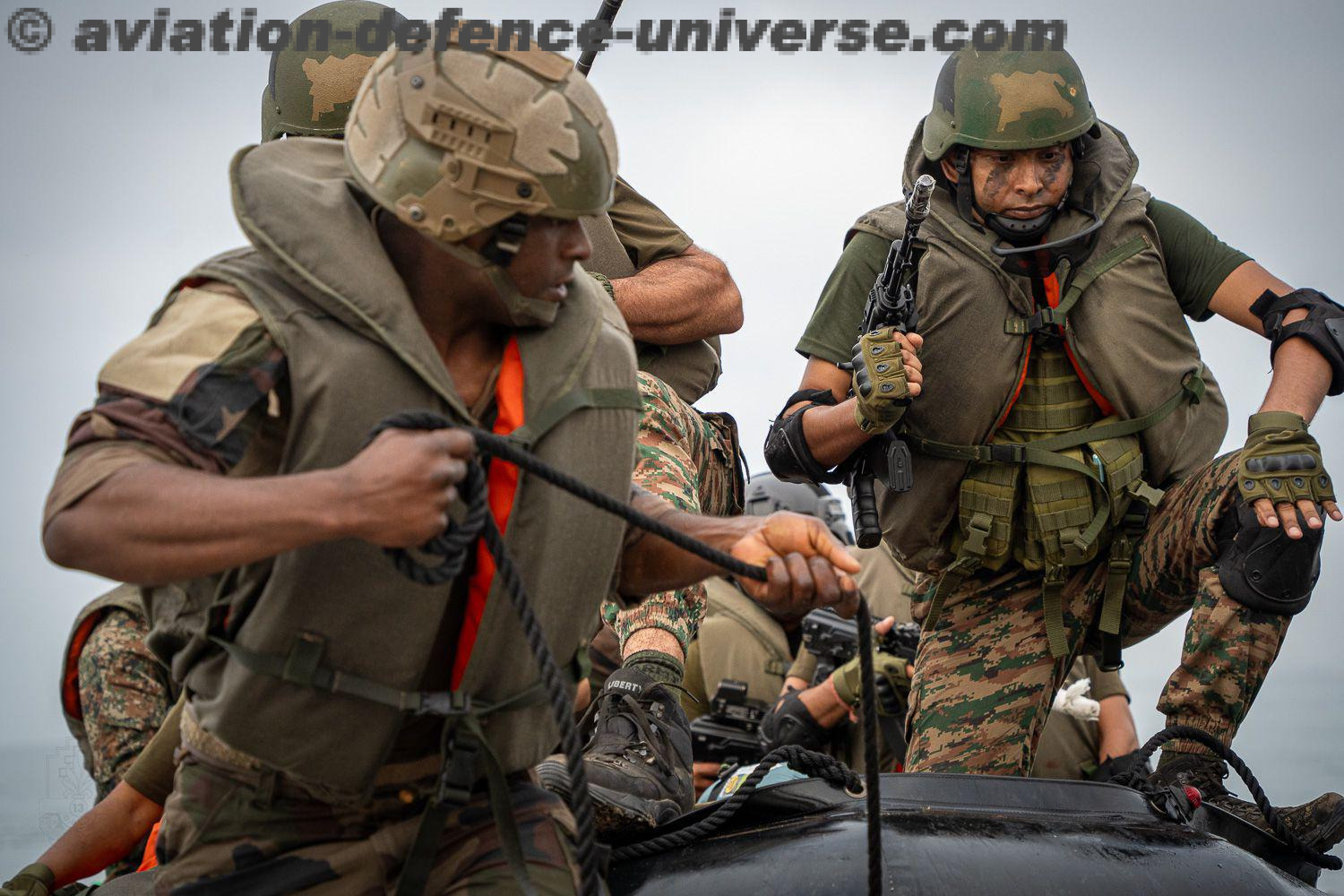
New Delhi. 13 April 2026. Navies of the world have evolved from traditional sea-control forces into highly sophisticated, multi-domain enablers of national power, operating seamlessly across maritime, air, space, cyber, and information domains. Modern navies are no longer confined to protecting coastlines or securing sea lanes—they play a critical role in power projection, deterrence, intelligence gathering, and maintaining global trade stability. With the rise of geopolitical tensions and contested maritime spaces such as the South China Sea and the Indo-Pacific, navies are investing heavily in aircraft carriers, submarines, unmanned systems, and network-centric warfare capabilities. The integration of advanced technologies like AI, satellite-based surveillance, and long-range precision strike systems has transformed naval operations, enabling real-time decision-making and coordinated actions across vast distances. In this evolving security environment, naval forces are central to ensuring strategic influence, safeguarding economic interests, and maintaining balance of power on the global stage.
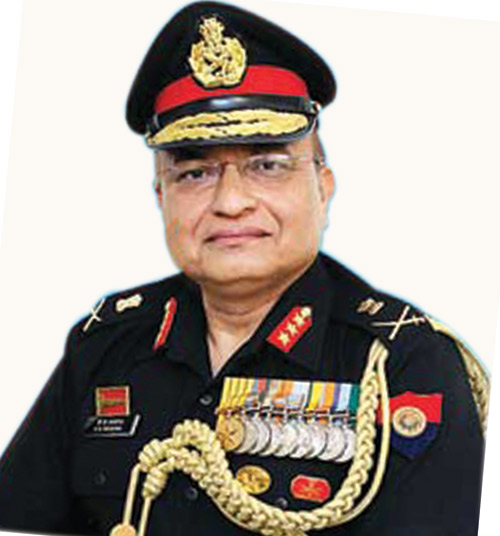
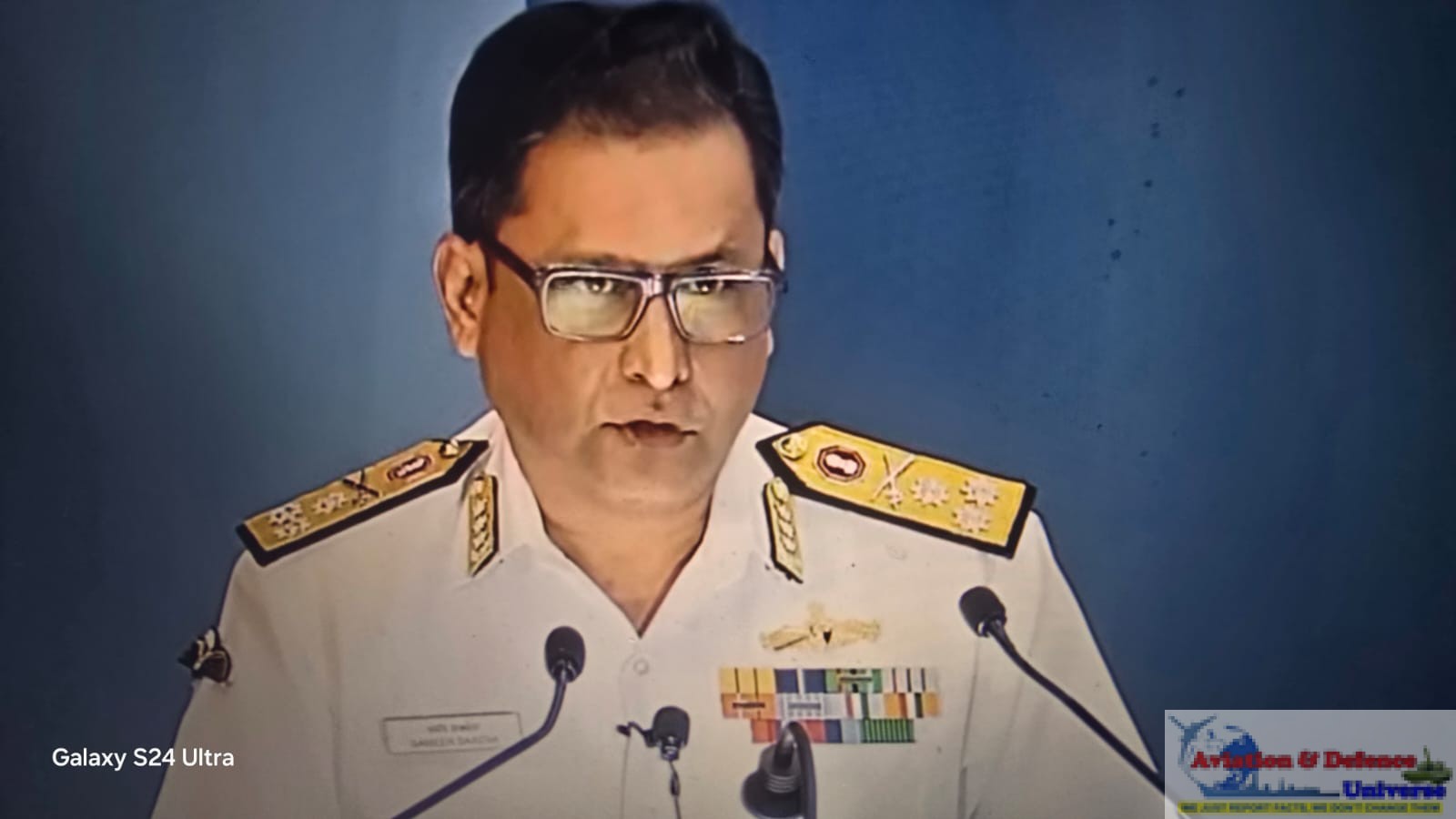
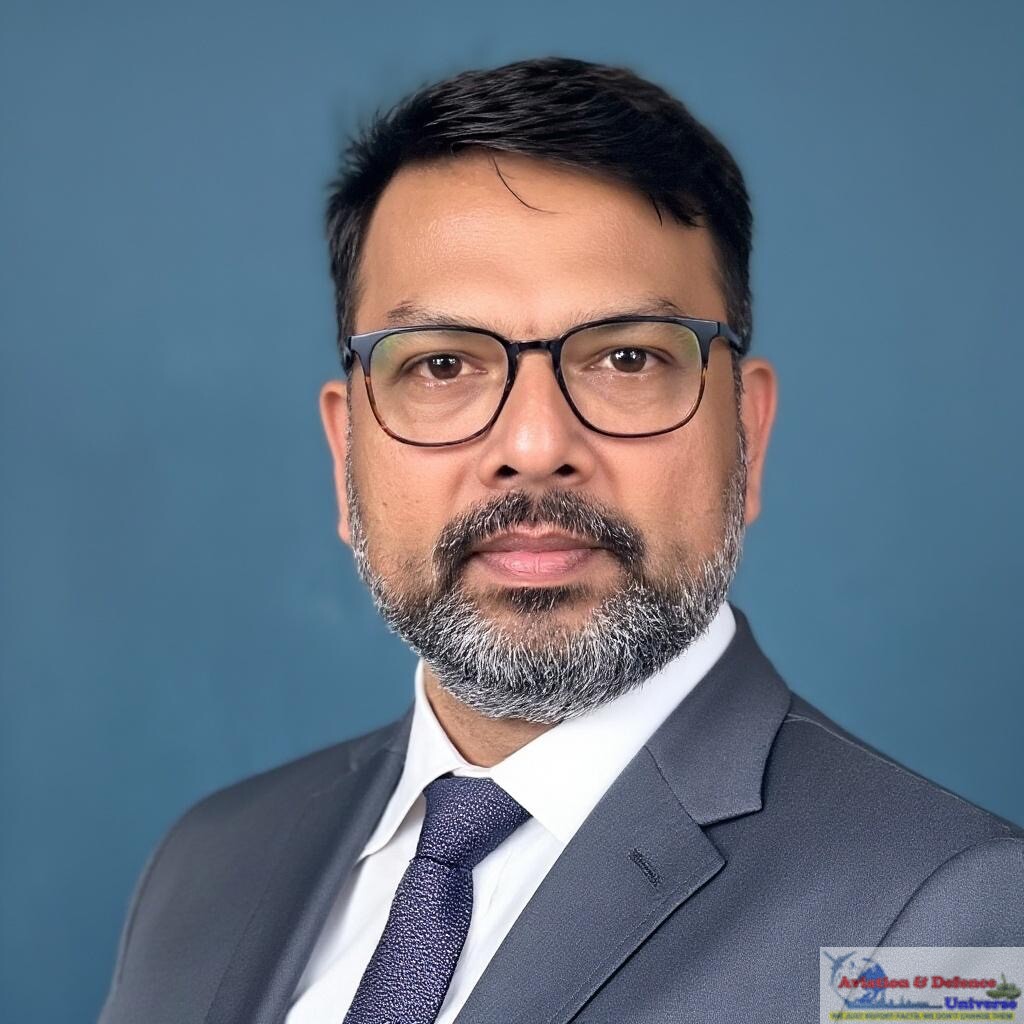
Addressing the gathering at Ran Samvad 2026, Vice-Admiral Sameer Saxena, Flag Officer Commanding-in-Chief, Southern Naval Command delivered a deeply analytical and forward-looking lecture on reimagining operational art in the era of Multi-Domain Operations (MDO). The address bridged classical military theory with contemporary battlefield realities, drawing extensively from the ongoing Operation Epic Fury to illustrate how emerging technologies, integrated domains, and accelerated decision cycles are transforming the conduct of war.
Opening his address, the speaker underlined the significance of operational art, stating, “Operational art has long occupied critical space in military thought.” He defined it as “the employment of military forces to attain strategic roles in the theatre of war through the design, organisation and conduct of campaigns and major operations.” Highlighting its foundational role, he explained, “Operational art serves as a bridge between strategy and tactics… strategy defines what has to be achieved… tactics defines how battles are fought… operational art connects the two.”
The Vice Admiral outlined the key pillars of operational art, noting, “the quintessential ingredients… are the desired end state, centres of gravity, decisive points… lines of effort… [and] culmination point.” Transitioning to modern warfare, the speaker emphasised the complexity of today’s battlespace, stating, “in today’s multi-domain operations environment the application of operational art needs a very different and nuanced approach.” Describing the transformation of warfare, he observed, “the modern day battlefield has been transformed by the advent of niche interruptive technologies.”
He highlighted a key shift in military capability, stating, “the side that wins tomorrow’s wars will not be the one with the single best platform but the one that can field enough platforms quickly enough and network them intelligently enough.” He further emphasised that, “the problem is no longer of technological sophistication it is of industrial scale, software integration and speed.” Using Operation Epic Fury as a case study, he described it as “a defining case study of multi-domain operations in the 21st century.” He outlined its phases, noting, “a shaping phase through cyber and space disruption a shock phase through simultaneous strikes and a sustaining phase through continuous high-tempo strikes.”
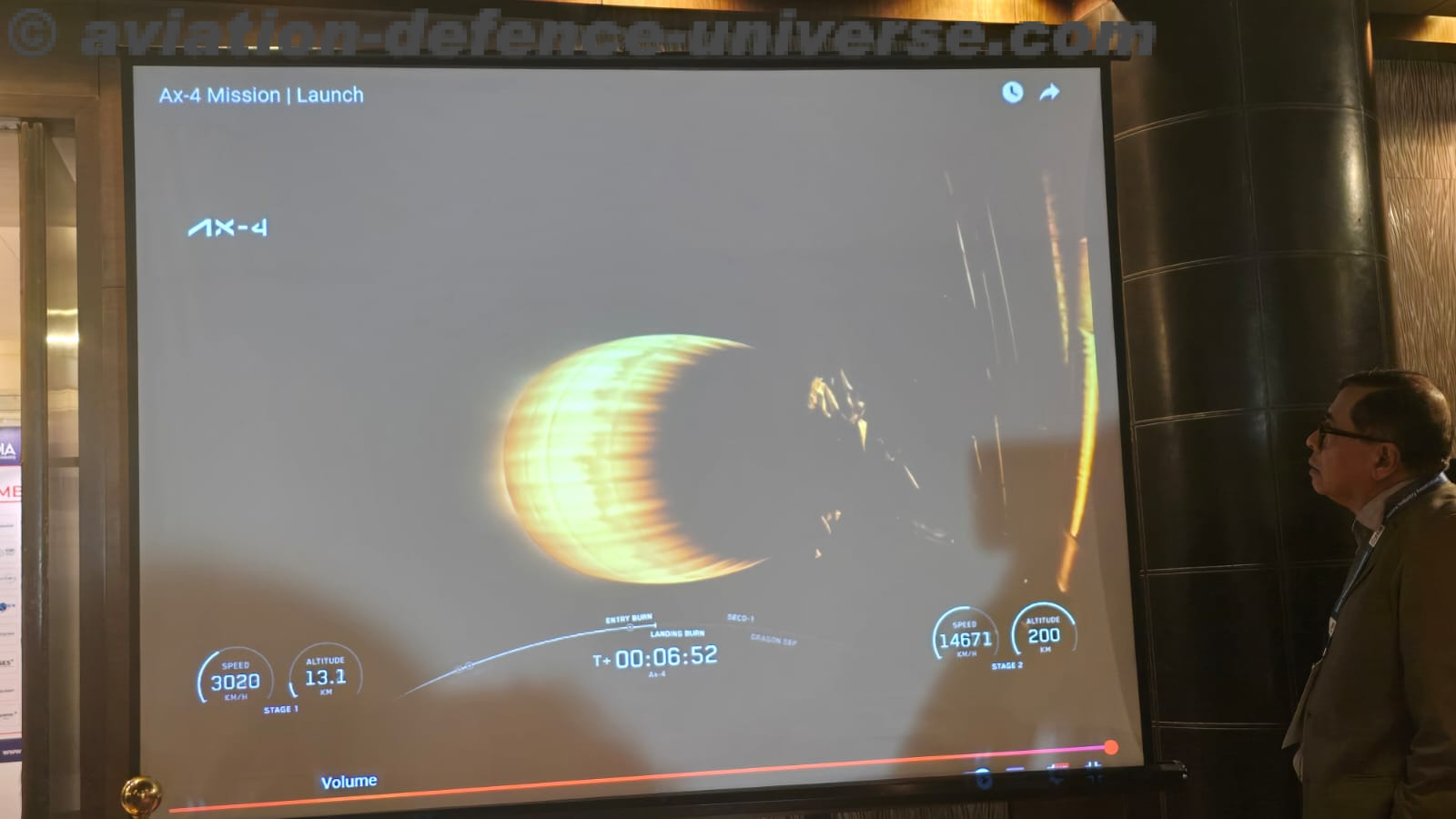
On domain integration, he stressed, “no domain stands alone… space feeds ISR… cyber blinds… EW disrupts AI compresses the kill chain.” Highlighting cyber warfare’s role, he noted, “cyber was the opening act executed well before the first bomb fell.” The importance of unmanned systems was also emphasised, with the observation that drones enabled “persistent ISR precision engagements and retargeting within minutes.” Turning back to theory, the speaker reiterated that “the five pillars of operational art remain unchanged.”
On campaign design, he highlighted the importance of convergence, stating, “operational design should overemphasise convergence of effects across domains.” He explained that modern lines of effort are “not linear but conducted concurrently, simultaneously and in overlapping manner.” The speech strongly challenged traditional planning models. On sequencing, he stated, “sequencing is not strictly linear but conducted in parallel and mutually reinforcing ways.” On phasing, he noted, “phases overlap and recur shaping continues exploitation begins before culmination.”
On tempo, he emphasised the dramatic shift, stating, “tempo has been profoundly transformed enabled by machine speed decision cycles.” Summarising the transformation, he argued, “sequencing must shift from linear chains to converging simultaneity phasing to overlapping cycles tempo to relentless multi-domain pressure.” Concluding with a powerful message, he stated, “the commander who masters this will not merely outfight his adversary he will outthink, outpace and outlast him.”
Vice Admiral Sameer Saxena’s address at Ran Samvad 2026 provided a compelling and intellectually rich framework for reimagining operational art in the era of Multi-Domain Operations. While reaffirming the enduring relevance of classical military principles, the speaker highlighted the profound transformation in the character of warfare driven by technology, integration, and speed. The shift from linear to convergent campaign design, overlapping operational phases, and machine-speed tempo reflects the demands of modern conflict. As militaries prepare for increasingly complex and contested battlespaces, the ability to integrate domains, accelerate decision-making, and sustain operational pressure will define success. The message was clear: adapting operational art to the realities of multi-domain warfare is no longer optional—it is an operational imperative.


































































-A4-Size-(2)_page-0001.jpg)