


























- MoCA, DGCA Roll Out Mandatory Ebola Screening Measures for International Passengers
- DGCA Directs Airlines to Enforce Strict Ebola Prevention Measures on International Flights
- India’s Aviation Sector Put on High Alert After WHO Declares Ebola Emergency
- DGCA Mandates Self-Declaration Forms, In-Flight Protocols for Ebola Preparedness
By Sangeeta Saxena
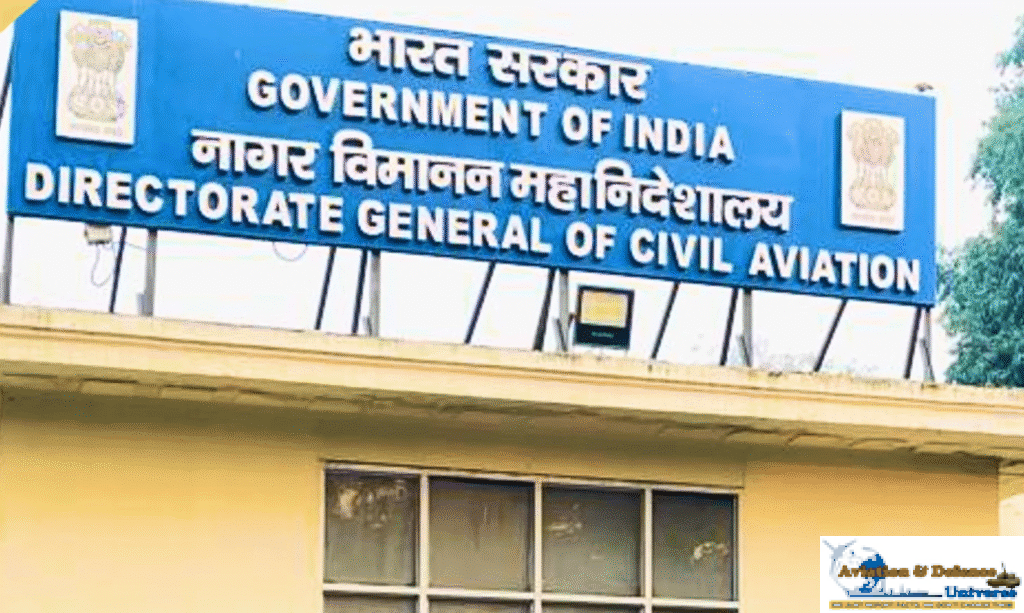
New Delhi. 26 May 2027. In a significant move aimed at strengthening India’s aviation public health preparedness, the Directorate General of Civil Aviation (DGCA), under the Ministry of Civil Aviation (MoCA), Government of India, has issued a detailed Standard Operating Procedure (SOP) for prevention and response to Ebola Disease. The office order, dated May 22, 2026, comes in the wake of the World Health Organization (WHO) declaring the Ebola outbreak in the Democratic Republic of Congo (DRC) and Uganda as a Public Health Emergency of International Concern (PHEIC).
The order mandates strict surveillance, passenger screening, onboard containment measures, and coordinated airport response mechanisms for airlines operating flights connected directly or indirectly with Uganda and the Democratic Republic of Congo. According to the DGCA directive, airlines must ensure mandatory filling and collection of Self-Declaration Forms (SDF) from all passengers originating from or transiting through affected countries before arrival in India. Airlines have also been instructed to make specific in-flight announcements advising passengers to report symptoms such as fever, headache, sore throat, vomiting, diarrhoea, rash, or bleeding immediately to airline crew and immigration or medical authorities upon arrival.
The SOP lays down elaborate in-flight containment protocols in case a suspected Ebola case is identified onboard. Cabin crew are required to isolate symptomatic passengers, maintain vacant rows around the suspected individual, designate separate lavatories, and ensure the use of masks and Personal Protective Equipment (PPE). Airlines must also share passenger details and seating proximity data with Airport Health Organisation (APHO) teams for 21-day symptom monitoring.
Upon arrival, airlines are required to coordinate with Air Traffic Control (ATC) and airport authorities to park aircraft in designated isolated bays. Suspected passengers are to be de-boarded in a controlled sequence under the supervision of health officials. The SOP further directs airlines to support thermal screening and facilitate the collection of self-declaration forms by APHO personnel.
The DGCA order also places strong emphasis on preparedness and training. Airlines have been instructed to conduct targeted public health training for crew members and maintain adequate onboard reserves of masks, gloves, sanitizers, PPE kits, and bio-hazard disposal bags. Compliance with the directives has been made mandatory for all concerned operators and agencies.
The annexures attached to the order include a detailed list of airlines operating passengers from Ebola-affected regions such as Ethiopian Airlines, Kenya Airways, Emirates, Qatar Airways, Air India, IndiGo, and others, along with the prescribed self-declaration format for international passengers.
India’s Ministry of Civil Aviation played a pivotal role during the COVID-19 pandemic by ensuring continuity of essential air connectivity while simultaneously implementing one of the world’s largest aviation health safety frameworks. Through coordinated efforts involving DGCA, Airports Authority of India (AAI), airlines, and health authorities, India rapidly introduced thermal screening, mandatory masking, contactless airport processes, quarantine protocols, Air Suvidha declarations, and strict sanitisation measures across airports and aircraft operations. The ministry also spearheaded critical evacuation missions under the Vande Bharat Mission, which brought back lakhs of stranded Indian citizens from across the globe during the peak of the pandemic.
The Government of India’s broader pandemic management strategy demonstrated strong institutional coordination and public health mobilisation. Large-scale vaccination campaigns, aggressive awareness drives, digital health integration through platforms such as CoWIN, and coordinated containment measures significantly helped curb the spread of COVID-19. India’s ability to scale healthcare infrastructure, maintain supply chains, and resume aviation operations in a phased and controlled manner was widely acknowledged internationally. The experience gained during the COVID-19 outbreak has since strengthened India’s preparedness framework for future global health emergencies, including emerging infectious diseases such as Ebola.
The latest DGCA order reflects India’s proactive and preventive approach toward safeguarding public health through aviation preparedness. By introducing stringent surveillance, passenger declaration systems, onboard containment protocols, and airport coordination mechanisms, the Ministry of Civil Aviation aims to minimise the risk of Ebola transmission through international air travel. Drawing lessons from the successful handling of the COVID-19 pandemic, India’s aviation and public health ecosystem today stands significantly better prepared to respond swiftly and effectively to emerging global health threats.


















































































-A4-Size-(2)_page-0001.jpg)