


 18th BRICS Summit













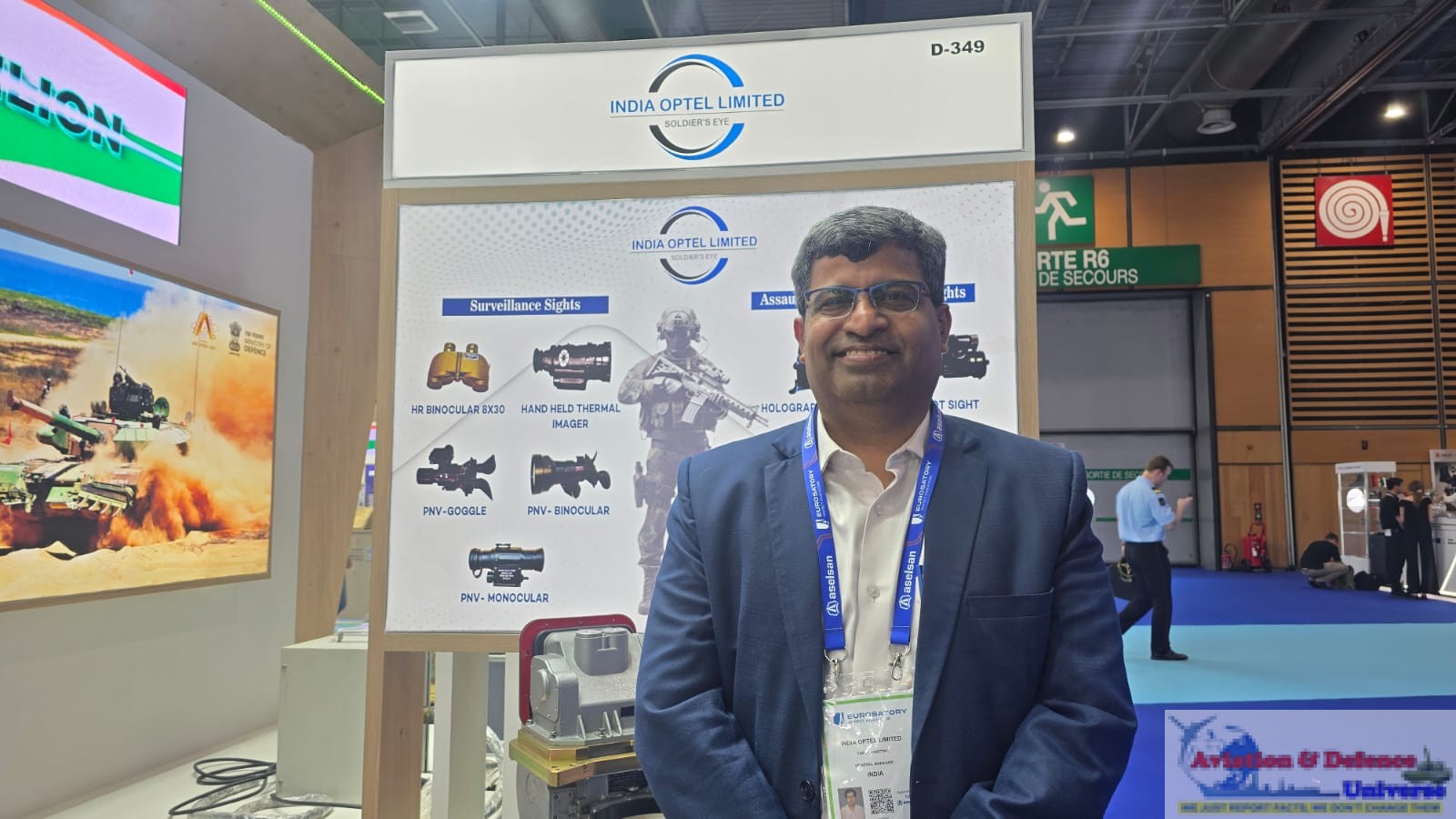
- Eyes Africa and Central Asia for Growth in Defence Optronics
- Expands Global Ambitions Through Optronics, Exports and Strategic Partnerships
By Sangeeta Saxena
Parc Des Expositions, Paris. 18 June 2026. As India’s defence manufacturing ecosystem continues its transformation, India Optel Limited has emerged as one of the country’s key players in military optronics and battlefield vision systems. Formed after the corporatisation of the Ordnance Factory Board, the company today supplies critical sighting and vision systems for the Indian Army’s T-72 and T-90 tanks, BMP-2 infantry combat vehicles and a range of surveillance and weapon systems.
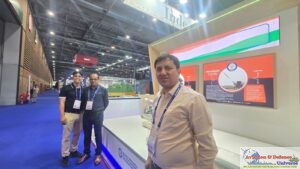
At Eurosatory 2026 in Paris, India Optel Limited used the global platform to explore new export opportunities, strengthen partnerships and showcase its growing capabilities in optoelectronics. In this exclusive conversation with ADU, Tarun Khattar, General Manager, India Optel Limited, discusses the company’s export journey, international collaborations, indigenous manufacturing initiatives and plans for next-generation battlefield technologies.
ADU. We are meeting here at Eurosatory, and this is Day 4. How has the show been so far?
Tarun Khattar. The show has been quite encouraging. We have received several leads from users belonging to North African nations as well as countries from the Central Asian region. India Optel is primarily engaged  in manufacturing vehicle optronics for the T-series platforms used by the Indian Army, namely the T-72 and T-90 tanks. We manufacture the gunner’s sight, commander’s sight and driver’s sight systems for these platforms. We also manufacture vision systems and other optoelectronic equipment for the BMP-2 Infantry Combat Vehicle. Since these tanks and platforms are also used by many African and Central Asian countries, there is a requirement for these types of systems in those markets.
During Eurosatory, we have met prospective customers and interacted with various foreign OEMs with whom we can collaborate to deliver state-of-the-art, latest-generation equipment. So far, the experience has been very positive.
ADU. Does India Optel already have a foreign market? If so, what does it look like?
Tarun Khattar. Prior to 2021, exports were not really part of the mandate of the erstwhile Ordnance Factories. However, after corporatisation and with the Government of India’s focus on promoting defence exports and accessing foreign markets, we have actively started searching for overseas customers. As a result, we have been able to export to countries such as Belarus, which operates ex-USSR platforms similar to those used by India. We have also secured orders from countries like Uganda, and we have received promising export enquiries from Kazakhstan. So yes, there is now an international footprint, and the export market is gradually picking up for us.
Since we are primarily a subsystem manufacturer, our equipment often gets exported through platform manufacturers such as AVNL, Bharat Forge and Tata. When these companies export a platform, our systems form part of the overall package. Therefore, while our exports may not always be direct, we are actively participating in India’s defence export journey.
ADU. Since you have been here for four days, what sort of footfall have you seen?
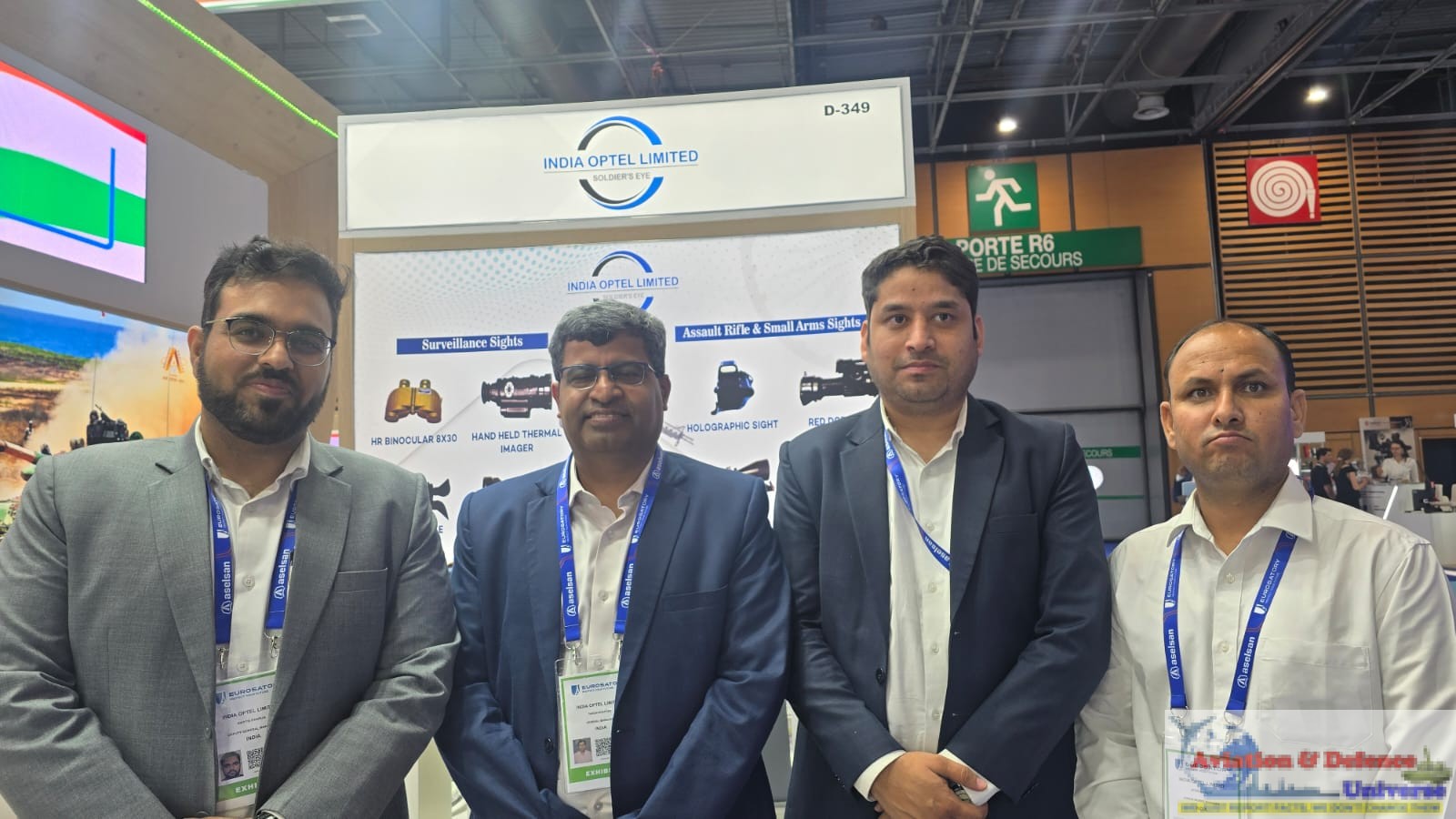
Tarun Khattar. We have primarily interacted with users from African nations and the Central Asian region, which aligns well with our target markets. These are the regions where our products and technologies have the greatest relevance because many of them operate similar military platforms.
ADU. Have you ever targeted South America as a prospective market?
Tarun Khattar. Not really. At present, our focus remains on African nations and Central Asia. Given our current production capacity and our responsibility to meet the requirements of the Indian Army, we believe the low-hanging fruit for us lies in Africa and Central Asia. At this stage, we are not actively focusing on Latin America .
ADU. Where are your production facilities located?
Tarun Khattar. We have two production units in Dehradun. One is the erstwhile Opto Electronics Factory (OLF), which specialises in vehicle optronics. The second is the Ordnance Factory Dehradun, which manufactures opto-mechanical and optoelectronic solutions for small arms, artillery and surveillance systems. We also have a production unit in Chandigarh, where we manufacture cable harnesses for battle tanks. Additionally, the Chandigarh facility manufactures day vision periscopes.
Recently, we entered into a partnership with Safran France to manufacture Inertial Navigation Systems (INS) for artillery applications. Until now, these systems were imported directly from Safran. India previously had no capability to manufacture, maintain or sustain these systems domestically.
With the support of the Department of Defence Production (DDP), we have established this collaboration with Safran. We expect the facility to be inaugurated around 30 June, and we are planning the rollout of the first indigenous INS manufactured in India. This represents a major milestone for us.
ADU. How do you see the company’s future product roadmap?
Tarun Khattar. We are actively looking to diversify our product range. Beyond our existing products, we 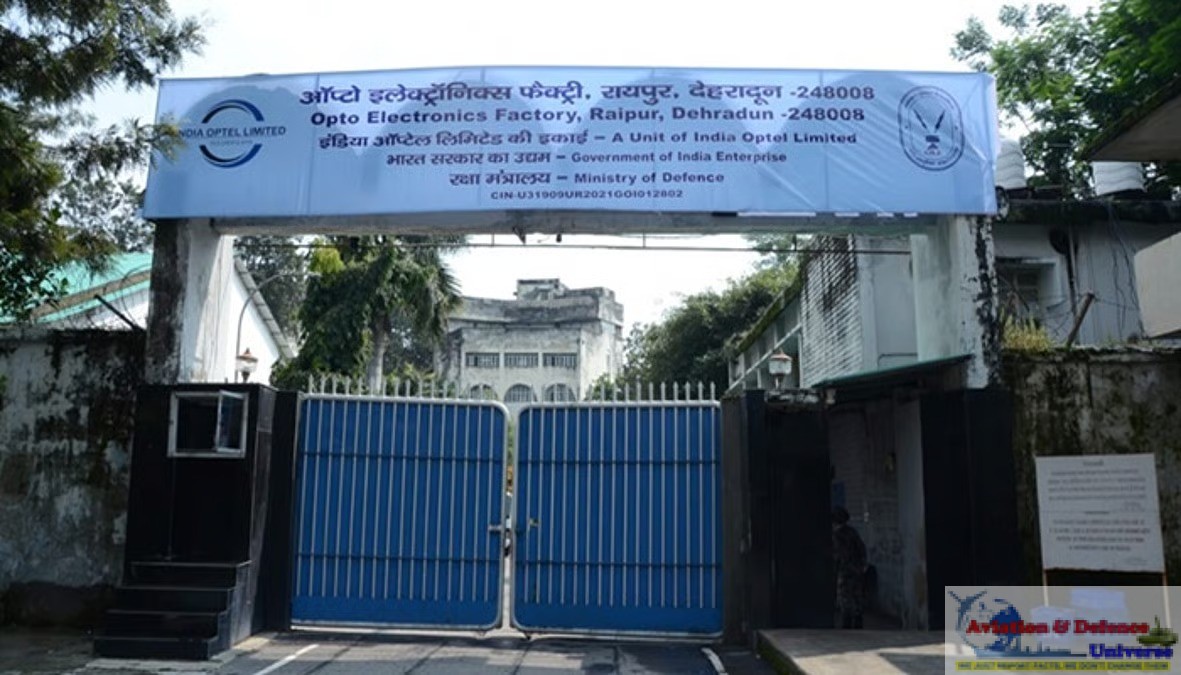 are now venturing into artillery subsystems. We also plan to manufacture next-generation sighting systems for the future combat vehicles that the Indian Army intends to procure over the next 10–15 years, including, Future Ready Combat Vehicle (FRCV), Future Infantry, Combat Vehicle (FICV) and Wheeled artillery platforms. Our objective is to become a major supplier of third-generation sighting systems for these future battlefield platforms.
ADU. Apart from Safran, do you have any other foreign partners?
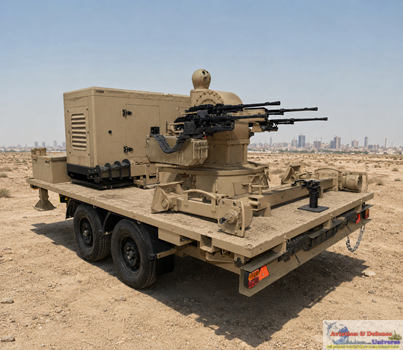
Tarun Khattar. Historically, most of our technologies came through inter-governmental agreements. For example, technologies associated with Russian-origin battle tanks were transferred to India and subsequently shared with the Ordnance Factory system. Today, as a corporatised entity, we have expanded our partnerships. We have partnered with Safran. We have also partnered with Thales France for electronic and optical systems. For example, the Catherine thermal camera used by the commander of the T-90 tank for night operations is manufactured by us in partnership with Thales. So Thales and Safran are two major partners. We also have an Israeli partner—Elbit Systems. With Elbit, we are working on the Stabilised Remote-Controlled Gun (SRCG) naval programme. We have entered the manufacturing phase and have already started deliveries to KWA, which is the lead integrator. These companies—Safran, Thales and Elbit—are among the world’s leading electro-optic manufacturers, and we are already cooperating with them.
ADU. Looking ahead, what role do you see India Optel playing in future tank programmes?
Tarun Khattar. For the new-generation tanks and combat vehicles that the Indian Army plans to procure, we are partnering with global leaders in sighting systems. Keeping in mind that India Optel itself is not even five years old as a corporatised company, I believe this is a significant achievement. While we have inherited a legacy, we are also building new capabilities. For small arms, through our indigenous R&D efforts, we have already secured orders for the Carl Gustaf Thermal Imaging Sight. Among five private sector competitors, we were the only company to qualify technically after trials. Similarly, we are also working on AK-203 Thermal Imaging Sights through indigenous R&D efforts. These programmes are opening up exciting opportunities for us.
ADU. Anything you would like to add?
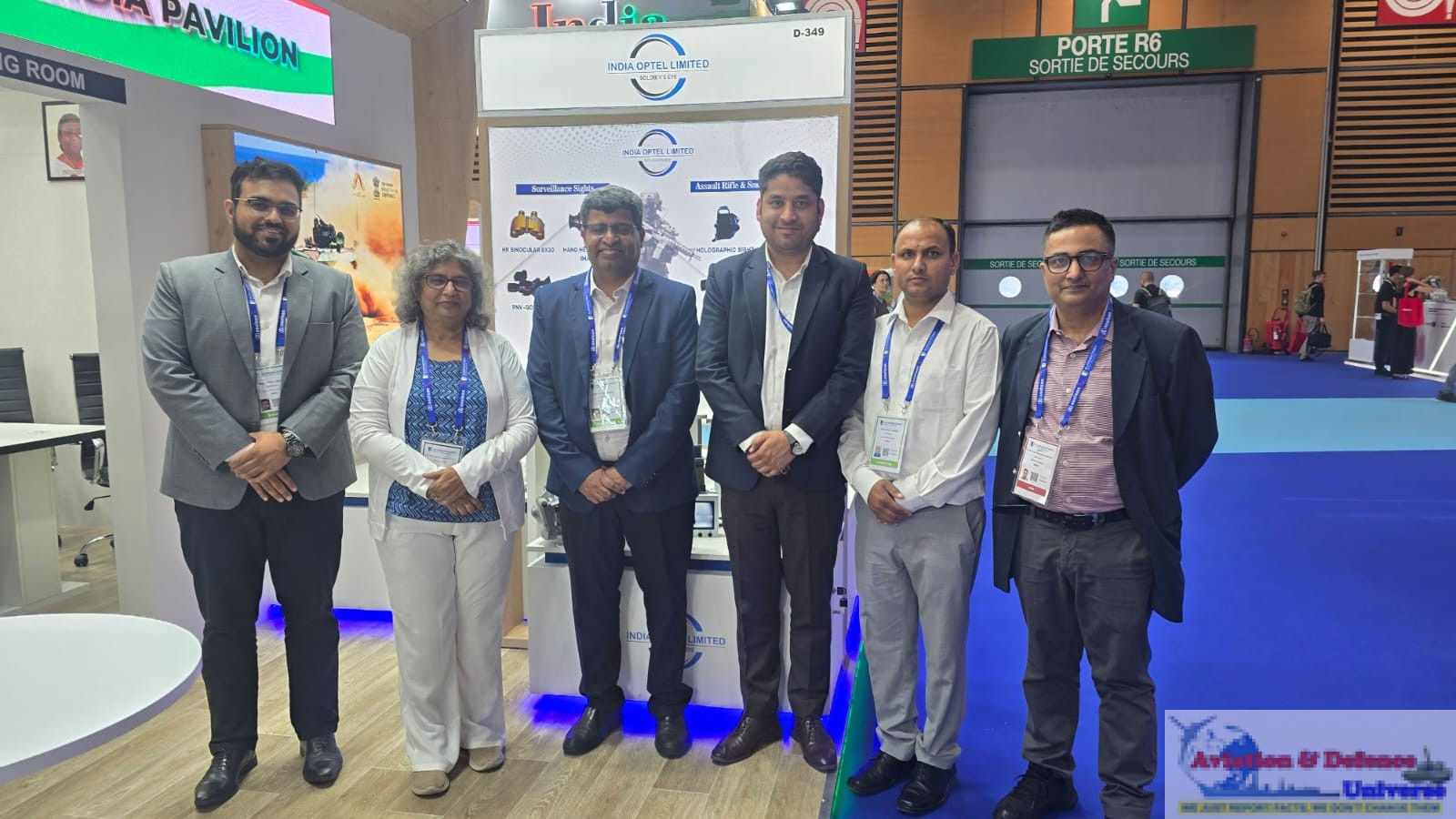
Tarun Khattar. We are optimistic about the future. With the new partnerships we have established, our expanding product portfolio and growing export opportunities, we believe India Optel has a bright future ahead. Our objective is to continue building indigenous capabilities while working with global technology leaders to deliver world-class solutions for India’s armed forces and international customers alike.
India Optel Limited’s journey mirrors the broader evolution of India’s defence manufacturing landscape. From supplying critical vision systems for frontline armoured platforms to forging partnerships with global leaders such as Safran, Thales and Elbit, the company is steadily expanding its technological capabilities and international presence. With a growing export footprint across Africa, Central Asia and Eastern Europe, coupled with ambitions in future combat vehicle programmes, artillery systems and indigenous thermal imaging technologies, India Optel is positioning itself as a key contributor to India’s drive towards self-reliance and global competitiveness in defence manufacturing. The company’s emphasis on indigenous capability development, strategic collaborations and next-generation battlefield technologies signals a promising future in both domestic and international markets.
As told to Sangeeta Saxena
















































































-A4-Size-(2)_page-0001.jpg)