









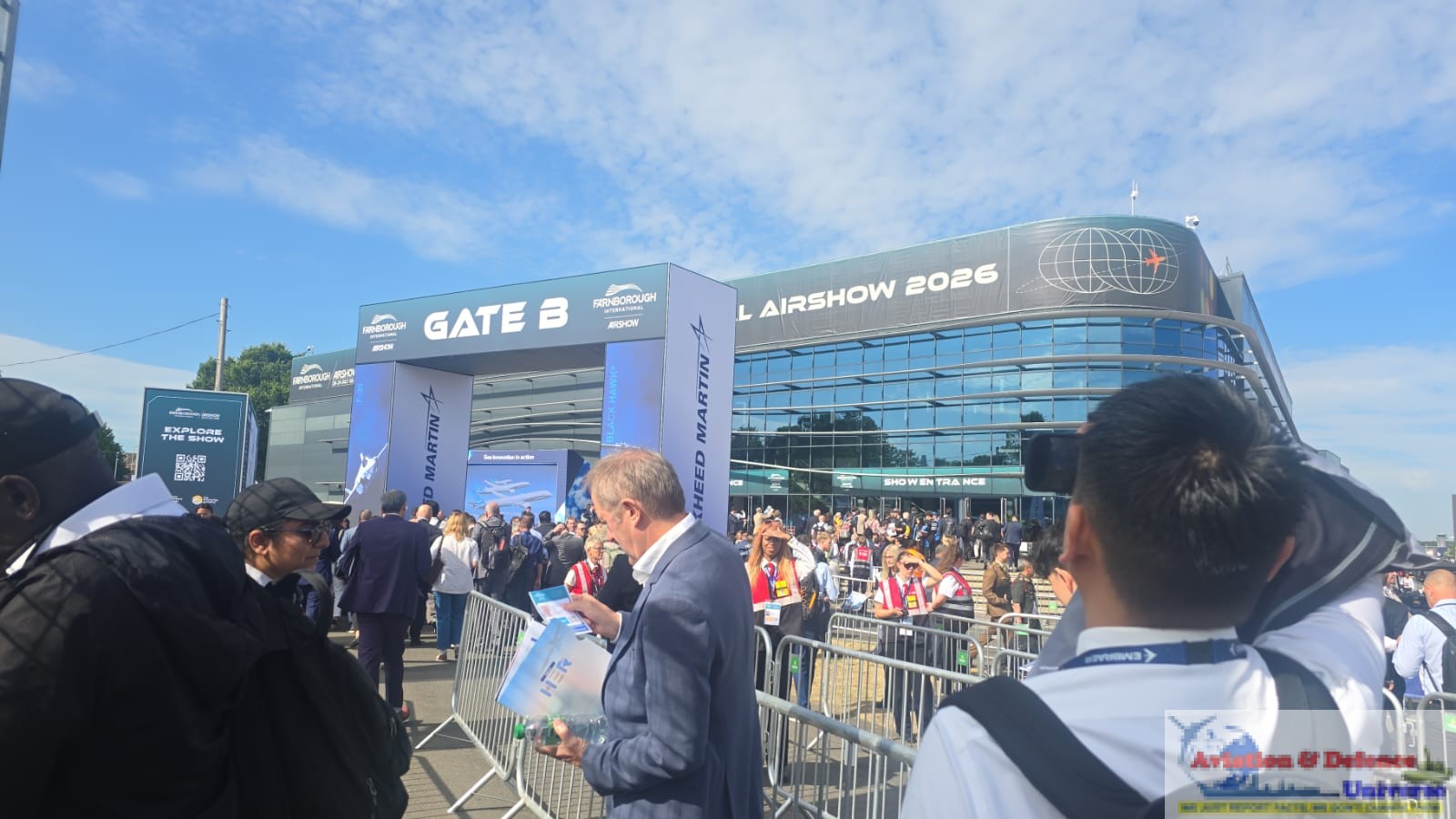
- As Britain Changes Guard, Farnborough International Airshow 2026 Roars into Life
- War clouds reflected on the military aircraft lineup
- The World Lands at Farnborough as Britain Welcomes a New Prime Minister
- The landmark bridge connecting the show on Farnborough Main Road was missed
By Sangeeta Saxena
Farnborough. 20 July 2026. The roar began early. At 6.30 in the morning, aircraft were already making their presence felt in the skies above Farnborough, providing a fitting wake-up call for a town that, for the next five days, would become the centre of the global aerospace universe.
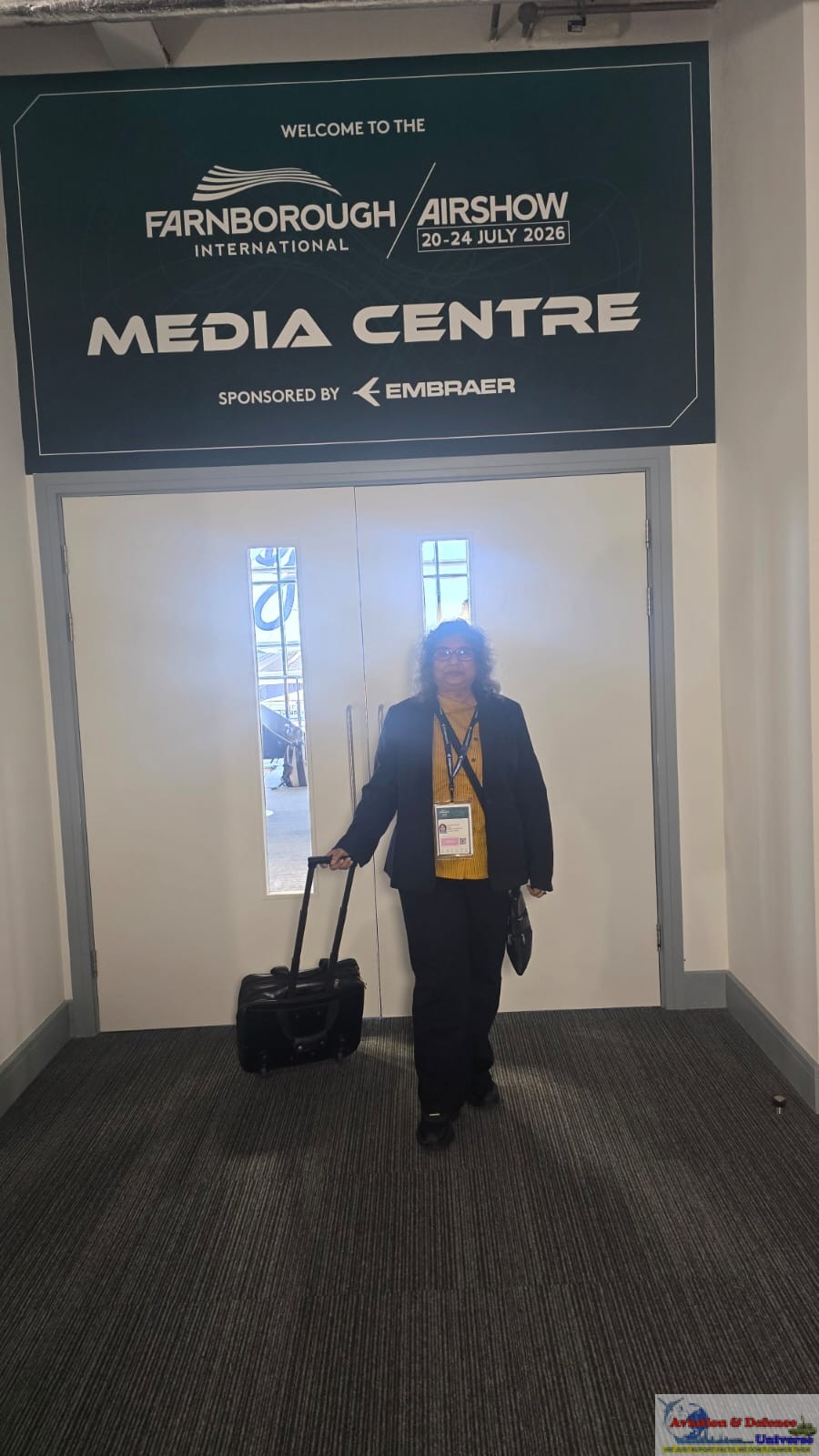 The gates were ready. Exhibitors were beginning to trickle in. Final preparations were being made across the sprawling showground. In another hour, visitors would begin pouring through the entrances. And for the media arriving before the crowds, there was that small but immensely satisfying privilege of airshow life — a special entry and the opportunity to watch Farnborough awaken before the rest of the world walked in.
There was excitement everywhere. But this was no ordinary opening morning for Britain. As the global aerospace industry gathered at Farnborough International Airshow 2026, the country itself was witnessing a historic political transition. Veteran Labour politician and popular former Greater Manchester mayor Andy Burnham formally took over as Britain’s Prime Minister from Keir Starmer, who had announced his resignation the previous month. Two new beginnings, separated by just a few miles. In London, a new Prime Minister was taking charge of the country. In Farnborough, one of the world’s greatest aerospace gatherings was opening its gates to the world. And under the roaring Hampshire skies, Farnborough International Airshow 2026 was ready for take-off.
There is something unique about the opening morning of Farnborough. Before the crowds arrive, the showground has a personality of its own. Aircraft sit silently on the static display even as others roar overhead. Exhibition halls gradually come alive. Company representatives hurry towards their stands. Delegations begin arriving. Media teams prepare cameras, microphones and notebooks. Meetings are confirmed, announcements are anticipated and the global aerospace industry’s enormous networking machinery begins moving into gear. Then the gates open. And Farnborough changes. The quiet anticipation of the early morning gives way to the buzz of thousands of people converging on one of the world’s most important aerospace marketplaces.
For those of us who have been coming to the Farnborough International Airshow for decades, there was a poignant moment even before entering the show this year. The familiar metallic pedestrian bridge across Farnborough Main Road — for years an unmistakable landmark and a gateway that carried countless visitors into the showground — was simply not there. Almost instinctively, the eyes searched for a structure that had become part of our collective Farnborough memory, only to find an empty space where it once stood. On asking, we were told by the authorities that the ageing bridge had to be pulled down. It may have been just steel and metal to many, but for generations of regular Farnborough visitors it was much more: a marker that told us we had arrived, a bridge crossed with anticipation year after year, and an inseparable part of the ritual of entering one of the world’s greatest airshows. Its absence this year was deeply felt — a quiet reminder that while Farnborough continues to reinvent itself and look towards the future of flight, some cherished landmarks of its past inevitably disappear along the way.
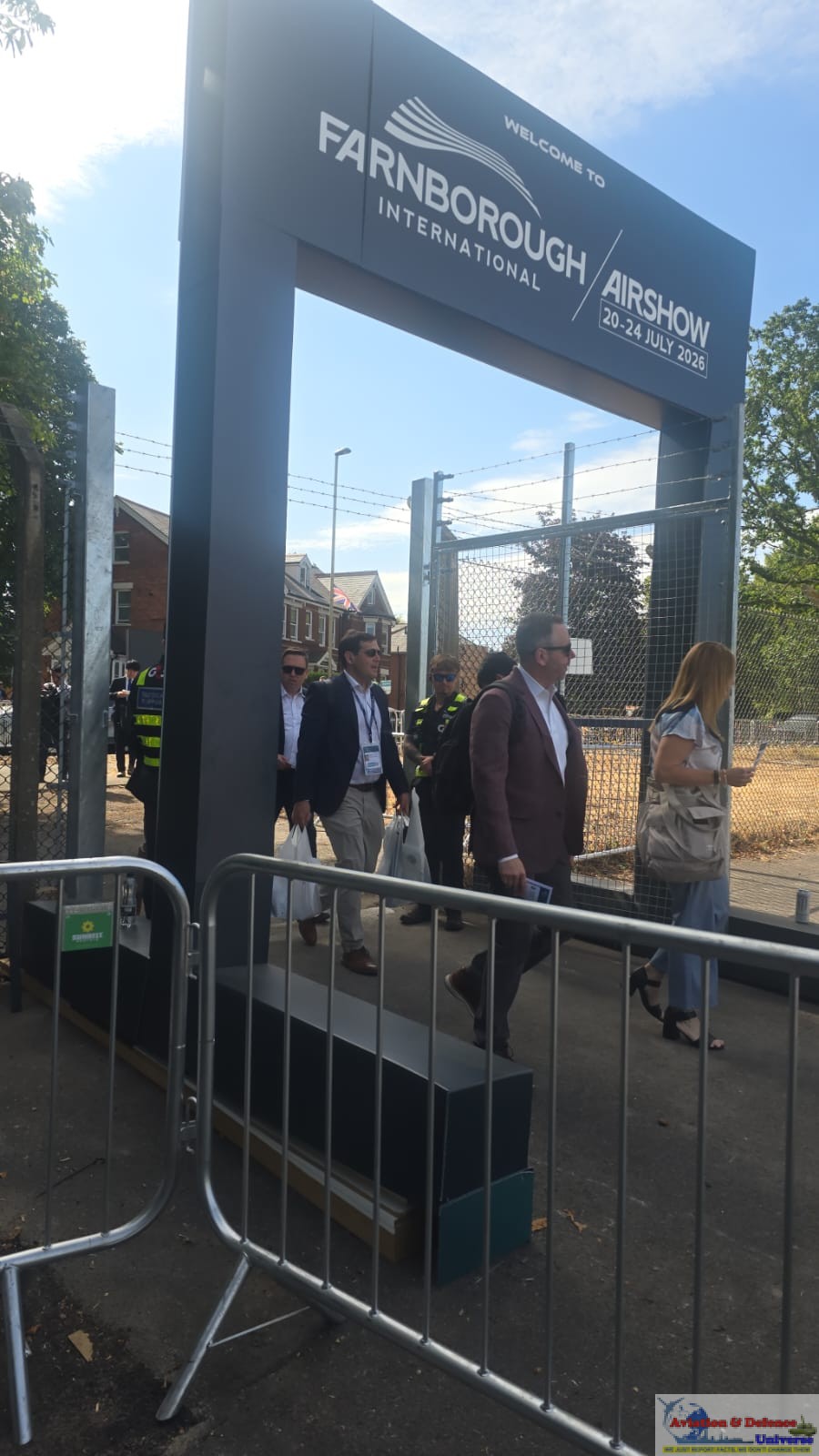 Farnborough International Airshow 2026, being held from July 20 to 24, brings together the global aviation, aerospace, defence, space and technology communities for five days of business, debate, diplomacy and spectacular aviation. This year’s edition is expected to be the biggest yet, with around 1,600 exhibitors and participation representing more than 100 countries. International companies form a major part of the exhibition, while national pavilions underline Farnborough’s role as a truly global meeting ground.
Civil aviation and defence stand shoulder to shoulder here. Aircraft manufacturers meet airlines and lessors. Defence companies engage with governments and military delegations. Technology companies showcase the next generation of artificial intelligence, autonomy and digital solutions. Start-ups compete for attention alongside some of the biggest names in global aerospace. At Farnborough, everyone who matters in aerospace seems to be either exhibiting, visiting, speaking, negotiating — or watching.
Farnborough is famous for its airshow, but the real engine of the show is business. Within hours of the gates opening, commercial announcements began setting the pace for what promises to be an intensely busy week. Aircraft orders, engine agreements and strategic partnerships quickly began emerging as manufacturers, airlines, leasing companies and suppliers competed for attention on the global stage.
For India, one of the fastest-growing aviation markets in the world, Farnborough is particularly significant. Indian airlines, aerospace companies and industry representatives are increasingly visible at international airshows, reflecting the extraordinary expansion of the country’s civil aviation market and its growing ambitions in aerospace manufacturing and defence production. As airlines expand fleets and India seeks to establish itself as a global aerospace manufacturing hub, events such as Farnborough are no longer merely exhibitions for Indian industry. They are places where future supply chains are discussed, partnerships are forged and investment decisions are shaped.
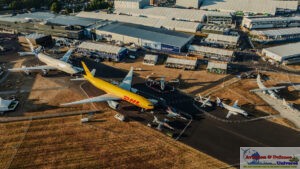
But Farnborough would not be Farnborough without aircraft. The static display provides an extraordinary opportunity to see some of the world’s most advanced civil and military platforms at close quarters, while the daily flying displays transform the skies above the airfield into aviation’s ultimate theatre. On opening day, the flying programme added its own unmistakable energy to the show. The roar of engines that had begun early in the morning continued as aircraft took to the skies, reminding everyone on the ground that despite the billions of dollars in deals, the conferences, the policy debates and the technology showcases, the emotional heart of Farnborough remains flight itself.
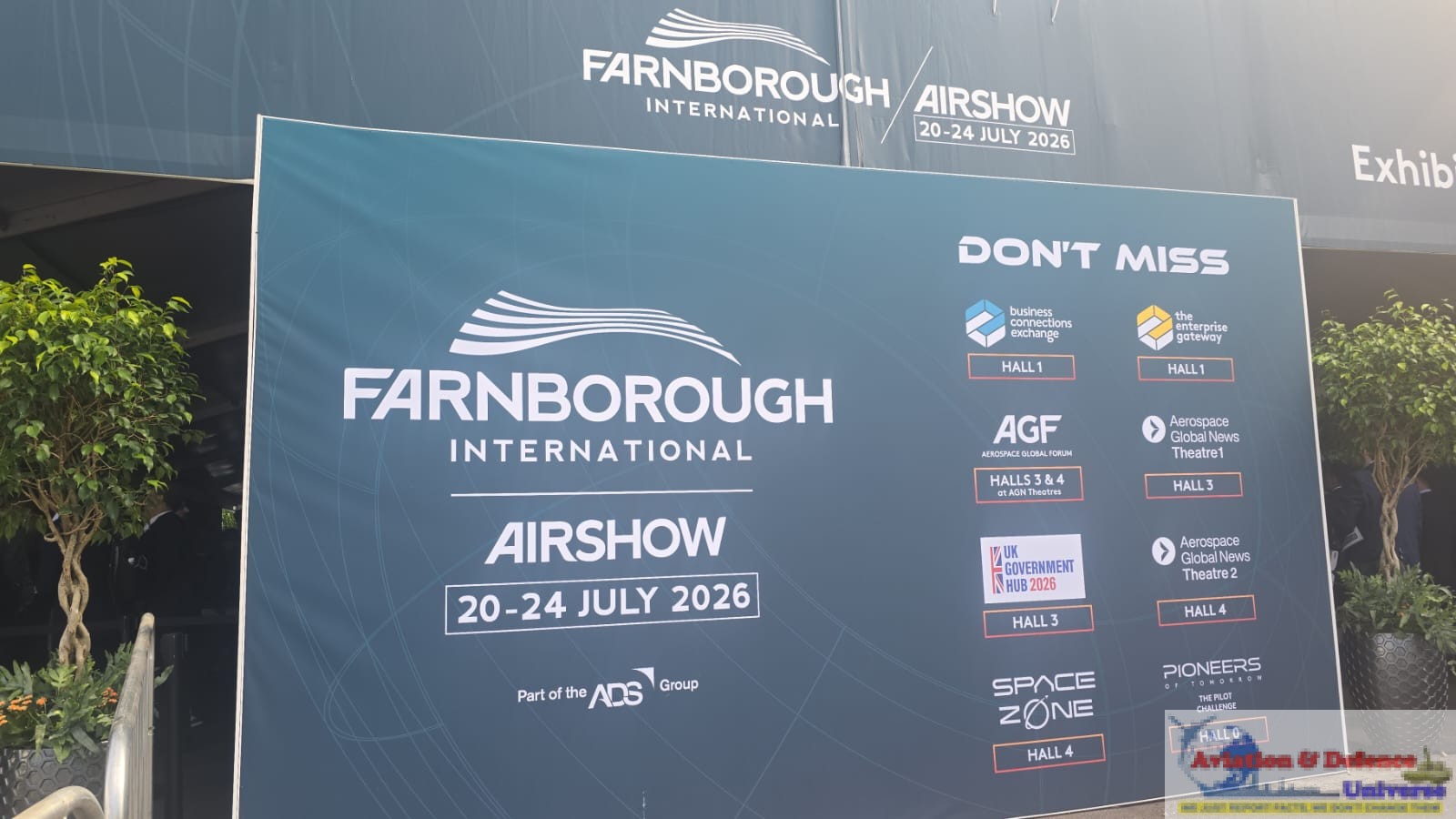 For aviation enthusiasts, professionals and journalists alike, there is still something magical about stopping a conversation mid-sentence because an aircraft overhead demands attention. At Farnborough, looking up is almost compulsory. Farnborough 2026 also reflects how dramatically the aerospace world is changing. Global security has returned to the centre of international debate. Defence spending is rising. Artificial intelligence is moving rapidly from experimentation towards operational application. Supply chains remain under pressure. Sustainability continues to challenge an industry committed to growth. Airlines need more aircraft, manufacturers need greater production capacity and the global aerospace workforce needs a new generation of skilled professionals. These are the conversations taking place beyond the runway. The show’s major themes span Global Security, Advanced Technology and Artificial Intelligence, Supply Chain, Sustainability, Finance and the Future Workforce.
Across its forums and summits, political leaders, military decision-makers, airline executives, manufacturers, investors and technology specialists are debating the future of an industry undergoing one of the most significant periods of transformation in its history.
The Aerospace Global Forum, Defence Summit, Airline Leaders Summit, Finance Summit and Technology Summit provide platforms where the questions shaping tomorrow’s aerospace world are being asked today. Yet the opening of Farnborough International Airshow 2026 carried an additional dimension. Britain was changing political leadership on the very day one of its greatest global industrial showcases opened.
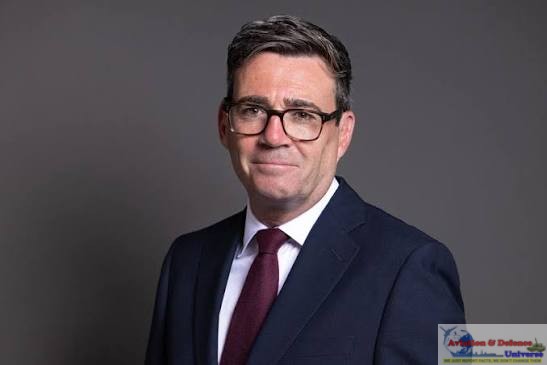 Andy Burnham’s arrival as Prime Minister marked the beginning of a new political chapter following Keir Starmer’s decision to step down. For the aerospace and defence industries assembled at Farnborough, the transition will naturally generate interest in the direction of the new government. Defence spending, industrial strategy, civil aviation, airport infrastructure, research and development, skills, exports and Britain’s relationship with international partners all matter deeply to the companies gathered here. The Farnborough International Airshow itself is perhaps one of the clearest demonstrations of Britain’s continuing ability to bring the global aerospace industry together. The world comes here not merely to watch aircraft fly. It comes to do business. It comes to meet governments. It comes to demonstrate technology. It comes to announce partnerships. And it comes to understand where aviation, aerospace, defence and space are heading next.
By the time the first full wave of visitors entered the showground, the anticipation of the early morning had given way to the familiar intensity of Farnborough. Exhibition stands were busy. Meetings had begun. Delegations moved through the halls. Cameras were rolling. Announcements were being prepared. Aircraft engines thundered overhead. Farnborough International Airshow 2026 had well and truly begun. For the next five days, this corner of Hampshire will become a global aerospace capital where billion-dollar deals could be announced, new technologies unveiled, strategic partnerships forged and some of the most important conversations about the future of aviation and defence will take place. The aircraft are here. The global industry has arrived. The gates are open. The meetings have begun and the skies are alive. Five days of aerospace action lie ahead. And if the excitement of the opening morning is anything to go by, Farnborough International Airshow 2026 promises to be one for the history books.
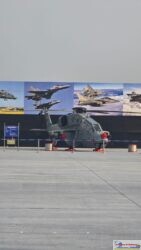
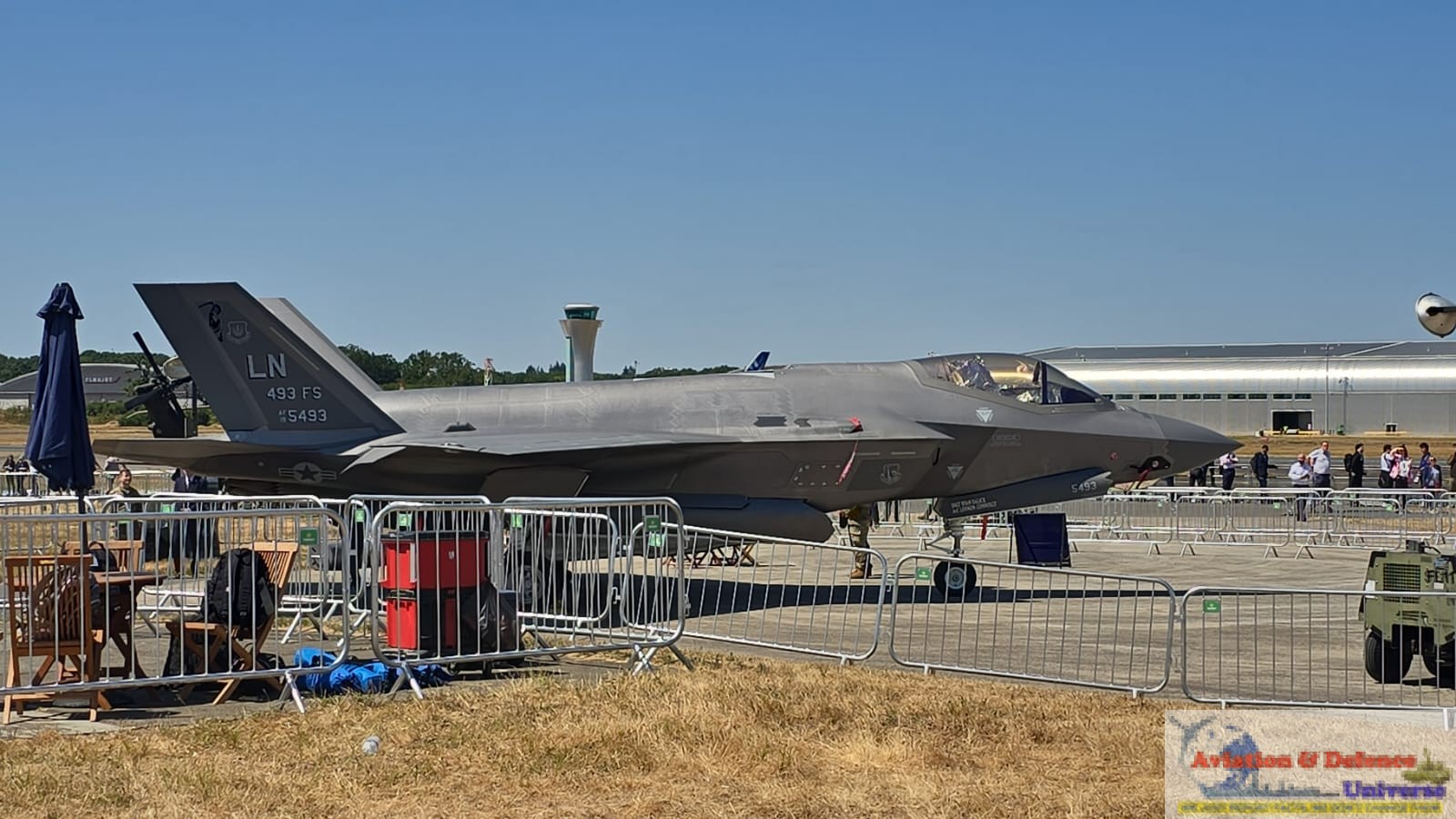 But one difference was evident in this Farnborough from the previous ones. The clouds of war hanging over different parts of the world seem almost visibly reflected at the show, where the traditionally powerful military aviation presence appears strikingly subdued. At a time when conflicts rage, geopolitical tensions deepen and air forces remain on heightened operational alert, the comparatively bleak presence of military aircraft on the static and flying displays tells its own story. Many frontline platforms are needed where they matter most — on operational deployments, maintaining readiness and safeguarding increasingly contested skies — rather than standing on an exhibition tarmac. The absence is, therefore, perhaps as significant as the presence. Farnborough has traditionally been a spectacular showcase of global air power, but this year the relatively sparse military line-up serves as a sombre reminder that these aircraft are no longer merely symbols of technological prowess and export potential; in an increasingly uncertain world, they are operational assets whose primary stage has shifted from the airshow circuit to the theatre of strategic preparedness and conflict.




















































-A4-Size-(2)_page-0001.jpg)