


 18th BRICS Summit
















- Offshore Emergencies Demand Offshore Partnerships: Lessons from iSAR 2026
- Strengthening Offshore Search and Rescue Through Industry Collaboration and Operational Readiness
- The Golden Hour Offshore: Industry and Governments Unite to Strengthen Search and Rescue
By Sangeeta Saxena
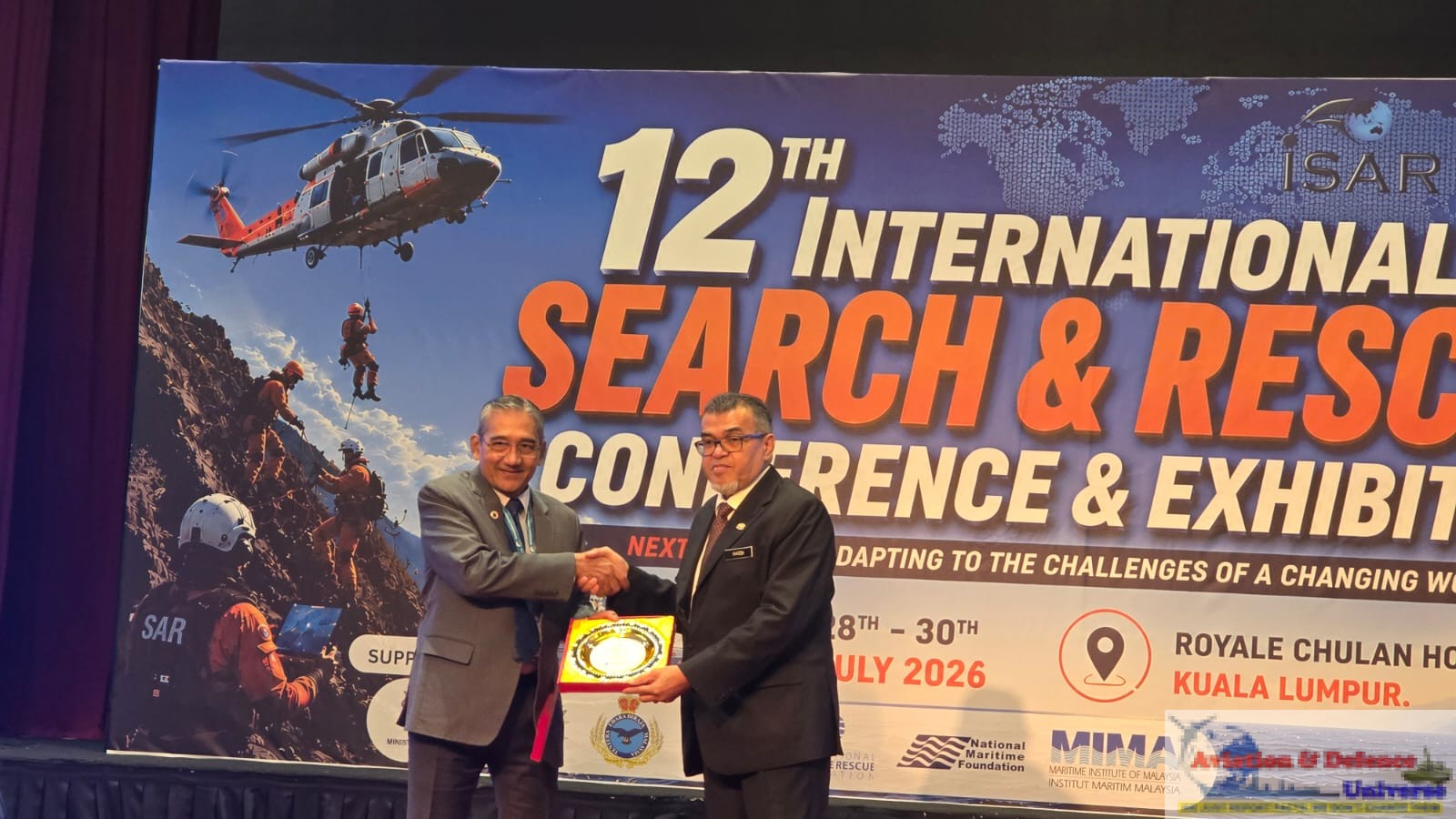
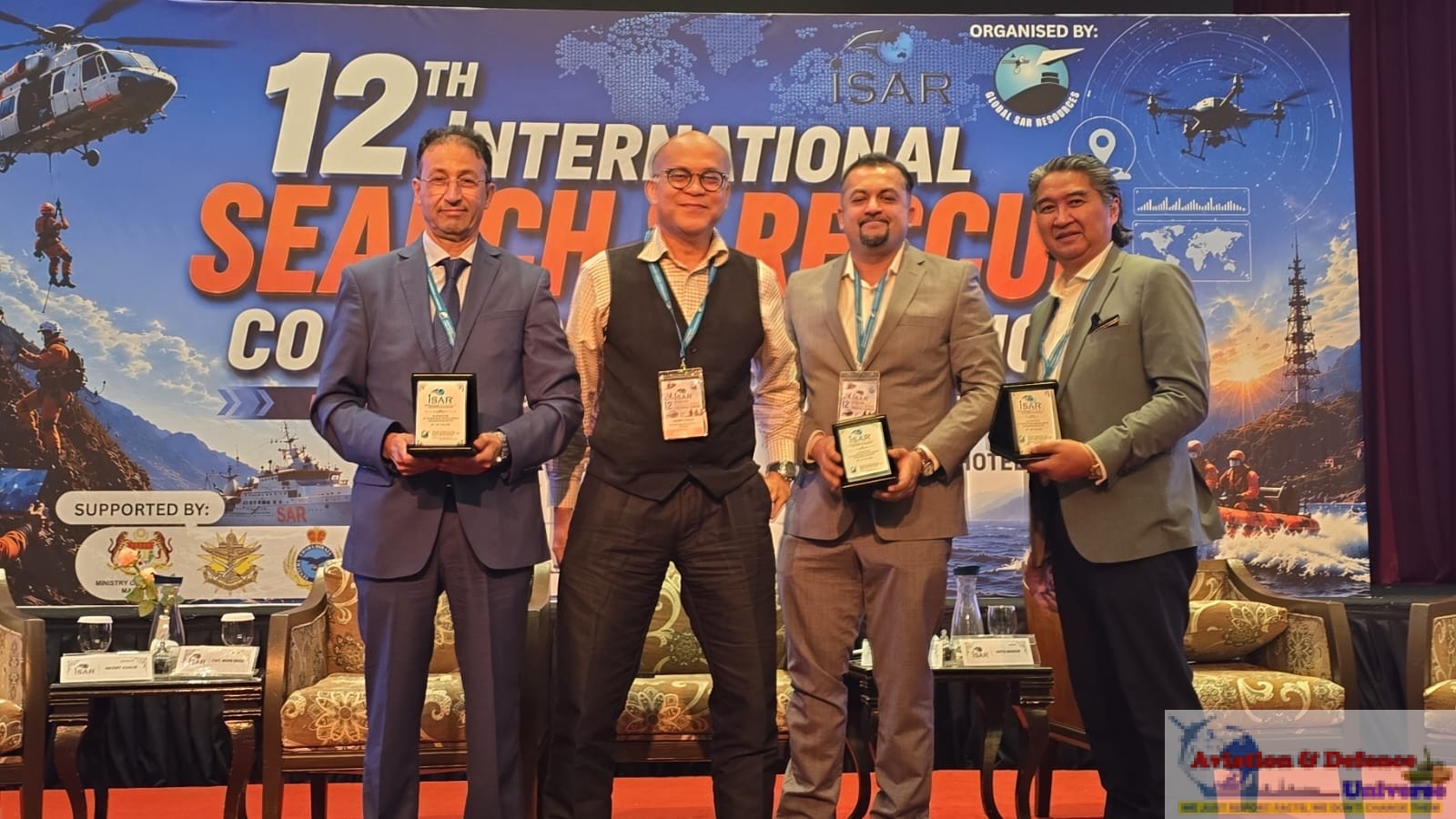
Kuala Lumpur. 29 July 2026. The offshore oil and gas industry operates in some of the world’s most remote and unforgiving environments, where an emergency can escalate within minutes and the nearest rescue assets may be hundreds of kilometres away. In such circumstances, effective Search and Rescue (SAR) depends not only on technology and equipment but also on seamless coordination between governments, maritime authorities and the energy industry. These themes dominated Plenary Session 5 – Oil & Gas SAR at iSAR 2026, moderated by Adj. Prof. Nazery Khalid, who brought together three distinguished practitioners with decades of operational experience. Capt. Mohd Drissi, Director of Morocco’s Maritime Rescue Coordination Centre (MRCC), spoke on strengthening maritime SAR through partnerships with the oil and gas industry; Capt. Diilesh Chander, Emergency Response & Business Continuity Manager, Sarawak Shell, offered an upstream Malaysian perspective on offshore emergency response; while Hatta Mansor, Chief Operating Officer of Asiapac Sabah, highlighted the decisive importance of preparedness during the “Golden Hour” when every decision can determine the success or failure of a rescue mission. Together, the speakers demonstrated that collaboration, planning and continuous exercises remain the cornerstones of saving lives offshore.
Partnerships that Save Lives: Morocco’s Collaborative Offshore SAR Model
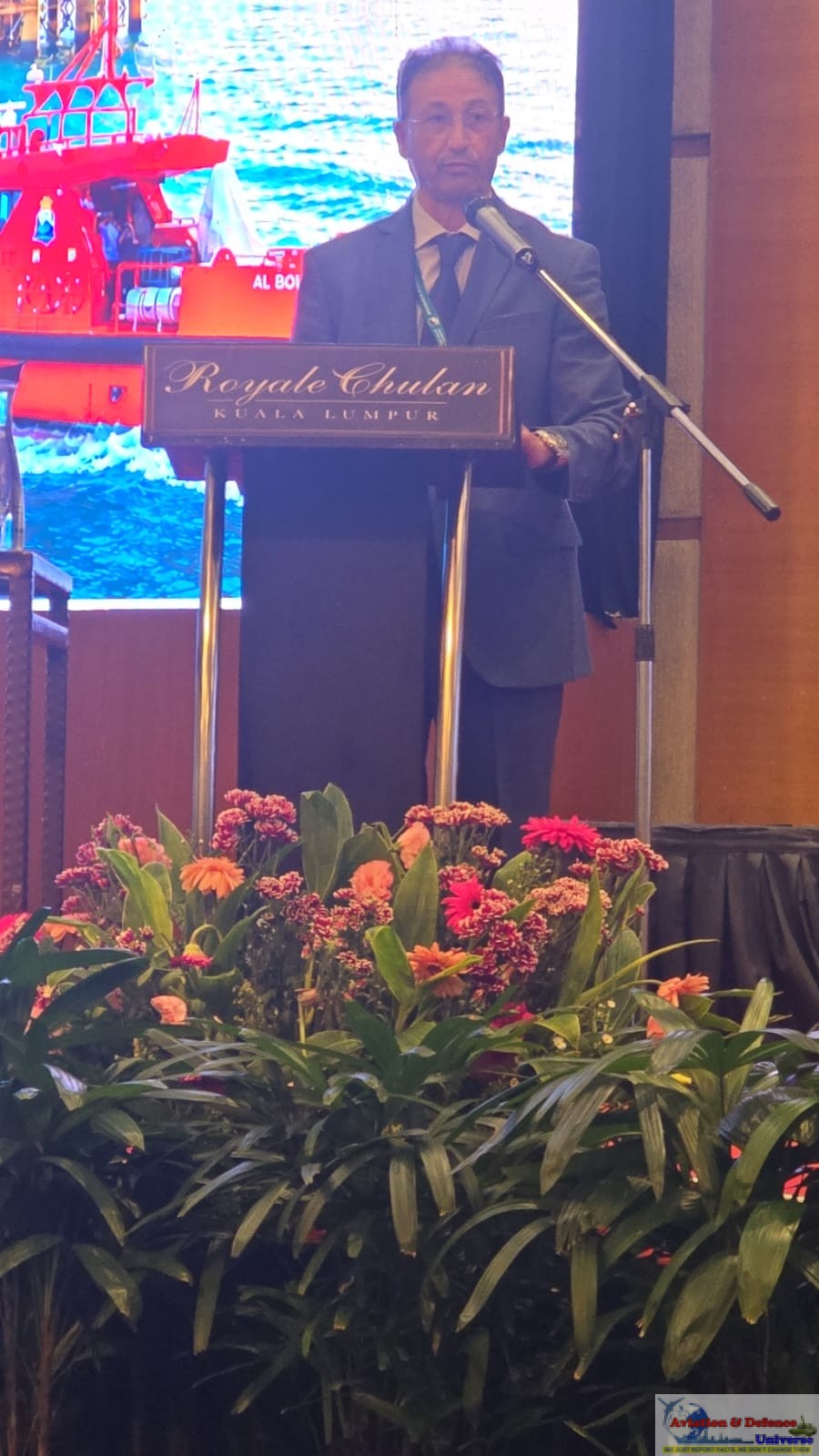 Opening the plenary, Capt. Mohd Drissi, Director of Morocco’s Maritime Rescue Coordination Centre (MRCC), argued that the offshore oil and gas industry should not merely be viewed as a sector requiring rescue services but as an indispensable partner capable of strengthening national SAR capabilities. He began by emphasising that rescue agencies must first understand the realities of offshore operations. “Platform needs must be well identified, known and understood by search and rescue services, such as the high number of persons working on board, which could lead to mass rescue operations, immediate evacuation, man-overboard cases, medical evacuation needs—not to mention incidents such as gas leaks, damage to infrastructure, collisions, violent explosions, oil spills and damage to the marine environment.”
While acknowledging the industry’s sophisticated safety culture, he stressed that public authorities still have a critical role to play. “This industry is well equipped with a high level of safety culture, and usually their teams and personnel are highly trained to deal with emergency situations on a 24/7 basis. On the other hand, search and rescue authorities have the overall responsibility to protect human lives and must demonstrate their capabilities, fill the industry’s gaps and act as a trusted partner.”
Offshore Infrastructure as a SAR Asset
Capt. Drissi proposed a shift in thinking whereby offshore installations become an integral part of the national rescue architecture. “From search and rescue perspectives, platforms, suites and other maritime 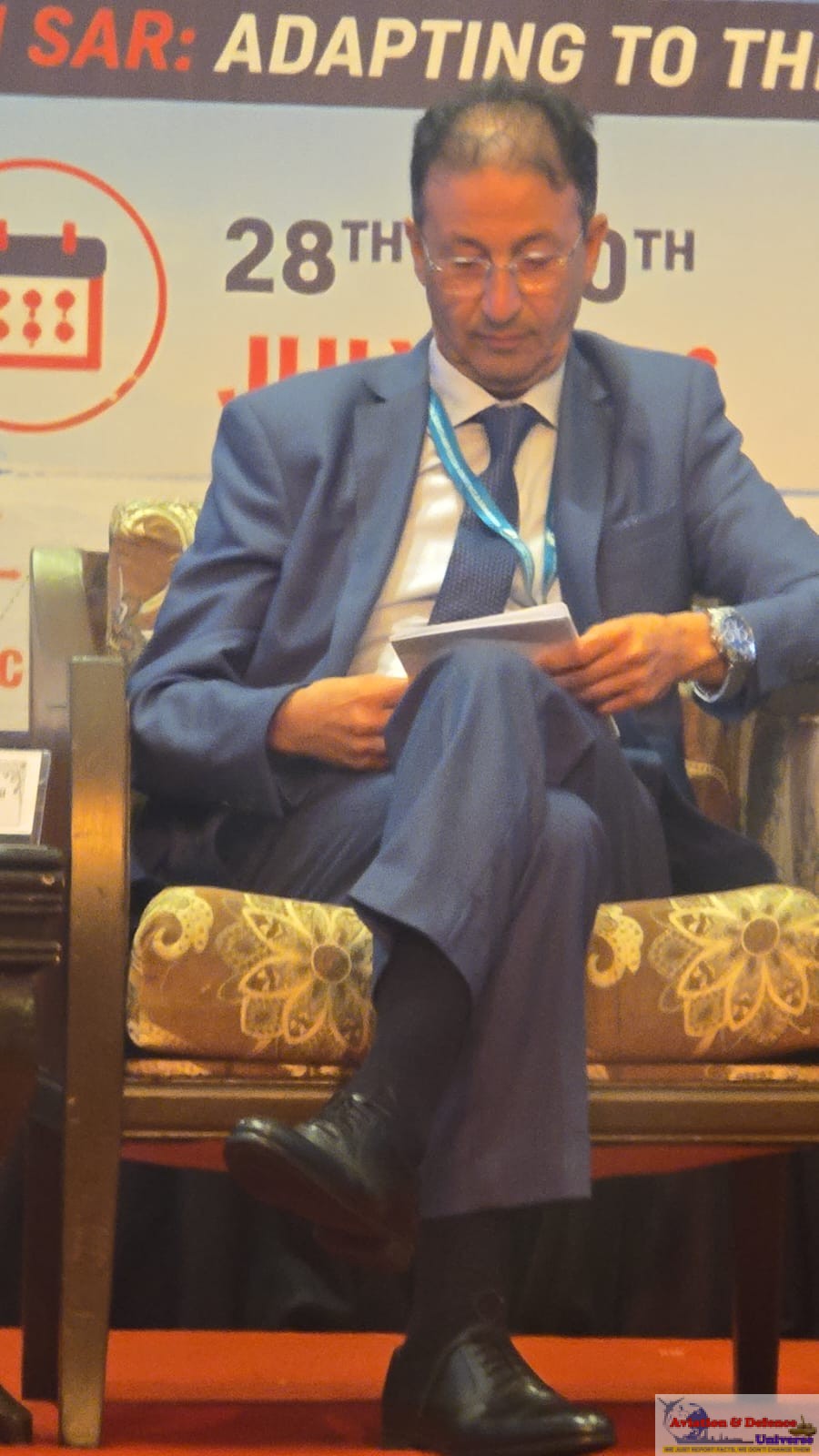 industrial infrastructures should be seen as an opportunity to be used for search and rescue.” Rather than viewing offshore facilities solely as industrial assets, he suggested incorporating them into emergency planning.
“The installations could be designated as a first place of safety during mass rescue operations, while their rescue assets could also be added and included in the existing search and rescue system.” Such cooperation, he argued, benefits both sides. “Offshore industry must be seen as an opportunity to get financial support for the search and rescue system, to share equipment, streamline resources, make savings in investment and raise the profile of the search and rescue organisation.”
Formal Agreements Build Stronger Systems
Capt. Drissi explained that Morocco has institutionalised these partnerships through formal agreements. “Once the two parties are ready to meet each other’s needs, a formal agreement could be signed in a way that provides benefits to both search and rescue services and the industry.” He highlighted the scale of Morocco’s collaboration. “We have more than ten agreements signed. Procedures are established and agreed, there is financial support to search and rescue services, and both parties are working together in a win-win way.” These agreements have also improved operational standards. “Our system is indirectly pushed and improved because we need to comply with the industry’s requirements and procedures, bringing the search and rescue system to a higher standard while reducing response time.”
Exercises: The Real Test of Preparedness
Perhaps the strongest message of Capt. Drissi’s presentation centred on the value of exercises. “Exercises are a key for success and also an opportunity to test and assess cooperation plans and existing procedures.” He continued, “Exercises provide a unique opportunity to assess procedures’ effectiveness, promote cooperation and adapt operational plans.” Drawing on Morocco’s extensive experience, he declared, “If you would like to improve your action plan—do exercises.” Even organisations that have never experienced a major emergency can improve dramatically through realistic training. “Maybe you don’t experience accidents during your career, but doing exercises is a key way to learn and improve your system.”
Learning Through Realistic Scenarios
Capt. Drissi described a recent multinational exercise involving Morocco, Spain and the offshore energy industry. “Just two weeks ago, we conducted a major exercise involving damage to a gas pipeline supplying Europe.” The simulated scenario involved a drifting merchant vessel whose anchor damaged the pipeline. 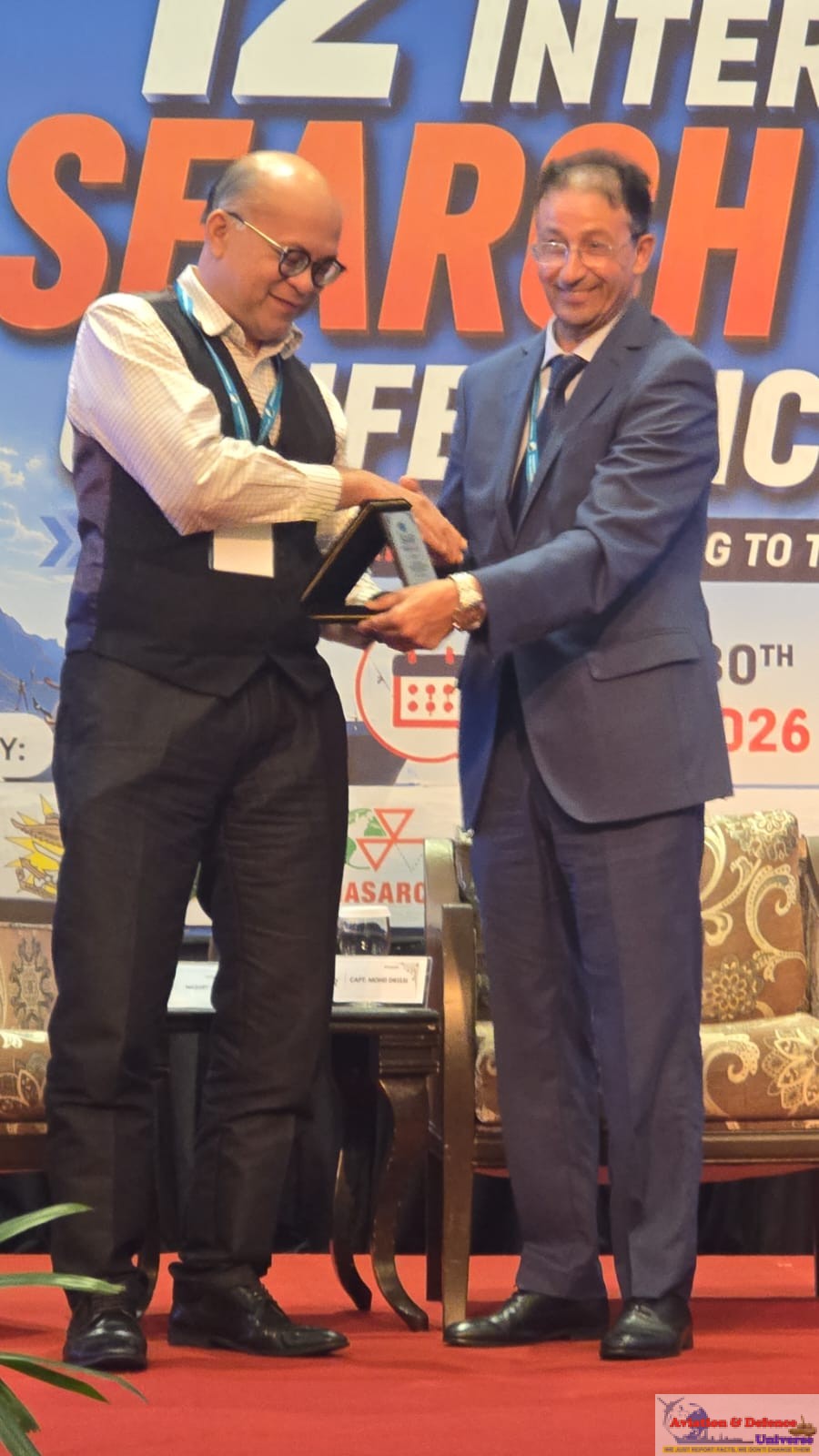 “We deployed one helicopter, three surface units, directed a large merchant ship and a fishing vessel to participate. We conducted evacuation, firefighting and casualty evacuation using both aeronautical and maritime assets.”
The exercise reinforced one overarching lesson”Exercises are very, very important to improve cooperation and identify actions needed to strengthen both offshore industry and search and rescue systems.” Moderator Adj. Prof. Nazery Khalid praised Morocco’s collaborative model, observing that the presentation highlighted the importance of governments working closely with neighbouring countries and industry partners. “Cooperation is very important… Morocco and Spain have a long history of cooperation… Governments play a very central role because they have the logistics, the political will, and the assets and resources to be mobilised during major offshore emergencies.”
Malaysia’s Offshore Oil & Gas SAR: Bridging the Critical First Response Gap
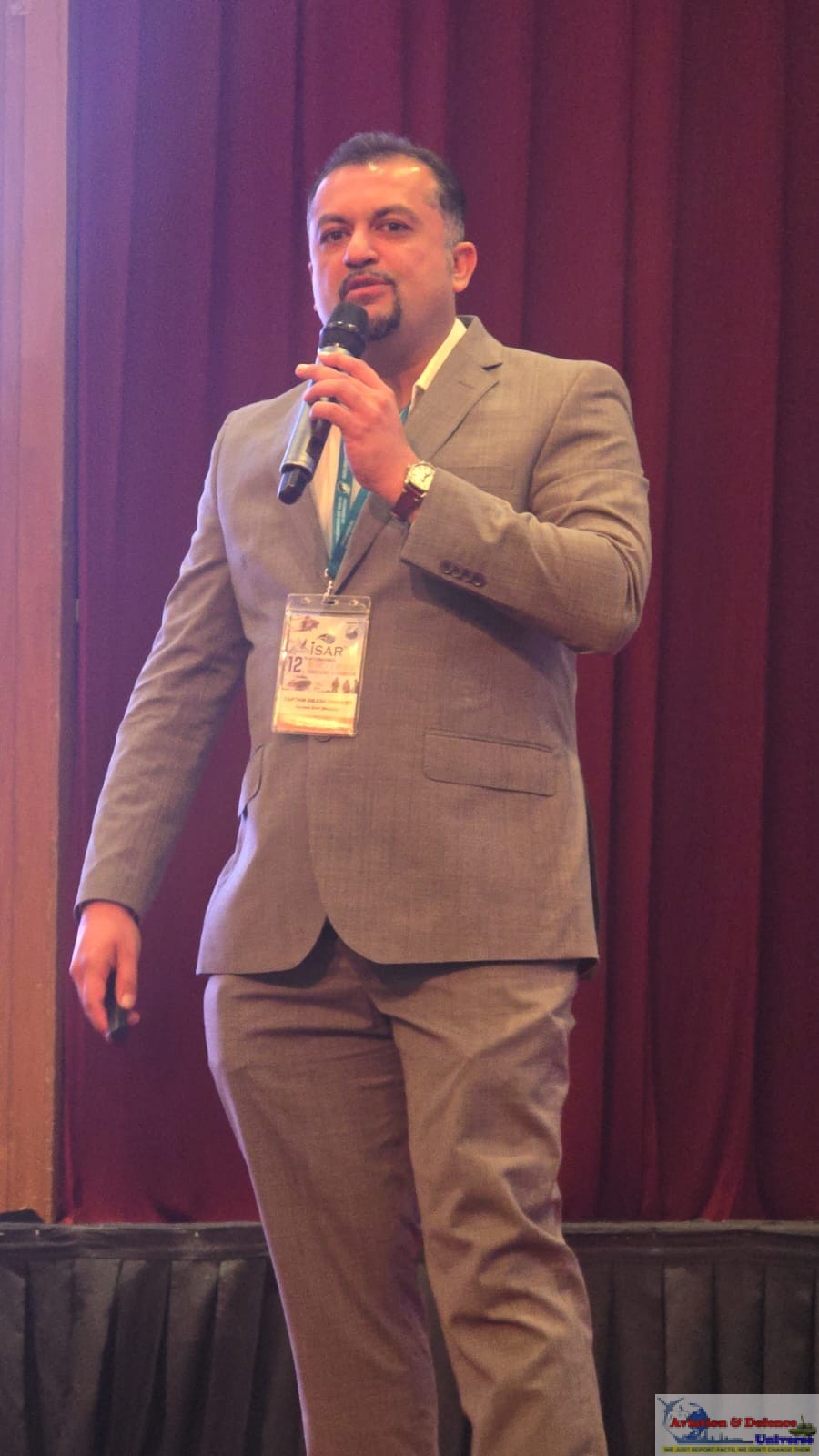
Introducing the second speaker, moderator Adj. Prof. Nazery Khalid noted that the next presentation would offer an industry perspective on offshore search and rescue from one of Southeast Asia’s leading energy producers. Taking the stage, Capt. Diilesh Chander, Emergency Response & Business Continuity Manager at Sarawak Shell, began by explaining how his own career had evolved from commanding oil tankers to managing emergency response for Malaysia’s upstream oil and gas sector.
“I used to work as a captain for oil tankers. So that’s my background. I had my fair share of incidents on board. I moved on to work for a national oil company, Petronas, and I’m in charge of looking after the upstream emergency response.” Setting the context, he reminded delegates why offshore energy operations deserve special attention. “It’s a very important industry because we all consume hydrocarbons every day. There is change in technology. You have your helicopters, your vessels—but they all run on hydrocarbons. So it is an important aspect of daily life.”
Understanding Offshore Risks
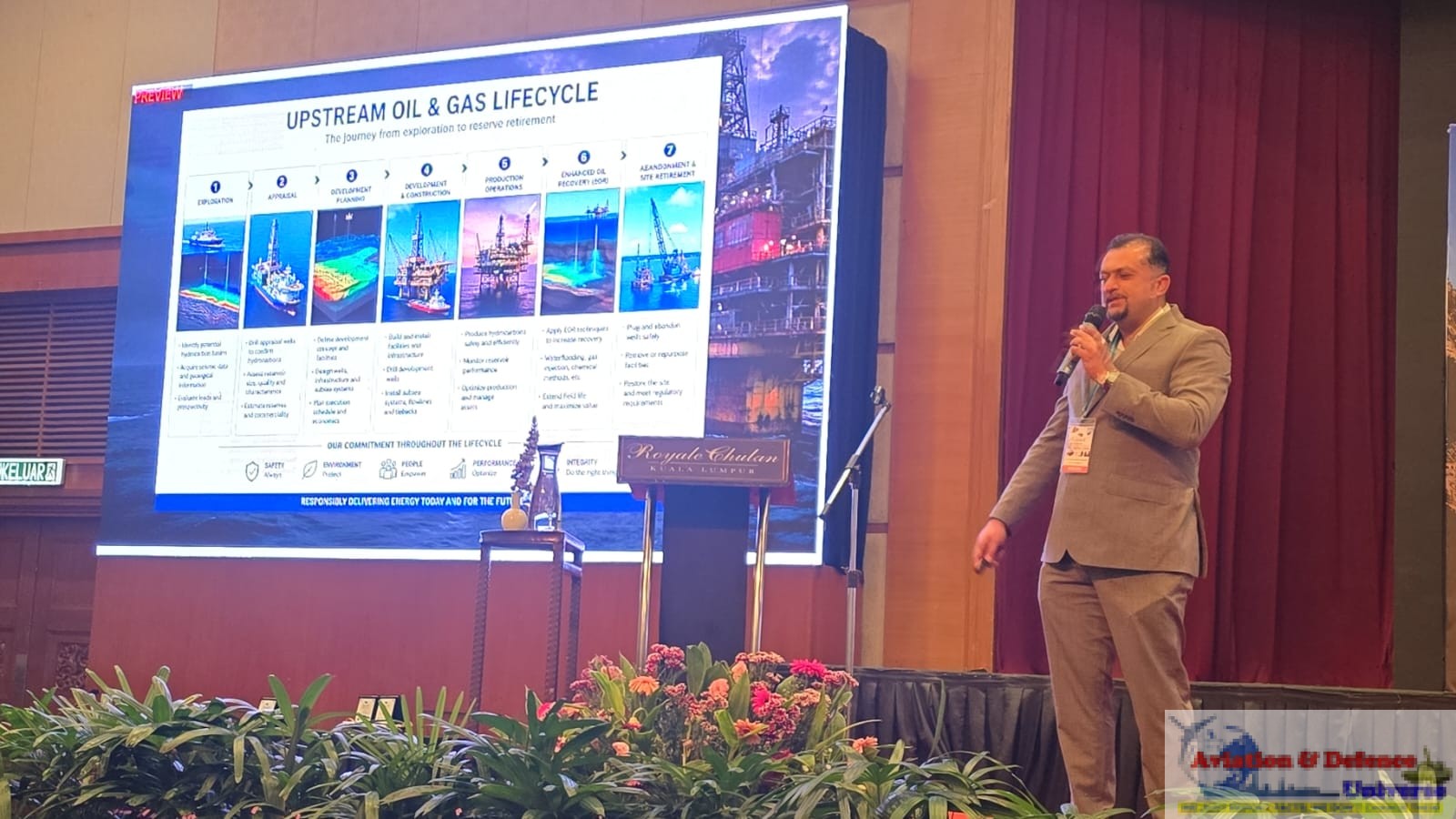
 Capt. Chander walked the audience through the upstream oil and gas lifecycle—from exploration and appraisal to production and eventual decommissioning—before highlighting the unique operational hazards associated with offshore platforms. “When you have vessels, you have risk of marine operations. You have risk of search and rescue. We also have helicopter risks because personnel transfer and medical evacuation are routine activities. But once you drill and tap the reservoir, the risks become even greater.”
Among the industry’s principal accident scenarios, he listed. “Loss of containment from pipelines, well blowouts, structural collapse due to weather or explosions, collisions, marine operations and helicopter accidents.” Using the Deepwater Horizon disaster as an example, he illustrated the complexity of offshore emergencies. “When the call comes that you have a rig on fire—fire, explosion, people in the sea, oil spill and potentially a sinking structure—what do you do? It is quite complex because you cannot handle it alone.”
Knowing the Hazards Before Attempting Rescue
Capt. Chander emphasised that rescuers must first understand the hazards before attempting intervention. Recalling an incident in Malaysian waters involving a maintenance barge carrying hundreds of personnel, he explained how severe weather caused the vessel to lose control and collide with an offshore platform. “People panicked and jumped into the sea. Search and rescue had to be conducted immediately.” He also highlighted practical challenges rarely appreciated outside the offshore sector. “You expect a life raft to be upright—but during emergencies it may be upside down. It may be catapulted away. This makes search and rescue extremely difficult, especially in poor visibility because rescue vessels must avoid striking survivors with their propellers.” His conclusion was clear. “A great deal of planning and technical preparation is needed to ensure you know what to do during an emergency like this.”
Managing Risk Before Disaster Occurs
 Capt. Chander explained that Malaysia’s oil and gas industry relies heavily on structured risk management systems. “We use the Hazard Effect Management Process and the BowTie methodology for major accident hazards.” He described the process succinctly. “We identify the hazard, determine what can release that hazard, identify the top event, assess the consequences and then establish barriers to prevent it.” Emergency response planning is equally structured. “Many oil companies follow the Incident Command System, where we prioritise people first, then the environment, and then other considerations.”
The ‘Golden Hours’ Before National Assets Arrive
One of the central themes of Capt. Chander’s presentation was what happens before government rescue agencies reach the scene. “Until the national agency arrives, we have what we call the challenge phase—or the golden hours.” During this period, companies face numerous operational constraints. “Response time. Weather. Asset availability. Helicopter limitations. Multiple simultaneous consequences. Coordination with other organisations. Familiarity with processes. These are the common challenges.”
He noted that Malaysia’s emergency framework requires offshore operators to notify designated authorities rather than military assets directly. “The oil and gas industry cannot directly call the Navy or Air Force. We must first notify the Malaysian Maritime Enforcement Agency. They establish the Rescue Coordination Centre, which then activates the other agencies.”
Industry Must Bridge the Response Gap
Recognising these realities, Malaysia’s offshore operators have developed procedures to bridge the critical time gap. “As an industry, we developed processes to bridge the gap. We conduct drills and exercises every year.” He described specialised industry procedures for both maritime and aviation incidents. “We have Offshore Marine Search and Rescue procedures and Joint Aviation Search and Rescue procedures.” Medical preparedness forms another critical layer. “We have platforms, site clinics, medics, telemedicine and medical evacuation capability because after a search and rescue operation people may be physically injured or psychologically traumatised.”
Industry Leads Until Authorities Arrive
Capt. Chander explained that offshore operators assume immediate responsibility until national SAR authorities take command. “If we have an incident, the oil and gas operator will lead until the agency arrives. We direct our vessels to assist in search and rescue until the authorities take over.” The same philosophy applies to aviation emergencies. “If we have a helicopter crash, we deploy our vessels immediately. We rescue passengers and communicate with the authorities until Civil Aviation takes over.”
Knowing Your Capabilities—and Your Limitations
Capt. Chander also stressed the importance of understanding operational limitations. Describing the helicopters commonly used offshore, he noted, “Typically, we operate Airbus H175s and AW139s. They have no hoist systems. They have no rescue capability. They can accommodate one or two stretchers.” His message was straightforward. “It is very important to know your limitations because once you know your limitations, you can actually plan around them.”
Five Lessons for Offshore Preparedness
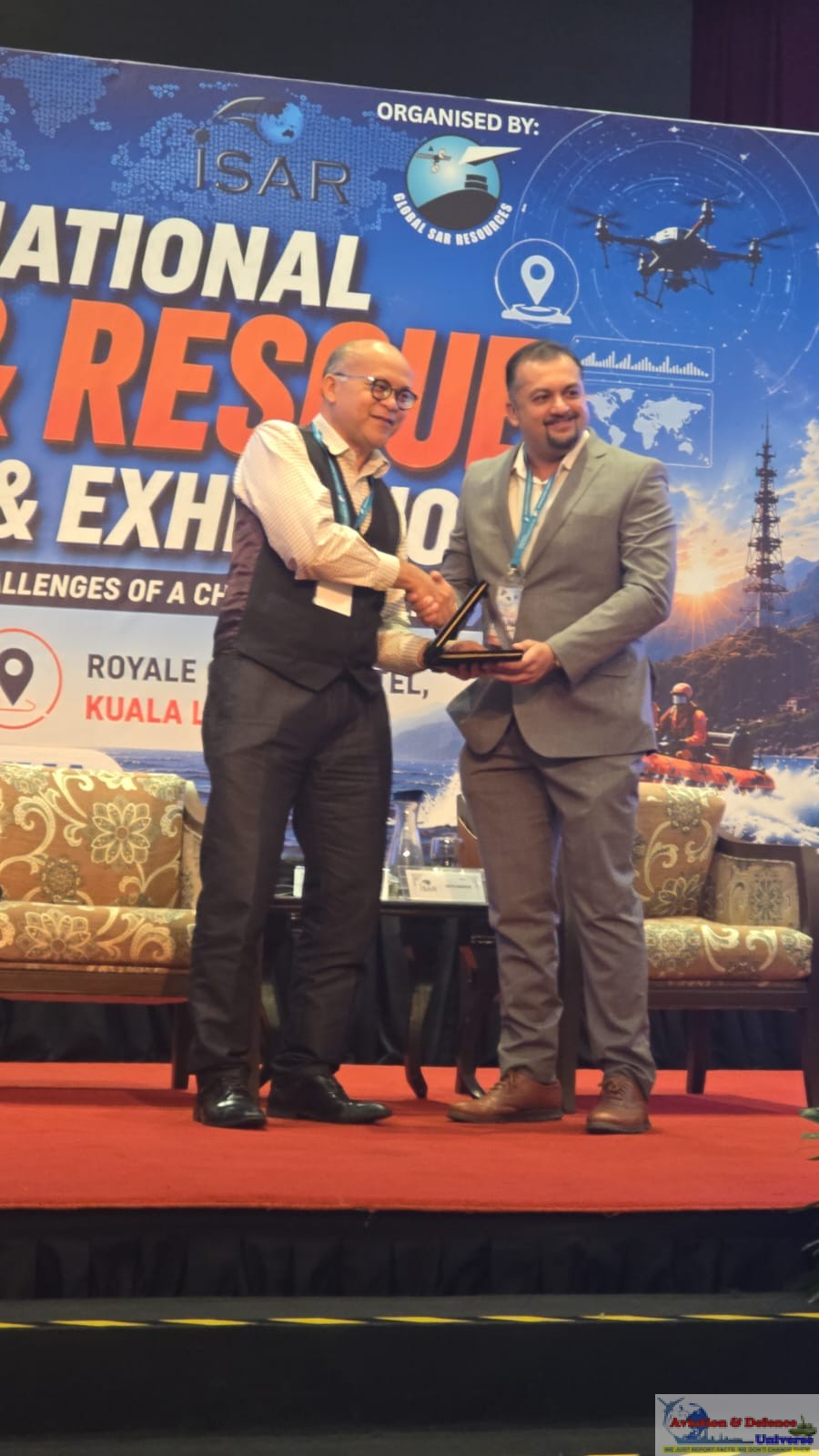 Concluding his presentation, Capt. Chander summarised the principles that have guided his career in offshore emergency response. “First, know your house. Every platform, vessel and rig is different.” “Second, love your neighbour—not just your immediate neighbour, but also the neighbour further away because they may be the only people able to help you in a remote offshore location.”
“Third, communication and information are always findings in every drill.” He also warned about the impact of social media. “Information travels very fast. You’ve got to manage that quite well.” Finally, he encouraged organisations to approach exercises strategically.
“Workout does not mean pain. Exercises can be energising if you have a good coach. Choose what you want to focus on. Slow and steady preparation helps you respond better when the real emergency comes.” Moderator Adj. Prof. Nazery Khalid praised the presentation, noting that it reinforced the importance of understanding one’s assets, reading the situation correctly and ensuring preparedness before disaster strikes. “It highlights the importance of reading the room and being fully aware of what is happening… knowing your assets and understanding the situation.”
The Golden Hour: Where Preparation Meets Reality
Introducing the final speaker of the session, moderator Adj. Prof. Nazery Khalid remarked that the title of the presentation itself captured the essence of emergency response.” The Golden Hour—Where Preparation Meets Reality. Today, I guess, we will be talking about work as imagined and work as done.” Taking the podium, Hatta Mansor, Chief Operating Officer of Asiapac Sabah, explained that his presentation was built upon years of experience in emergency response, crisis management and operational coordination.
The First Hour Determines Everything
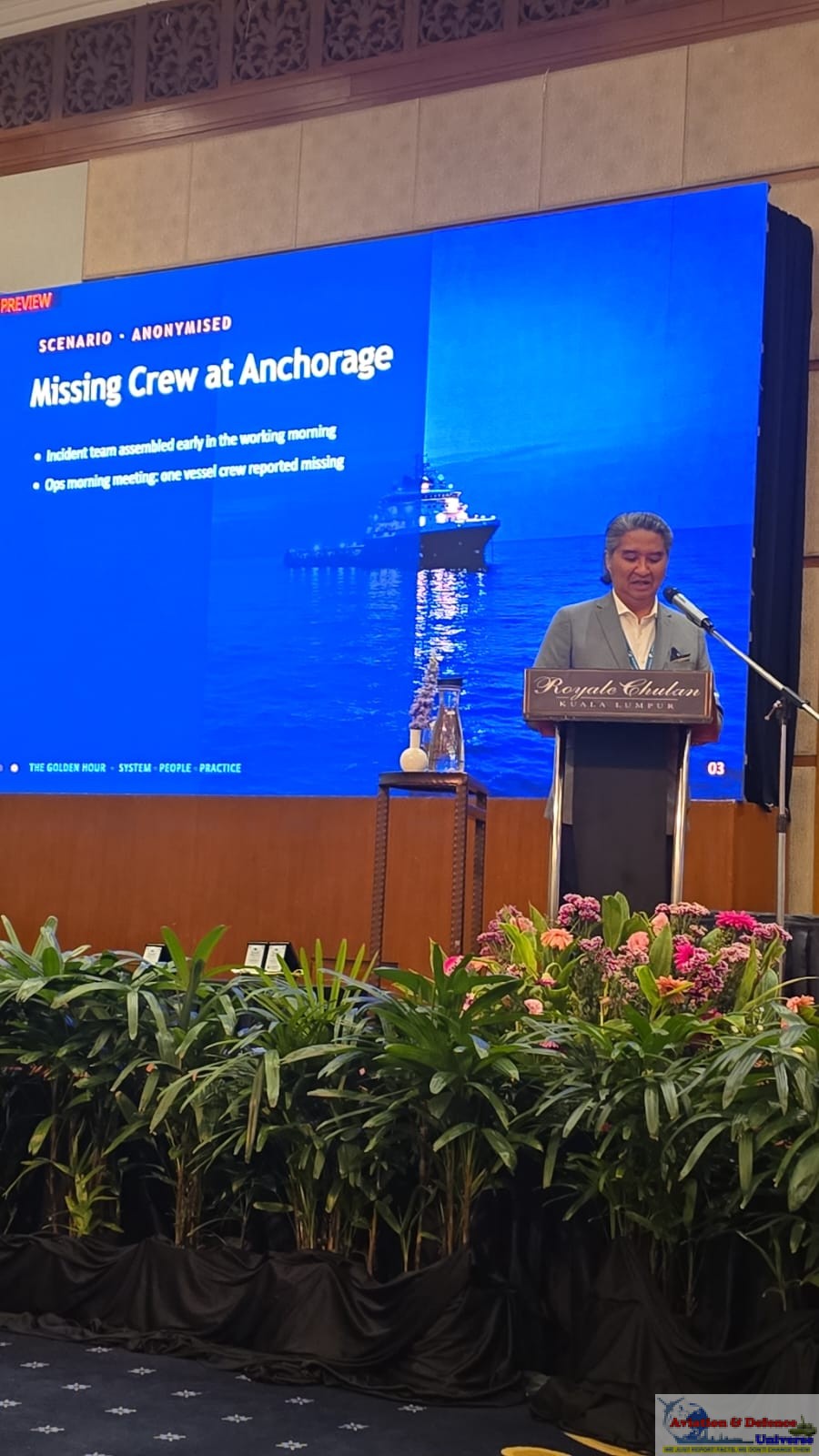 For Mansor, the “Golden Hour” extends far beyond medical doctrine. “The Golden Hour is not a principle. It is the critical hour which leads to the successful mission. It is not a medical claim about responding immediately to a life-or-death situation. It is a coordination concept.”
He explained that the first sixty minutes are defined by uncertainty. “The coordination that you build—or lose—the prudent operation, the very sharp size-up, having a shared operating picture, staying coherent with lack of information and information overload, all require rapid distillation to focus on action that really matters.” Although countries may adopt different doctrines and technologies, he argued that one principle remains universal. “Different countries have different doctrines and different tooling, but the first hour is universal. Incomplete information, time sequence and the need for discipline and coordination—we don’t have the privilege of perfect information, but we need coherent action.”
Systems, People and Practice
Mansor organised emergency preparedness around three interconnected pillars. “Beyond who, when, what and where, the fifth input is readiness—where capability can actually deploy and coordination begins.” He elaborated on the framework. “The first layer is systems—communication, rules, laws, conditions and tools that reduce cognitive overload. The second layer is people. People need to be capable responders with experience, competence, practical management and responsibility. Practice builds the rules that make the first 15 to 60 minutes stable under pressure.”
His central warning was emphatic. “You get this first hour wrong, you don’t just lose time—you create rework, drift and break boundaries.” He added a line that resonated strongly with delegates, “The Golden Hour does not guarantee success, but mishandling it guarantees a harder mission.”
Lessons from a Real Offshore Search
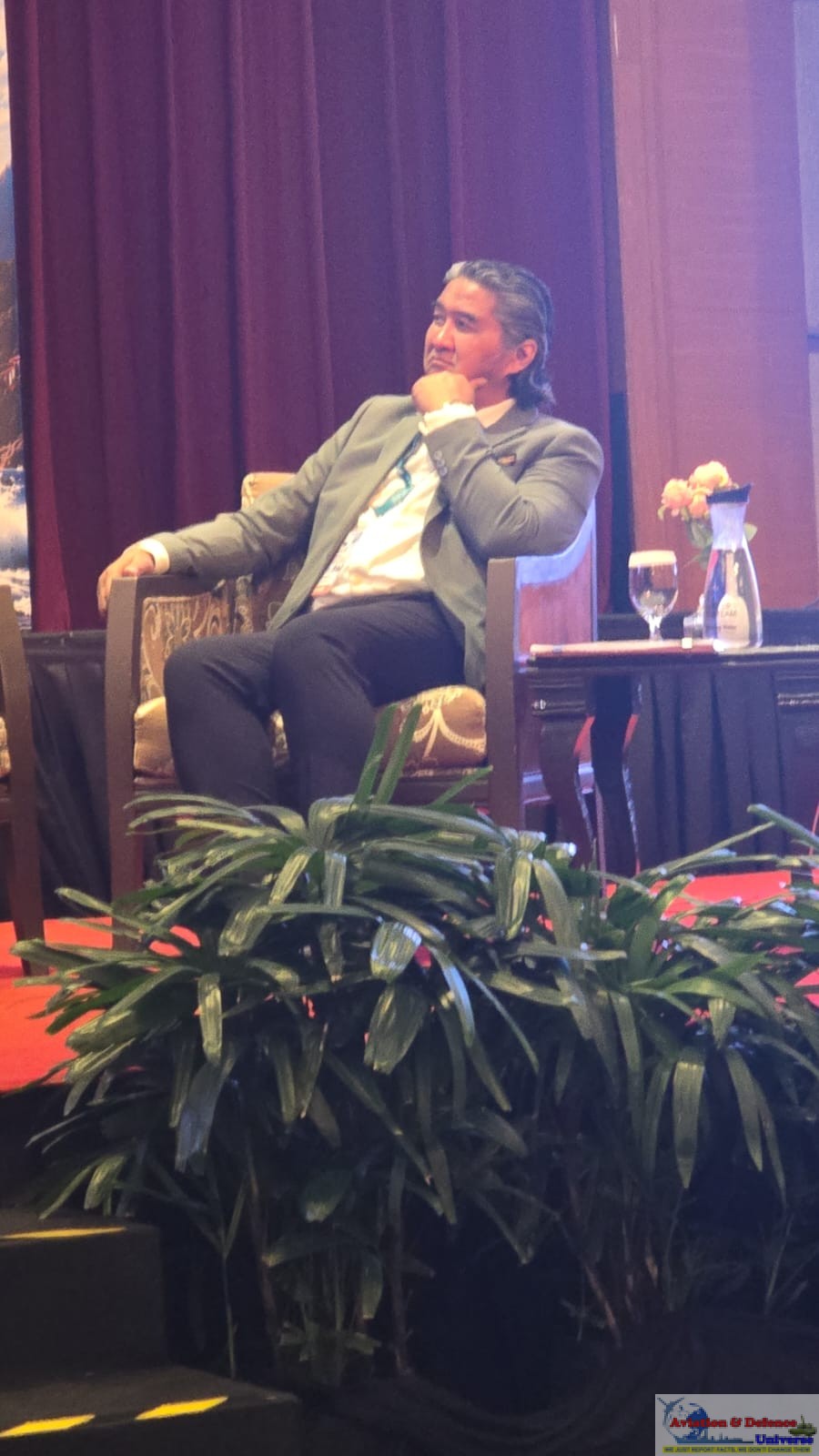 To illustrate his point, Mansor recounted an anonymised offshore search and rescue operation. “The incident management team assembled early in the morning after the routine operations meeting. A vessel reported one crew member missing because he did not show up at the morning meeting.” Initially, no one knew exactly when the individual had disappeared. “The best you could say at that point was probably somewhere between dinner and the morning meeting.” The uncertainty complicated every decision. “We didn’t know where to start the search and rescue. This is why we need a system that can handle information about who, when, where and what, and still produce coherent decisions.” He stressed that understanding the missing person’s profile was equally important. “Search and rescue success is sensitive to future challenges. The subject profile changes the urgency, the risk, the search techniques and what success means.”
When Systems Carry the Load
Reflecting on the response, Mansor argued that systems—not individuals—must absorb the complexity of emergency management. “Within a quarter of an hour, the system has to support the response team by lightening the burden of communication, information gathering, verification, risk profiling, documentation and information sharing.” His conclusion was unequivocal. “If the system does not carry the load, the response team carries it—and that slows down the response.”
Artificial Intelligence as a Decision Support Tool
Mansor believes emerging technologies can significantly enhance emergency response—provided they are used appropriately. “The point here is not about using more technology. What is already available and proven is intelligent systems and AI systems that can help gather information, prepare reports and logs, so the team can focus on the information.” However, he cautioned against over-reliance. “AI will be used as support—not as a replacement for people.” He added, “When you use AI, you must have guidelines about what AI should be deciding for you.”
Training for Reality—Not Routine
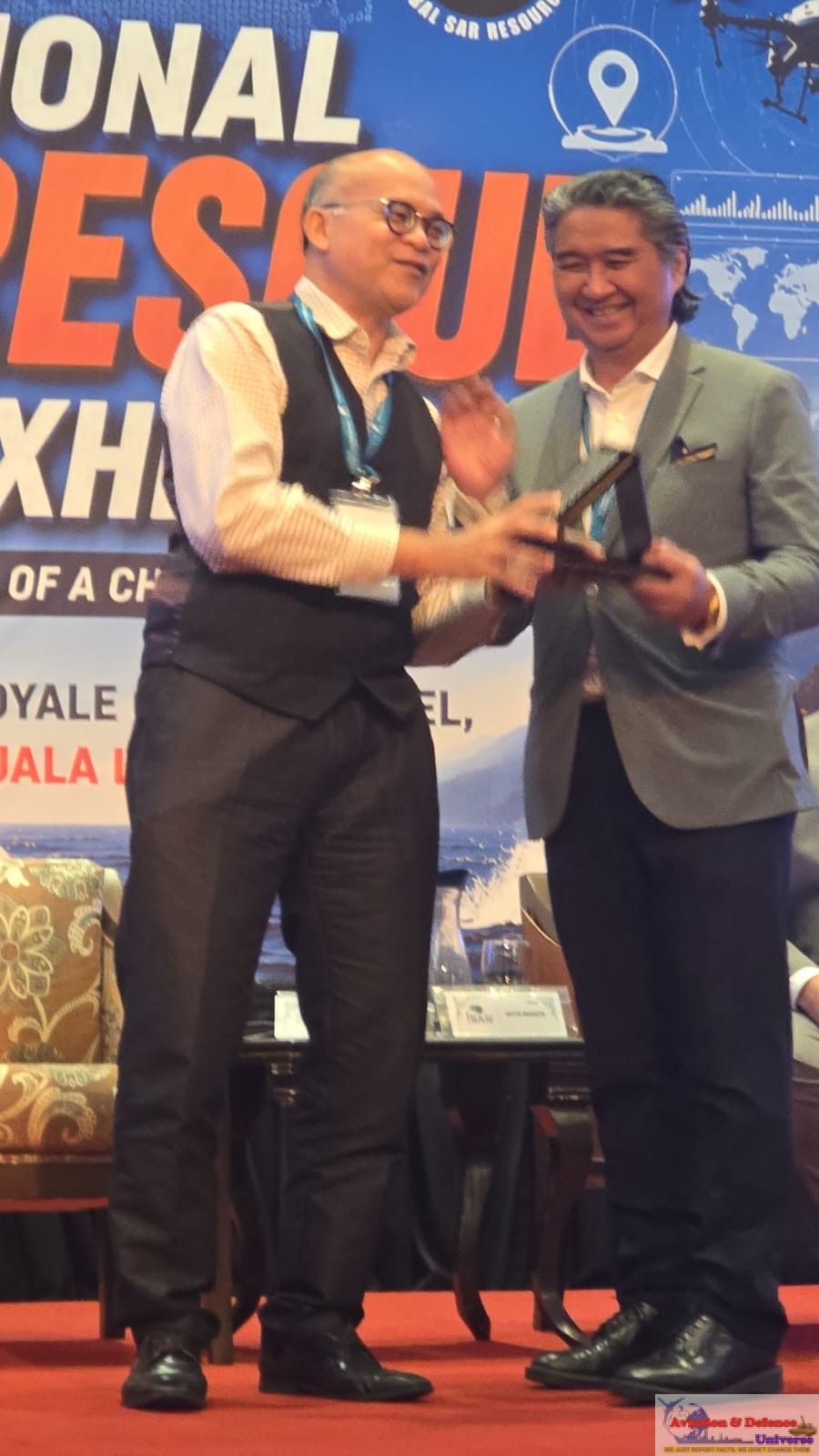 Turning to preparedness, Mansor stressed that responders rarely experience major emergencies in their careers. “None of us experience serious situations all the time. They are very rare.” Exercises therefore need to reflect operational uncertainty. “Training and tools must be tested under stress, uncertainty and actual human behaviour. He encouraged organisations to make drills progressively more demanding. “Throw in some twists. Change the operating position. Feed unreliable and contradictory information. Introduce unfamiliar role players. Coordination has to work as a system—not rely on friendship.”
Preparing Before the Crisis Begins
Artificial intelligence, he argued, can also improve preparedness. “Intelligent systems can help gather histories of similar events, perform risk profiling and challenge the storyboards we use during exercises.” But technology alone is insufficient. “Before you proceed to full mobilisation, make sure the first hour is tested and look for weaknesses in people and equipment, because if the first hour is flawed, the rest doesn’t matter.”
Invest More in Preparation Than Rescue
Perhaps the most thought-provoking part of Mansor’s presentation came as he reflected on terminating an unsuccessful search. “The hardest decision came about a week later when we had to terminate the search. The organisation and government had committed millions of ringgit. Termination is the hardest point because it becomes a moral question against the overall outcome.” That experience fundamentally changed his thinking. “Instead of asking how much we can spend during the rescue, can we ask how much we can spend preparing people before the rescue?” Summarising his message, he concluded, “We need to integrate our people into the system, people into practice, and intelligent systems into responding systems where people can rely on them and benefit from them.”
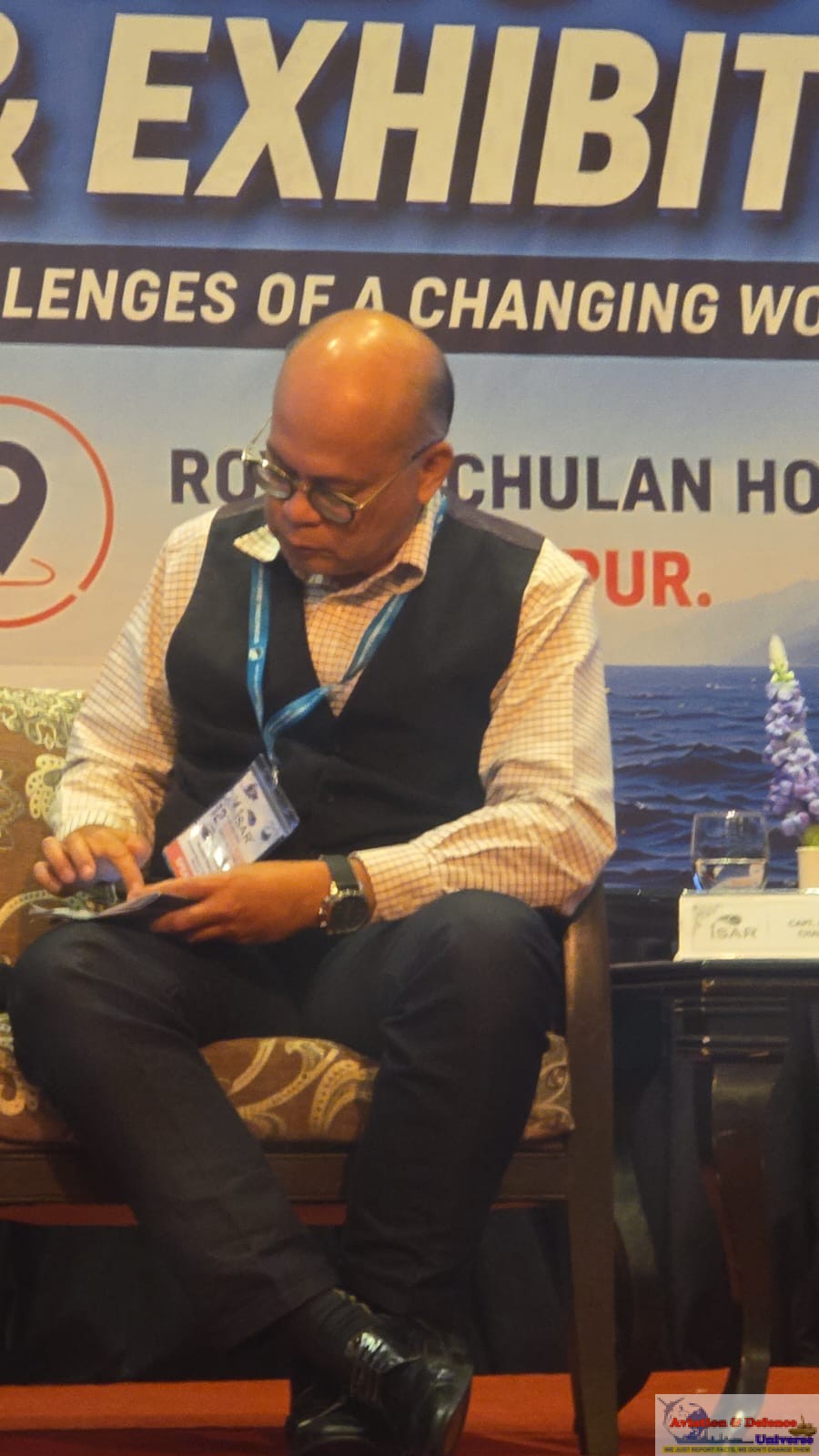 Bringing the session to a close, Adj. Prof. Nazery Khalid observed that all three presentations had reinforced a timeless lesson. “When you fail to plan, you plan to fail.” Drawing parallels with major industrial disasters, he remarked, “There are always clues. There are always things which need to be addressed very early on that were not addressed… and they eventually lead to a complete collapse.” Referring to the recent Malaysian offshore incident involving a maintenance platform, he concluded, “Again, it shows the importance of being prepared and planning, knowing your assets and understanding the situation—which all three presenters have brilliantly demonstrated.”
Plenary Session 5 reinforced that offshore search and rescue is not solely about responding to emergencies—it is about building resilient systems long before an alarm is raised. From Morocco’s model of formal cooperation between maritime authorities and the oil and gas industry, to Malaysia’s integrated upstream emergency response framework, and Hatta Mansor’s compelling case for mastering the “Golden Hour” through preparedness, systems thinking and intelligent decision support, the session highlighted a shared philosophy: successful rescue begins with planning, partnership and practice. Whether confronting offshore fires, helicopter crashes, gas leaks or mass-casualty incidents, governments, industry and emergency responders must function as one coordinated team. As offshore energy operations continue to expand into deeper waters and more remote locations, the ability to prepare, communicate and collaborate before disaster strikes will remain the defining factor in protecting lives, critical infrastructure and the marine environment.
























































-A4-Size-(2)_page-0001.jpg)