


 18th BRICS Summit









- Search & Rescue Cannot Remain an Afterthought: Disasters Will Not Give You Warning
- Exercises, Interoperability & Trust: The Missing Links in Regional Search & Rescue
- From Reaction to Readiness: Calls for a New Indian SAR Framework
By Sangeeta Saxena
Kuala Lumpur, Malaysia. 03 August 2026. Disasters do not issue notices, respect borders or wait for bureaucracies to coordinate. When an earthquake strikes, a flash flood sweeps through a valley, an aircraft disappears, a vessel founders at sea or fire engulfs an urban high-rise, the difference between chaos and an effective rescue can come down to what existed before the emergency—training, interoperability, communication protocols, institutional relationships and trust.
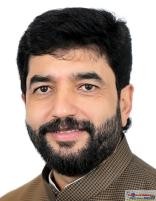
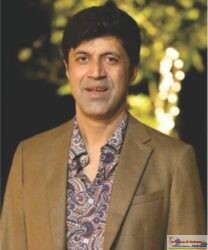
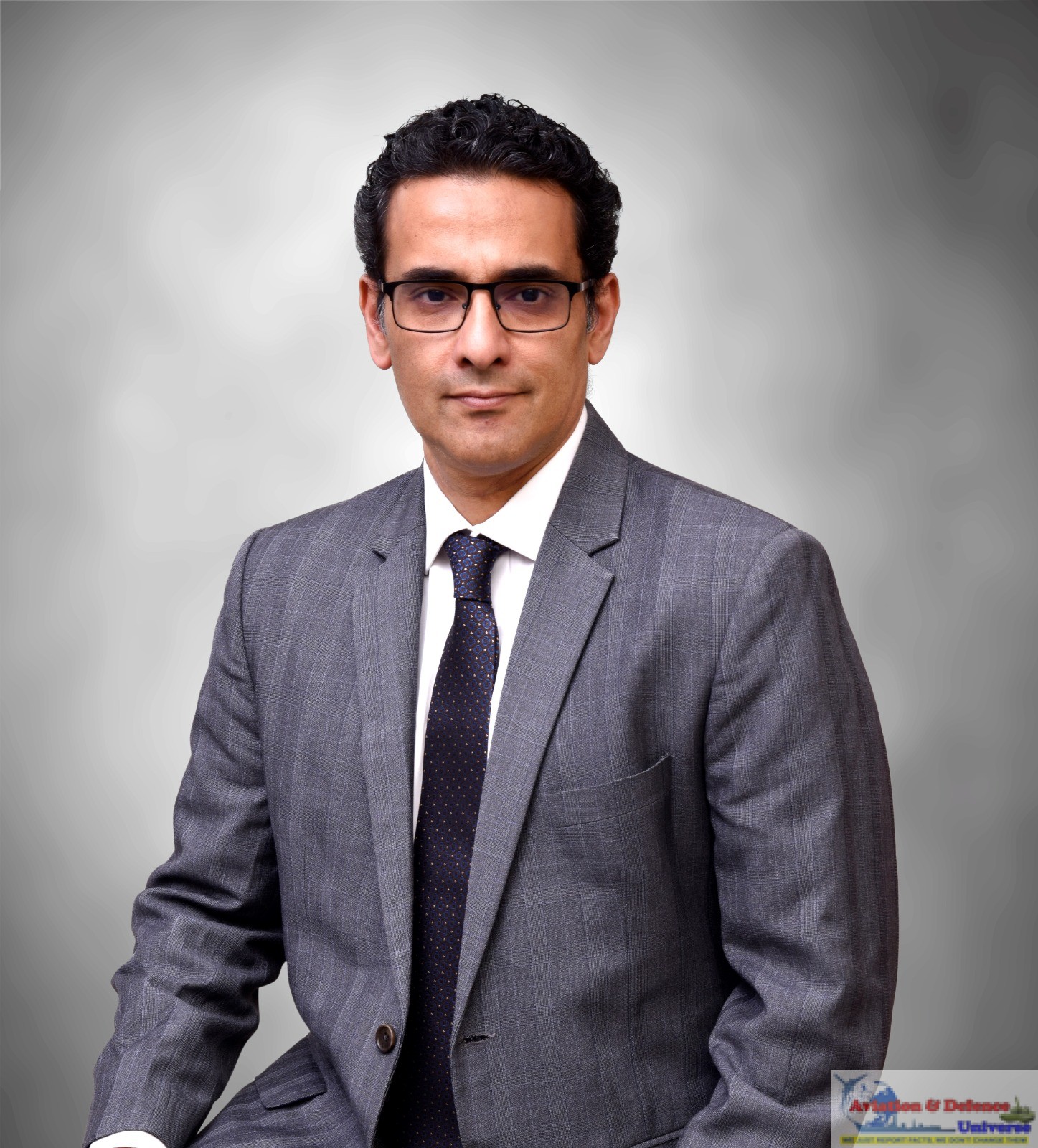
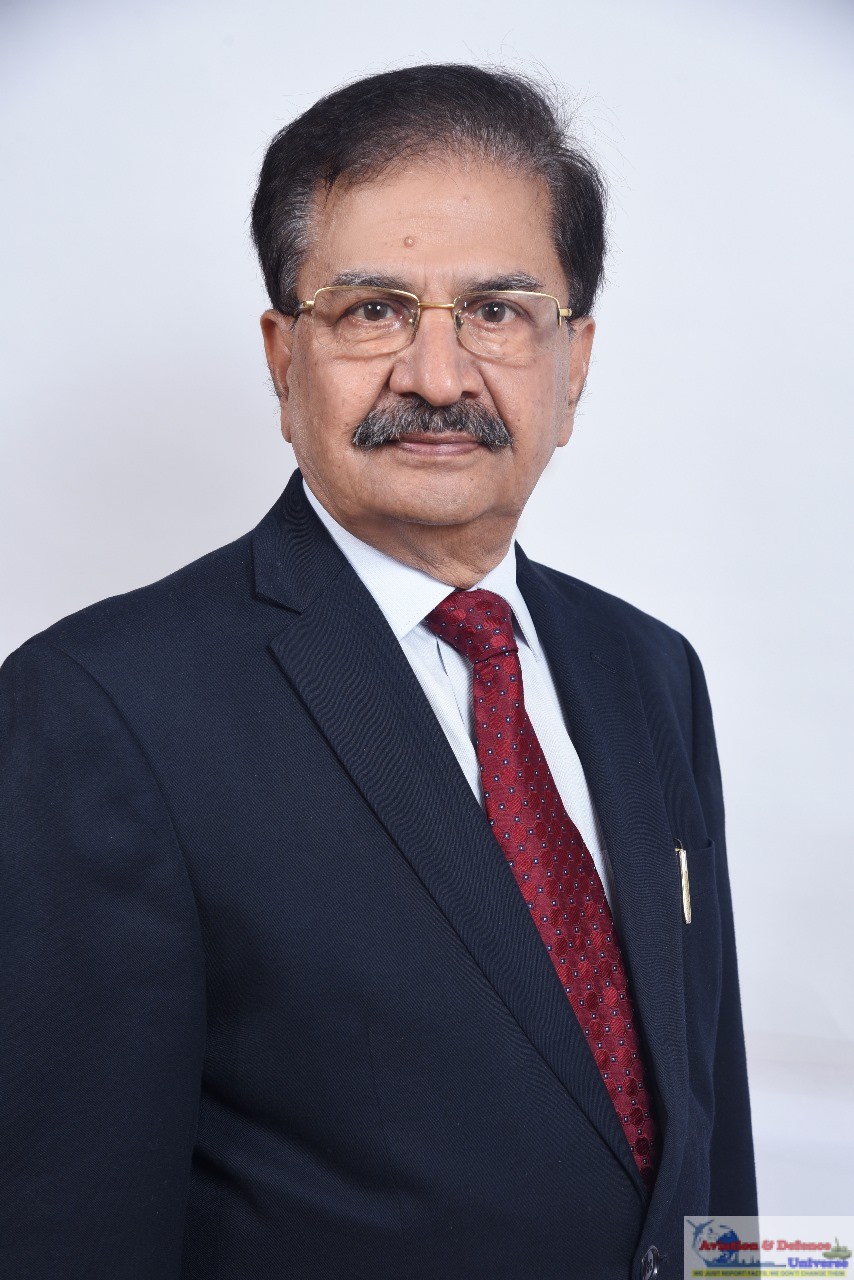
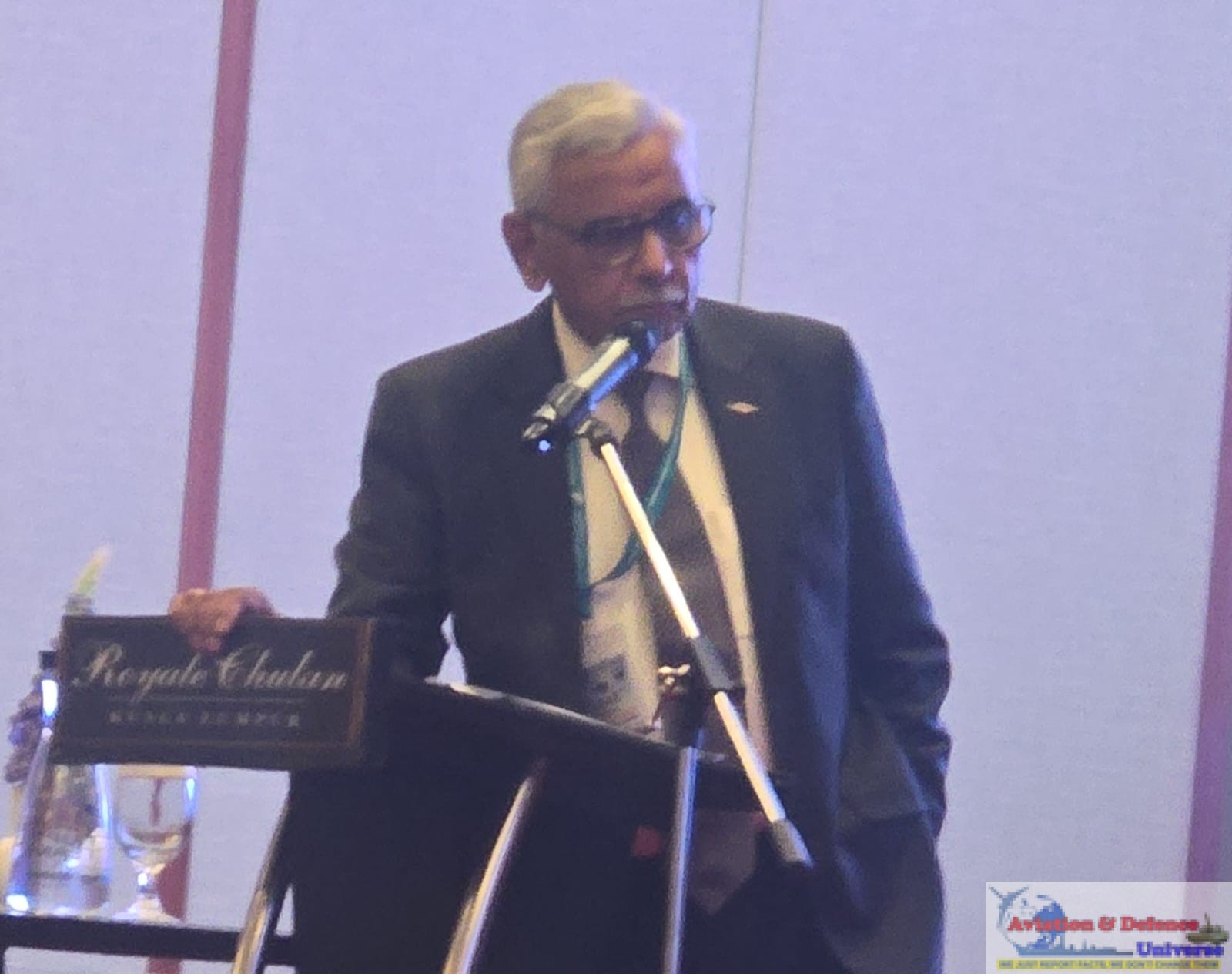 For Commodore AJ Singh (Retd.), Vice President, National Maritime Foundation (NMF), India, that is precisely where India and the wider region need to focus. Speaking to Aviation & Defence Universe (ADU) after the conclusion of iSAR 2026, Commodore Singh argued that Search and Rescue must move from being an episodic response triggered by catastrophe to a sustained national and regional capability. With climate change, extreme weather, expanding urbanisation and increasingly congested air and maritime spaces multiplying risks, SAR, he believes, will only become more important.
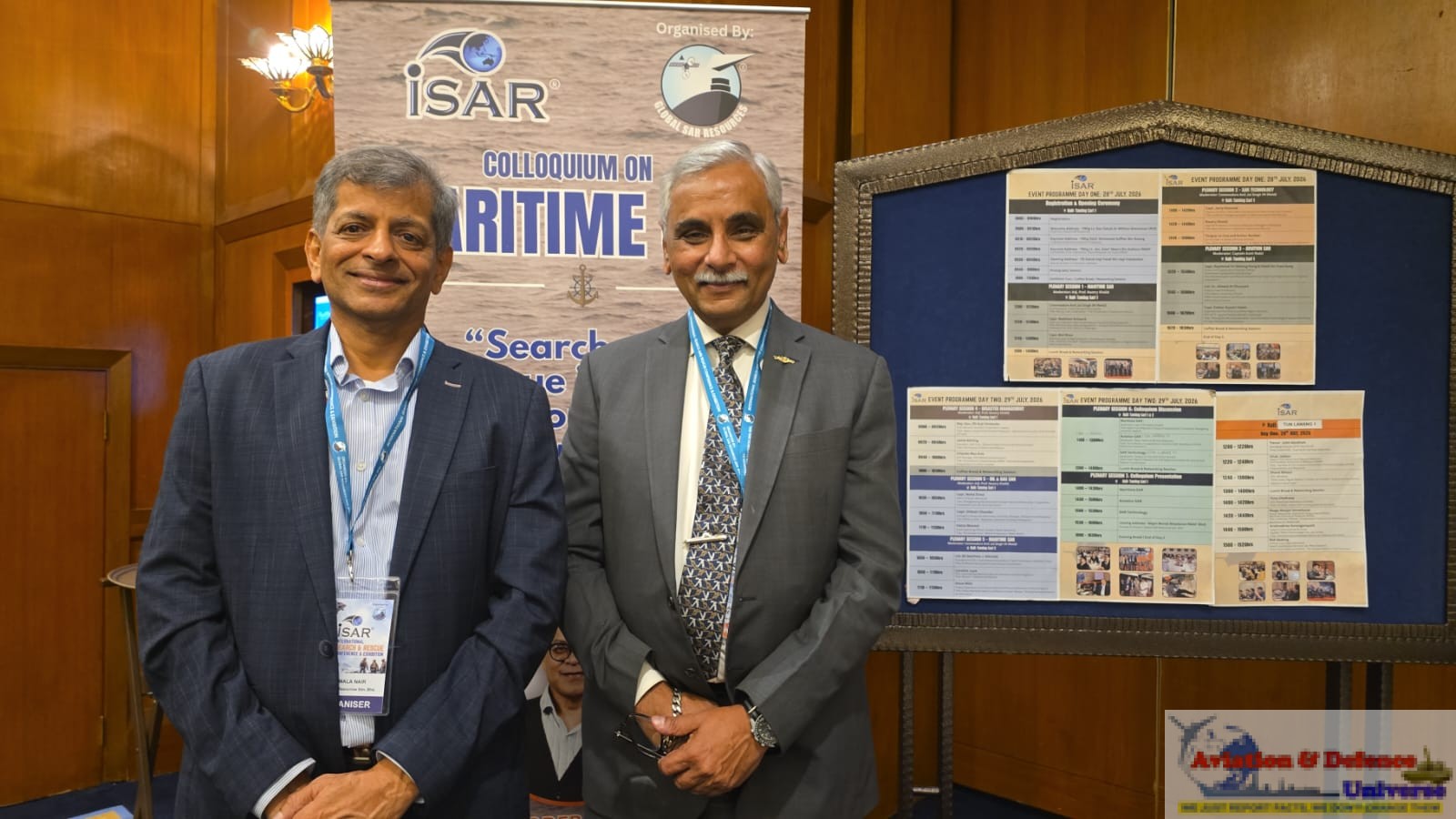
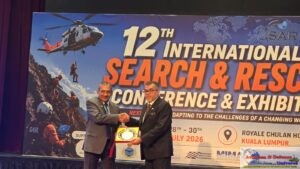
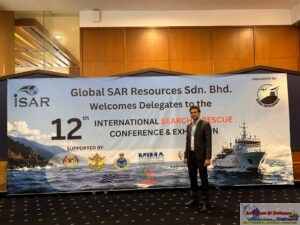
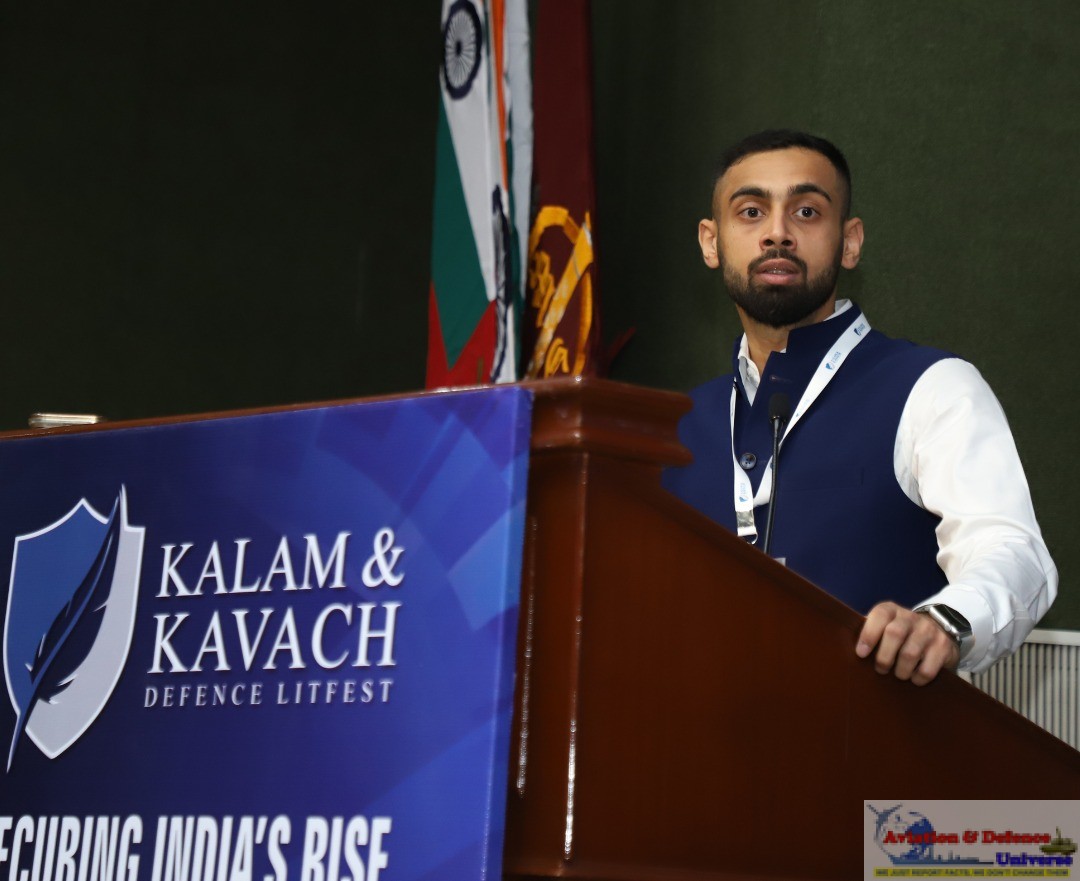
For the three days of iSAR 2026, Commodore AJ Singh (Retd.) was much more than a participant or speaker—he was the man who wove the thread of the conference together. As Master of Ceremonies, he remained the connecting voice across sessions, speakers, themes and discussions, bringing continuity to a programme that traversed maritime, aviation and land-based Search and Rescue, emerging technologies, artificial intelligence, disaster response, training and international cooperation. With his naval experience, maritime perspective and instinctive ability to connect one conversation with the next, he ensured that iSAR’s many strands did not remain isolated discussions but became part of a larger narrative on the future of global SAR. Having listened to virtually every perspective from the conference floor, interacted with international SAR leaders and repeatedly drawn attention to India’s own enormous experience—and its conspicuous absence from some global SAR networks—Commodore Singh was uniquely placed to look back at iSAR 2026 and ask the larger question: where does India go from here?
ADU. iSAR 2026 has just concluded and you played a major role in the conference. How would you sum it up?
Commodore AJ Singh (Retd.). I personally think the iSAR Conference is a very important conference, and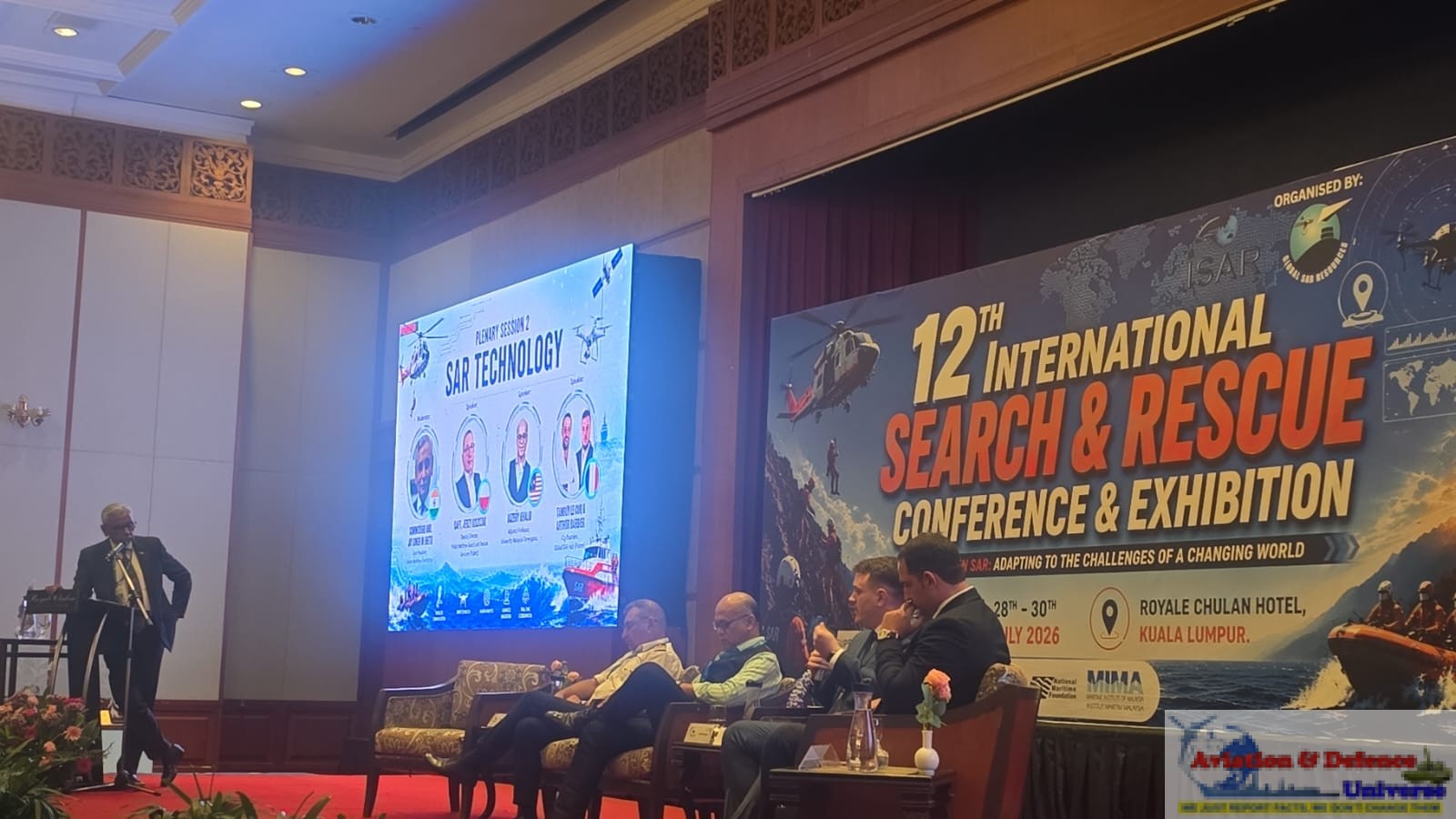 I have been associated with it for the last few years. The first time I attended was, I think, in 2014 or 2015, and since then this is probably the third or fourth conference that I have attended. Every time I have come, I have seen it grow in scale and scope. More importantly, it deals with a subject that is becoming extremely important in the environment we are heading into—with climate change, extreme weather events, increased airspace management issues and increased waterspace management issues. Search and rescue is going to become increasingly important.
ADU. Do you feel Search and Rescue receives the attention it deserves?
Commodore AJ Singh (Retd.). Regrettably, I don’t think it gets the attention it deserves because it doesn’t have a sustained structural background to it. When an emergency happens, everybody reacts immediately. The emergency is tackled—good or bad, whichever way it may be—and there is a lot of discussion about how we need to strengthen the organisation, strengthen the structure and conduct more training. But six months later, it is all forgotten.
ADU. How would you assess India’s disaster-management capability?
Commodore AJ Singh (Retd.). If you look at the Indian perspective, India has done a great job in setting up the National Disaster Management Authority. Over the years, it was always the Armed Forces being called out in aid to civil power. They did a tremendous job, but they were not professionals specifically trained for that subject. It was their professional capability otherwise that enabled them to support civil and rescue efforts. NDMA has established a pretty good benchmark. India has also, to a large extent, understood the importance of climate resilience. We are seeing a lot of climate-resilient infrastructure coming up in states such as Odisha, particularly in the coastal states. Now what we need to do is build up the Search and Rescue architecture in India, which presently does not exist.
ADU. What needs to change at the regional and international levels?
Commodore AJ Singh (Retd.). Internationally, we already have a lot of multilateral institutions. We have 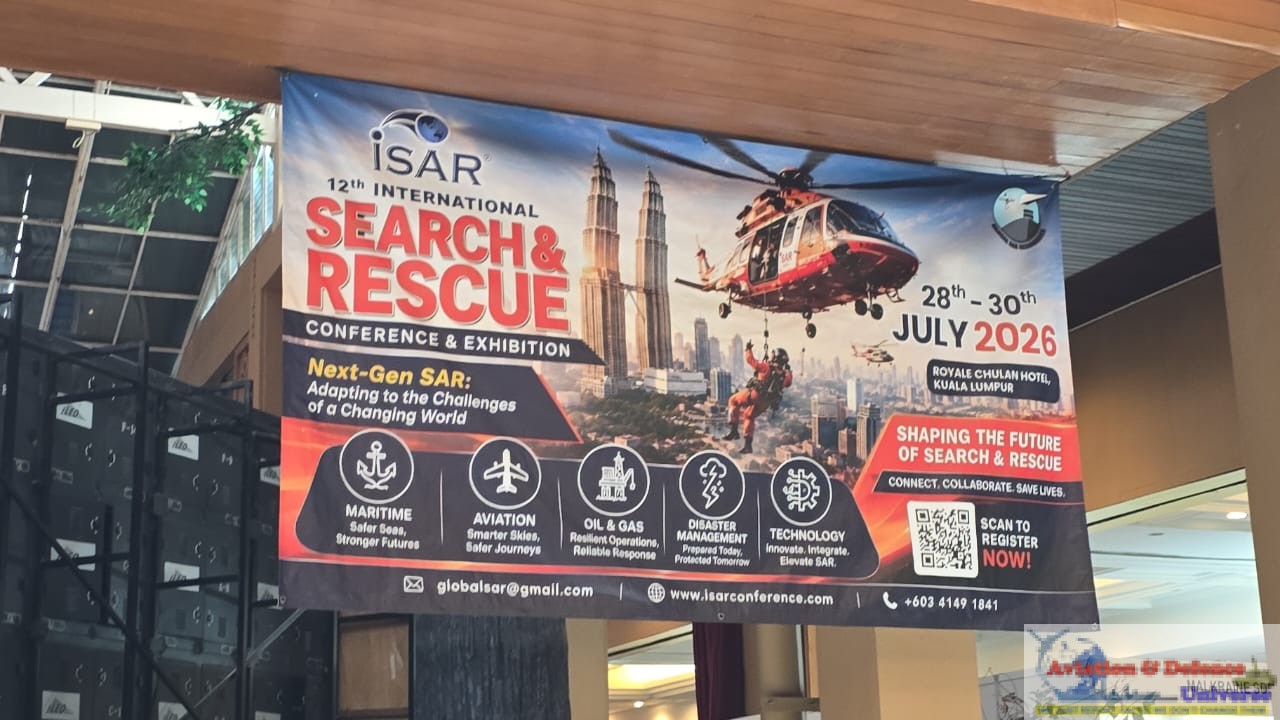 the Indian Ocean Rim Association, BIMSTEC, the Quad, ASEAN-related organisations such as the ARF and ADMM-Plus, the Indian Ocean Naval Symposium and the Western Pacific Naval Symposium. Maritime security is now an integral part of each of these constructs. We have the Indo-Pacific Oceans Initiative and the ASEAN Outlook on the Indo-Pacific. Climate change and climate resilience feature prominently in these frameworks. But we need to do more in a cooperative manner.
ADU. What are the critical capabilities that need to be developed?
Commodore AJ Singh (Retd.). One of the most important things we need to build is interoperability because disasters are not going to come in isolation. We saw that during the tsunami when the entire region was affected. We did a great job during the tsunami, but we also learnt a lot of very important lessons, and today those lessons are coming in very handy. The Indian Navy learnt a lot of lessons. Internationally, we learnt a lot of lessons. The genesis of the Quad itself lay in that response. So I think we need to build upon this capability and exercise it much more.
ADU. What would genuine SAR interoperability involve?
Commodore AJ Singh (Retd.). We have got to have standard operating procedures. We have got to have commonality of communication protocols. We should conduct multilateral exercises solely dedicated to Search and Rescue, rather than simply making SAR one event within a larger naval exercise. The reason is simple. Unlike routine exercises, where you have time to prepare, a disaster is not going to tell you that it is going to happen. At that moment, the instinctive reaction of countries in the affected region has to be so well coordinated that we can optimise the Search and Rescue effort.
ADU. So having a response capability is not enough—the response needs to be optimised?
Commodore AJ Singh (Retd.). We will have a Search and Rescue effort, but whether it is the optimal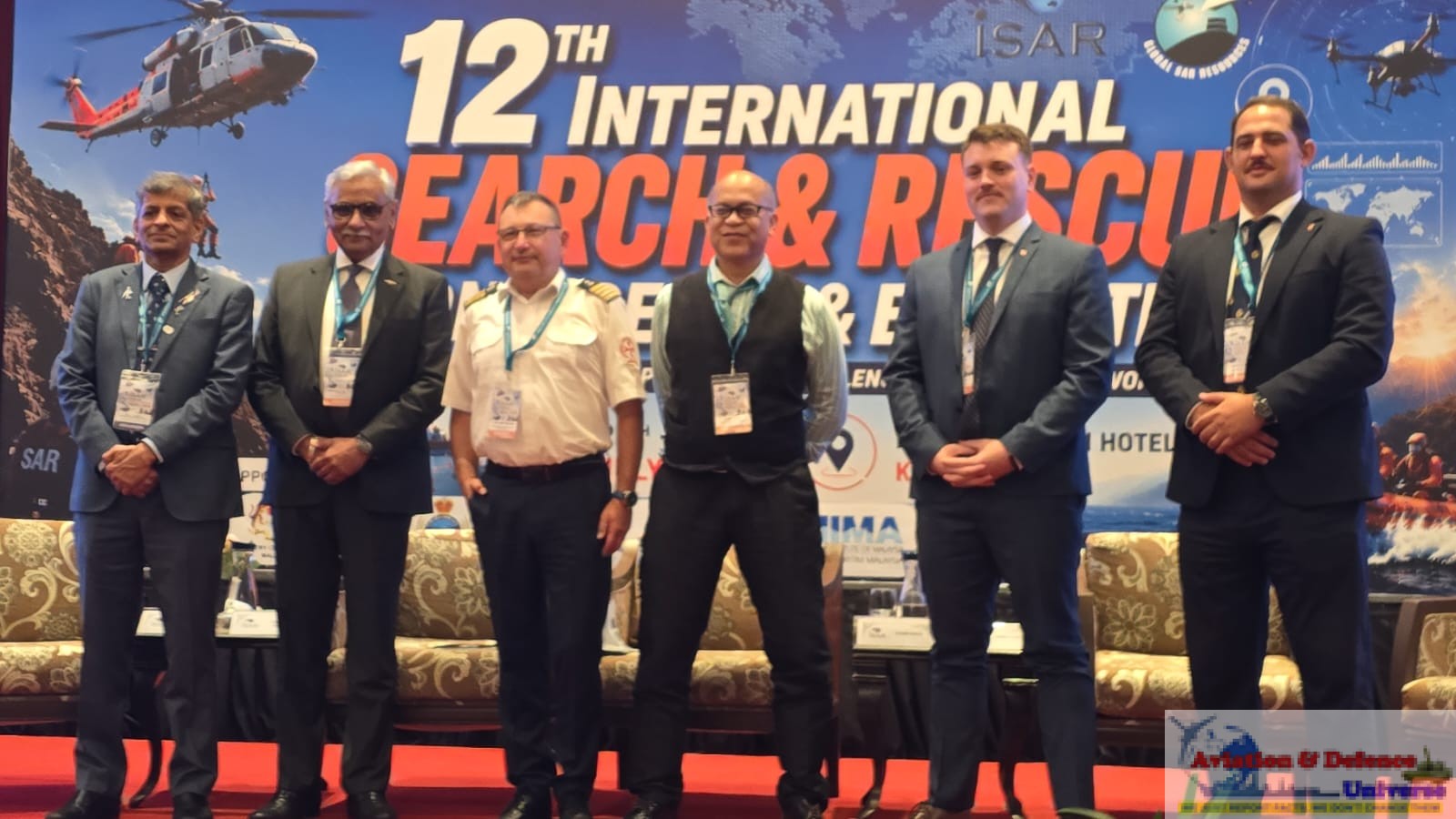 Search and Rescue effort is another question. To ensure that it is optimal—to ensure that navies know exactly what to do, Coast Guards know exactly what to do and civilian SAR organisations know exactly what to do—we have to create this architecture. We have to exercise it regularly and we have to build trust amongst ourselves. SAR has to go much beyond trust deficits amongst nations.
ADU. How significant was the international representation at iSAR 2026?
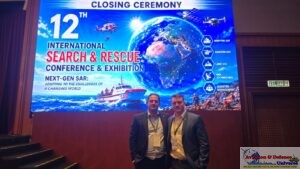
Commodore AJ Singh (Retd.). This time, at least, the conference was definitely on a much greater scale than what I had seen earlier. We had CEOs of SAR organisations from the US, UK, Canada and France. Most Southeast Asian nations were represented. We had Japan, Malaysia, Indonesia, Hong Kong, China, Taipei, Oman, Qatar and Morocco. India, of course, was not represented in any major manner. If the conference has spread that far, right up towards the Mediterranean, then India—which sits right in the centre of this region and is a maritime nation—needs to become part of it.
ADU. And India’s SAR concerns extend far beyond the maritime domain?
Commodore AJ Singh (Retd.). Absolutely. I am not looking only at maritime SAR; I am looking at Search and Rescue as a whole. We have so many extreme weather events in India every year where the NDMA responds. NDMA can also develop best practices through greater engagement with international organisations. The more they talk to international organisations, participate and learn from these organisations, the more they will be able to optimise their own efforts.
ADU. Technology was a major focus of the conference. What stood out for you?
Commodore AJ Singh (Retd.). The second aspect which I thought was very important at this conference 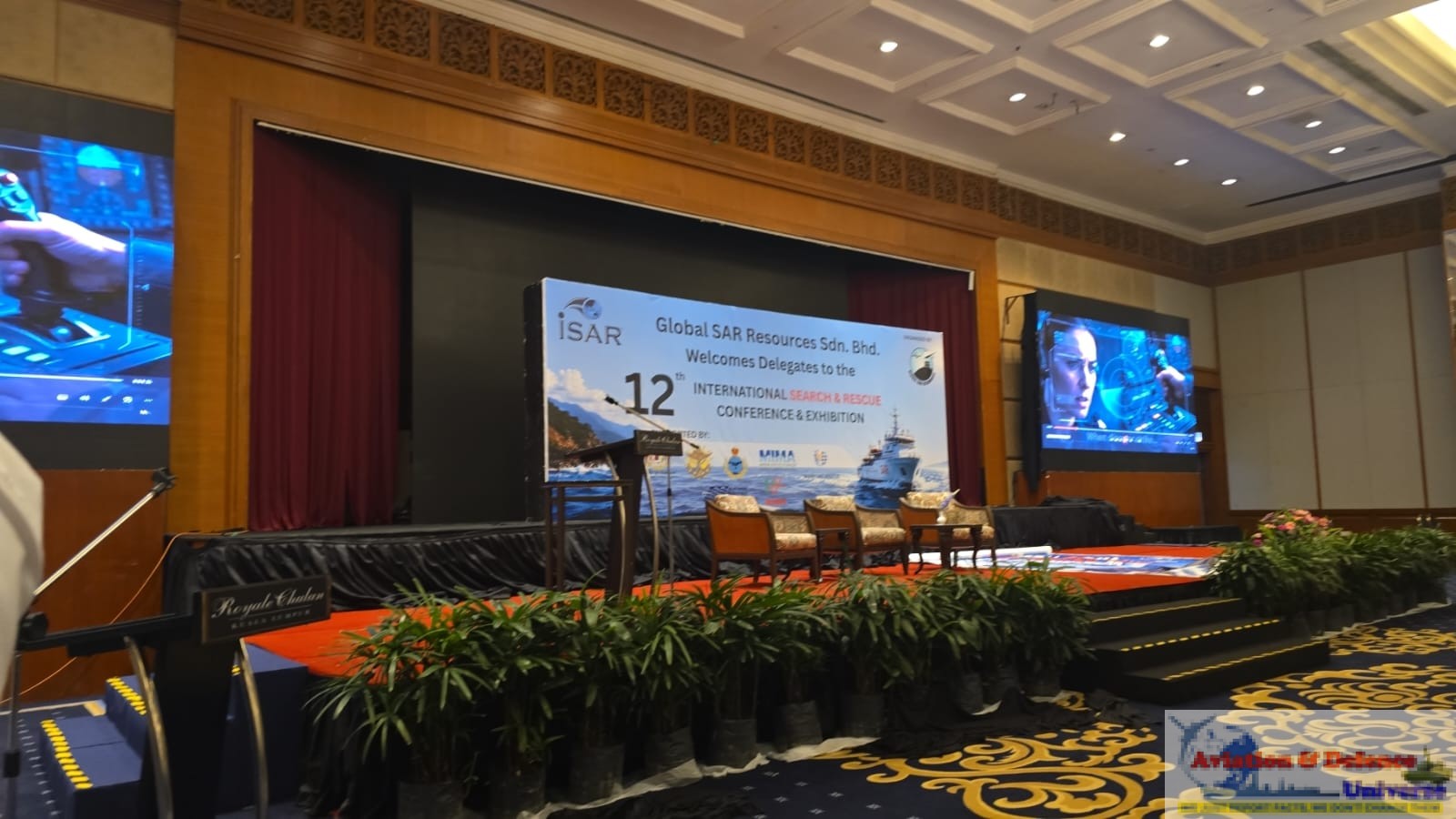 was technology—the focus on how technology can be optimised to improve Search and Rescue capability. We heard very good speakers, people who are real SAR specialists and have actually been at the scene of action. They told us both the positives and the negatives of technology and artificial intelligence. It wasn’t simply everybody going gaga over artificial intelligence. The discussion brought out what aspects of technology are ideally suited at this point in time and how we need to marshal or harness technology to improve SAR.
ADU. Did the discussion also highlight the limitations of AI and other disruptive technologies?
Commodore AJ Singh (Retd.). Yes. Many speakers discussed the limitations that these disruptive technologies still have today and how the human element remains extremely important in decision-making. From that perspective, I thought it was a very good conference.
ADU. Should organisations such as the Indian Coast Guard participate more actively in future editions?
Commodore AJ Singh (Retd.). Indian organisations like the Coast Guard should definitely participate in this conference in the future because India can offer a lot of perspectives. We have tremendous experience in Search and Rescue. We are doing it in the mountains, we are doing it in the jungles, we are doing it in the deserts and we are doing it at sea. We are also helping nations around us. Our SAGAR and MAHASAGAR programmes are about capacity building. If we can bring our experience into this mix, it will enhance the whole regional SAR capability.
ADU. Should the Indian Air Force and Army also participate in international SAR platforms?
Commodore AJ Singh (Retd.). Absolutely. Aid to civil power is common to all three Services. Maritime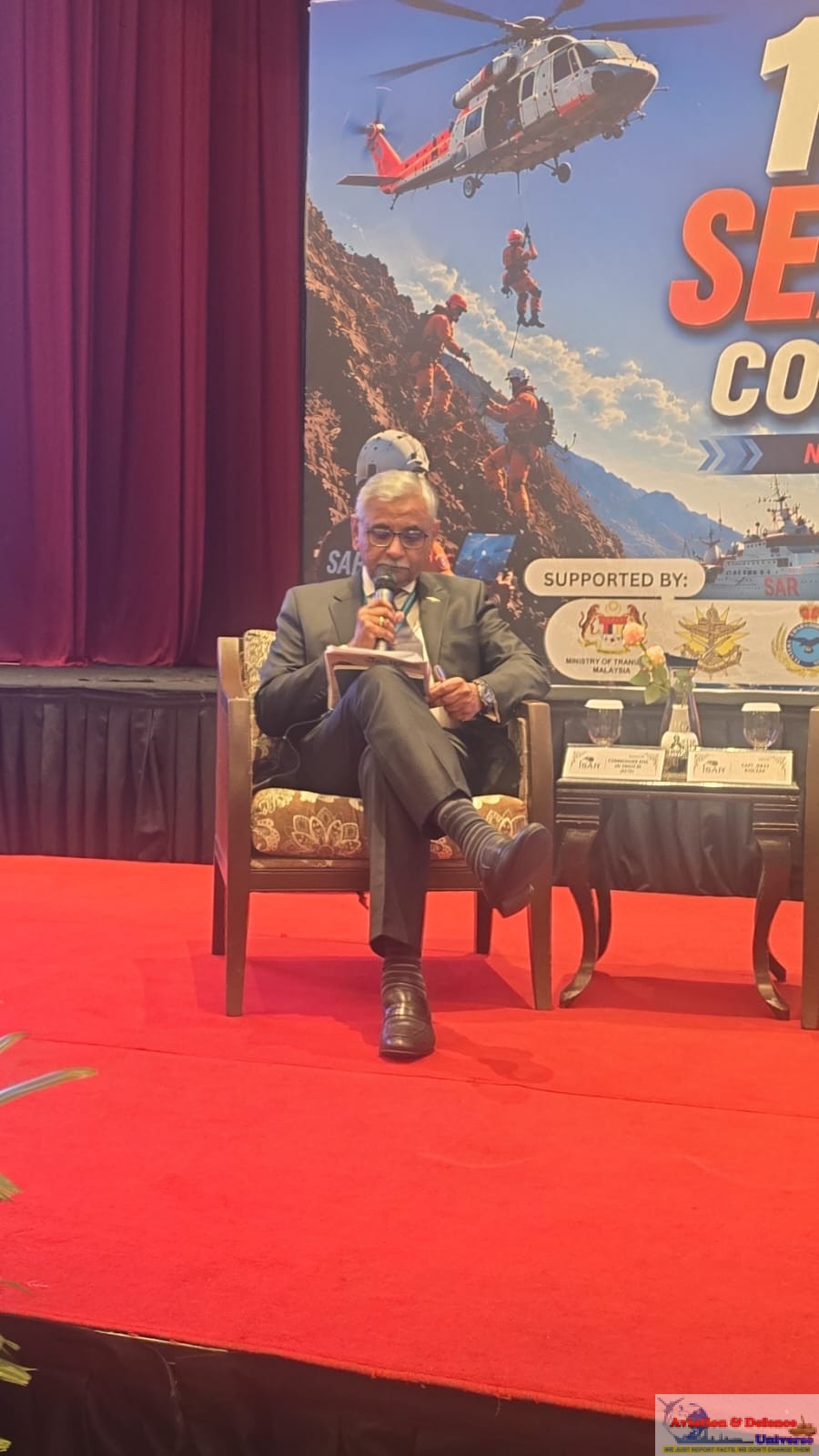 SAR is obviously important and we do have incidents at sea, but I think our more immediate concerns are often what is happening on land. We are having earthquakes, flash floods and all kinds of events in the mountains. Every time, the Air Force is pressed into service and, ultimately, the last resort is often the Armed Forces. They do a stellar job every year. But this is all very specialised work. The more you are trained in it, the more you can specialise and the better prepared you are. So participation by the Air Force and Army is extremely important.
ADU. The Royal Malaysian Air Force had a substantial presence at iSAR.
Commodore AJ Singh (Retd.). Yes. There was a very large presence of the Royal Malaysian Air Force, and we also visited their air base where they demonstrated their SAR capabilities. So I think it is very important for the Army, Air Force and NDMA to participate. In fact, several CEOs of organisations here asked me who they could contact in India, and I really didn’t know who they should contact. As an Indian, I should know. this is the person, this is the organisation. That itself tells us that we need to become part of this international framework. We contribute something and we learn something as well.
ADU. Does India need to enter such frameworks cautiously rather than committing immediately at scale?
Commodore AJ Singh (Retd.). We don’t have to come in all guns blazing. We can have a calibrated approach. If we find it useful, we take it forward to the next level.
ADU. Could India eventually host an international SAR conference?
Commodore AJ Singh (Retd.). Maybe at some point we should host a good SAR conference in India—with 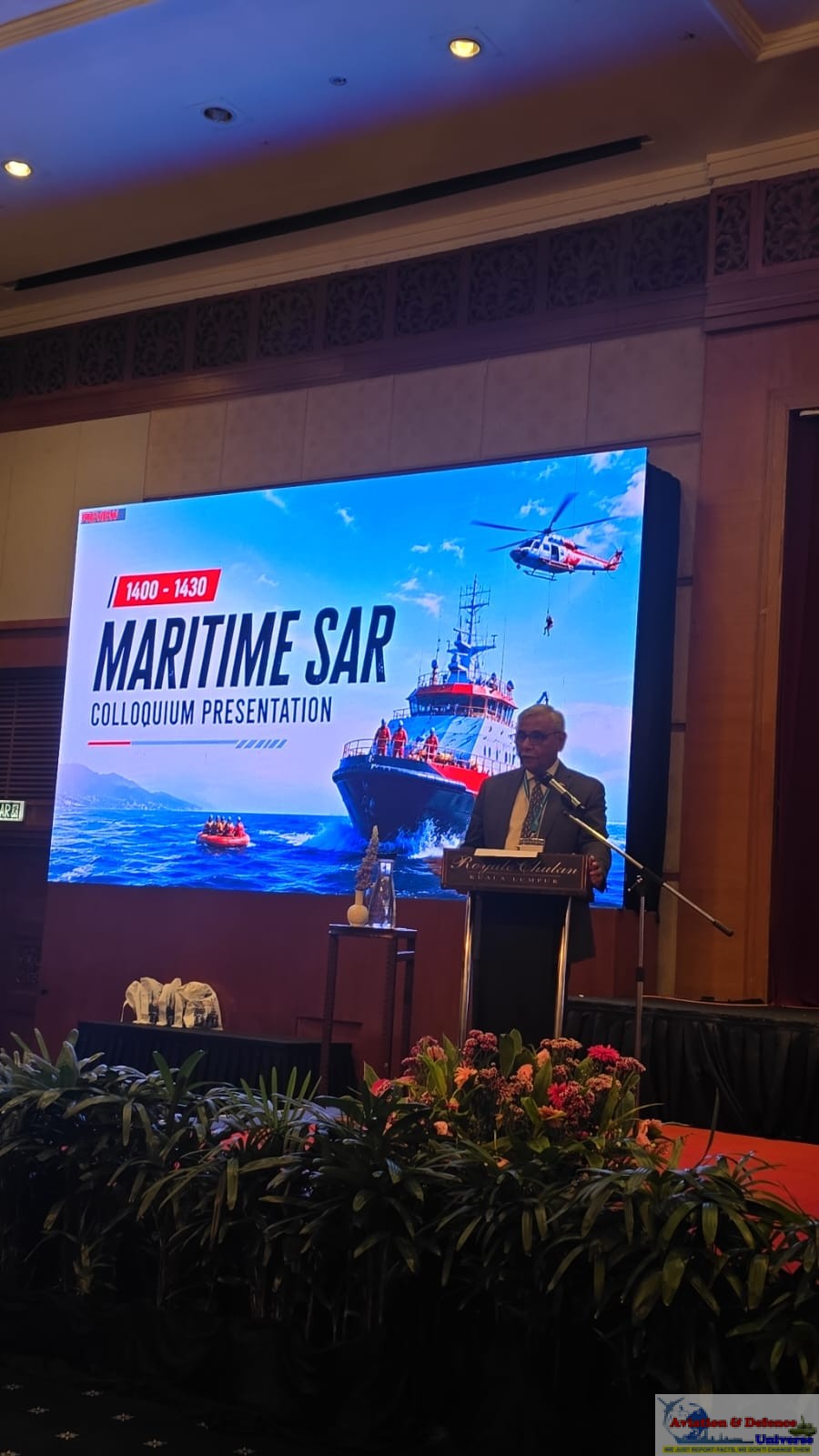 static demonstrations and live demonstrations. SAR exercises are held all over. When I was in England, I used to attend one in Bournemouth every year, organised by the International Maritime Rescue Federation. It was a very good conference. It brought the attaches together and also brought a lot of people from industry together. We would have two days of discussions in Bournemouth and then there would be a live demonstration at sea. I think we all need to be part of something like this.
ADU. Who should participate if India develops a whole-of-nation SAR platform?
Commodore AJ Singh (Retd.). All three Services and other paramilitary organisations should be part of it. The Border Security Force should be part of it. Perhaps even State Police Forces should participate because the first immediate responder is often the State Police.
ADU. Does India need to revisit its civil-defence preparedness as well?
Commodore AJ Singh (Retd.). In India, we used to have very robust civil-defence organisations. Once upon a time, we had Home Guards. One doesn’t hear very much now about civil-defence exercises or Home Guard exercises, or exercises for evacuating people during emergencies. If you see the urban sprawl that India has become today, there are places where a fire tender cannot even reach. How will you ever evacuate someone or rescue anybody? SAR is part of a much larger issue involving urban planning, accessibility, connectivity—everything. We tend to look at it on a very piecemeal basis.
ADU. Countries such as the US and Canada have developed substantial capabilities because of recurring wildfire emergencies.
Commodore AJ Singh (Retd.). Yes, because they are ready for these situations. Look at their response—they have helicopters in the air and everything going on because wildfires are a very significant disaster for them.
ADU. You also raised a striking example about fire preparedness in Indian high-rises.
Commodore AJ Singh (Retd.). I’ll tell you a very startling fact which I discovered when our company was 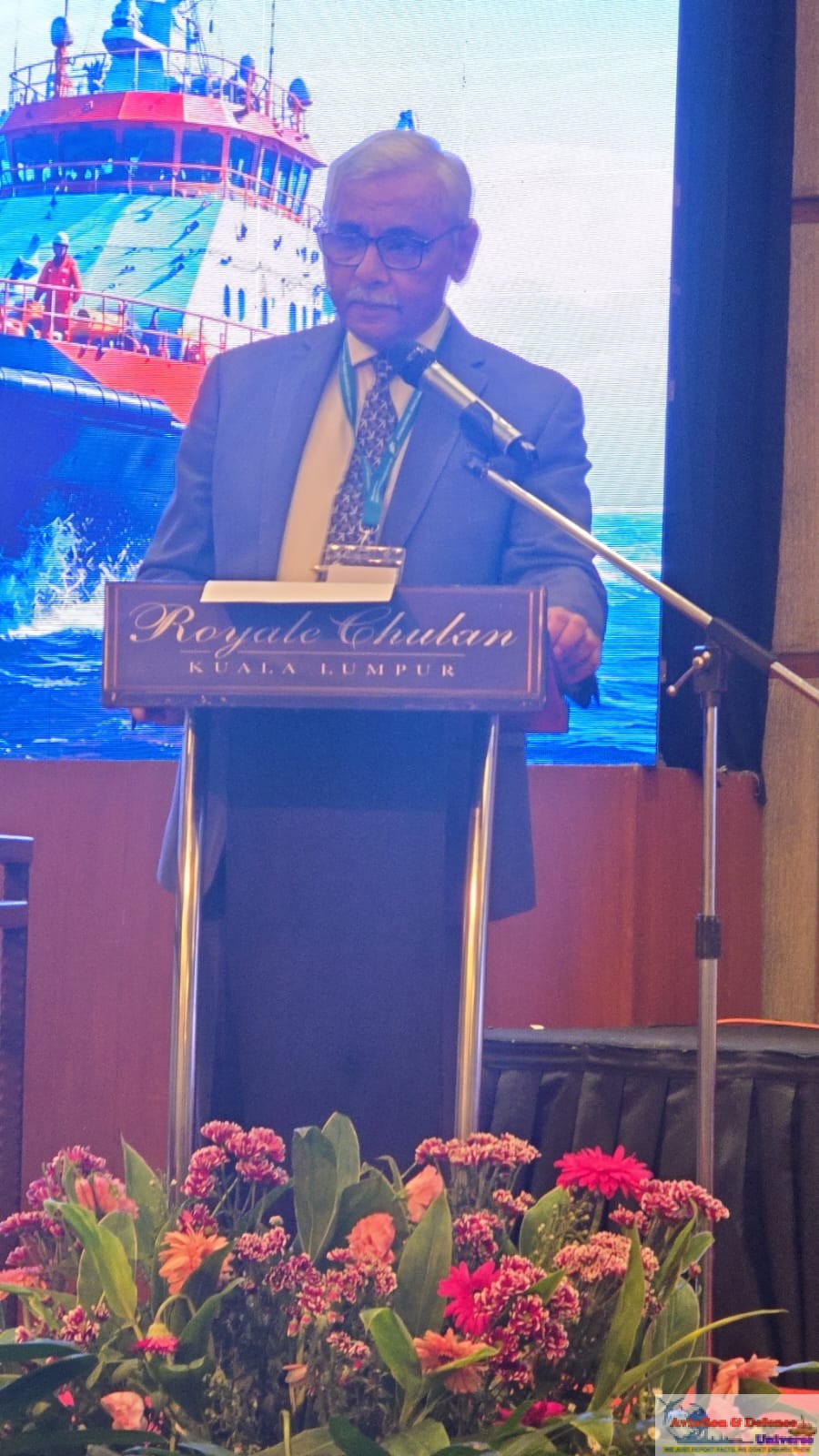 looking for an office. We were looking at high-rises in the central business district. I think about 90 per cent of the buildings we visited—and these were buildings housing offices of reputed companies—did not have a valid fire-safety certificate. No one had audited, if there was a fire in that building, what escape route people on the eighteenth, nineteenth or tenth floor would take to reach the ground floor. It doesn’t exist. So we are building all these fancy office complexes, but are we looking at the complete infrastructure around them? These are things we have to start becoming conscious about.
ADU. Is that another reason conferences such as iSAR matter?
Commodore AJ Singh (Retd.). That is why these conferences are good, because they keep giving you inputs about the challenges others have faced. We learn from other people’s mistakes, we learn from other people’s experiences and then we can implement those lessons ourselves. I think it is a very good conference.
ADU. Is iSAR unique in this part of the world?
Commodore AJ Singh (Retd.). I am sure there are other conferences happening in different parts of the world. As I said, the UK holds one every year. But in this part of the world, I think this is the only one of this kind. Various multilateral exercises discuss SAR, but that is usually part of a larger military framework. It doesn’t necessarily include civilian organisations or fire services. We need to look at Search and Rescue as a national effort. So I think we need to become much more engaged with it, and I personally thought this year’s conference was very useful.
ADU. Were there particular operational presentations that demonstrated the value of such specialist exchanges?
Commodore AJ Singh (Retd.). The technology discussions were particularly interesting because these were  people who were actually involved in operations. We had a test pilot from Hong Kong’s SAR flight who had actually rescued lives, and she gave us her perspective on the challenges of technology. Then there was a gentleman from the oil and gas industry who explained that an oil and gas fire is very different from a regular fire. The helicopter pilot has to know how to approach it because the temperatures are so high that they affect flying. The fire can suck you in if you get too close. So how do you land people on a production platform to evacuate somebody? Pilots have to be specially trained for that. You cannot simply send any pilot out to fight an oil and gas fire. These are the kinds of aspects we have to focus on.
ADU. Finally, after attending iSAR 2026, what is the one message you would like India to take away?
Commodore AJ Singh (Retd.). I just feel that we should get more engaged with Search and Rescue. After attending conferences like this, you realise that it is not an isolated subject. It is a subject to which the whole world is paying a lot of attention. We must engage more with the rest of the world. We develop best practices, we understand each other’s perspectives, we improve interoperability and we build regional trust. And that’s basically it.
Commodore AJ Singh’s message from iSAR 2026 is ultimately less about responding to the next disaster than preparing for it before it happens. India possesses enormous operational experience—from mountain rescues and flood relief to maritime emergencies and humanitarian assistance across the region—but experience alone cannot substitute for architecture. For a country facing cyclones, floods, earthquakes, landslides, fires, maritime emergencies and the pressures of rapidly expanding cities, Search and Rescue cannot remain a capability remembered only when disaster strikes. The challenge for India now is to turn its considerable rescue experience into an institutionalised national capability—and then connect that capability with the world.
As Told To Sangeeta Saxena





























































-A4-Size-(2)_page-0001.jpg)