


 18th BRICS Summit






- From CPR to Scuba Diving: ITUS’s Hands-On Approach to Disaster Response Training
- Ropes, Rivers and Rescue: How ITUS is Preparing First Responders for the Toughest Emergencies
- First Responders First: ITUS Builds a Training Ecosystem for Rescue Operations
By Sangeeta Saxena
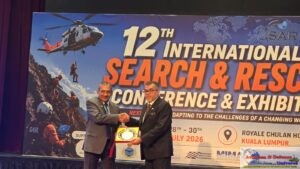
Kuala Lumpur. 01 August 2026. When disaster strikes, equipment matters, coordination matters and speed matters—but ultimately it is the person on the ground who must know what to do in those critical first minutes. Training that first responder therefore becomes one of the most fundamental elements of any effective search, rescue and disaster-management ecosystem.
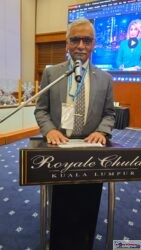
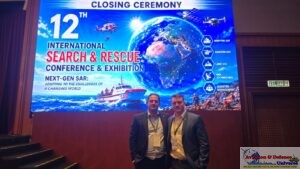
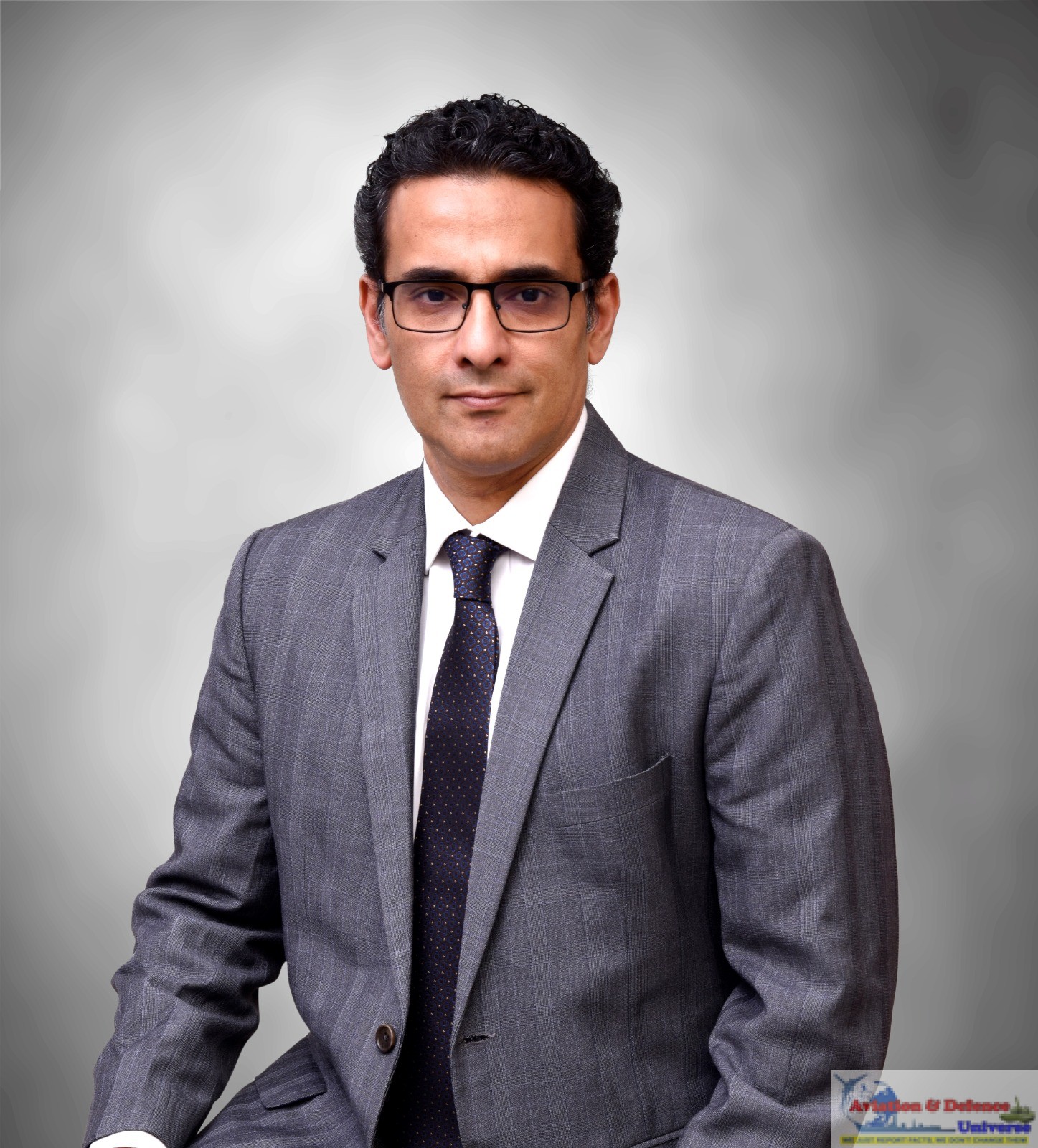
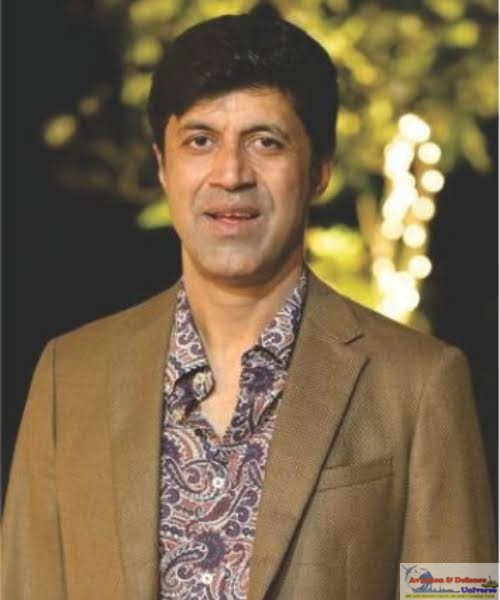 At ISAR 2026, ADU caught up with Amit Ambedkar, Co-Founder, ITUS, to understand how the company is building precisely these capabilities. ITUS trains first responders across an unusually wide spectrum—from basic CPR and swimming to technical rope rescue, swift-water rescue and advanced scuba diving. Its trainees include personnel from the NDRF, SDRF, fire brigades, Civil Defence and Home Guards, while the organisation has also undertaken the Aapda Mitra training programme of the NDMA in Maharashtra.
What makes its model particularly interesting is its emphasis on learning by doing. According to Ambedkar, only around 20 per cent of the training is theoretical, while 80 per cent involves actual hands-on physical training. But ITUS is not confined to the classroom or training ground. Its activities extend into marine platforms and rescue equipment, where the experience gained from training first responders gives the company a practitioner’s perspective on what equipment works when lives are actually at stake.
In this conversation with ADU, Ambedkar discusses the ITUS academy, its training philosophy, international standards, Training of Trainers programmes, the lessons from ISAR 2026, marine manufacturing and whether the organisation could itself step into a real-world SAR operation when the call comes.
ADU. We are meeting here at ISAR 2026. Amit, what are you doing here?
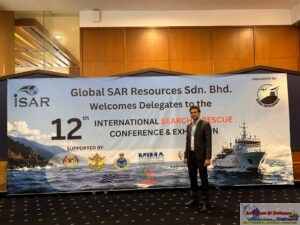
Amit Ambedkar. So our company is basically into training of first responders in safety and disaster 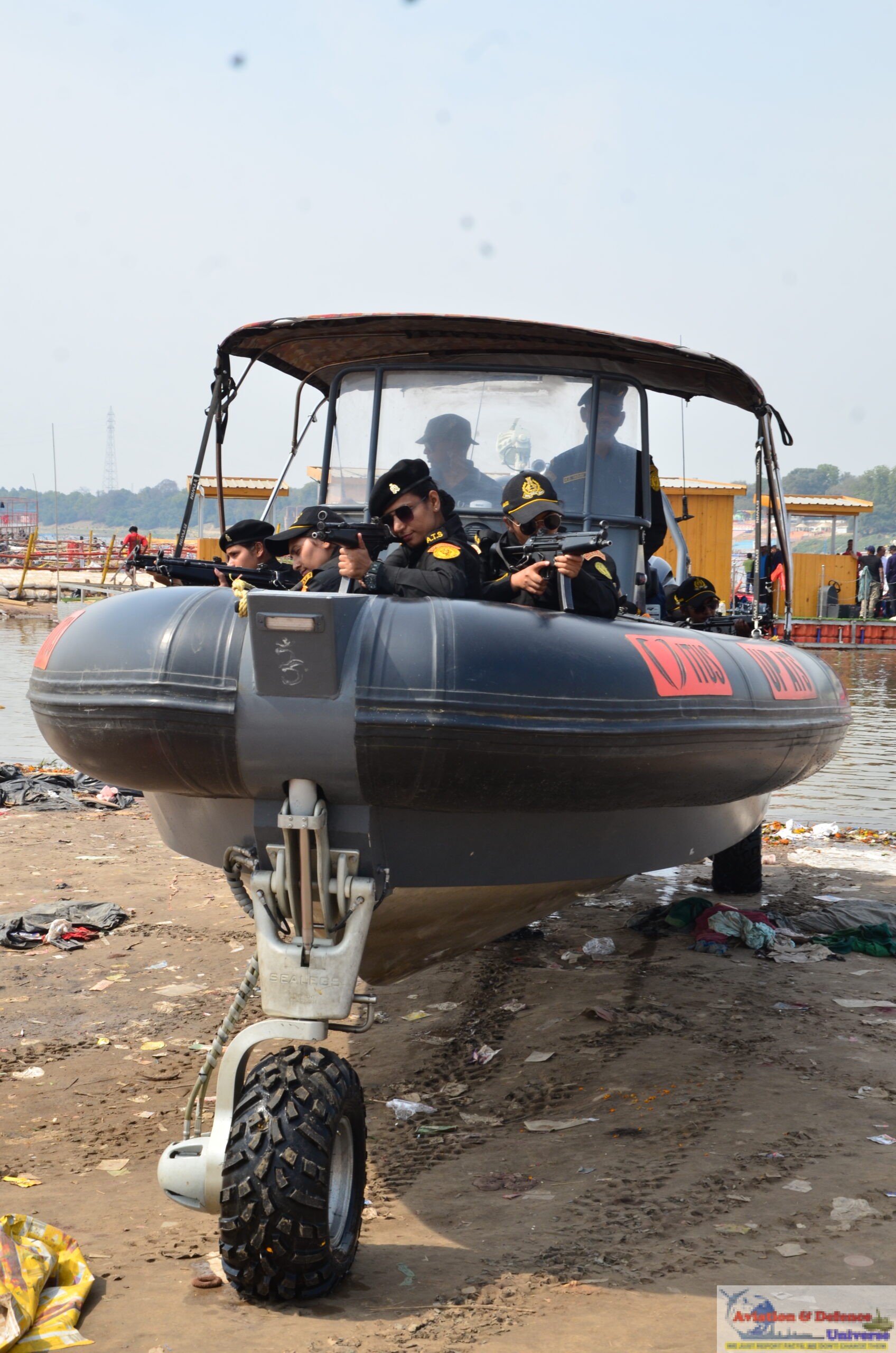 management and we are members of International Maritime Rescue Federation. That is how we got this invitation and that is why we are here because search and rescue, though not directly a part of our work as such, but it is a part of the scope of work that we do.
ADU. When you say you are training first responders, what exactly are you training them in? Do you have an academy?
Amit Ambedkar. So we have an academy in Maharashtra, India, and right from a basic CPR course to advanced scuba diving, we have more than 23 courses that we do. And we train the NDRF, we train the SDRF—National Disaster Response, State Disaster Response—Fire Brigades, the Civil Defence, Home Guards, and we have also undertaken Aapda Mitra training programme of the NDMA in Maharashtra.
ADU. Where in Maharashtra is the academy?
Amit Ambedkar. Kolhad. It’s in Konkan.
ADU. When you say you are training them, are these classroom training programmes followed by practical exercises?
Amit Ambedkar. So our training constitutes of, say, maximum 20% theory and 80% of actual hands-on physical training.
ADU. Twenty per cent theory I understand, but what does the remaining 80 per cent physical training involve?
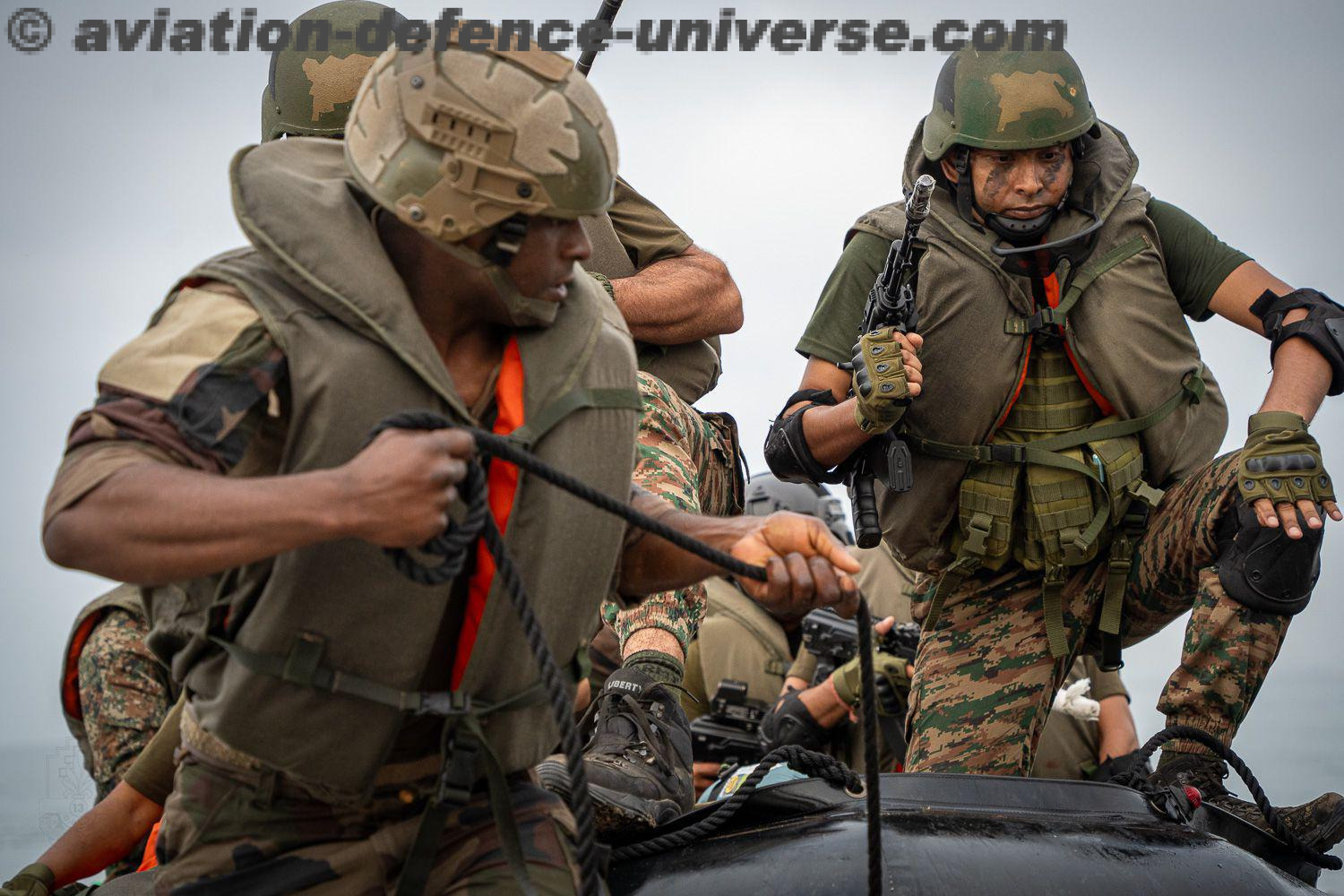
Amit Ambedkar. Physical training is, like I said, we have instructors who are well versed with these 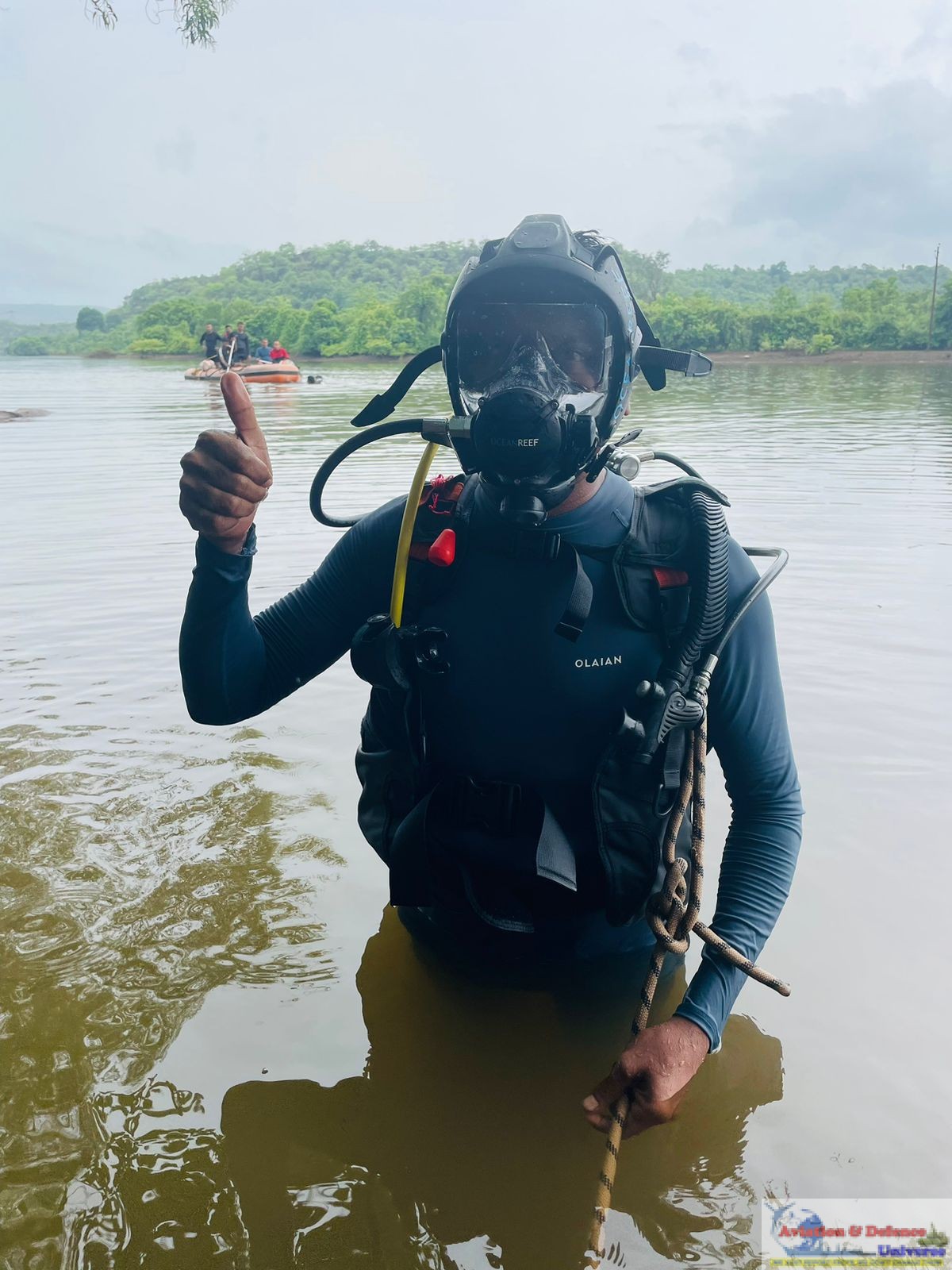 scenarios and who are having the competencies to do this training. There are also ex-forces guys. So right from technical rope rescue, advanced rope rescue, basic rope rescue, swimming, very basic swimming to swift water rescue, then scuba diving, advanced scuba diving—all these courses are conducted at our academy for the first responders where they get practical hands-on experience of doing all this in our controlled environment.
ADU. Generally, how long are these courses?
Amit Ambedkar. They vary a lot. The shortest course is three days and the largest course which the NDRF undertakes is 48 days.
ADU. And there is repetition and refresher training as well?
Amit Ambedkar. Yes.
ADU. Training of this nature also requires certification. Who certifies the training?
Amit Ambedkar. IMRF. So we go by the International Maritime Rescue Federation SOPs and international standards.
ADU. You also mentioned another international association.
Amit Ambedkar. We are also members of New South Wales, Australia.
ADU. Do you get people from outside India to train at the academy, or are you currently training only Indians?
Amit Ambedkar. Our trainers and our trainees both are Indian. As of now we don’t have any activity of training outside.
ADU. Being a specialised training academy, do you also have a Training of Trainers programme?
Amit Ambedkar. It is a regular process that we go through. Our trainers, when they begin with us, are also 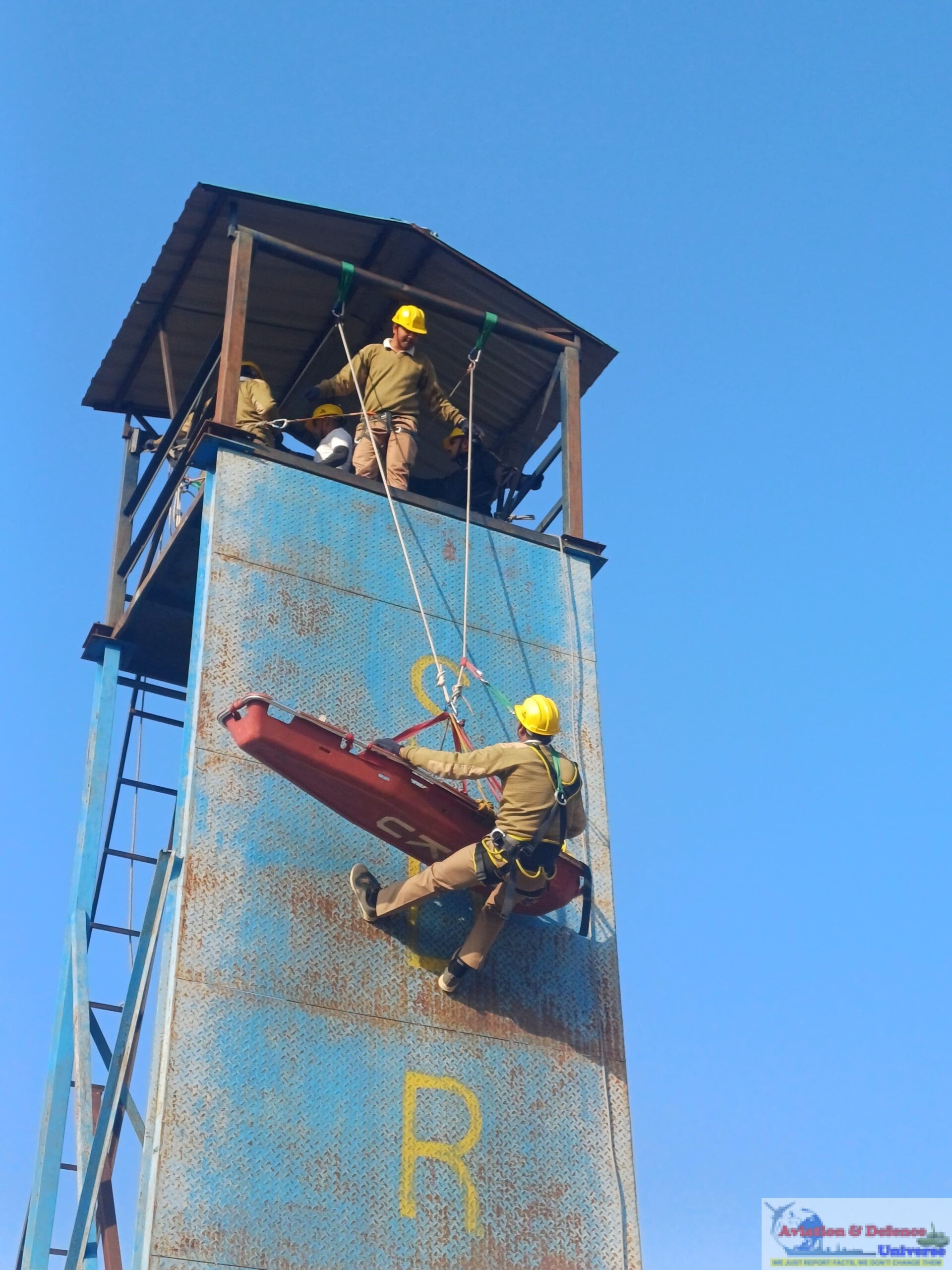 trained as per our SOPs and standards because where they come from or what they have learned earlier may not be as per what we would have learned. And everybody who trains with us eventually goes through a TOT programme—Training of Trainers. And even for our clients there are TOT programmes because some of our clients would want to be self-sufficient as far as training is concerned after a certain period. So that also constitutes one of our training syllabus.
ADU. Coming to an international event like this, where you meet people involved in search and rescue from around the world, has it made you reflect on your own training processes? Do you feel they are at par with international practices, or is there scope for improvement?
Amit Ambedkar. Frankly, if you are talking with relevance to this particular event, there was not much talk about how to train and the SOPs about training.This event, like I said, it is very interesting for us to be in this event because it gives you a feel of what is happening around the world in the field of SAR coordination and different agencies speaking to each other. But what we are doing is a very niche and one particular part of SAR, which is actually training first responders.
ADU. What else does ITUS do that we have not spoken about so far?
Amit Ambedkar. So we are also a marine company. What I mean is that we have a couple of Transfer of 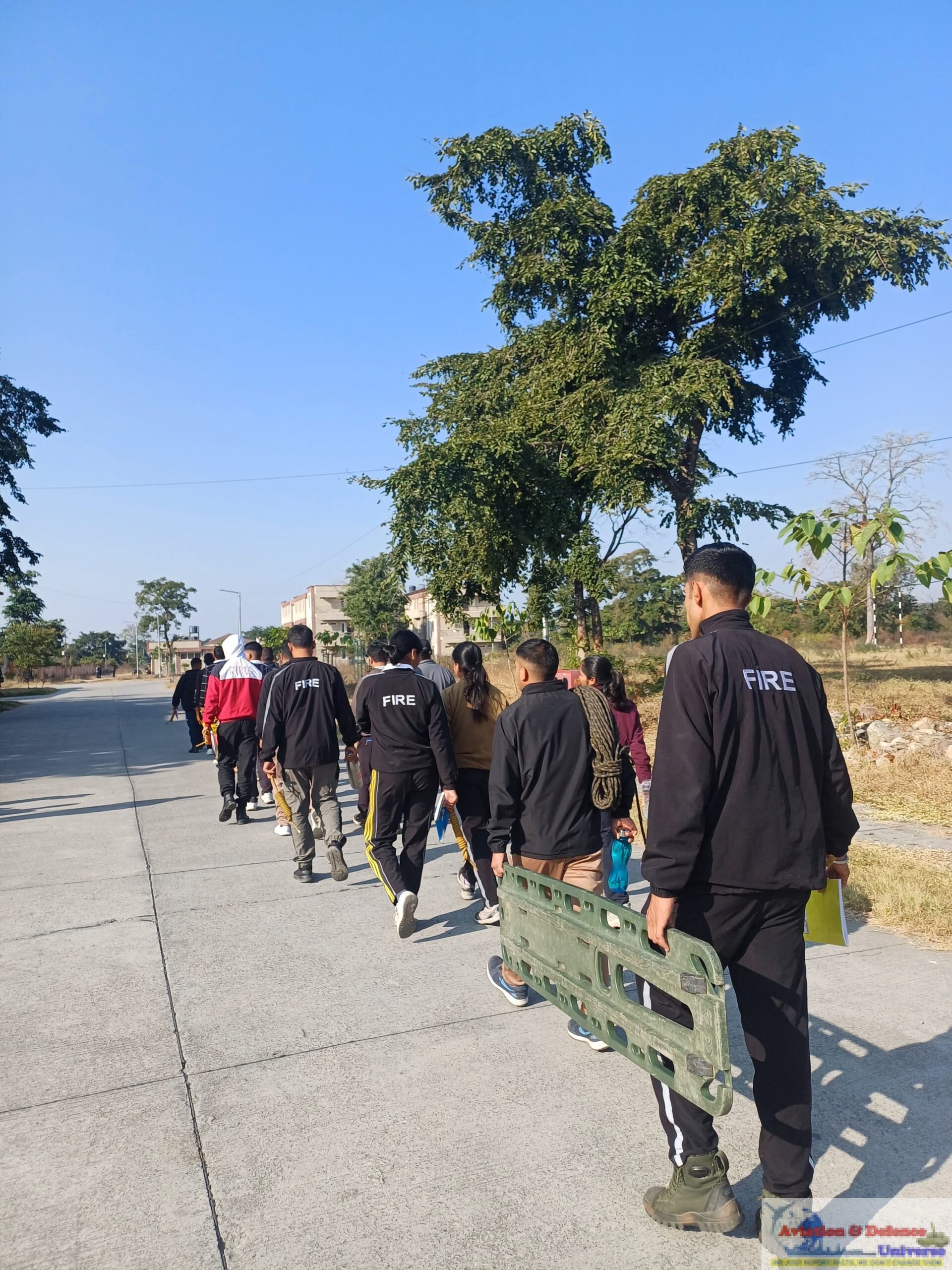 Technology tie-ups with international companies where we make boats, amphibious boats, rigid inflatable boats and various marine equipments that are required as a part of rescue. And other than rescue also, for say tourism purposes, for rescue purposes and for regular patrolling purposes, we make those kind of boats.
ADU. So ITUS is also involved in equipment manufacturing?
Amit Ambedkar. We are also into equipment manufacturing because being into training gives us a very unique perspective and edge over what should be the equipments that are used in all scenarios and what is best for saving lives. Sometimes, especially in the government sector, some equipment have been used for many, many years and upgradation is one of our problems. Now obviously everybody is getting upgraded very fast. But because of our unique training advantage, we know better as to what can help or enhance the training capabilities of a first responder by using certain equipment and not using certain.
ADU. Would ITUS be capable of independently taking up a SAR programme? And do you maintain a database of the people who have been trained by you?
Amit Ambedkar. Yes, we would be competent to take up the programme. So on document, yes, we could. But other than a few manpower and manning assignments that we are currently doing, we have not really taken up a SAR activity or one particular incident as a whole till now. So always, when you are doing something for the first time, there is a learning curve. So like I said, since we are training the first responders, we have a long list of people who we have trained. The database is available with us.
ADU. Do you keep track of your alumni?
Amit Ambedkar. Yes, we keep a track of everybody who we have trained till now. So we know who is 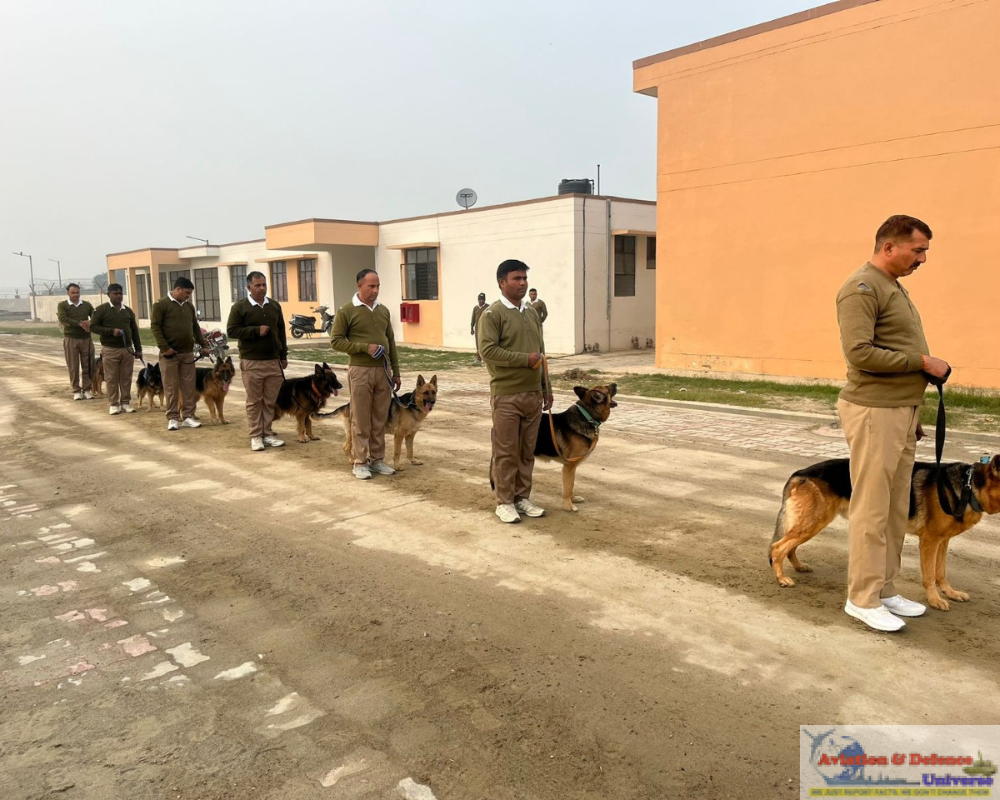 where—most of them.And I think that would help us if we ever have to get into a SAR exercise.
ADU. What kind of premises and infrastructure does an institution conducting this type of specialised training require?
Amit Ambedkar. Mainly what we require is a water body with a certain depth for scuba and flowing water for swift water rescue. Then we require a wall—artificial wall or a natural rock face—where we can execute and train rope rescue and rope procedures, and a classroom for digital and other purposes.
ADU. Do you have residential or hostel facilities?
Amit Ambedkar. Yes, we have residential facilities.
ADU. Since you already conduct scuba-diving and similar courses, have you considered branching into adventure courses, adventure tourism or recreational diving?
Amit Ambedkar. Lots of people are doing sports-related activities, lots of people are doing scuba-diving  courses. As you rightly said, the basics are the same, but it’s a complete different field altogether. So we have not ventured into it yet. But there have been a lot of enquiries and there have been a lot of requirements that we come across. So what we do is we stick to our core area and give them the basic training that is required for both the assignments or both skill sets. And we don’t actually get into the recreational or sports part of our adventure part of these activities.
ADU. In addition to organisations such as NDMA, have you connected with the Indian Navy or the Indian Coast Guard for training?
Amit Ambedkar. No, we have not connected with the forces, primarily because they are so self-competent about their training. But it can be considered in the future.
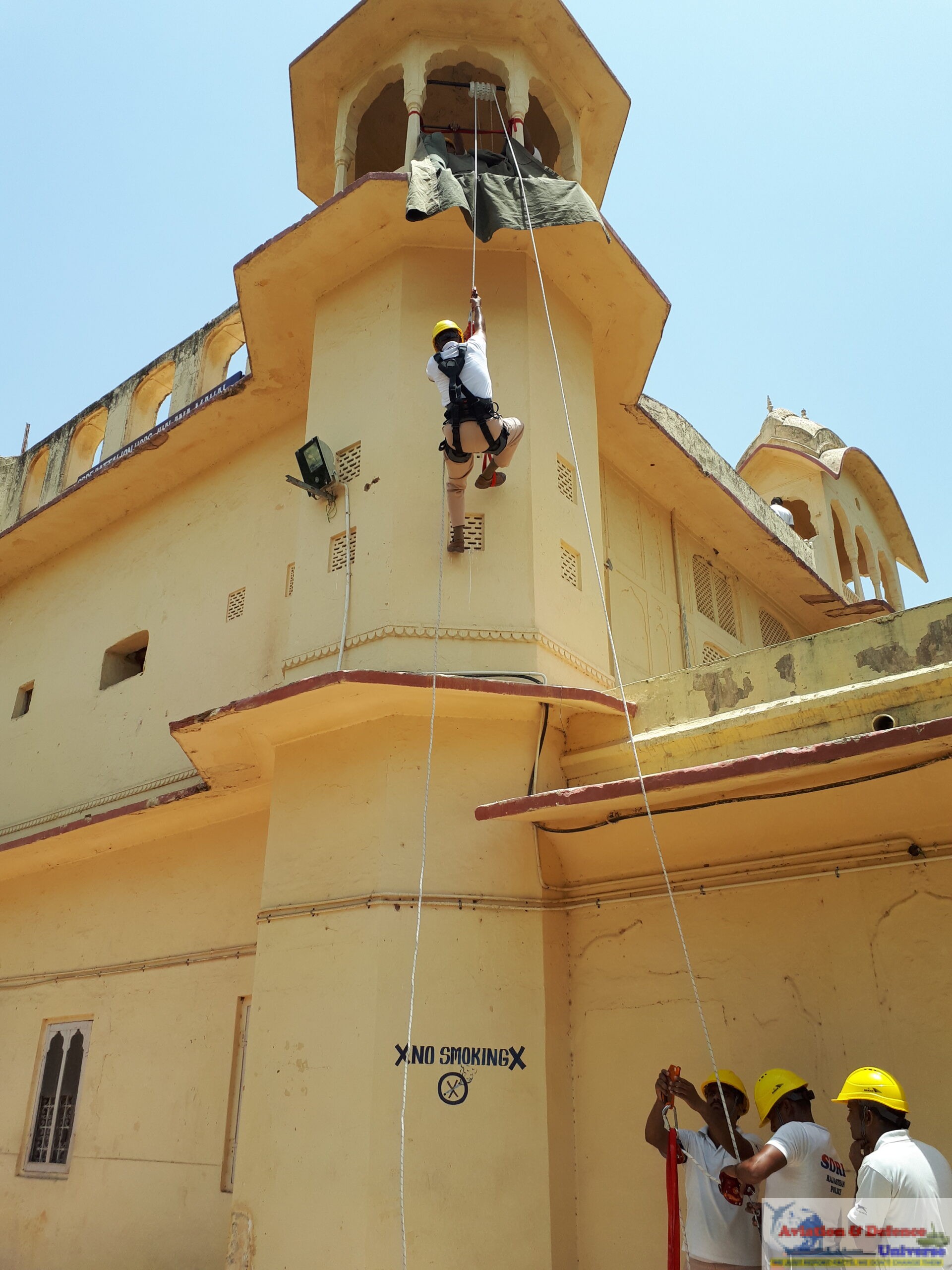 For Amit Ambedkar, preparing for disaster begins long before an emergency unfolds. It begins in controlled waters, on climbing walls, in classrooms, on ropes and underwater—repeating procedures until knowledge becomes instinct. ITUS’s approach places the first responder at the centre of the rescue equation. With more than 23 courses spanning CPR, rope rescue, swimming, swift-water rescue and advanced scuba diving, and with training that Ambedkar says is 80 per cent hands-on, the organisation is seeking to bridge the critical distance between knowing how a rescue should be performed and actually being able to perform it under pressure. That candour captures the essence of the conversation. Search and rescue is ultimately an ecosystem of people, skills, equipment, coordination and experience. And in that ecosystem, training is not an adjunct to preparedness—it is where preparedness begins.
As Told to Sangeeta Saxena














































-A4-Size-(2)_page-0001.jpg)