


 18th BRICS Summit






- Technology Without Borders: Good SAR Tools Should be Accessible to Everyone
- From French Rescue Centres to 207 Territories: Global SAR Hub Goes Global
- “If You Don’t Train, You Are Not Good at Ops”: Puts Training at the Heart of Rescue
By Sangeeta Saxena
Kuala Lumpur. 31 July 2026. The most useful technology is often born not in a laboratory but from frustration on the frontline. For Tanguy Le Coq and Arthur Barbier, the idea behind Global SAR Hub emerged after years spent as maritime rescue coordinators, handling distress alerts and witnessing firsthand how outdated, fragmented and inflexible systems could slow down the people racing against time to save lives. Their answer was simple but ambitious: create digital SAR solutions made by SAR professionals, for SAR professionals, and make good rescue tools accessible irrespective of geography, resources or politics.
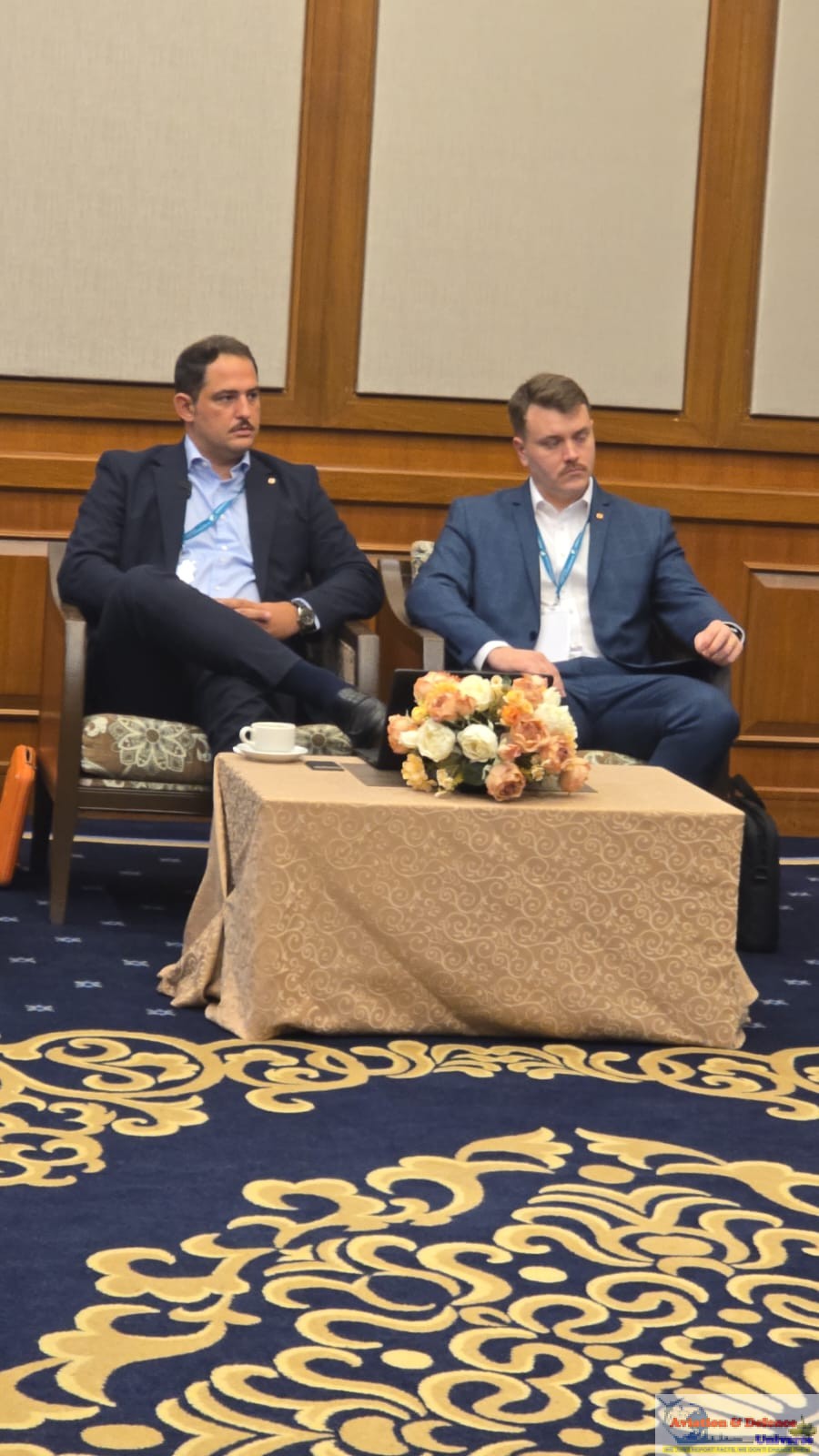 Today, France-based Global SAR Hub develops digital tools, maps, applications, training platforms and coordination solutions for maritime and aeronautical Search and Rescue communities. Its philosophy extends beyond better software: it seeks to centralise information, improve communication, strengthen training and ultimately reduce the time between a distress call and an effective response. One of its tools, the founders say, is already used across 207 territories, while another serves around 70 organisations worldwide.
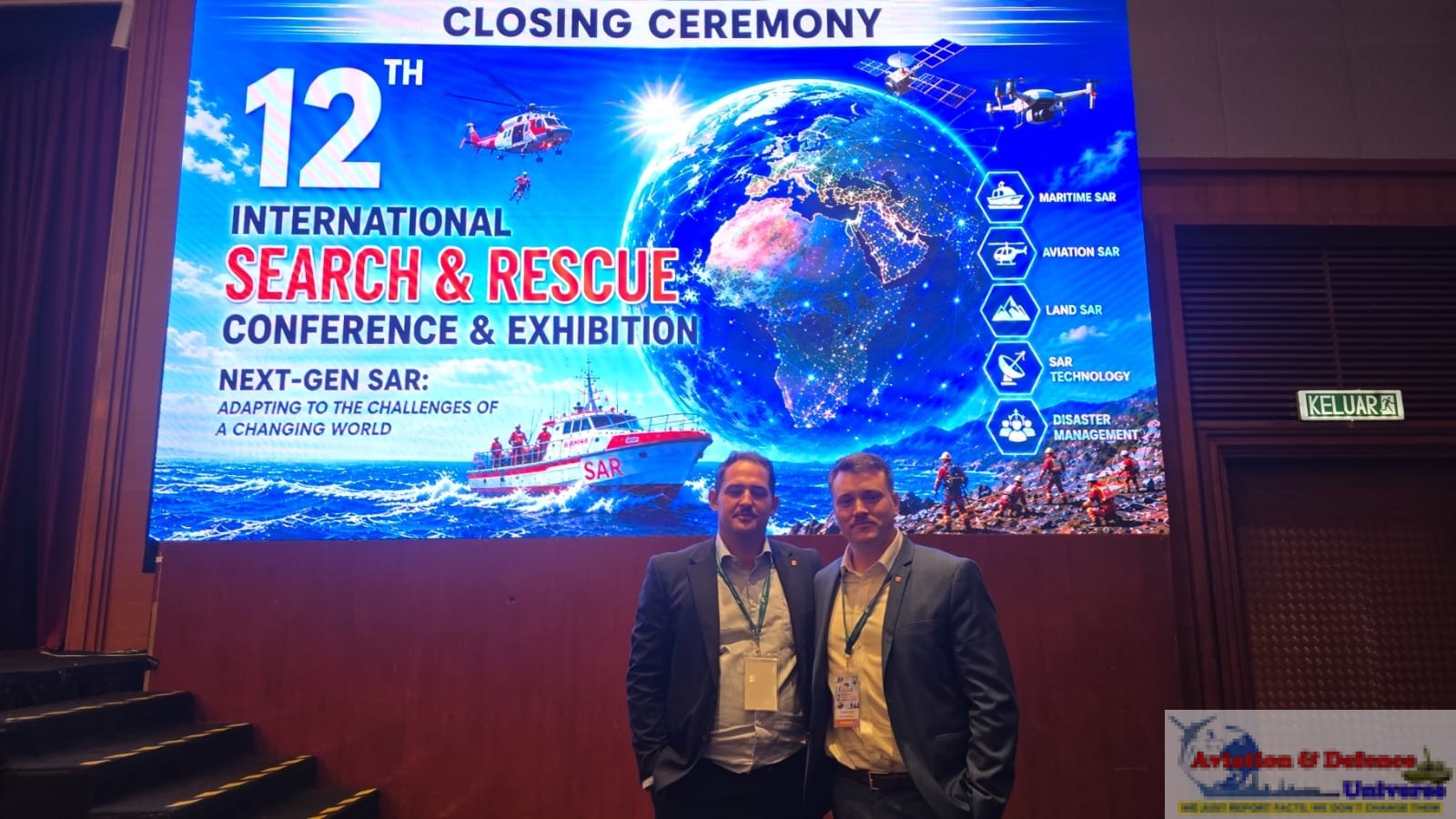
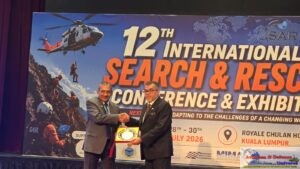
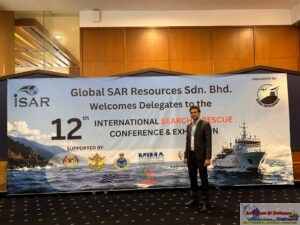
Meeting Aviation & Defence Universe (ADU) at iSAR 2026 in Kuala Lumpur, co-founders Tanguy Le Coq and Arthur Barbier spoke about why two former rescue coordinators became entrepreneurs, why training matters as much as technology, why they are now developing solutions for ordinary mariners as well as professional RCCs, and why—for them—Search and Rescue will always be about something far greater than business.
ADU. Tell us about Global SAR Hub. How did it begin and what was the idea behind creating it?
Tanguy Le Coq & Arthur Barbier. So, we both co-founded Global SAR four years ago, where we were operators in a search and rescue centre in the Caribbean, because we had a thought in mind that everybody in the world should be able to access to a good sale of search and rescue tools, regardless of money, regardless of the cost, the politics, regarding the religion and everything. We really wanted to create a hub, the Global SAR Hub, for everyone in the world who wants to save lives.
ADU. Right. And this is based out of France? Since you call it Global, is it basically limited to France?
Tanguy Le Coq & Arthur Barbier. So, it is a French company, so it is based in France, but our products are 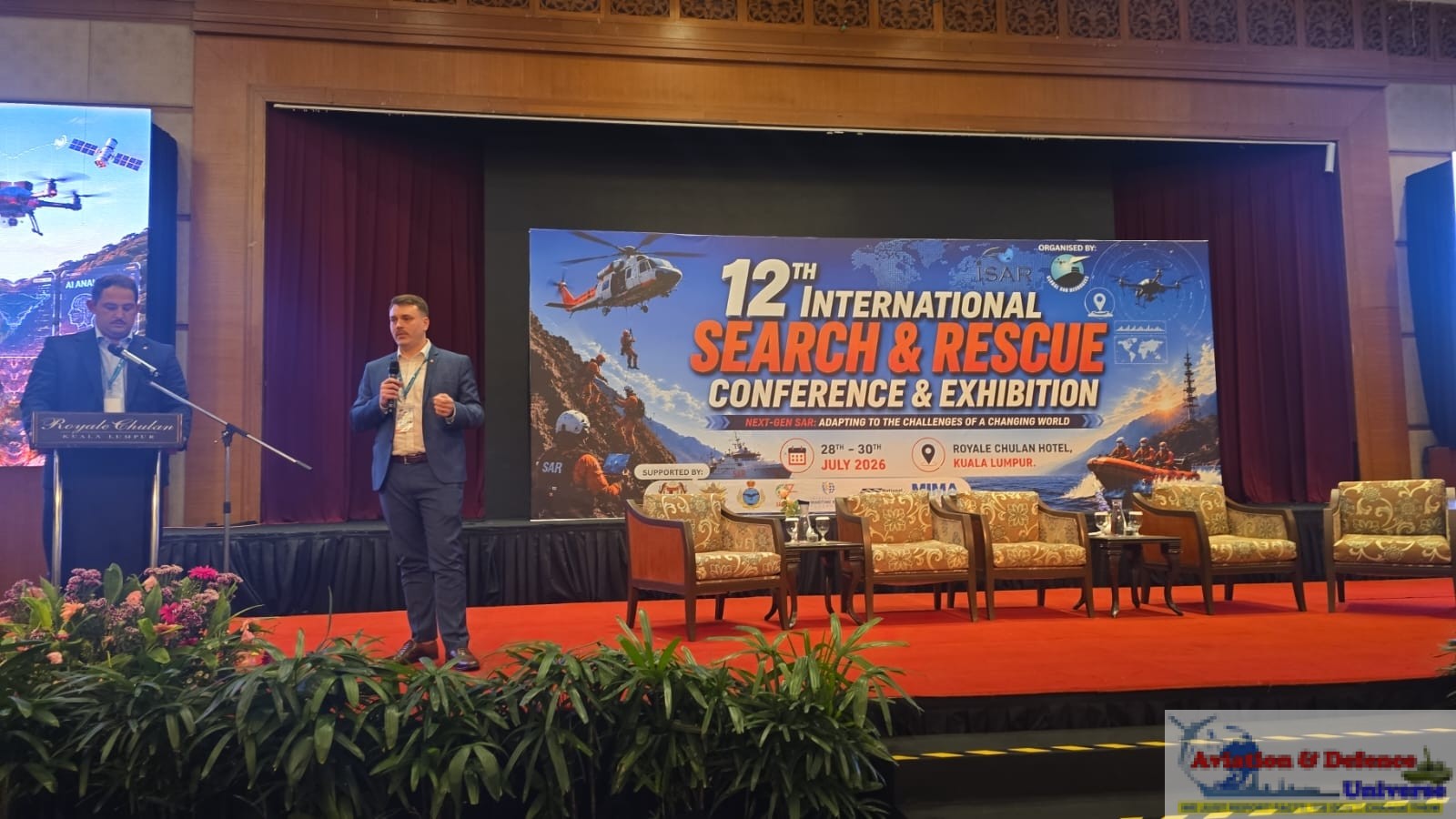 sold and used internationally. So, we have customers all around the world, we have partners all around the world. One of our tools is used by 207 territories. So, we don’t say countries, because some countries have many territories. So, 207 territories, globally, for free, because we give information to all the world. We have other tools that are used by 70 organisations around the world, too. So, the base is in France, because you have to have a legal institution, but we speak to everybody, we make visual conference at night, because we have to talk to everybody. It is our purpose now to share our knowledge, to share SAR knowledge, SAR tools, SAR training, SAR experience.
ADU. So these tools are basically software?
Tanguy Le Coq & Arthur Barbier. Yes. We do have software, we do have apps now, because we were focused on professional, as we are professional, but we thought it could be nice to think about the rest of the community, the people who use the sea, the sailor from the small one with his sailing boat to the bigger one with commercial boats, cargo and etc. So, we developed some iOS, Android apps, so they could access to all this data, they could generate message, even if they do not speak English, they will be understandable by SAR authorities around the globe. So, they will be able to be assist in case of an emergency.
ADU. And who are the people who use your software?
Tanguy Le Coq & Arthur Barbier. So, our software are used by Aeronautical Rescue Coordination Centre, Maritime Rescue Coordination Centre, by non-profit organisations that want to train their people, for example, because we have search software, we have other specific software, we have our own learning management system, because it’s not all about being an ops, it is about training too. If you don’t train, you are not good at ops. So, we focus on everything, every side of the search and rescue, we try to work on it.
ADU. Does that mean you are expanding beyond your own maritime SAR background?
Tanguy Le Coq & Arthur Barbier. So, for example, we don’t come from the land search and rescue, so we 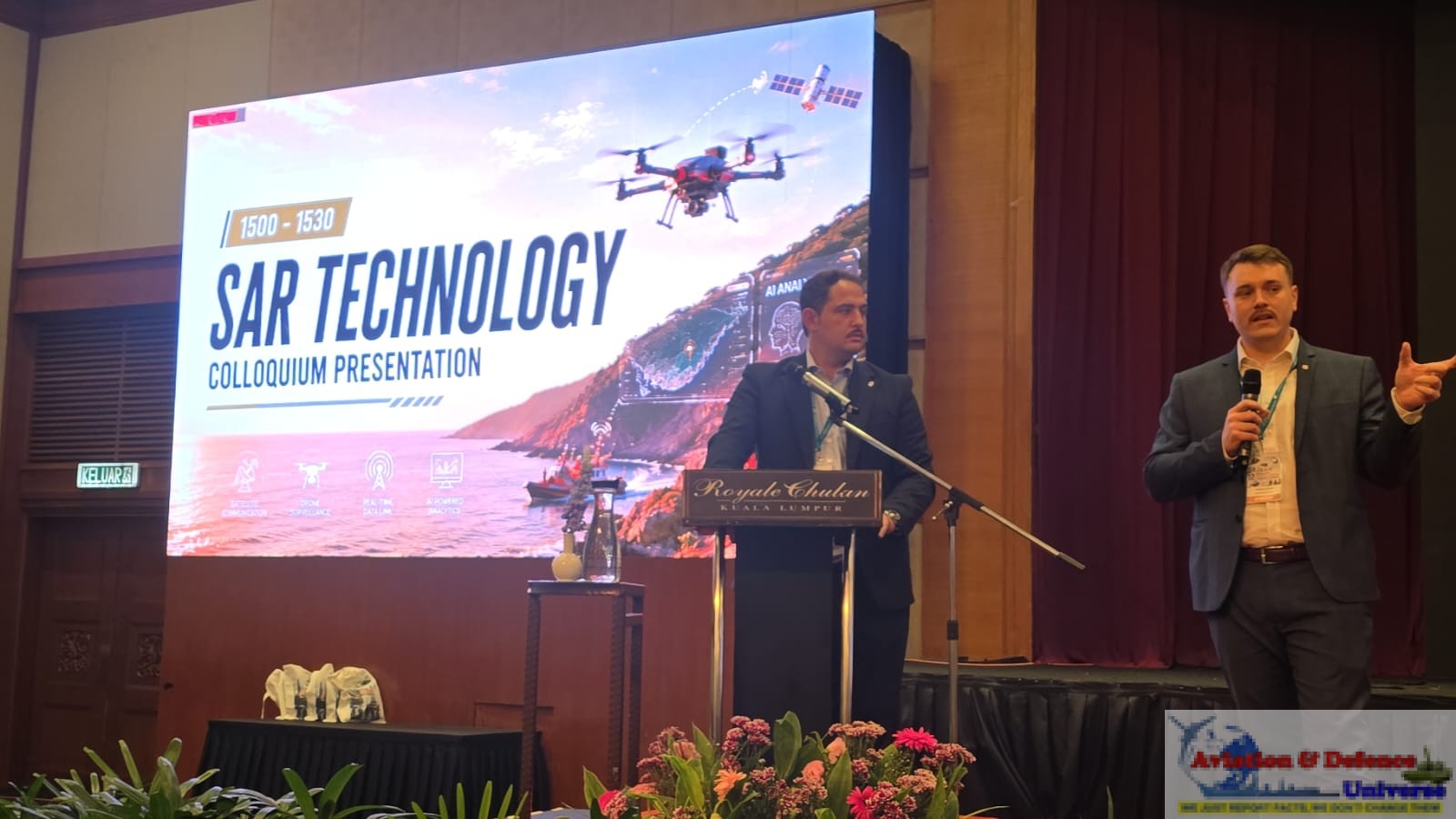 affiliated with some land search and rescue professional, so they help us to tailor made a proper tool for the land search and rescue professional. So, it was at the beginning for the professionals, but like Arthur said, we started to think, okay, if the person that are in distress are trained too, maybe you will have less distress. Yeah, because LMS are used by training organisations.
ADU. So you eventually want to take SAR awareness and training beyond professional rescue organisations?
Tanguy Le Coq & Arthur Barbier. So, for now, the LMS is used by training organisations or non-profit organisations, but the goal is someday to do free courses for the boaters, sailing vessels, etc. So, everyone can be at a certain level. So, it’s a continuous work, but we will continue.
ADU. Organisations like the Navy, Coast Guard and Air Force are all first responders to Search and Rescue incidents. Are they also using your training systems? Are they using your LMS?
Tanguy Le Coq & Arthur Barbier. That’s the point. We want to get that, yes, to this point. For the moment, we do have an aeronautical centre that you can see, a maritime centre. The founders then touched upon one of the fundamental challenges of building a business around Search and Rescue. unlike most commercial activities, success is measured in lives saved rather than financial returns. The important thing to understand about search and rescue is that it costs for the people. It costs to the government, it costs to the administration.
ADU. No, you get money also. People in India who are making LMS—we’ve got a National Skills Development Council, and LMS is being made by people for the various Sector Skill Councils. We’ve got Sector Skill Councils, and I’ve seen LMS being made there.
Tanguy Le Coq & Arthur Barbier. With LMS, it will work someday. Of course, if you keep the passion, it will work. It Leaves Something to Your Soul
ADU. What keeps that passion alive?
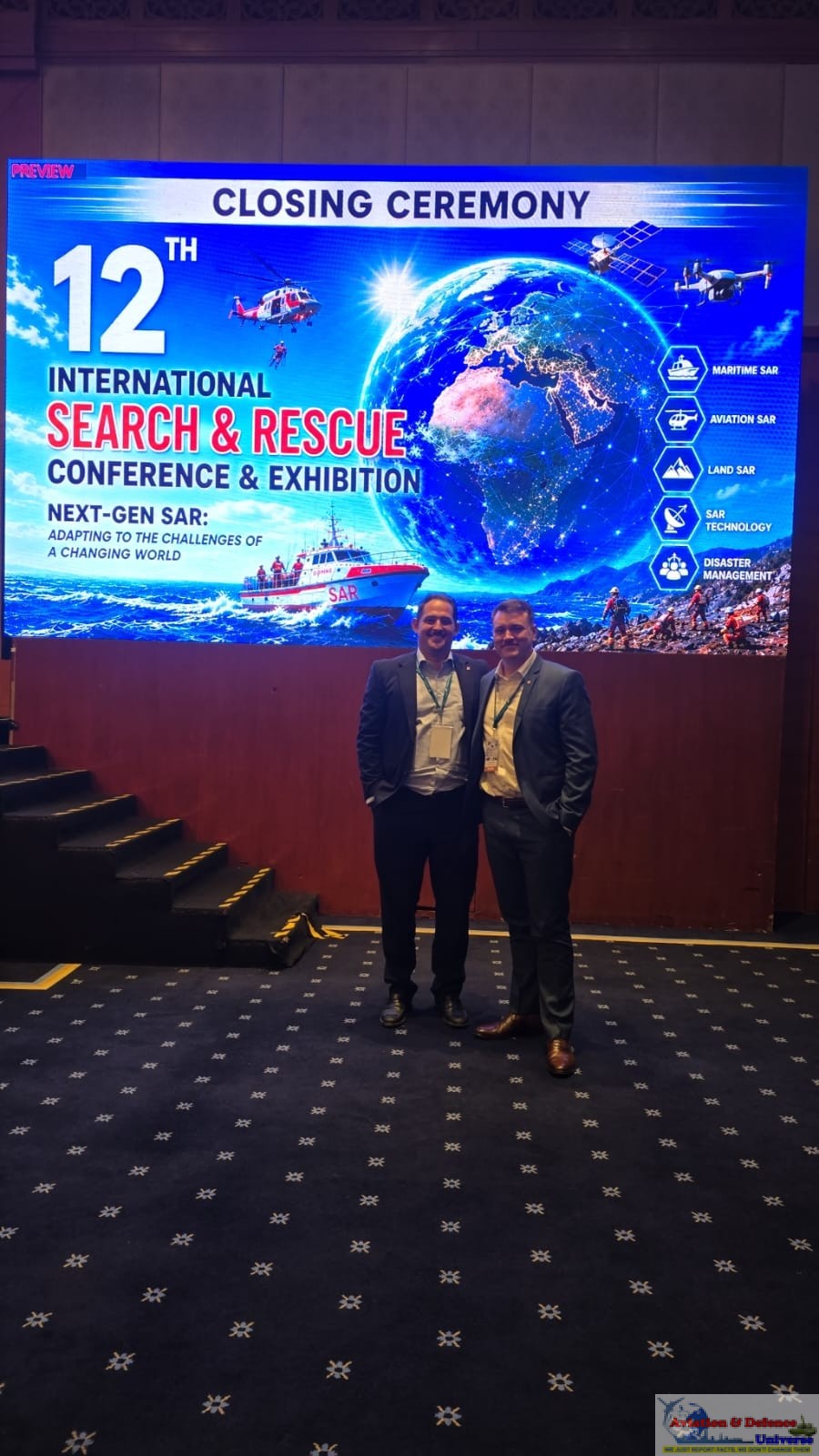 Tanguy Le Coq & Arthur Barbier. First, because we worked in rescue coordination centre, and we were talking directly to the person in distress, and it leaves something to your soul. That is there. That’s really hard. So, it’s not about creating tools, etc. It’s in our heart. We love this field. The energy you felt during these days. Very good. It’s about sharing. We don’t care about borders or community, where you’re from, etc. It’s about one specific topic, search and rescue. So, let’s help each other, and the result will follow, because if people are really interested in that…
ADU. Do you plan to connect with air forces, coast guards and navies of the world?
Tanguy Le Coq & Arthur Barbier. It’s one of the next steps right now. It’s to move in other parts of the world. That’s what we are doing now. This is our first time in Asia. Both of us, we used to travel the world with the French Navy. Almost more than 14 countries around the globe. It’s our first time in Asia. We’re really happy. We do love what we see here.
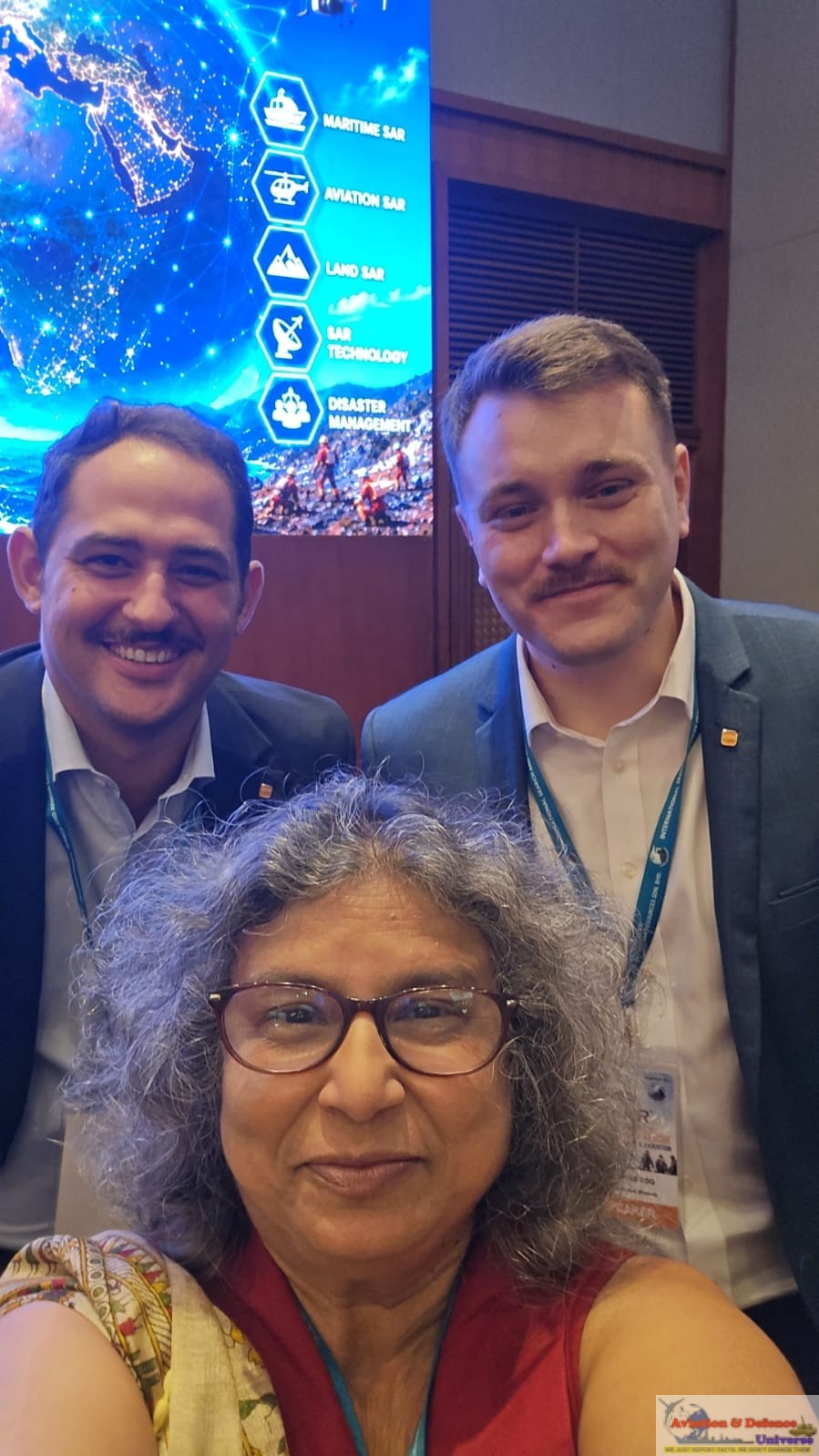 For Tanguy Le Coq and Arthur Barbier, Global SAR Hub was never simply about creating another software company. It was born from hours spent inside rescue coordination centres, speaking directly to people in distress and discovering how much precious time could be lost because the tools available to rescuers were fragmented, inaccessible or simply not designed around operational reality. That frontline experience continues to define their philosophy: build for the operator, train the rescuer, educate the person who may one day need rescuing, and make technology accessible beyond the organisations and countries that can afford the most sophisticated systems.
Their ambition now stretches from Maritime and Aeronautical Rescue Coordination Centres to NGOs, training organisations, land SAR professionals, individual sailors and eventually the world’s navies, coast guards and air forces. But beneath the software, apps and learning platforms lies something far more human. Having once been the voices at the other end of a distress call, the founders know that SAR is ultimately not about technology—it is about the person waiting to be found. As they put it with striking simplicity: “It’s not about creating tools… It’s in our heart. We love this field.”
As told to Sangeeta Saxena




















-A4-Size-(2)_page-0001.jpg)