











- More Than an Aircraft : Caetano Spuldaro Neto Pitches an Aerospace Partnership for India
- Built to Lift, Ready to Partner : The Brazilian Aerospace Major Sets Its Sights on India’s MTA
- A Second Assembly Line in India : Embraer Outlines Its C-390 Vision
By Sangeeta Saxena
New Delhi. 08 October 2026. For Embraer, the next chapter in India could be measured in more than aircraft delivered—it could be defined by aerospace capability built together. With the Indian Air Force’s Medium Transport Aircraft (MTA) requirement opening a major opportunity, the Brazilian manufacturer is pitching its C-390 Millennium alongside a broader proposition. local manufacturing, engineering collaboration and a deeper place for Indian companies in its global supply chain.
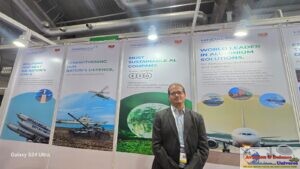
In this Indian Air Force Day interview with Aviation & Defence Universe (ADU), Caetano Spuldaro Neto, Vice President for Sales and Business Development for the Middle East and Asia Pacific at Embraer Defence & Security, explains how the company hopes to build on its Netra partnership, why it believes the C-390 fits India’s needs, and what an expanded industrial relationship could deliver.
ADU. Embraer has had an active commercial and defence presence in India, and the IAF’s Netra AEW&C programme remains a flagship project. Could you tell us more about your current footprint in the country?
Caetano Spuldaro Neto. Embraer proudly joins the nation in celebrating Indian Air Force Day. We salute the courage, professionalism and operational excellence of the men and women of the Indian Air Force, who stand ready every day to protect India’s skies and support the nation. India is one of Embraer’s most 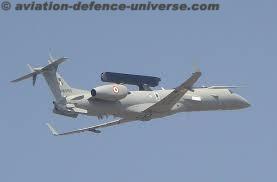 important markets. Today, nearly 50 Embraer aircraft across 11 aircraft types operate in the country, spanning commercial aviation, defence and business aviation. In defence, the ERJ145 platform forms the basis of the Indian Air Force’s Netra AEW&C aircraft, developed with DRDO’s Centre for Airborne Systems. The Netra programme remains one of India’s most successful examples of aerospace co-development and has demonstrated strong reliability and operational effectiveness in service.Our history in India is built on long-term partnership, and we see significant opportunities to expand that relationship across defence and aerospace in the years ahead.
ADU. The Indian Air Force’s Medium Transport Aircraft RFP was recently issued. Are you positioning the C-390 for the requirement?
Caetano Spuldaro Neto. Absolutely. We believe the C-390 Millennium is strategically aligned with the Indian Air Force’s requirements. Designed and built in the 21st century, we believe the C-390 is the most modern military transport aircraft in its class. It combines a payload capacity of up to 26 tonnes with the speed, range and operational flexibility of a twin-jet design. The aircraft performs a wide range of missions, including troop and cargo transport, medical evacuation, precision airdrops, search and rescue, humanitarian assistance and aerial refuelling. It is equally capable of operating from high-altitude airfields, remote border regions and semi-prepared runways.
The C-390 delivers significantly lower operational and life-cycle costs than competing alternatives while offering greater payload capacity and mission flexibility. We believe it offers a compelling combination of capability and value for the IAF over the long term.
ADU. We have seen the C-390 secure several international orders in recent years. Does that strengthen its case for India?
Caetano Spuldaro Neto. The decision rests entirely with the Indian Air Force, and we respect all competitors participating in the programme. What we can say is that the C-390’s growing adoption across Europe, Asia, the Middle East and Latin America reflects confidence in its capability, reliability and  economics. The aircraft has achieved mission completion rates above 99% and mission-capable rates exceeding 93%.
Recent orders in 2026 from the UAE and Colombia demonstrate confidence in the aircraft’s performance across diverse operational environments. For India, the expanding operator community offers benefits through interoperability, shared best practices and long-term fleet evolution. We believe the combination of modern design, multi-mission capability, high availability and lower ownership costs makes the C-390 a compelling solution for future requirements.
ADU. Localisation and industrial participation are expected to be major factors in the MTA competition. How confident are you of meeting India’s requirements?
Caetano Spuldaro Neto. We are highly confident and fully aligned with the objectives of Make in India, Atmanirbhar Bharat and DAP 2020. Through our partnership with the Mahindra Group, we are proposing far more than local assembly. If selected, India could potentially become Embraer’s second C-390 assembly line and a regional hub for manufacturing and MRO. We have already expanded our industrial footprint through collaborations with companies such as Hindalco and Bharat Forge and are actively engaging Indian suppliers across multiple aerospace capability areas. Our objective is to help build a modern aerospace ecosystem that creates long-term capability and integrates Indian industry into Embraer’s global supply chain.
ADU. India and Brazil have deepened ties significantly in recent years. How do you see that relationship evolving?
Caetano Spuldaro Neto. India and Brazil are natural partners, with growing cooperation across trade, technology, defence, aerospace and innovation. As economic and strategic ties continue to strengthen, we see significant opportunities for deeper industrial collaboration between our two countries. Bilateral trade continues to grow, while leaders on both sides have highlighted the importance of expanding strategic and economic engagement. For Embraer, India’s focus on self-reliance and capability development aligns closely with our approach. We see a long-term opportunity to work together not only on platforms, but also on technology, skills development and industrial capacity.
ADU. Technology transfer will be a major consideration for the MTA programme. What is Embraer’s approach?
Caetano Spuldaro Neto. India’s ambition today is not simply to manufacture products, but to develop capabilities, engineering expertise and a globally competitive aerospace ecosystem. We believe the MTA programme will advance that objective. Our experience on the Netra programme demonstrates our commitment to collaboration and co-development, and we intend to build on that foundation through 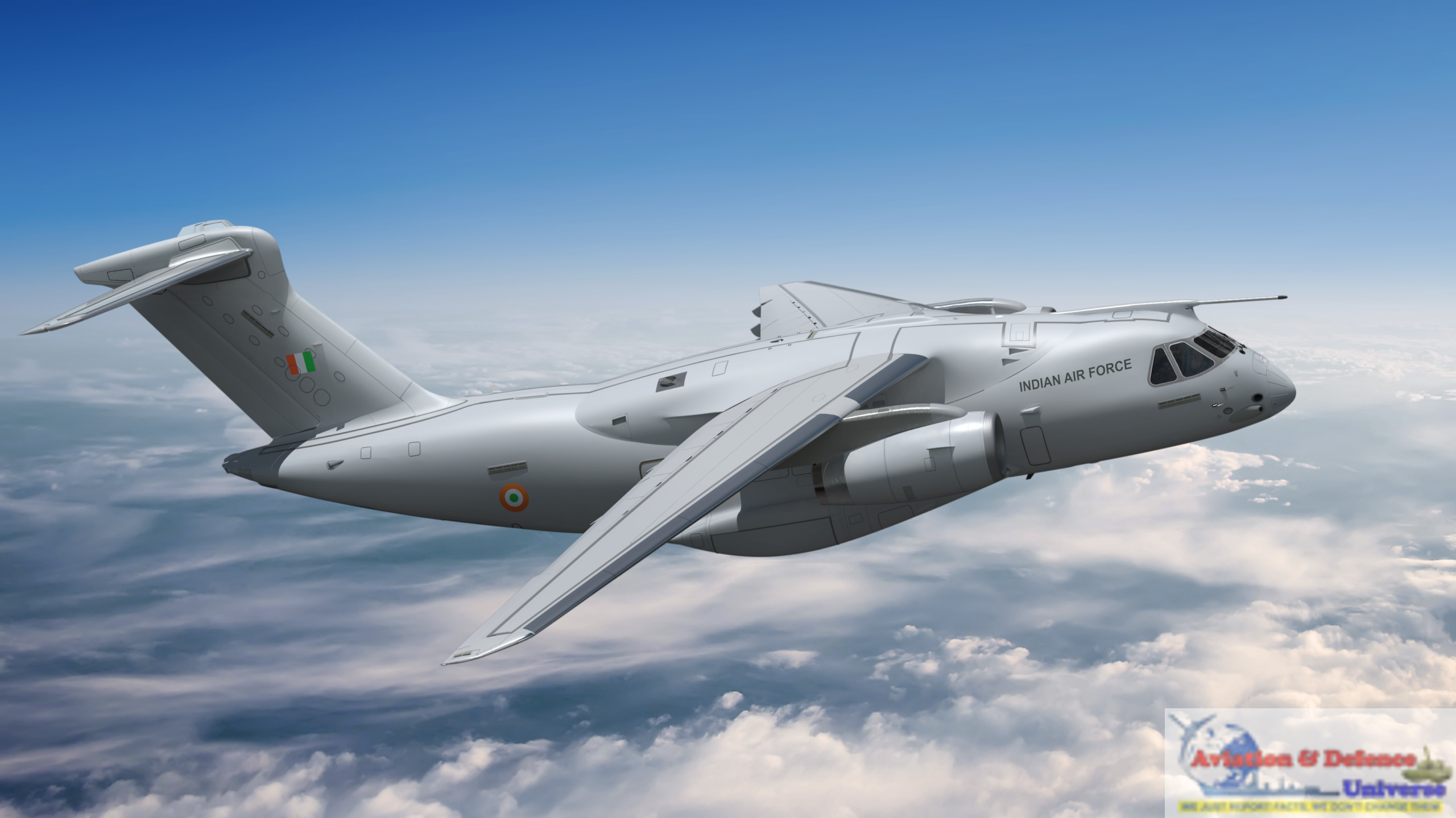 meaningful localisation, technology transfer and industrial cooperation.
We believe the MTA programme is about more than acquiring an aircraft. It is about selecting an industrial partner capable of supporting India’s long-term aerospace ambitions through capability development, engineering collaboration and sustained industrial growth.
ADU. Beyond the MTA, do you see opportunities for the C-390 and other Embraer platforms in India?
Caetano Spuldaro Neto. Absolutely. The C-390’s versatility makes it relevant well beyond traditional airlift missions, including aerial refuelling, humanitarian assistance, disaster relief, medical evacuation, search and rescue and special operations support.
More broadly, Embraer remains open to supporting future Indian Armed Forces requirements across ISR, VIP transport and other special-mission platforms. The modernity and versatility that the C-390 brings to the table, its constant evolution, and Embraer and Mahindra’s collaborative approach make it well suited to other long-term future programmes and mission needs as well.
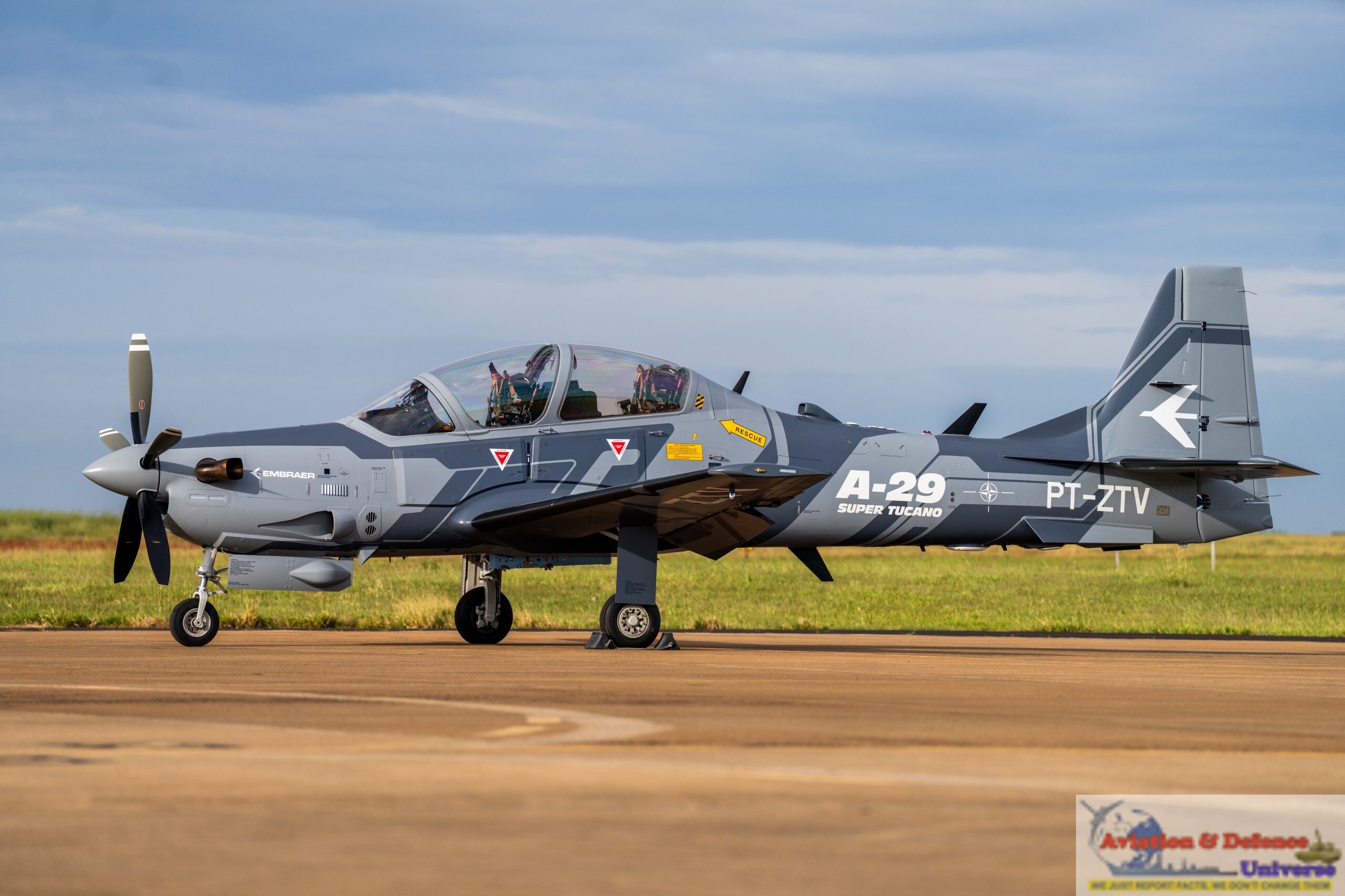 We also see growing relevance for the A-29 Super Tucano. Recent conflicts have highlighted the need for affordable counter-UAS solutions, and the A-29 offers an effective hard-kill capability against unmanned threats while continuing to perform close air support, armed reconnaissance and training missions at very low operating costs. Ultimately, our ambition in India extends beyond supplying aircraft. We want to be a long-term partner in building aerospace capability, industrial capacity and future defence readiness.
From Netra’s airborne surveillance role to the Millennium’s airlift proposition, Embraer is seeking a larger place in India’s defence aerospace story. Neto’s pitch links aircraft performance with an industrial ambition. an Indian assembly line, stronger supplier participation and sustained engineering cooperation. Selection, however, would be only the beginning—the lasting value would lie in translating those proposals into capability, skills and dependable support. For Embraer, the ambition is clear. lift India’s missions today while helping build the aerospace capacity that sustains them tomorrow.
As Told To Sangeeta Saxena









































-A4-Size-(2)_page-0001.jpg)