
















- Flying into the Unknown : When Every Flight Counts
- Preparing for the Unpredictable: Aviation SAR Experts Stress Training Above All
- Human Skill, Advanced Technology and International Cooperation Drive Aviation SAR
By Sangeeta Saxena
Kuala Lumpur. 28 July 2026. Aviation Search and Rescue is often judged by the dramatic images of helicopters hovering over storm-tossed seas or aircraft searching vast expanses of ocean. Yet behind every successful rescue lies years of planning, relentless training, seamless coordination and the ability of multiple agencies to work together across borders. These themes dominated Plenary Session 3 – Aviation Search and Rescue at the 12th International Search and Rescue Conference & Exhibition (iSAR 2026), where operational leaders from Hong Kong, Oman and Indonesia shared firsthand experiences of some of the world’s most demanding rescue missions while highlighting the technologies and training shaping the future of aviation SAR.
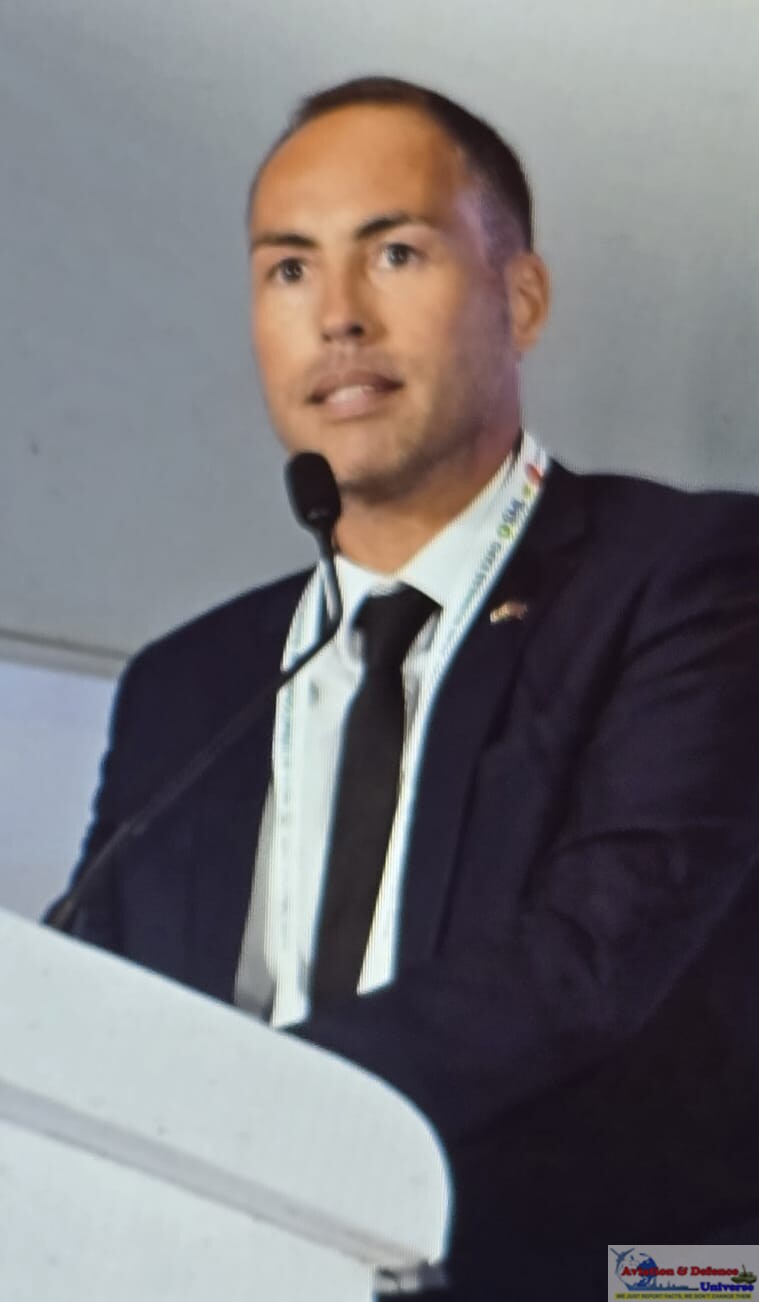
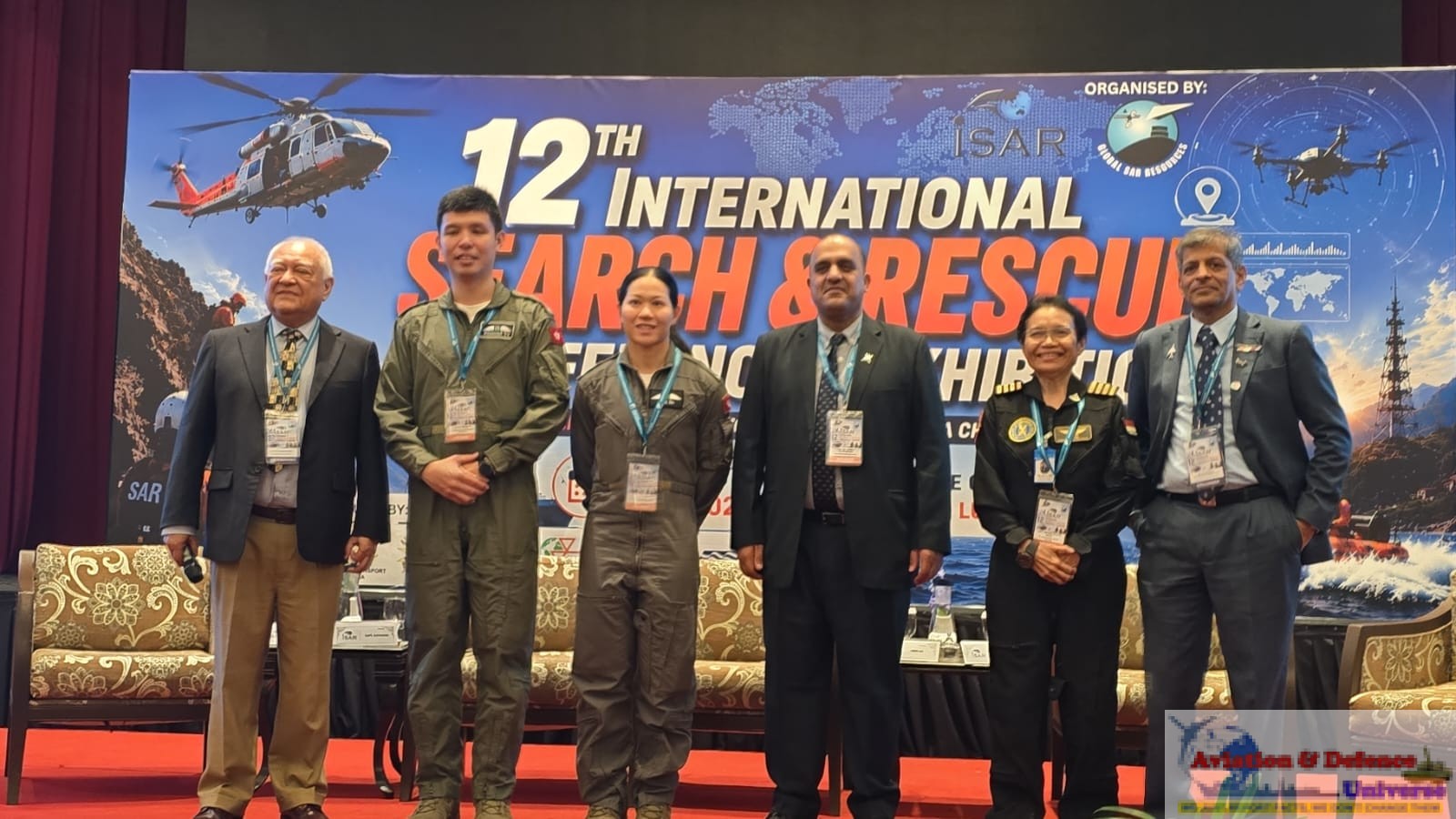
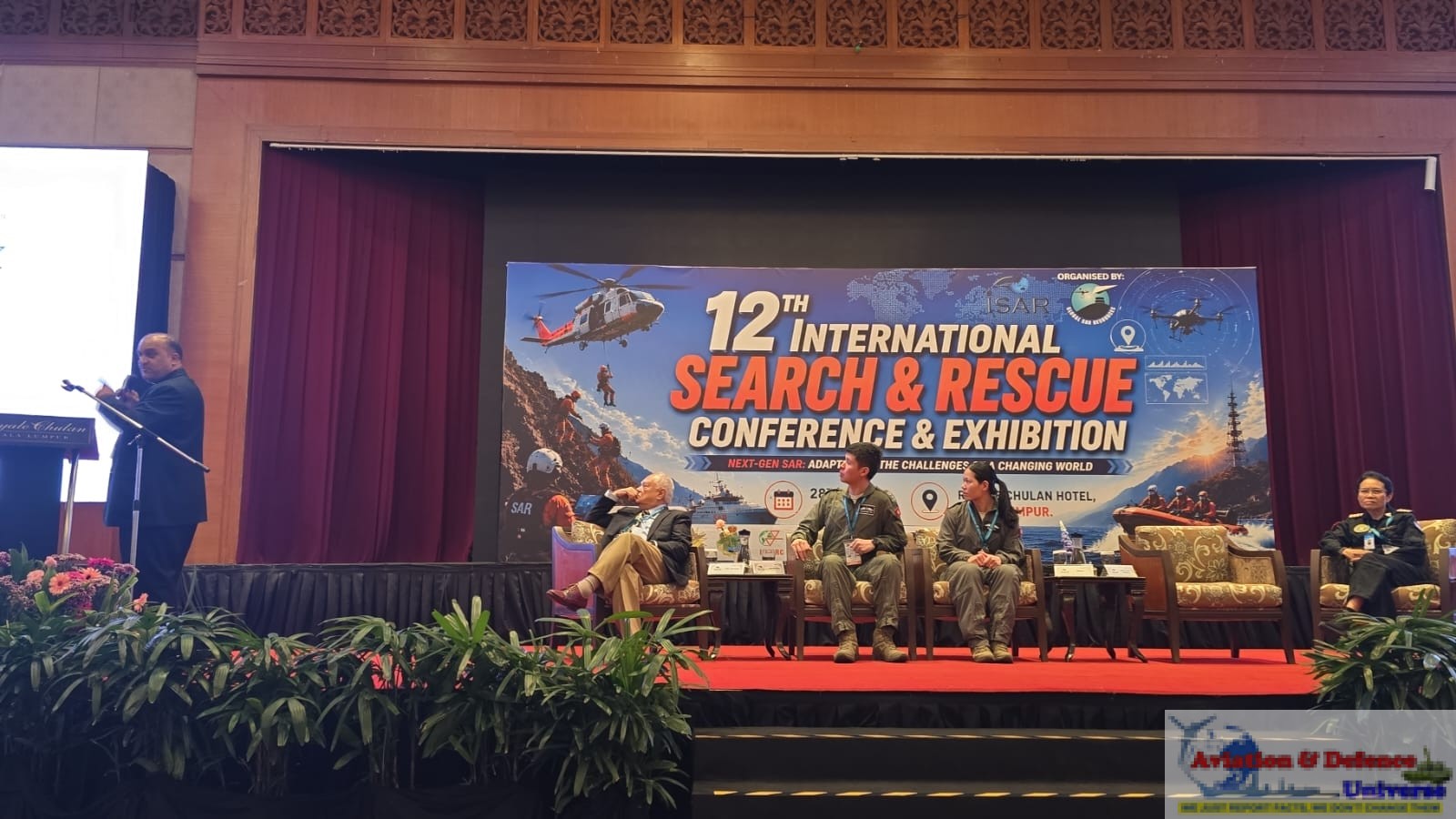
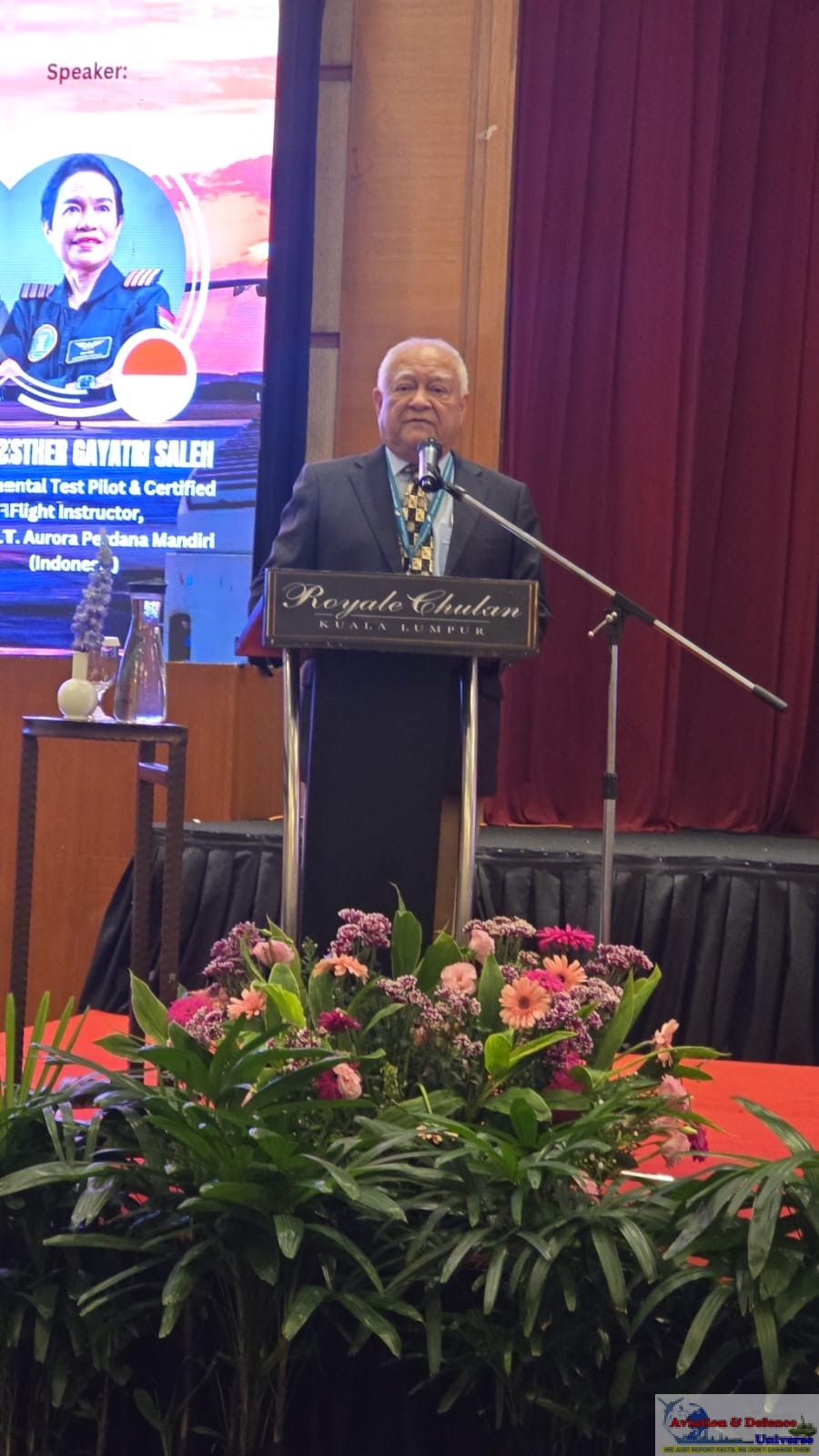 Moderated by Captain Azmi Radzi, the session featured Captain Raymond Yu Sheung-hung and Heidi Ho Yuen-tung of the Hong Kong Government Flying Service, Colonel Dr. Ahmed Al-Sharyani, Head of Search and Rescue at the Civil Aviation Authority of Oman, and Captain Esther Gayatri Saleh, Indonesia’s renowned experimental test pilot and CEO of PT Aurora Perdana Mandiri. Despite representing very different operational environments—from typhoon-prone seas and vast desert airspaces to advanced flight simulation centres—the speakers reached one common conclusion: technology is indispensable, but people, preparation and cooperation remain the decisive factors in saving lives.
Hong Kong Demonstrates the Power of Cross-Border Cooperation
Opening the technical session, Captain Raymond Yu Sheung-hung introduced delegates to the work of the Hong Kong Government Flying Service (GFS), one of the world’s busiest helicopter rescue organisations. “It is our honour… to share a bit of our operations in Hong Kong, China,” he began, explaining that his presentation would focus on a real search and rescue mission from 2024 that demonstrated the importance of both cross-regional and inter-agency cooperation.
Describing the Government Flying Service, Captain Yu explained that it operates under Hong Kong’s Security Bureau as one of the territory’s disciplined services alongside the Police and Fire Services. “We are committed to serving the community… by providing 24-hour evacuation support through dedication, teamwork and professional excellence.”
He outlined GFS’s operational fleet of Airbus H175 helicopters and Challenger 605 fixed-wing aircraft, explaining that helicopters undertake rescue operations while the Challenger aircraft serves as an airborne coordinator during long-range SAR missions over the South China Sea.
A Rescue Mission Inside a Typhoon
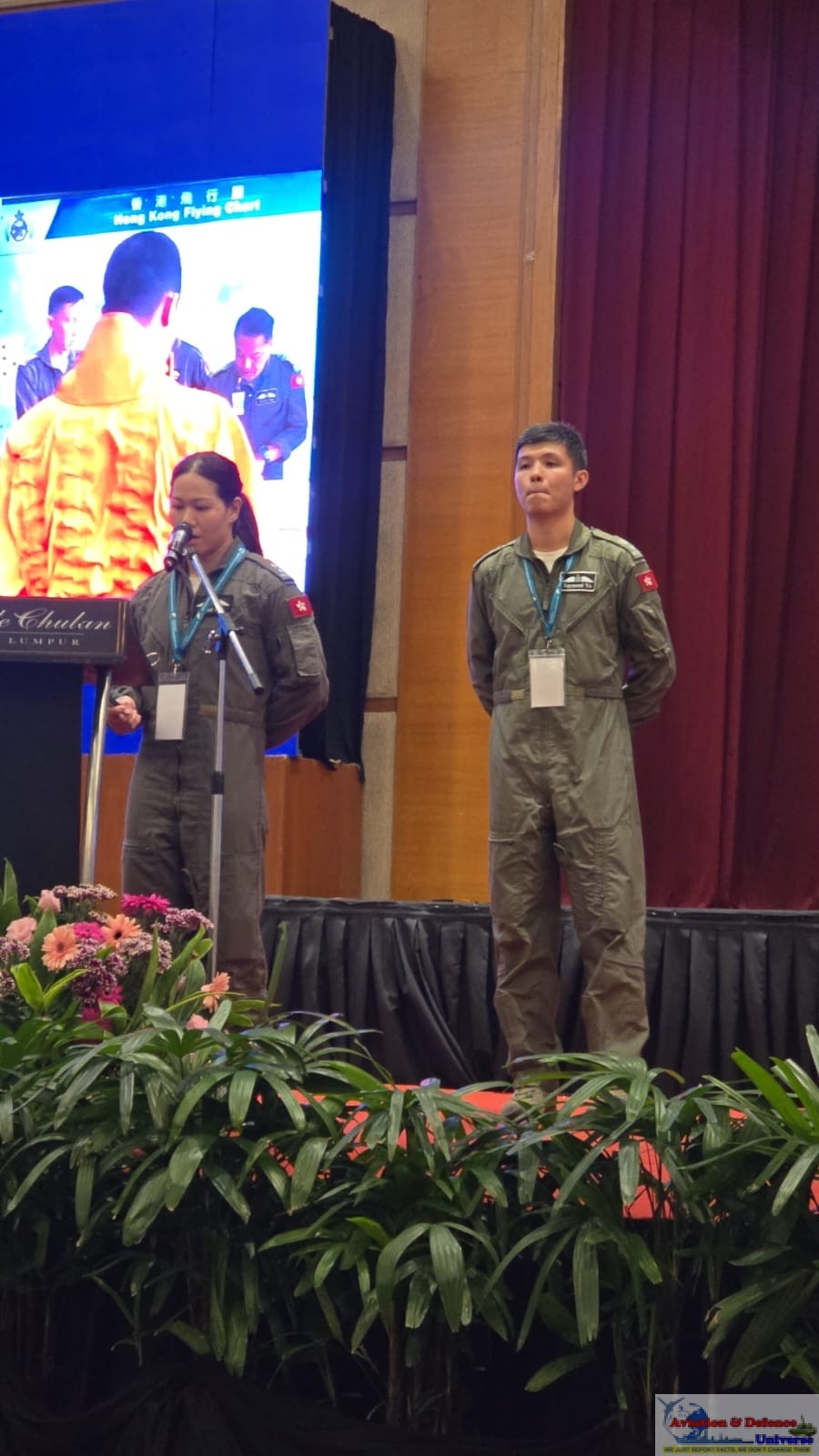 Captain Yu then handed over to Heidi Ho Yuen-tung, one of Hong Kong’s few female rescue winch operators, who had personally participated in the rescue mission. Recalling the incident, Heidi explained, “On 8 November 2024, we executed a very complex multi-aircraft and inter-agency rescue operation southwest of Kratos Island.” A crane barge carrying 12 personnel had lost propulsion while trapped in deteriorating weather near a super typhoon. “They were trapped in brutal sea states… I was the winchman of that rescue mission.” Displaying cockpit footage from the rescue, she described conditions that deteriorated dramatically during the operation. “The target vessel was situated around 150 nautical miles away… by the time our helicopter arrived, the wind had picked up to 47 knots with heavy showers… the sea state reached about six metres.” The rescue demanded extraordinary precision. “Winching on the barge required us to maintain a 170-feet hover. This was critical to keep safe obstacle clearance from the massive crane structures and the high-tension cables.” Despite the weather, the crew manually deployed a high line before recovering seven survivors using single-strop and double-lift techniques.
Walking delegates through the mission timeline, Heidi demonstrated how every minute was accounted for—from the distress call at 3:50 pm, helicopter launch, fuel stop on an offshore oil platform, arrival on scene, deployment onto the barge and recovery of survivors before returning safely to headquarters.
Behind Every Rescue Lies International Cooperation
Captain Yu resumed the presentation by emphasising that the dramatic rescue footage represented only a fraction of the overall operation. “We only showed you the part that the Hong Kong Government Flying Service participated in.” Five crew members remained aboard the drifting barge after deteriorating weather prevented further recoveries. Hong Kong therefore activated an extensive international coordination mechanism involving the Hong Kong Maritime Rescue Coordination Centre, Hong Kong Civil Aviation Department, Guangdong Rescue Coordination Centre, Hainan Rescue Coordination Centre, the Civil Aviation Administration of China, China Rescue and Salvage, and the China National Offshore Oil Corporation (CNOOC).
As the disabled vessel drifted southwards towards Hainan, responsibility for coordinating the operation also shifted. “We develop standardised links between us so communication will be smooth during these missions… we bypass communication noise and save critical time for rescue.” Routine multinational exercises also play an essential role. “Every year in Hong Kong we conduct joint search and rescue exercises together with Macau and South China… so that we are able to cooperate smoothly when there is a real emergency.” The operation ultimately ended successfully. “We were able to recover all 12 casualties and there were no fatalities.”
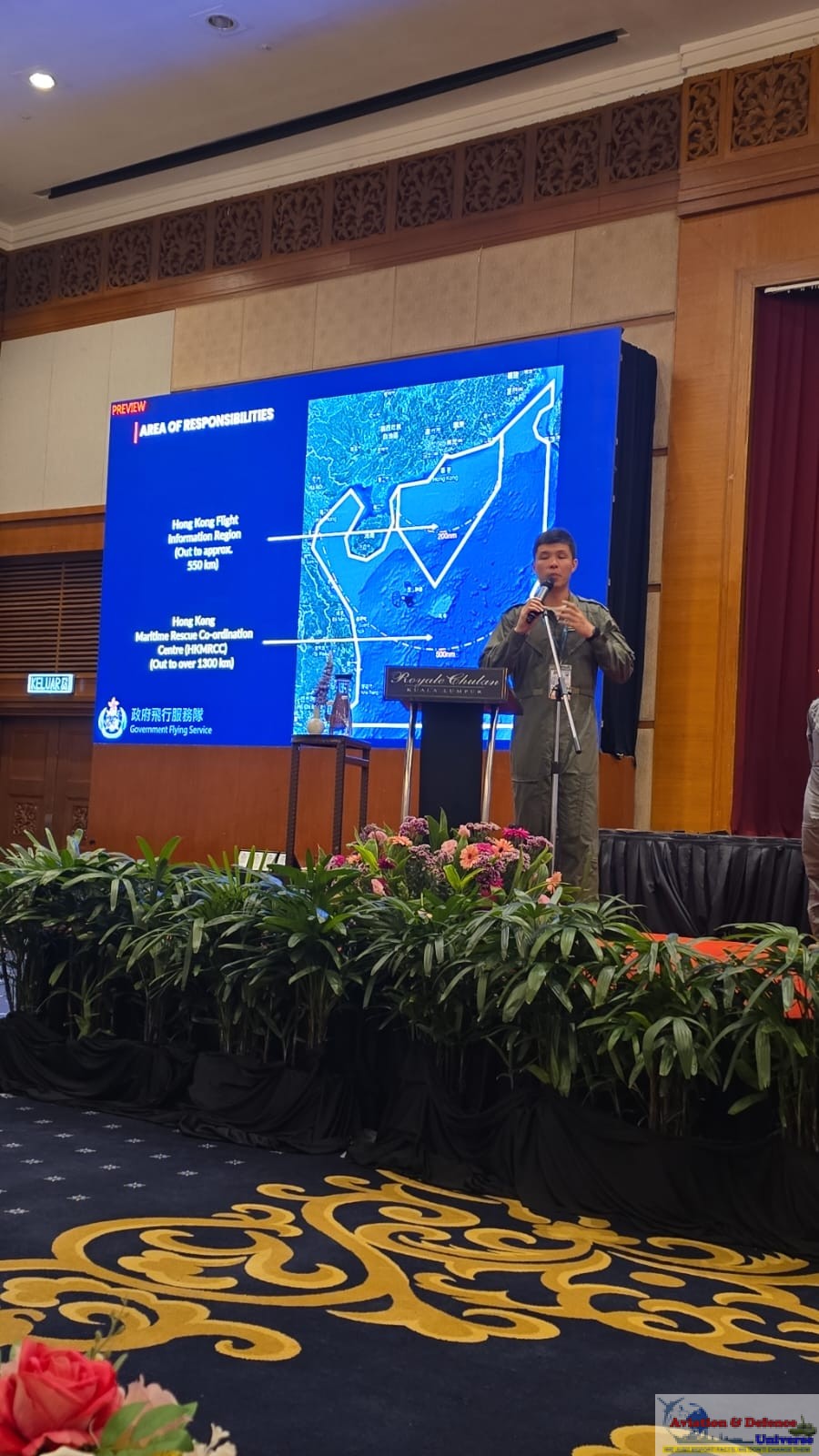 Looking ahead, Captain Yu said the Government Flying Service would continue refining procedures, strengthening regional partnerships and incorporating UAVs into future SAR exercises while carefully managing helicopter-drone deconfliction. Introducing the moderator to Heidi Ho once more, Captain Azmi Radzi reminded delegates that the audience had just heard firsthand testimony from a rescuer who had personally received the Hong Kong Bronze Star for Bravery. “That is where the tyre meets the road… the work done behind the scenes is invaluable.”
The second presentation shifted the focus from operational case studies to the strategic architecture of a national search and rescue system as Colonel Dr. Ahmed Al-Sharyani, Head of Search and Rescue at the Civil Aviation Authority of Oman, outlined how the Sultanate has built a comprehensive SAR capability spanning aviation, maritime and land rescue. “It is my privilege to present Oman’s Search and Rescue capability and obligations—from mandate to mission and the way forward.” He explained that Oman occupies a strategically important geographical position, over look in the Arabian Sea, the Gulf of Oman and the Strait of Hormuz, making an effective SAR capability not merely desirable but essential. “Our geographical location places a significant responsibility upon us to maintain an effective, responsive and internationally compatible Search and Rescue system.”
Search and Rescue is an International Obligation
Colonel Al-Sharyani stressed that SAR is not simply a domestic emergency response function but an obligation arising from international conventions. “Search and Rescue is not only a national responsibility; it is an international commitment under ICAO, IMO and other international frameworks.” He explained that Oman has structured its national SAR organisation around these international obligations while adapting them to national requirements. “We have developed an integrated system where all stakeholders understand their roles before an emergency occurs.”
One National System, Many Agencies
A central theme of his presentation was the importance of unified command. Rather than allowing agencies to function independently, Oman has created a national structure that integrates ministries, the armed forces, police, civil aviation authorities, coast guard, emergency medical services and volunteer organisations. “Search and Rescue cannot succeed when agencies operate in isolation.” Instead, “Every stakeholder must understand not only its own role but also the responsibilities of every other participating organisation.” He noted that clearly defined command relationships reduce delays and improve decision-making during major incidents.
Preparedness Begins Long Before an Emergency
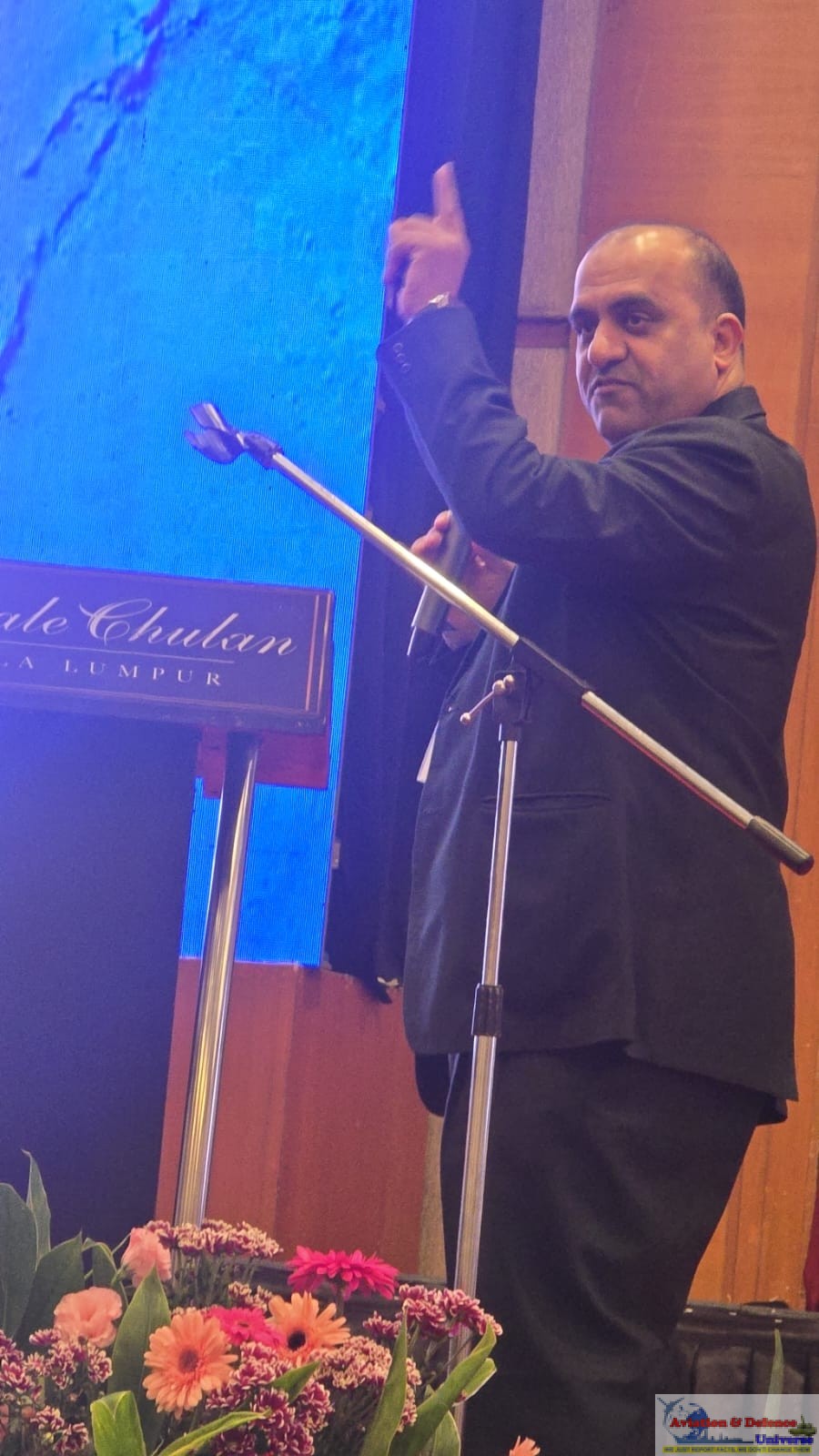 Colonel Al-Sharyani repeatedly emphasised that operational success depends on preparation rather than improvisation. “Preparedness begins long before the distress call is received.” Regular national exercises, inter-agency planning meetings, simulation activities and standard operating procedures ensure that rescue organisations already understand how they will work together before an actual emergency occurs. “Training, exercises and evaluation are continuous processes.” Like previous speakers, Colonel Al-Sharyani recognised the transformative impact of emerging technologies. He described the growing role of satellite communications, unmanned systems, digital mapping, advanced communications, AI-assisted planning and integrated information systems. “Technology today enables us to detect incidents earlier, communicate faster and coordinate resources more efficiently.” However, he cautioned that technological investment alone would not guarantee success. “Technology must always be supported by competent people, effective procedures and strong leadership.”
International Cooperation Saves Lives
Given Oman’s strategic location along some of the world’s busiest maritime and aviation routes, Colonel Al-Sharyani highlighted the necessity of regional cooperation. “Emergencies do not recognise borders.” He explained that Oman routinely cooperates with neighbouring countries and international organisations to ensure timely assistance whenever incidents occur near shared boundaries. Information sharing, common procedures and mutual trust remain the foundation of that cooperation. Looking ahead, Colonel Al-Sharyani identified several priorities for strengthening Oman’s SAR capability, These include greater digital integration, improved interoperability, wider adoption of emerging technologies, enhanced specialist training and deeper cooperation among regional partners. “Our objective is continuous improvement.” He stressed that changing risks—from climate change to increasing aviation and maritime activity—require SAR systems to evolve continuously. “The challenges are changing. Therefore, our capability must continue to evolve.”
Saving Lives is the Common Mission
 Concluding his presentation, Colonel Al-Sharyani reminded delegates that despite differences in geography, organisation and technology, every SAR agency ultimately shares the same purpose. “Regardless of where we come from, our mission remains the same—to save lives.” The presentation demonstrated how a well-structured national SAR system combines legislation, international obligations, technology, inter-agency coordination and continuous training to deliver an effective response capability across both aviation and maritime domains.
Preparing Pilots for the Unknown
Indonesia Showcases the Transformational Role of Simulation in Aviation SAR. The final presentation of the Aviation SAR plenary shifted the focus from organisational structures and operational coordination to one of the most critical elements of any rescue mission—the pilot. Captain Esther Gayatri Saleh, one of Indonesia’s leading experimental test pilots, certified flight instructor and CEO of PT Aurora Perdana Mandiri, delivered a compelling presentation on how modern simulation technology is preparing Search and Rescue pilots to operate safely and effectively in some of the world’s most hazardous flying conditions.
Introducing herself, Captain Esther explained that she had spent her career not only flying aircraft but also testing them at the limits of their performance, an experience that had fundamentally shaped her understanding of aviation safety. “As an experimental test pilot, every flight teaches you that the unexpected is not an exception—it is part of the profession.” She explained that Search and Rescue pilots routinely operate in situations where conventional aviation assumptions no longer apply. “SAR pilots do not choose the weather, the terrain or the emergency. They respond when everyone else is trying to stay away.”
Training Must Replicate Reality
Captain Esther argued that conventional flight training is no longer sufficient for modern SAR operations. “Training for predictable situations is no longer enough. We must prepare pilots for the unpredictable.” Simulation, she said, offers a safe environment in which crews can repeatedly experience situations that would be impossible—or too dangerous—to recreate in actual flight. Among these are severe weather, engine failures, degraded visibility, mountain operations, offshore rescues, night missions and multiple simultaneous system failures. “Simulation allows us to make mistakes without paying the ultimate price.” She stressed that pilots learn most effectively when they are challenged under pressure rather than simply repeating routine procedures.
Building Decision-Makers, Not Just Aircraft Handlers
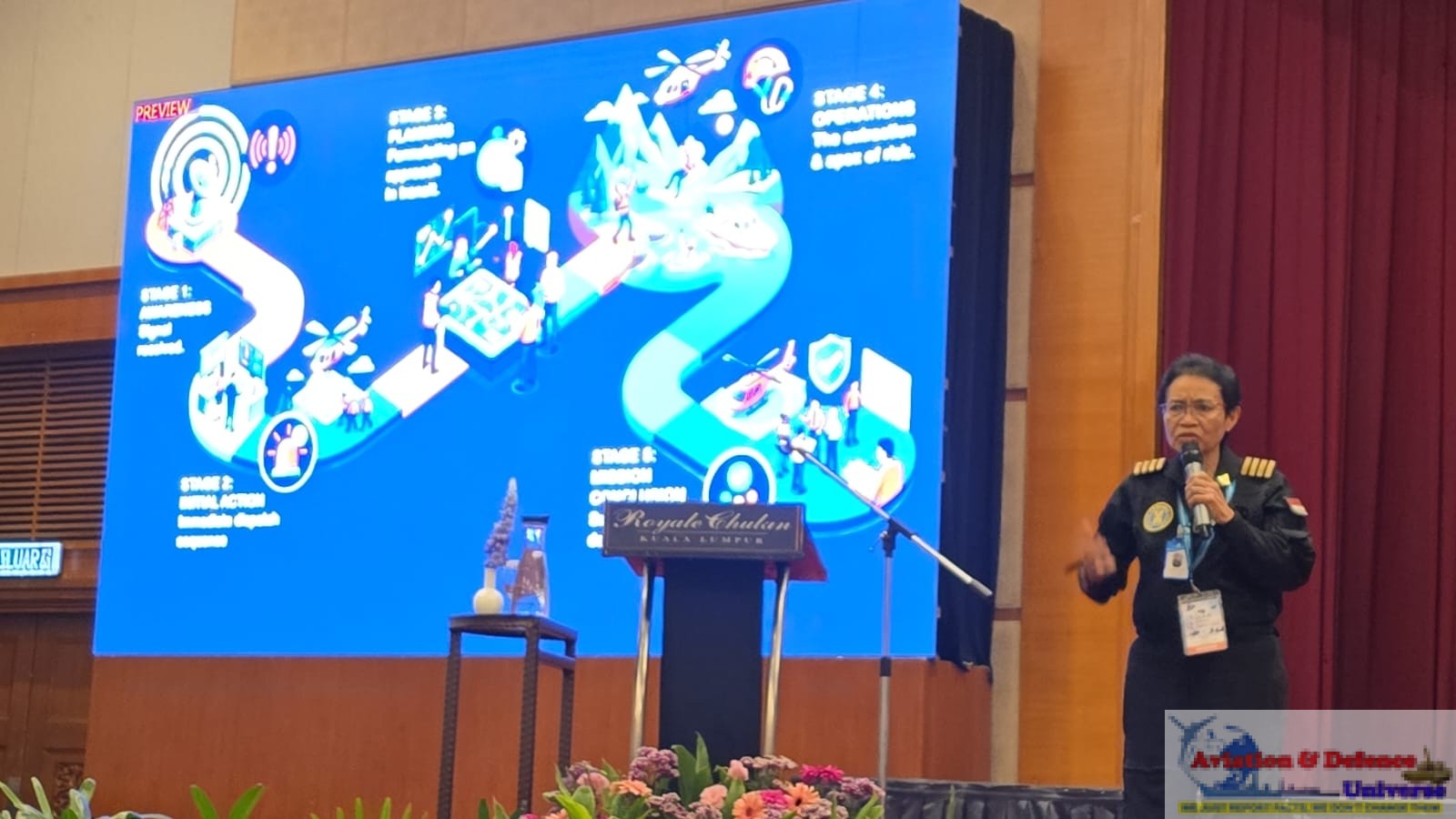 Captain Esther emphasised that the true purpose of simulation extends well beyond aircraft handling skills. “We are not training people simply to fly the aircraft. We are training them to make decisions.” Modern simulators therefore recreate not only technical failures but also psychological stress. Pilots must learn to process conflicting information, manage workload, communicate effectively with crew members and prioritise actions while under intense operational pressure. “The greatest challenge is often not the aircraft—it is managing ourselves.”
Technology Creates Realism
Demonstrating the capabilities of current-generation simulators, Captain Esther explained how advances in computing power now allow instructors to recreate almost every aspect of a rescue mission. Weather systems, turbulence, icing, sea states, terrain, obstacle environments and even human behaviour can now be incorporated into realistic training scenarios. “The closer the simulation is to reality, the greater the confidence when the real emergency occurs.” She added that simulation enables instructors to expose crews to rare but potentially catastrophic situations that they might otherwise never encounter until an actual emergency.
Learning from Failure
Drawing upon her own experience as a test pilot, Captain Esther spoke candidly about the importance of failure during training. “Failure inside a simulator is success—because it creates learning.” She encouraged organisations to create a training culture where mistakes are analysed openly rather than hidden. Every simulation exercise, she said, should conclude with a detailed debrief. “The debrief is where the real learning begins.”
People Remain the Greatest Asset
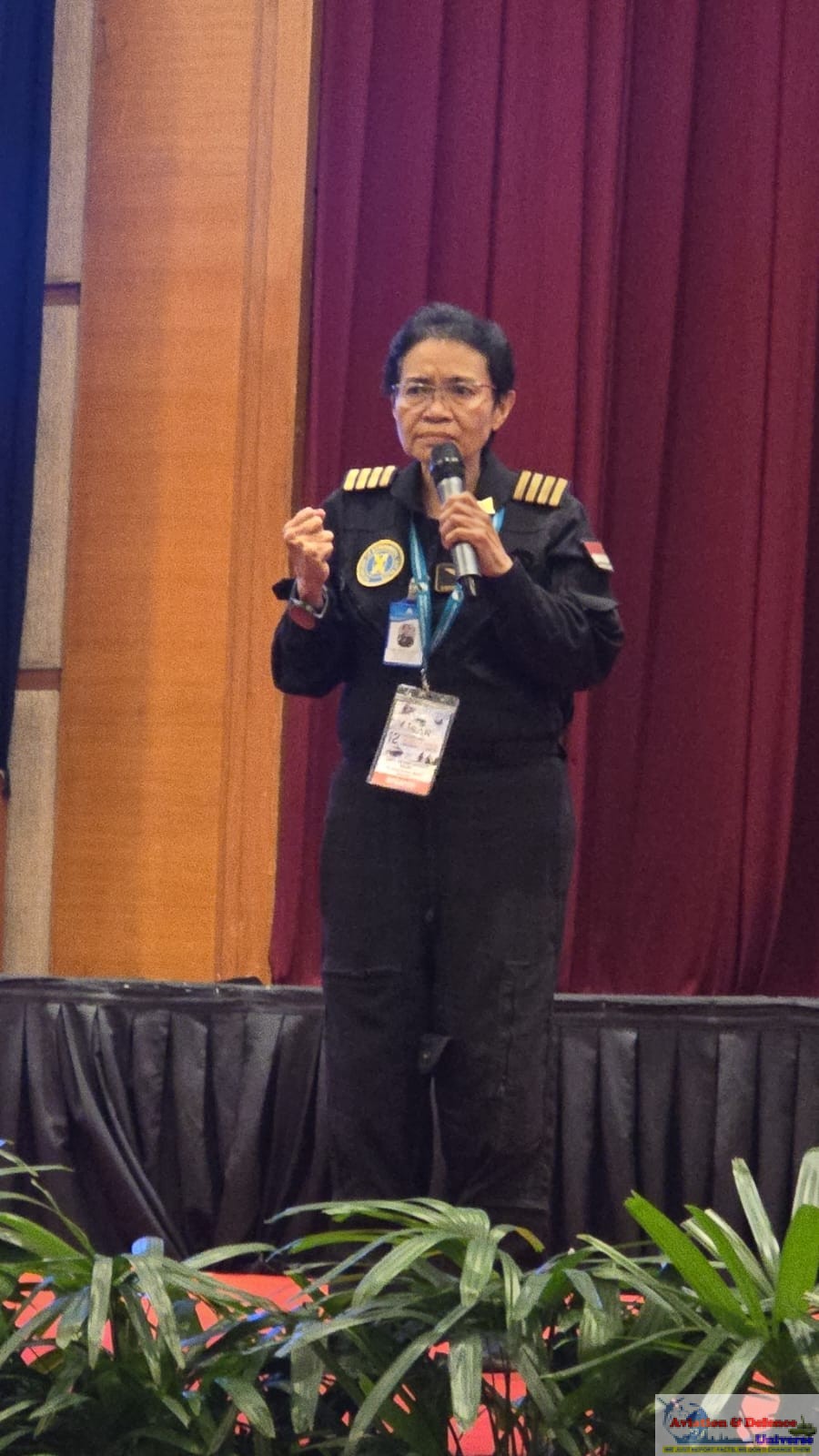 Although modern simulators increasingly incorporate artificial intelligence, adaptive learning systems and advanced visual technologies, Captain Esther repeatedly returned to the importance of the human element. “Technology is only as good as the people who use it.” She urged organisations to invest not only in equipment but equally in instructors, mentors and organisational learning. “The best simulator in the world cannot replace a culture of professionalism.”
Preparing for Tomorrow’s Rescue Missions
Looking ahead, Captain Esther predicted that simulation would become increasingly integrated with artificial intelligence, virtual reality and data-driven performance analysis. These technologies, she said, would allow rescue organisations to tailor training programmes to individual pilots while continuously improving operational readiness. Yet one principle would remain unchanged. “We train today for missions we hope will never happen—but if they do, we must be ready.” Concluding her presentation, she reminded delegates that successful rescue operations begin long before an aircraft takes off. Her presentation brought the Aviation SAR session to a fitting close by reinforcing the conference’s recurring message: advanced technology delivers its greatest value only when combined with disciplined training, sound judgement and experienced professionals.
Plenary Session 3 on Aviation Search and Rescue illustrated the extraordinary breadth of modern rescue aviation—from long-range helicopter rescues during typhoons over the South China Sea to nationally integrated SAR systems spanning deserts, mountains and coastlines, and finally to the sophisticated simulation technologies preparing pilots for emergencies they may encounter only once in a lifetime. Despite operating in vastly different environments, speakers from Hong Kong, Oman and Indonesia converged on a common philosophy: successful aviation search and rescue depends on people, preparation and partnerships as much as on aircraft and technology.
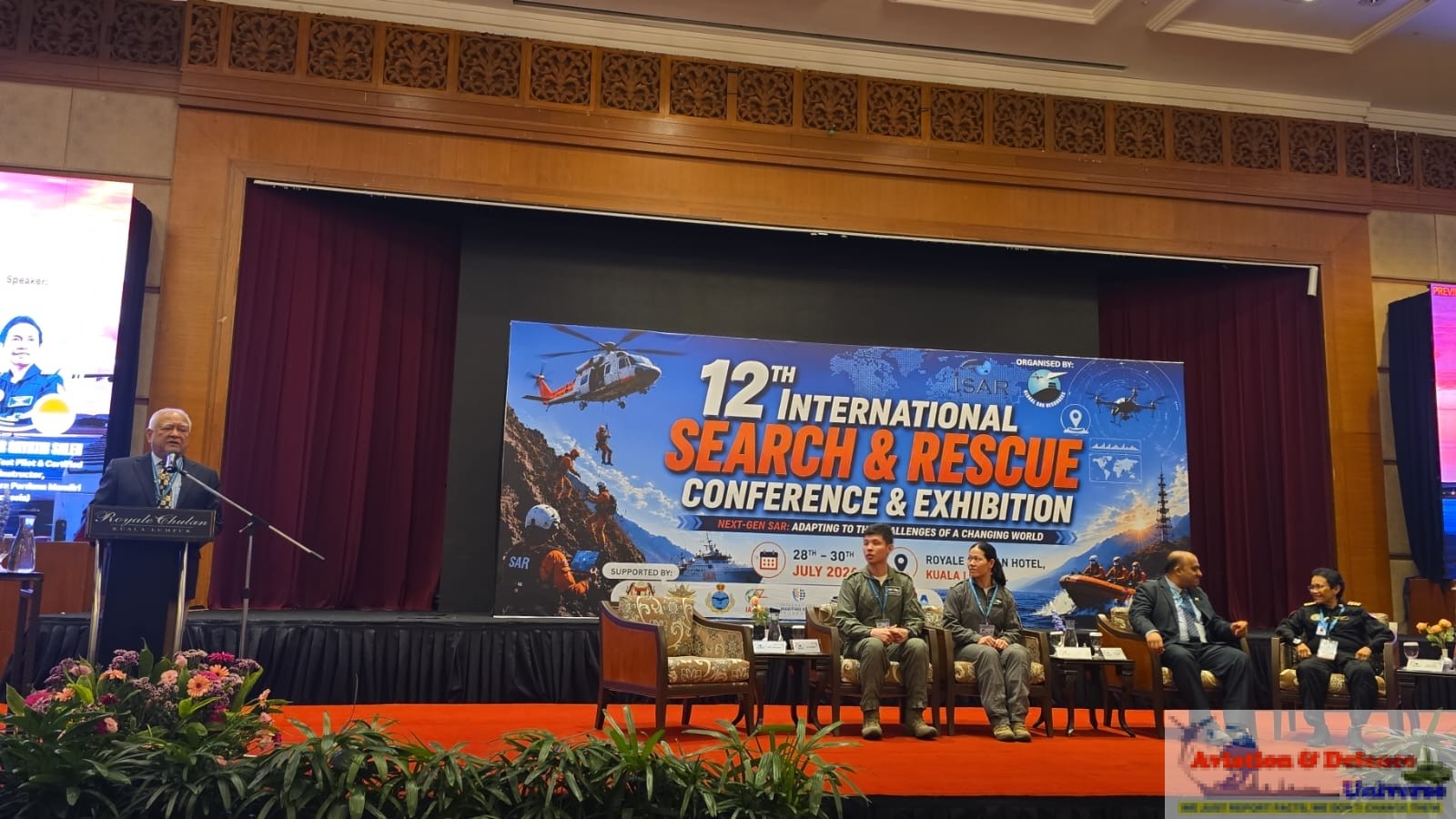 Captain Raymond Yu Sheung-hung and Heidi Ho Yuen-tung demonstrated how years of multinational planning and inter-agency cooperation made a complex cross-border rescue possible under extreme weather conditions. Colonel Dr. Ahmed Al-Sharyani highlighted how strong legislation, clearly defined responsibilities and continuous collaboration underpin Oman’s national SAR capability. Captain Esther Gayatri Saleh showed that simulation technology is transforming pilot training by allowing crews to experience the unpredictable in a safe learning environment before facing real emergencies.
Throughout the session, delegates were reminded that while artificial intelligence, digital systems and advanced aircraft continue to expand the capabilities of aviation SAR, the courage, judgement, professionalism and preparedness of rescue crews remain the decisive factors in saving lives. In an era of increasing climate-related disasters, expanding air traffic and more demanding operational environments, the Aviation SAR plenary reaffirmed that the future of rescue aviation will be built upon continuous training, technological innovation and international cooperation, ensuring that when the next distress call comes, responders are ready to answer it.








































































-A4-Size-(2)_page-0001.jpg)