


 18th BRICS Summit






- Professional Standards, Inclusive Leadership and Global Cooperation Define Maritime SAR
- One Ocean, One Mission: Global Experts Push for a More Resilient Maritime SAR System
- Saving More Lives at Sea- From Coordination to Capability: Road Ahead should have more Women
By Sangeeta Saxena
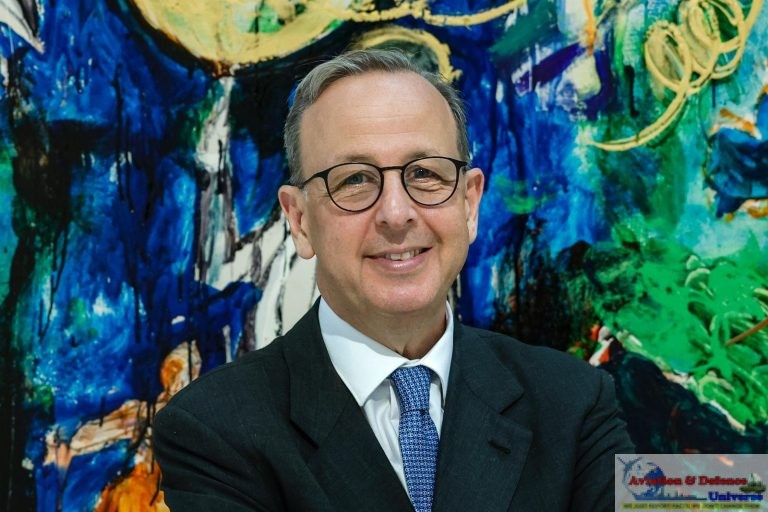
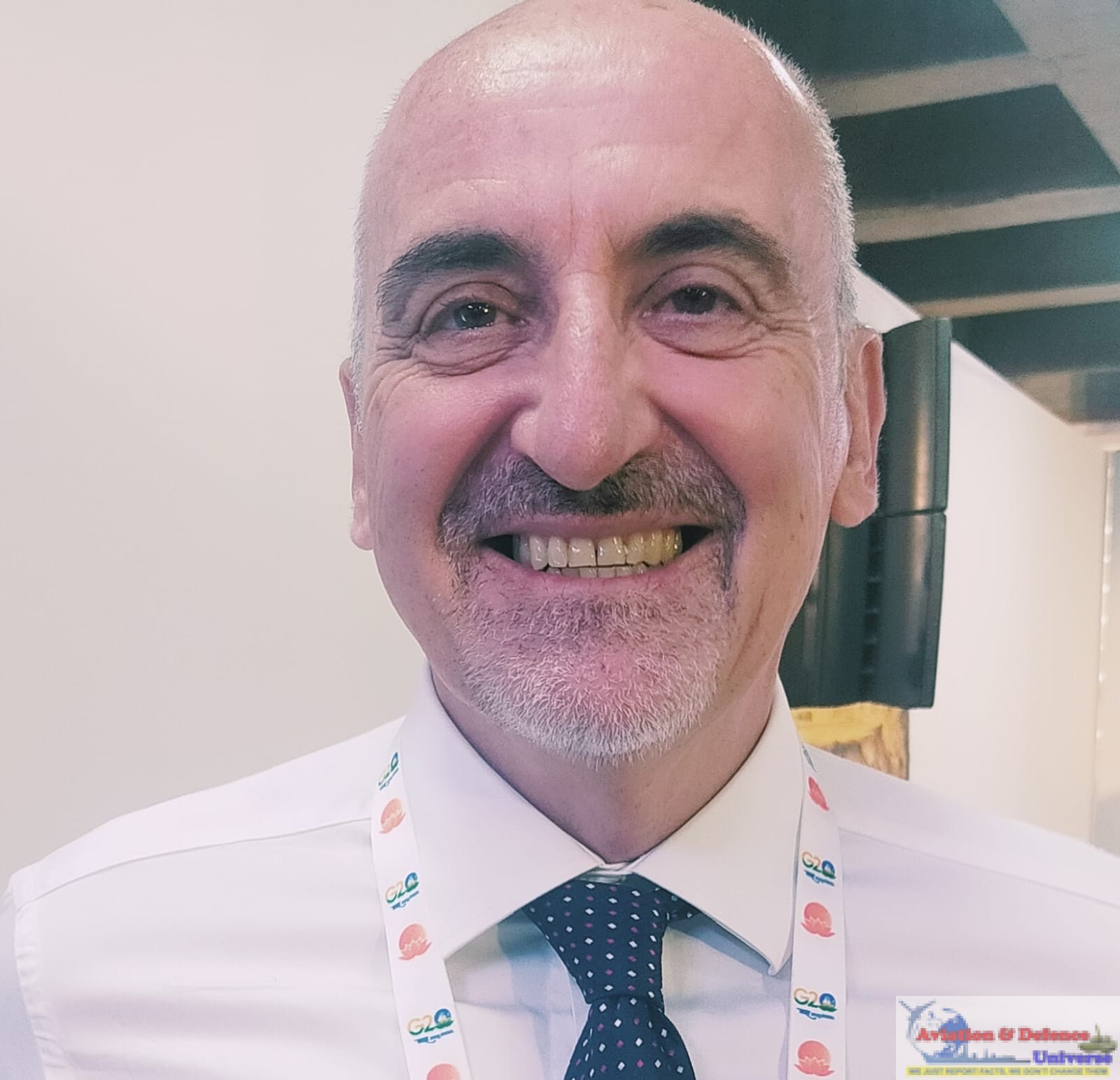
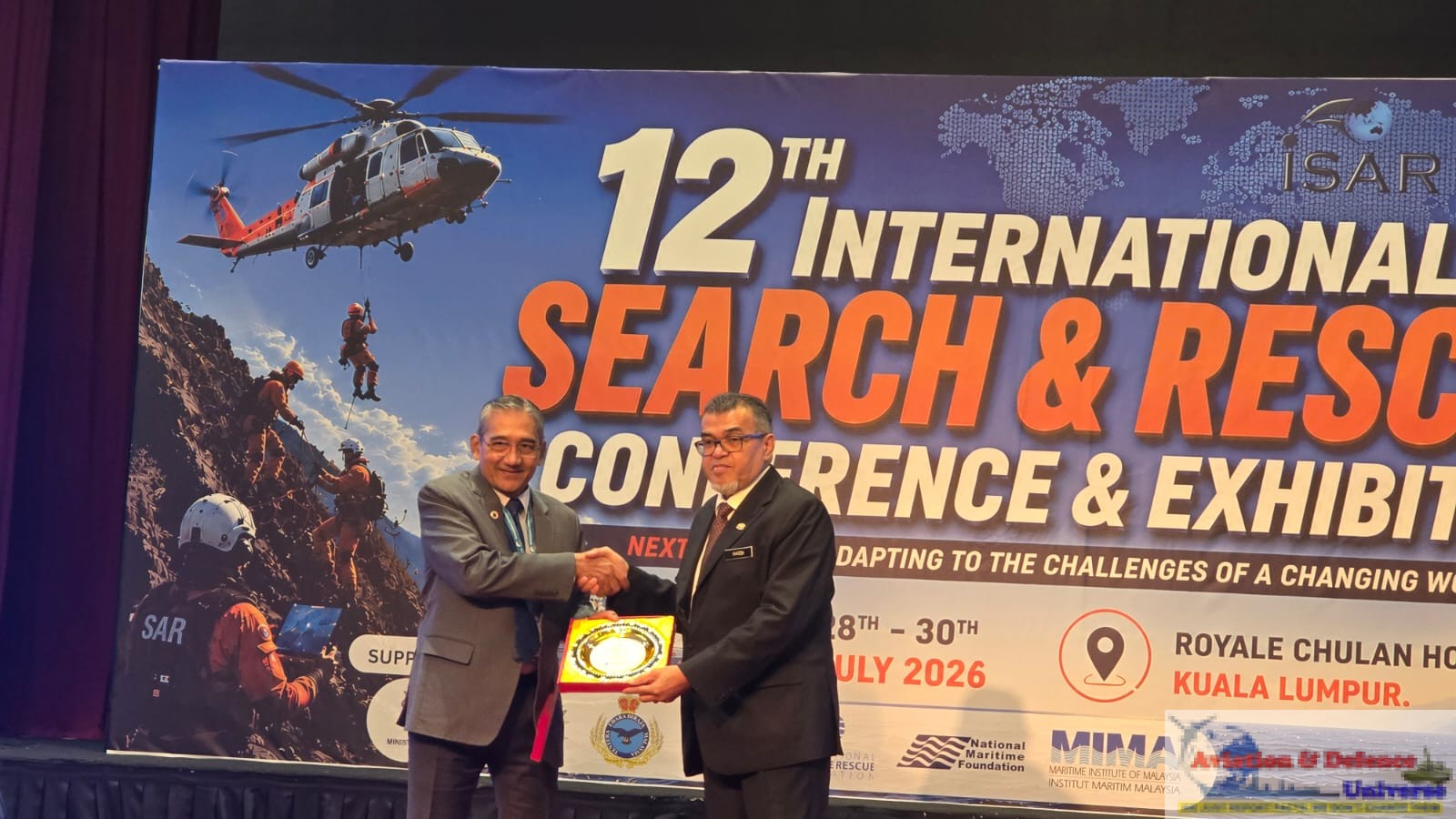
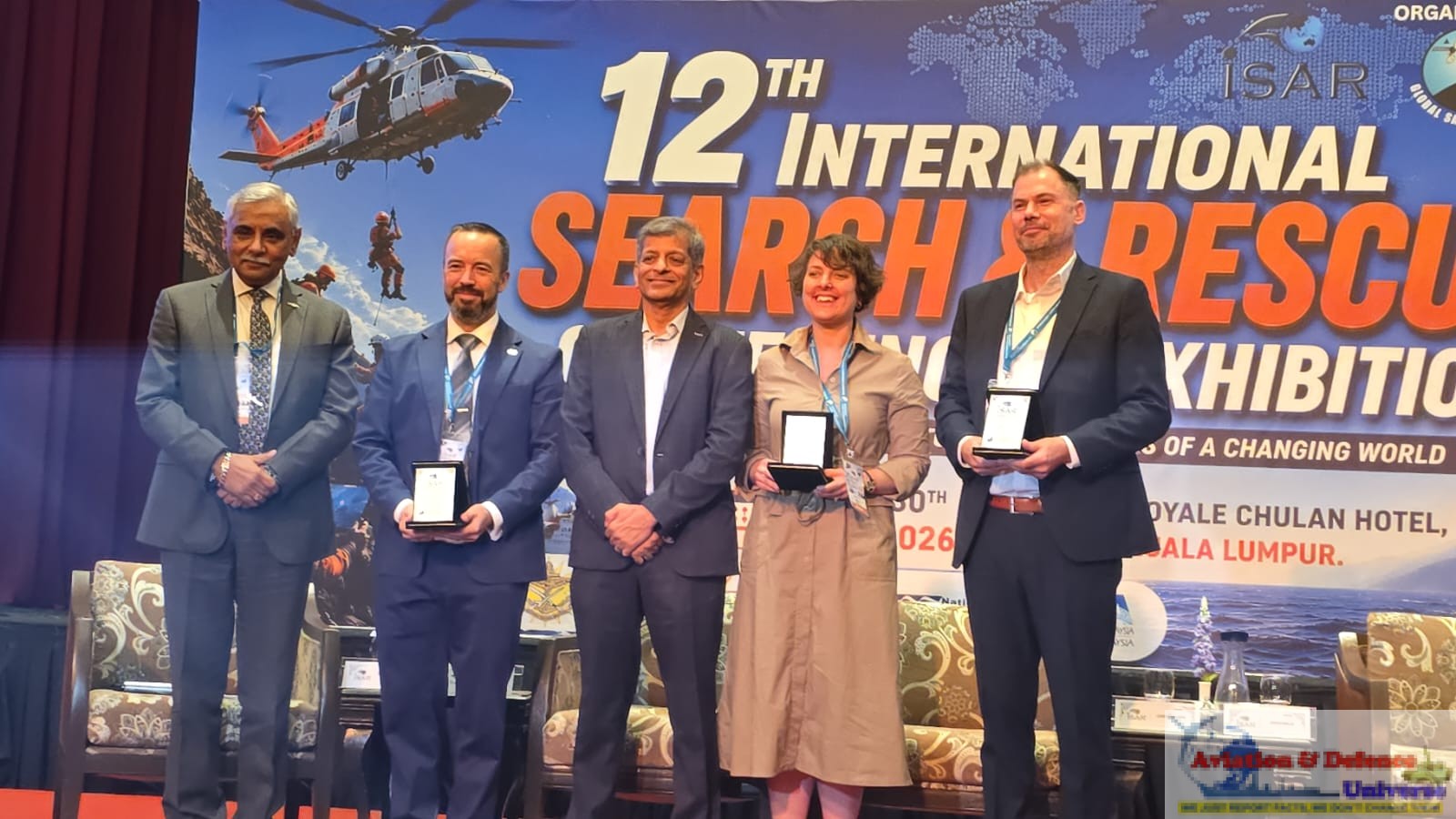
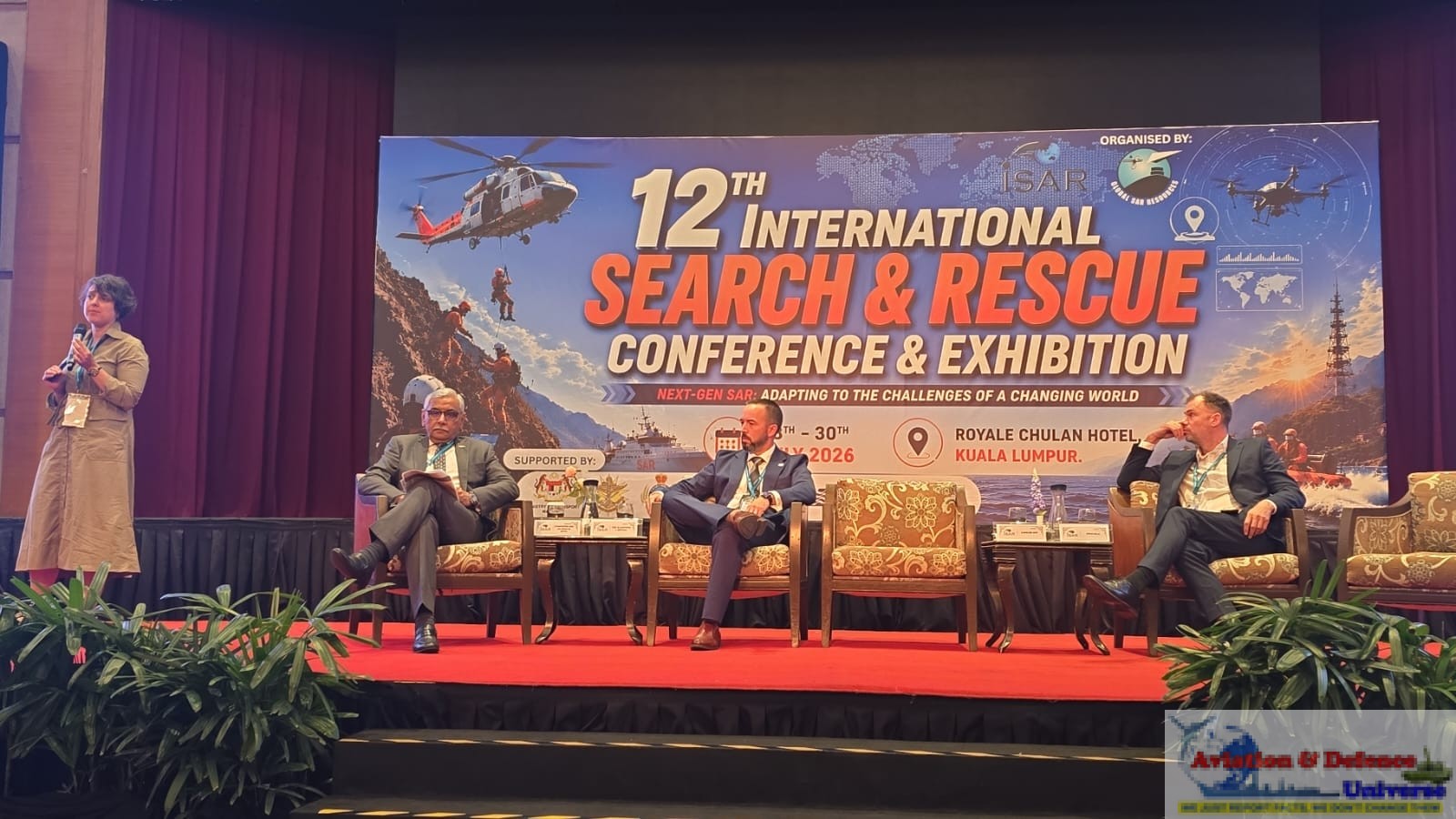
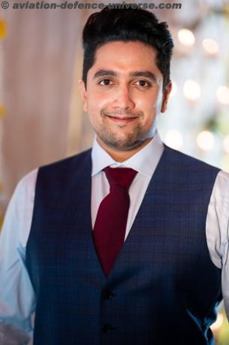
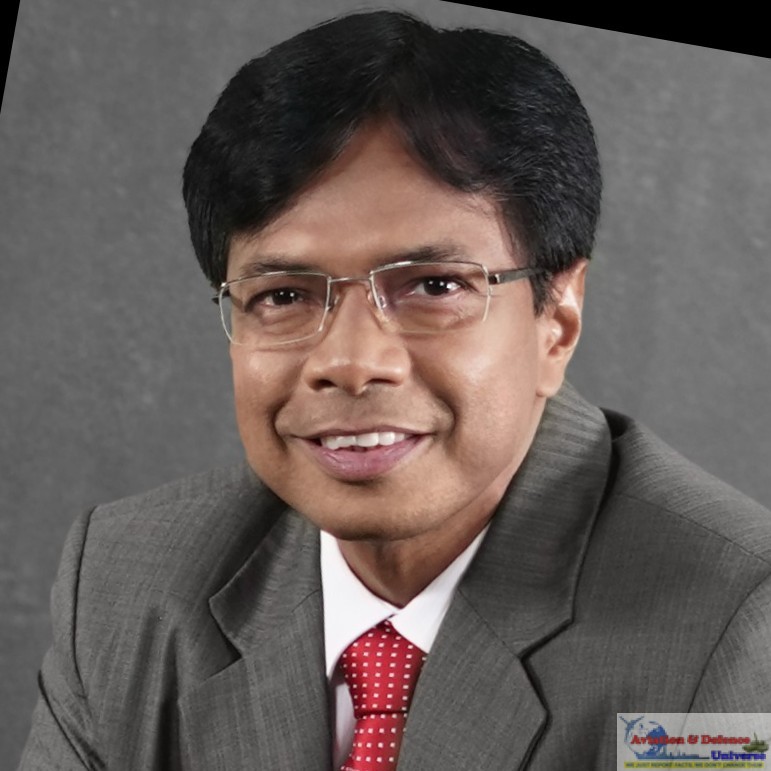
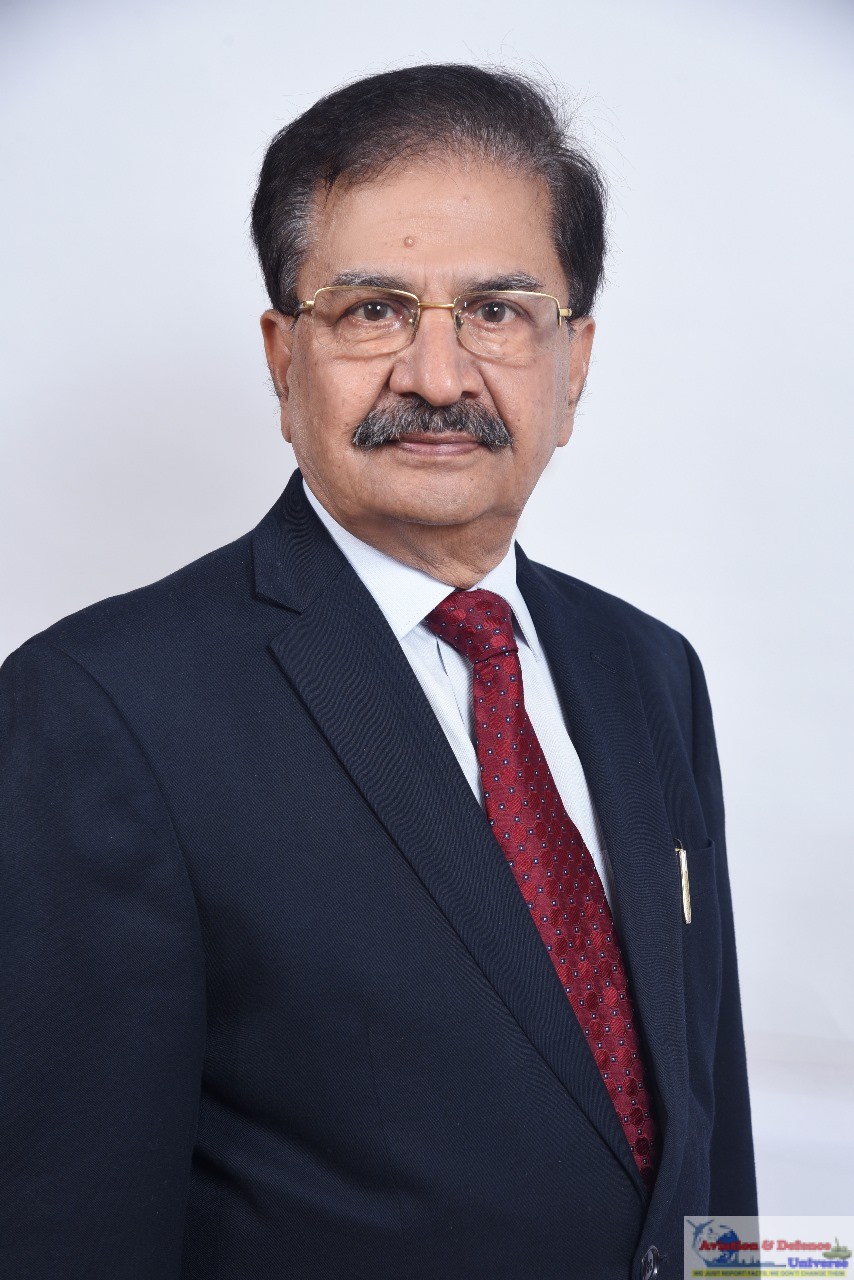
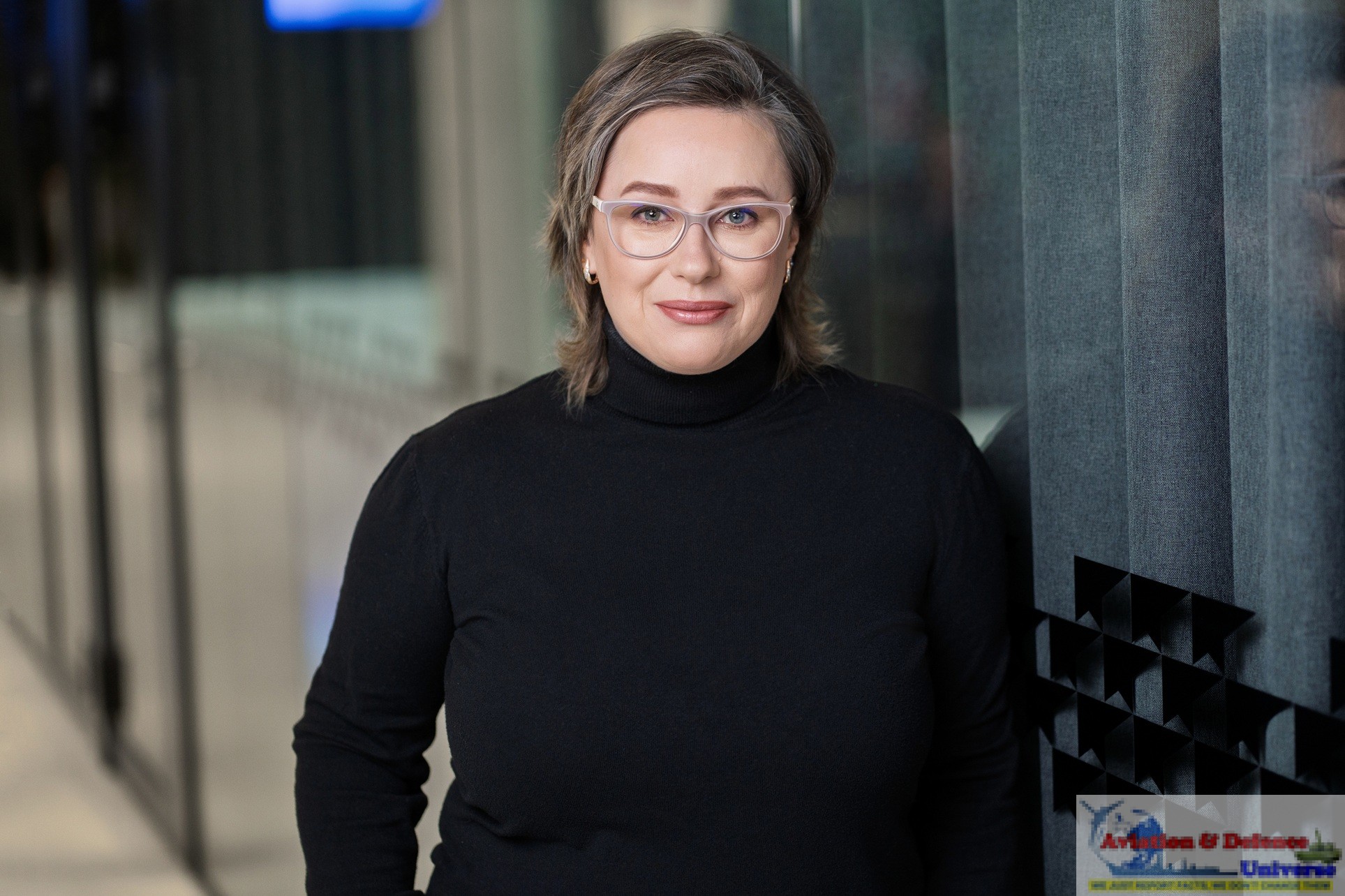
Kuala Lumpur. 30 July 2026. Every successful maritime rescue begins long before an emergency beacon is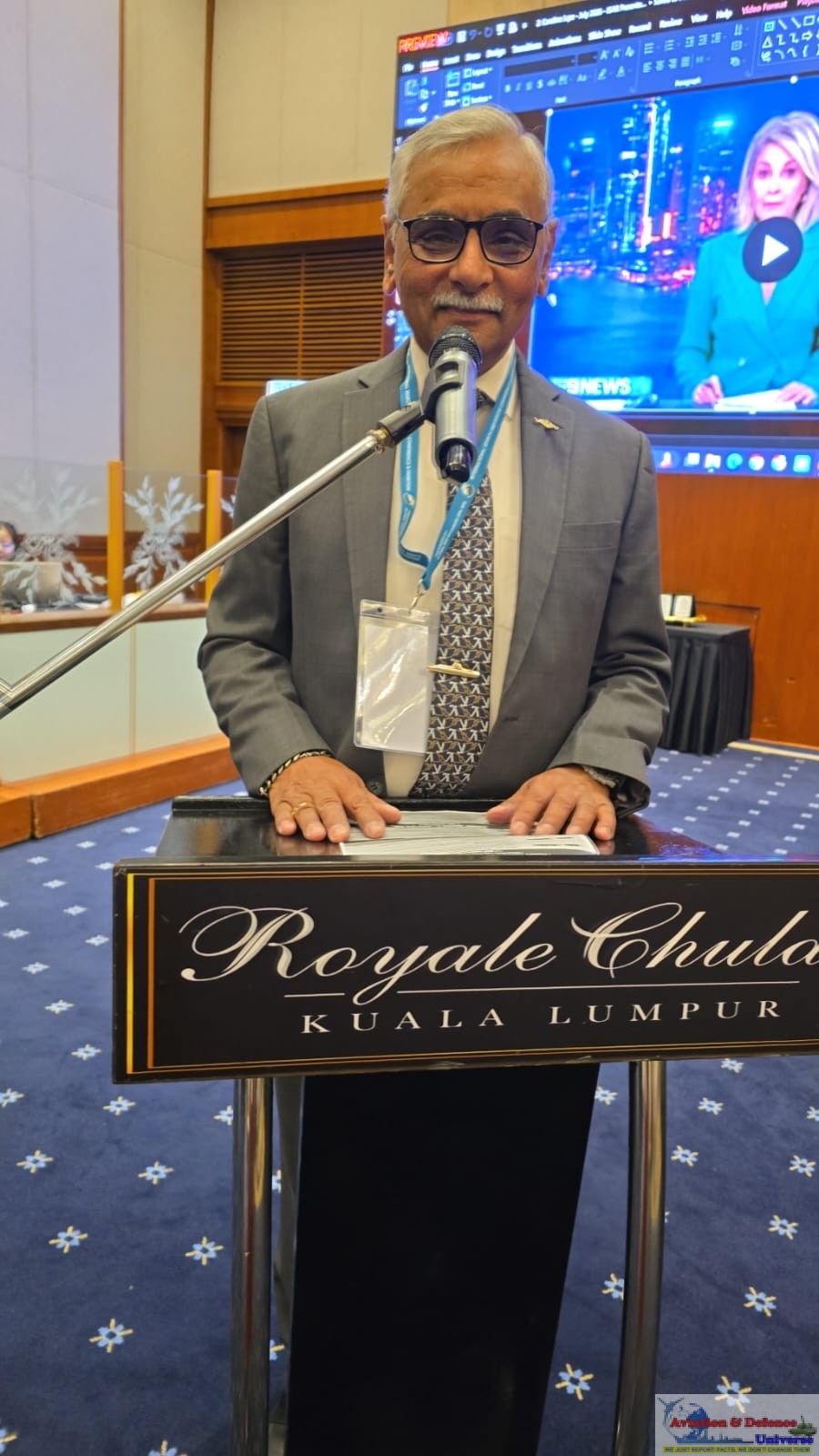 activated. It starts with professional training, internationally recognised standards, effective coordination and organisations that continually evolve to meet changing operational realities. These themes dominated Plenary Session 5 – Maritime Search and Rescue (SAR) at iSAR 2026, moderated by Commodore Anil Jai Singh, IN (Retd.), where three internationally respected maritime SAR leaders examined the future of global rescue operations from complementary perspectives. Commander (Retd.) Matthew J. Mitchell, Founder and CEO of the International Association of SAR Coordinators (IASARC), outlined the urgent need to professionalise SAR coordination through global certification and standards. Caroline Jupe, Chief Executive Officer of the International Maritime Rescue Federation (IMRF), highlighted the importance of diversity and the growing role of women in strengthening operational capability. Steve Wills, Project Specialist at IMRF, presented the findings of the Global Maritime Search and Rescue System Review, a landmark effort to strengthen resilience, coordination and preparedness for the decades ahead. Together, the speakers painted a compelling picture of a sector undergoing profound transformation—one where professionalism, inclusion, technology and international cooperation will define the future of saving lives at sea.
Professionalising Search and Rescue Coordination
Opening the technical presentations, Commander (Retd.) Matthew J. Mitchell, Founder and CEO of the International Association of SAR Coordinators (IASARC), argued that although search and rescue has evolved enormously over the decades, one critical component still lacks global professional recognition—the SAR coordinator. He explained that IASARC was established specifically to bridge this gap by creating internationally recognised professional standards for SAR coordination. Drawing from his own career, Mitchell told the gathering that his motivation stemmed from years of operational and policy experience.
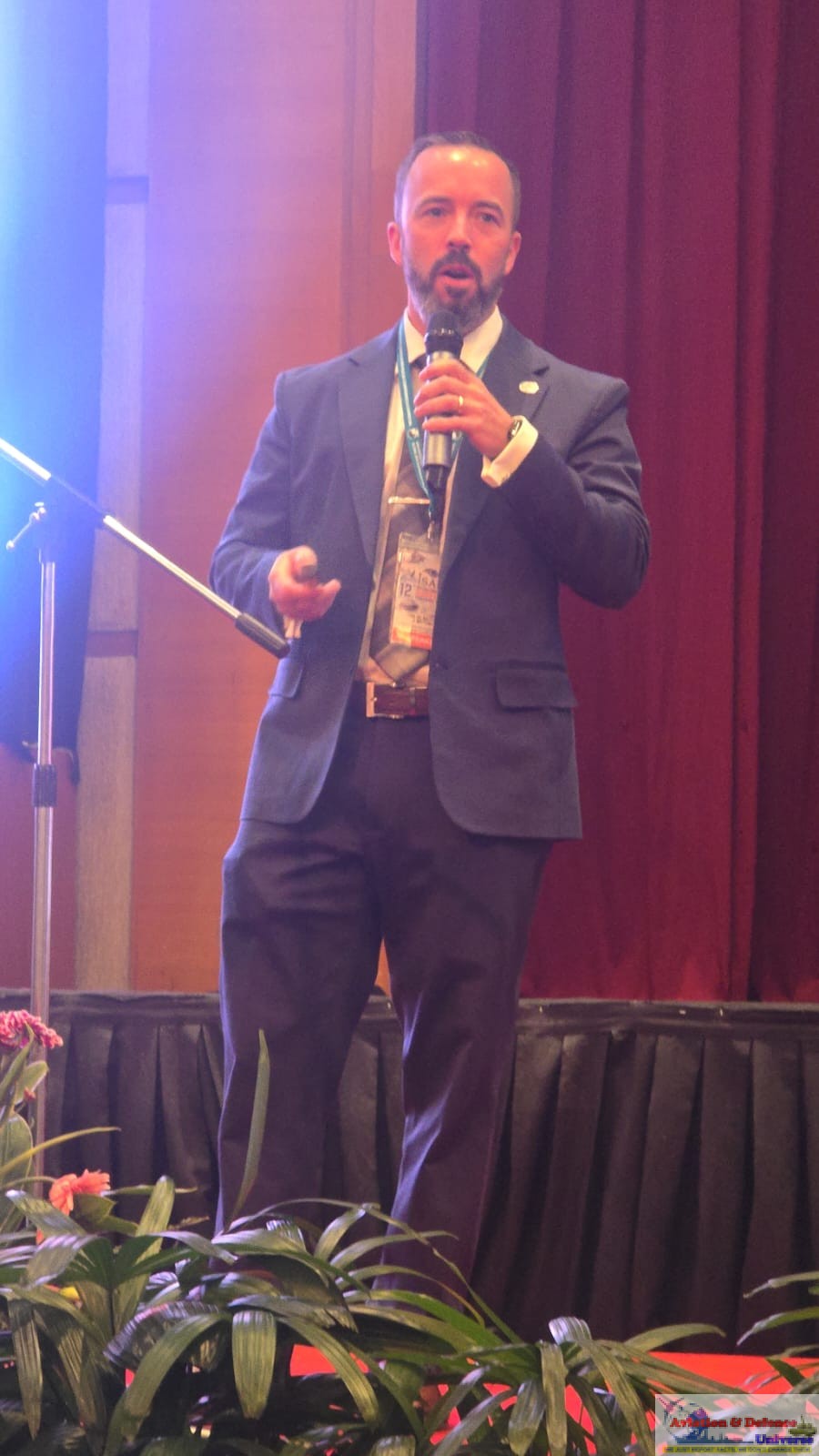 “I’m a retired US Coast Guard officer. My career spanned from being on the boats pulling people out of the water to being the person at the national level developing policy. I took a holistic global view of search and rescue and, since retiring, have sought to professionalise the coordination component of search and rescue.” Mitchell observed that most public safety disciplines have already evolved into recognised professions with independent standards and certification. “If you look at any public safety disciplines such as firefighting, emergency medicine or emergency management, most public safety disciplines have evolved from just a discipline or a field of practice to a publicly recognised profession.” Search and rescue coordination, however, remains an exception. “Generally, the way you do that is you create a professional association to advocate for the professionals, develop standards and, most importantly, develop a certification programme to incentivise a level of professional conformity around the world.”
Why Certification Matters
Mitchell stressed that SAR already possesses internationally accepted operational guidance through the International Aeronautical and Maritime Search and Rescue (IAMSAR) Manual, but lacks a globally recognised performance benchmark. “In search and rescue coordination, we have good standards with the IAMSAR volumes and several other documents. But we haven’t had a performance benchmark. We haven’t had a global certification programme that is able to promote the level of conformity around the world and ultimately raise the standards and raise the performance around the world.”
He described this as IASARC’s principal mission. “Our primary mission is to advance the profession of SAR coordination.” Independent Certification Builds Credibility. One of Mitchell’s strongest messages was that professional certification must remain independent from training providers. Using an analogy familiar to every profession, he explained, “You can’t grade your own homework.” He elaborated, “There’s actually an ISO standard that says if you’re going to be a certifying body, you cannot also provide the training. It’s a natural conflict of interest. Certifying bodies are separate and training providers are separate.” Drawing comparisons with medicine, law and engineering, he added “Think about a medical professional. The hospital doesn’t certify them. That’s done by an independent board. The same applies to attorneys, engineers, architects and aviators. The hallmark of a profession is that there is a level of professional integrity above and beyond just a rudimentary job.”
Training Alone Is Not Enough
Mitchell explained that IASARC’s certification framework evaluates far more than classroom instruction. “The certification that we have is not just training, but training, experience and professional contribution. We look at the whole person and all of their talents and skills.” Rather than prescribing a particular training provider, IASARC focuses on internationally recognised competencies. “We spent about two years going through all the relevant standards, identifying those which are the most critical, and we simply apply those standards. We don’t say you have to be trained by one particular organisation—we simply define the requirements.”
During his presentation, Mitchell also discussed how emerging technologies can improve SAR coordination while ensuring human decision-making remains central. He highlighted ongoing research into decision-making itself. “We’re also doing some studies in cognitive biases… basically, how do we think when we make decisions in search and rescue.” Drawing lessons from the Space Shuttle Challenger investigation, he explained: “We actually have a research psychologist who wrote the final paper on the Challenger doing our studies now to look at cognitive biases in search and rescue.” IASARC is also exploring artificial intelligence. “We’ve partnered with the Behavioural Governance Institute to develop a platform for adaptive learning… a special-purpose avatar that can answer questions in multiple languages.”
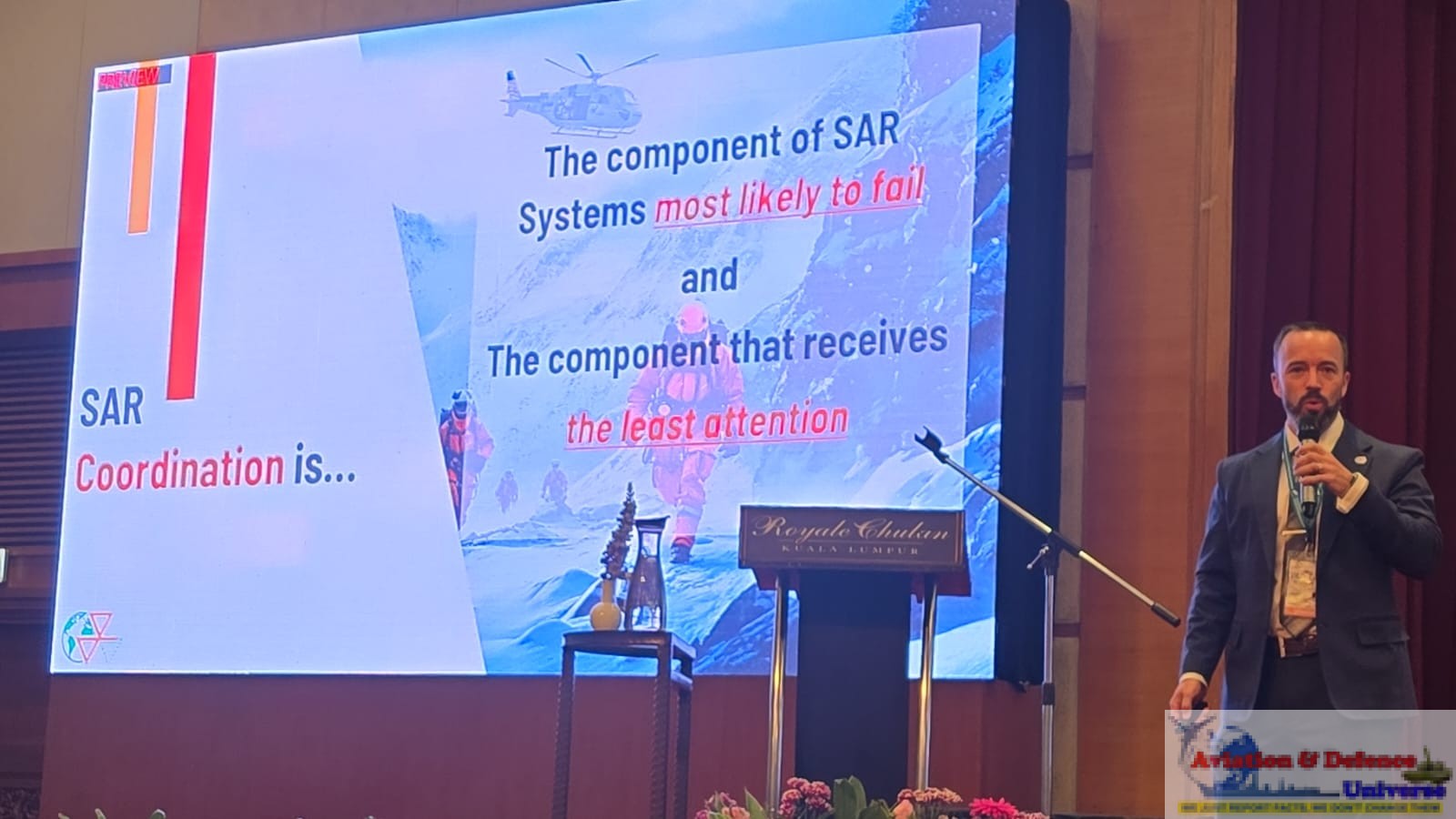 Later, Mitchell added technology initiatives are only one part of professionalisation. “It’s not just enough to focus only on the people—which is clearly the most important part—but you have to ensure that the scientific and technology industries support them with the adequate tools.” Although headquartered in the United States, Mitchell emphasised that IASARC has been international from its inception. “It is founded in the US, but we are an international organisation. Our member organisations hail from a number of different countries. Roughly 30 different countries have participated in our organisation.” Rapid growth is already shaping future plans. “We’ll likely have to set up regional offices. I see a day probably within the next two years where we’ll begin standing up IASARC Asia and IASARC Africa, while North America continues separately. That way you can have the same standards applied everywhere but with regional nuances.”
Concluding his address, Mitchell reflected on IASARC’s remarkable growth. “We are a new organisation. We are less than two years old. We’ve made a lot of progress, but that progress was only because of the number of organisations that entrusted us.”
He thanked organisations including His Majesty’s Coastguard, IAMSAR Solutions, SAR-1 Canada and many others for their support before inviting delegates to participate. “If you’re interested in joining our movement to advance the profession of SAR coordination, we’d love to have you.” Moderator Commodore Anil Jai Singh (Retd.) praised the presentation, noting that Mitchell had highlighted the growing importance of technology-enabled coordination and international cooperation. “SAR resources for every country are precious resources. If we can optimise them across maritime, oil and gas, land and aviation, technology can make our SAR efforts far better and much more cooperative among nations.”
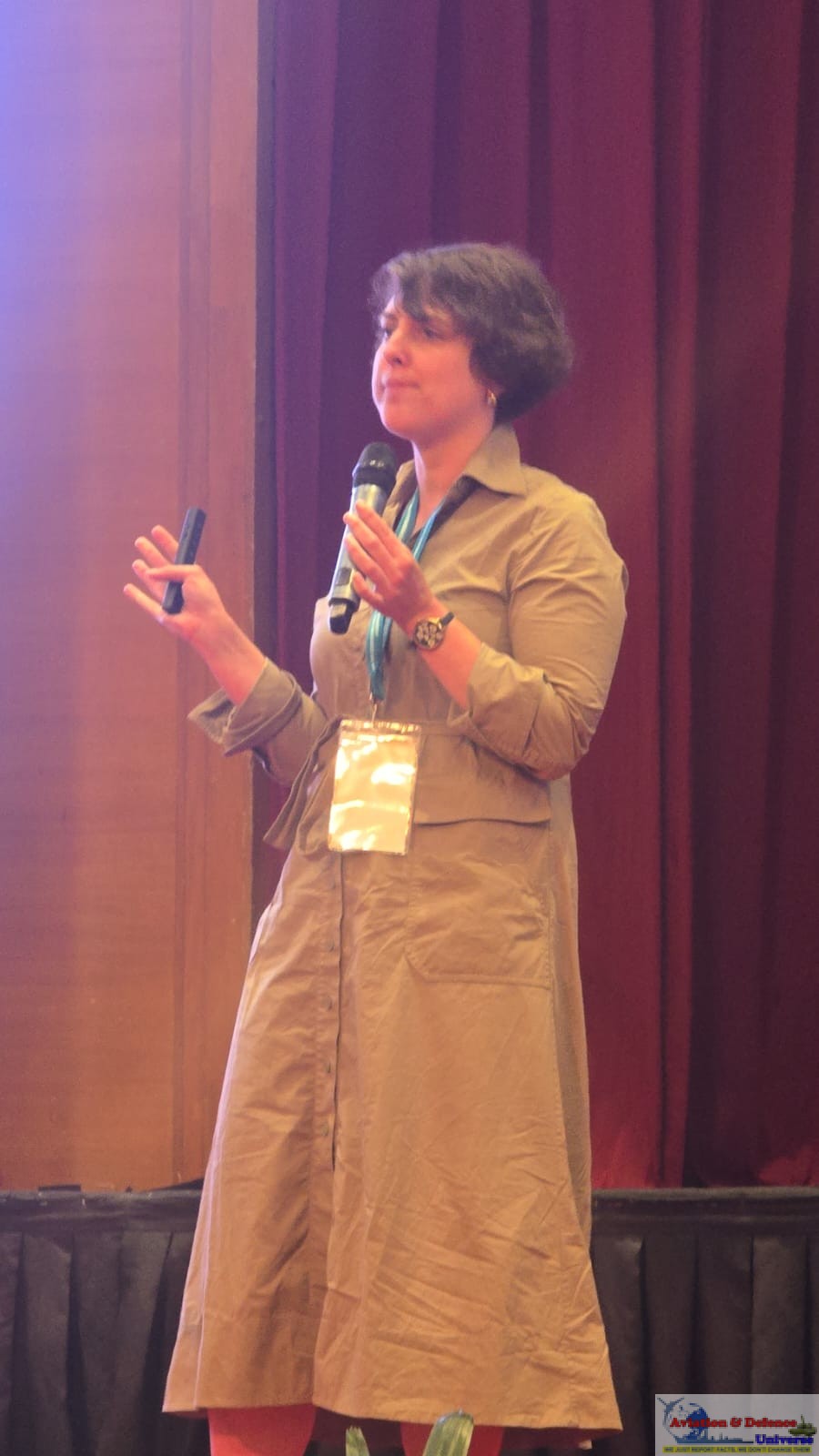 Following Commander Matthew Mitchell’s presentation on professionalising SAR coordination, Caroline Jupe, Chief Executive Officer of the International Maritime Rescue Federation (IMRF), United Kingdom, shifted the focus from systems and standards to people. Her presentation, “Women in Search and Rescue,” highlighted why diversity is no longer simply a matter of equality but an operational necessity for the future of global search and rescue. Introducing the IMRF, Jupe explained the organisation’s long heritage and global mission. “We’ve been around for 102 years… We do research… we do a lot of advocacy… we work with the IMO, the World Health Organisation, the ICRC and other partners, always ensuring that frontline SAR operational experience is fed into international regulation and policy.” She described IMRF as far more than a representative body. “We’re also a membership organisation. We offer a platform for our members to train together, we run conferences, forums and practice. The key is networking and knowledge sharing. The core of what we do is all about developing SAR capability globally. The organisation’s guiding philosophy, she said, is simple yet ambitious. “Our vision… is zero lives lost on the world’s waters. And our mission is developing SAR capability globally and strengthening that system.”
Increasing Women’s Representation
Turning to the central theme of her address, Jupe explained that the Women in SAR Initiative, launched in 2019, aims both to increase women’s participation and to raise the visibility of those already serving in rescue organisations. “The core of the initiative is about increasing representation of women in SAR and also raising the profile of women who are currently working in SAR.” She acknowledged that although progress is evident, significant barriers remain. “Women are significantly underrepresented in our sector, but that is changing.” Evidence, she stressed, must drive policy. “For us, it’s always really important that we have evidence. We want to track the progress of what we’re doing. Our last survey showed that we are making change. We are seeing increasing numbers of women coming into the sector and staying in the sector.”
Removing Practical Barriers
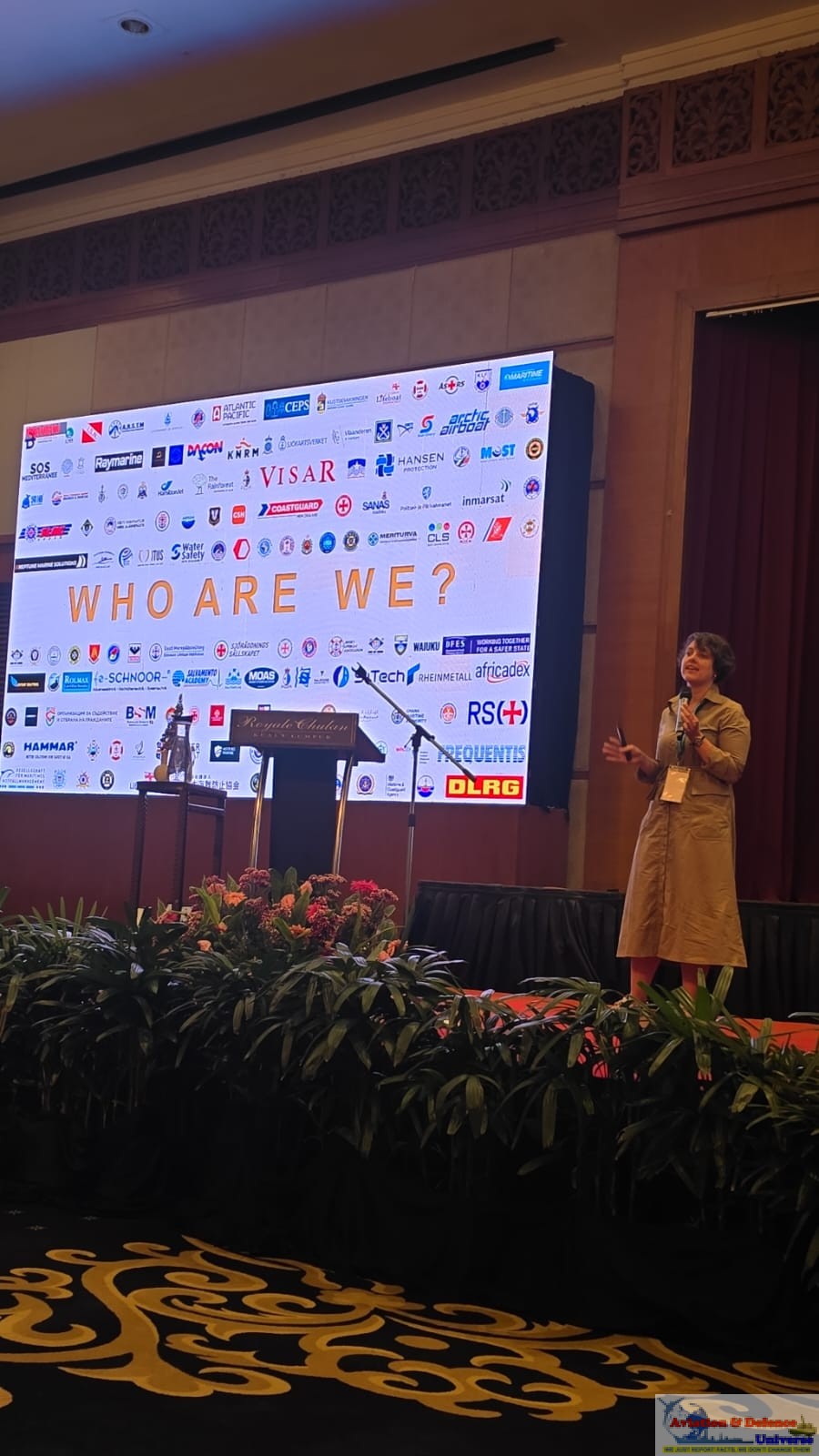 Jupe highlighted that many challenges facing women are surprisingly basic. “Some SAR organisations still don’t have adequate PPE for women. Some SAR units don’t even have women’s changing facilities.” Leadership pathways also require reform. “Sometimes leadership pathways are very much focused on men… they don’t account for childcare responsibilities. But actually those flexible pathways can benefit men as well.” Yet despite these obstacles, women consistently report positive experiences. “Women tell us they love working in the sector. Men also tell us they love having women colleagues. There are lots of positive elements that come across about working together.”
One of the strongest findings from IMRF’s research concerns mentoring. “Mentoring is one of the things that really helps women stay in the sector once they get into the sector. It’s really good peer-to-peer support and it’s very cost-effective.” She encouraged organisations worldwide to establish similar programmes. “If your organisation is looking to increase peer-to-peer support, run a mentoring scheme.” Interestingly, the IMRF’s Women in SAR Award is not restricted to women. “One year that award was won by a man… because increasing the representation of women isn’t just about talking to women—it’s about talking to men and asking what they can do to help women join and stay.”
Diversity Improves Operational Capability
Jupe firmly rejected the notion that diversity is simply a social objective. “Not only is it the right thing to do, we also need to do it to ensure that our sector can still respond successfully to search and rescue incidents now and in the future.” She explained that SAR organisations increasingly compete with other industries for skilled professionals. “We need to ensure we’re recruiting the best talent. We need to ensure we’re talking to everyone because when we rescue people in the water, we rescue everyone. So why would we not want everyone to join?” Operational effectiveness also benefits. “Numerous studies have shown that diversity increases operational capability… Search and rescue relies on humans making the best decisions. Having a diverse team really helps that decision-making process.”
 However, recruitment alone is insufficient. “Inclusion is key. Because inclusion gets people to stay.” Among the simplest recommendations offered during the session was also one of the most powerful. “Sometimes it’s as simple as when you’re recruiting, put a photo of a woman on the advertisement. Don’t just put a photo of a man. Or maybe put both.” She explained why. “Visibility is key. If you see somebody who looks like you, you’ll think, ‘I can do that job.'” She also encouraged SAR organisations to engage directly with schools. “If young schoolgirls see a woman carrying out a role in search and rescue, they can see that it’s possible for them to join.” Closing her presentation, Jupe expressed a hope that resonated across the conference. Responding to moderator Commodore Anil Jai Singh’s observation that women were breaking barriers every day, she reflected on her own daughter. “My daughter is ten. She wants to play football. Twenty years ago that wasn’t an option for me.” Her aspiration extends far beyond sport. “I really hope that in 10 to 20 years’ time, Women in SAR doesn’t actually exist. Because if Women in SAR doesn’t exist, it means we’ve achieved equality and equity… That gives me hope for my sector.”
Strengthening the Global Maritime Search and Rescue System for the Future
The final presentation of the plenary shifted the focus from professional development and diversity to the future resilience of the international maritime search and rescue architecture. Steve Wills, Project Specialist at the International Maritime Rescue Federation (IMRF), United Kingdom, presented the findings of the Global Maritime Search and Rescue (GMSAR) System Review, an ambitious international initiative designed to evaluate the strengths, weaknesses and future readiness of the world’s maritime SAR system. Introducing the project, Wills explained that the review was unprecedented in its scope. “This is the first 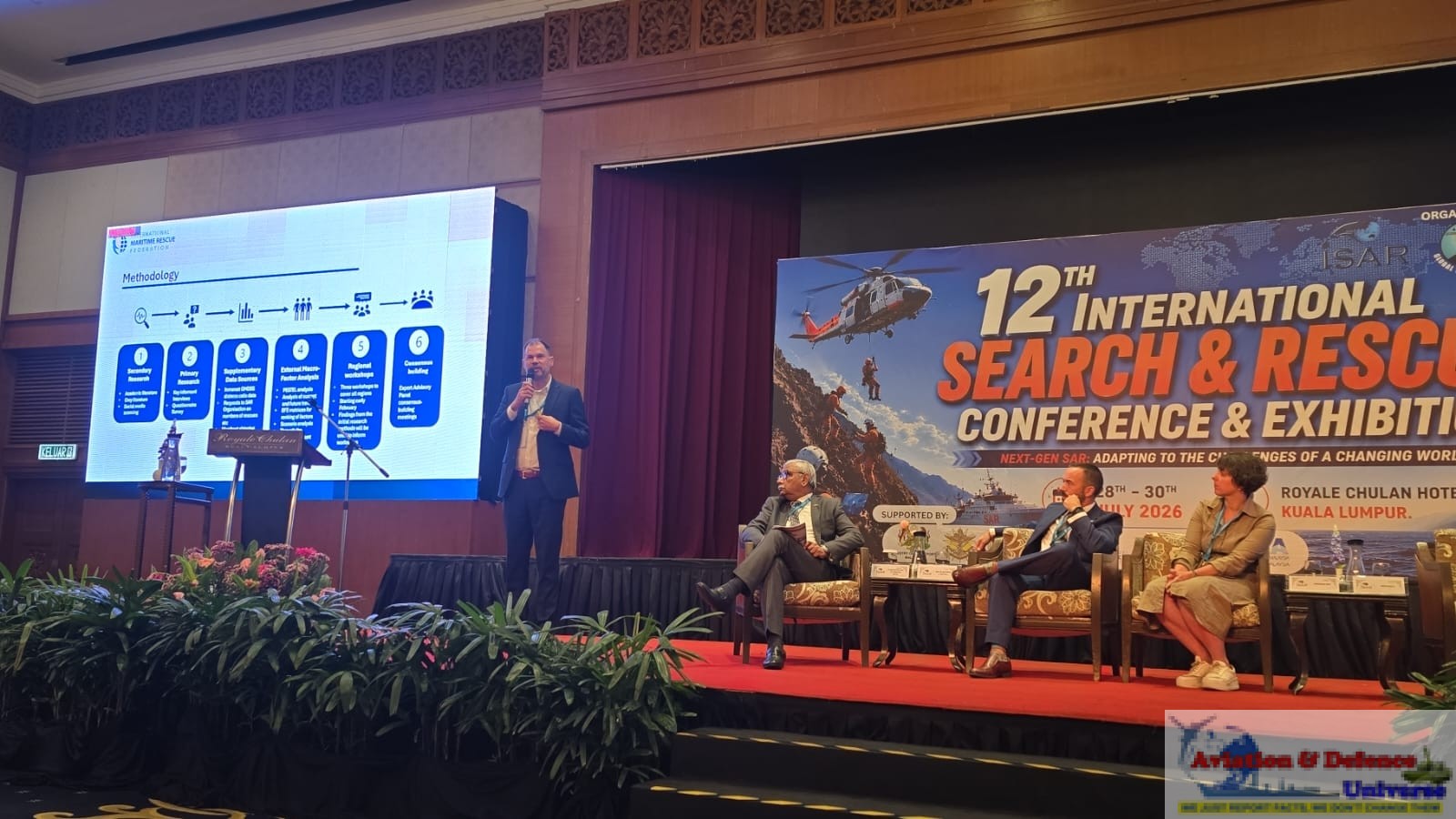 comprehensive review of the global maritime search and rescue system that has been undertaken for many years. The objective is to understand where the system works well, where the gaps exist and what recommendations can strengthen resilience for the future.” He emphasised that the review was not about criticising existing SAR organisations but about identifying opportunities for improvement. “This is not about finding fault. It is about identifying opportunities to improve capability and resilience across the global SAR community.” Wills explained that the study drew upon extensive consultation with SAR organisations, governments, coast guards, volunteer rescue services and international partners. “We’ve engaged with rescue coordination centres, coast guards, volunteer organisations, commercial shipping, regulators and international organisations. We wanted to hear from everybody involved in maritime search and rescue.” The review covered every aspect of the rescue system. “We examined governance, legislation, funding, training, coordination, technology, communications, volunteer capability and international cooperation.”
According to Wills, the operating environment is changing rapidly. “The demands placed upon maritime search and rescue services continue to grow.” He cited several contributing factors. “Climate change, increased maritime traffic, offshore renewable energy, migration, tourism and changing patterns of commercial shipping all influence the demand placed upon rescue services.” These evolving risks require corresponding changes in preparedness. “The system that served us well yesterday may not necessarily be sufficient tomorrow.”
Building Resilience Rather Than Reacting
A central theme of the review was resilience. “Resilience is not simply about responding effectively. It is about anticipating disruption, adapting to changing circumstances and recovering quickly while maintaining capability.” He argued that resilience must be embedded throughout the SAR system. “Resilience has to be 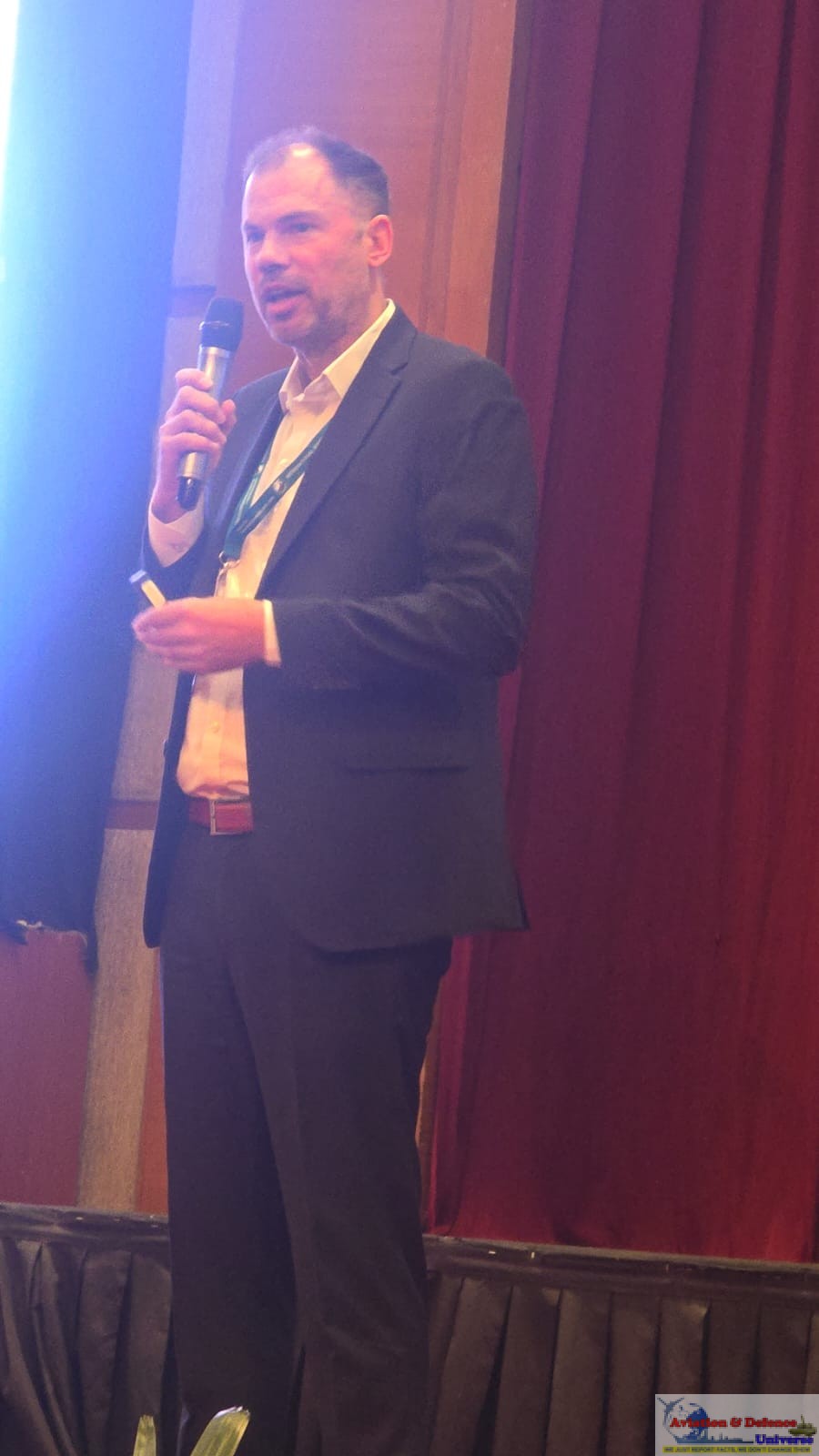 designed into organisations, systems, partnerships and people.” People Remain the Most Important Capability While acknowledging rapid technological advances, Wills repeatedly stressed that people remain the foundation of effective search and rescue. “Technology is an enabler, but people remain our greatest capability.” Investment in personnel therefore remains essential. “Recruiting, training, retaining and supporting skilled people remains fundamental to the future resilience of maritime search and rescue.” Volunteer organisations deserve particular recognition.”Around the world, volunteers continue to make an extraordinary contribution to maritime search and rescue capability.” The review also examined emerging technologies. “Digital technologies, artificial intelligence, satellite services, autonomous systems and improved communications all present significant opportunities.” However, Wills warned against adopting technology without operational planning. “Technology should never be introduced simply because it exists. It must solve an operational problem.” Successful implementation depends on integration. “Technology must support people and procedures—not replace them.”
International Cooperation Is Non-Negotiable
Given the borderless nature of maritime emergencies, Wills argued that cooperation between nations remains indispensable. “No nation can operate in isolation when it comes to maritime search and rescue.” He encouraged greater collaboration. “Information sharing, joint exercises, common standards and mutual assistance all strengthen the global SAR system.” The objective, he said, is interoperability rather than uniformity. “Countries don’t need identical systems. They need systems that can work effectively together.”
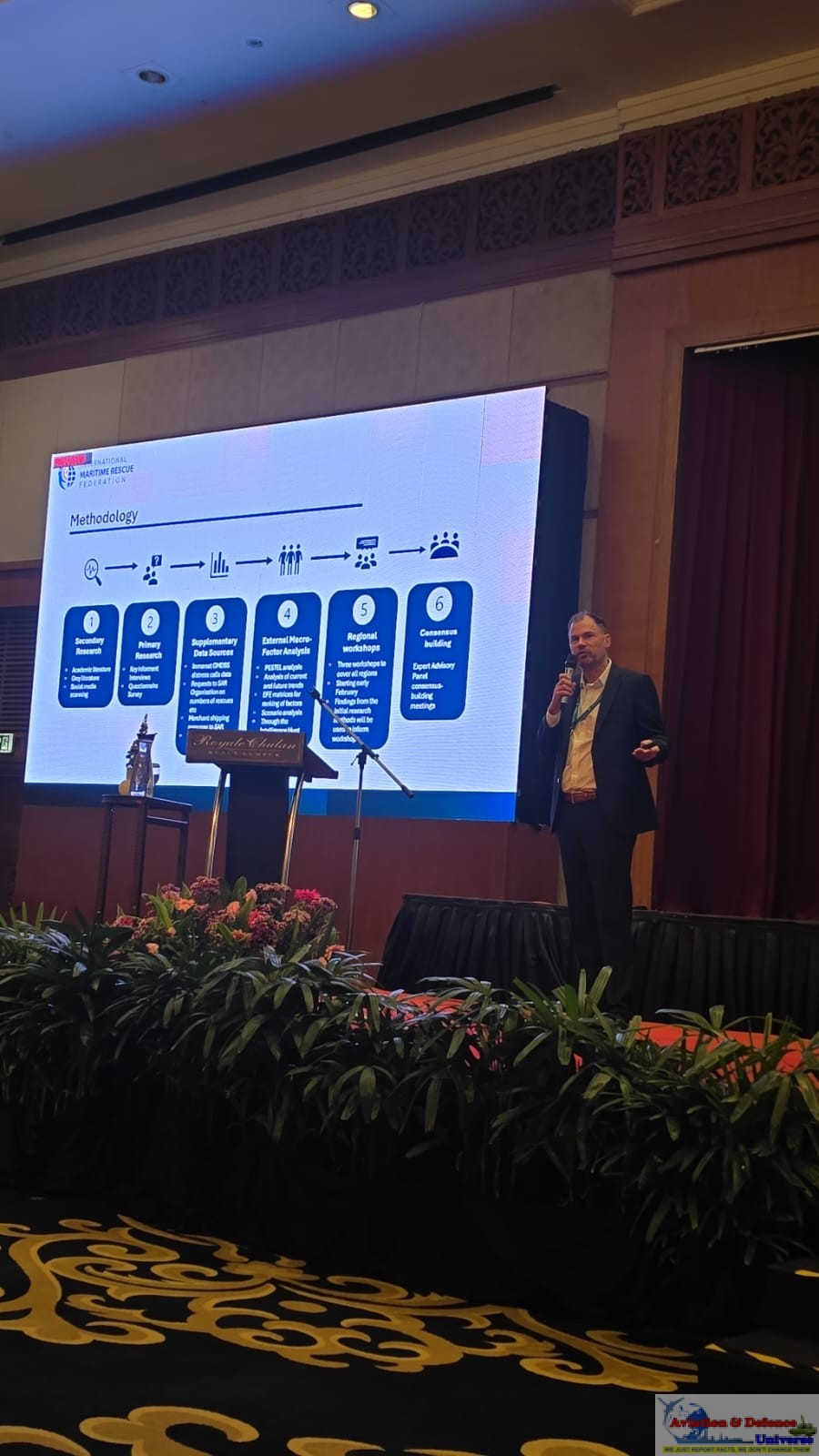 Another recommendation centred on continuous improvement. “Every operation provides lessons. Every exercise provides lessons. The important thing is ensuring those lessons are captured, shared and implemented.” He encouraged organisations to build strong feedback mechanisms. “Learning organisations become resilient organisations.” Concluding his presentation, Wills reminded delegates that maritime SAR belongs to an international community rather than any single organisation. “The future resilience of the maritime search and rescue system depends on all of us. He finished with a call for collective action. “If we continue working together, sharing knowledge, supporting one another and investing in people, we will build a stronger, more resilient global maritime search and rescue system for future generations.”
Bringing the plenary to a close, Commodore Anil Jai Singh, IN (Retd.), observed that although the three presentations approached maritime SAR from different perspectives, they converged on a single overarching message. Professional competence, inclusive leadership and resilient international cooperation are inseparable elements of an effective search and rescue ecosystem. He noted that whether discussing professional certification, gender diversity or strengthening global SAR systems, every speaker had reinforced the same principle—that people remain the most important resource, supported by sound procedures, appropriate technology and international collaboration.
Plenary Session 5 on Maritime Search and Rescue offered a comprehensive vision of where global SAR is heading. Commander (Retd.) Matthew J. Mitchell called for SAR coordination to evolve into a recognised global profession through internationally accepted standards and independent certification. Caroline Jupe demonstrated that building a stronger SAR community also requires greater diversity, inclusive leadership and equal opportunities for women, not only as a matter of fairness but as a means of improving operational effectiveness. Steve Wills concluded by presenting a roadmap for strengthening the resilience of the entire global maritime SAR system through international cooperation, continuous learning, technological innovation and investment in people. Together, the three presentations underscored a powerful reality: while technology continues to reshape maritime rescue, the future of saving lives at sea will ultimately depend on professional excellence, inclusive organisations and a global community committed to learning, collaborating and preparing for the challenges of tomorrow.


































-A4-Size-(2)_page-0001.jpg)