 18th BRICS Summit






- From Bidar to the Royal Malaysian Air Force: Lt. Col. Munusamy Arumugam Reflects on a Journey
- “The First Time I Ever Handled an Aircraft Was in India”: RMAF Veteran Recalls His Training Days
- “A Perfect Officer and a Gentleman”: Malaysian Chopper Pilot’s Tribute to Marshal of the AirForce Arjan Singh
By Sangeeta Saxena
Kuala Lumpur. 31 July 2026. For an aviation journalist, few stories are as compelling as the personal journeys of veteran pilots. Aircraft evolve, technologies change and doctrines are rewritten, but the experiences of the men and women who have flown through different eras remain timeless. Their memories are living history—rich with lessons in courage, professionalism, leadership and international camaraderie that no technical manual can capture. Such human-interest stories transcend generations, appealing equally to young aviation enthusiasts discovering flight for the first time, seasoned professionals seeking insights from those who came before them, and historians preserving the legacy of military and civil aviation. Every veteran pilot carries not just logbooks filled with flying hours, but a lifetime of experiences that continue to inspire long after the engines have fallen silent.
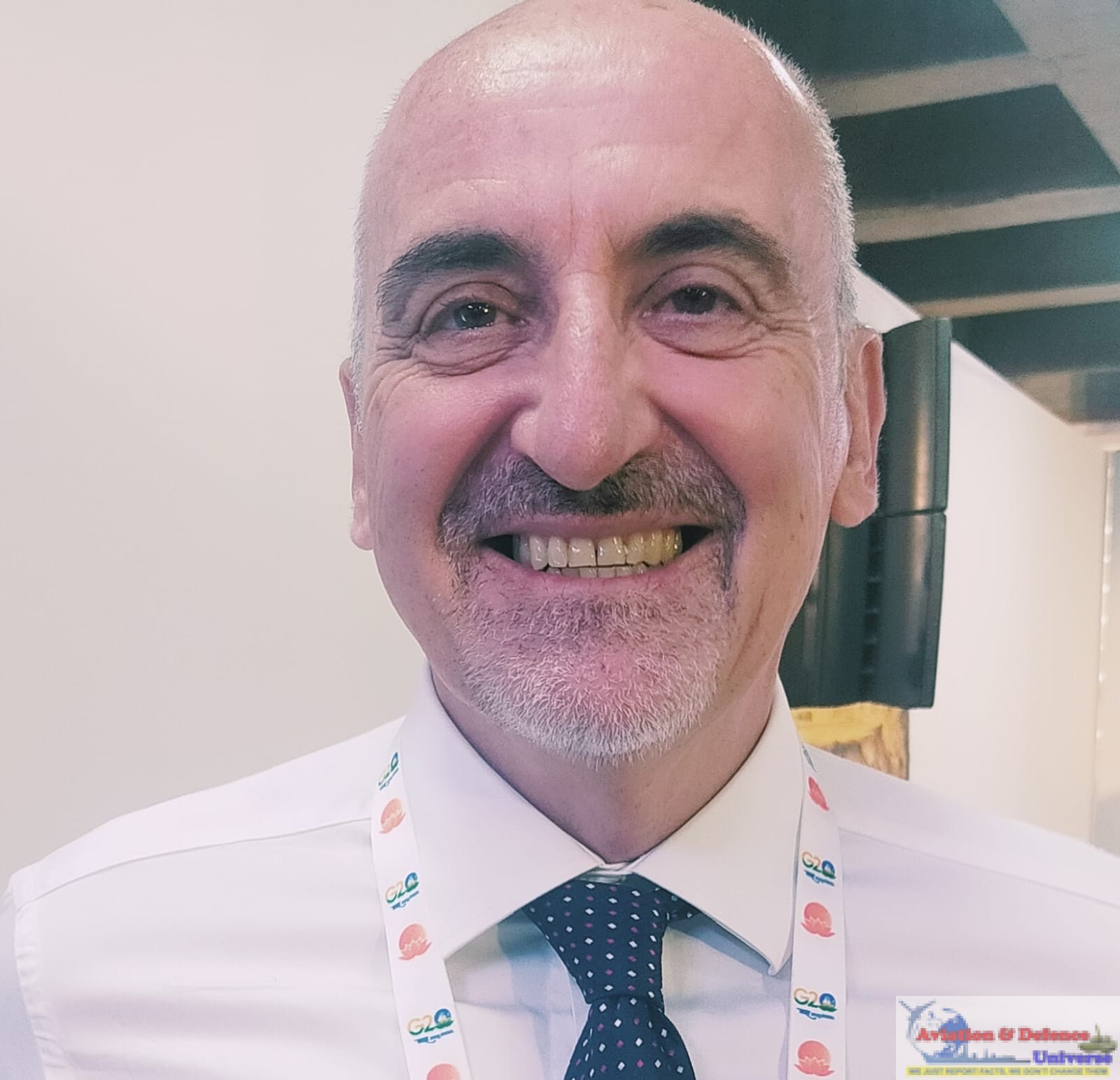
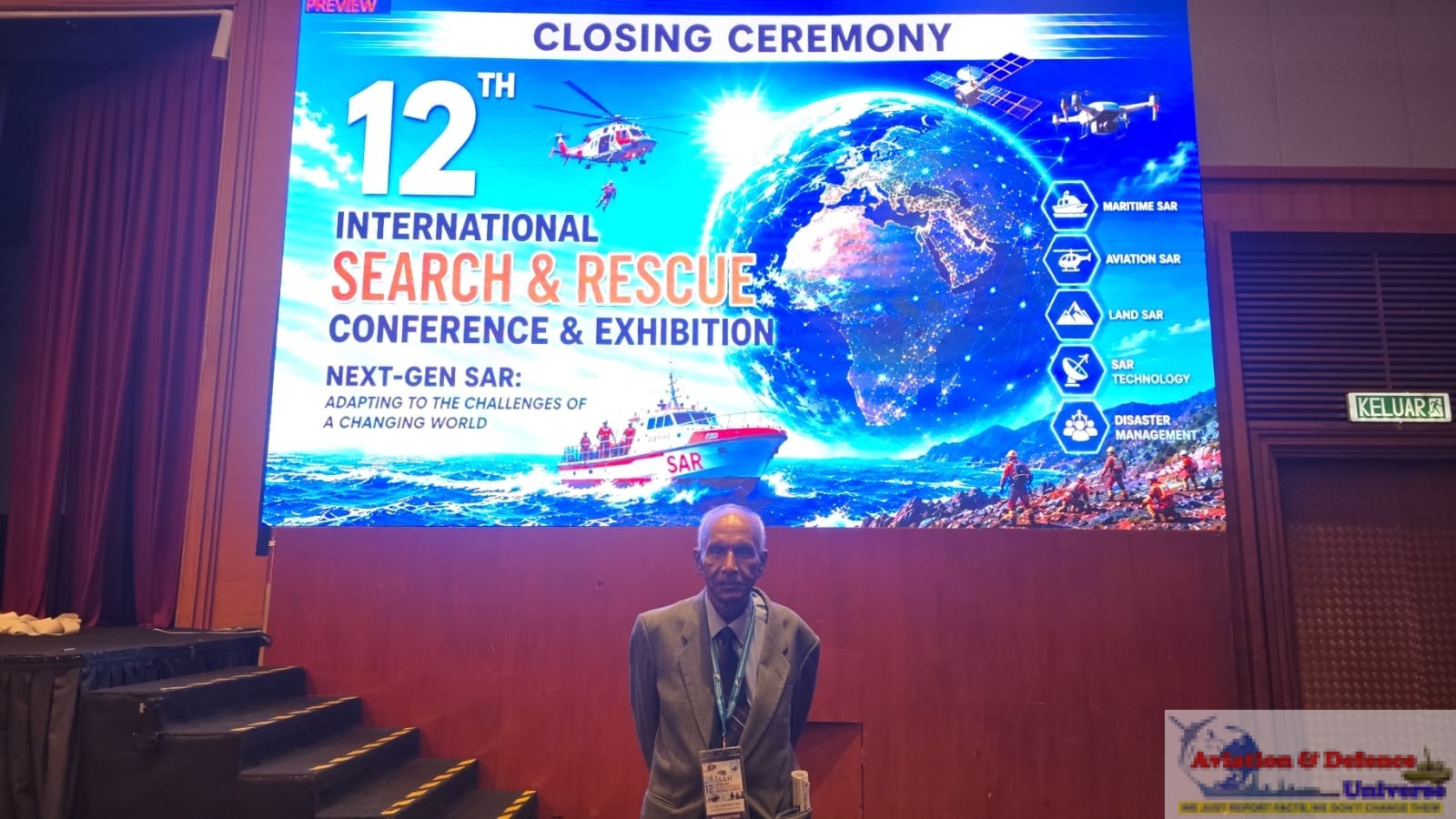
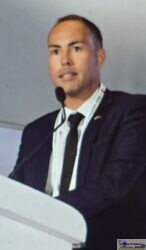
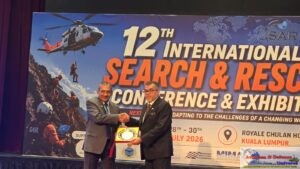
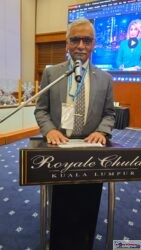
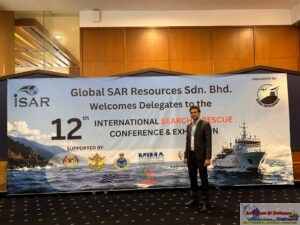
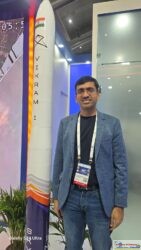
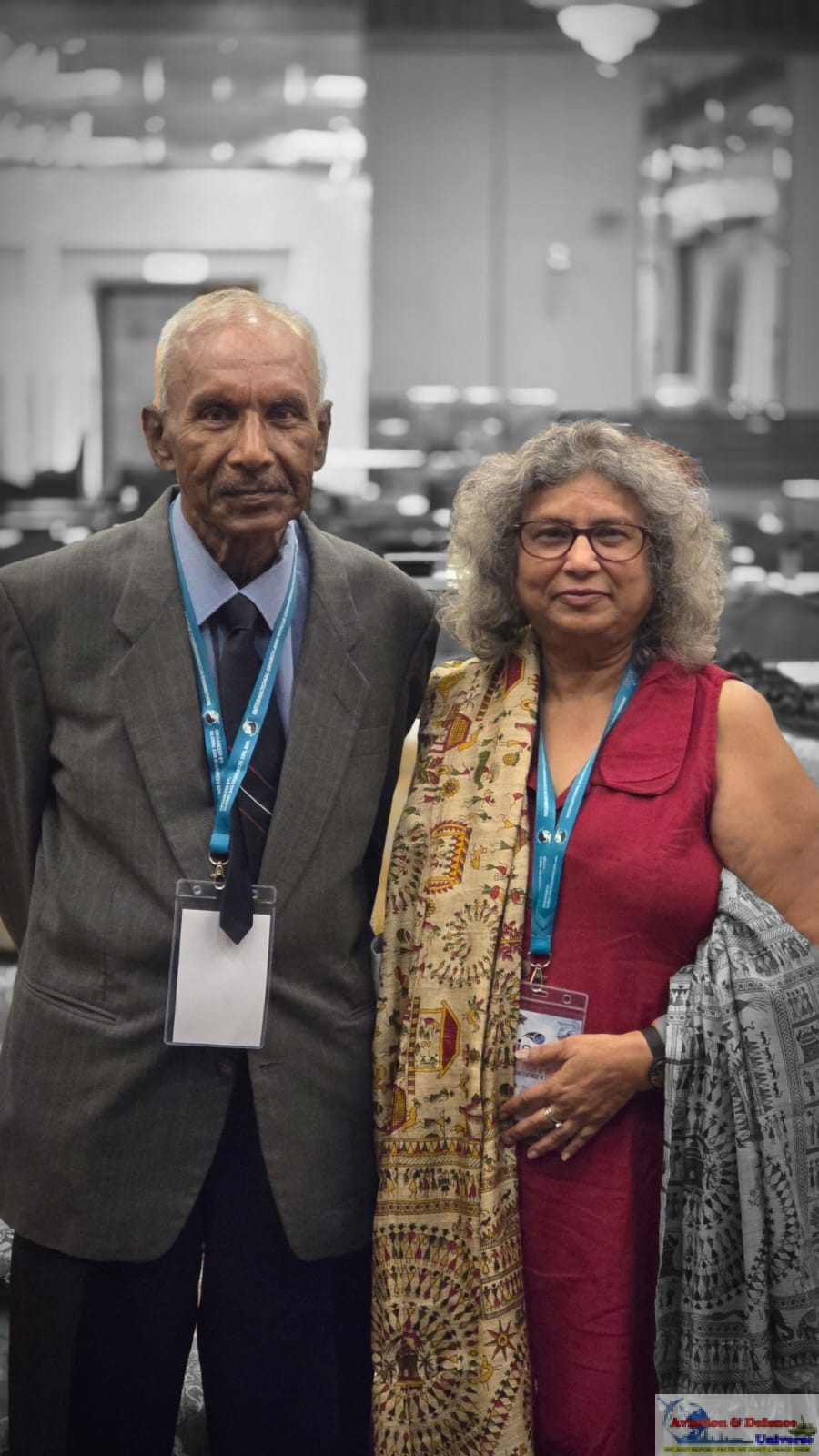 This journalist had the honour of meeting the 80 years old Lt. Col. Munusamy Arumugam RMAF (Retd.) and the story which unravelled was not only fascinating but engrossing too. A member of only the second batch of Malaysian pilots sent to India for flight training, he arrived in 1967 as a young cadet and left eighteen months later as a qualified military pilot. Over the decades that followed, he went on to become a helicopter captain, flight commander, instructor, examiner, evaluator of Russian helicopters and later a civilian flying instructor. Speaking to Aviation & Defence Universe (ADU) at iSAR 2026 in Kuala Lumpur, Malaysia, Lt. Col. Arumugam reflected on the journey that took him from Bidar, Jodhpur and Hakimpet to the cockpits of the Royal Malaysian Air Force, while fondly recalling the instructors, friends and legendary leaders who shaped his life in aviation. I always put my picture with the interviewee at the end of the interview always, but this time I wanted it to be at the beginning – the honour was mine.
ADU. Sir, we are meeting here and you are a retired pilot from the Malaysian Air Force.
Lt. Col Munusamy Arumugam (Retd.). Yes I was with the Royal Malaysian Air Force.
ADU. But you are the exception of having been trained in India.
Lt. Col Munusamy Arumugam (Retd.). I was the second batch among four Malaysians who were sent to Indian Air Force for pilot training.
ADU. Tell us about your training.
Lt. Col Munusamy Arumugam (Retd.). The first phase of the training was done at Bidar on the HT-2 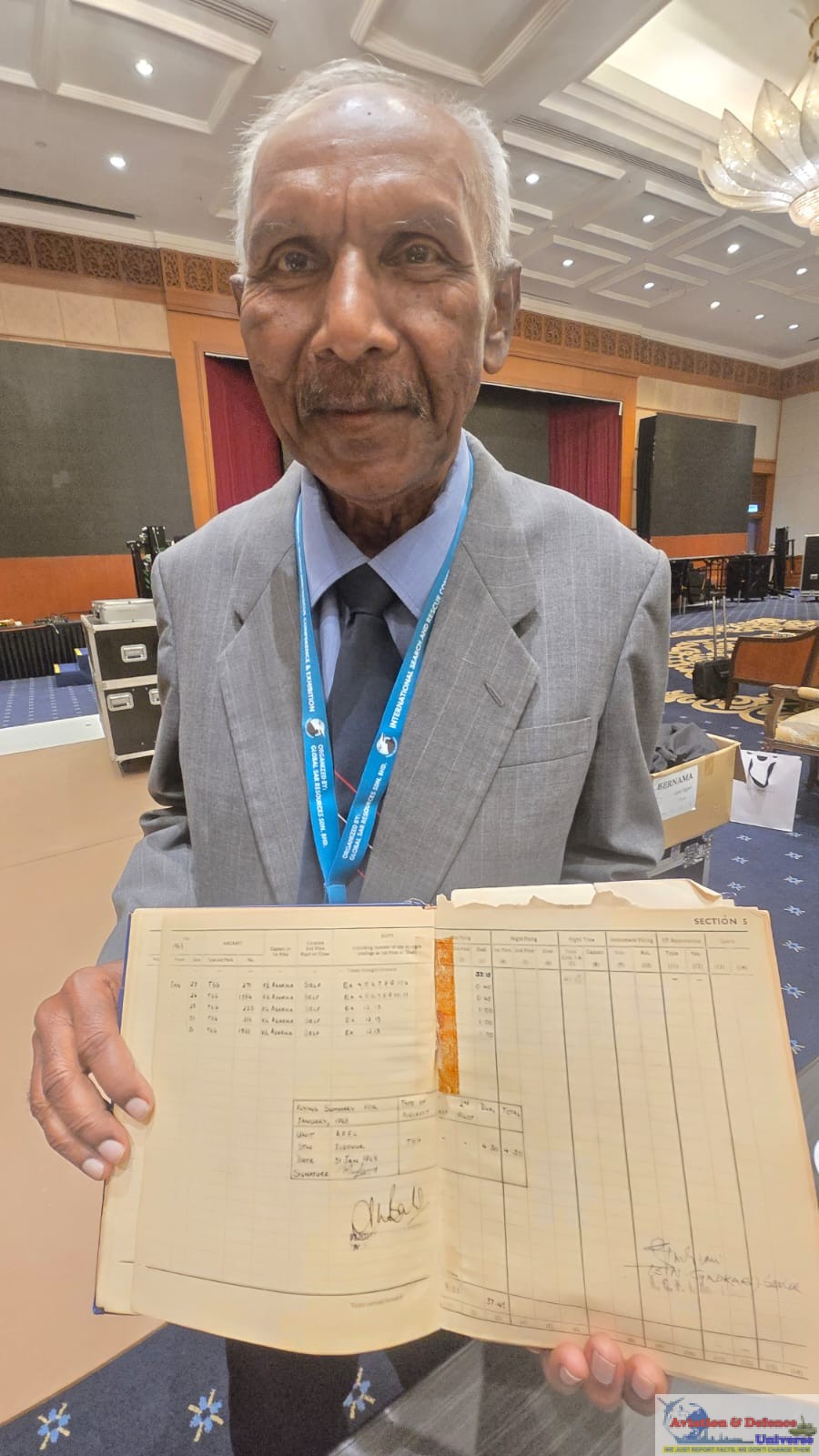 aircraft. That was the basic phase. For the intermediate phase, we travelled to Jodhpur, Rajasthan and we flew the T-6G Texan aircraft. And we spent another six to seven months there. And then we flew down south to Hakimpet to fly on the Vampire aircraft. Will show you my log book too. A pilot’s log book is much more than a record of flying hours. For someone who trained in India in the late 1960s and went on to serve the Royal Malaysian Air Force, it could also be a valuable historical document reflecting an important chapter in India–Malaysia defence cooperation.
ADU. After that?
Lt. Col Munusamy Arumugam (Retd.). After which I returned back to Malaysia and I was converted on to the helicopters.
ADU. Which helicopters did you fly?
Lt. Col Munusamy Arumugam (Retd.). The initial conversion on to rotary wing from fixed wing, I did it on the Alouette-3 aircraft. After that, I was sent as co-pilot to the Sikorsky S-61 aircraft, on which I progressed to be aircraft captain. Later on, I served in various capacities in the squadron as a squadron pilot, as a flight commander and also as a Sikorsky examiner for the Royal Malaysian Air Force.
ADU. Which years were you in India?
Lt. Col Munusamy Arumugam (Retd.). I was in India for one and a half years. In 1967, I first set foot in India on the 8th of August, 1967. I stayed there for one and a half years for the total training commitment.
ADU. You made a lot of Indian friends?
Lt. Col Munusamy Arumugam (Retd.). Of course I did. Not only Indian friends, I also had the privilege of having the Indian Navy pilots as course mates. And also, there were eight Iraqi students who were trained along with me.
ADU. Are you still in touch with them?
Lt. Col Munusamy Arumugam (Retd.). Unfortunately not, because I don’t know where they have all 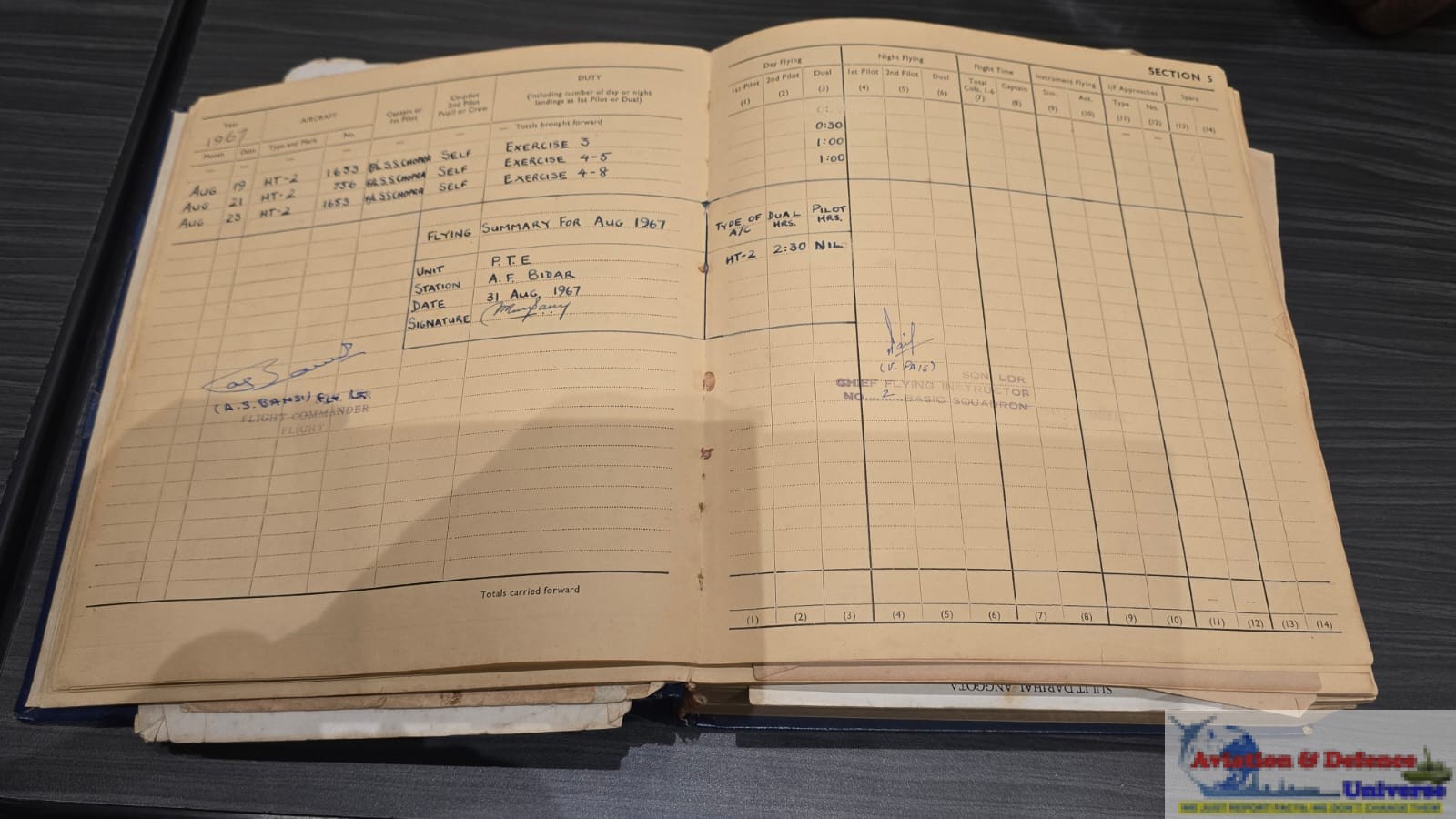 dispersed to. Earlier I was in touch with my first Indian Air Force trainer, Flight Lieutenant M. K. Sinha. He was the instructor when I started flying—the first time I ever handled an aircraft in Bidar. When I went to Jodhpur, my instructor was Flight Lieutenant Hazarika. He used to fly the Otter aircraft in the Indian Air Force. And when we moved to Hakimpet, I flew with various instructors—Flight Lieutenant Sondhi, Lieutenant Ram Sagar from the Navy and Squadron Leader Jane.
ADU. Before that you were not trained by the Malaysian Air Force?
Lt. Col Munusamy Arumugam (Retd.). No. Apart from the basic cadet training, I did not do any flying training prior to my trip to India. That was my start-off with the Air Force and my first training was done in India.
ADU. You had an interesting career in RMAF where you also evaluated Russian helicopters?
Lt. Col Munusamy Arumugam (Retd.). I was not actually a test pilot. I was asked to do an evaluation on the Russian helicopter Mi-171. I was asked to evaluate that. At that time I had already left the Air Force. I was working as a project manager in the aviation industry in Malaysia. They sent me to Russia to evaluate the helicopter at Ulan Ude and Kazan. I will not call it flight testing. It was evaluation because I am not a qualified test pilot. Evaluation was for the Malaysian Air Force. At that time the Prime Minister wanted us to look East for our defence products and not concentrate too much on Western products. I was sent to Russia and I was the first Malaysian to fly in Russian airspace. Most of the flying was done at Ulan Ude. We eventually purchased two helicopters for our Fire and Rescue Department.
ADU. What else did you fly in the Royal Malaysian Air Force?
Lt. Col Munusamy Arumugam (Retd.). I also went to the United Kingdom for an instructor’s course where 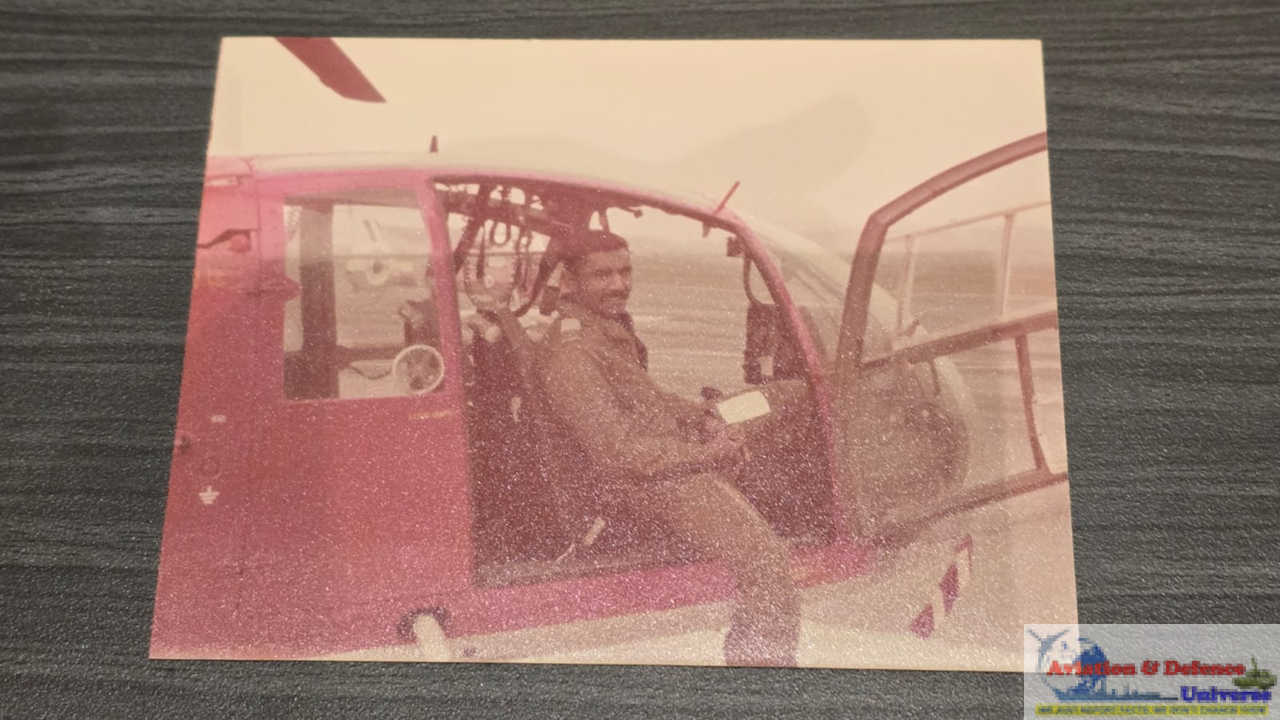 I flew the Aerospatiale Gazelle helicopter. When I came back, I instructed on the Bell 47G aircraft and also on the Alouette-3. Later, because of my appointment at the Helicopter Flying School of the Royal Malaysian Air Force, I conducted all the testing for pilots who were streamed on to the Sikorsky S-61 aircraft. I enjoyed flying the most and was never scared. Never thought that it could be dangerous. Any assignment and every day was important.
ADU. Apart from flying, were you also involved in training?
Lt. Col Munusamy Arumugam (Retd.). Although I was basically trained as a pilot, I also had to do staff duties. Then I went back to flying again. I served in various appointments as an RMAF examiner.
ADU. Would you like to add something about your experience in India?
Lt. Col Munusamy Arumugam (Retd.). It was my first visit, so I concentrated too much on my course. I 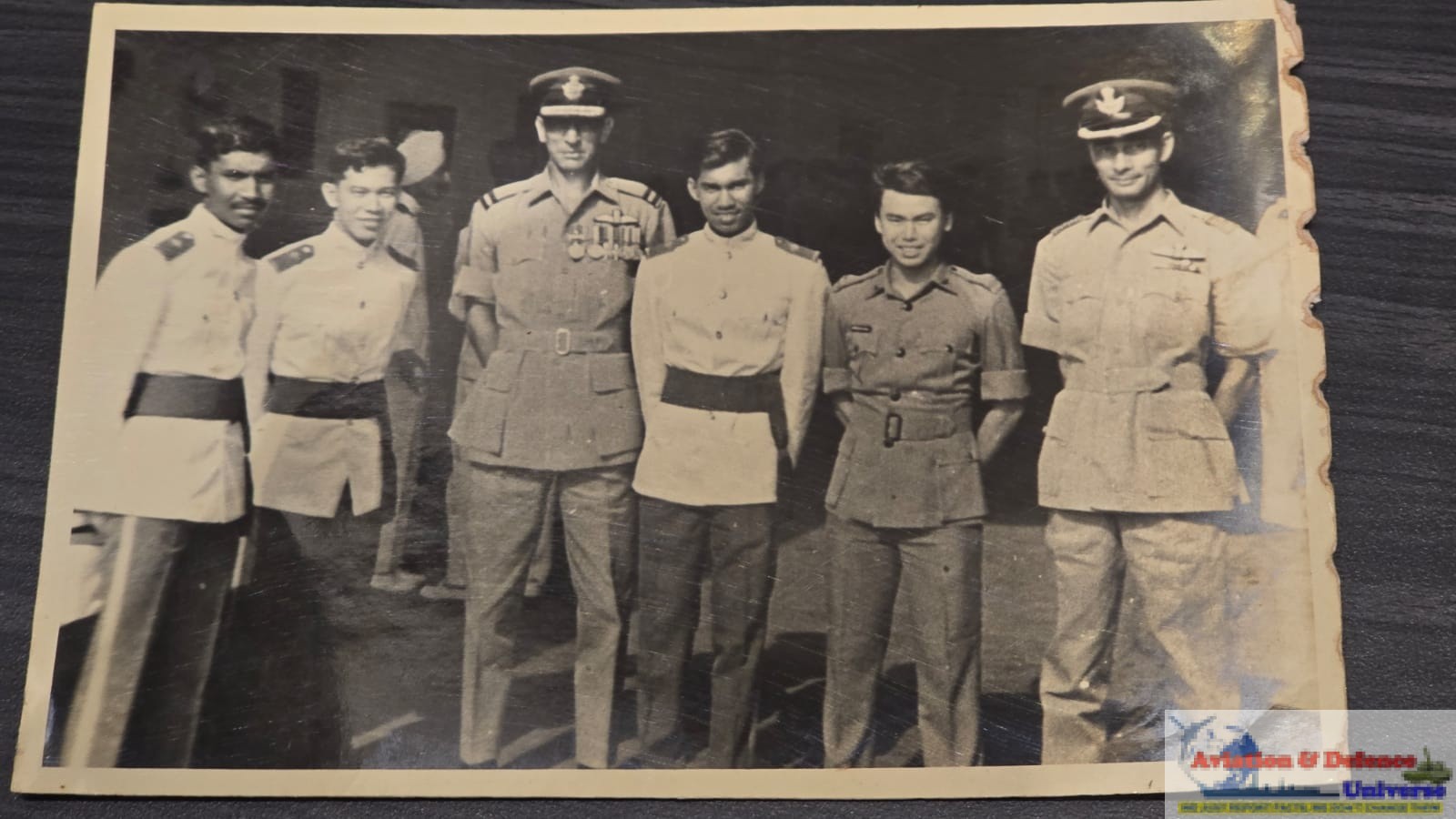 didn’t do much visiting. However, later, when I attended the Malaysian Armed Forces Defence College, one of our field visits was to India. I had the opportunity to meet some of my training mates and seniors, including Group Captain Dutta. Part of the visit was also to places like the Taj Mahal in Agra. We also had a brief stop in Goa. I was in India for four days visiting various places. Although it was on a course visit, it was a very memorable visit. Another visit I can never forget is meeting Squadron Leader Trevor Keelor. He was in the Air Staff Division and was one of my inspirations in the Air Force.
ADU. You also had the privilege of meeting Marshal of the Air Force Arjan Singh.
Lt. Col Munusamy Arumugam (Retd.). We were all surprised when the then Air Chief Marshal Arjan Singh made a brief stop at Bidar. He specifically wanted to meet the foreign students. He was the Chief of the Air Force at that time. He was one of my heroes because he was the first very high-ranking officer I had ever met. He was such a pleasant gentleman and really good. He was a perfect officer and a gentleman which we all aspire to be.
ADU. What did you do after retirement?
Lt. Col Munusamy Arumugam (Retd.). In my retired life, I also had the opportunity to serve as an instructor in a civilian flying academy in Ipoh, Malaysia. I was engaged by the flying academy for five and a half years. After that, I retired completely from flying life to a retired life.
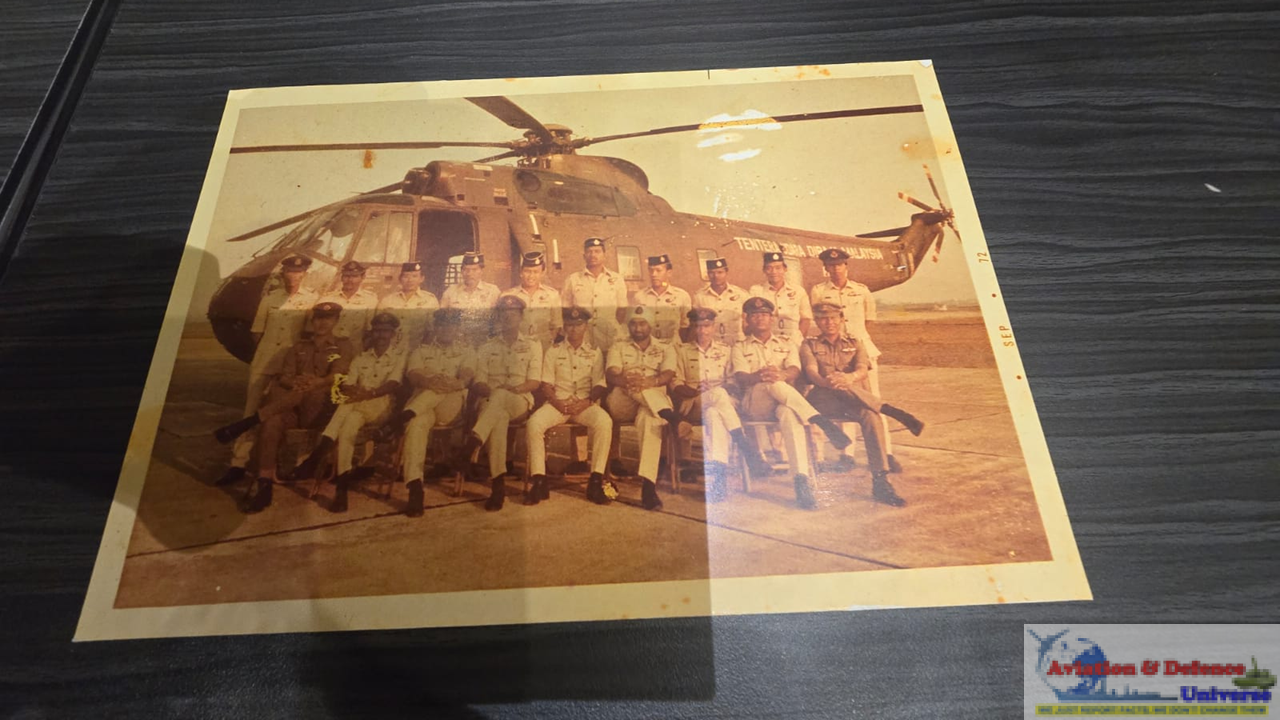 For Lt. Col. Munusamy Arumugam, aviation has been a journey defined by learning, service and international friendship. Beginning as a young Malaysian cadet at the Indian Air Force’s flying schools in Bidar, Jodhpur and Hakimpet, he went on to build a distinguished career in the Royal Malaysian Air Force as a helicopter pilot, instructor, examiner and evaluator before continuing to shape future aviators in civilian flying. His recollections are not merely nostalgic—they underscore the enduring value of defence cooperation between India and Malaysia, where professional military education forged relationships and memories that have lasted a lifetime. His admiration for the instructors who taught him to fly and for Air Chief Marshal Arjan Singh, whom he described as “a perfect officer and a gentleman,” remains a poignant reminder that great military leaders leave their greatest legacy not only through operational achievements but also through the inspiration they provide to future generations of airmen.
As an Indian—and as an aviation journalist—it fills me with immense pride to hear veterans from friendly nations speak so warmly of the Indian Air Force decades after they first trained on its airfields. Aircraft may have changed and uniforms may have faded with time, but the memories of professionalism, discipline, mentorship and camaraderie remain vivid. When a retired Royal Malaysian Air Force pilot recalls that the first aircraft he ever flew was under the guidance of Indian instructors, and still remembers them with affection nearly six decades later, it speaks volumes about the quality of training and the human values imparted by the IAF. These are the quiet yet enduring ambassadors of India’s military diplomacy—officers and instructors whose influence extends far beyond our borders. Their legacy is measured not only in skilled pilots, but also in lifelong friendships and a reservoir of goodwill that continues to strengthen India’s bonds with partner nations across generations.
As told to Sangeeta Saxena































































-A4-Size-(2)_page-0001.jpg)