






- From Sky to Seabed: EyeROV Expands the Search & Rescue Technology Spectrum
- ROVs, Sonar & Search Missions: EyeROV Brings an Underwater Dimension to SAR
- From Kochi to Global Waters: Head International Sales charts EyeROV’s Course to ADU
By Sangeeta Saxena
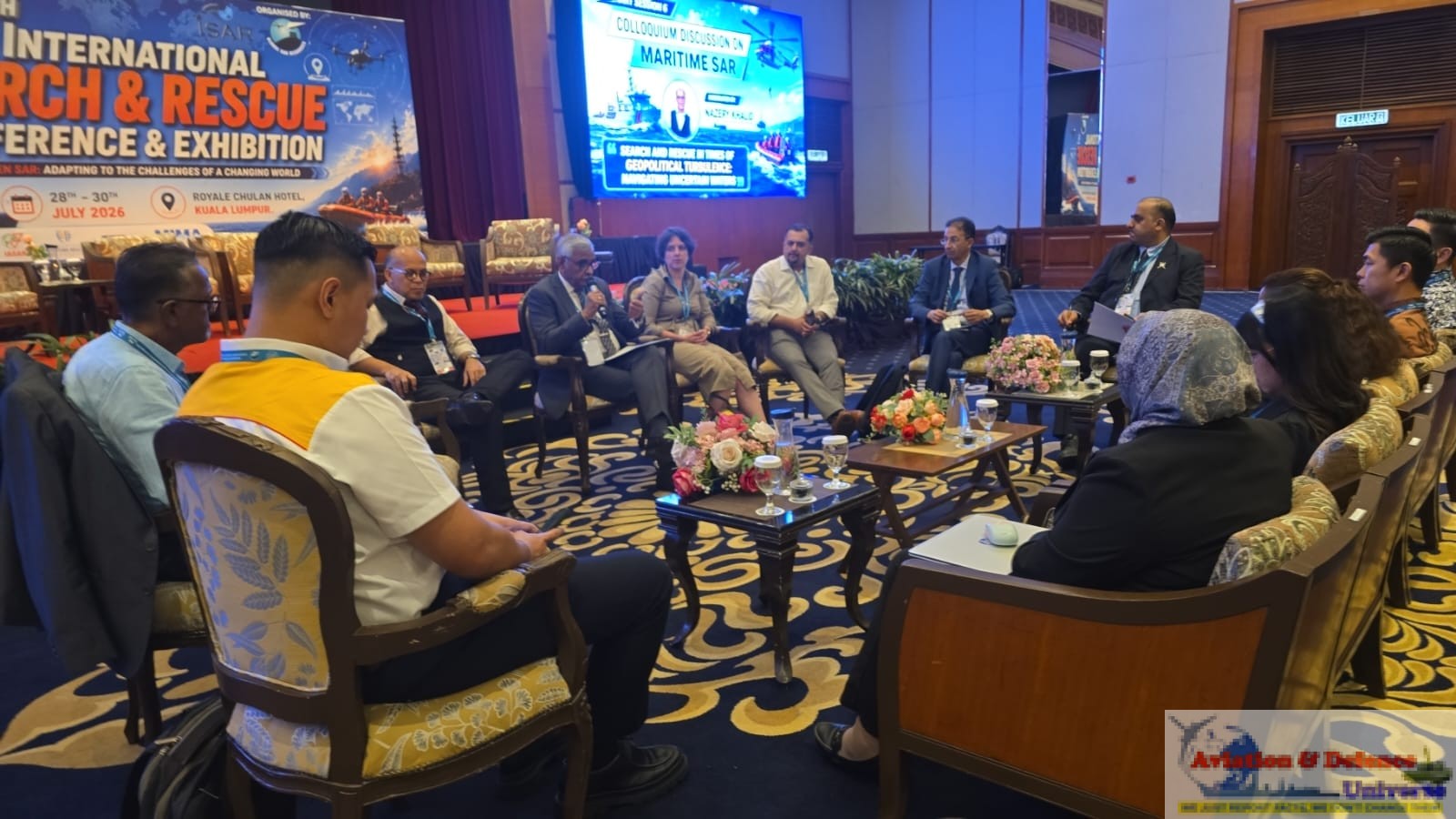
Kuala Lumper. 31 July 2026. Search and rescue does not end where the shoreline begins. While aircraft, helicopters, drones and satellites dominate discussions around locating people and assets from the air, some of the most difficult searches begin beneath the surface—where visibility disappears, depths increase and conventional human intervention becomes difficult or dangerous. It is here that India’s growing underwater robotics ecosystem is finding a potentially transformative role.
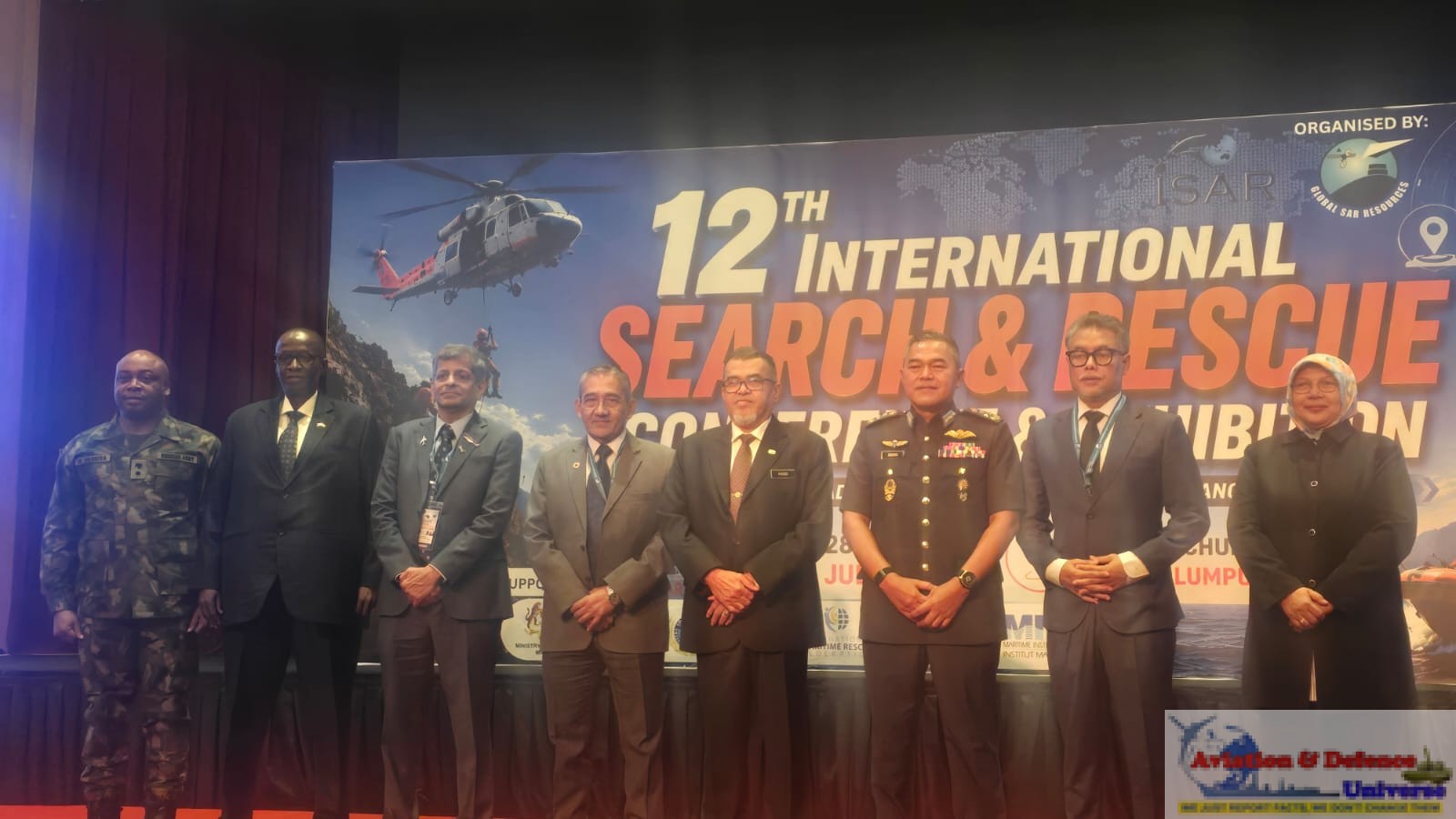
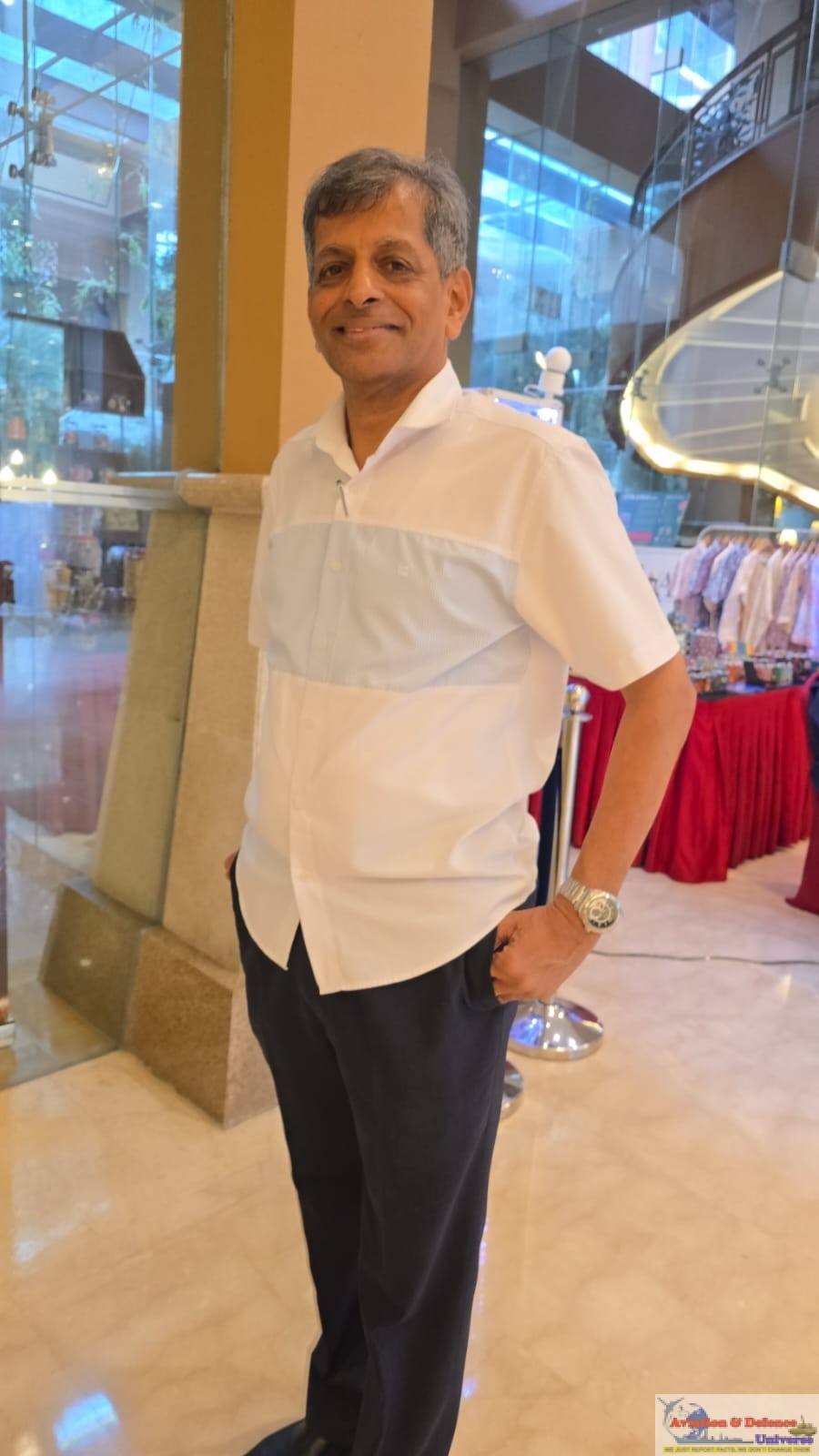
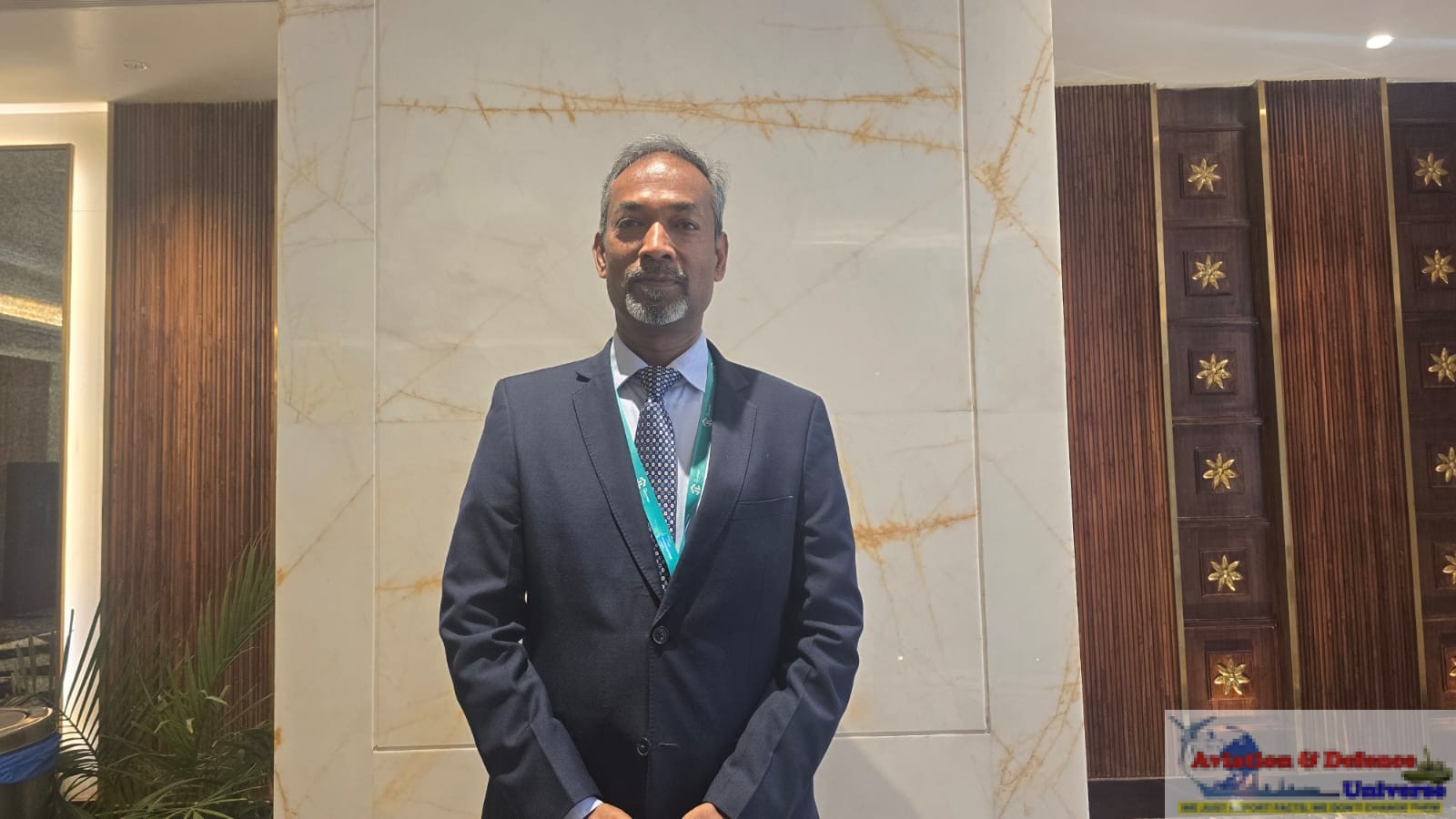
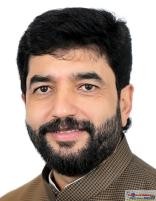
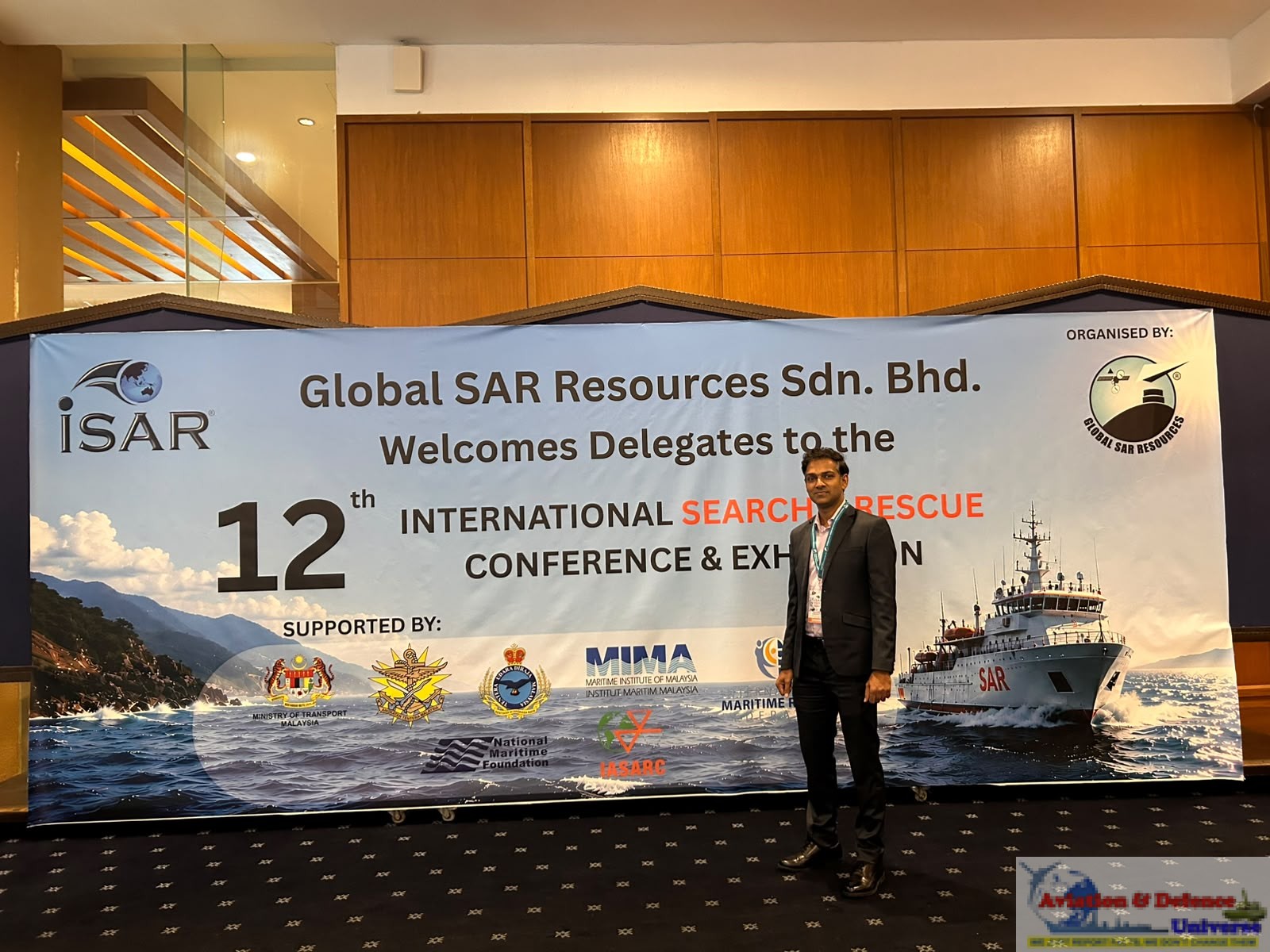
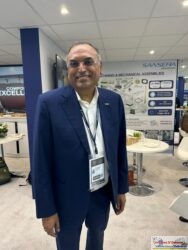
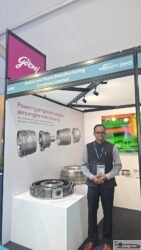
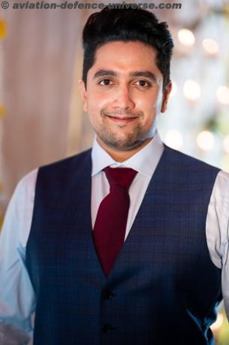
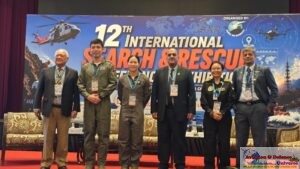
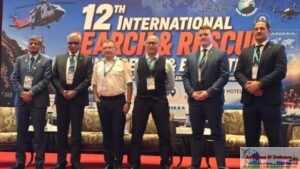
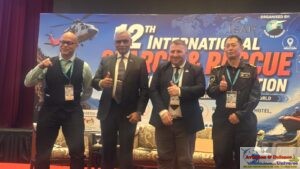
At the iSAR Conference in Malaysia, ADU caught up with Krishnakiran K., Head of International Sales, EyeROV (IROV) Technologies Private Ltd, an Indian company manufacturing Remotely Operated Vehicles (ROVs) and unmanned surface vehicles from its facility in Kochi. EyeROV also deploys specialised teams for underwater inspection of dams, bridges, tunnels and subsea oil and gas infrastructure and works closely with organisations including the Indian Navy while engaging with other maritime and search-and-rescue stakeholders. Founded in 2017 by IIT graduates, the company is now looking beyond its established Indian 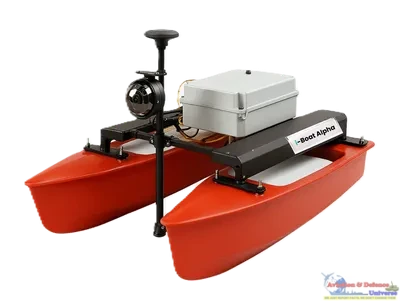 market towards international opportunities. For Krishnakiran, iSAR offered another important perspective: while much of the global SAR conversation understandably concentrates on what can be achieved from the air, underwater robotics can open an entirely different search domain.
In an exclusive conversation with Aviation & Defence Universe (ADU), Krishnakiran discusses EyeROV’s origins, manufacturing capabilities, naval applications, underwater inspection services, international expansion and why ROVs equipped with sonar can become invaluable tools when search-and-rescue missions move beneath murky waters.
ADU. What is EyeROV and what does it do?
Krishnakiran K. EyeROV manufactures ROVs—Remotely Operated Vehicles—and we also make unmanned surface vehicles. We work very closely with the Indian Navy, Coast Guard and fire departments handling search-and-rescue operations in India, particularly inland operations. We came to know about the iSAR Conference through a LinkedIn post. I subsequently contacted the organisers and was invited to participate. We learnt about the event rather late, so instead of exhibiting this time, I decided to visit, understand the platform and explore whether it makes sense for us to exhibit at a future edition.
ADU. Does EyeROV manufacture its own systems?
Krishnakiran K. Yes. We manufacture our ROVs and ASVs at our facility in Kochi. In addition to manufacturing, we undertake inspections. We have four teams at EyeROV capable of carrying out underwater inspection services. These include structural inspections of underwater assets such as dams and railway bridges, where we can inspect structures to identify issues such as mortar missing from blocks. We also undertake long-tunnel inspections and inspect subsea assets in the oil and gas sector.
ADU. How did EyeROV begin?
Krishnakiran K. The company was founded in 2017 by two IIT graduates. John Smathai is the CEO. He is 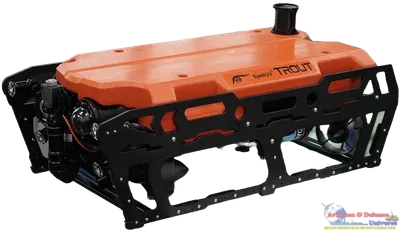 an IIT Delhi graduate with a Master’s in Electrical Engineering. Our CTO, Kannappa Palani, is from IIT Madras and also has a background with NIOT. While serving on a ship, there was a requirement to inspect an underwater section and they could not find anyone who could undertake the inspection within the required timeframe. That led to the idea. why not build underwater robots? That is essentially where the journey began.
ADU. What is your role within the company?
Krishnakiran K. I look after international business. EyeROV already has a good market share in India, and we received an order from the Indian Navy last year valued at around US$5 million. We now believe it is the right time to expand overseas and enter friendly countries such as Malaysia, where our technology can be useful.
ADU. Are these technologies primarily meant for naval applications?
Krishnakiran K. Anything related to water is an area where our technology can potentially be used. It can be the Navy or the Coast Guard. We have also had conversations with the Bureau of Fisheries in the Philippines and with shipping organisations. So the applications extend beyond defence into the wider maritime ecosystem.
ADU. Are international maritime exhibitions also part of your expansion plans?
Krishnakiran K. Yes. We are definitely planning to participate in Euronaval. It is a very Navy-focused and maritime-focused event, and we have already marked it on our calendar.
ADU. What brought you specifically to the iSAR Conference in Malaysia?
Krishnakiran K. When I looked through the event brochure, I noticed that there were many speakers from 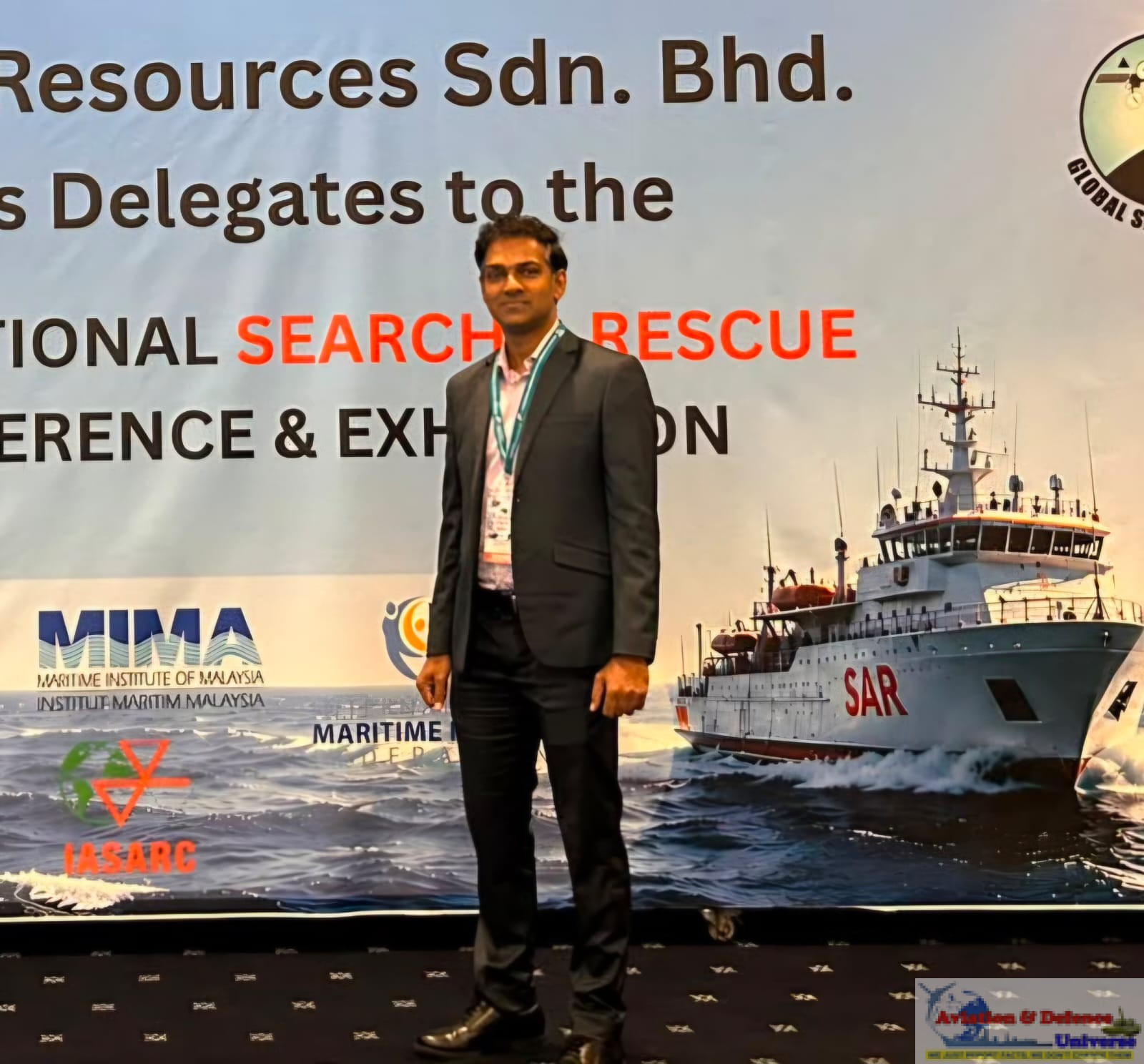 search-and-rescue operations, but much of the focus was on piloting and what could be done aerially while responding to SAR missions. I thought that with our technology, particularly ROVs and AI-based human detection systems, we could introduce a different angle to the search for missing people or objects. For example, we have inspected a reservoir to identify a missing helicopter. So underwater robotics opens another channel through which search-and-rescue operations can be approached. That was one of the reasons I decided to come here.
ADU. How valuable can ROVs be during underwater search-and-rescue missions?
Krishnakiran K. ROVs are invaluable when it comes to underwater inspections, particularly in murky water. With an ROV, you can use sonar—Sound Navigation and Ranging—which provides a clearer path towards an object and can make inspections faster and more efficient. That capability can become extremely useful when conventional visibility underwater is poor.
ADU. Is there a growing underwater robotics ecosystem in India?
Krishnakiran K. Yes. There are a few companies in India following similar models. One is Planys Technologies, based in Chennai. Another is Coratia Technologies, which is a newer company and has also received an Indian Navy order. Coratia and EyeROV are among the companies manufacturing ROVs for the Indian Navy under that batch of orders.
ADU. What has been your biggest takeaway from iSAR?
Krishnakiran K.The conference has been an eye-opener for me in terms of understanding the different 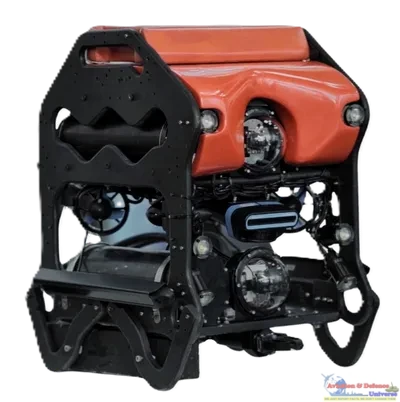 technologies that are available. But what needs to happen now is that there should be some provision for all of us to coordinate and channel our efforts so that ultimately people caught in emergency situations can be attended to faster and more efficiently. Technology and capabilities exist, but they often opeate in silos. What is missing is the ability to bring everything together and make a coordinated and faster response.
ADU. Can an international conference such as iSAR also become a technology-sharing platform?
Krishnakiran K. Absolutely. You meet people from different countries and every country has its own way of working. It can become a technology-sharing platform. If somebody is already working on a technology elsewhere, why not adopt that technology and complement it with what we already have? The objective should be to create an overall solution that reaches people in need faster. From that perspective too, this conference has been an eye-opener.
ADU. What is EyeROV’s present engagement with the Indian Navy and Coast Guard?
Krishnakiran K. We have an Indian Navy order valued at around US$5 million. We are building five systems. We are also working with the Coast Guard on a prospective requirement, although we have not received an order yet.
ADU. Has EyeROV already entered the export market?
Krishnakiran K. We have exported our services, although we have not yet sold our products internationally. We have undertaken projects in Qatar and carried out a tunnel-related project in Georgia. We are therefore both a manufacturer and a service provider. We have four teams capable of travelling to different locations to undertake inspection projects.
 For EyeROV, the next frontier is quite literally beneath the surface. Having built indigenous ROV and autonomous surface vehicle capabilities, secured business with the Indian Navy and demonstrated its inspection expertise across infrastructure, maritime and overseas projects, the Kochi-based company is now preparing to take its products into international markets.
But Krishnakiran’s larger message from iSAR extends beyond selling underwater robots. Modern search and rescue increasingly requires an integrated response in which aircraft, drones, surface platforms, underwater systems, sensors, AI and human responders stop operating in separate silos. An ROV searching through zero-visibility water may ultimately be as important to a mission as the aircraft searching from above. As India builds its indigenous unmanned-systems ecosystem, companies such as EyeROV demonstrate that the country’s robotics story is not restricted to the skies. The next chapter of India’s autonomous technology journey may be written just as decisively beneath the waves.
As Told To Sangeeta Saxena





















































-A4-Size-(2)_page-0001.jpg)