









- Artificial Intelligence Will Not Replace Rescuers, It Will Empower Them, Says SAR Panel
- Technology with a Human Touch: Global Experts Debate the Future of Search and Rescue
- Softwares to be Created not in IT companied but SAR Organisations
By Sangeeta Saxena
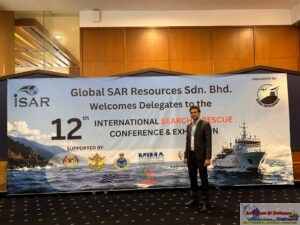
Kuala Lumpur. 28 July 2026. Artificial intelligence may analyse millions of data points within seconds, drones may dramatically improve situational awareness, and digital platforms may connect rescue agencies across continents, but when lives are at stake, the final decision must always rest with a human being. That was the overriding message from Plenary Session 2 on SAR Technology at the 12th International Search and Rescue Conference & Exhibition (iSAR 2026), where experts from Poland, Malaysia and France explored how emerging technologies are transforming maritime search and rescue while cautioning against over-dependence on automation.
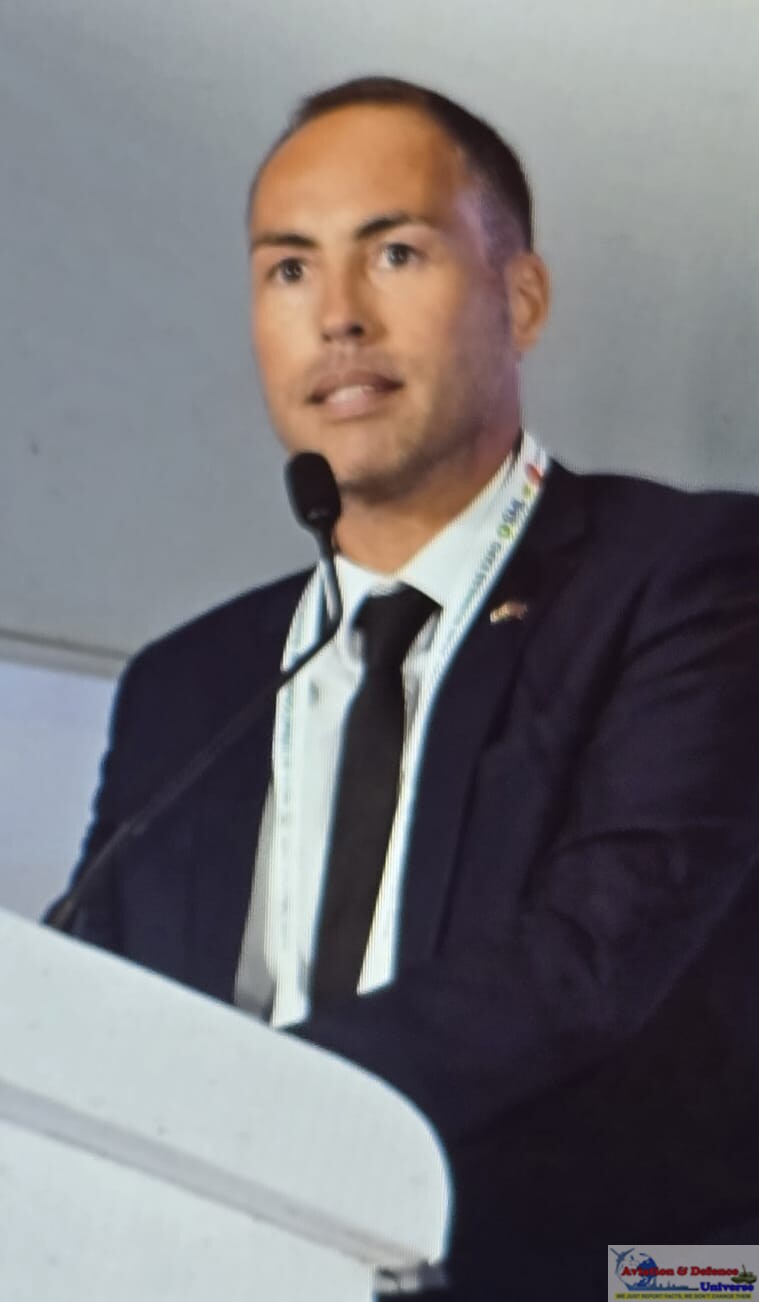
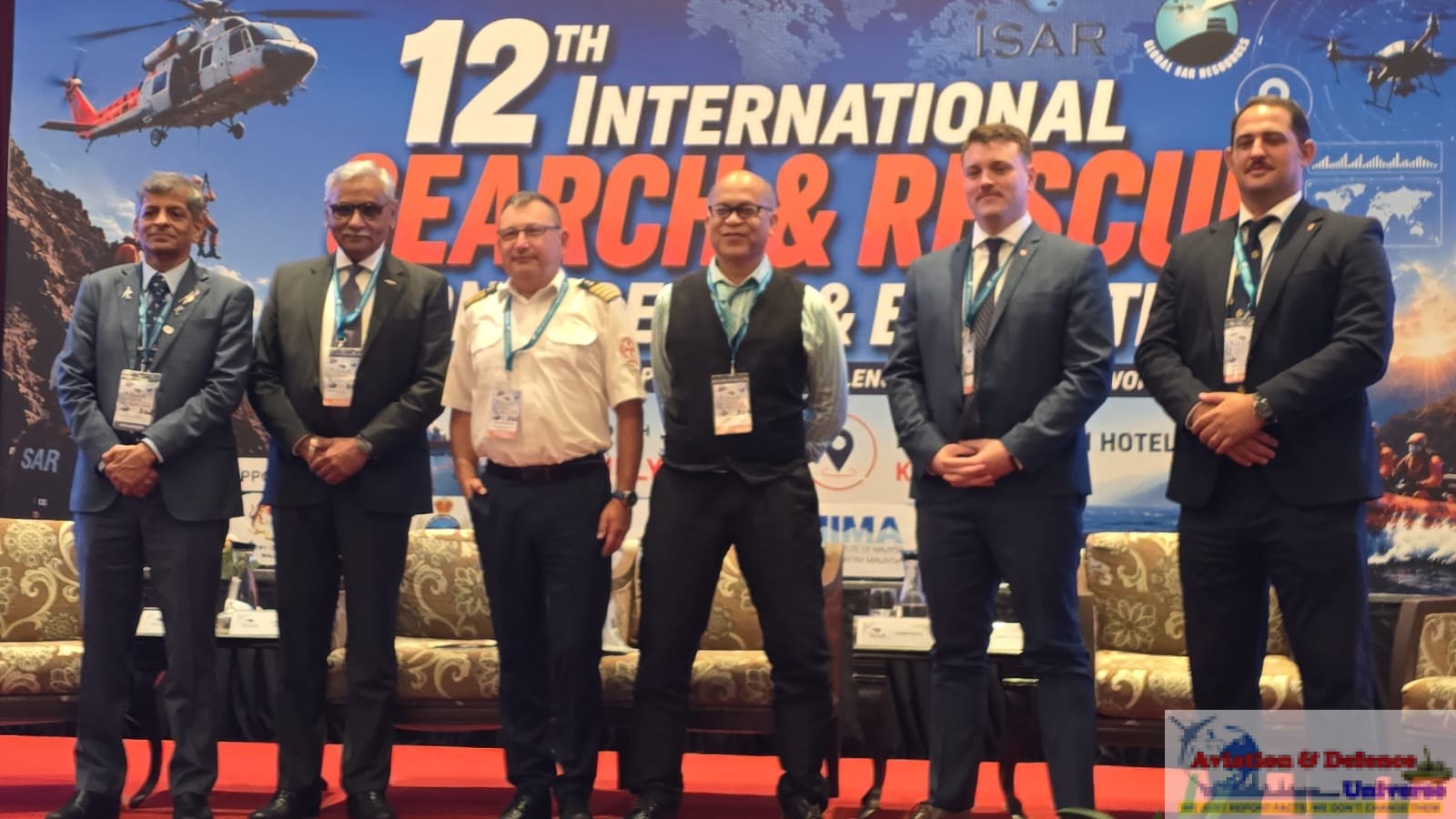
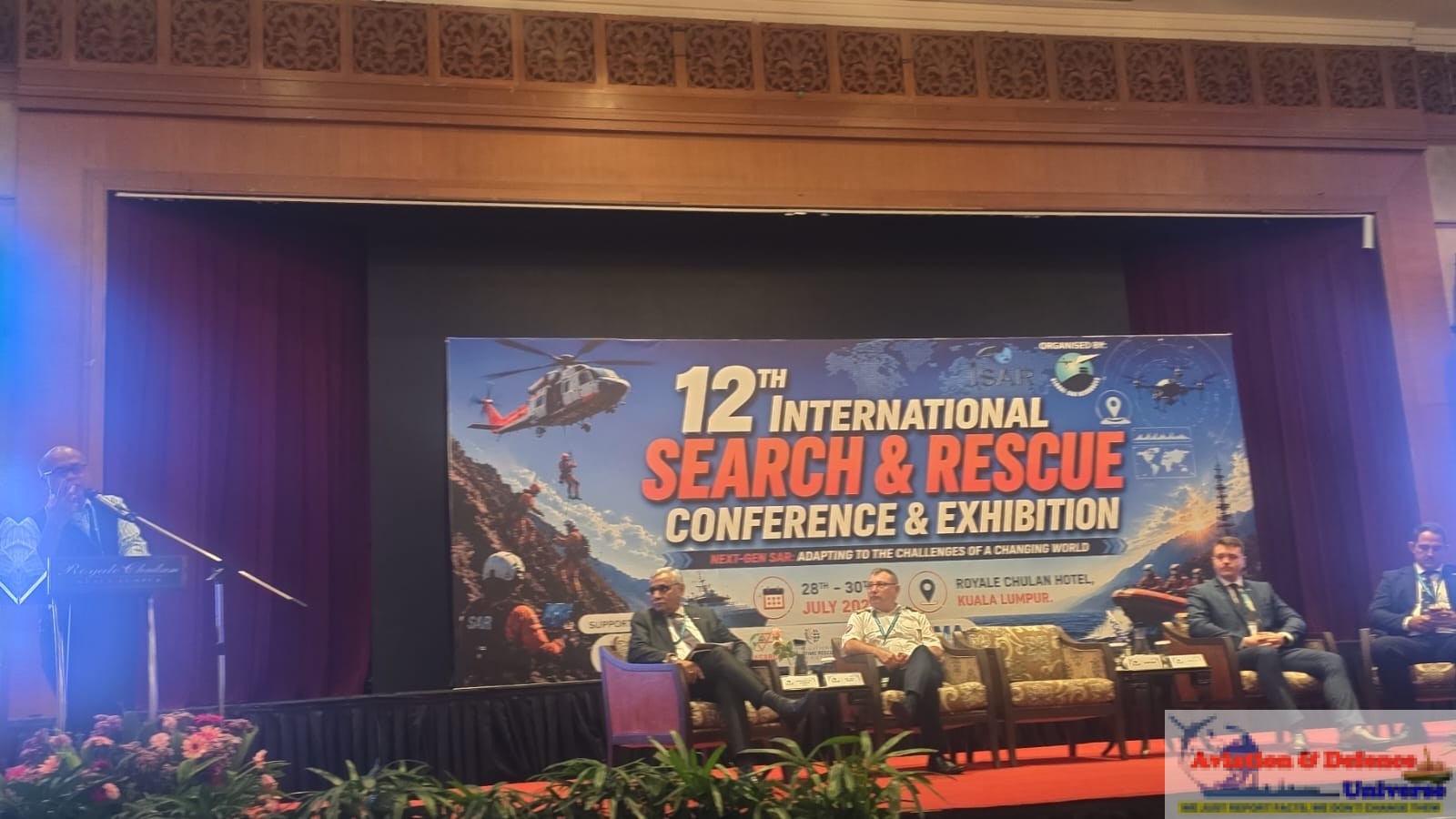
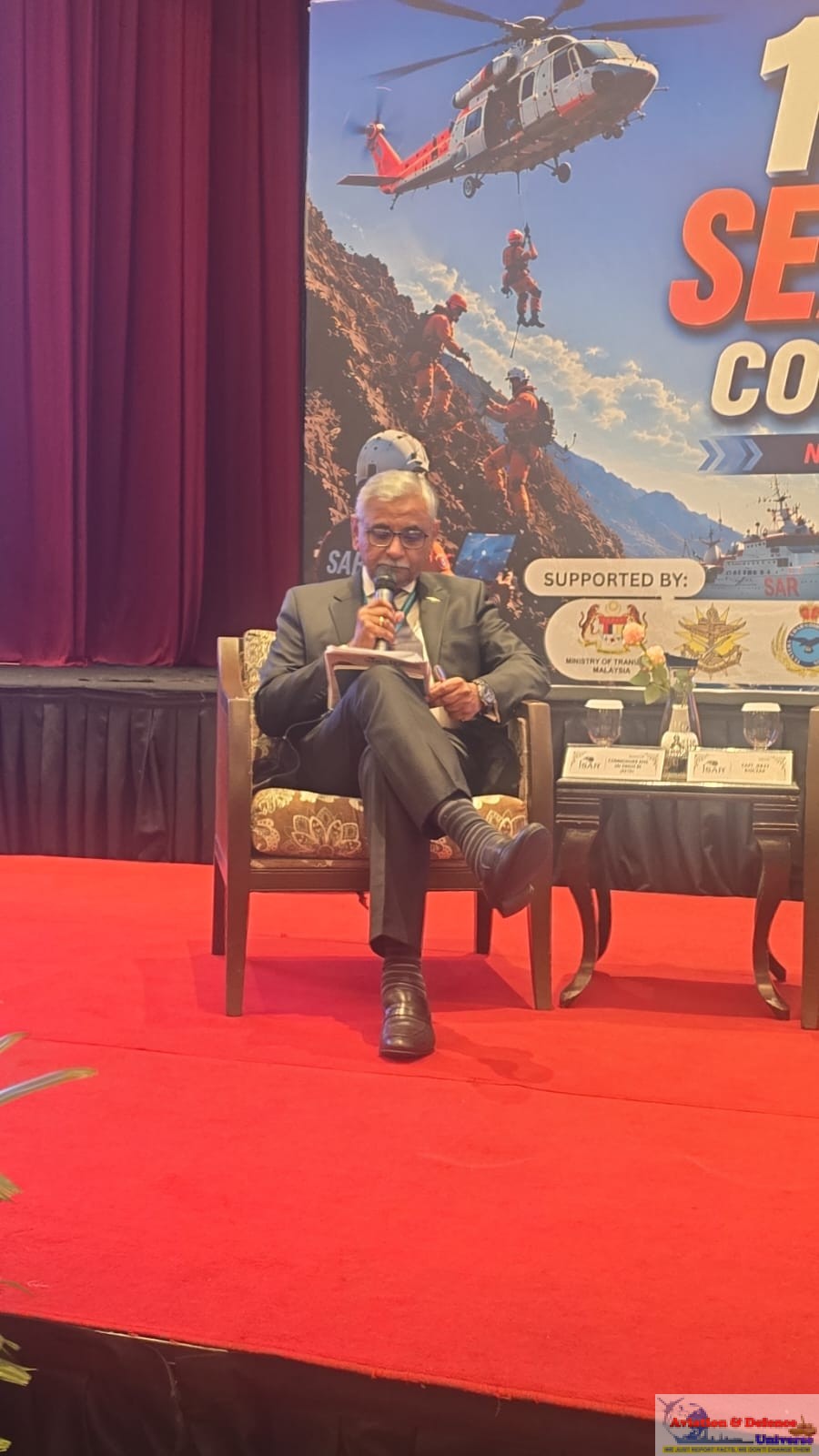 Moderated by Commodore Anil Jai Singh, Indian Navy (Retd.), Vice President of the Indian Maritime Foundation, the session featured Captain Jerzy Kiszczak, Deputy Director of the Polish Maritime Search and Rescue Service; Adjunct Professor Nazery Khalid of Universiti Malaysia Terengganu; and Tanguy Le Coq and Arthur Barbier, co-founders of Global SAR Hub, France. Together, they examined the opportunities and risks associated with artificial intelligence, digital coordination and next-generation SAR technologies, repeatedly emphasising that technology should enhance—not replace—professional judgement.
Artificial Intelligence: Dr Jekyll or Mr Hyde?
Opening the technical session, Captain Jerzy Kiszczak posed a provocative question. “We see AI as a solution to solve every problem, whereas others say it will replace people. I think the reality lies somewhere between.” Using Robert Louis Stevenson’s famous literary analogy, he compared artificial intelligence to Dr Jekyll and Mr Hyde, observing, “AI offers new opportunities, but it also introduces new risks. The real question is not whether AI is good or bad. The real question is how can we use it without losing the skills and judgement that make us good rescuers.” He reminded delegates that AI is already deeply embedded within maritime operations through weather forecasting, navigation, image recognition and data analysis. “Artificial intelligence is already here, often working quietly in the background of systems we use every day.”
AI Should Support—Not Replace—Operators
Illustrating a typical rescue scenario involving deteriorating weather, radar feeds, AIS data, sea currents and emergency calls, Captain Kiszczak argued that no human operator can process such enormous volumes of information simultaneously. “No person can process all this information perfectly—not because of lack of knowledge or experience, simply because there is too much information arriving at the same time.” That is where AI becomes valuable. “AI is not a replacement for the operator; it is a tool that helps people make better decisions faster.” However, he warned delegates against blindly accepting AI-generated recommendations. “Trust is important. But trust should be based on understanding, never on faith.”
People Remain Accountable
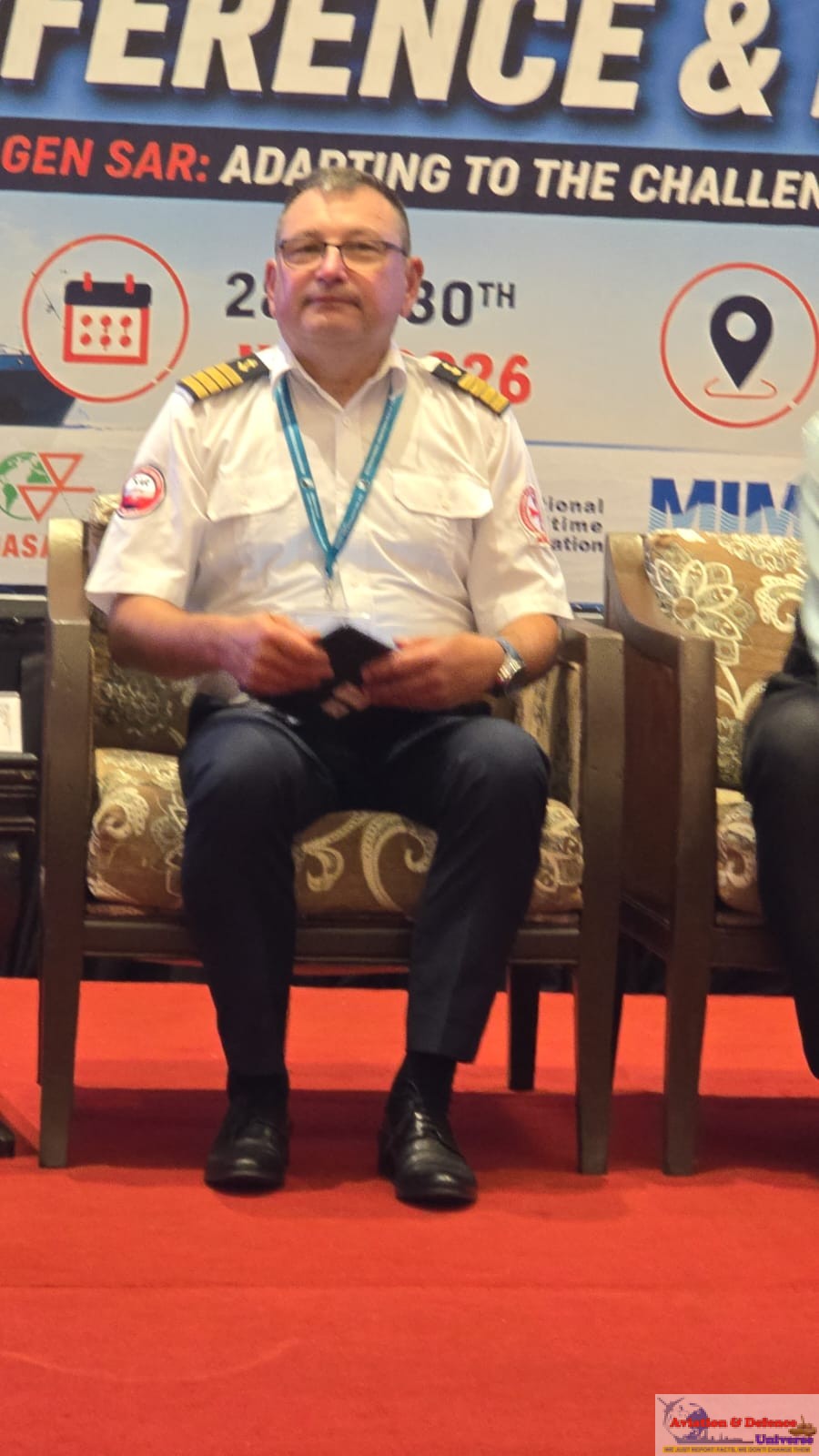 One of the strongest messages of his presentation concerned responsibility. “Technology does not perform rescues. People do.” Although AI can estimate drift patterns, organise information and prioritise rescue options, one capability remains uniquely human. “AI cannot accept responsibility.” He elaborated, “If a rescue mission succeeds, people receive credit. If something goes wrong, people are still accountable.” Consequently, “I do not believe the future belongs to AI. I believe it belongs to the people who know how to use AI technologies.”
Good Data Produces Good Decisions
Captain Kiszczak demonstrated how AI can support drift prediction, search planning and integration of radar, AIS, satellite and weather data into a single operational picture. Yet he repeatedly stressed one immutable principle, “Good data produces good recommendations. Poor data produces poor recommendations.” Even the most advanced algorithms cannot compensate for unreliable information. Among AI’s greatest benefits, he identified faster analysis, improved situational awareness, more effective deployment of rescue units and allowing commanders to devote more time to judgement rather than data processing.
The Human Factor Remains Central
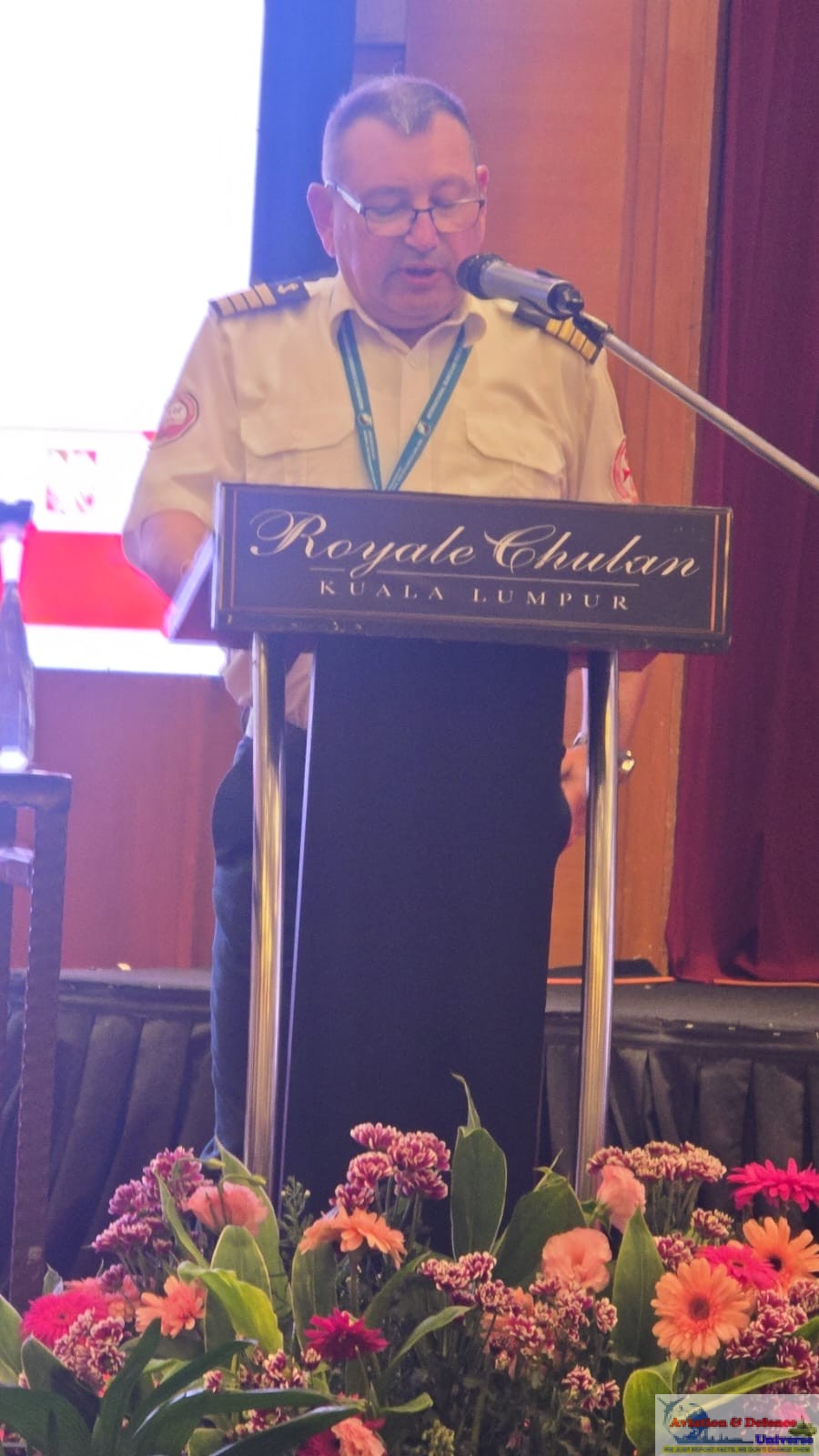 Turning to risks, Captain Kiszczak warned of cybersecurity vulnerabilities, automation bias and the danger of operators becoming overly dependent on machine recommendations. “People often ask, ‘Will AI replace operators?’ I think this is the wrong question. A better question is: How can AI help operators become better?” He introduced delegates to the concept of automation bias, where increasing confidence in technology discourages critical thinking. “Sometimes GPS suggests a route that is really wrong… with search and rescue the consequences can be far more serious.”
Summarising his philosophy, he concluded, “Artificial intelligence is never a hero or a villain. It is a powerful tool… The future of maritime search and rescue is not about choosing between humans and AI. It is about building the best possible partnership between them.” He left delegates with one simple principle, “Technology should support professional judgement. It should never replace it.” Following the presentation, moderator Commodore Anil Jai Singh endorsed that view. “AI at best can be an excellent force multiplier, a wonderful decision support tool, but… it is finally the man behind the machine that matters.”
Introducing the second speaker, Adjunct Professor Nazery Khalid of Universiti Malaysia Terengganu, moderator Commodore Anil Jai Singh observed that practitioners often become conditioned by operational routines and therefore benefit immensely from perspectives offered by academia.
“As practitioners at sea, we all tend to be predictable in our actions and our reactions. It is therefore very important to get an out-of-the-box perspective, which is what academics generally provide.” Professor Khalid argued that speed has become the defining factor in modern rescue operations. “Captain, you mentioned that every hour counts. Let me reduce that to every microsecond counts.” Whether dealing with submarine emergencies, collisions, groundings, mechanical failures or natural disasters, he explained that rescue agencies now operate in an environment where delays measured in seconds can cost lives. “Time is of paramount importance to get resources on the ground, to mount search and rescue and to share intelligence.”
The Sea Recognises No Borders
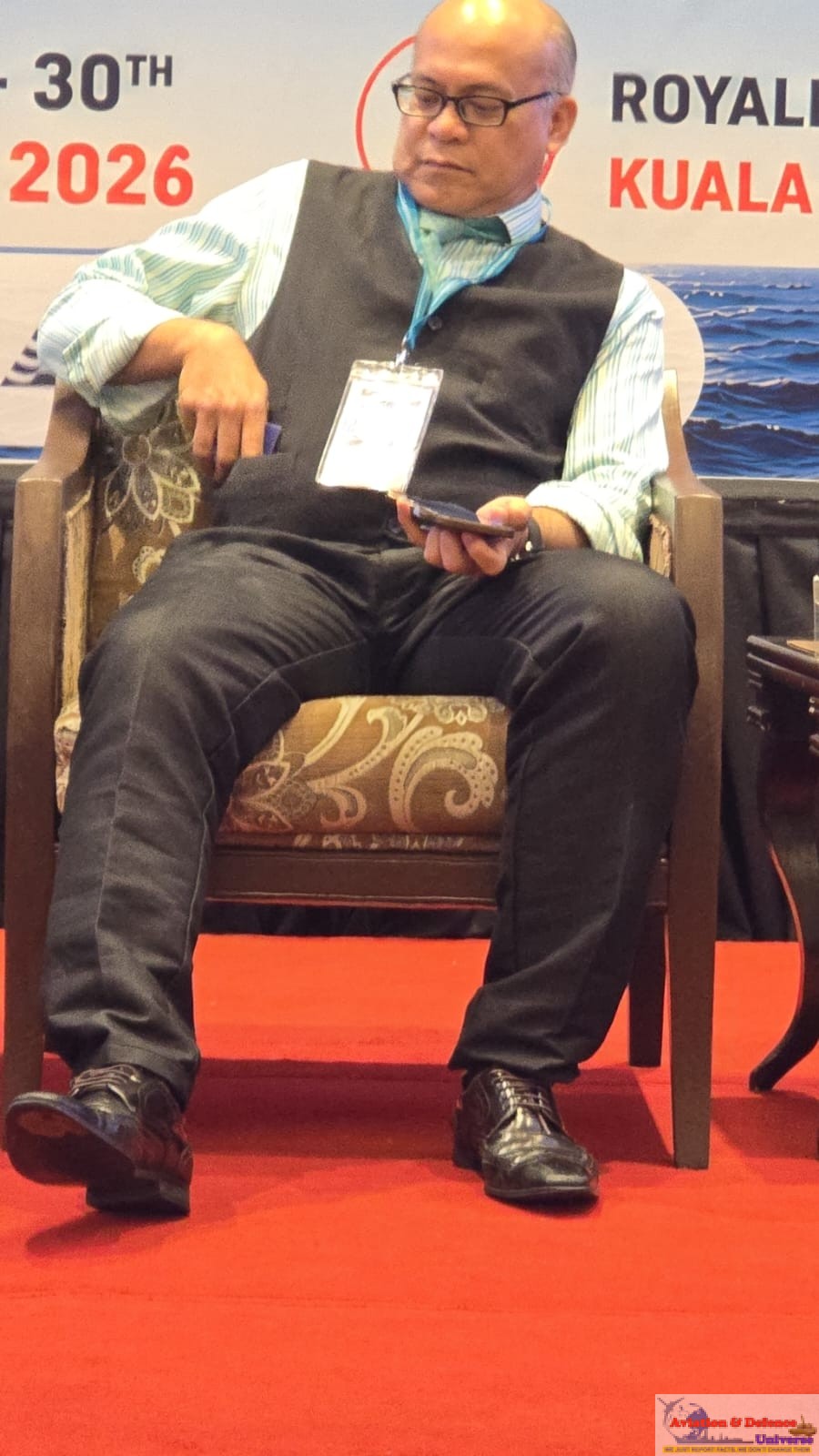 Professor Khalid reminded delegates that maritime emergencies rarely remain confined within national jurisdictions. “The sea does not respect boundaries and does not respect borders.” Consequently, he argued that modern maritime SAR depends fundamentally upon, “A high degree of interoperability, coordination, collaboration and cooperation.” These themes, repeatedly emphasised throughout iSAR 2026, remain essential for effective multinational rescue operations.
Returning to artificial intelligence, Professor Khalid reinforced Captain Kiszczak’s central message. “Do not be dismissive of the human element. Do not take away the part about human judgement, human evaluation and human assessment.” He warned that society is already becoming overly dependent on AI-generated answers. “We are all guilty of that. We are all dependent… the first thing that pops up, we take it as gospel.” Such unquestioning reliance, he cautioned, is dangerous.
“Artificial intelligence is artificial to begin with. It is void of context.” Introducing a concept that generated considerable discussion, Professor Khalid warned against what he described as “decision compression.” Although AI provides data almost instantaneously, operators should resist making immediate decisions without proper reflection. “Just because the data is available… almost at warp speed… it doesn’t mean that you should quickly set aside human judgement.” Instead, “Making informed and quick decisions has to be tempered with a great dose of patience.” He illustrated the dangers by referring to military operations where hurried AI-supported targeting decisions produced tragic consequences because no one paused to question the information available.
Professor Khalid stressed that simply acquiring advanced systems would not transform maritime SAR. “Technology availability is not good enough.” Organisations themselves must evolve. “There has to be procedures, processes, people and policy internally.” He argued that AI, UAVs, Internet of Things, blockchain, sensors and big data analytics all require structural reforms before they can be fully exploited. Benefits Are Enormous—But So Are the Responsibilities. Professor Khalid readily acknowledged the transformational potential of emerging technologies. “The benefits are just too numerous to even mention.” Among the greatest advantages, he identified speed, situational awareness and improved operational accuracy. Nevertheless, he repeatedly returned to the same caution: “You should not suffer from decision compression.”
Human expertise remains indispensable.
“Experience and knowledge come into play.” A subject matter expert, he explained, possesses the confidence to recognise when AI has produced an incorrect answer—something that inexperienced users may fail to detect. Looking ahead, Professor Khalid declared that technologies associated with Industry 4.0 have moved from the periphery to the centre of organisational decision-making. “They are here to stay. They are no longer luxuries… they are central to decision-making.” However, several gaps still need addressing. He referred to operational, regulatory and jurisdictional shortcomings already highlighted by previous speakers. “There are all kinds of gaps that need to be plugged.” Closing these gaps, he said, requires sustained investment, supportive government policy, financial resources and access to technology.
People Before Technology
Perhaps the most important recommendation from his presentation concerned training. “Let us not forget the importance of training and adequate human capital to operate these things effectively and productively.” He encouraged organisations to understand both the capabilities and limitations of AI before deploying it operationally. Budgetary support would also be essential. In one of the lighter moments of the afternoon, he remarked, “No funds, no fun.”
Trust, Confidence and Ethics
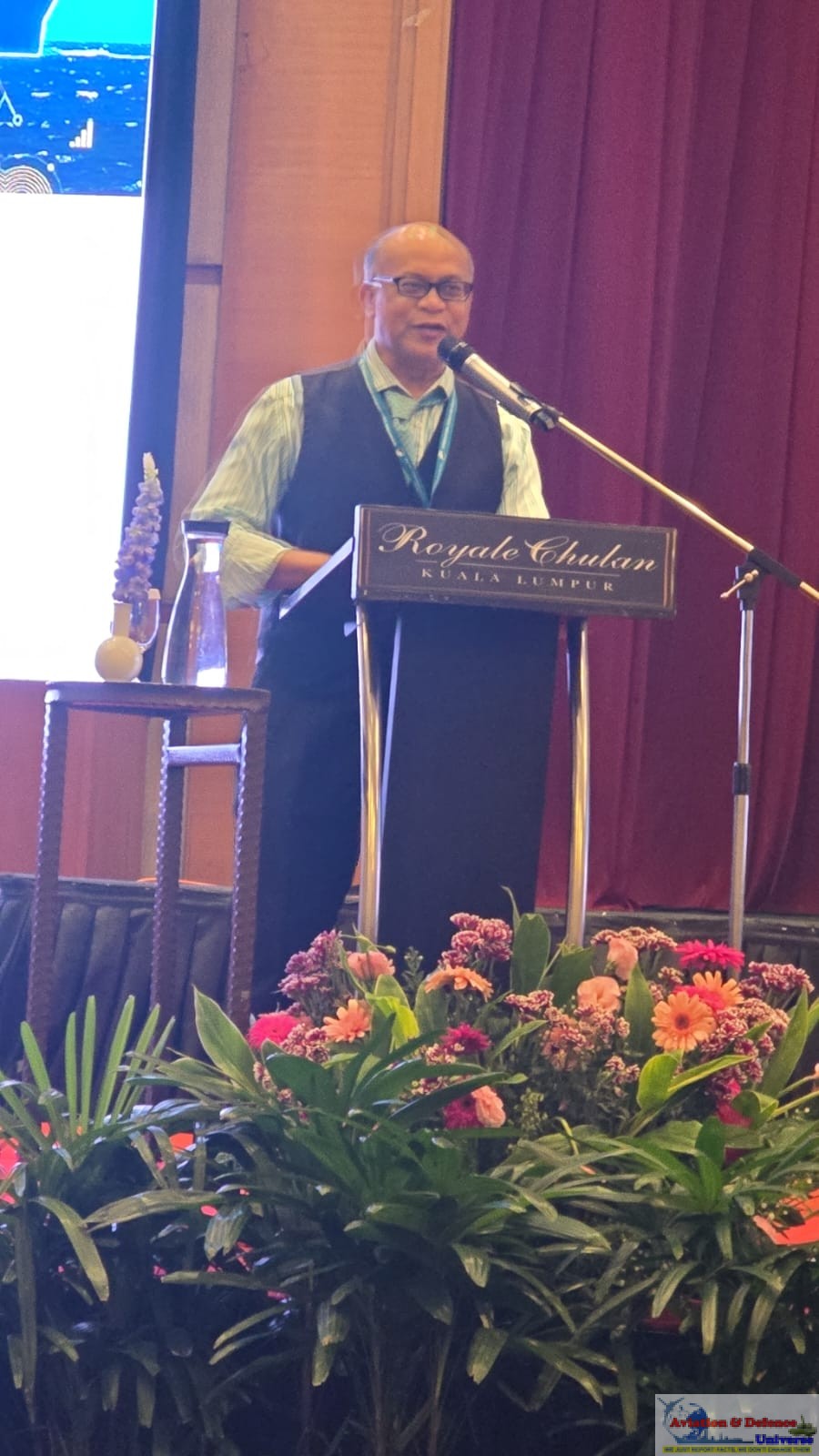 Professor Khalid concluded by shifting the discussion away from hardware towards organisational culture. “Trust, confidence and interoperability… these are not hardware.” Rather, they represent the “software” that enables technology to succeed. He urged the SAR community to work closely with industry and academia so that future technological development remains driven by operational needs rather than by technology for its own sake.
Summarising his philosophy, he said AI, UAVs and Industry 4.0 applications should be used, “Successfully, effectively, efficiently, affordably and, most importantly, ethically in maritime SAR.” As Professor Khalid concluded, Commodore Anil Jai Singh observed that both presentations had converged on a common concern. “Technology has indeed become an inevitability in our lives… but at times, it does seem to get the better of us as well.” Referring to the increasing weaponisation of AI, he cautioned, “The ethical dimension—or the lack of it—has become a matter of serious concern. Unfortunately, both policy and regulation are failing to keep pace.” He urged delegates to remain “very judicious in how we use these modern technologies to our benefit and not let them dictate terms to us.”
Introducing the final presentation of the session, moderator Commodore Anil Jai Singh described Tanguy Le Coq and Arthur Barbier, co-founders of Global SAR Hub, as experienced maritime search and rescue professionals whose innovations are already supporting rescue coordination centres across the globe. He noted that their technologies are now used by SAR professionals in more than 135 countries, strengthening operational capability while promoting international collaboration
“Through Global SAR Hub, they continue to advance the global SAR community by driving technological innovation, strengthening operational capability and promoting collaboration across the international maritime rescue sector.”
The Best Solutions Come from the Operations Room
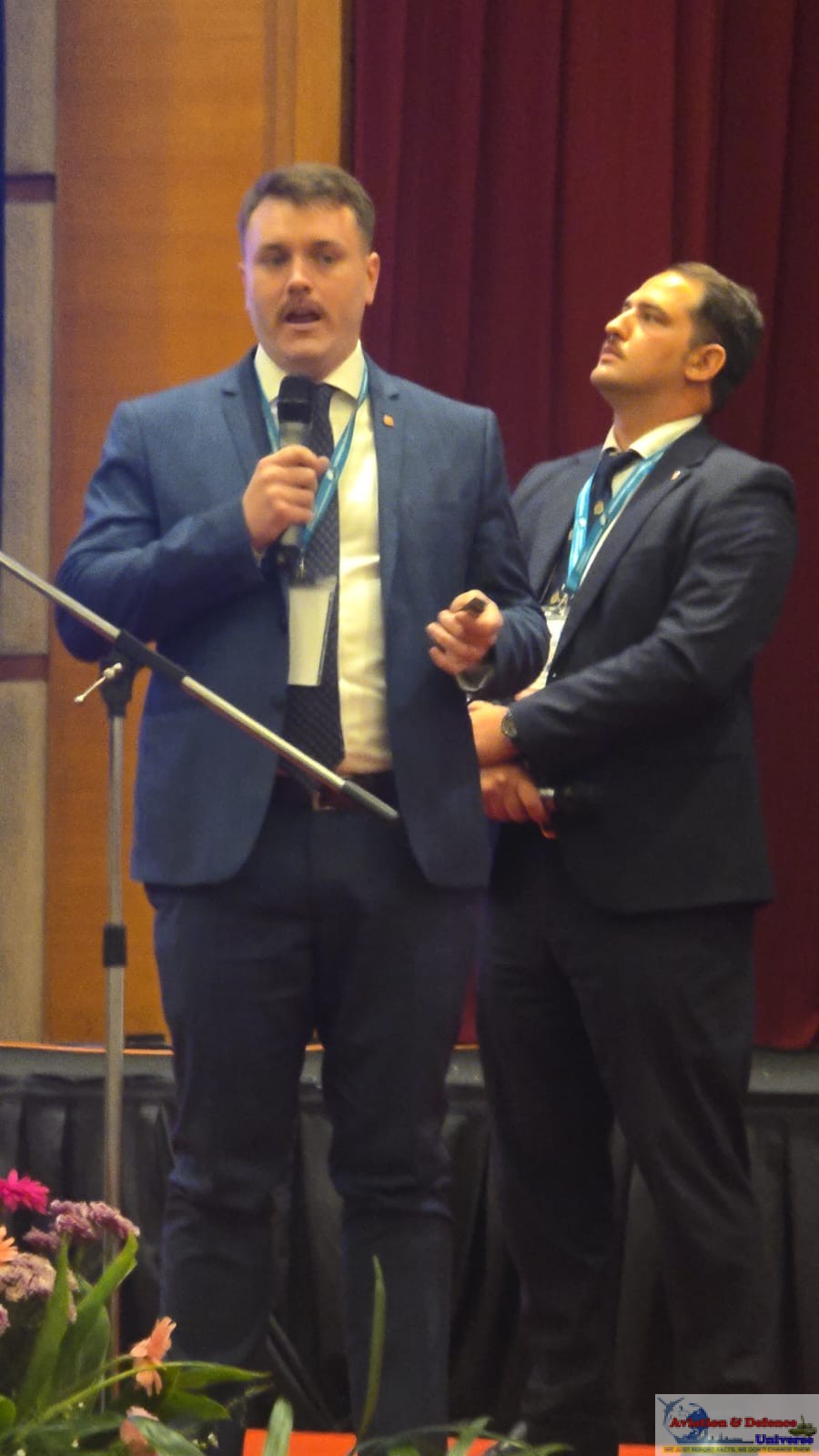 Opening the presentation, Tanguy Le Coq explained that Global SAR Hub was born not inside a software company but inside a Maritime Rescue Coordination Centre. “We have been serving in the French Navy for the last sixteen years… We used to work in the Maritime Rescue Coordination Centre, and that was the starting point of Global SAR Hub.”
He recalled that during operational deployments they repeatedly encountered shortcomings in the digital tools available to rescue coordinators. “We were finding some gaps in the tools that we had to do our job as operators.” Rather than simply accepting those limitations, the team decided to develop their own operational solutions. The first products, SeaSAR Map and AirSAR Map, have since expanded dramatically. “During the last four years, they have reached nearly one and a half million users in more than 207 territories.”
Designed by Operators for Operators
Continuing the presentation, Arthur Barbier explained why the software has found acceptance across the international SAR community. “Our tools are trusted by organisations all around the world because we saw every little gap that everyone was facing during operations.” Unlike generic commercial software, their products were specifically designed around operational realities. “We built a suite of tools to face every little specific gap.” He contrasted their approach with that of large software vendors. “Giant industries cannot take the time to tailor things for your operation and to understand what you are facing.” That practical experience, he said, remains their greatest strength. “We come from the field, from the operations room. We know what you are facing when you are doing your job.”
AI That Assists Rather Than Thinks
Among the products demonstrated was CLEAR406, an AI-enabled system that automatically decodes COSPAS-SARSAT distress beacon messages. Barbier explained that rescue operators often receive encrypted distress information under intense pressure. “Sometimes you can make mistakes decoding this kind of message.” The software automatically identifies key information such as vessel identity, position and uncertainty area while gathering publicly available background information.
Importantly, he stressed that the AI employed remains deliberately limited. “It’s not a generative AI that will think for you. It’s an AI trained to decrypt the message and identify specific information.” The system also promotes international collaboration. “If your neighbouring country has already handled the same case, you will immediately know and can contact them directly.” Today, he noted, the tool is already being used by around 70 Search and Rescue Coordination Centres worldwide.
A WhatsApp for Search and Rescue
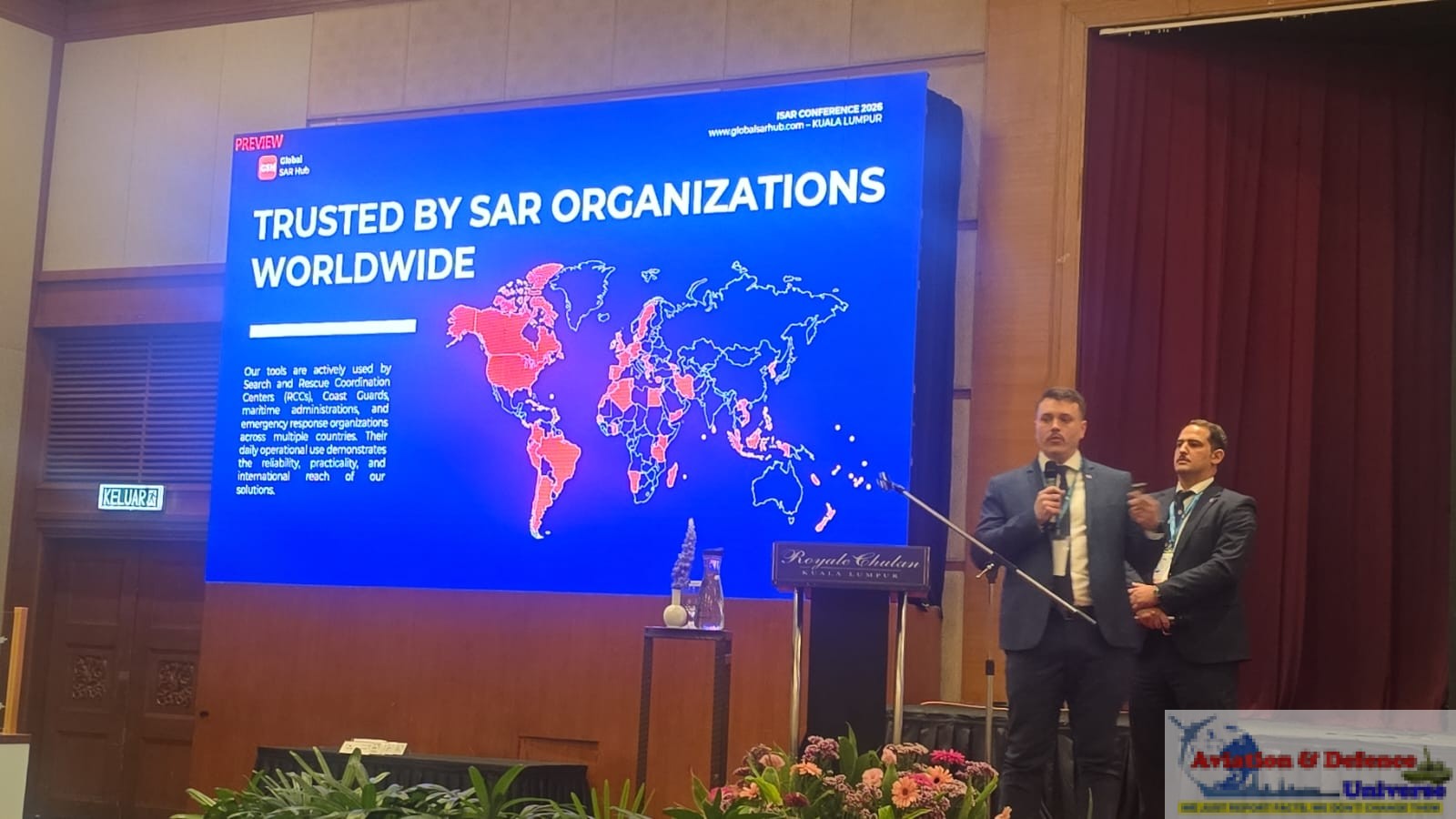 Le Coq then introduced SAR Chat, describing it in remarkably simple terms. “We like to call it our WhatsApp for Search and Rescue.” The platform combines messaging, mapping, translation, AI-generated situation reports, satellite imagery and operational tracking into a single collaborative environment. By sharing live locations through secure links, rescue coordination centres can rapidly update aircraft, ships and field teams without requiring specialised equipment.
Simulation Before Deployment
The presenters next demonstrated SAR Sim, a Monte Carlo-based drift prediction system that combines live weather, wave and oceanographic information. Operators simply mark a location on the map before the software retrieves environmental data and predicts probable drift patterns. Unlike autonomous systems, however, the programme allows rescue coordinators to modify environmental assumptions whenever better local information becomes available.
Managing Rescue Assets More Efficiently
Another product, SAR Unit Manager, addresses a common operational challenge—keeping track of rescue resources. The software continuously updates the availability, location, endurance, speed and operational status of rescue units. When an incident occurs, it immediately identifies the closest available platform. Yet, echoing the philosophy expressed throughout the session, Barbier emphasised, “It is not taking decisions for you.” Instead, it simply provides commanders with better situational awareness under pressure.
Technology Must Be Matched by Training
Moving beyond software, the presenters unveiled the Global SAR Hub Academy, a digital learning management system. “It is not a training programme. It is a learning management system that we built with our SAR knowledge.” The objective is to standardise training for rescue coordinators using interactive lessons and competency-based learning similar to popular educational applications. The team also introduced several civilian applications designed to assist recreational sailors and mariners, including emergency message generators and navigational aids.
Sharing Knowledge Creates Better SAR
 Perhaps the strongest message from the French team concerned international cooperation. “Everything is possible because we are sharing knowledge together.” They stressed repeatedly that rescue organisations cannot succeed in isolation. “You cannot do it on your own. You have to share information, share knowledge… to make a better SAR world.” Concluding the presentation, Le Coq reinforced the central message that had echoed throughout the afternoon. “Add new technology… but let the human factor at the end make the good decision.
The session concluded with an engaging discussion led by Commodore Anil Jai Singh on integrating new SAR technologies with existing regional information fusion centres. Referring to established maritime information-sharing networks in the Indo-Pacific, he asked how Global SAR Hub could complement rather than duplicate existing mechanisms.
Professor Nazery Khalid responded by highlighting the Straits of Malacca Cooperative Mechanism as an example of successful multinational collaboration. “The platform is already there. It is just a matter of adding another component.” He also cautioned that while cooperation is essential, countries must remain mindful of national security. “Don’t be too open-minded or your brains will fall out. “Responding to the moderator, the French presenters reaffirmed that Global SAR Hub does not seek to replace existing organisations. “We have to share with everyone… We have to meet people, shake hands and share information.”
Professor Khalid concluded with what became one of the defining observations of the session. Introducing the concept of “co-opetition”—cooperating even with competitors—he remarked, “The land divides but the seas unite.” He urged governments and rescue agencies to embrace collaboration because today’s provider of assistance may become tomorrow’s recipient.
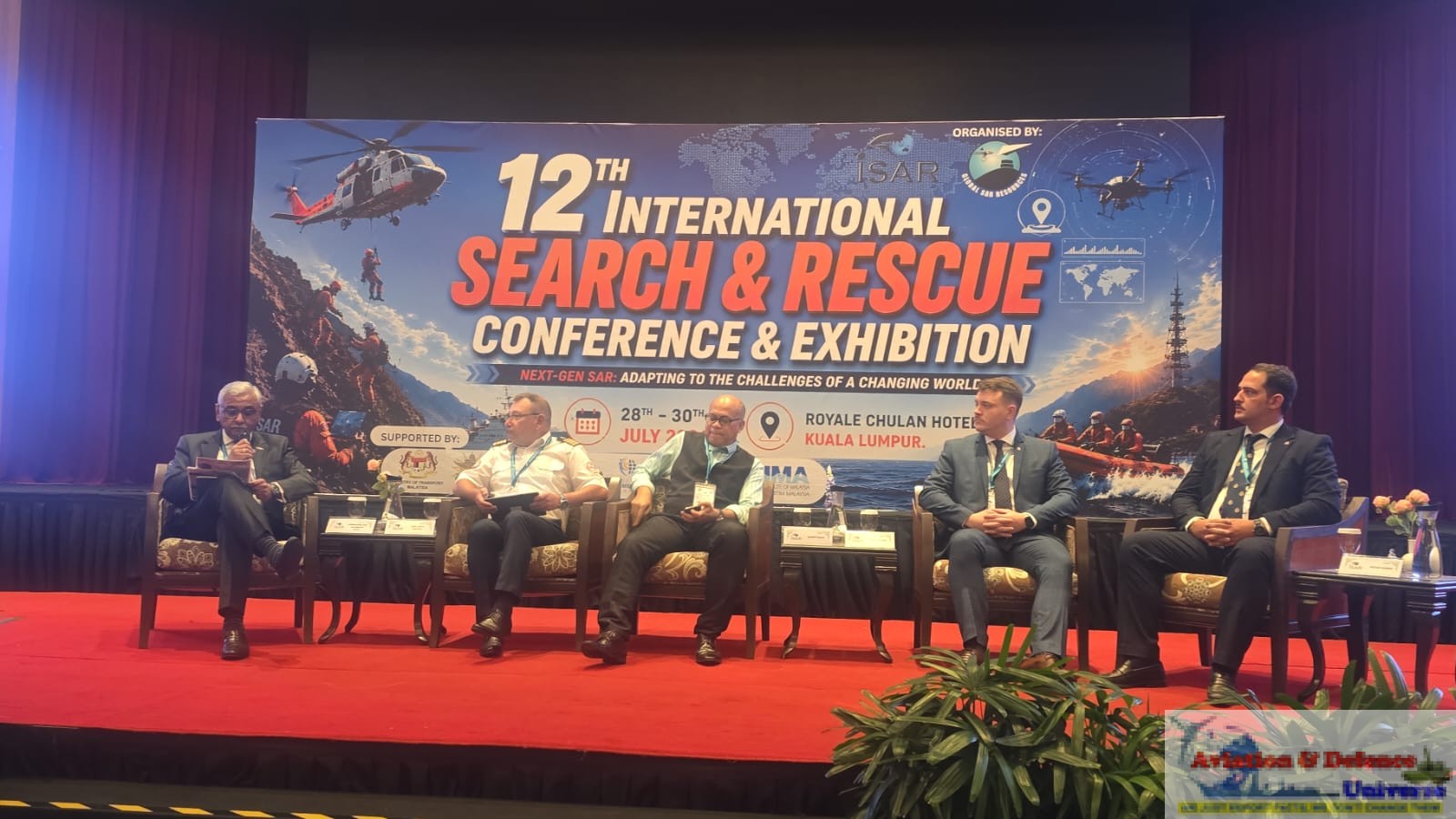 Plenary Session 2 on SAR Technology demonstrated that the future of maritime search and rescue will not be shaped by artificial intelligence alone but by the intelligent integration of technology with human judgement, training and international cooperation. Speakers from Poland, Malaysia and France consistently reinforced that AI, digital platforms, UAVs, predictive analytics and collaborative software have the potential to revolutionise rescue coordination by improving speed, situational awareness and decision support. Yet every presenter cautioned against surrendering professional responsibility to algorithms.
From Captain Jerzy Kiszczak’s call to treat AI as a trusted assistant rather than an autonomous decision-maker, to Professor Nazery Khalid’s warning against “decision compression,” and the Global SAR Hub team’s demonstration of operator-driven digital solutions, the session converged on a single principle: technology is at its most powerful when it empowers people, not replaces them. As maritime emergencies become more complex and multinational cooperation more essential, the discussions at iSAR 2026 underscored that the greatest innovation in search and rescue may ultimately lie not in software, but in the willingness of nations, organisations and professionals to share knowledge, build trust and work together to save lives.






























































-A4-Size-(2)_page-0001.jpg)