 18th BRICS Summit
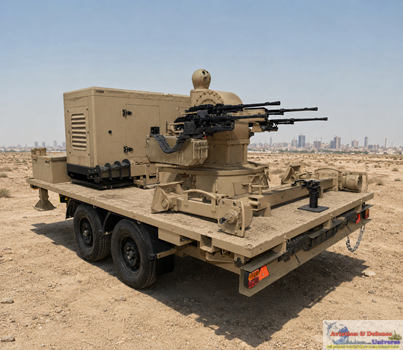

















- From Common Vision to Joint Innovation: India and UK Join Forces on Autonomous Defence Technologies
- Launches a New Chapter in India-UK Autonomous Systems Collaboration
- From Conversations to Practical Partnerships
- From Strategy to Systems : “Shared Innovation, Shared Expertise, Shared Ambition”
By Sangeeta Saxena
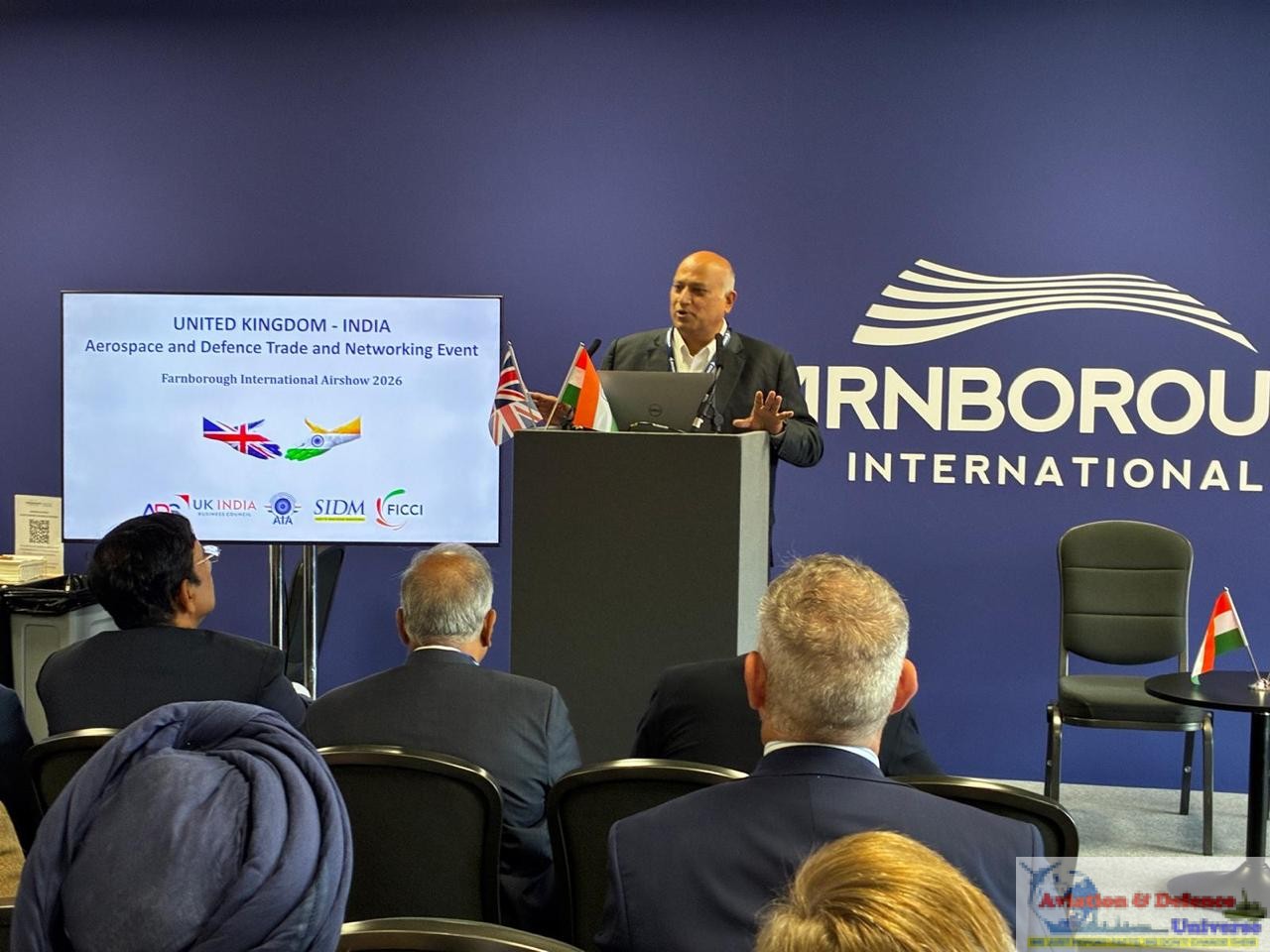
Farnborough, UK. 21 July 2026. As warfare becomes increasingly defined by autonomy, artificial intelligence and uncrewed systems, defence partnerships too are moving beyond traditional buyer-seller relationships towards collaborative innovation and co-development. Against this rapidly changing backdrop, the launch of the India-UK Autonomous Platforms and Uncrewed Systems Working Group at Farnborough International Airshow 2026 marks a significant new chapter in the growing strategic and industrial relationship between India and the United Kingdom.
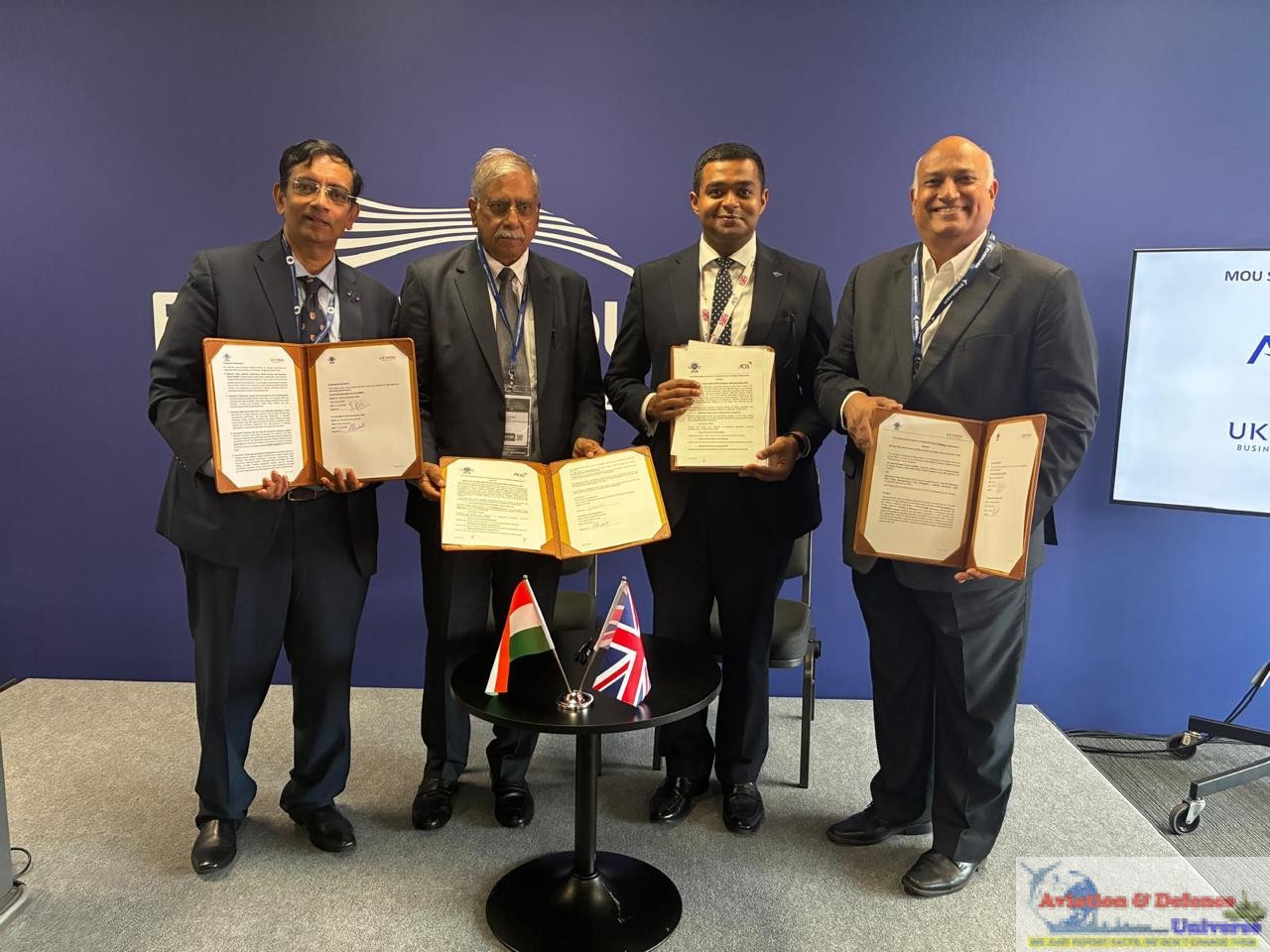 Designed to bring together industry, academia, innovators, start-ups, SMEs and established defence companies from both countries, the initiative seeks to transform shared strategic ambitions into practical technological and industrial partnerships. From joint research and co-development to manufacturing and supply-chain integration, the Working Group aims to create an ecosystem capable of developing next-generation autonomous and uncrewed capabilities while generating economic and industrial value in both countries.
In an exclusive interaction with Aviation & Defence Universe (ADU), Dr Kishore Jayaraman, Group CEO of the UK India Business Council (UKIBC), explains why Farnborough provides the perfect launchpad for the initiative, the opportunities it could unlock and how industry can help translate the growing strategic convergence between India and the UK into tangible outcomes.
ADU. Farnborough International Airshow is one of the world’s leading aerospace and defence events. Why is FIA an important platform for UKIBC and the UK-India partnership?
Dr Kishore Jayaraman. Farnborough International Airshow provides a unique global platform where governments, industry leaders, innovators and investors come together to shape the future of aerospace, defence and advanced technologies. For UKIBC, it is an important opportunity to showcase the growing strength of the UK-India partnership and help create meaningful connections between businesses from both countries.
The launch of the India-UK Autonomous Platforms and Uncrewed Systems Working Group at FIA 2026 reflects the increasing ambition of both nations to collaborate on next-generation capabilities. Events such as Farnborough enable industry to move beyond conversations and build practical partnerships in innovation, manufacturing, technology development and supply-chain integration. As the UK and India deepen their strategic relationship, FIA serves as an ideal platform to accelerate collaboration and turn shared priorities into tangible outcomes.
ADU. Why is this new India-UK Autonomous Platforms and Uncrewed Systems Working Group important?
Dr Kishore Jayaraman. The launch of this Working Group marks an important step in the evolution of the UK-India defence partnership. Both countries are investing significantly in advanced technologies such as autonomous systems, uncrewed platforms and underwater capabilities. By bringing together industry, academia and innovators, we are creating a practical mechanism to identify opportunities, foster collaboration and accelerate innovation. This initiative is not only about technology development but also about creating long-term partnerships that strengthen industrial capability and support the ambitions of the India-UK Defence Industrial Roadmap and Vision 2035.
ADU. What opportunities do you see emerging from this collaboration?
Dr Kishore Jayaraman. We see significant opportunities across the entire innovation and industrial value 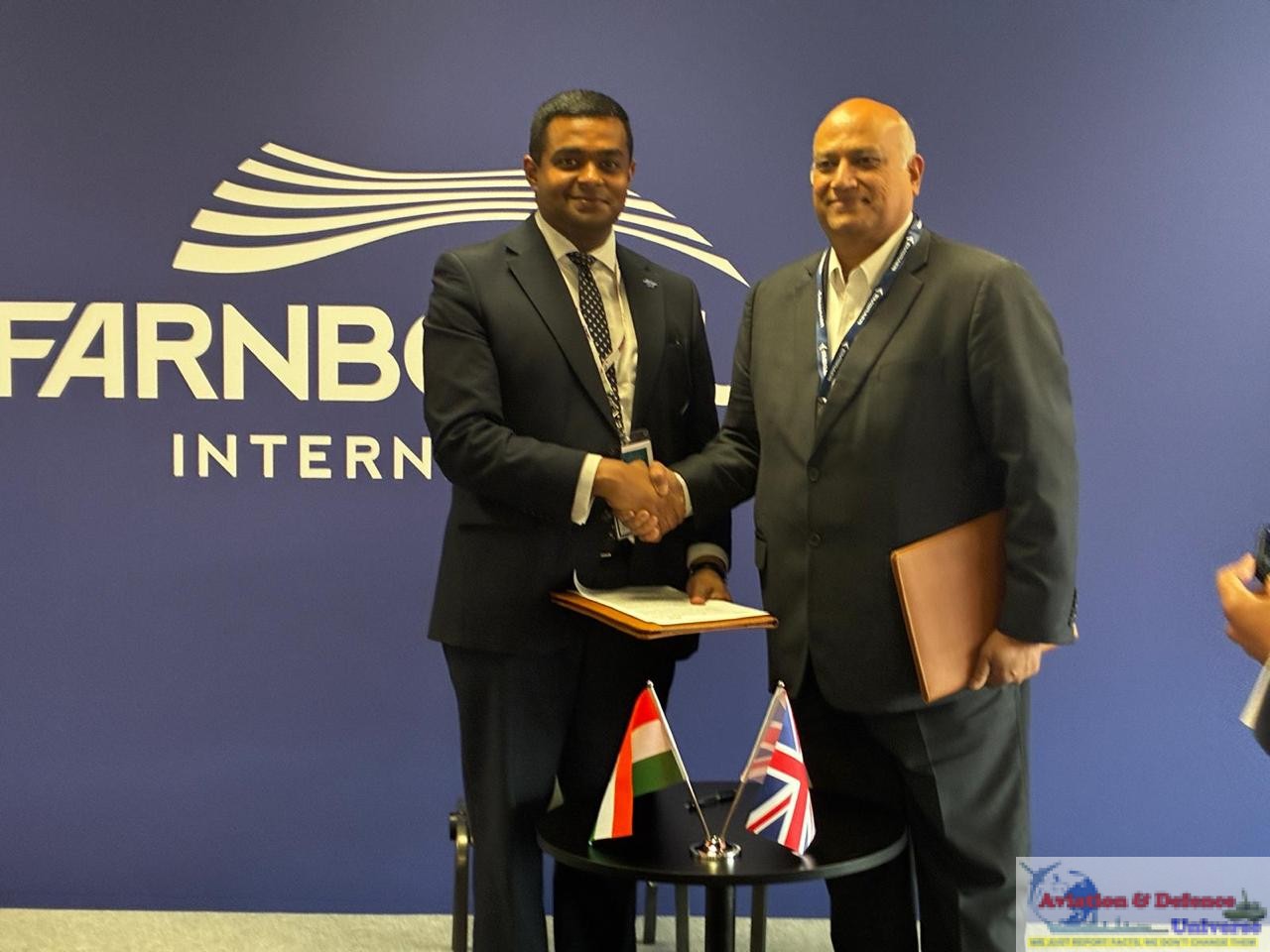 chain. These include joint research and development, co-development of new technologies, manufacturing partnerships, supply chain integration and greater collaboration between startups, SMEs and established defence companies. Importantly, the Working Group will help organisations better understand each other’s capabilities and connect with the right partners. This can accelerate the development and deployment of future technologies while creating economic and industrial benefits in both countries.
ADU. How does this initiative support the broader UK-India relationship?
Dr Kishore Jayaraman. The defence relationship is becoming an increasingly important pillar of the wider UK-India partnership. This Working Group demonstrates how industry can play a leading role in supporting government ambitions and translating strategic agreements into practical outcomes. As the first capability-focused group established under the UKIBC-SIDM Joint Working Group framework, it provides a model for future collaboration in other priority sectors and reinforces the growing trust and strategic alignment between our two countries.
ADU. How does the creation of the India-UK Autonomous Platforms and Uncrewed Systems Working Group reflect the growing momentum in bilateral defence collaboration?
Dr Kishore Jayaraman. The creation of the India-UK Autonomous Platforms and Uncrewed Systems 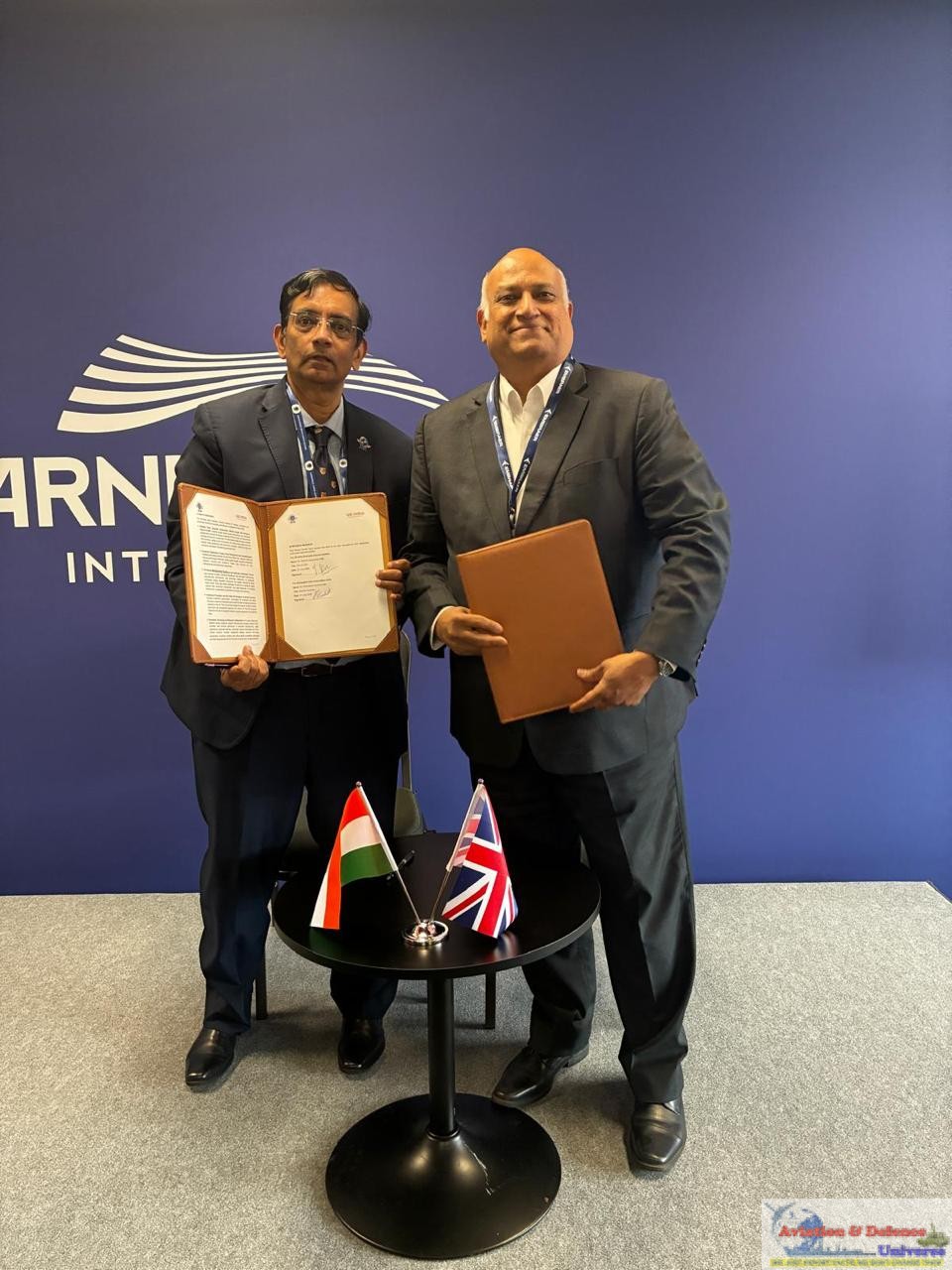 Working Group reflects the growing momentum in UK-India defence collaboration. We are bringing together the expertise, innovation and industrial strengths of both countries to help develop next-generation capabilities and create enduring partnerships for the future.
ADU. What are the key foundations on which a strong and enduring UK-India partnership can be built, and how can industry contribute to this process?
Dr Kishore Jayaraman. Strong UK-India partnerships are built on shared innovation, shared expertise and shared ambition. This initiative shows how industry can help translate strategic vision into meaningful collaboration that benefits both countries over the long term.
ADU. How can bringing together the innovation and technology ecosystems of India and the UK create tangible opportunities for both countries?
Dr Kishore Jayaraman. By connecting innovators, manufacturers, researchers and technology leaders from both nations, we can unlock new opportunities for co-development, strengthen supply chains and build capabilities that deliver value for both the UK and India.
The launch of the India-UK Autonomous Platforms and Uncrewed Systems Working Group represents much more than the creation of another bilateral industry forum. It signals an effort to build a working bridge between strategic intent and industrial execution at a time when autonomous and uncrewed technologies are rapidly reshaping the future battlespace.
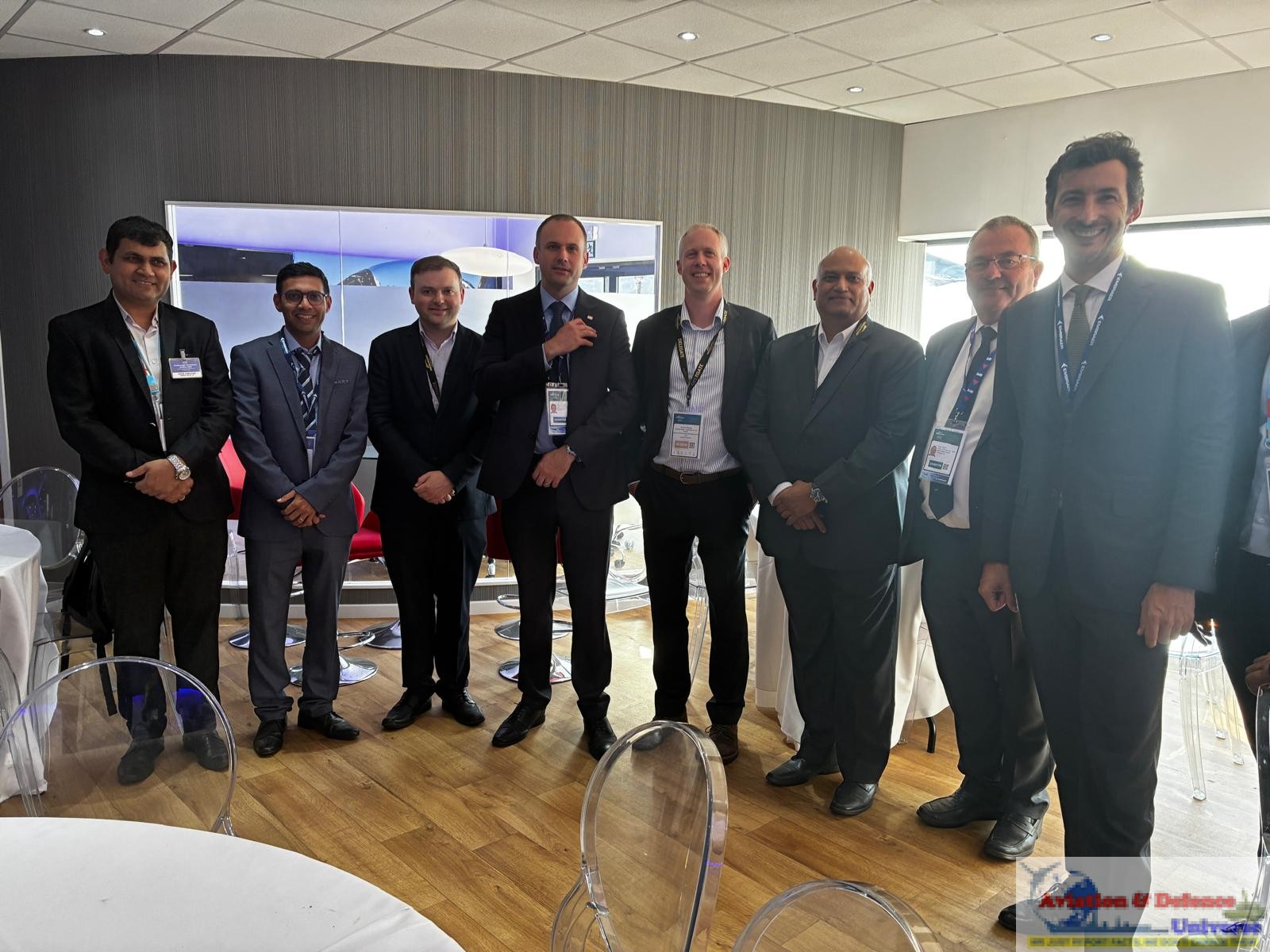 The UK India Business Council (UKIBC) plays a key role in strengthening trade, investment and business collaboration between the United Kingdom and India, acting as a bridge between companies, governments and industry stakeholders in both countries. By helping businesses understand opportunities, navigate markets and build strategic partnerships, UKIBC supports deeper bilateral economic engagement across priority sectors, including aerospace, defence and advanced technologies. Its growing focus on defence industrial cooperation reflects the changing nature of the India-UK relationship, with greater emphasis on innovation, co-development, manufacturing and resilient supply chains. Through initiatives such as the UKIBC-SIDM Joint Working Group and the newly established India-UK Autonomous Platforms and Uncrewed Systems Working Group, UKIBC is helping translate government-to-government strategic ambitions into practical industry partnerships, connecting innovators, SMEs, manufacturers and technology leaders from both nations to create long-term economic and industrial value.
 This conversation put forth practicality of bilateral ties in the current geopolitical scenario. Lets not just be friends, lets be allies too. As Dr Kishore Jayaraman underlines, the opportunity extends across the entire ecosystem — from researchers and start-ups to SMEs, manufacturers and major defence companies. By connecting complementary capabilities on both sides, India and the UK have an opportunity to jointly research, develop, manufacture and deploy technologies that could define the next generation of defence systems.
The larger significance lies in the model itself. If the Working Group succeeds in converting conversations into projects and strategic agreements into tangible industrial outcomes, it could become a template for deeper India-UK collaboration across other critical defence technologies. As the two countries move towards the ambitions outlined in the Defence Industrial Roadmap and Vision 2035, the focus is clearly shifting from simply doing business together to innovating, developing and building together.



















































































-A4-Size-(2)_page-0001.jpg)