
















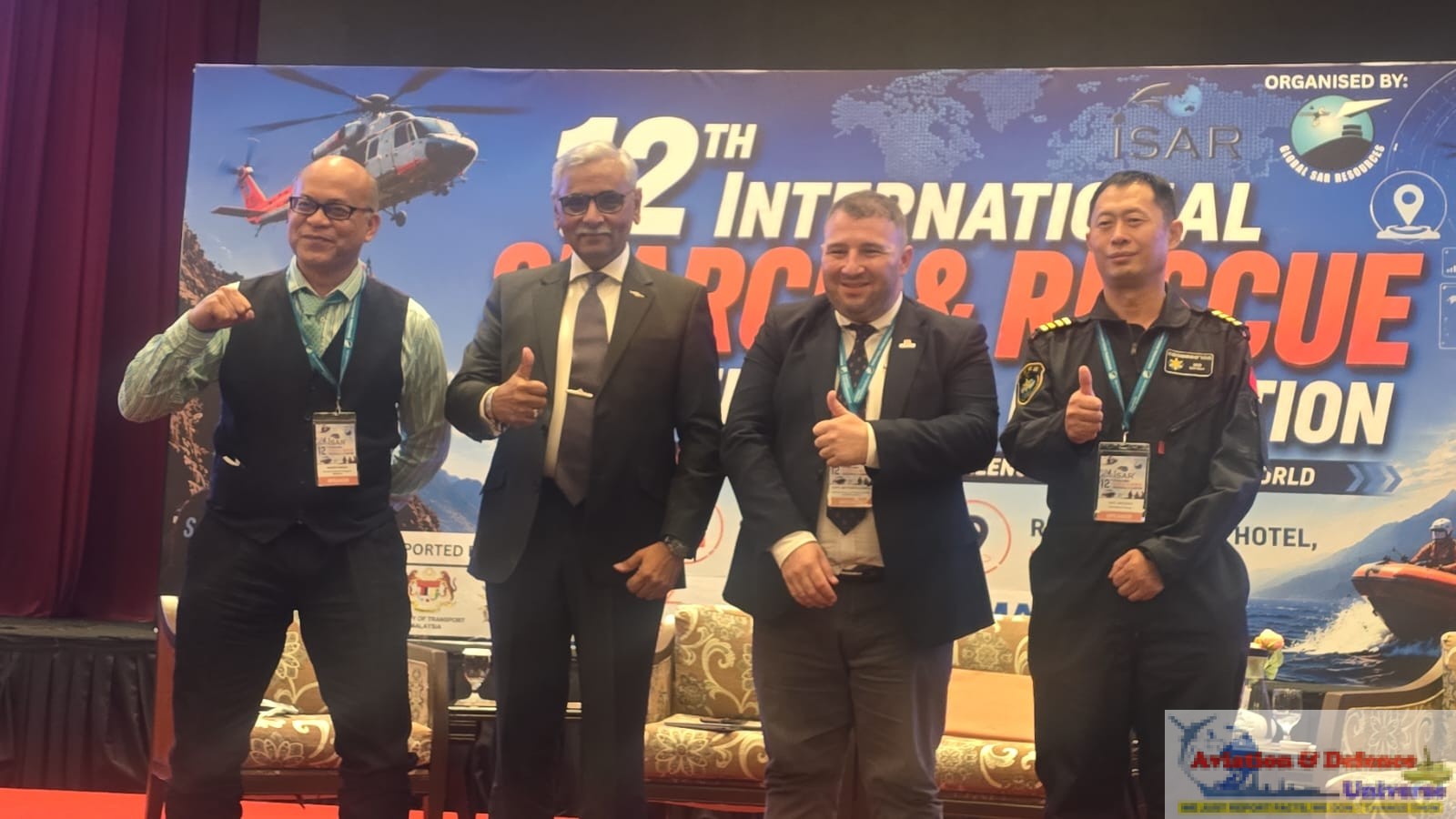
- Submarine Rescue, Mass Rescue and Night Operations Dominates SAR Debate
- Preparing for the Worst at Sea: Maritime SAR Experts Call for Better Readiness
- The Race Against Time: Every second Counts
By Sangeeta Saxena
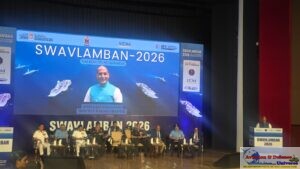
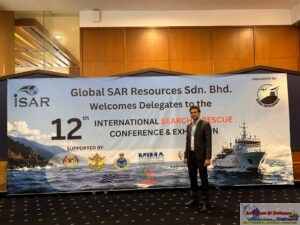
Kuala Lumpur. 28 July 2026. From the crushing depths of the ocean where trapped submariners battle time and pressure, to the enormous challenge of rescuing hundreds of people from burning ferries, sinking cruise ships and migrant vessels, maritime search and rescue has never been more demanding. That was the central message emerging from Plenary Session 1 on Maritime Search and Rescue at the 12th International Search and Rescue Conference & Exhibition (iSAR 2026), where experts from India, the United Kingdom and China examined how technology, preparedness, interoperability and international cooperation are reshaping the future of maritime rescue operations.
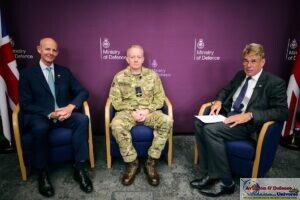
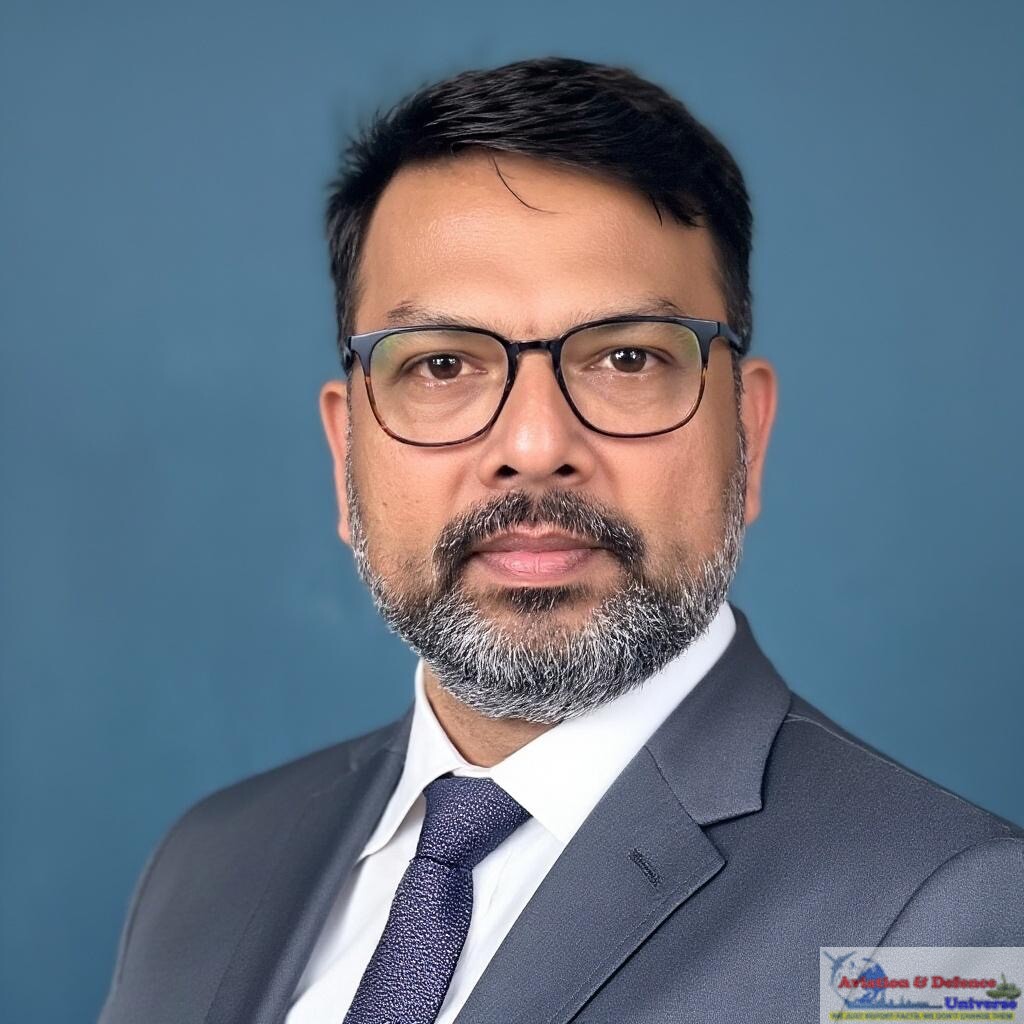
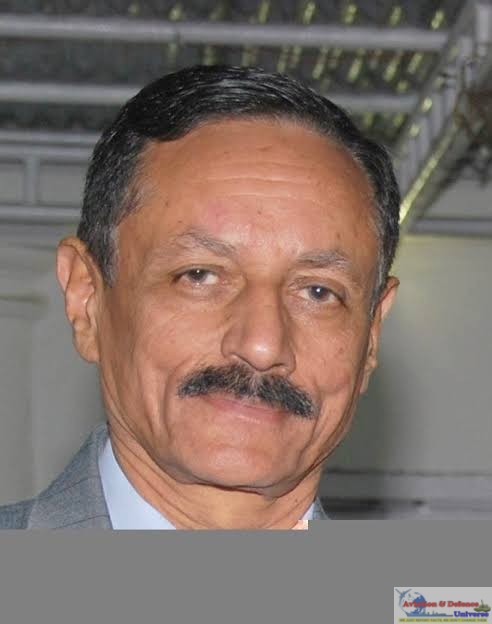
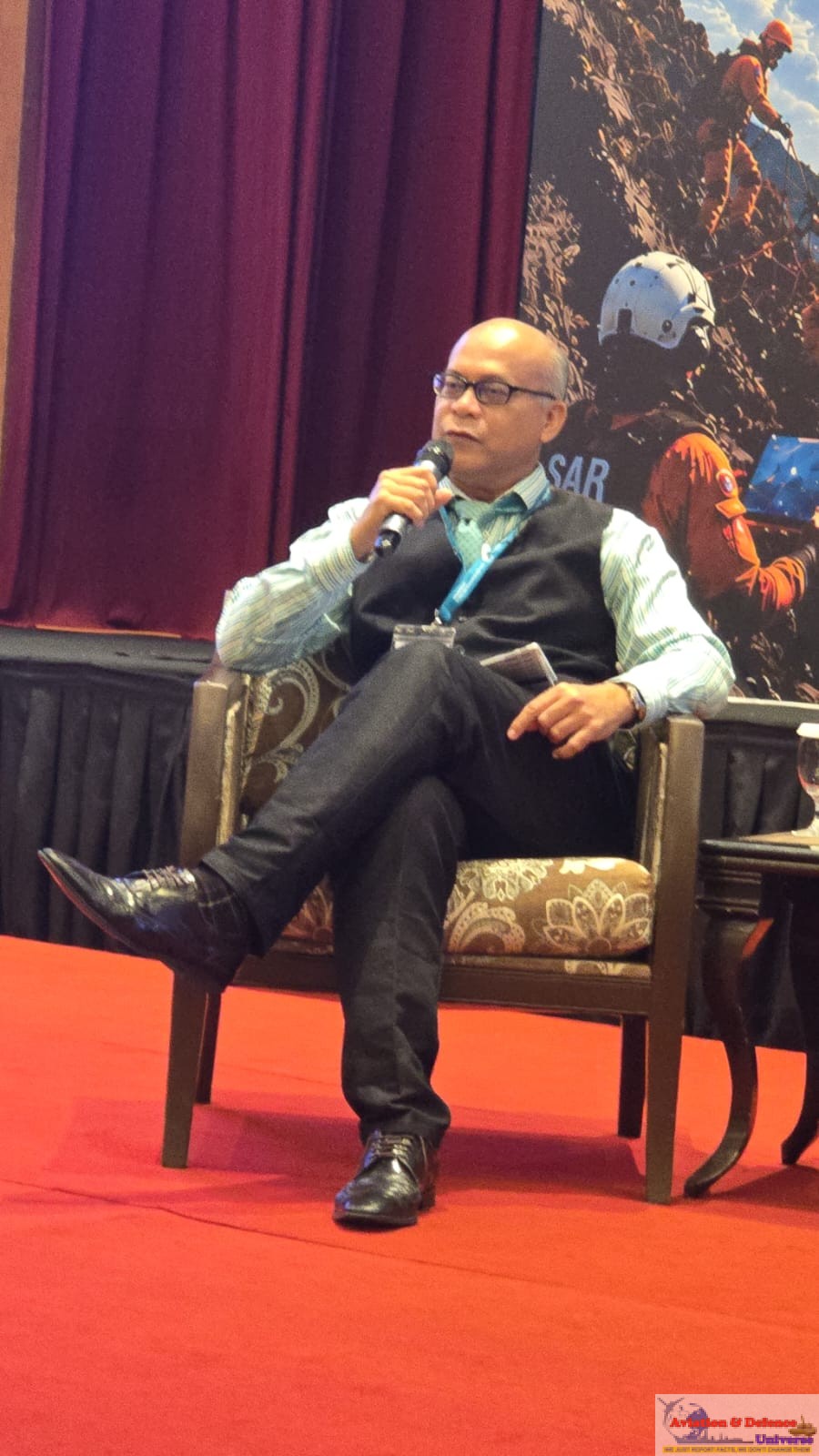 Moderated by Adjunct Professor Nazery Khalid, one of Malaysia’s foremost maritime experts, the session featured presentations by Commodore Anil Jai Singh, Indian Navy (Retd.), Vice President, Indian Maritime Foundation, Captain Matthew Schanck, Chairman, Maritime Search and Rescue Council (United Kingdom), and Captain Wei Shuo, SAR Instructor and Flight Examiner, China Rescue Salvage. Together, the speakers highlighted that while technology is transforming rescue operations, success still depends on preparation, rapid response and the willingness of nations to work together. Opening the session, Nazery Khalid reminded delegates that maritime SAR forms the backbone of global emergency response because nearly three-quarters of the Earth’s surface is covered by water.
“The very fact that the earth is 75% covered by water really should put into perspective how important maritime SAR is to the well-being of nations,” he observed. Using Malaysia as an example, he noted that almost 90 per cent of the country’s trade moves by sea, while fisheries, offshore energy and the wider blue economy make maritime safety a national imperative. “There is bound to be accidents, collisions, mishaps and so on, which require people in the SAR ecosystem to be always on their feet… to ensure that our lives are safe, our assets are not damaged and certainly not the least important, the environment is protected.” He warned that maritime rescue operations are becoming even more complicated because of climate change, jurisdictional issues, interoperability challenges and emerging threats such as cyber attacks, piracy and maritime terrorism.
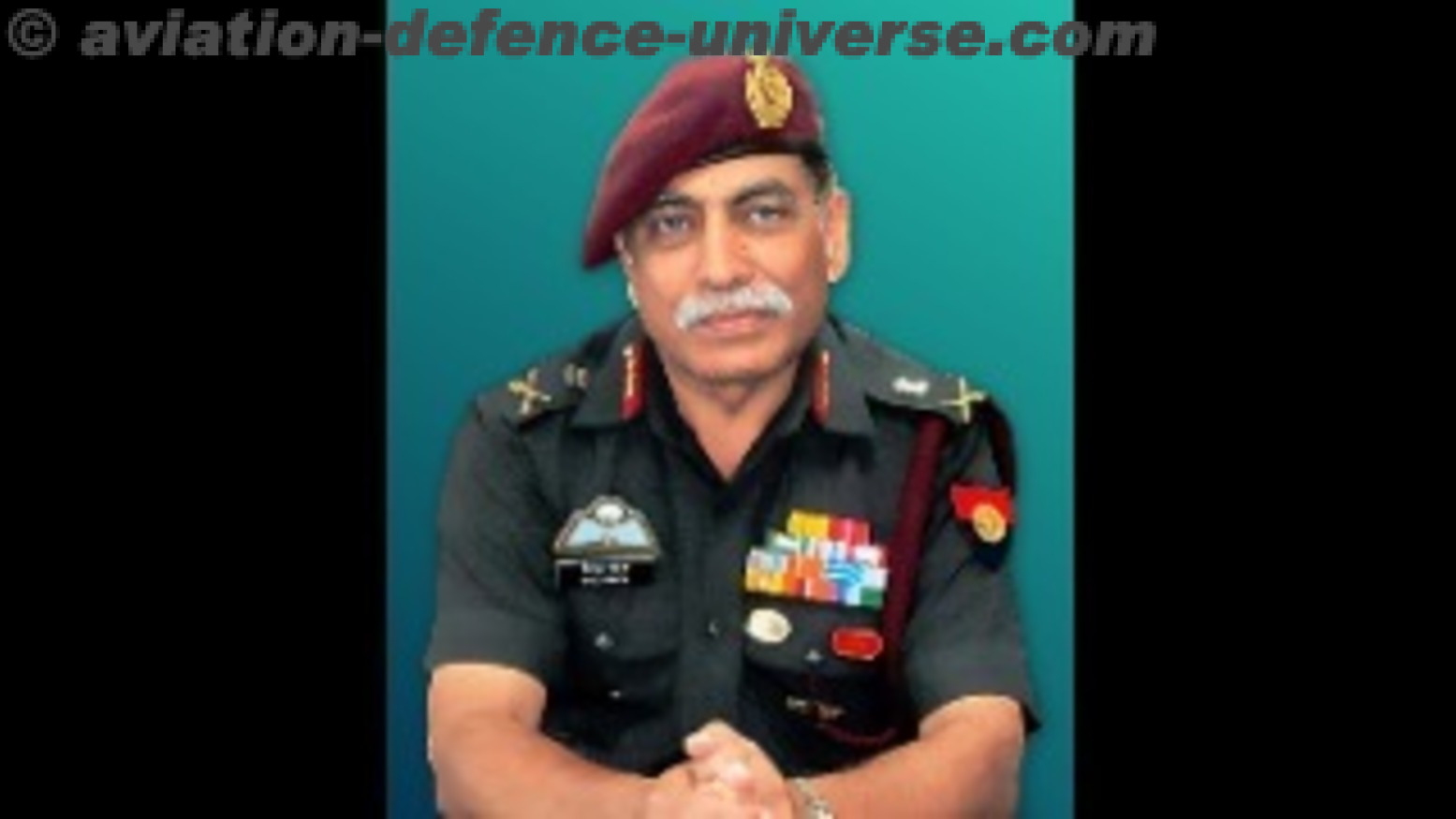
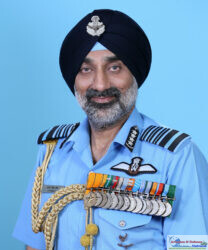
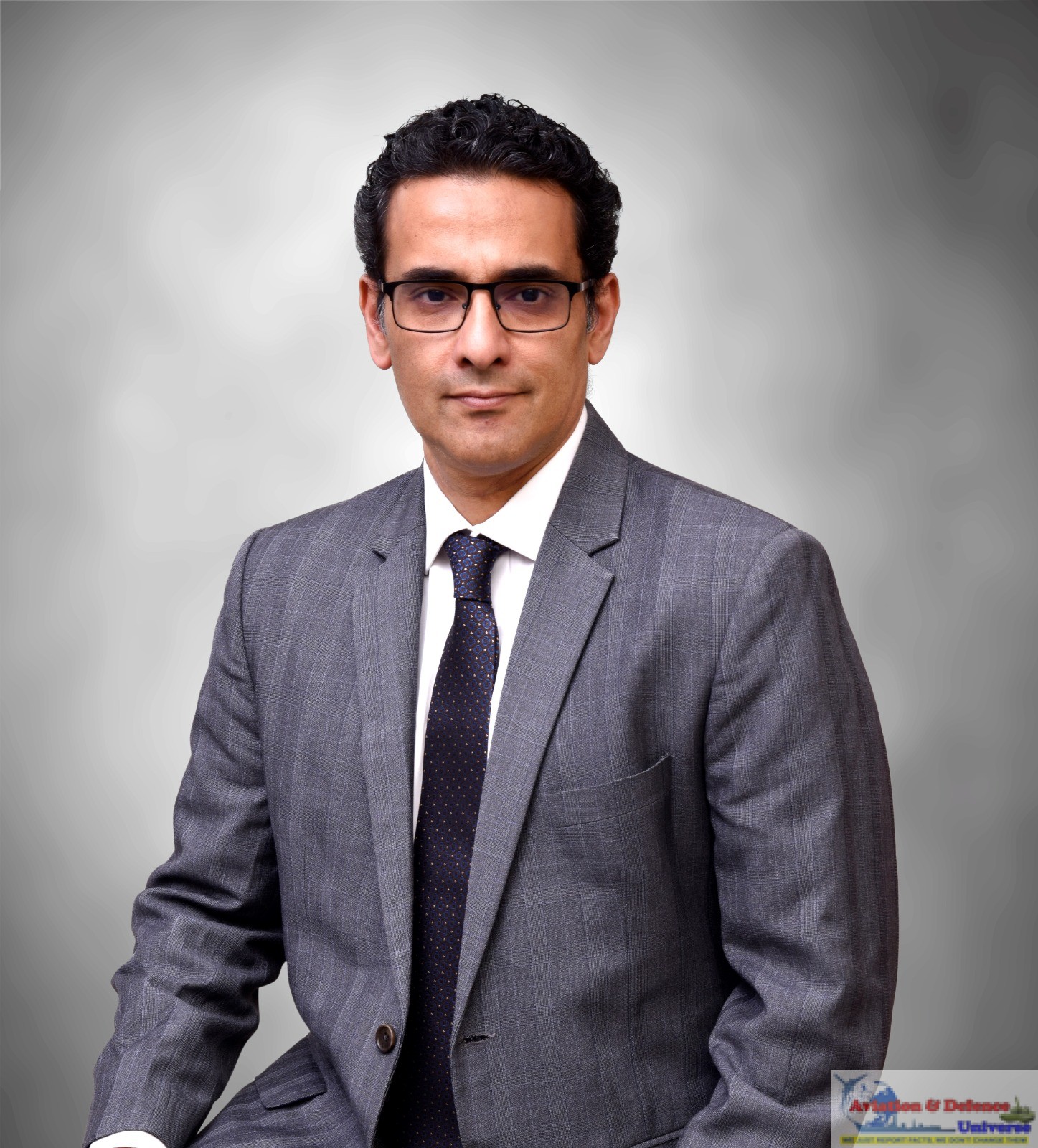
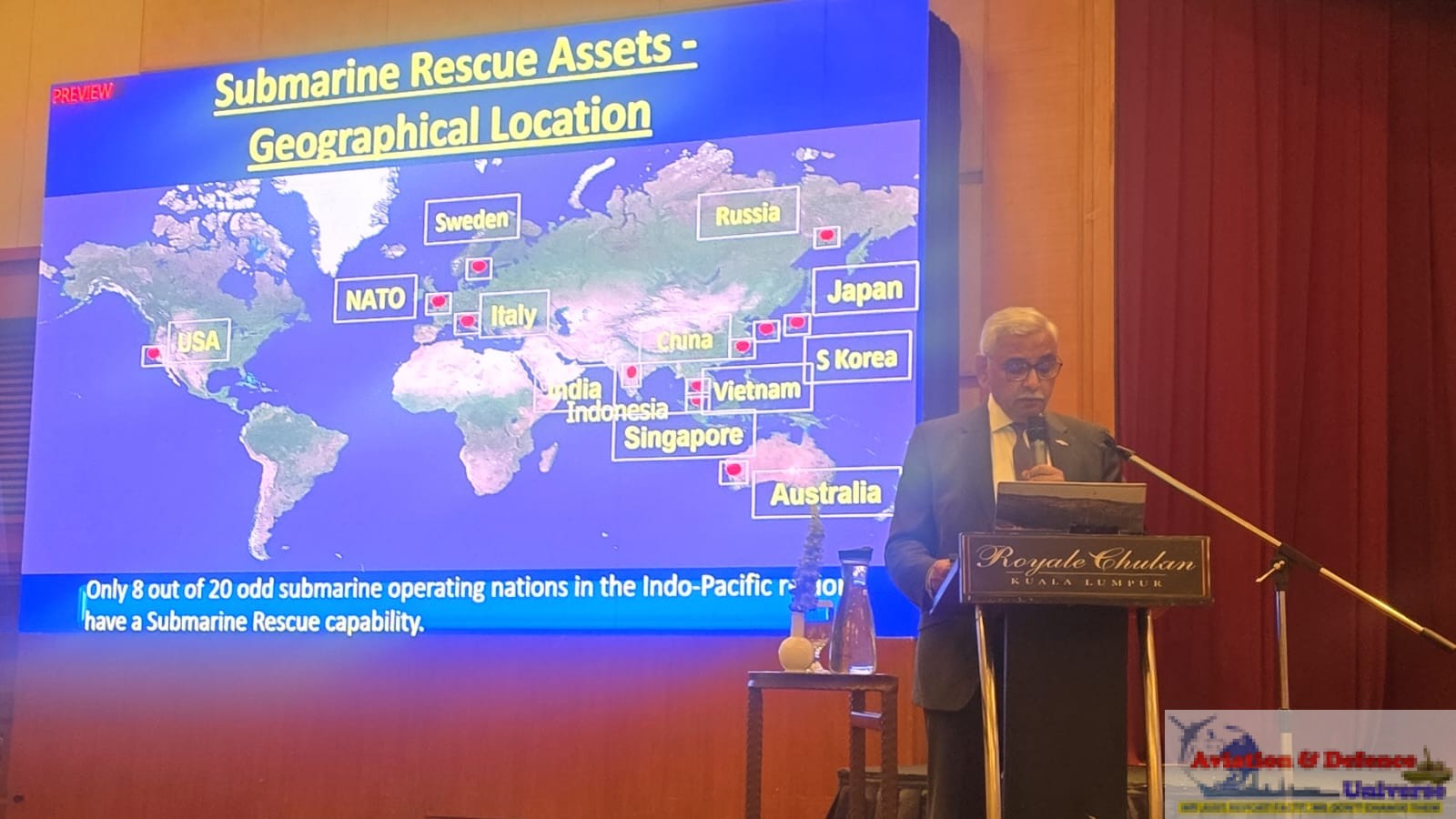 The first presentation by Commodore Anil Jai Singh (Retd.) focused on one of the most specialised and unforgiving areas of maritime SAR—submarine rescue. Expressing gratitude to the organisers, he remarked, “The importance of a robust search and rescue capability is an inescapable imperative for any maritime nation. But often, it does not get the attention it deserves.” He praised Global SAR Resources for creating an international platform that enables countries to learn from one another. “We will all return to our respective countries that much richer by this experience.” Referring to the conference theme, Commodore Jai Singh described technology as “a great force multiplier in every walk of life”, adding, “What better way is there but to apply it to improve and strengthen search and rescue capability and save precious lives.”
 He painted a stark picture of submarine operations in the Indo-Pacific, noting that more than 175 submarines operated by 16 regional and four extra-regional navies currently patrol the region, while only eight Indo-Pacific countries possess dedicated submarine rescue capabilities. Using operational examples, he explained why submarine rescue remains one of the world’s most complex rescue missions. Quoting a century-old naval maxim, he said, “On the strength of one link in the cable depended the might of the chain.”
He added, “Nowhere is this more true than aboard a submarine, where a single mistake by even one sailor can take an entire submarine and its crew down to a watery grave at the bottom of the sea.” He described how submarine crews rehearse emergency drills repeatedly because, “When the emergency occurs, there is no time to think; the crew must react instantly.” Walking delegates through the catastrophic sequence following a hull breach, he demonstrated how flooding, electrical failures, fire, loss of propulsion and sinking can unfold in less than three minutes. “By far the most important factor in effecting submarine search and rescue is time. A delay of even a few hours could mean the difference between life and death.”
The Indian Navy veteran highlighted the complexity of locating a disabled submarine, mobilising specialised rescue systems and transporting them across continents. He explained that even under ideal conditions, “Once an alert is given… a minimum of 72 hours will elapse before any rescue effort can reach a distressed submarine.” Using the tragic examples of Russia’s Kursk and Indonesia’s KRI Nanggala, he stressed that 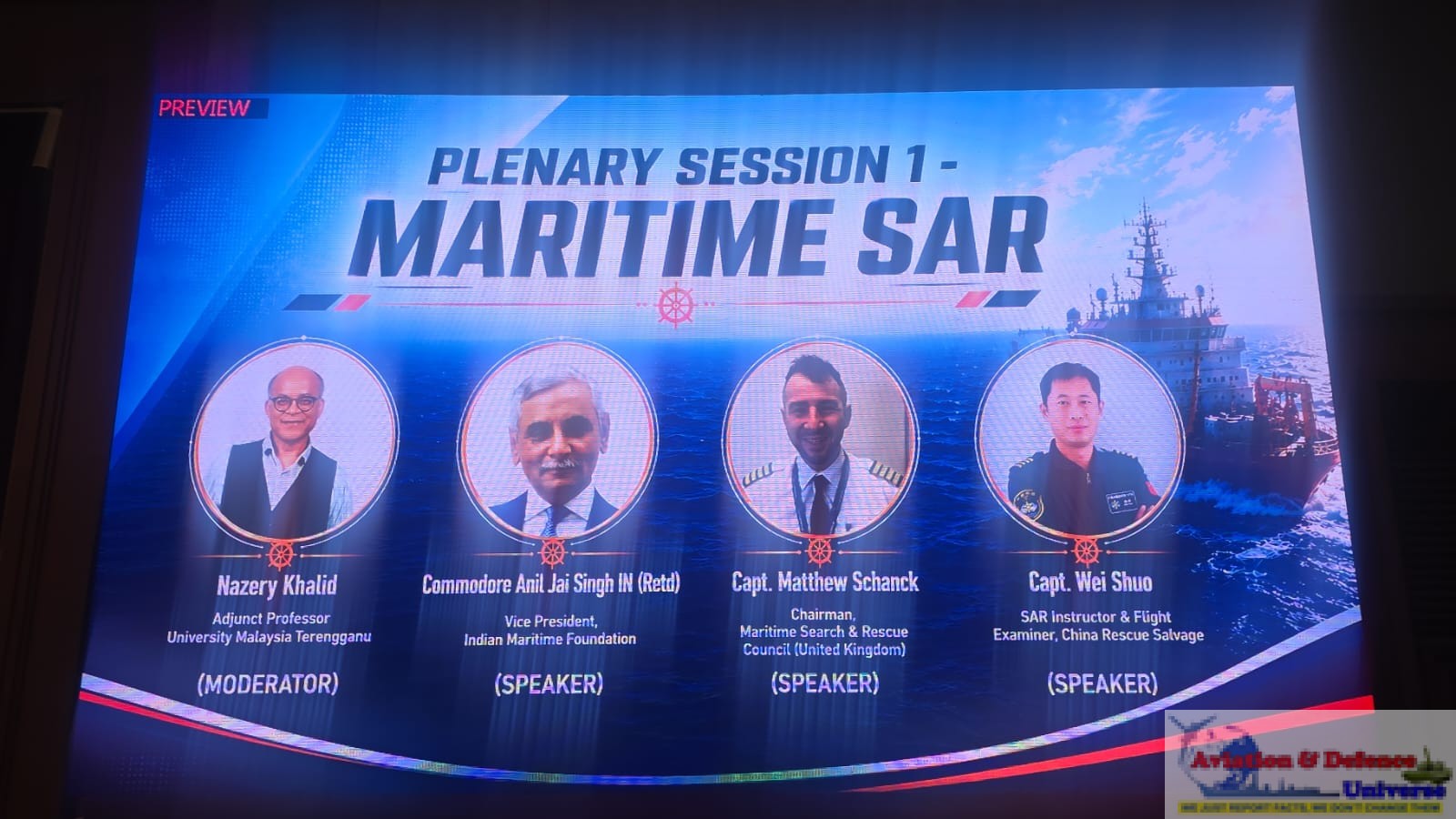 politics and delays can cost lives. Recalling the Kursk tragedy, he observed, “President Putin… refused all Western help. It later emerged that a few sailors could have been rescued.”
He concluded that successful submarine rescue demands rapid response, international interoperability, multinational exercises, preventive maintenance and continuous crew training. Looking to the future, Commodore Jai Singh highlighted how AI, robotics, autonomous underwater vehicles, advanced sonar, satellite systems, machine learning, quantum navigation and digital twins are poised to transform submarine rescue. “Submarine search and rescue is one of the most demanding maritime operations due to the hostile underwater environment and the narrow window for survival.”
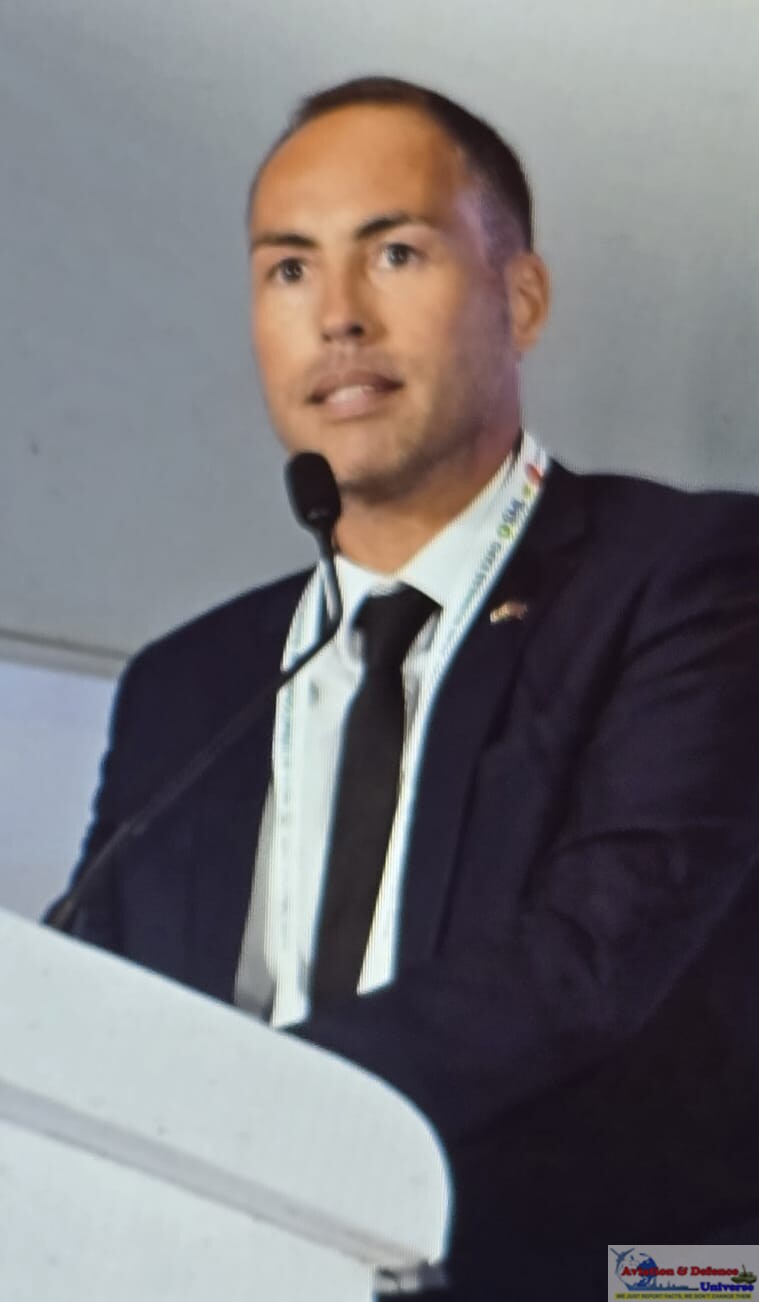
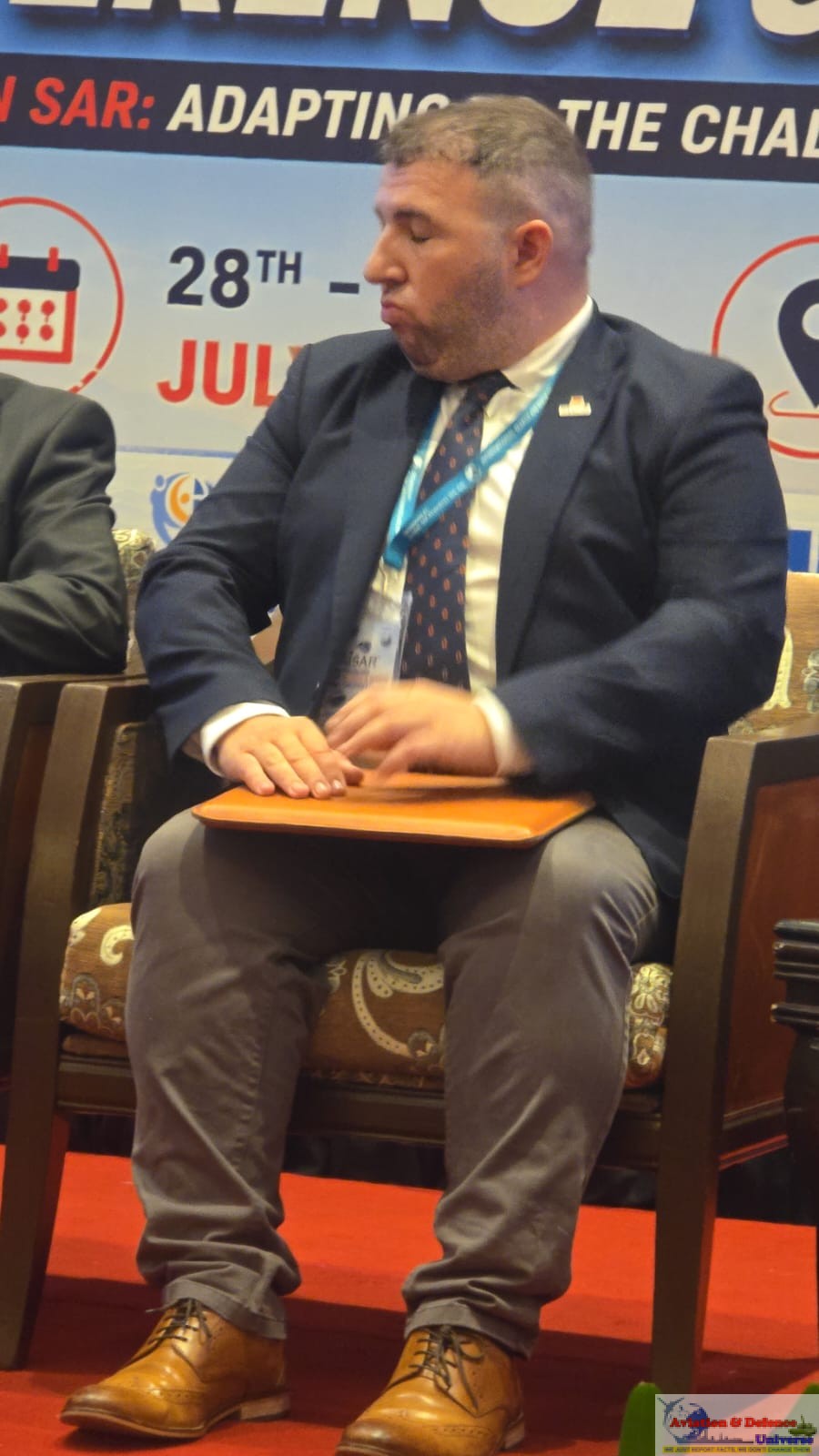 The second speaker, Captain Matthew Schanck, Chairman of the Maritime Search and Rescue Council (UK), shifted attention to Maritime Mass Rescue Operations (MROs). Drawing upon research conducted during his Master’s programme, Schanck questioned whether today’s rescue assets are truly prepared for increasingly complex mass casualty incidents. “How do we know what training is required? How do we know what equipment is suitable for mass rescue operations?” he asked.
Using examples such as the Costa Concordia, Norman Atlantic, US Airways Flight 1549, growing cruise ship sizes and increasing maritime migration, he argued that rescue organisations face a very different operational environment from that envisaged decades ago. One of his most striking findings was the gap between international definitions and operational reality. “There is a disconnect between what the IMO official definition of mass rescue is and the real-world situations.”
His research found that only one of 21 participating organisations was familiar with the IMO’s Mass Rescue Operations Plan, highlighting the need for stronger dissemination of international guidance. Captain Schanck identified five capabilities that every mass rescue organisation should prioritise. They are adequate numbers of rescue assets, highly trained personnel, rapid launch capability, onboard survival facilities and effective recovery systems.
He emphasised, “General SAR competency was seen as a key factor.” Perhaps the most surprising conclusion from his research concerned the human element. “Fifty-six per cent identified failure of the human element—command, control, coordination and situational awareness—as the biggest risk.” He also found universal agreement among respondents on the importance of specialised training. “Every single respondent said that mass rescue specific training is needed.” Captain Schanck concluded by advocating risk-based planning, arguing that rescue assets should match local operational realities rather than be acquired based on assumptions.
The final presentation by Captain Wei Shuo focused on the growing importance of night-time maritime search and rescue, an area where poor visibility, changing weather and human fatigue combine to make rescue operations particularly demanding. Captain Wei introduced his subject by noting that he would continue with the technical aspects of night-time rescue operations despite presentation 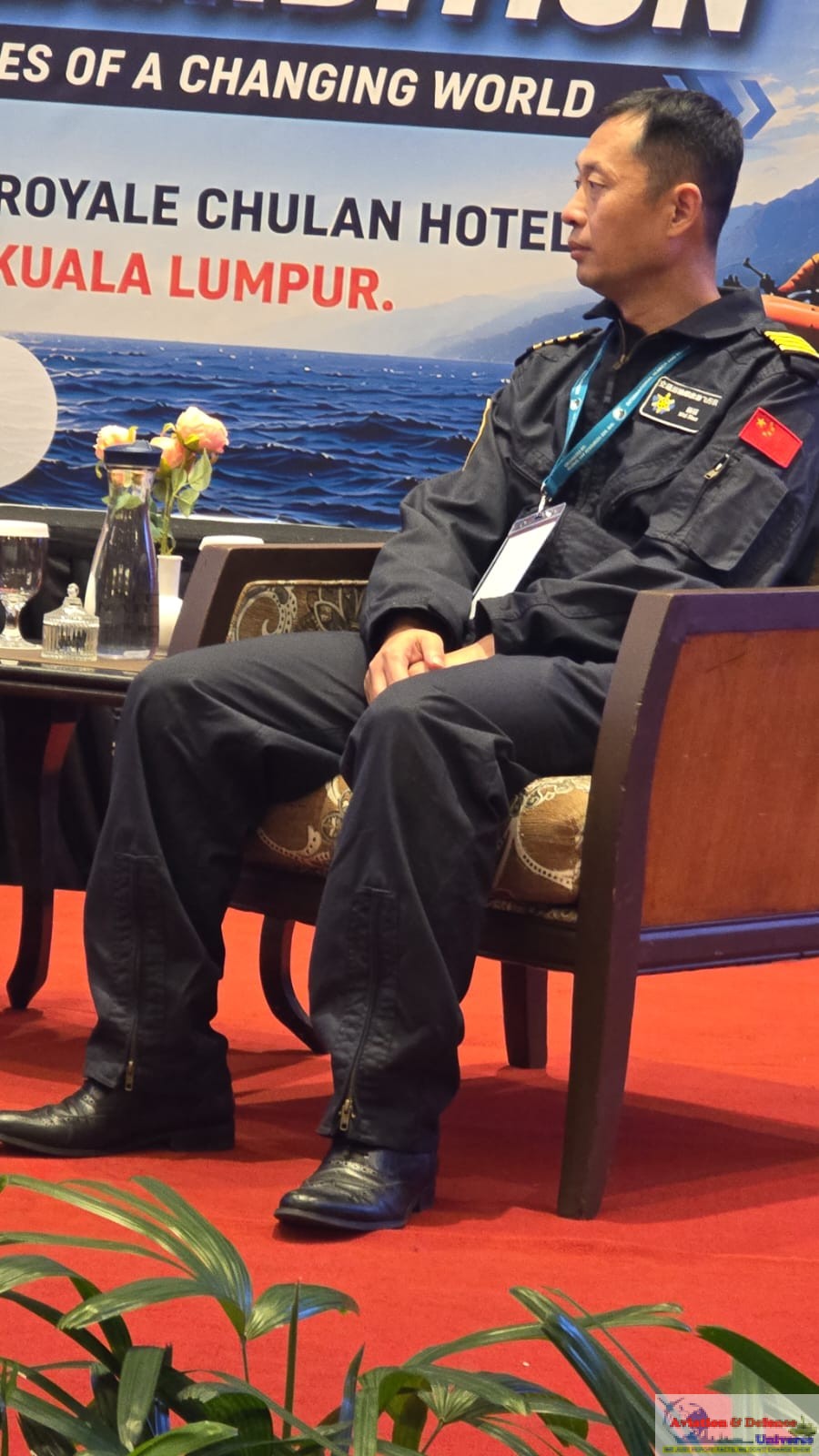 language limitations. His presentation explored the operational techniques and future technologies that can improve rescue effectiveness during darkness, highlighting China’s continuing work in advancing night-time maritime SAR capability.
The Maritime SAR plenary at iSAR 2026 demonstrated that whether rescuing submariners trapped hundreds of metres below the ocean, evacuating thousands from a stricken passenger vessel or locating survivors in darkness, time remains the single most critical factor. Yet technology alone will not solve tomorrow’s rescue challenges. Throughout the session, speakers repeatedly emphasised that success will depend upon preparedness, realistic training, international interoperability, advanced technologies and above all, cooperation across borders. As climate change, expanding maritime activity and geopolitical uncertainty place ever greater demands on rescue agencies, the session offered a clear message: the future of maritime SAR will belong to those who prepare together long before disaster strikes.



























































-A4-Size-(2)_page-0001.jpg)