


 18th BRICS Summit









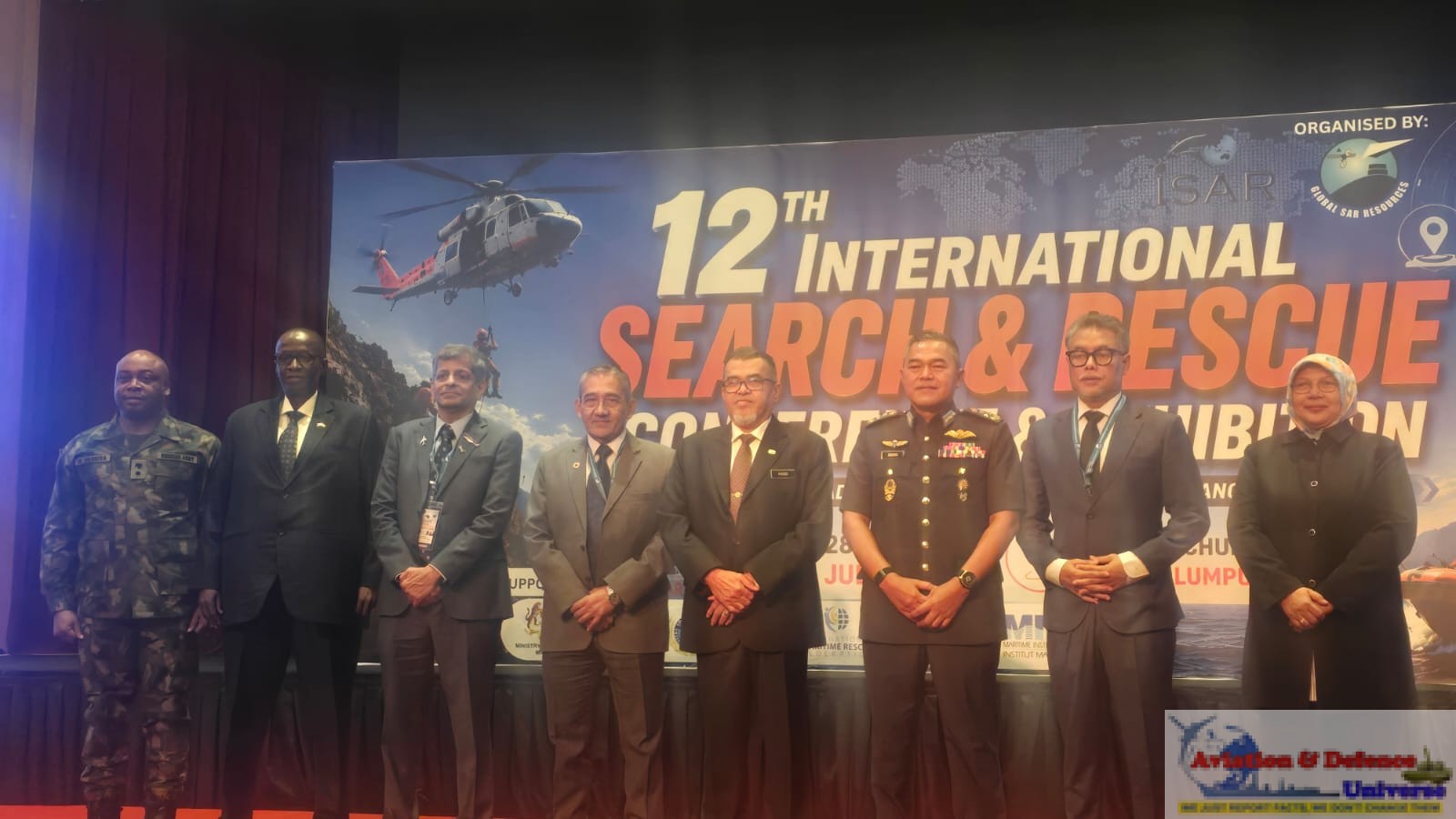
- iSAR 2026 Opens with a Global Call for Next-Generation Search and Rescue
- SAR Leaders Call for Faster, Smarter and More Integrated Rescue Operations
- Malaysia Leads Global Dialogue on Future of Search and Rescue at iSAR 2026
By Sangeeta Saxena
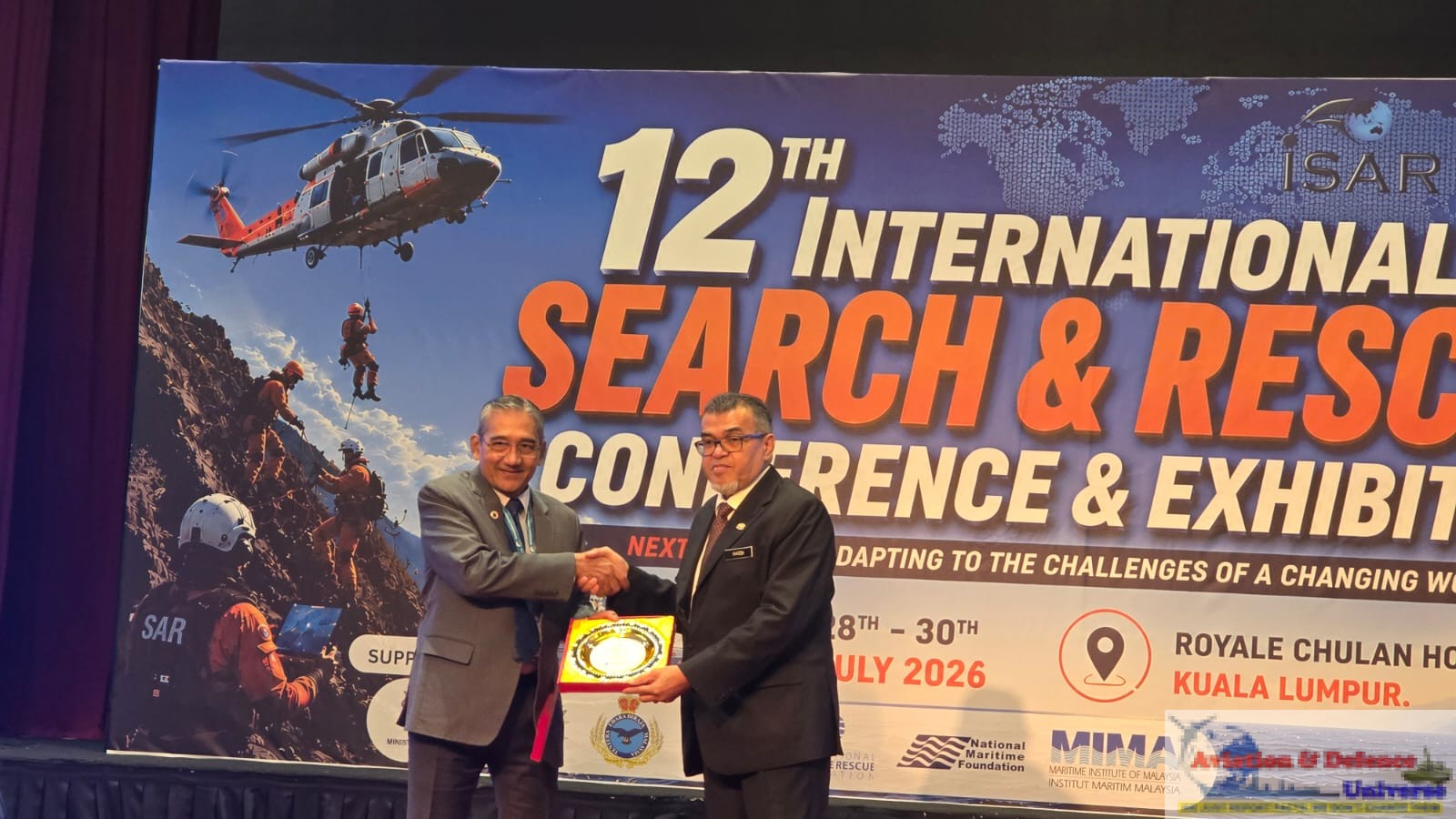
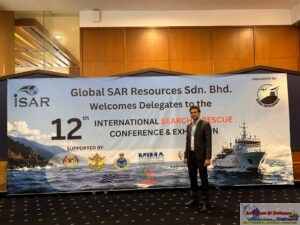
Kuala Lumpur. 28 July 2026. Against the backdrop of increasingly frequent natural disasters, expanding maritime traffic, growing aviation activity and rapidly evolving technology, the 12th International Search and Rescue Conference & Exhibition (iSAR 2026) opened in Kuala Lumpur with a powerful call for nations to strengthen cooperation, embrace innovation and place preparedness at the heart of search and rescue operations.
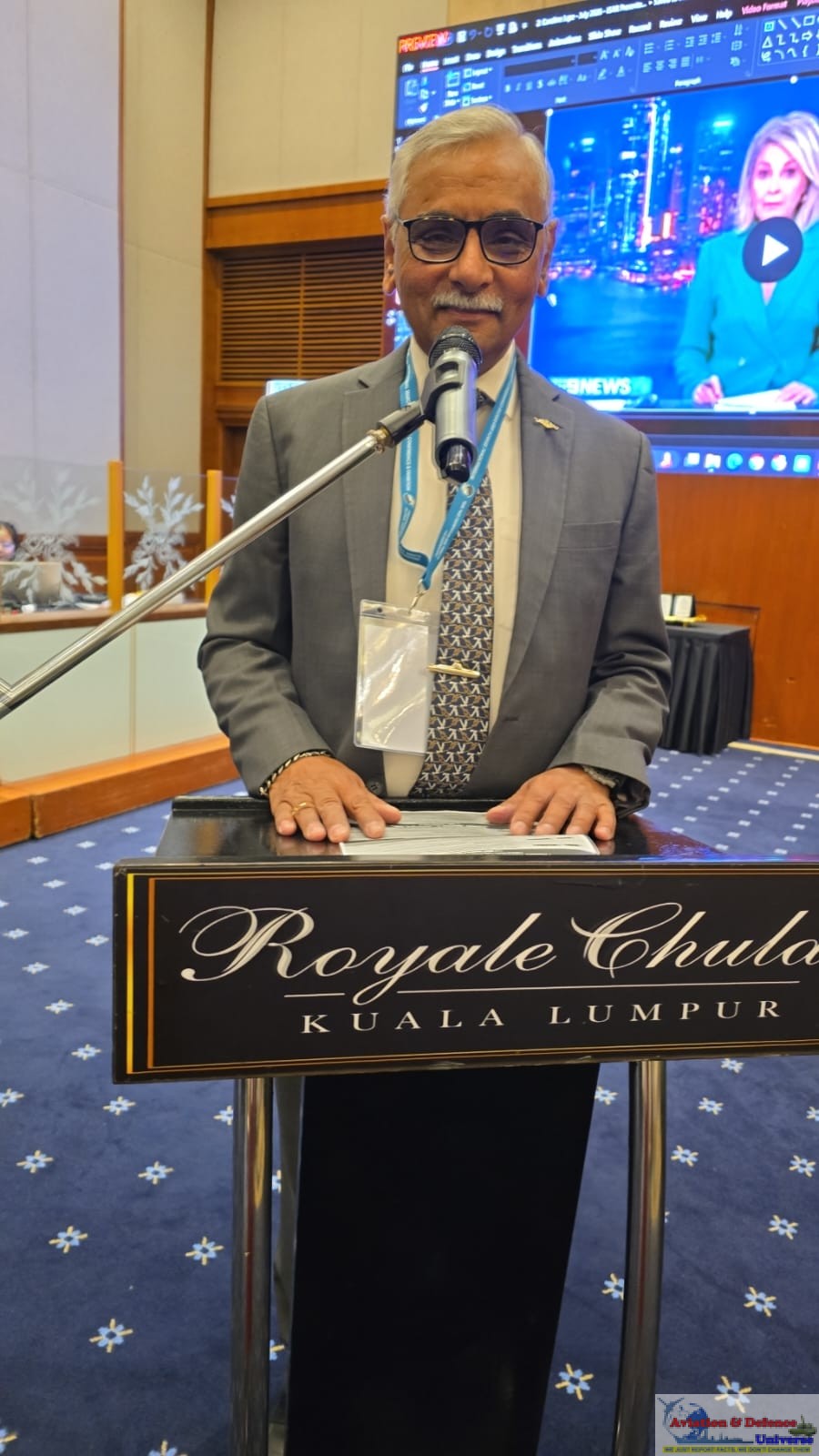
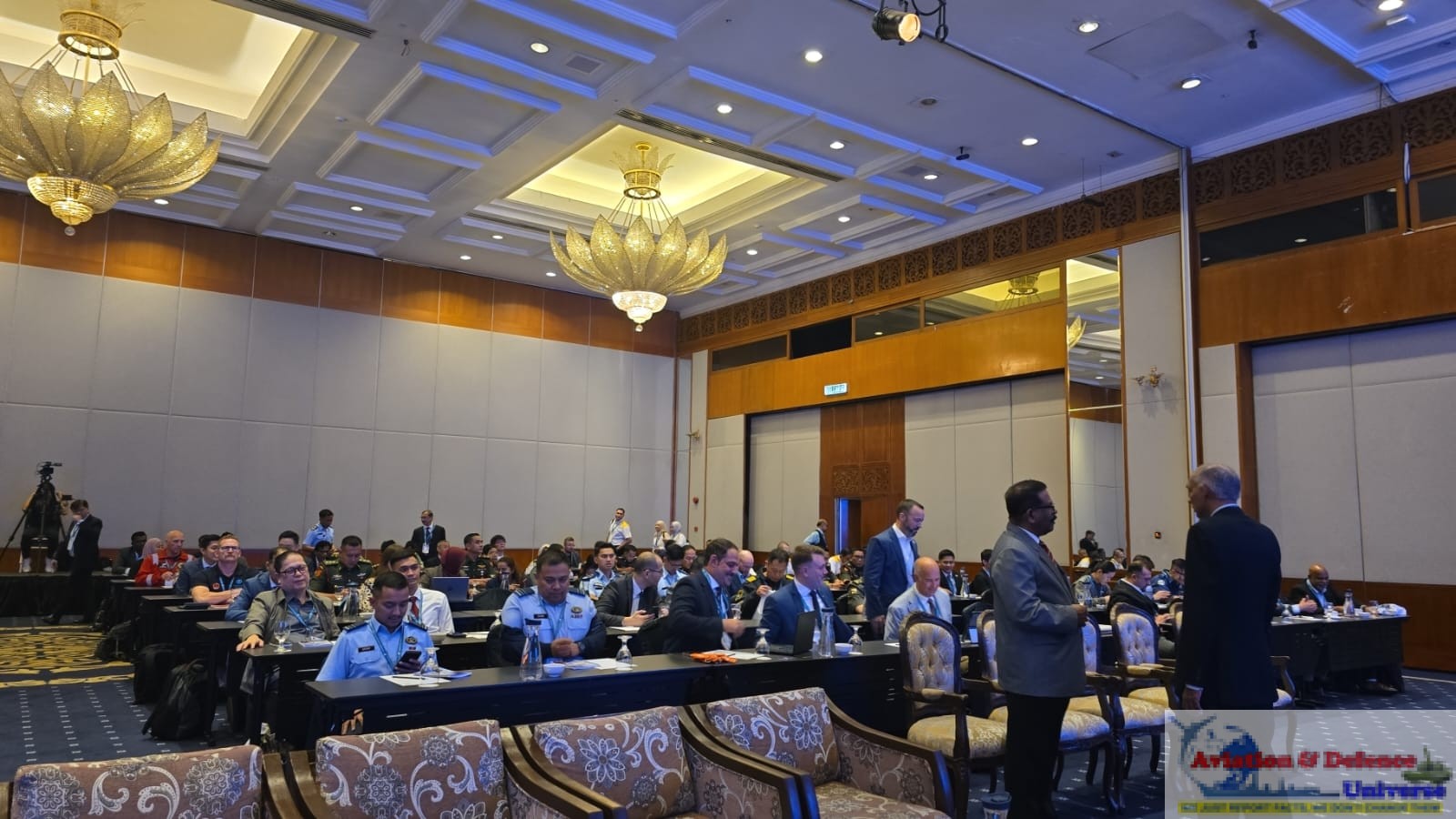
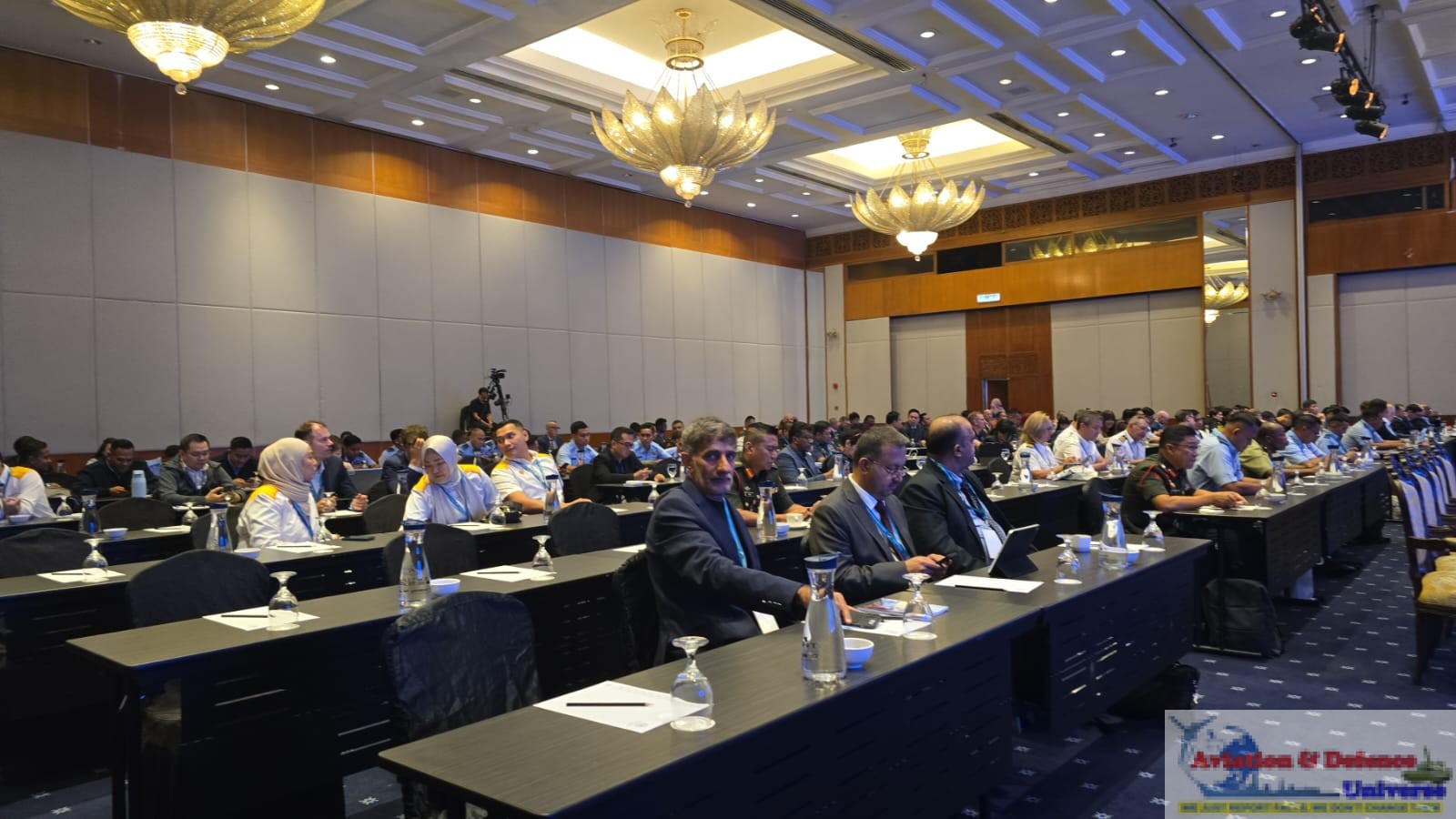
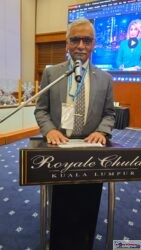
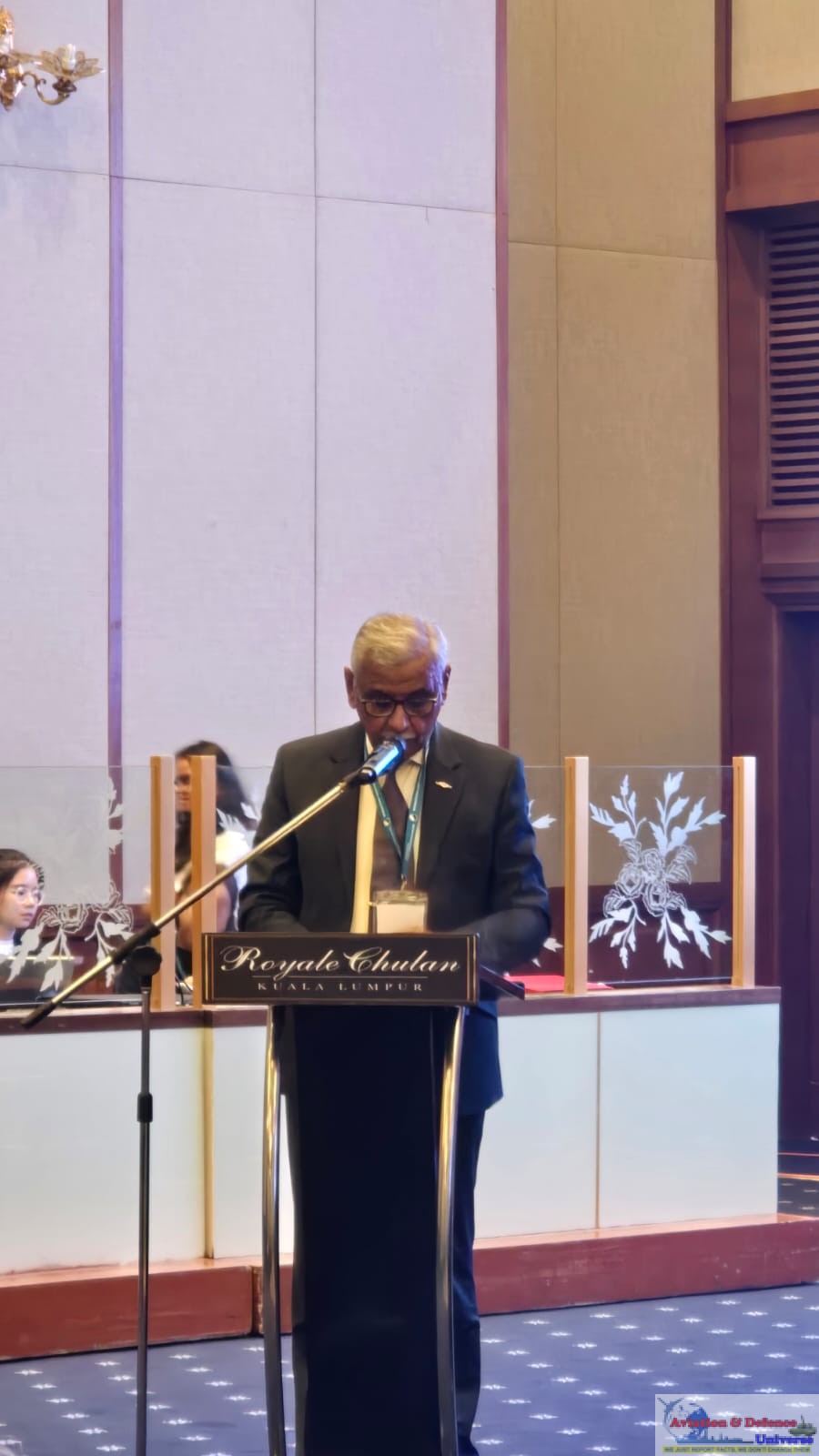 The inaugural session brought together policymakers, military commanders, maritime experts and SAR professionals from around the world under the theme “Next Gen SAR: Adapting to the Challenges of a Changing World.” The conference was opened by Datuk Haji Hasbi Bin Haji Habibollah, Deputy Minister of Transport, Malaysia, after keynote addresses by Lt Gen Datuk Dr William Stevenson (Retd.), Chairman of Global SAR Resources, Dato’ Mohamed Suffian Bin Awang, Chairman of the Maritime Institute of Malaysia (MIMA), and Lt Jen Dato’ Masro Bin Kaliwon, Commander Air Operations, Royal Malaysian Air Force (RMAF). The proceedings were conducted by Cmde Anil Jai Singh (Retd.), Indian Navy, presently heading the National Maritime Foundation, India, who served as the Master of Ceremonies.
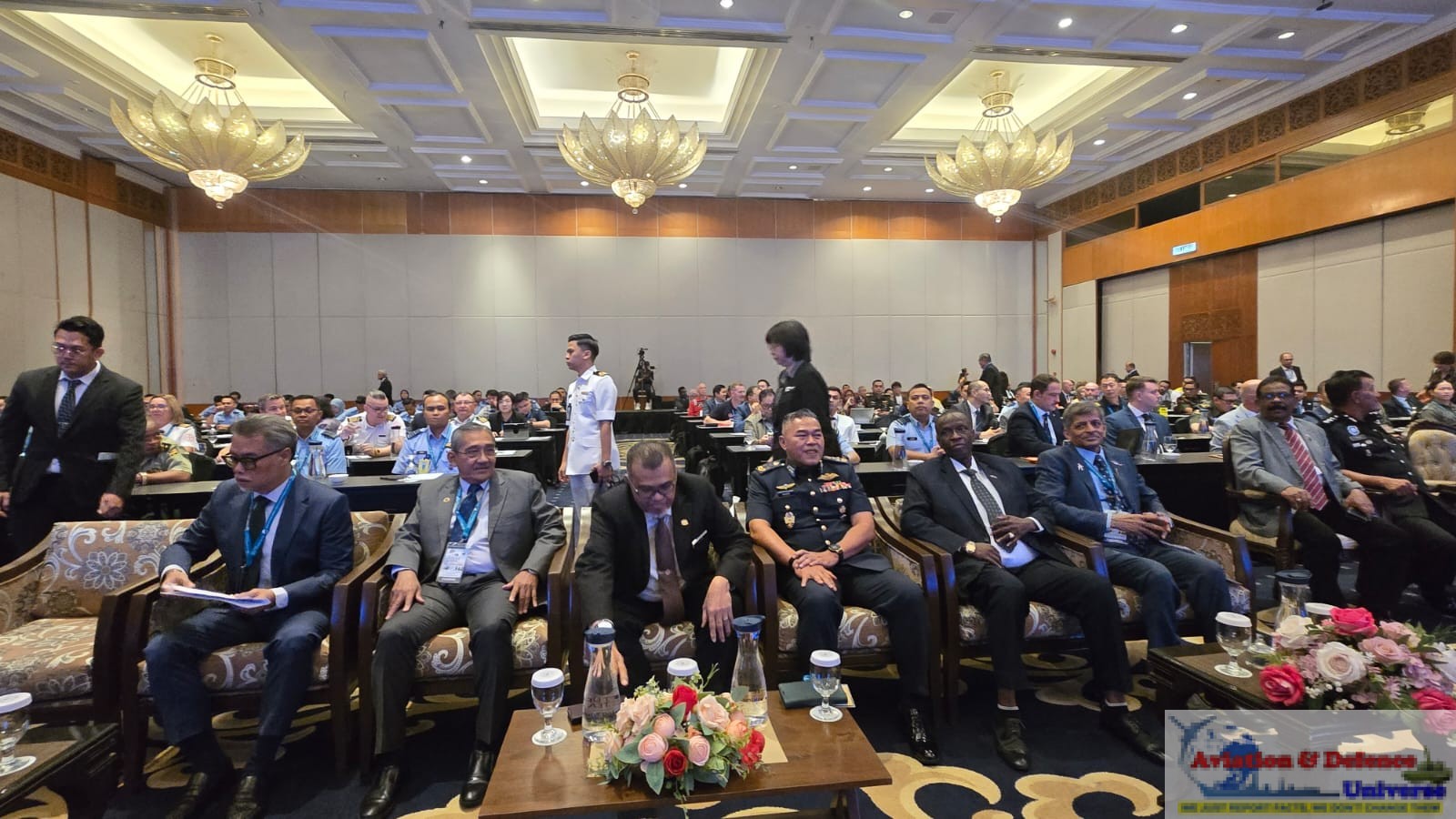
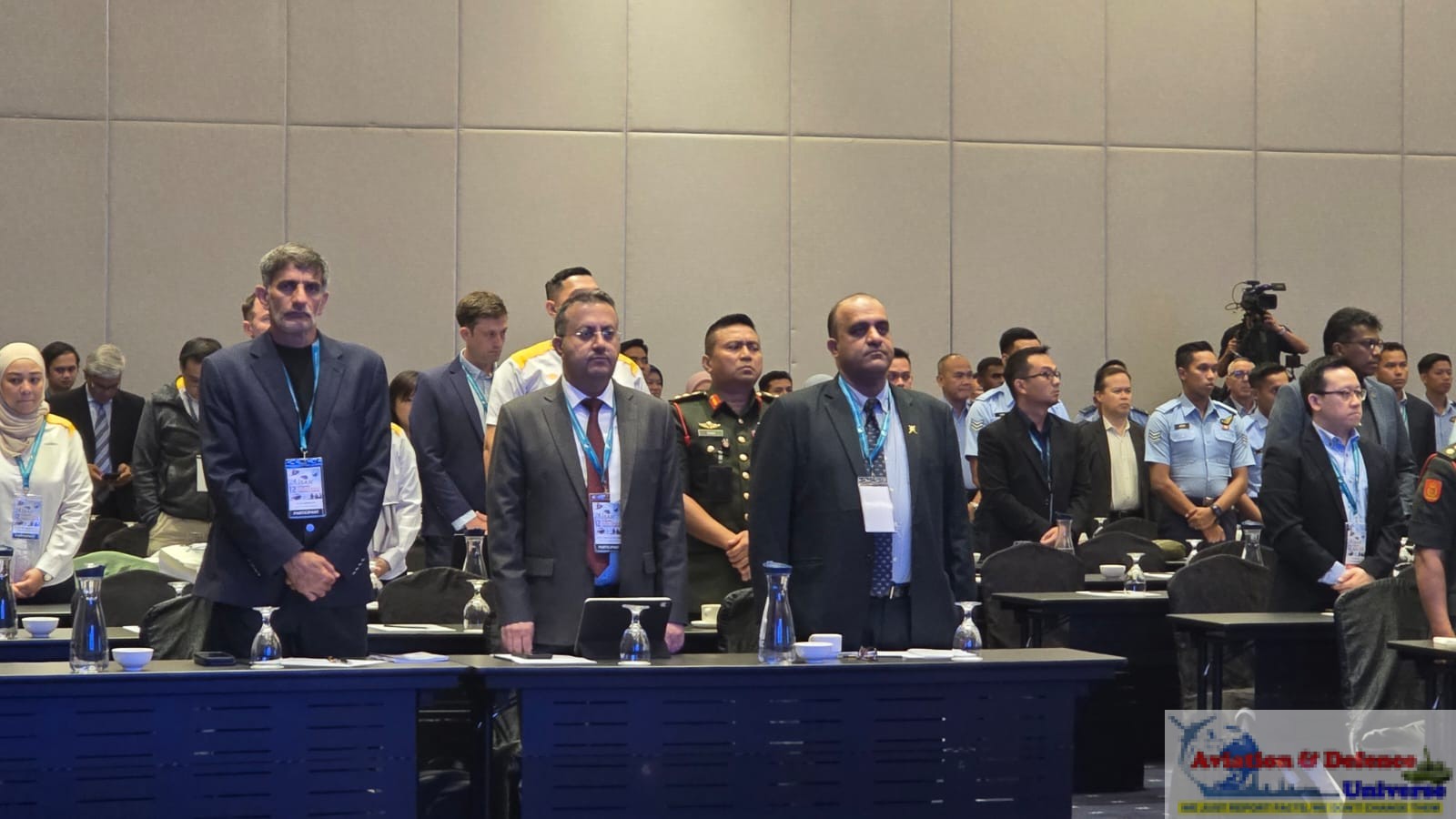
The conference began on a solemn note with a heartfelt tribute to the late Maj Gen Dr R. Mohandas, remembered as one of the pillars of the Global SAR family. Recalling his contribution, the organisers said, “He was not just a respected leader with an extraordinary career, he was family.” They described him as a person whose “unwavering support, encouragement, wisdom and kindness” had enriched every edition of the conference and whose humility and passion for bringing people together had left a lasting legacy. Delegates observed a minute’s silence in his memory before the formal proceedings commenced.
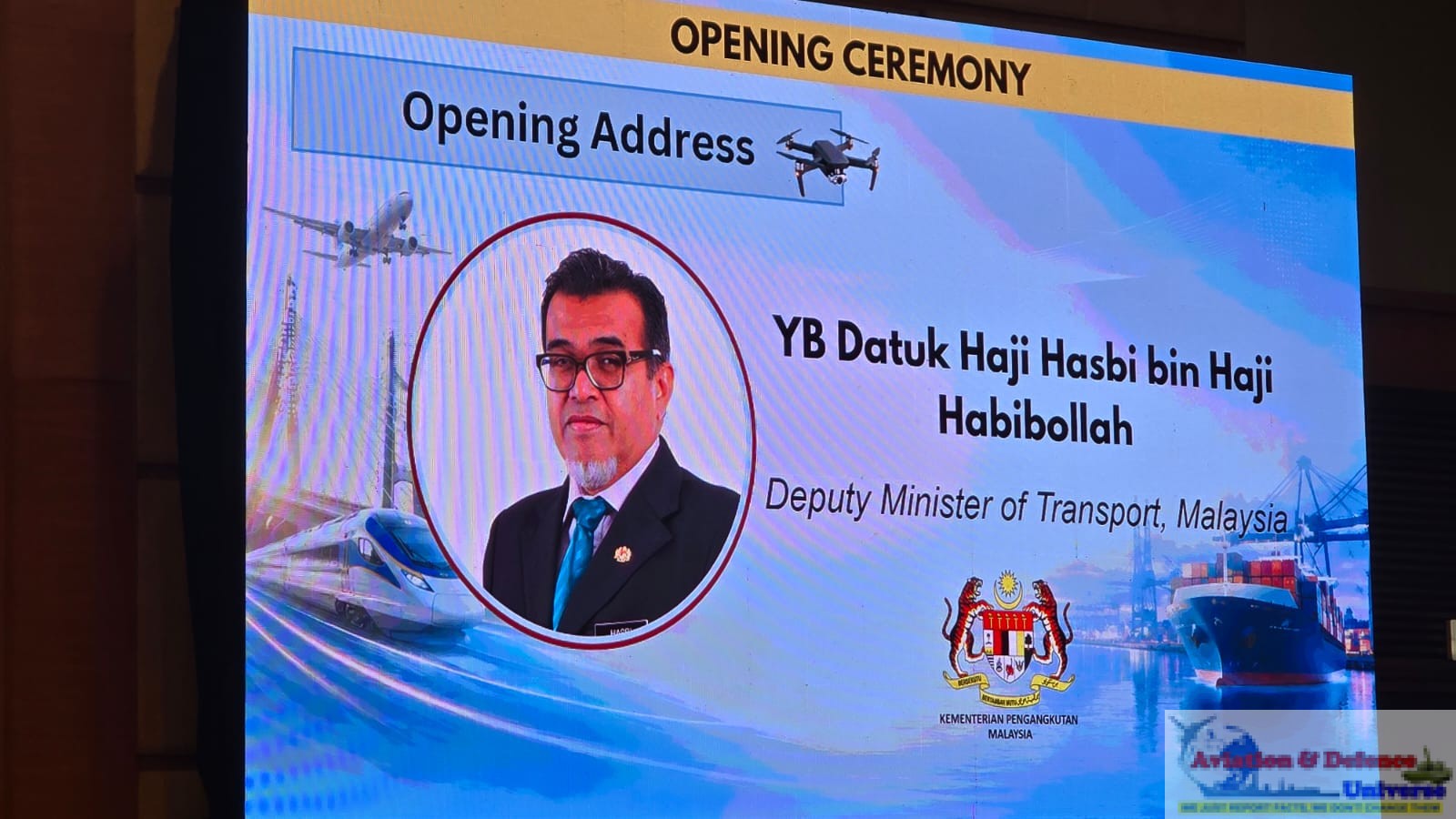
Datuk Haji Hasbi Bin Haji Habibollah, Deputy Minister of Transport, Malaysia, formally inaugurated the 12th International Search and Rescue Conference & Exhibition (iSAR 2026) with a powerful address that positioned search and rescue not merely as an emergency response function but as a strategic national capability founded on cooperation, preparedness and humanity. Speaking on behalf of the Minister of Transport, he reaffirmed Malaysia’s commitment to strengthening both aviation and maritime safety while urging the international community to work together in building a more resilient global SAR ecosystem.
He also paid tribute to Global SAR Resources for successfully organising the conference since 2011. “For over a decade, this esteemed platform has successfully convened search and rescue professionals, government and military agencies, industrial stakeholders and international experts. Your collective efforts have significantly enhanced global preparedness, optimised strategic coordination and ultimately preserved countless human lives.”
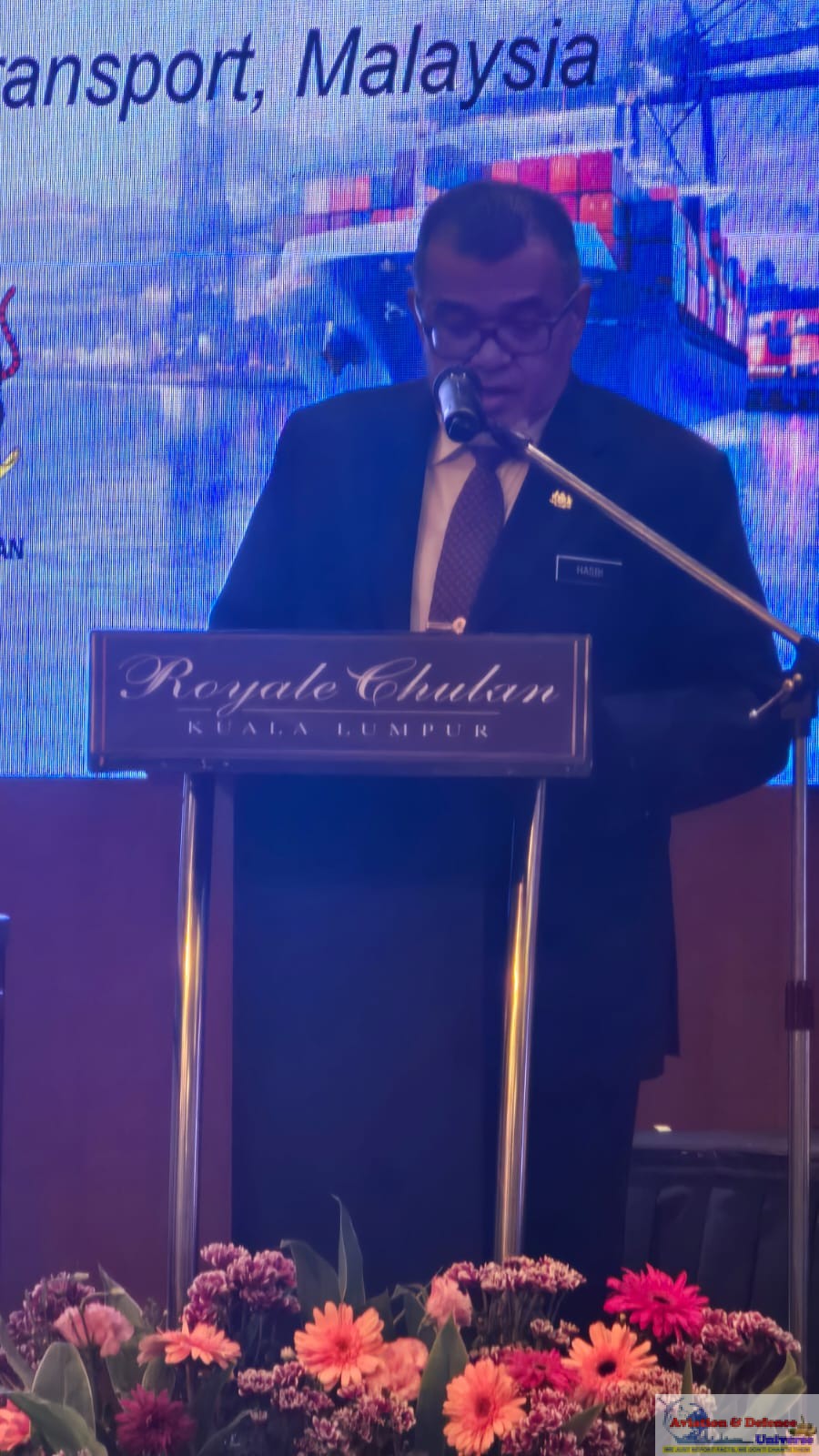 Behind every distress call is a human life. Moving beyond the mechanics of emergency response, Datuk Hasbi reminded delegates that SAR is fundamentally about saving lives. “This gathering is far more than a conventional conference. It represents a profound collective responsibility rooted in cooperation and operational values.” He then delivered one of the most memorable observations of the inaugural session. “We must never forget that behind every distress call lies a human life hanging in the balance. And that depends entirely on our capacity to execute swift, decisive and effective action.”
Today’s challenges demand a new generation of SAR. The Deputy Minister said the conference theme could not have been more relevant given the rapidly changing global environment. “Next Generation Search and Rescue: Adapting to the Challenges of a Changing World’ is both extraordinarily timely and deeply imperative as we navigate an evolving global landscape.”
He observed that SAR agencies now face increasingly complex operating conditions. “Today we face increasingly complex global disasters driven by volatile extreme weather patterns, exponentially expanding aviation and maritime traffic and the growing scale of offshore and urban operations.” These realities, he said, require rescue organisations to evolve into fully integrated response systems. “Modern search and rescue must operate as a highly synchronised, multi-agency and multi-domain ecosystem.”
Referring to the principles contained in ICAO Annex 12, Datuk Hasbi identified three pillars that must underpin every successful SAR system. The first is interoperability. “Military forces, civil authorities, frontline responders, industrial operators and international partners must work seamlessly together long before an emergency occurs.” The second is regional cooperation. “Regional cooperation bridges borders to maintain a unified, time-sensitive humanitarian response network.” The third is continuous preparedness. “Continuous preparedness establishes institutional trust, standardised joint training and real-time information sharing because when an aircraft is missing, a vessel is in distress or disaster strikes, every single second matters.”
Highlighting Malaysia’s strategic geography, the Deputy Minister described search and rescue as a national responsibility extending well beyond operational requirements. “For Malaysia, search and rescue is not merely an operational duty; it is a strategic national capability and a sovereign commitment.” Situated along some of the world’s busiest international sea lanes and air routes, including the Strait of Malacca and the South China Sea, Malaysia maintains a comprehensive emergency response framework in accordance with ICAO standards. He added that while preventing aviation and maritime accidents remains the country’s principal objective, maintaining operational readiness is a permanent national obligation.
 “Maintaining the state of absolute operational readiness is a perpetual national commitment.” Datuk Hasbi stressed that no single organisation can shoulder the responsibility for search and rescue. “SAR is never the responsibility of a single agency. It is a shared national, regional and deeply humanitarian obligation.” He outlined Malaysia’s extensive regional cooperation mechanisms, including the ASEAN Agreement on Aeronautical and Maritime Search and Rescue Cooperation, which enables harmonised procedures and mutual cross-border assistance among ASEAN members. Malaysia also maintains bilateral arrangements with Brunei, Indonesia, the Philippines, Singapore and Thailand, ensuring that rescue aircraft, ships and specialised personnel can cross borders rapidly during emergencies.
Turning to technology, Datuk Hasbi observed that artificial intelligence and digital systems are already transforming rescue operations. “Malaysia is actively embracing the digital transformation of emergency response. Emerging technologies, specifically artificial intelligence, advanced satellite tracking, autonomous drones and real-time data analytics, are fundamentally transforming how we plan and execute complex rescue missions.”
However, he cautioned delegates against allowing technology to replace human judgement. “These technological innovations must not replace the human element. Instead, they are there to strengthen coordination and complement the irreplaceable judgement, professionalism and decisive leadership of our frontline SAR personnel.” Concluding his address, the Deputy Minister thanked the organisers, policymakers, military officers, industry representatives and international experts for contributing to what he described as a truly global life-saving mission. He expressed the hope that iSAR 2026 would become more than another international conference. “Let iSAR 2026 be marked by far more than a mere gathering. Let it serve as an operational catalyst for forging stronger cross-border cooperation and a highly resilient global response network.”
He ended with perhaps the defining message of the inaugural ceremony. “In the field of search and rescue, ultimate success is never quantified by the complexity of the speeches we deliver, the policies we draft or the advanced equipment we display. Our success is measured solely by the human lives.” With those words, Datuk Haji Hasbi Bin Haji Habibollah officially declared the 12th International Search and Rescue Conference & Exhibition 2026 open, setting the stage for three days of discussions on technology, policy, operational excellence and international cooperation aimed at making search and rescue faster, smarter and more effective.
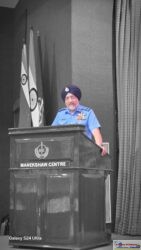
The operational dimension of search and rescue took centre stage as Lt Jen Dato’ Masro Bin Kaliwon, Commander Air Operations, Royal Malaysian Air Force (RMAF), outlined how Malaysia’s air force is adapting its capabilities to meet an increasingly complex security and humanitarian environment. His address focused on the Royal Malaysian Air Force’s current SAR architecture, the emerging operational challenges confronting air rescue missions and the technological transformation required to prepare for the next generation of search and rescue.
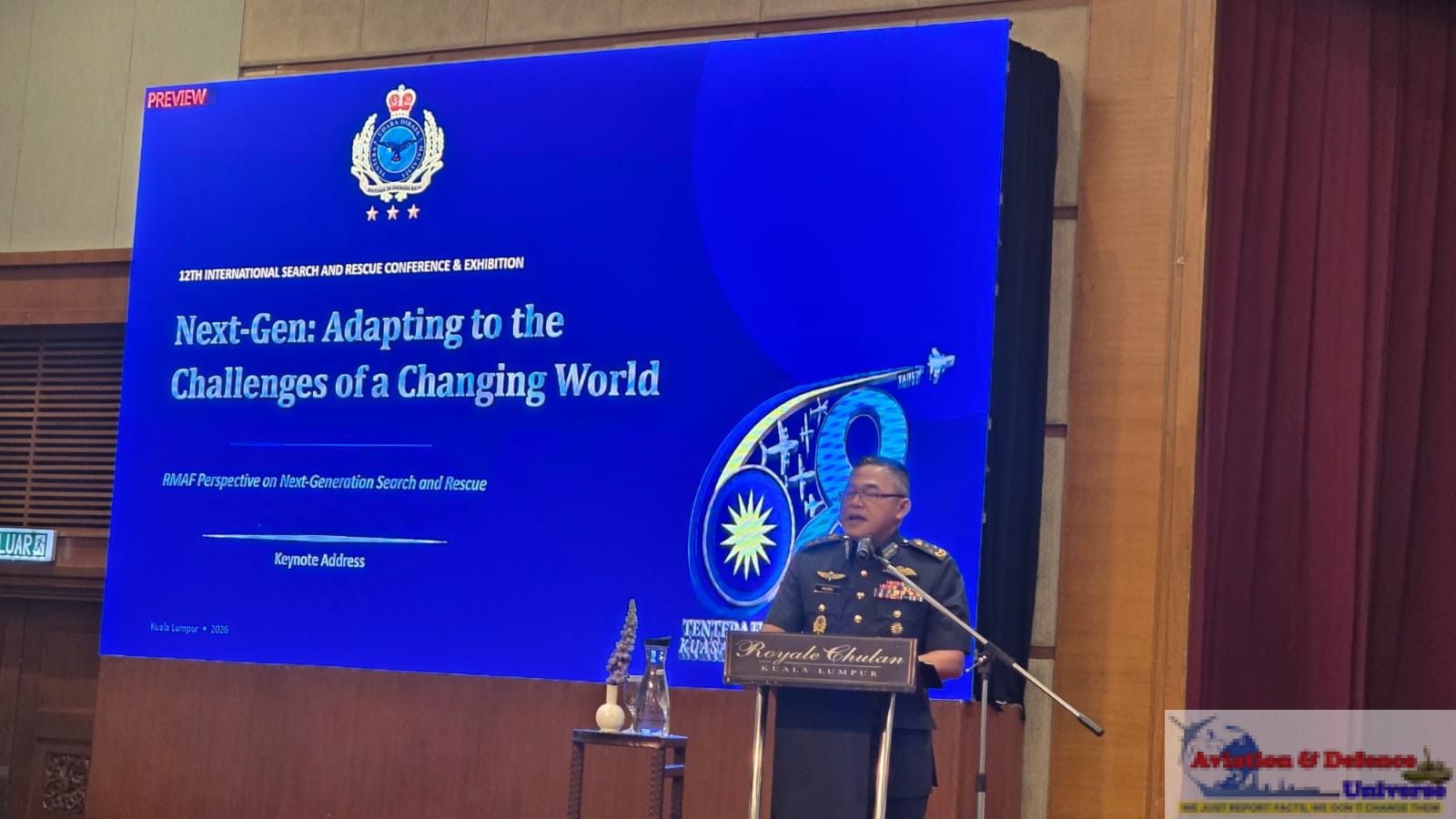 Opening his address, Lt Jen Masro stressed that the effectiveness of an air force is measured not only by its combat capability but also by its ability to save lives. “As I speak to you today, as the Royal Malaysian Air Force Air Operations Commander, I am someone who believes with absolute conviction that the measure of national air power is not only what we defend, but who we save.”
Referring to the conference theme, he challenged every organisation represented at iSAR to assess whether its rescue capability was evolving rapidly enough. “Next Generation SAR: Adapting to the Challenges of a Changing World’ is not a slogan. It is a challenge to every agency in this room to ask whether our search and rescue capability is moving as fast as the world around us.”
Lt Jen Masro explained that the Royal Malaysian Air Force operates within a comprehensive national framework rather than as an independent organisation. “RMAF does not operate in isolation.” He described Malaysia’s National Aeronautical and Maritime Search and Rescue Framework (NAMSAR), which is adapted from ICAO and IMO standards and integrates military and civilian agencies into a single national response architecture. The system channels aeronautical SAR through the Aeronautical Rescue Coordination Centre (ARCC), while maritime SAR is coordinated through the National Maritime Enforcement Agency and Maritime Rescue Coordination Centre. RMAF provides operational support to both structures. He observed that this integrated architecture enables the Air Force to support both aeronautical and maritime rescue missions while working alongside civil authorities, maritime agencies and emergency responders.
Describing the RMAF’s operational capabilities, Lt Jen Masro highlighted a mix of fixed-wing and rotary-wing assets designed to provide long-endurance search capability. He noted that aircraft such as the KC-130, capable of remaining on station for around ten hours, and the CN-235, with approximately seven hours of endurance, form the backbone of the Air Force’s SAR fleet alongside helicopters and maritime patrol aircraft. These assets operate together with RMAF Special Forces, combat search and rescue specialists and integrated air-ground coordination procedures supported by an established command-and-control structure. He emphasised that these capabilities have already been validated through real-world operations. “This capability is proven and not merely claimed.” RMAF aircraft, he said, have supported regional humanitarian assistance and disaster relief missions while also responding to maritime distress incidents in coordination with Malaysia’s National Maritime Enforcement Agency.
Despite these achievements, Lt Jen Masro candidly acknowledged that operational deployments continue to expose shortcomings that must be addressed. “Every deployment has also exposed real limitations in reach, in endurance and in coordination.” He explained that the operating environment confronting SAR agencies is changing rapidly. “Climate-related disasters are becoming more frequent and widespread, maritime operations are growing more complex and technological advances—including artificial intelligence, unmanned systems and space-based intelligence, surveillance and reconnaissance—are fundamentally changing expectations of rescue operations. “Artificial intelligence, including unmanned systems and space-based ISR, are advancing. Current technology is not an option for us.”
Turning to future capability development, Lt Jen Masro identified three major areas requiring attention. The first was expanding Malaysia’s surveillance and intelligence capability across an enormous national search area of roughly 600,000 square kilometres. He argued that advanced surveillance technologies capable of operating in adverse weather and difficult conditions would significantly improve future search effectiveness while continuous training would remain essential. Fleet renewal also featured prominently in his address. “Fleet modernisation becomes a factor when the ISR is ageing… modernising our ageing platform is a timely opportunity to strengthen sustainability and enhance our readiness.”
The Air Operations Commander also pointed to continuing gaps in coordination between agencies and across borders. He noted that better coordination between civilian coordination centres, cross-departmental organisations and ASEAN partners remains necessary, particularly in the sharing of situational awareness during live rescue operations. He also observed that real-time tracking and AI-assisted search algorithms—already being employed by leading international SAR organisations—have yet to be fully integrated into Malaysia’s own systems. Summing up the consequences of these shortcomings, he delivered one of the strongest messages of his speech. “These are not small administrative issues. They cost time, and time costs lives in the search and rescue environment.”
 Lt Jen Masro argued that search and rescue should no longer be viewed as an auxiliary military responsibility. He explained that rescue capability is now integrated into the Royal Malaysian Air Force’s long-term strategic planning and future force transformation programme. “Our long-range capability plan treats search and rescue not as an ancillary task but as a strategic mission line.” Looking ahead, Lt Jen Masro unveiled RMAF’s vision for next-generation search and rescue based on three principal pillars. These include the integration of advanced analytical assets to improve search planning and reduce operational risks; AI-enabled detection, predictive drift modelling and AI-assisted search algorithms; and space-based communications and satellite tracking capable of delivering wider situational awareness independent of traditional military infrastructure. He further outlined four desired outcomes: investment in AI-enabled search capability, creation of an interoperable command-and-control coordination centre, deeper regional partnerships with ASEAN countries through common data protocols, and making SAR readiness a permanent element of future force planning rather than an afterthought.
Concluding his address, Lt Jen Masro reminded delegates that rescue organisations cannot afford to wait while the world changes around them. “The world keeps changing, and we will not wait for our institutions to catch up.” He added, “Climate, technology and the complexity of our maritime and airspace environment demand that we move as fast as the threats and disasters we are called to answer.” Leaving delegates with a succinct vision for the future, he concluded: “Next-generation search and rescue is built today, ready for tomorrow.” Lt Jen Masro’s keynote reinforced that the future of search and rescue will depend not only on aircraft and helicopters, but equally on artificial intelligence, modern surveillance technologies, interoperable command structures, regional cooperation and a willingness to continuously modernise capabilities to meet increasingly complex humanitarian and security challenges.
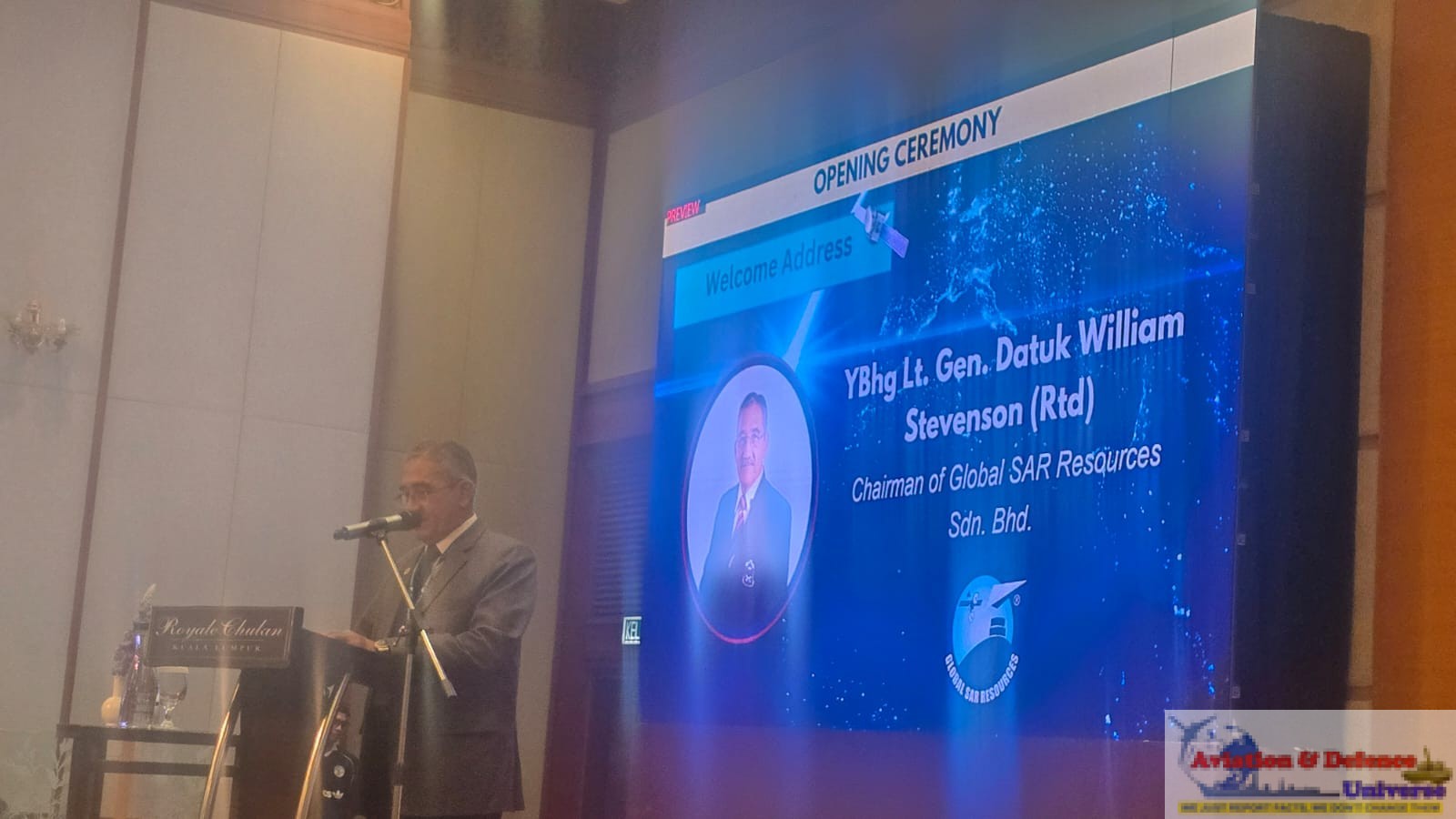 Welcoming delegates from across the world, Lt Gen Datuk Dr William Stevenson (Retd.), Chairman of Global SAR Resources, set the tone for the conference by highlighting the rapidly changing operational environment confronting search and rescue agencies. Referring to the conference theme, he observed, “A title that is apt for today’s environment. With the rapid changes that are taking place, it demands for us to adapt and so do the actions required for search and rescue responses.” He pointed to increasingly unpredictable weather patterns, more complex natural disasters and the unprecedented pace of technological advancement, saying these developments demand a fundamentally different approach to rescue operations. “The environment we operate in keeps changing. The weather pattern becomes increasingly unpredictable. Natural disasters are becoming more complex, while technology is advancing at an extraordinary pace.” Emphasising that no nation can face such challenges alone, Stevenson described search and rescue as a collective international responsibility. “Search and rescue becomes a shared mission, especially when efficiency, focus and priority is to reach those affected in the quickest time. In many instances, it draws the efforts of the international community.” He said iSAR 2026 had been conceived precisely to facilitate such cooperation. “ISAR 2026 brings together the international community to share operational experience and showcase new technologies while we develop meaningful partnerships.”
He encouraged participants not only to contribute to the conference but also to experience Malaysia during their stay. Stevenson underlined that modern SAR operations are inherently multi-agency and multi-domain, requiring seamless coordination among military, civil and emergency response organisations. “Search and rescue missions in reality tend to be multi-agency and multi-domain, where interoperability and preparedness of agencies involved are essential.” He stressed that preparedness cannot be improvised during emergencies but must be built continuously through professional engagement. “Preparedness we generally do through training, seminars, workshops, exercises and conferences like this. The opening address established the central theme that would resonate throughout the inaugural session—that effective search and rescue in today’s world requires not only advanced technology but also stronger international partnerships, regular joint training and an unwavering commitment to interoperability.
 Delivering the second keynote address, Dato’ Mohamed Suffian Bin Awang, Chairman of the Maritime Institute of Malaysia (MIMA), shifted the discussion from operational response to the strategic policy architecture that underpins effective search and rescue. “We do not deploy rescue vessels, launch aircraft or operate emergency coordination centres. Our responsibility is to support those who do by strengthening the policies, research, institutional arrangement and strategic understanding upon which effective operations depend.” He explained that effective SAR begins long before an emergency occurs and continues well after the rescue operation ends. “Our contribution begins before an emergency occurs and continues after the operation has ended. It includes studying emerging risks, examining gaps in policy and coordination, facilitating dialogue among stakeholders and ensuring that lessons learned from actual incidents are translated into better preparedness.”
Referring to the conference theme, Suffian cautioned delegates against viewing advanced technology as a complete solution. “Next Generation SAR cannot be defined by technology alone. It is not simply about acquiring more advanced aircraft, vessels, sensors, satellites, drones or artificial intelligence systems.” Instead, he argued that technology must rest upon a much stronger institutional foundation. “These capabilities are important, but they must be supported by sound policy, trained personnel, clear legal authority, reliable information sharing and strong relationships among the agencies that will be required to act together.”
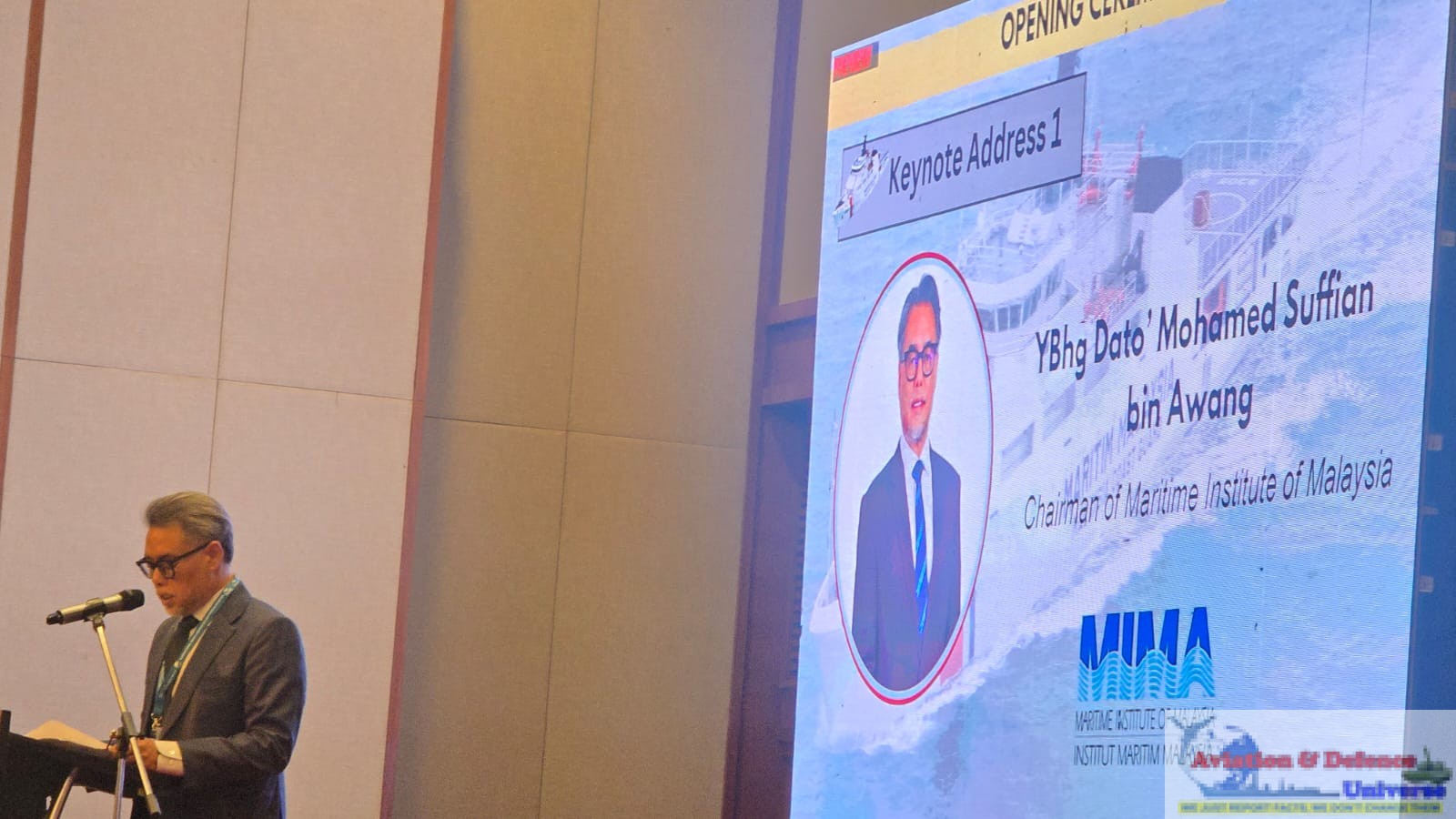 The MIMA Chairman painted a picture of an increasingly complex maritime environment shaped by climate change, expanding commercial activity and geopolitical uncertainty. “Extreme weather events are placing coastal communities and seafarers at greater risk. Maritime traffic continues to grow, offshore activities are expanding and new technologies are changing the way ships are operated and monitored.”
However, he warned that operational challenges now extend well beyond weather. “Piracy, armed robbery, trafficking, illegal activities, cyber disruption and geopolitical tensions continue to impact maritime security.” These realities, he said, make it impossible to separate maritime security from search and rescue. “Maritime safety, maritime security and search and rescue cannot be treated as entirely separate areas. At sea, a security incident can become a SAR emergency within minutes. An act of piracy or armed robbery may result in injuries, fire or the abandonment of a vessel. An enforcement operation may develop into a collision, capsizing or man-overboard situation.”
Similarly, sabotage, attacks on offshore installations or disruption of navigation systems could quickly place lives at risk. Suffian emphasised that once lives are endangered, humanitarian considerations must take precedence. “Once people are in distress at sea, the immediate priority must be preservation of human life. Security, enforcement and investigative responsibility will remain important but they must be coordinated with the humanitarian obligation to locate, assist and rescue those in danger.” He urged governments to move beyond institutional silos. “The security-to-SAR relationship requires us to think beyond individual agency mandates.” Instead, rescue operations require rapid information flow between multiple stakeholders. “It calls for protocols that allow information to move quickly between maritime enforcement agencies, naval and air forces, rescue coordination centres, port authorities, shipping operators, health services and disaster management organisations.”
 A recurring theme throughout his address was collaboration. “No single agency possesses every capability required for a complex maritime emergency.” He explained that different organisations bring different strengths. “One organisation may hold intelligence about the incident. Another may have the nearest vessel. Another may provide aerial surveillance, medical evacuations or specialist rescue personnel.” Therefore, success depends on how rapidly these separate capabilities can be brought together under a shared operational understanding.
Drawing upon MIMA’s research, Suffian outlined five strategic priorities. The first was enhanced maritime domain awareness. “Decision makers need a common and reliable picture of what is happening at sea. Information must be accurate, timely and accessible.” The second was institutional clarity. “The time to determine leadership, jurisdiction, communication channels and supporting roles is not after a distress call has been received.” The third priority was regional cooperation. “Maritime emergencies do not always respect national boundaries. Effective regional SAR therefore requires compatible procedures, regular exercises, mutual trust and established arrangements for requesting and providing assistance.” Fourth, he called for responsible adoption of technology. “Artificial intelligence, unmanned systems, satellite imagery, digital communications and predictive modelling can significantly improve the speed and accuracy of a search operation. However, technology must support professional judgement, not replace accountability or human responsibility.” Finally, he advocated creating a stronger culture of learning. “Every SAR operation, whether successful or otherwise, provides valuable evidence. Incident data, post-operation reviews and frontline experiences should inform future policies, training standards, resource planning and inter-agency exercises.”
 The inaugural session of iSAR 2026 demonstrated that search and rescue has evolved far beyond the traditional image of emergency response. Throughout the opening ceremony, speakers consistently highlighted that the future of SAR will be built on interoperability, regional cooperation, technological innovation and continuous preparedness, while never losing sight of its humanitarian purpose. Artificial intelligence, satellite technologies, autonomous systems and predictive analytics are poised to redefine rescue operations, but every keynote underscored that technology must remain an enabler rather than a substitute for professional judgement and human compassion.
From policy formulation and maritime governance to military readiness and cross-border collaboration, the opening session established a common vision: in an increasingly uncertain world marked by climate change, geopolitical tensions and expanding aviation and maritime activity, saving lives will depend on how effectively nations, agencies and technologies work together. As delegates embark on three days of discussions, demonstrations and knowledge sharing in Kuala Lumpur, iSAR 2026 stands not merely as another international conference but as a global commitment to ensuring that, wherever disaster strikes, no call for help goes unanswered.








































-A4-Size-(2)_page-0001.jpg)