


 18th BRICS Summit






- Let the World Know Taiwan Can Help: SAR Team Makes Global Outreach a Priority
- Taiwan Eyes AI-Enabled SAR for International Rescue Cooperation
- From Taiwan’s Seas to Turkey’s Earthquake Rubble : SAR crosses borders
By Sangeeta Saxena
Kuala Lumpur. 31 July 2026. For an island whose people, economy and connectivity are intimately linked with the sea and air, Search and Rescue is much more than an emergency service—it is an essential national capability.Taiwan is an island nation completely surrounded by major bodies of water in East Asia. It is Philippine Sea) to the east and the South China Sea and Luzon Strait to the south. Taiwan’s maritime environment, busy sea approaches, fishing activity and aviation connections combine with a mountainous interior, rivers and waterways and exposure to earthquakes, typhoons, landslides and flooding to create an unusually diverse SAR requirement. Maritime emergencies can also quickly become international operations when vessels or aircraft are in distress near neighbouring search-and-rescue regions, making coordination with overseas RCCs critical. From people lost at sea and patients requiring evacuation to earthquake victims trapped under rubble, the rescue ecosystem must therefore be capable of responding across air, sea and land.
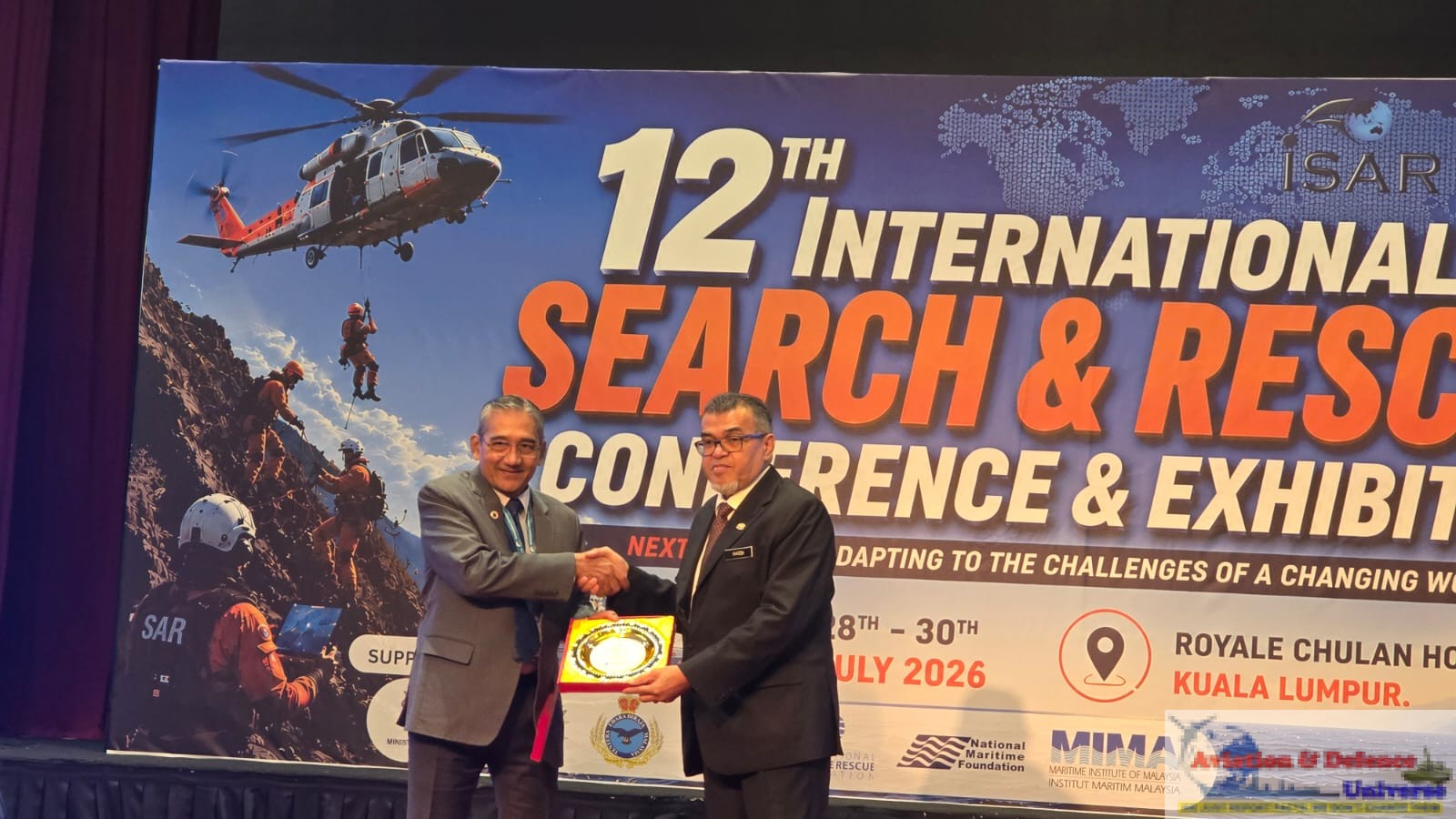
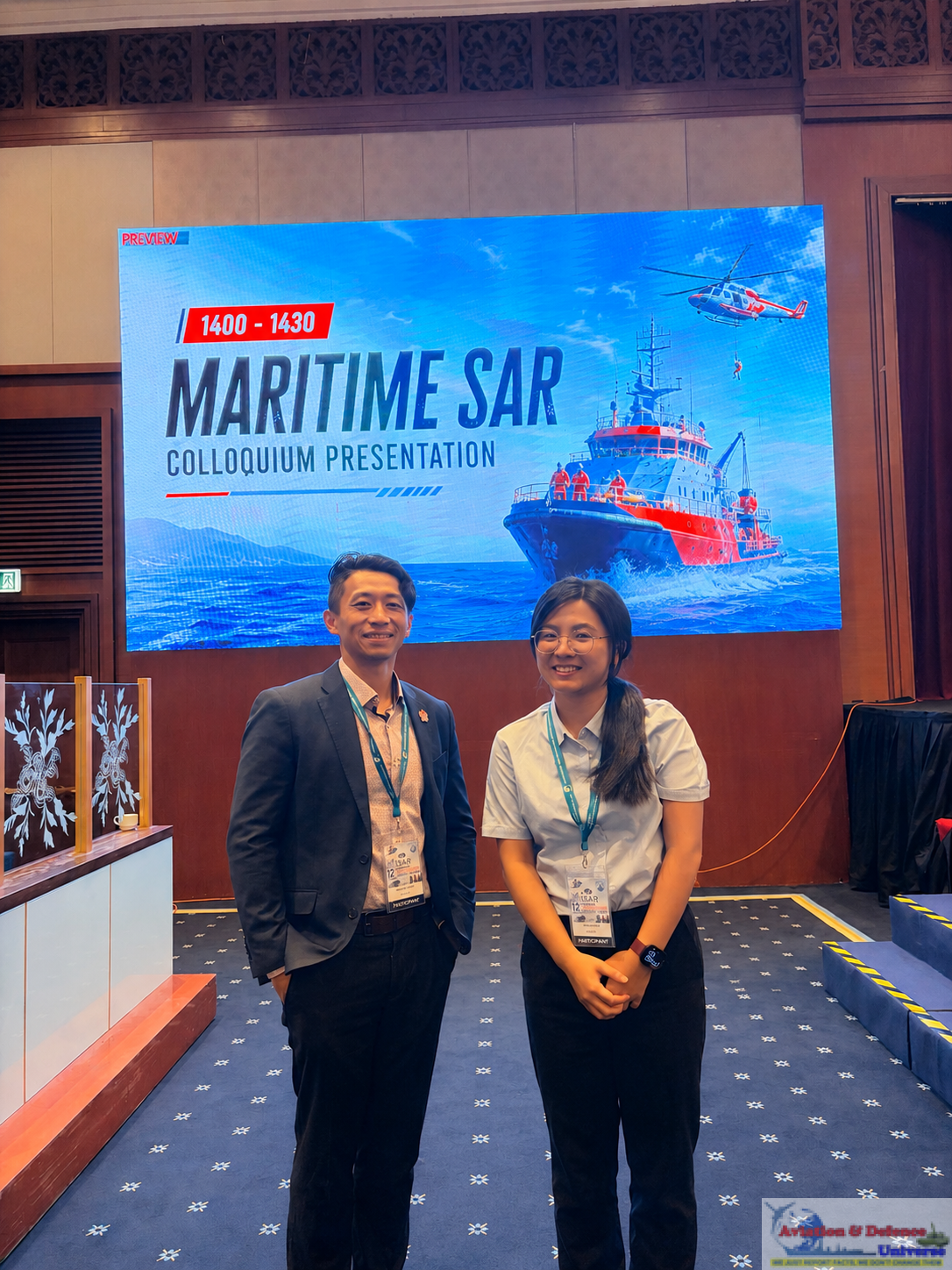
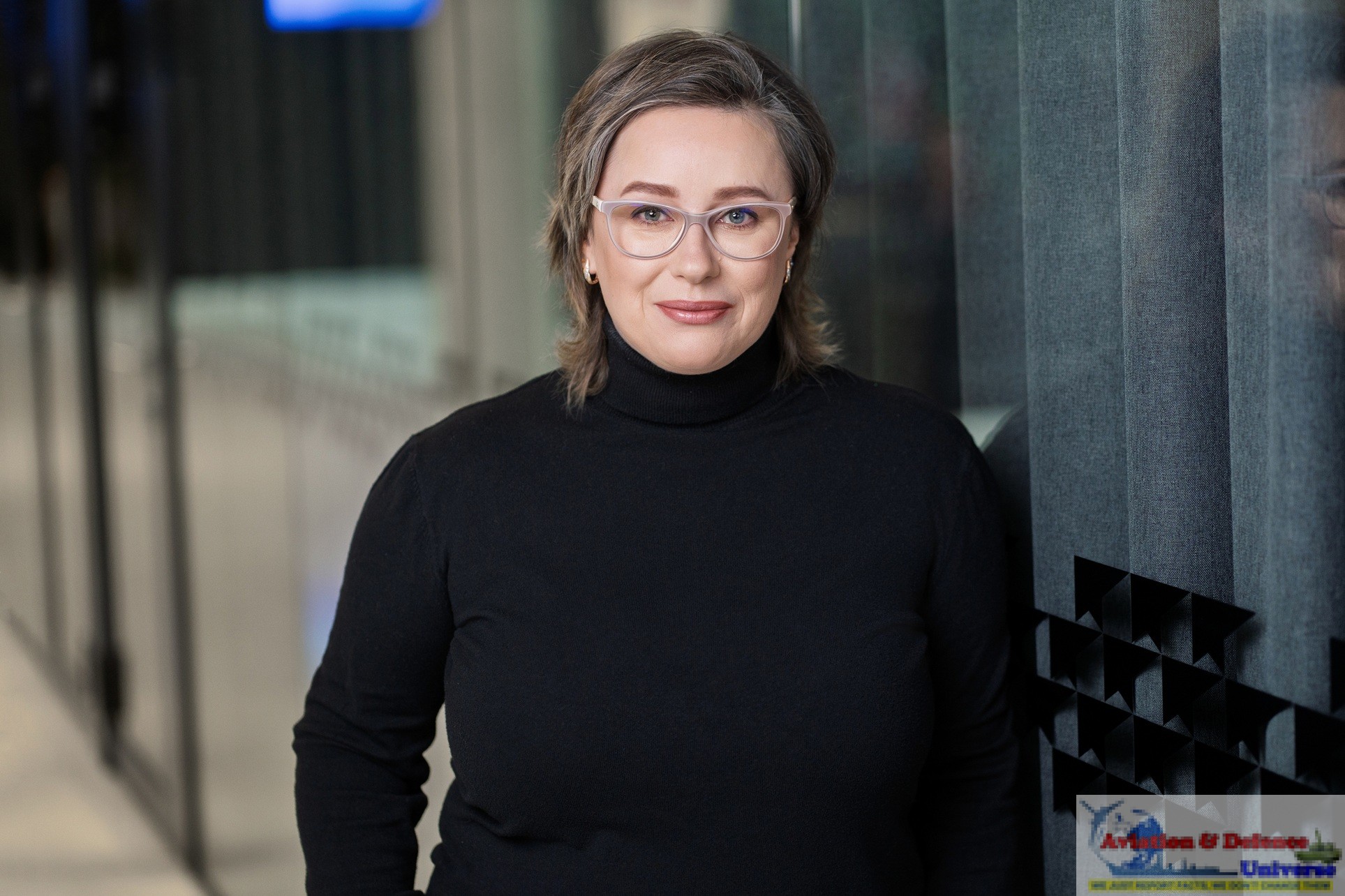
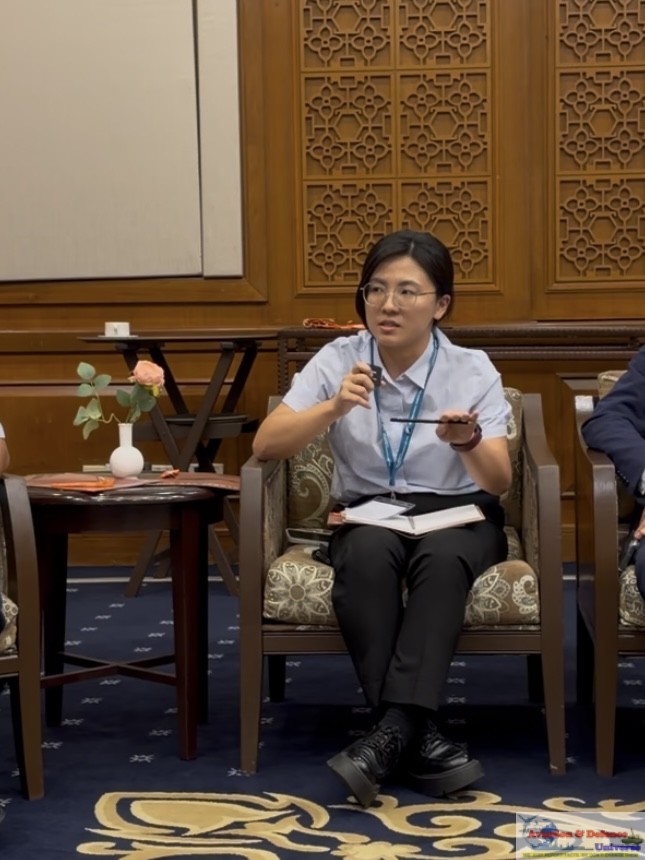 At iSAR 2026 in Kuala Lumpur, Malaysia, ADU caught up with Tsai, Hsin-Yi, Foreign Affairs Officer, RCC Taipei, Taiwan and Sen Fang Chieh, Section Chief, Taiwan Special Search & Rescue Team, for a conversation that provided an interesting window into this multi-dimensional rescue architecture. Tsai—who introduced herself in the conversation as Sandy—explained how RCC Taipei brings representatives of different government agencies together to make rapid operational decisions, while Sen—who introduced himself as JJ—spoke about his journey from frontline firefighting and rescue swimming to international humanitarian relief and his current mission of building partnerships with the global SAR community. Their message from iSAR was straightforward: learn from the world, share Taiwan’s experience and use emerging technologies and international cooperation to become better at saving lives.
ADU. Can you tell us about your SAR system in Taiwan?
Tsai, Hsin-Yi. I am from RCC Taipei, and in our office we have six liaisons from different agencies including Coast Guard, police agency, and Ministry of Defence, Aeronautical Administration, and the most special one is Aeromedical Approval Centre, which are doctors and nurses. This multi-agency presence allows information to be shared immediately when an emergency call reaches the centre. Artificial Intelligence is also being explored to overcome one of the most basic but potentially critical problems confronting emergency coordination centres—understanding the person calling for help. Yeah, and also another one is the voice to text system. Once someone calls for help with different accent, they will try to translate to Mandarin, you know, with text and voice. Yes, and also if we type on a follow word, and also it can change into voice sound.
ADU. What is your work and organisation all about?
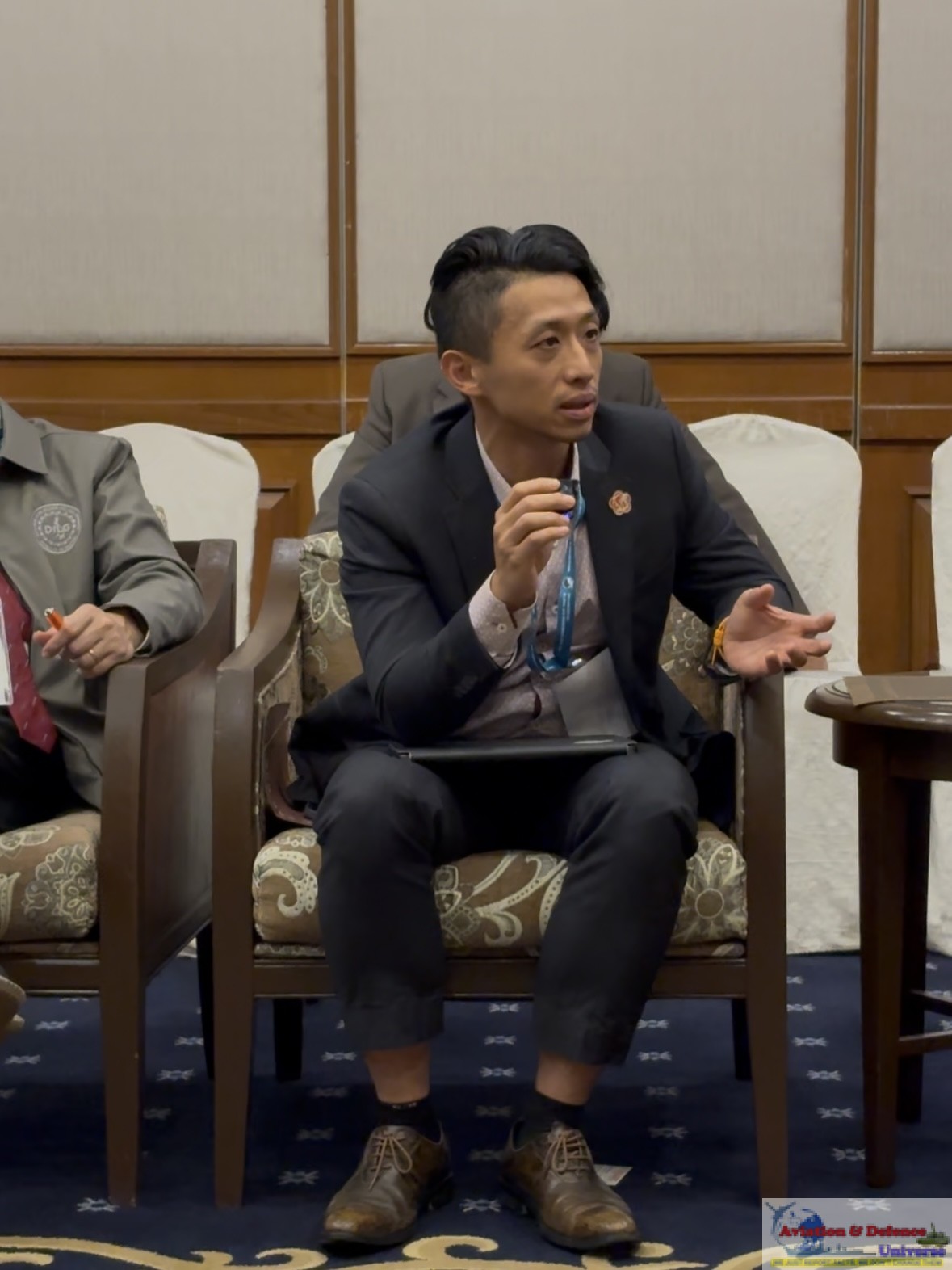 Sen Fang Chieh. I’ve studied from frontline firefighters for six years. My SAR journey then took me from firefighting into Taiwan’s specialised rescue organisation. I joined the special search and rescue team in Taiwan, and they have three missions. The first one is rescue helicopter, and I’m just a rescue swimmer to save people trapped in the mountain or in the sea. And also we have the lots of earthquakes in Taiwan, so when the domestic disaster happens in Taiwan, the special search and rescue team will join the mission. The third dimension of the team’s work takes Taiwan’s rescuers beyond its shores. And the third one is the humanitarian relief international, and the most exciting experience in my life is that I have joined the international humanitarian relief Turkey 2023, and also there’s very special experience.
ADU. What is your current role in the organisation?
Sen Fang Chieh. I just got promoted to becoming an officer that in charge of the foreign affairs in planning division, just keeping in touch with our allies. And right now I just have a goal to find the partnership international, try to let the global friends help us and we as SAR professionals should be able to help beyond borders.
Tsai Hsin Yi. I am the Foreign Affairs Office with RCC Taipei and my role is facilitating communication with foreign Rescue Coordination Centres and relevant authorities whenever an emergency crosses Taiwan’s Search and Rescue Region or involves Taiwanese citizens, vessels or aircraft overseas. My responsibility is also international liaison and relationship building, so we get help when we need and can help when it is needed , without delay.
ADU. How will this show be helpful to you?
Sen Fang Chieh. We get an idea about what is happening internationally , learn a lot and share our experience. Attending iSAR is ultimately about taking lessons home and ensuring that Taiwan remains both capable of receiving international assistance when necessary and contributing to international rescue efforts.
Tsai, Hsin-Yi. So I’m here to understand the international perspective and return with new and different ideas to Taiwan. We can implement them back at RCC Taipei, so we can make ourselves better. And we have enough capability and want to let the world know Taiwan can help.
ADU. What is the mission of RCC Taipei?
Tsai, Hsin-Yi. RCC Taipei have five main tasks. The first one is aviation and maritime rescue and the second one is transport the patient. The third one is transport the transplanted organ. And the fourth one is domestic disaster, including earthquake and lake overflow. And the last one is coordinate with other RCCs. If our fishing vessel is getting distressed near Japan, we should contact with Japan, Coscap or their RCCs for help which is the counterpart for Rescue Command Centre.
ADU. In this conference what have you learned? Is this the first time you’ve come to Malaysia for this conference?
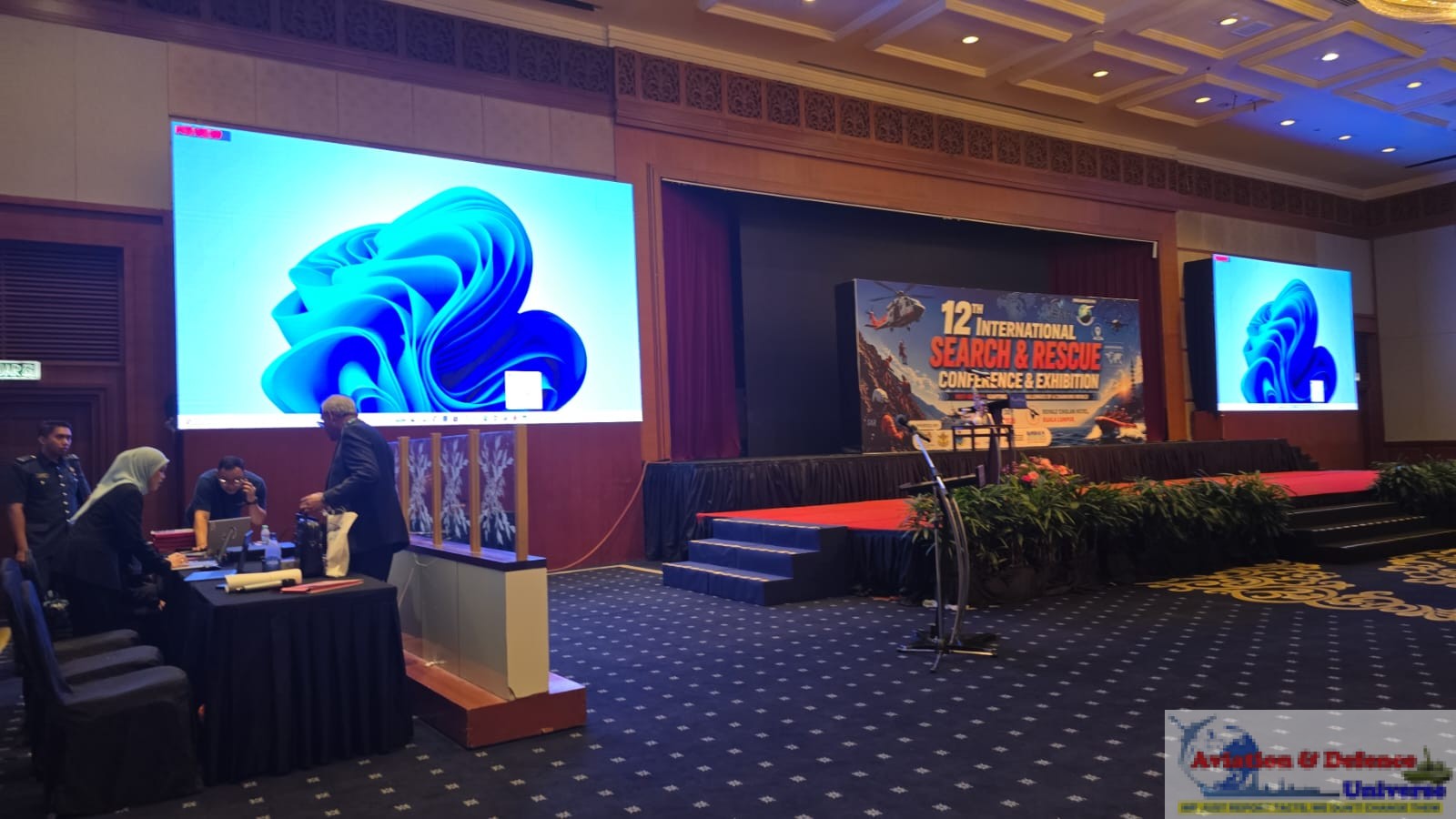 Sen Fang Chieh. It’s our first time to Malaysia. And I think there is lots of new technologies. And I think
they’re to be combined with just like AI and maybe how to communicate and communication and cooperation with the different agency or different teams. The conference’s value, they added, extended beyond technology to the operational knowledge being shared by experienced SAR professionals. And also, there is a lot of new ideas which will be very helpful.
Tsai Hsin-Yi. The conversation at iSAR 2026 offered a glimpse into a SAR ecosystem where the emergency could be a mariner overboard, an aircraft in distress, an injured person awaiting evacuation, an organ requiring urgent transportation or survivors buried beneath the devastation of an earthquake. RCC Taipei’s multi-agency structure seeks to put different expertise around the same table from the moment an emergency call arrives, while Taiwan’s Special Search & Rescue Team brings operational experience from helicopters, mountains, seas, earthquakes and overseas humanitarian missions.
ADU. What is your most important takeaway from this conference?
Sen Fang Chieh. Now, AI-enabled drift prediction, multilingual voice-to-text capabilities and better communications are important things we learnt which when we use will add to our preparedness.
Tsai Hsin-Yi. The importance of partnership and international relationship in search and rescue. No enemies for us in SAR everyone is friend who we have to help. Search and Rescue frequently crosses jurisdictions, and disasters rarely respect borders. We have enough capability to let the world know Taiwan can help.
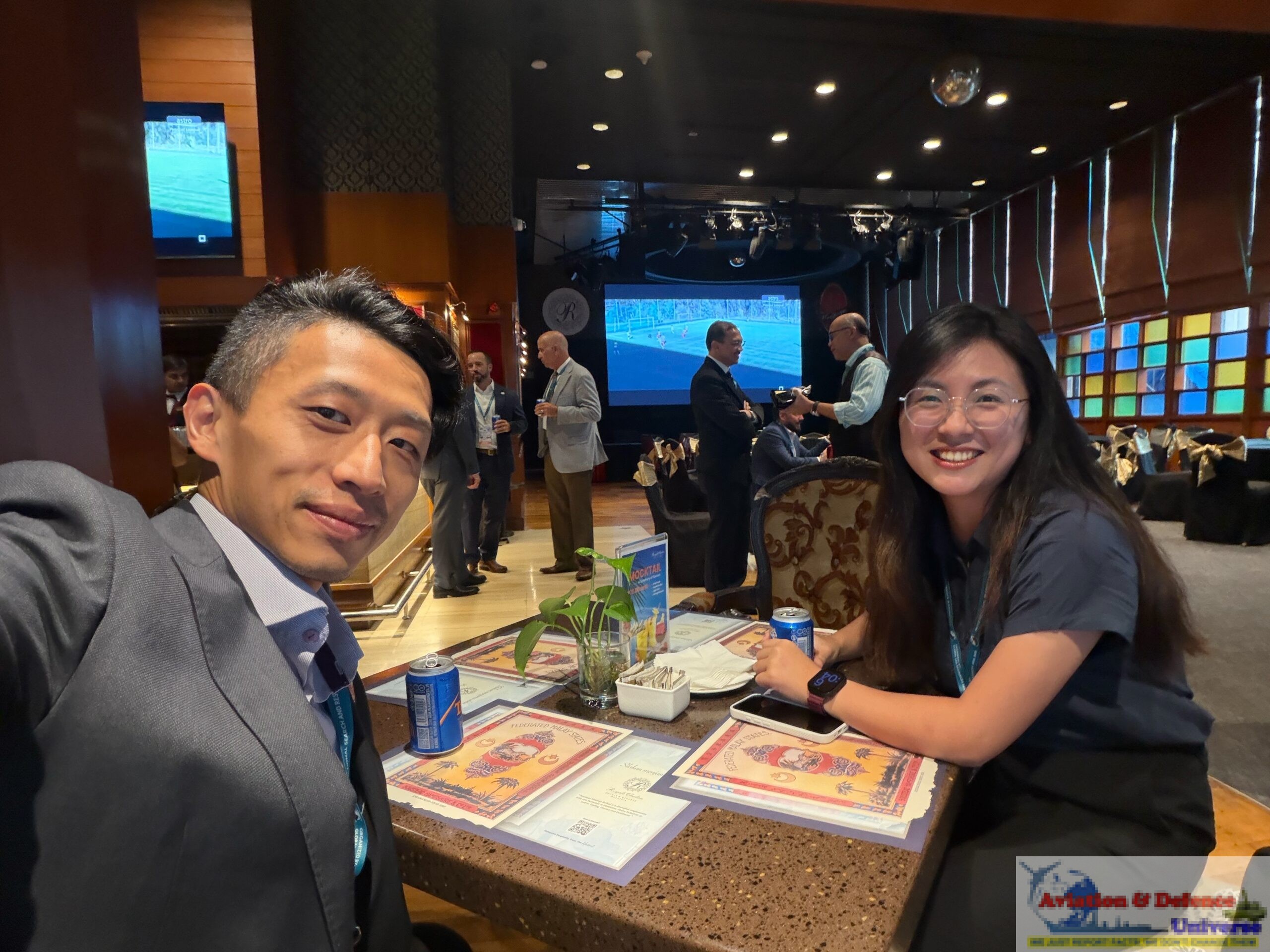 Taiwan’s location in the western Pacific places it close to some of Asia’s busiest aviation and maritime routes and makes regional cooperation an operational necessity. Its working relationships and established mechanisms with neighbours such as Japan and the Philippines, together with growing disaster-response exchanges across the Indo-Pacific, provide a useful foundation for cross-border SAR coordination. Taiwan and Japan, for instance, have conducted exchanges between their specialist search-and-rescue communities, while existing Taiwan-Japan and Taiwan-Philippines maritime mechanisms provide channels for practical cooperation at sea.
Taiwan has also deliberately built the capacity to act beyond its shores. Its National Fire Agency says Taiwanese SAR teams have undertaken international humanitarian rescue missions on seven occasions and conducts mobilisation exercises specifically designed to get rescuers, medical personnel, search dogs and equipment rapidly aboard aircraft for overseas deployment. More recently, Taiwan’s National Fire Agency and the Asia Pacific Alliance for Disaster Management strengthened regional training cooperation involving participants from Taiwan, the Philippines and Sri Lanka, with Taiwan seeking to develop itself as an Indo-Pacific disaster-response training base.
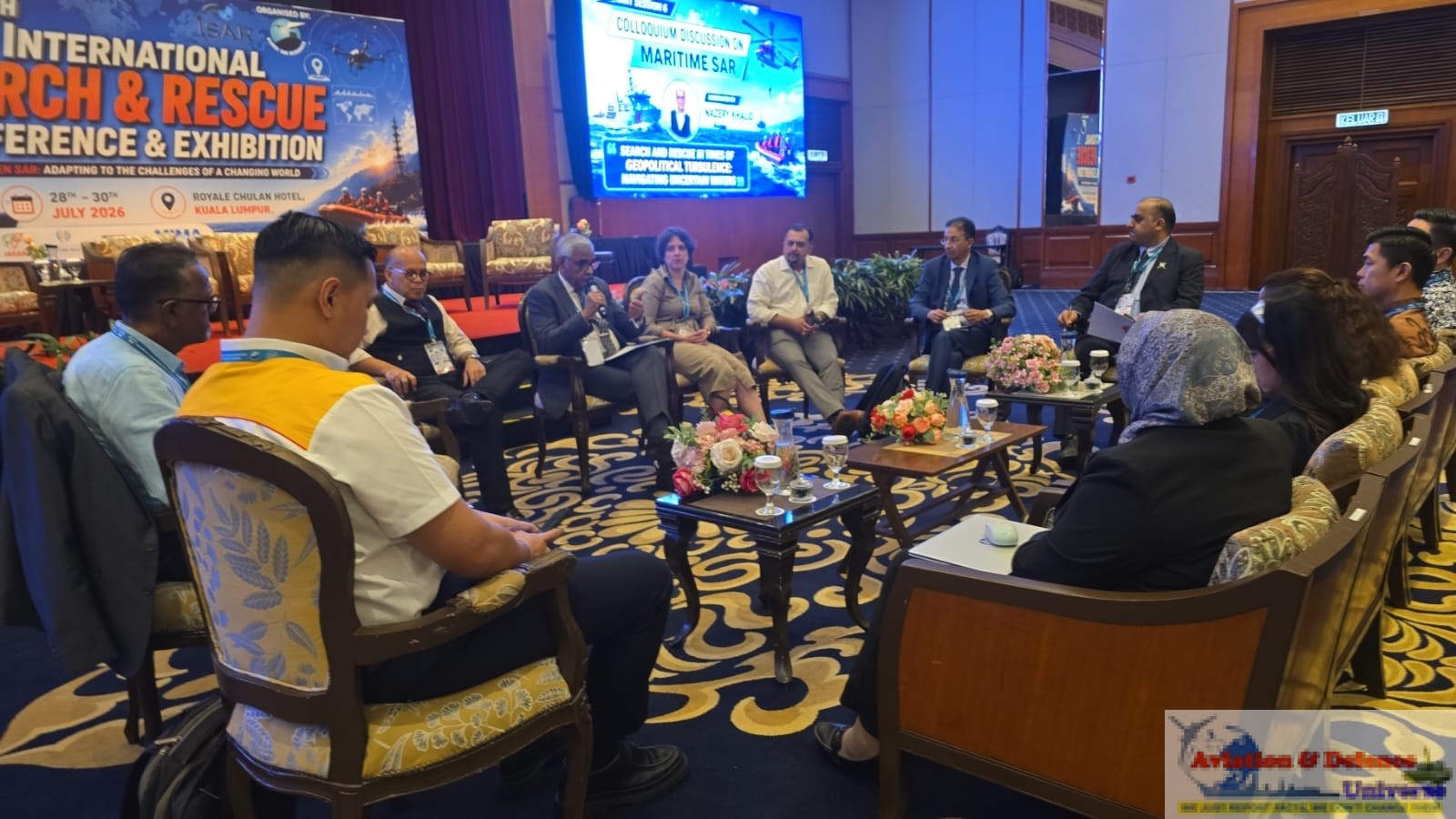 This combination of geography, disaster experience, trained specialist teams, aviation and maritime rescue capabilities and relationships with regional partners makes Taiwan a potentially valuable responder when emergencies strike in Asia. Just as importantly, Taiwan understands that SAR is reciprocal, the country that provides assistance today may need it tomorrow. That makes Tsai Hsin-Yi and Sen Fang Chieh’s presence at iSAR 2026 particularly important.
For Taiwan, Search and Rescue is not confined to a command centre, a helicopter or a rescue vessel—it is a network that must work seamlessly across air, sea, land and international borders. The conversation with Tsai Hsin-Yi and Sen Fang Chieh at iSAR 2026 revealed an SAR ecosystem that is combining frontline experience with AI-enabled decision support, multilingual communications and stronger international partnerships. From rescuing people at sea and in the mountains to responding to earthquakes and deploying for humanitarian missions overseas, preparedness remains the common thread. And as Taiwan looks outward to learn, cooperate and build relationships with the global SAR community, Tsai’s simple assertion captures its message perfectly, “We have enough capability to let the world know Taiwan can help.”
As Told To Sangeeta Saxena

























-A4-Size-(2)_page-0001.jpg)