 18th BRICS Summit








- Brainstorming Tomorrow’s Emergencies in the skies , on the seas and under water
- Professional Collaboration, Human Judgement and Technology Dominate
- Search and Rescue Beyond Borders: Deliberations Deliver Actionable Recommendations
By Sangeeta Saxena
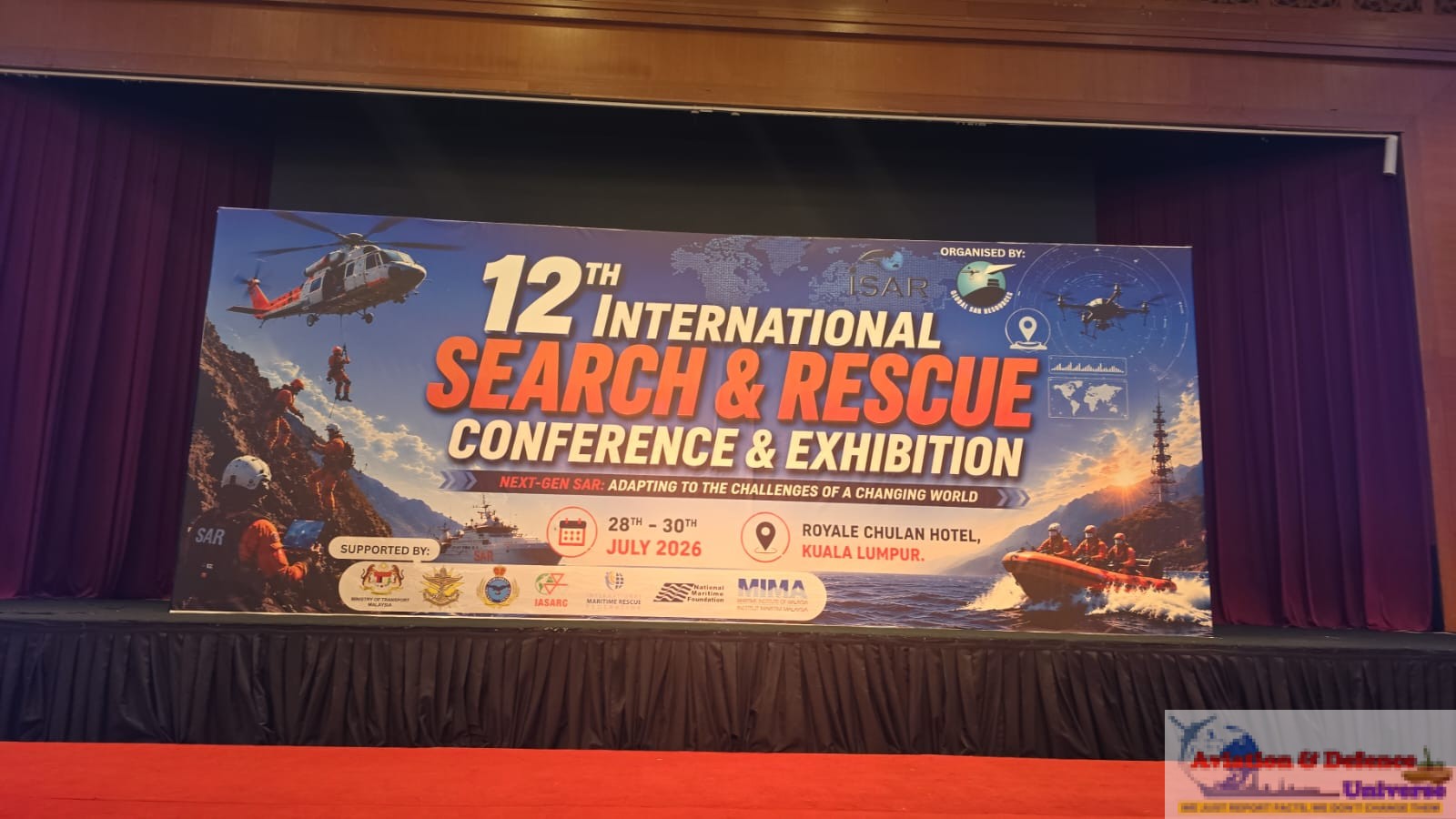
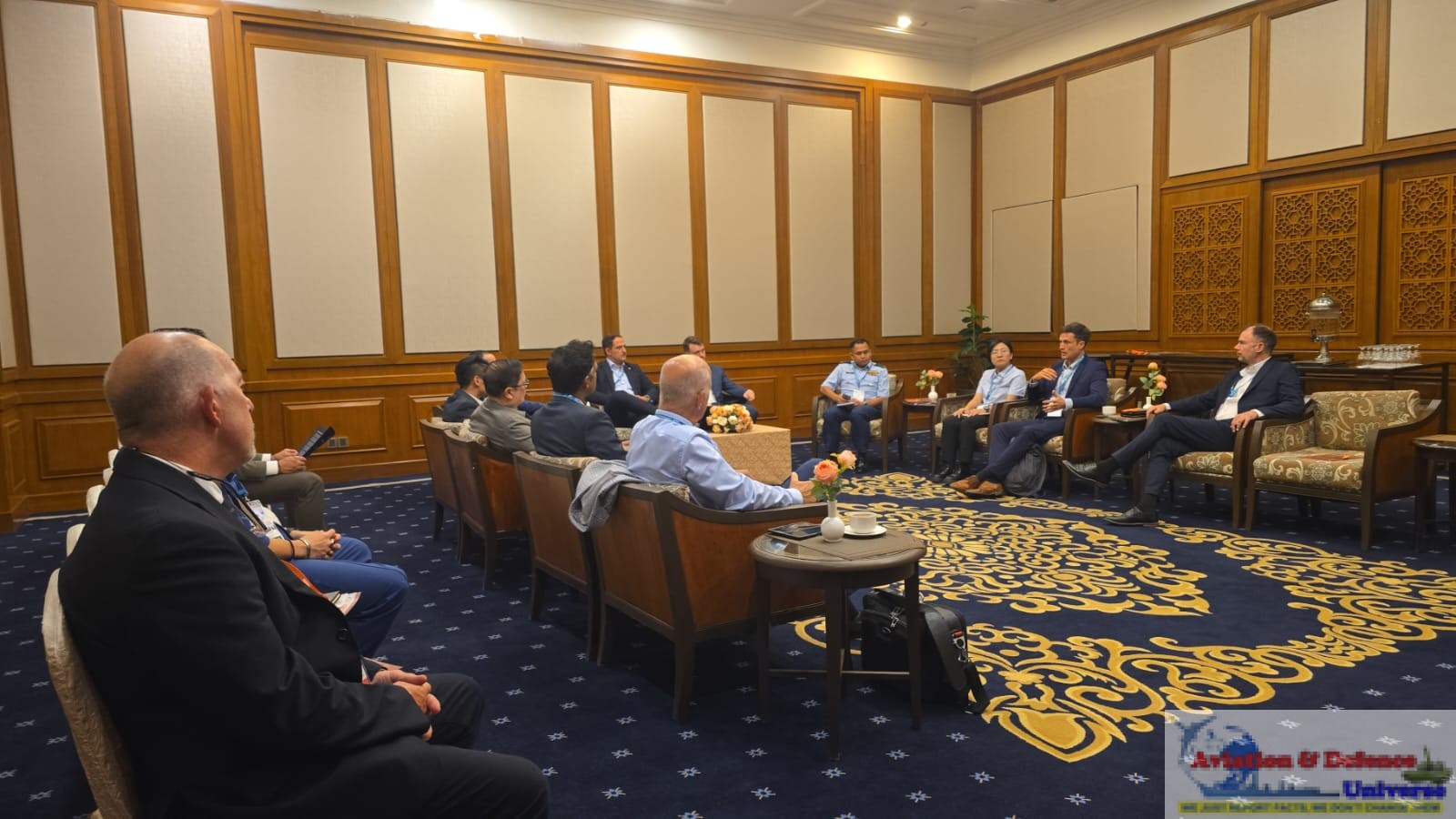
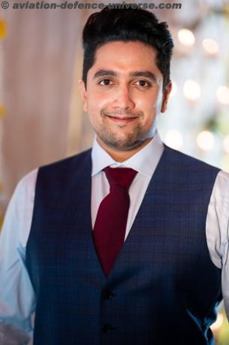
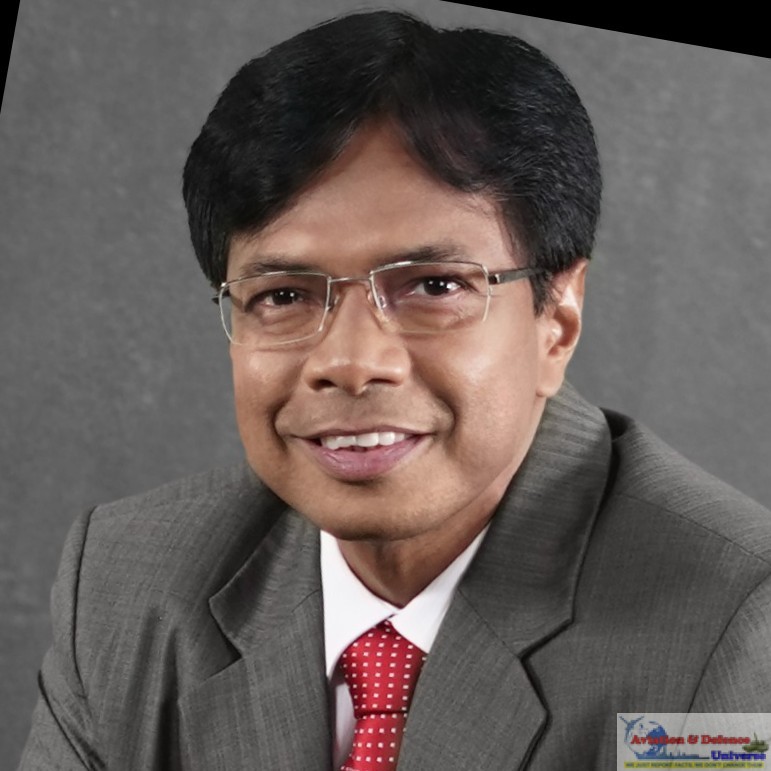
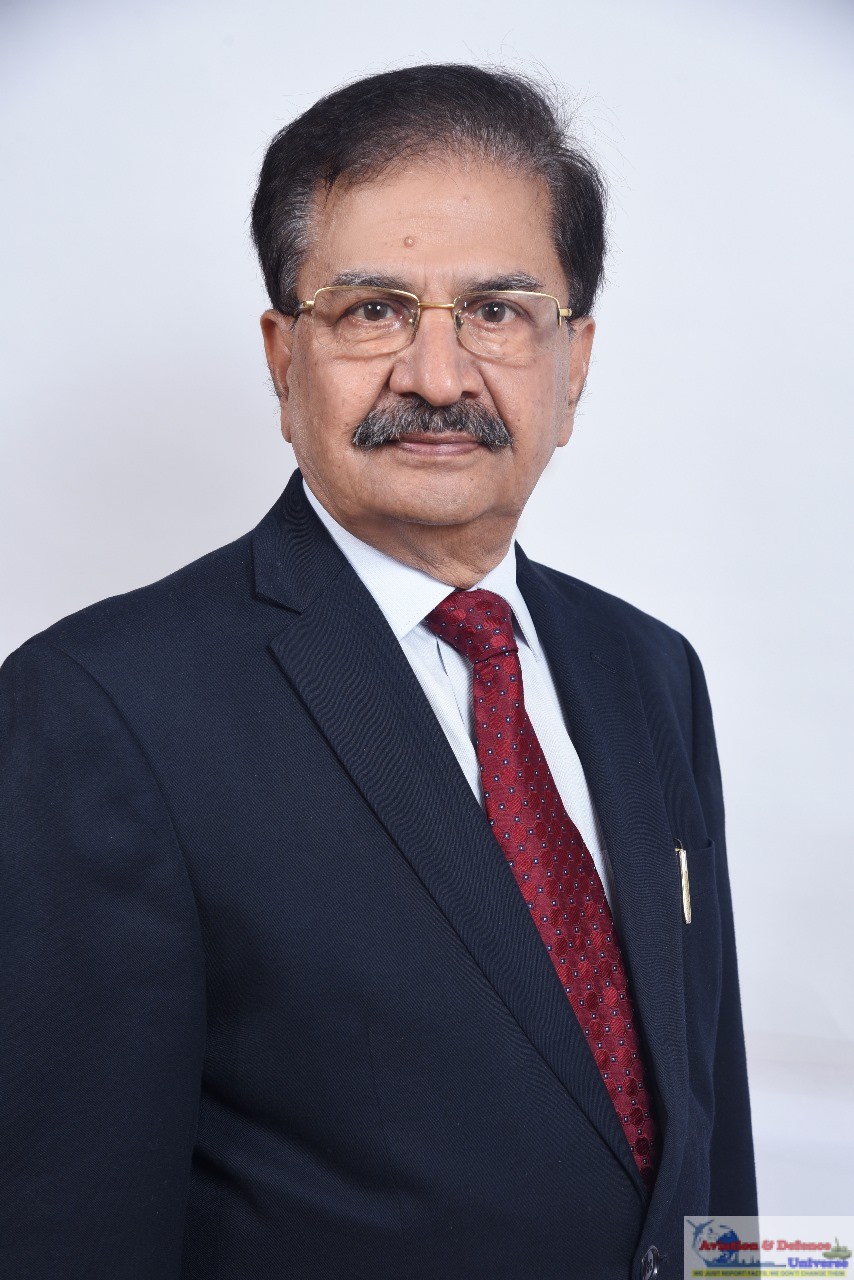
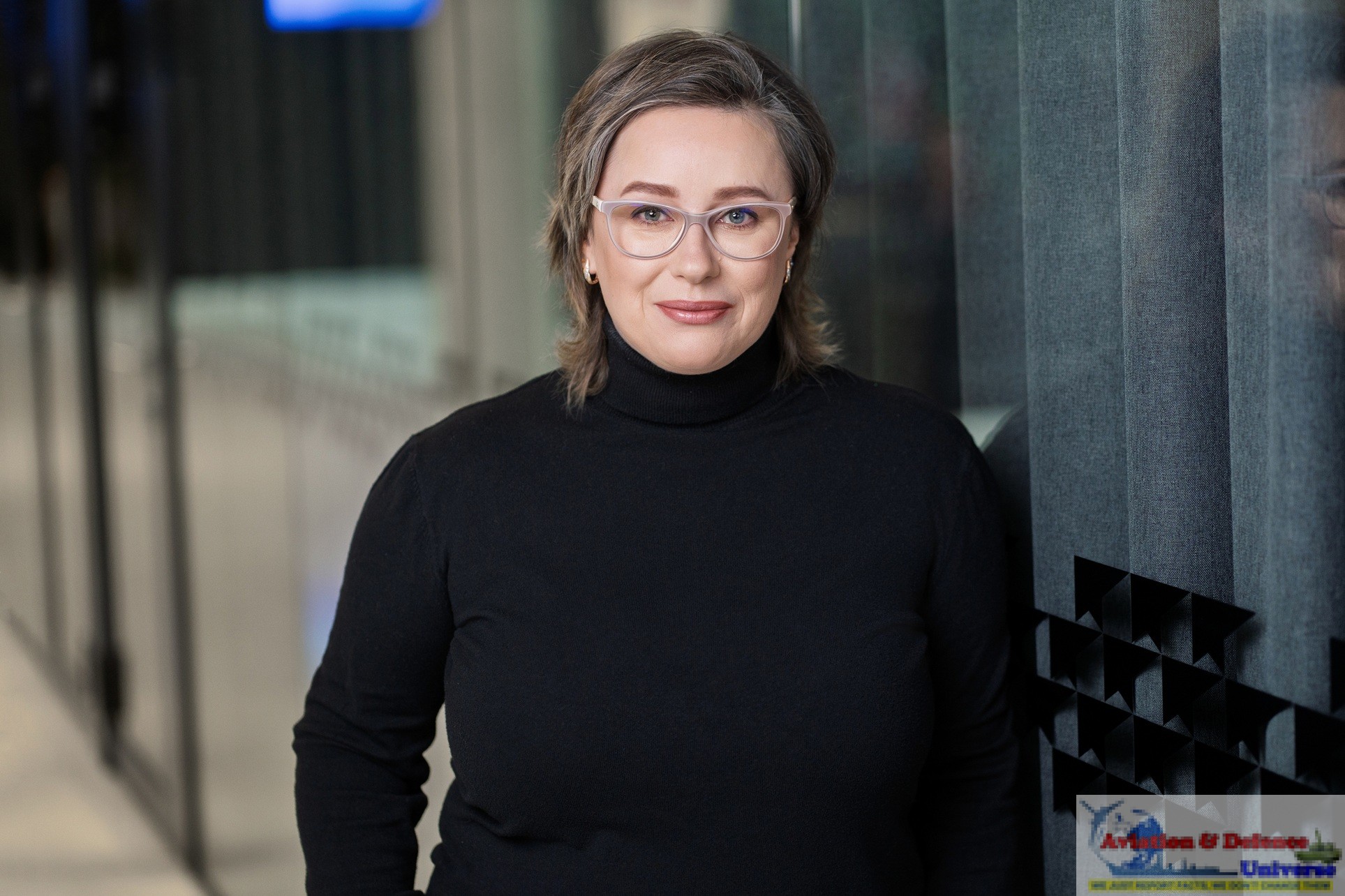
Kuala Lumpur. 30 July 2026. Some of the most valuable conversations at international conferences take place away from the main stage. At iSAR 2026, that proved especially true during three intensive closed-door colloquia, each bringing together around twenty senior experts from across the world representing rescue coordination centres, coast guards, navies, air forces, civil aviation authorities, academia, humanitarian organisations, technology companies and industry. Over the course of an hour, participants debated practical challenges, exchanged operational experiences and identified solutions in an open environment designed to encourage frank discussion rather than formal presentations. Their conclusions were subsequently presented during Plenary Session 6, transforming three focused discussions into a set of strategic recommendations for the global Search and Rescue (SAR) community. The three colloquia examined Maritime SAR, Aviation SAR, and SAR Technology, with reports delivered respectively by Commodore Anil Jai Singh, IN (Retd.), Maj. Gen. (R) Koji Hiratsuka, and Tanguy Le Coq and Arthur Barbier. Together, they highlighted that while technology continues to evolve rapidly, the future of SAR will ultimately depend upon trust, cooperation, interoperability and informed human decision-making.
Maritime SAR Colloquium: Navigating Search and Rescue Through Geopolitical Uncertainty
Presenting the findings of the first closed-door colloquium, Commodore Anil Jai Singh (Retd.) explained that the discussion centred on “Search and Rescue in Times of Geopolitical Turbulence: Navigating Uncertain Waters.” The group explored how humanitarian operations can continue effectively despite growing geopolitical tensions and increasingly complex maritime security environments.
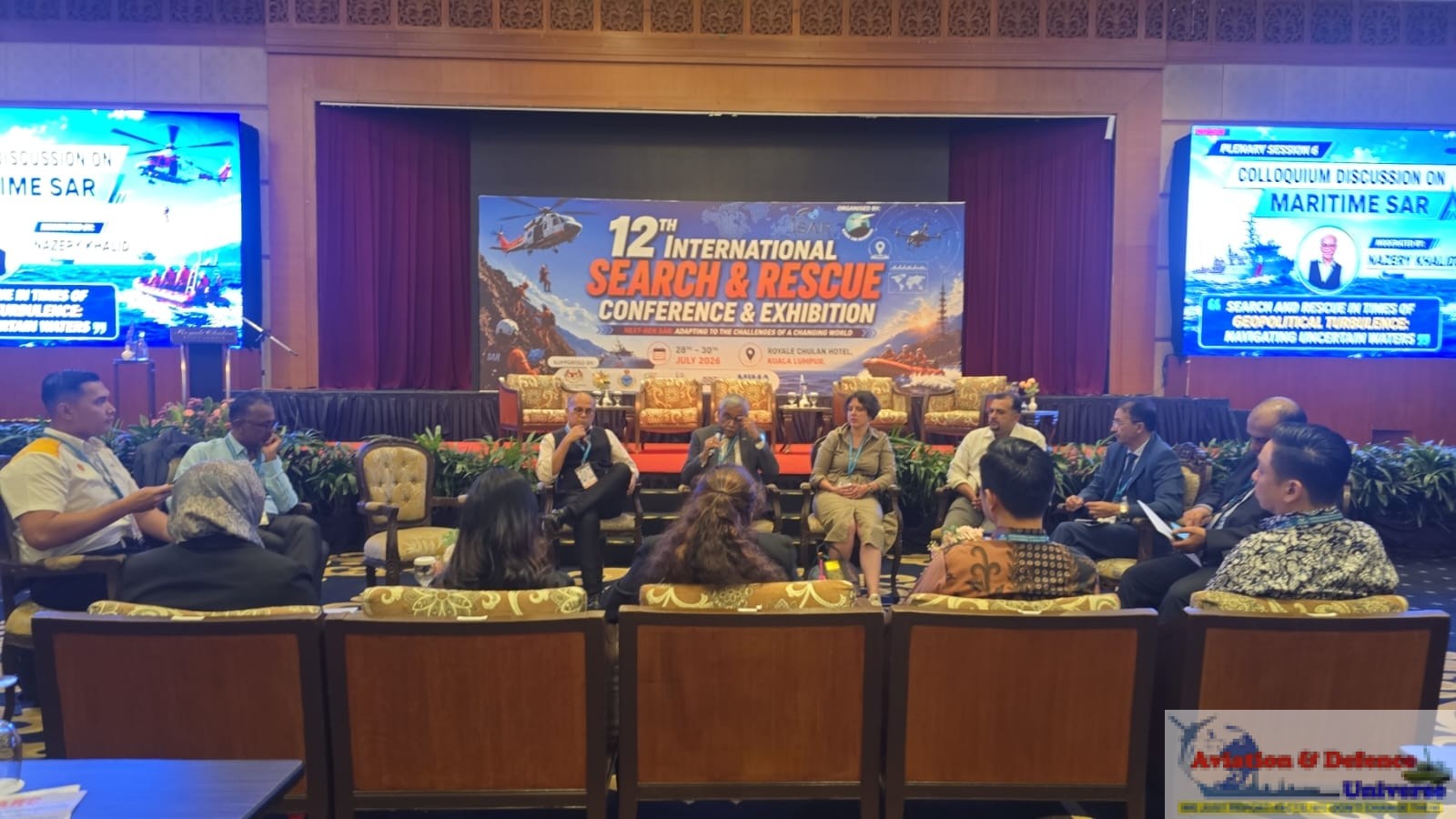 One of the first observations made during the discussion was that multinational cooperation in disaster response has historically emerged from humanitarian necessity rather than strategic competition. Referring to the formation of the Quadrilateral Security Dialogue, Commodore Singh remarked, “The genesis of the Quad, the Quadrilateral Security Dialogue, which today we all think is the American-China containment strategy, its actual genesis lay in the tsunami of 2004, when like-minded democracies in the region fought it. When something as serious as this happens, you can’t have a sporadic kind of SAR effort or a country individually landing on their effort. We can have a coordinated effort, and that is the genesis of the Quadrilateral. And I think that has worked very well since then.”
Using Exercise Malabar as an example, he explained how multinational naval cooperation has evolved beyond traditional military operations. “Search and rescue and other responses to non-traditional threats form an integral part of it.” Participants agreed that effective multinational SAR requires common operational standards. “We should have common communication protocols, common safety and standard operating procedures, common communication frequencies… so that when the time comes to shove, we are not found wanting.”
The colloquium also recognised climate change as one of the defining challenges confronting maritime SAR. As Commodore Singh noted, “We are passing through a critical period of climate change… particularly in our waters, the Indo-Pacific, where the frequency and intensity of extreme weather events is just increasing by the day.” Participants therefore recommended strengthening SAR within regional institutions. “Search and rescue at sea should also form a separate pillar rather than be absorbed into this larger maritime security construct.” Another unanimous conclusion was that preparedness must become second nature. “Whatever actions we take have to be instinctive. We can’t start looking up documents… We should be able to do it without having to think about it.”
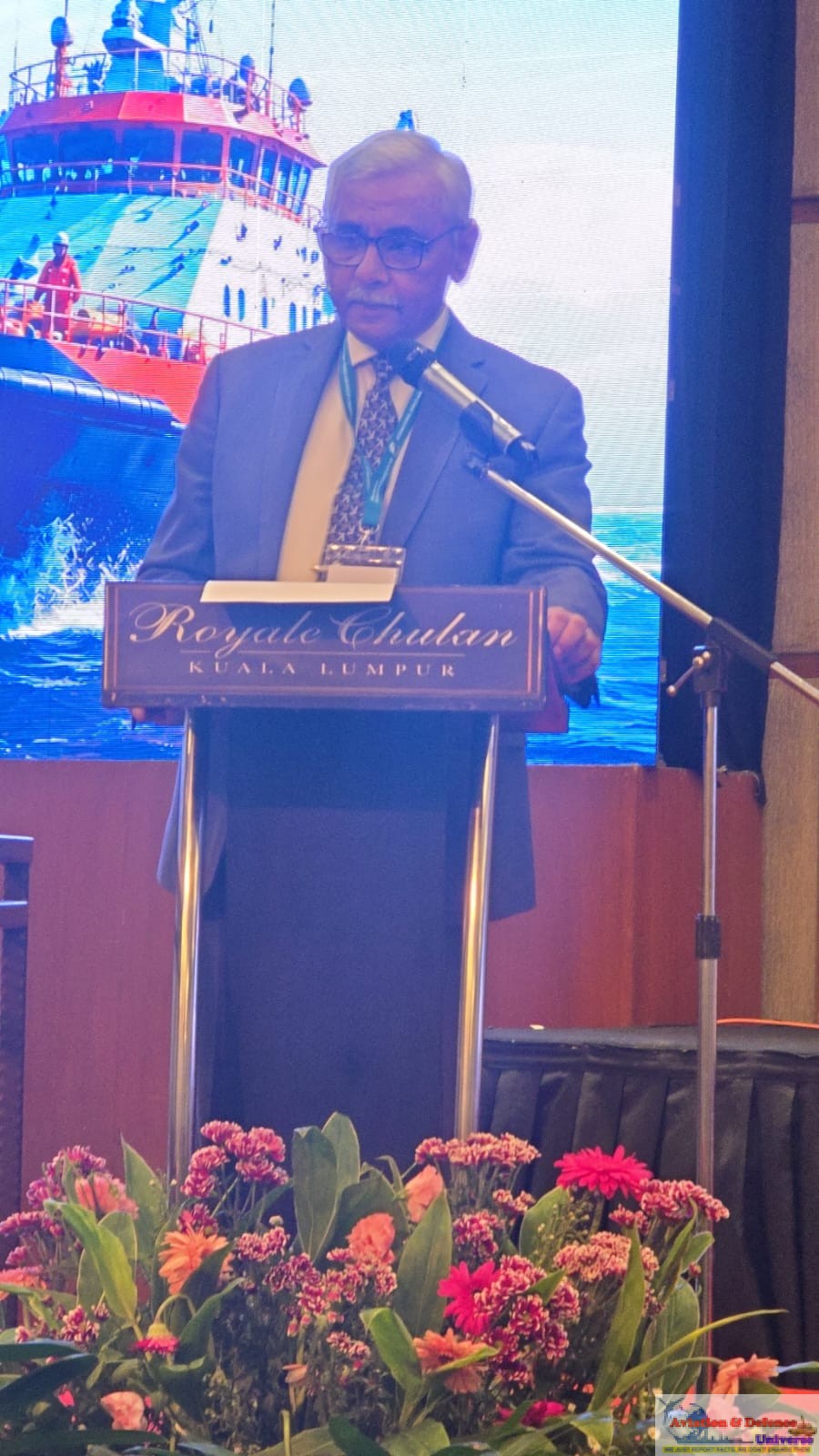 Such instinctive response can only be achieved through repeated multinational exercises involving ships, aircraft, surveillance assets, divers and command-and-control organisations. The experts devoted considerable discussion to artificial intelligence and emerging technologies. While recognising their enormous value, they agreed that technology should support, rather than replace, operational judgement.
Commodore Singh summarised the consensus, “Technology is a very important element of SAR. But it should not drive SAR. It is still a human being driven activity.” Autonomous underwater vehicles, remotely operated vehicles and advanced sonar systems were cited as valuable tools, particularly for submarine accidents and shipwreck investigations. “Technology is a great help and should be pursued. We should not let the fact that technology may not be the final decision maker prevent us from using technology to our best advantage.” Participants also stressed the importance of sharing operational expertise internationally. “We must understand each other’s competencies and share ideas so that we can all develop best practices… We should not allow individual, parochial, national considerations to override these basic humanitarian considerations.” Bringing the discussion to its humanitarian core, Commodore Singh concluded, “Each life is precious and everybody’s endeavour should be to save that one life, even if it is just one.”
Aviation SAR Colloquium: Building One Unified Civil-Military Response Framework
Presenting the findings of the second closed-door colloquium, Maj. Gen. (R) Koji Hiratsuka from Japan, explained that the discussion focused on “Civil-Military Cooperation in Aviation SAR: Building a Unified Response Framework.” Bringing together military officers, civil aviation experts, rescue agencies and emergency management professionals, the group examined how aviation search and rescue could become faster, more integrated and better prepared for increasingly complex emergencies.
Maj. Gen. Hiratsuka began by noting that the discussion had explored several themes, including civil-military cooperation, future technologies, capability development and the role of artificial intelligence. One of the first observations made by participants was that although cooperation between military and civilian agencies is universally recognised as essential, it often remains difficult in practice.
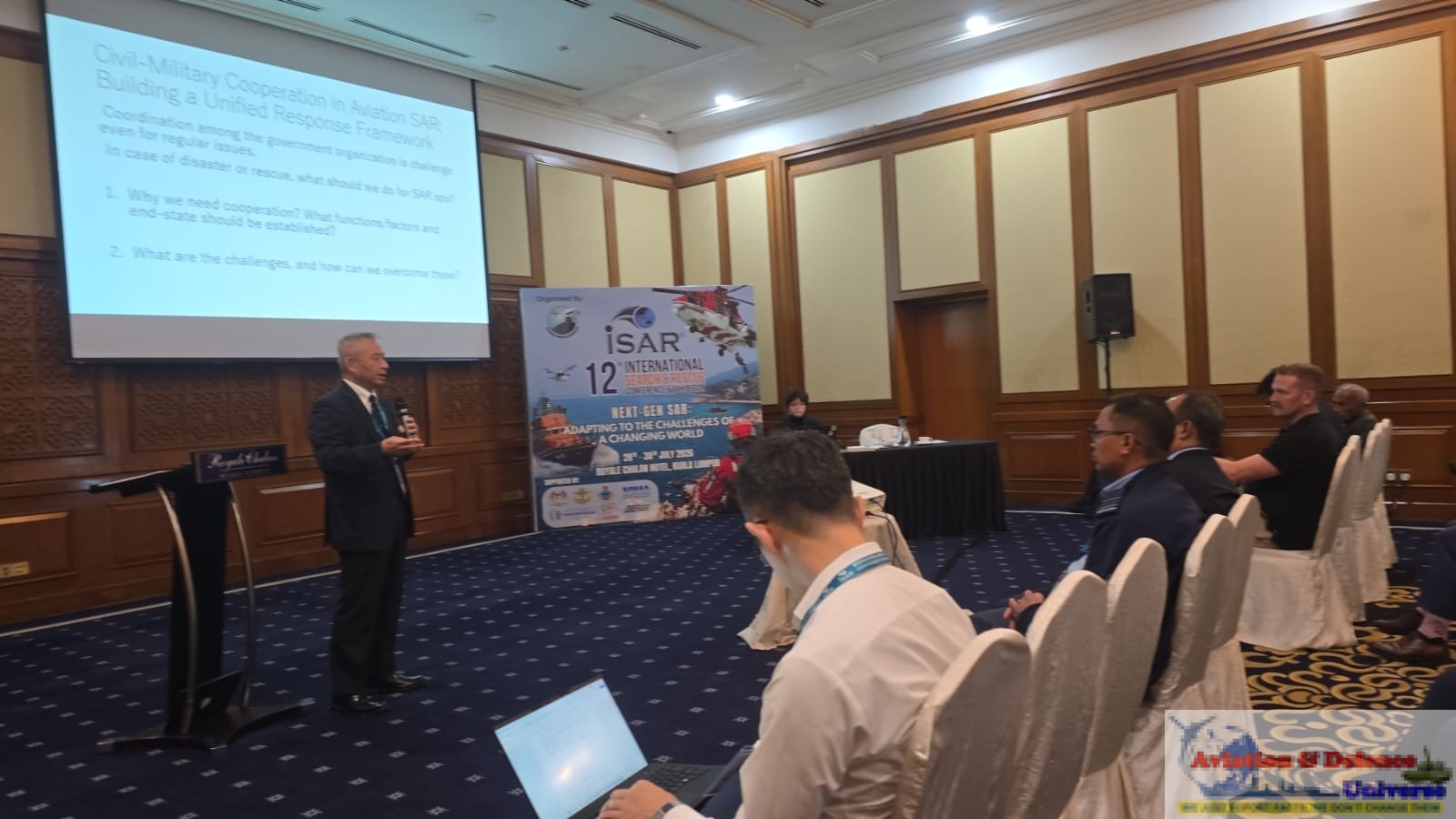 “Even in peacetime, coordinating policy is very difficult because military organisations and civilian organisations have different cultures, different missions and different ways of thinking.” Participants agreed, however, that operational realities leave little room for institutional differences. “From the victim’s or survivor’s viewpoint, it doesn’t matter who takes care of the people. The most important thing is a quick reaction.” The discussion therefore concluded that all available national capabilities must be viewed as a single rescue resource rather than separate civil or military assets. “If the military has some kind of advantage, why don’t we use it? If the Coast Guard has an advantage, we should use that. If another rescue organisation has an advantage, we have to exploit that. We should use every available capability.”
The colloquium repeatedly returned to one central idea—relationships cannot be built during a disaster. Participants stressed that agencies must establish trust long before emergencies arise. As Maj. Gen. Hiratsuka explained: “Frequent meetings, discussions and exercises are essential because they build trust between organisations. Once trust exists, coordination becomes much easier during an actual emergency.”
The group recommended expanding joint planning exercises, tabletop simulations, field exercises and regular inter-agency exchanges involving military aviation, civil aviation authorities, emergency medical services, disaster management agencies and volunteer rescue organisations. A significant portion of the 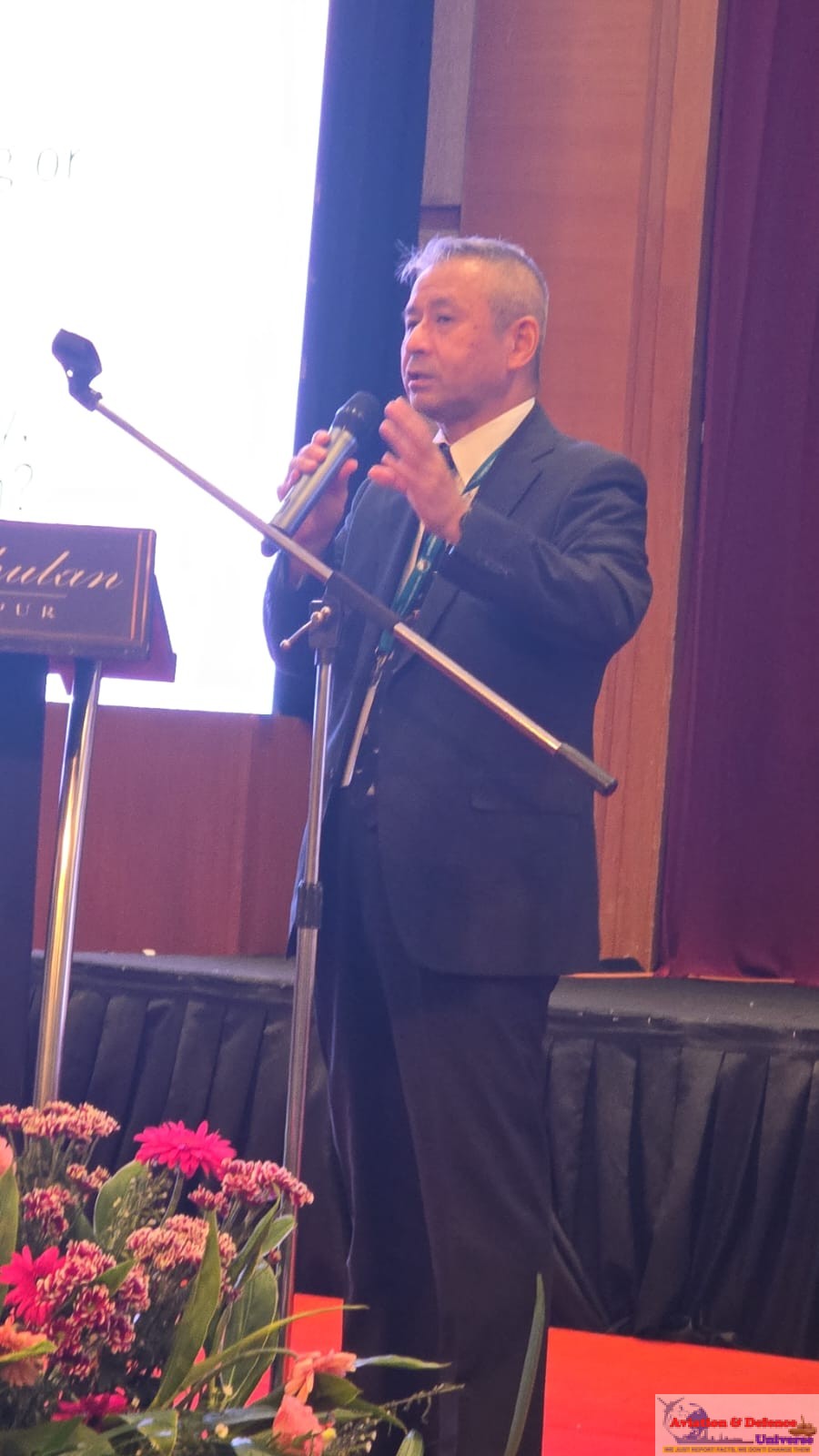 discussion focused on the growing role of unmanned aerial systems in aviation search and rescue. Participants acknowledged that drones offer several operational advantages. “The cost is reasonable. Drones don’t become tired. They don’t suffer from fatigue. Even if we lose one, we lose only the drone.” Their ability to conduct prolonged surveillance, particularly over hazardous terrain or disaster zones, makes them valuable additions to SAR operations. However, delegates were equally careful to identify current limitations. “They don’t have enough payload capability. They cannot rescue survivors or carry injured people.” Consequently, drones should be regarded as force multipliers rather than replacements for helicopters or fixed-wing rescue aircraft.
Participants also discussed the importance of adopting a phased approach to capability development. Rather than pursuing technology for its own sake, nations should identify operational gaps and then introduce technologies that directly address those deficiencies. Artificial intelligence generated considerable discussion during the colloquium. While delegates recognised its potential to reduce workload and improve situational awareness, they unanimously agreed that AI must remain a decision-support tool rather than an autonomous decision-maker.
Summarising the discussion, Maj. Gen. Hiratsuka observed, “Mistakes probably come from humans. This system should be used to reduce mistakes. But at the same time, it doesn’t take responsibility for the decision. Decisions should be made by humans.” Participants felt that AI could significantly assist with processing large volumes of operational information, improving situational awareness, supporting mission planning, identifying resource availability and reducing cognitive overload for SAR coordinators. However, ethical responsibility and operational accountability must remain firmly with human commanders.
The colloquium also recognised that building effective aviation SAR capability requires sustained national investment rather than ad hoc procurement. Participants recommended structured development programmes that combine aircraft, helicopters, drones, communications, satellite systems, rescue specialists, logistics and command-and-control infrastructure.
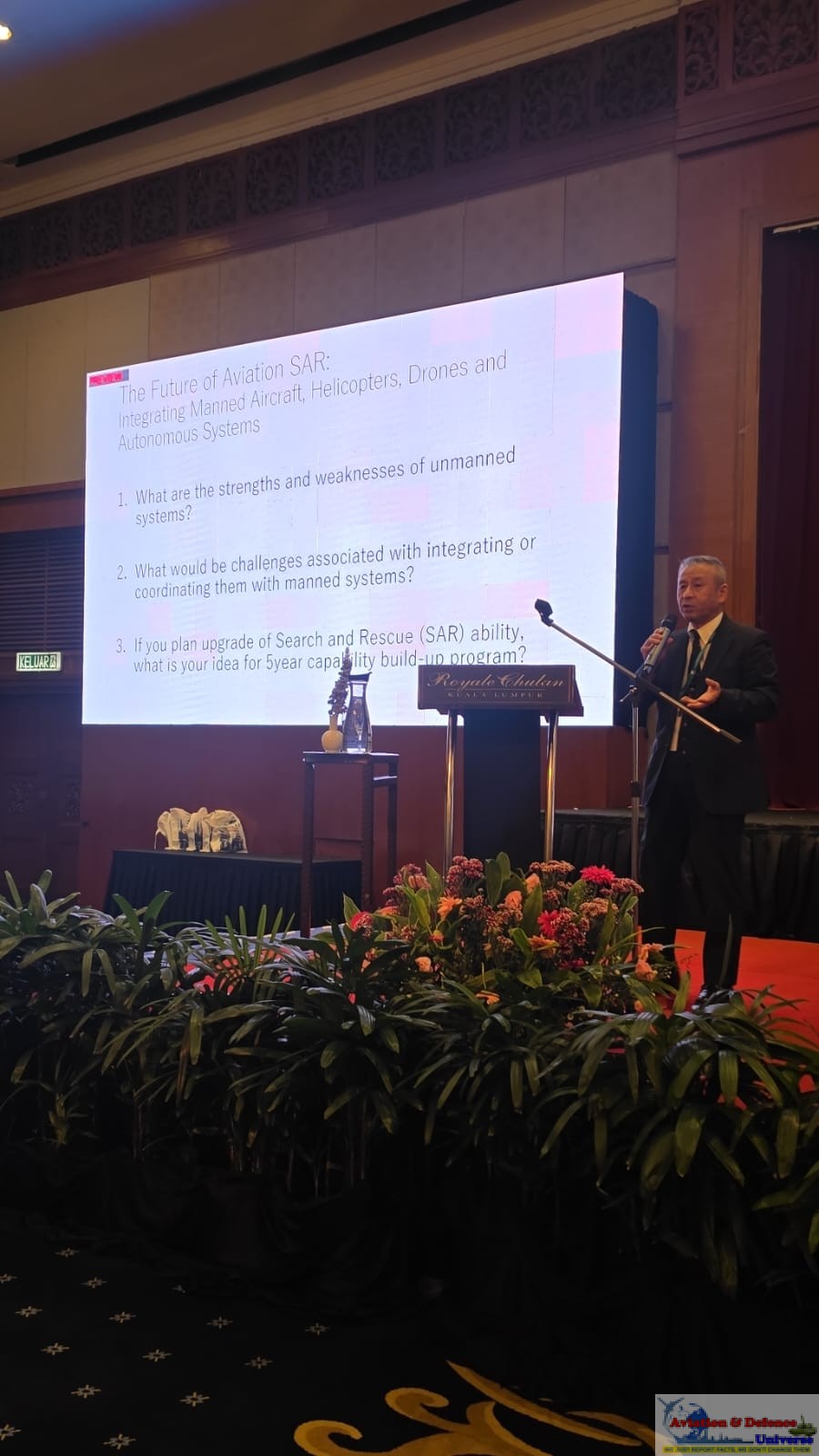 Capability development should also include continuous professional education and regular multinational exercises to ensure interoperability. The group agreed that aviation SAR should increasingly adopt a whole-of-government approach, bringing together defence forces, civil aviation authorities, disaster management agencies, coast guards, police, emergency medical services and private-sector operators. Bringing the discussion to a close, Maj. Gen. Hiratsuka reminded delegates that although organisations may differ administratively, they ultimately pursue the same humanitarian objective. “The survivor doesn’t care whether it is military, civilian or another organisation. They simply want somebody to rescue them quickly.” Shared responsibility, participants concluded, should remain the foundation upon which future aviation search and rescue systems are built.
SAR Technology Colloquium: Turning Data into Decisions Through Digital Innovation
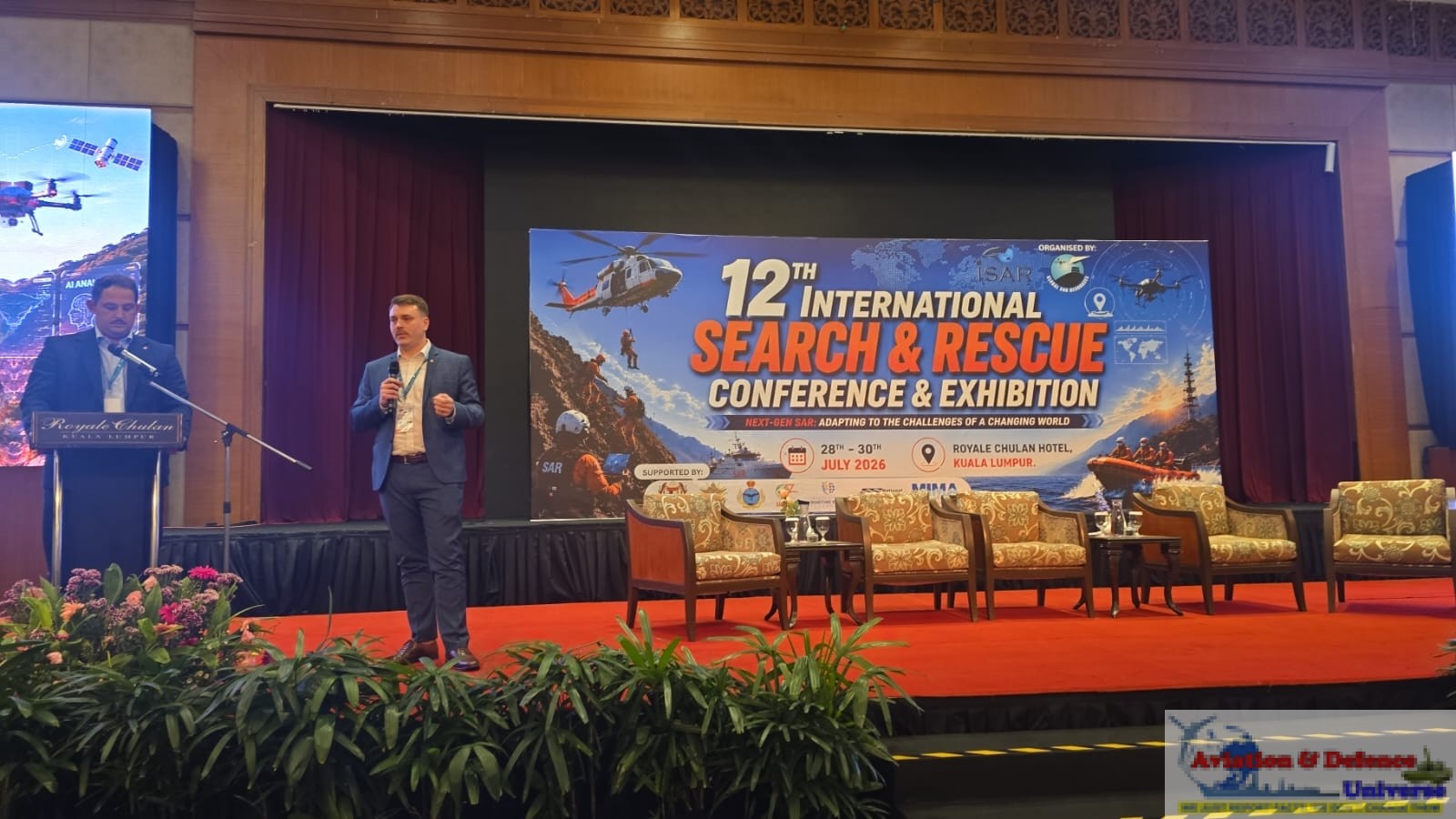
The third closed-door colloquium focused on one of the fastest-evolving dimensions of search and rescue—technology. Moderated by Tanguy Le Coq and Arthur Barbier, the discussion brought together specialists from SAR organisations, software developers, emergency response agencies and technology companies under the theme “From Data to Decision: AI and Digital Innovation for Search and Rescue Coordination.”
Presenting the outcome of the discussion, Tanguy Le Coq explained that rather than concentrating solely on emerging technologies, the group deliberately examined how technology could solve the real operational problems faced daily by SAR coordinators. One of the first questions raised was remarkably simple. “When an operation is shared with another country, how does the data actually move?” The answers from participants reflected the reality still prevailing in many rescue organisations. “A phone call… an email… and that was basically it.” The discussion concluded that although communications technology has advanced enormously, cross-border data exchange during emergencies often remains fragmented and largely dependent upon manual processes. Participants agreed that digital tools cannot compensate for weak institutional relationships.
 As Le Coq observed, “A lot of problems cannot just be solved by technology on their own. Governments have to share the willingness to improve search and rescue together.” The experts therefore recommended that technological innovation should always be accompanied by stronger operational agreements, shared procedures and political commitment. Digital platforms can facilitate cooperation—but only where cooperation already exists. The colloquium also explored one of the most practical challenges facing multinational rescue operations—language. Delegates cited an example already being used operationally. “Taiwan has a voice translator using AI. They still have their own decision-making, but they have this little translator that helps.” Participants believed AI-powered translation systems could dramatically improve coordination between rescue coordination centres, aircraft, ships and international response teams during multinational operations.
Artificial intelligence featured prominently throughout the discussion. However, participants consistently rejected the idea of allowing AI to replace operational judgement. Instead, AI should help SAR coordinators by rapidly processing information, identifying patterns and presenting decision-makers with better situational awareness. As the rapporteurs explained, AI should reduce workload—not responsibility. Delegates also recognised that machine learning could improve prediction models, optimise search planning, analyse historical rescue patterns and support resource allocation. Nevertheless, the consensus remained that ultimate responsibility must continue to rest with experienced SAR coordinators.
 One of the most significant recommendations emerging from the colloquium concerned ethics. Participants observed that while sectors such as healthcare have already developed ethical frameworks governing the use of artificial intelligence, search and rescue has yet to establish comparable standards. As Le Coq remarked, “Medicine has ethical rules for AI… but in search and rescue, nothing exists.” The group therefore recommended that international SAR organisations begin developing ethical principles governing AI-assisted decision support, automated recommendations, operational transparency, accountability, data protection and human oversight. Participants agreed that trust in AI will depend as much upon governance as technological capability.
Throughout the discussion, experts repeatedly returned to one central operational objective: reducing response time. The purpose of technology is not simply to collect more information but to help coordinators make better decisions more quickly. As the rapporteurs succinctly concluded, “No technology will replace human decision. Data and AI combine one thing—they buy time, and every minute we buy is a life that we can save.” That statement became one of the defining messages of the colloquium, encapsulating the relationship between technology and humanitarian response.
The three closed-door colloquia demonstrated that although maritime, aviation and technological challenges may differ, the principles underpinning successful search and rescue remain remarkably consistent. The Maritime SAR Colloquium highlighted the importance of geopolitical cooperation, common operating 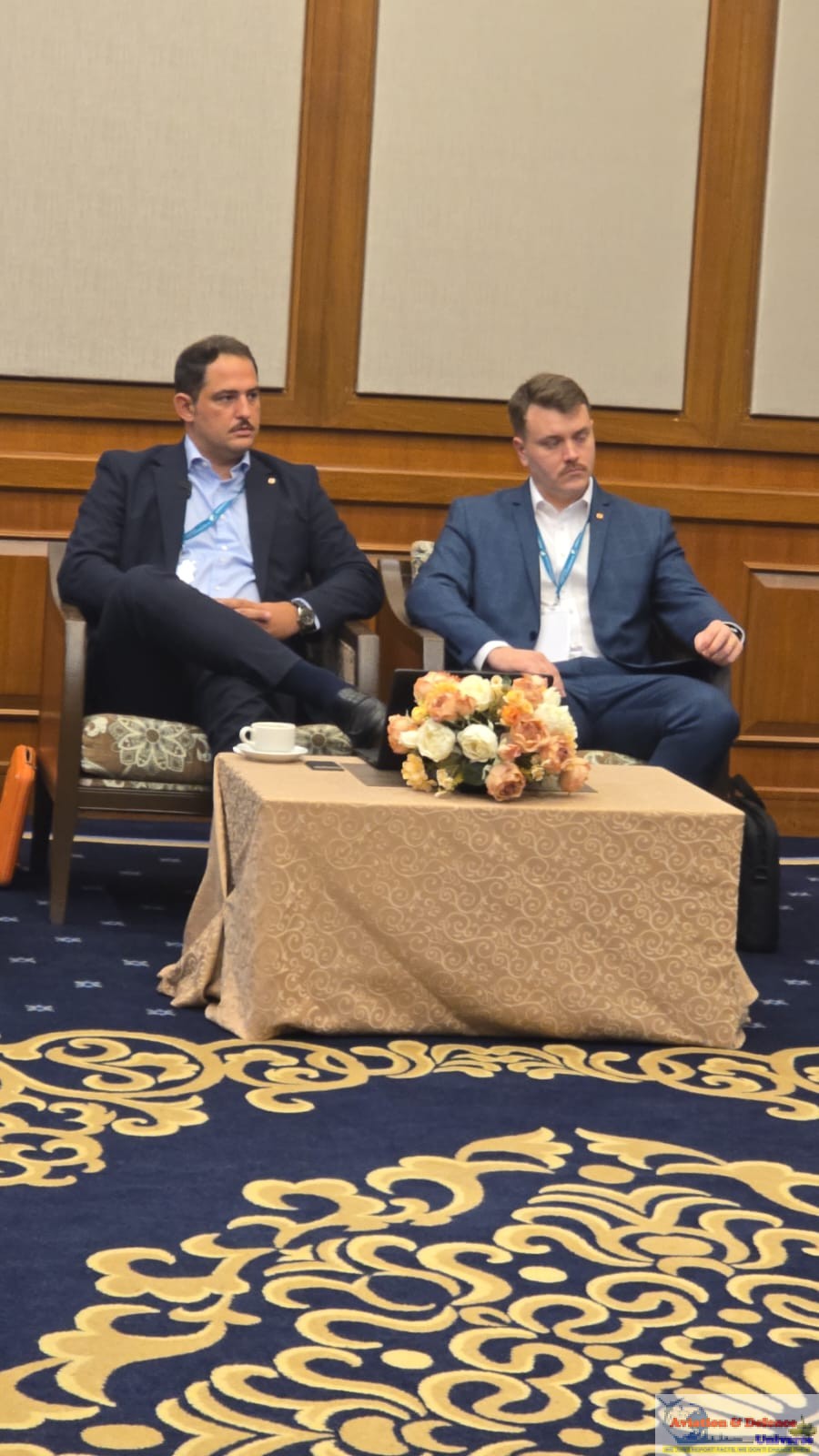 procedures and keeping humanitarian imperatives above political differences. The Aviation SAR Colloquium called for stronger civil-military integration, greater interoperability and the intelligent adoption of emerging aviation technologies while reaffirming that human judgement must remain paramount. The SAR Technology Colloquium concluded that artificial intelligence and digital innovation have enormous potential to transform coordination, provided they are introduced within ethical frameworks and always remain decision-support tools rather than decision-makers.
Collectively, the discussions reflected the immense value of bringing together small groups of experienced practitioners for frank, solution-oriented dialogue. Free from the formalities of conventional conference presentations, the colloquia enabled experts to share operational lessons, challenge assumptions and formulate practical recommendations rooted in real-world experience. Presented during the concluding plenary, their findings offered delegates not merely a summary of discussions but a strategic roadmap for strengthening global Search and Rescue through cooperation, professionalism, technological innovation and an unwavering commitment to the humanitarian mission of saving lives.
The three colloquia demonstrated that the future of Search and Rescue will be shaped as much by collaboration as by innovation. Whether addressing geopolitical challenges at sea, strengthening civil-military aviation cooperation or integrating artificial intelligence into operational decision-making, delegates consistently concluded that technology must enhance—not replace—human judgement. Common standards, interoperable communications, continuous multinational exercises, ethical AI, regional partnerships and professional trust emerged as the defining priorities for the next generation of SAR. The discussions reflected iSAR 2026’s overarching theme of adapting to a changing world while remaining firmly committed to the timeless humanitarian mission of saving lives—regardless of borders, politics or operational domain.





































































-A4-Size-(2)_page-0001.jpg)