











- Human Capital to Power India’s Aerospace Ambitions, Say Industry Leaders
- Focuses on Aerospace Talent and Supply Chains
- Preparing India’s Aerospace Workforce for the Next Decade is Priority
- People Before Product : Experts Stress Talent as the Foundation of India’s Aerospace Growth
By Sangeeta Saxena
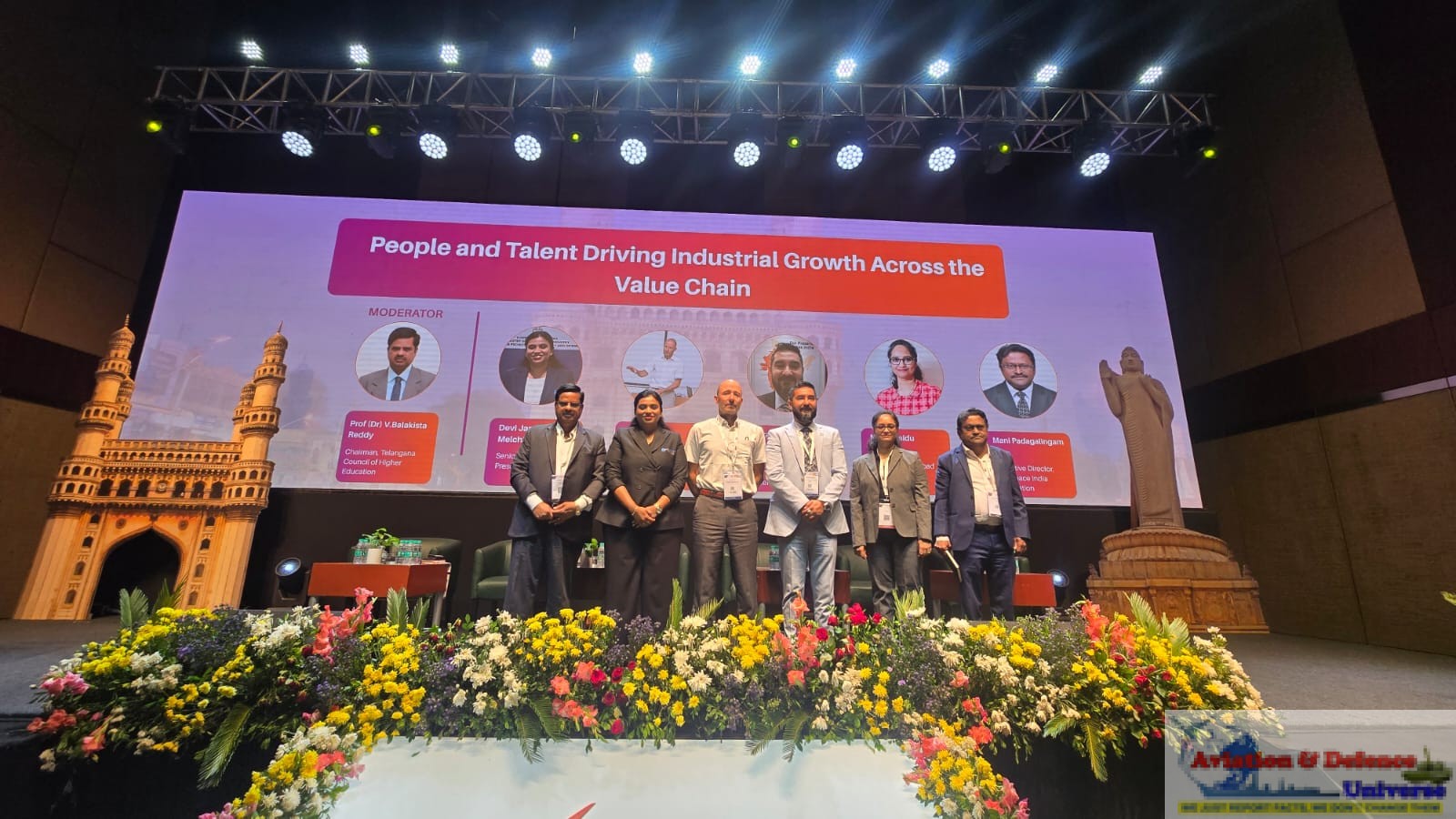
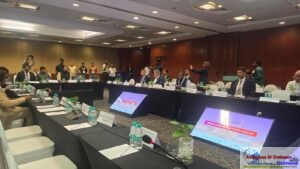
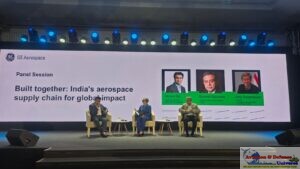
Hyderabad. 04 July 2026. This was a session which put forth two great points – India’s greatest aerospace asset is it’s young workforce and Human Capital must be treated as an asset, not a liability . While advanced technologies, artificial intelligence and next-generation manufacturing dominated discussions at Aeromart Hyderabad 2026, one session reminded delegates that no innovation can succeed without skilled people 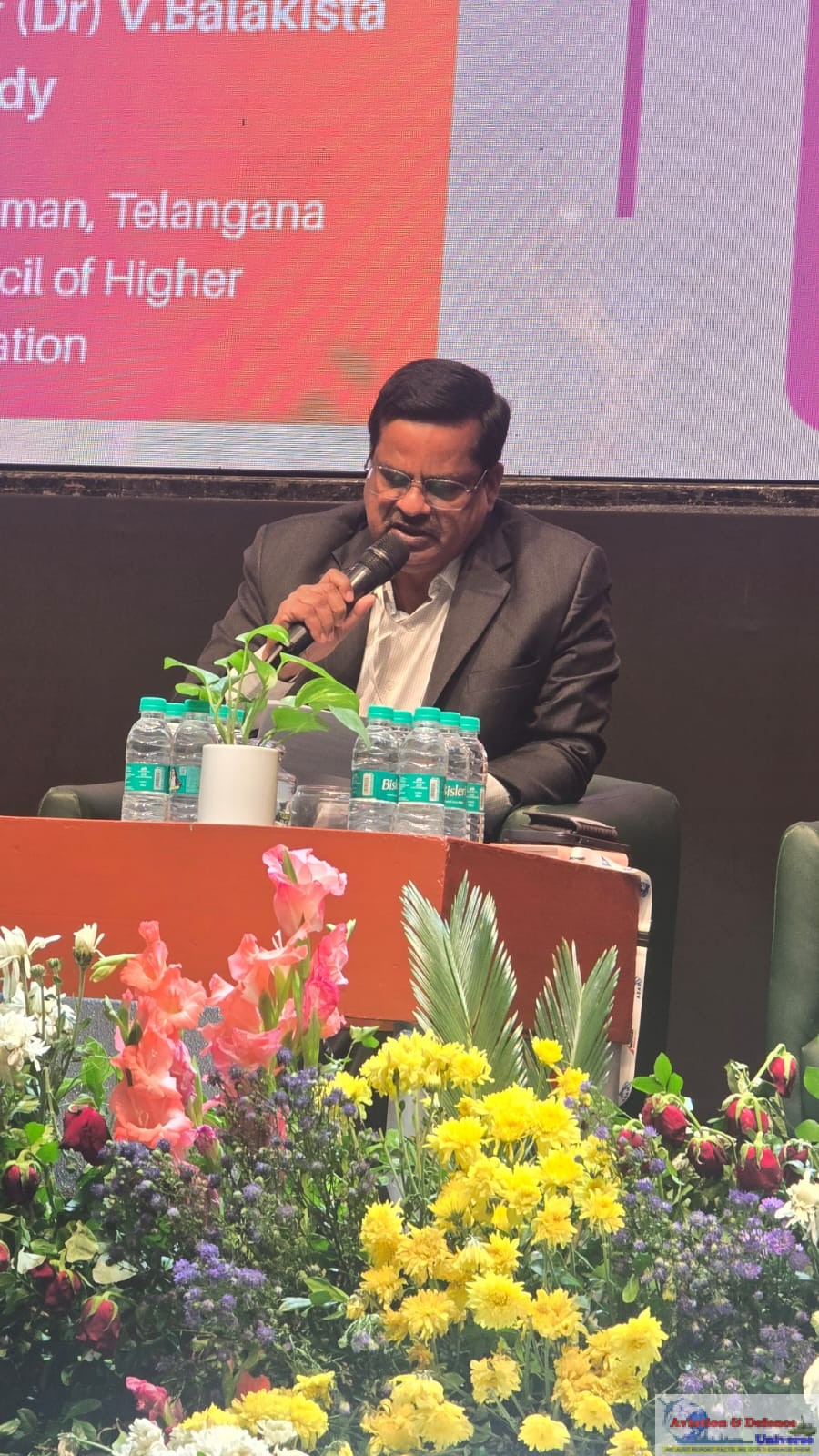 behind it. Bringing together leaders from industry, logistics, academia and government, the panel discussion on People, Talent, Skills and Supply Chain explored how India can transform its demographic advantage into a globally competitive aerospace workforce and collectively argued that India’s greatest competitive advantage is not merely cost or infrastructure, but its people.
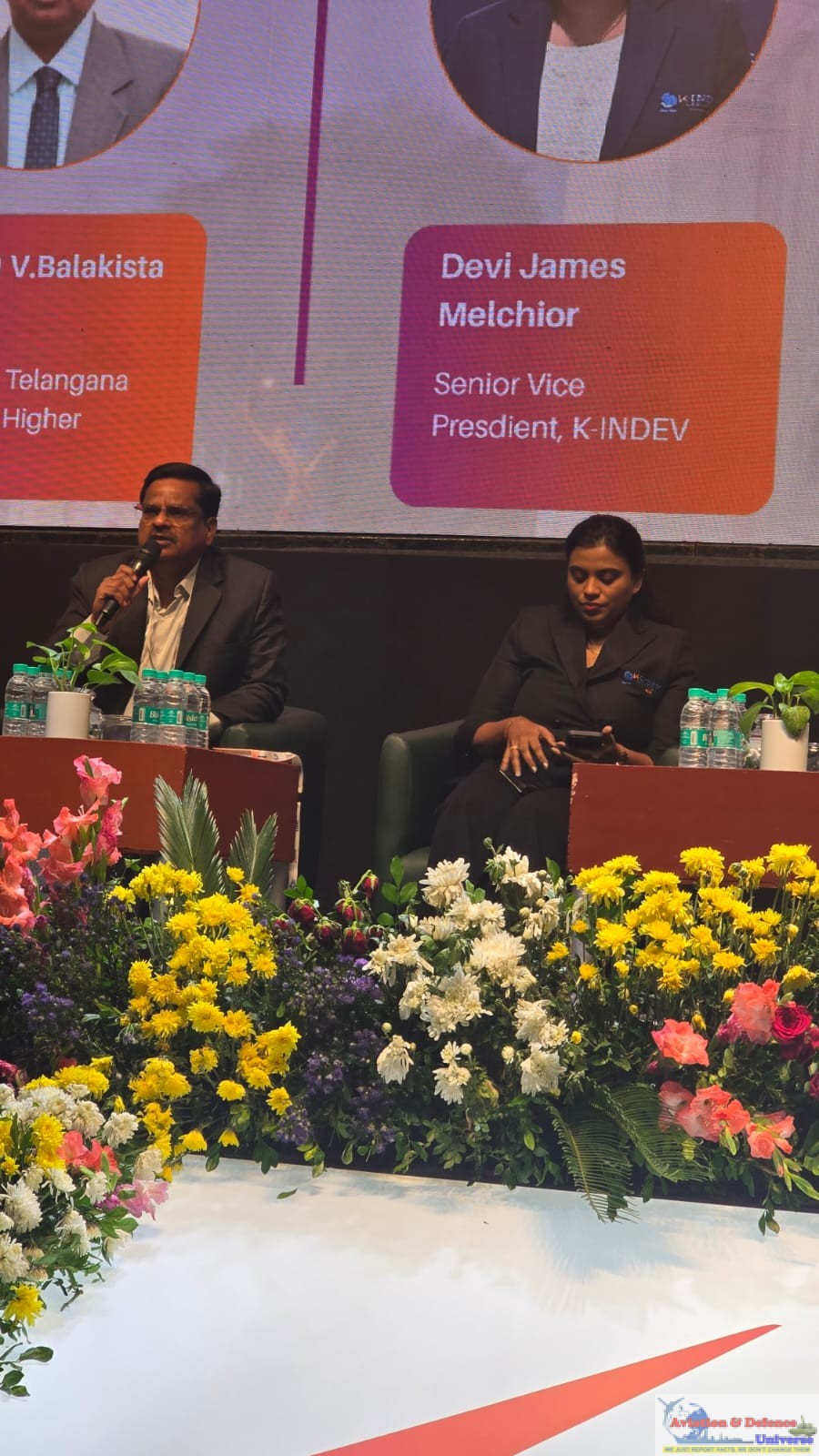
Setting the tone for the discussion, moderator Prof (Dr) V. Balakista Reddy, Chairman Telangana Council of Higher Education , highlighted India’s demographic strength and its growing importance to the global aerospace industry. Emphasising why the world is increasingly looking towards India, he observed, “India is the youngest country in the world. Almost 65 per cent of our population is below the age of 35 and nearly 50 per cent is below the age of 28. That is the greatest asset we have. Today, the whole world is looking towards India, particularly in the context of human resources.” Explaining the objective of the session, he said the discussion would focus on practical ideas rather than lengthy presentations, encouraging each panellist to share their expertise and leave sufficient time for interaction with the audience.
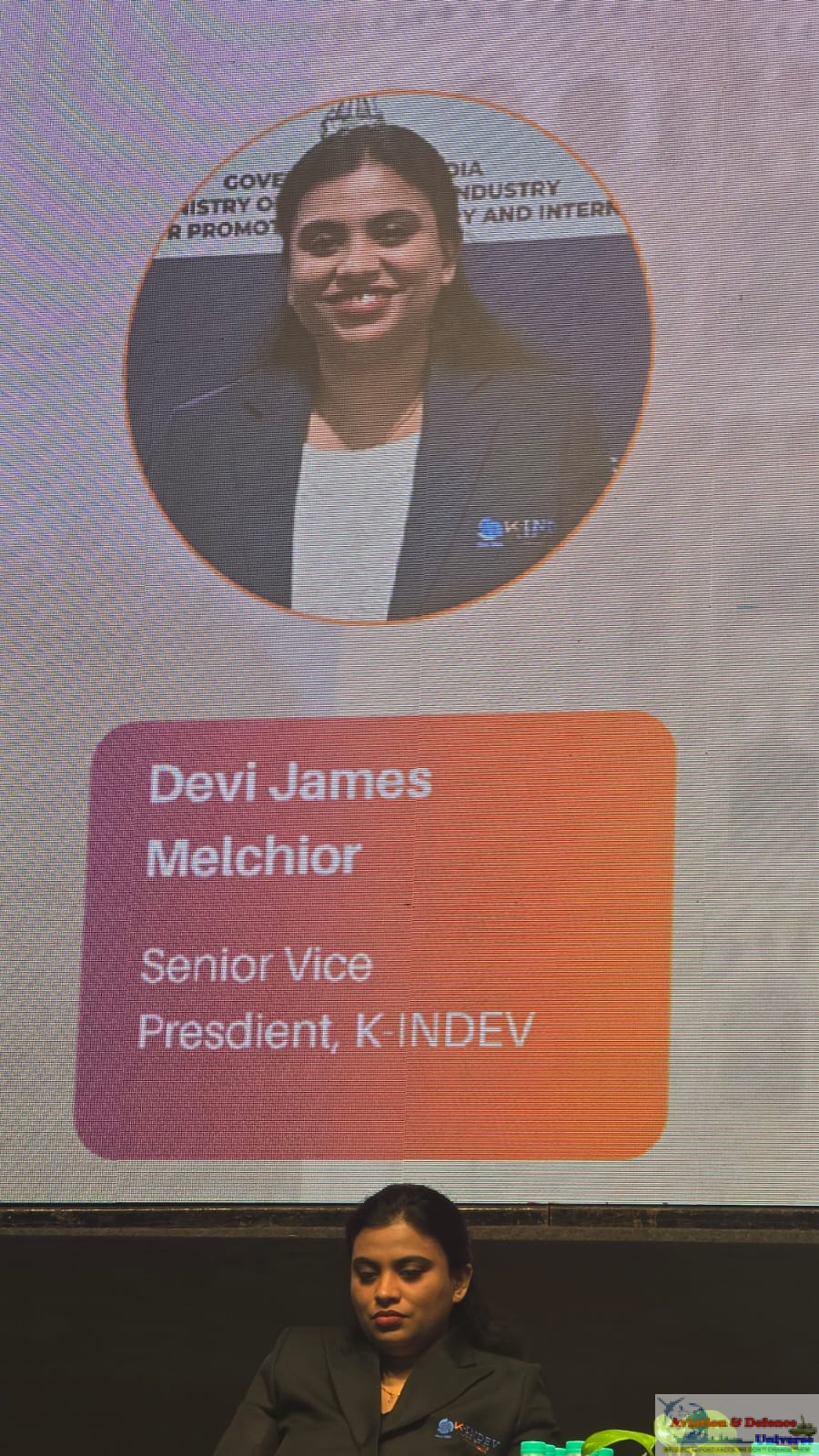
Opening the industry presentations, Devi James Melchior, representing Sr. Vice President, K-INDEV, stressed that India’s economic growth ultimately depends on investing in people. Highlighting the importance of skilled manpower to national development, she said, “Human capital contributes nearly 60 to 70 per cent of India’s GDP. Human capital is an asset, not a liability. It cannot be replaced; it has to be grown and nurtured.” She noted that while India’s economy continues to grow despite global uncertainties, the country’s workforce remains inadequately skilled for emerging industries. Drawing attention to the current imbalance, she remarked, “We have around 56 crore employees in India, but only 30 to 40 per cent are highly skilled. The remaining workforce is replaceable. What we need is skilling and upskilling.”
Pointing to sectors such as aerospace, logistics and semiconductors, Devi explained that industries are struggling to recruit candidates who are immediately employable. Describing the industry’s biggest challenge, she observed, “Many industries today can hire only 10 to 20 per cent of the available workforce because only they are industry-ready. That is the gap we need to fill.” She praised the Government of India’s investments in vocational education and the National Education Policy 2020 but said industry participation remains equally essential.
 Turning to another pressing concern, Devi argued that attrition is hurting both industry and employees. Frequent job changes prevent both companies and employees from realising their full potential. Warning against short-term career decisions, she said, “You train an employee for two years and then they leave for an increase of ₹5,000. After another two years they leave again. This is not a healthy cycle either for the employee or for the company.” She explained that companies need employees to remain long enough to build expertise, while professionals require stability to develop meaningful careers. Making a strong appeal to corporate leaders, she said, “Every manufacturing company should have a skilling or capability centre within the organisation. It should become part of CSR because investing in your own people always pays back.” She also recommended linking government Production Linked Incentive (PLI) schemes with workforce upskilling so that financial incentives encourage companies to invest in talent development alongside manufacturing expansion.
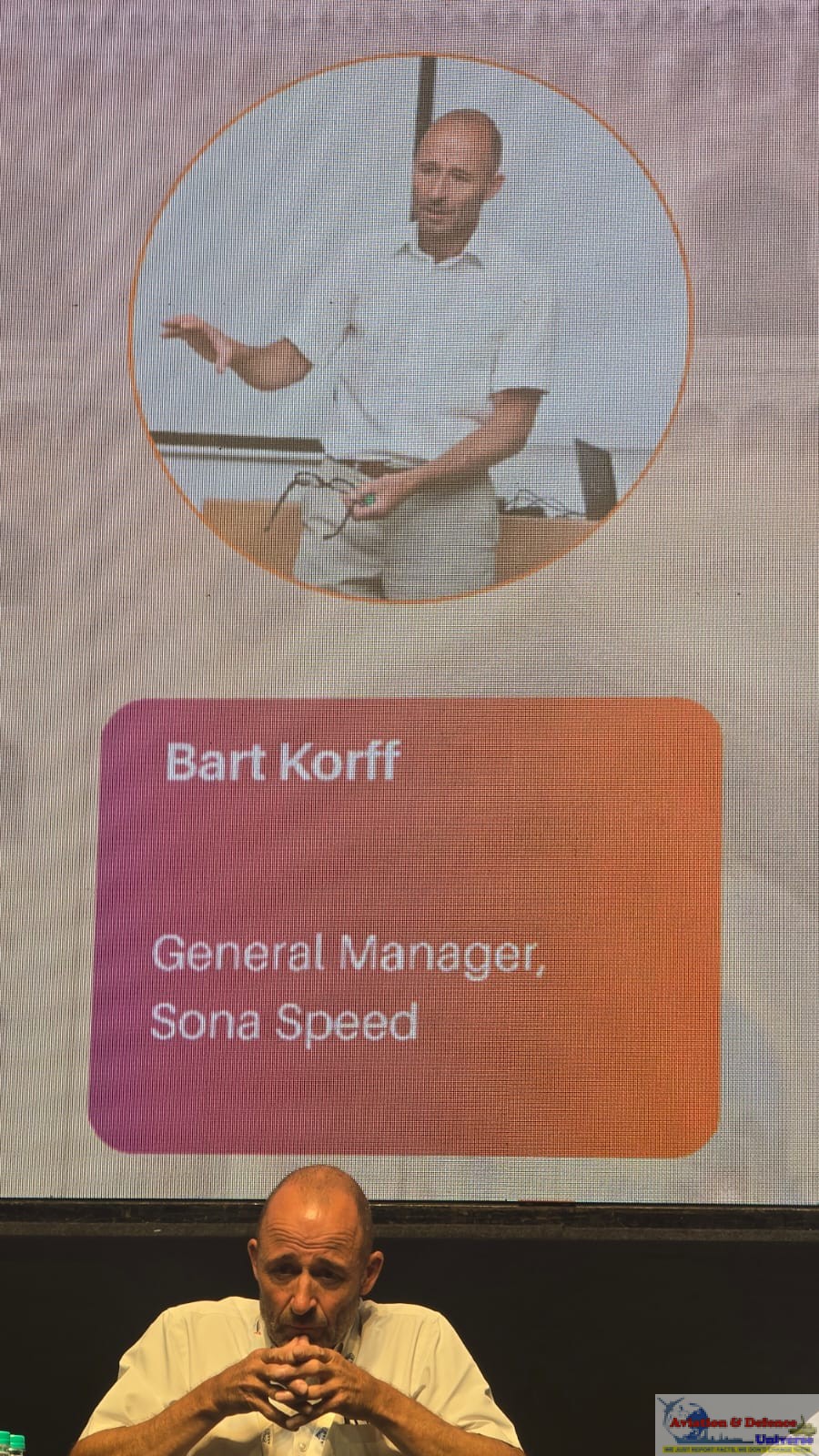
Taking the discussion forward, Bart Korff, General Manager, Sona Speed, drew upon more than two decades of international aerospace manufacturing experience to explain why global aerospace companies are increasingly investing in countries with abundant human capital. Setting the context with his own professional journey, Karoff said he had worked across Europe, North America and Asia, including senior leadership positions with Zodiac Aerospace, now part of Safran. Reflecting on conversations he had begun nearly twenty years ago, he noted that the industry’s priorities have fundamentally changed. Emphasising what truly drives global manufacturing decisions, he remarked, “People often think companies move because of low wages, land or capital. Those factors are important for a business case, but the real asset is access to people.”
He illustrated this by recalling how manufacturing operations had progressively shifted from Germany to the Czech Republic, from the Netherlands to Thailand, and from California to Mexico—not merely to reduce costs but to secure skilled manpower capable of supporting a rapidly expanding aerospace industry. Karoff reminded the audience that, despite advances in automation and digital manufacturing, aerospace production continues to depend heavily on skilled human intervention. Explaining the realities of aircraft manufacturing, he observed, “The industry grows nearly nine per cent year after year, but we still have very little automation. Wherever automation exists, it is usually because of quality requirements. The repetitive drilling of holes, fastening components and carrying out precision work still depends on manual labour.”
 He said that as traditional manufacturing destinations reach capacity or face geopolitical challenges, India has become one of the world’s most attractive destinations because of its workforce. One of the strongest messages from Karoff centred on the distinction between academic knowledge and practical skills. Drawing a clear line between the two concepts, he said, “Skill is not knowledge. Knowledge is something you obtain in a classroom. Skill is closely attached to behaviour.” According to him, aerospace companies are increasingly looking for behavioural competencies that cannot always be taught through textbooks. Expanding on this point, Karoff explained that modern aerospace organisations require employees who take ownership of their work and contribute proactively to continuous improvement.
Describing the behavioural transformation needed in manufacturing, he remarked, “The behaviour expected in aerospace is different. We need ownership. We need people who are willing to speak up whenever there is an issue, regardless of hierarchy. We need employees who take responsibility for improving their own workplace instead of waiting for instructions from senior management.” He added that these behavioural attributes are becoming just as valuable as technical competence in maintaining global competitiveness.
The discussion then moved to Anurag Mahrotra, Vice President – Aerospace & Defence, Continental Carriers, who argued that logistics should be recognised as a strategic function capable of determining the commercial success of aerospace programmes. Introducing his perspective, Mahrotra described himself as “a people person” and stressed that logistics is fundamentally a people-driven industry. Highlighting a common misconception, he said, “Logistics is often treated as a grey area and not as a specialised profession. But a small logistics decision can make or break your product.”
He explained that logistics accounts for a significant portion of product costs and that an experienced logistics professional can often transform losses into profits through efficient planning and execution. Mahrotra shared how Continental Carriers has embedded practical learning into its talent development strategy by recruiting nearly one hundred interns every year.
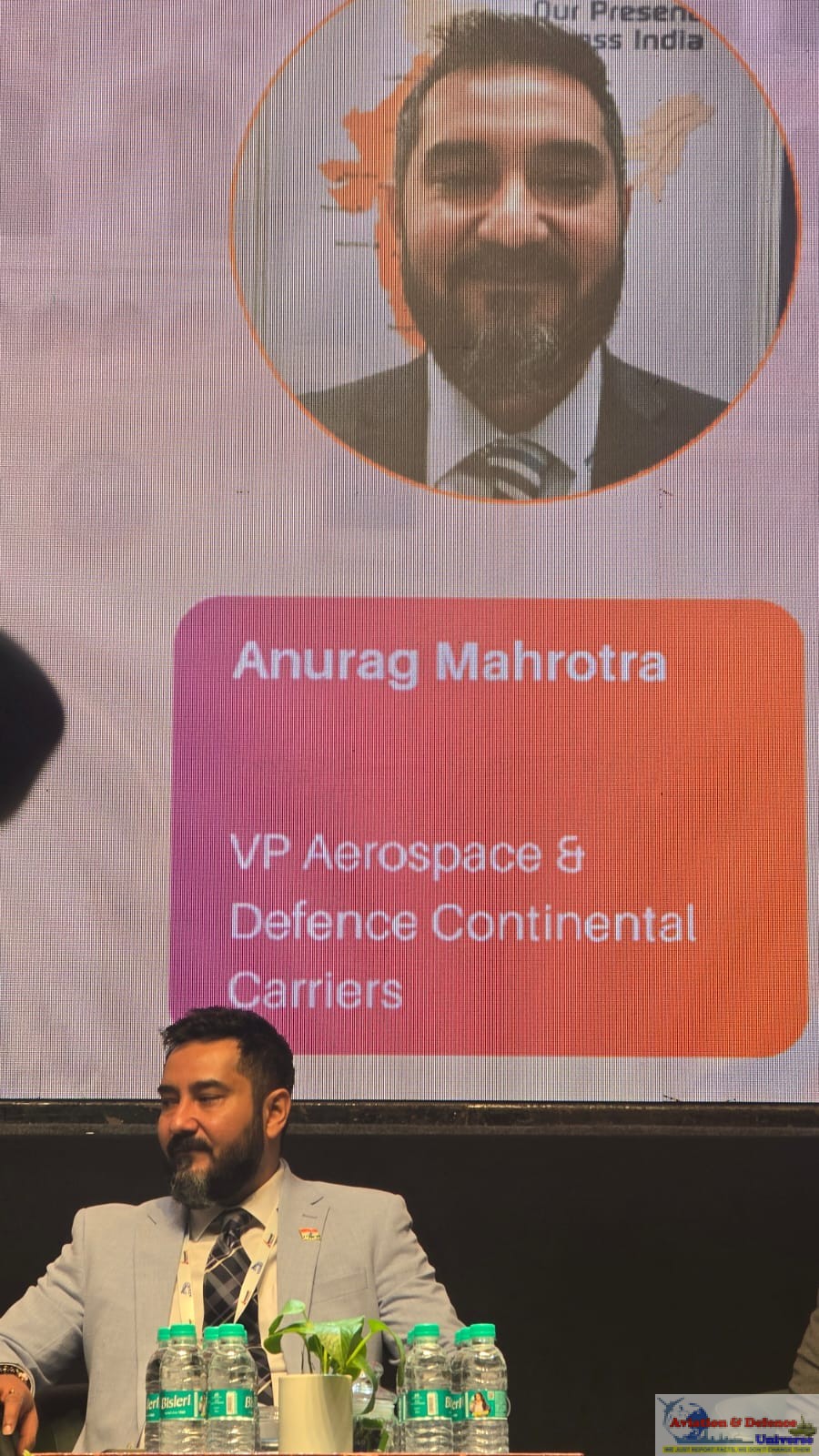 Explaining the company’s philosophy, he said, “The idea is to connect classroom education with ground realities. We show young professionals what happens when a shipment is delayed, how to interact with customers and how different departments work together.” According to him, exposing students to real operational challenges equips them with problem-solving abilities that traditional classroom teaching alone cannot provide. Drawing from his own experience, Mahrotra observed that fresh graduates often bring unexpected solutions to longstanding operational challenges. Celebrating the value of young talent, he remarked, “Sometimes someone with just six months of experience comes up with a Eureka solution that people with decades of experience and prestigious degrees never thought about.” He described this spirit of innovation as one of India’s greatest strengths and encouraged companies to create environments where young employees are empowered to contribute ideas freely.
Concluding his remarks, Mahrotra urged educational institutions to treat logistics as a specialised profession worthy of dedicated academic programmes. Making a case for greater industry participation in higher education, he said, “Logistics should not be seen as the last career option. It is a profession that offers global opportunities, constant learning and exposure to diverse industries. We want students to recognise it as a serious and rewarding career.”
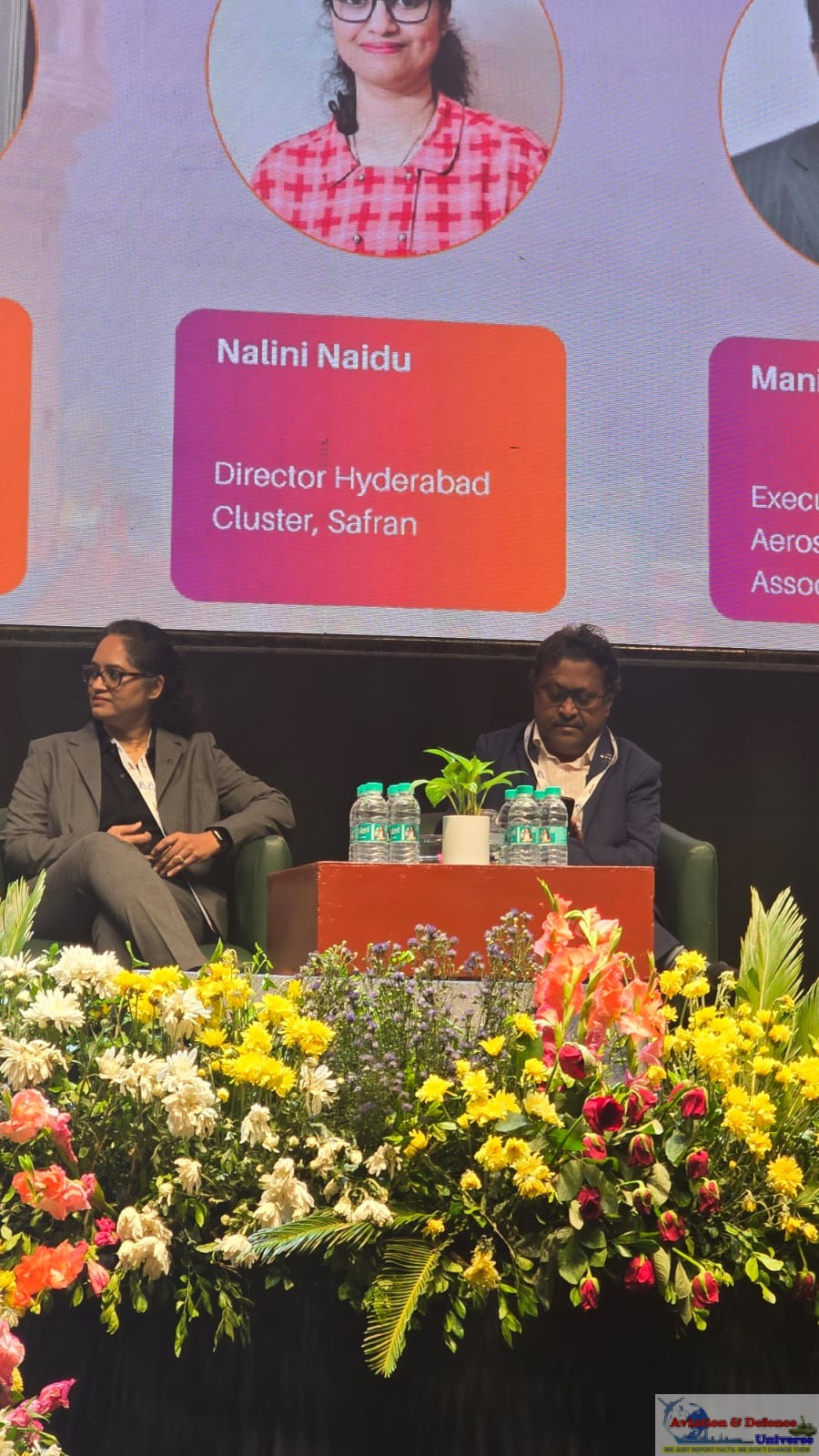
Representing one of the world’s leading aerospace companies, Nalini Naidu, Director, Hyderabad Cluster, Safran, highlighted how India’s rapidly expanding aerospace ecosystem is creating unprecedented opportunities for young professionals while simultaneously demanding a new generation of industry-ready talent. Introducing Safran’s growing footprint in India, she said, “I proudly represent Safran today, and I am proud to be fuelling Safran’s growth in India, specifically in Hyderabad, where we have expanded from 200 employees to 800 employees in just over two years. That is the kind of growth Safran is witnessing in India, and it means we are creating opportunities for the younger workforce and talented professionals in the aerospace industry.” She explained that such rapid expansion illustrates not only India’s attractiveness as an aerospace destination but also the urgent need for companies and institutions to jointly prepare a workforce capable of supporting sustained industrial growth. Naidu drew an important distinction between the availability of manpower and the availability of employable talent.
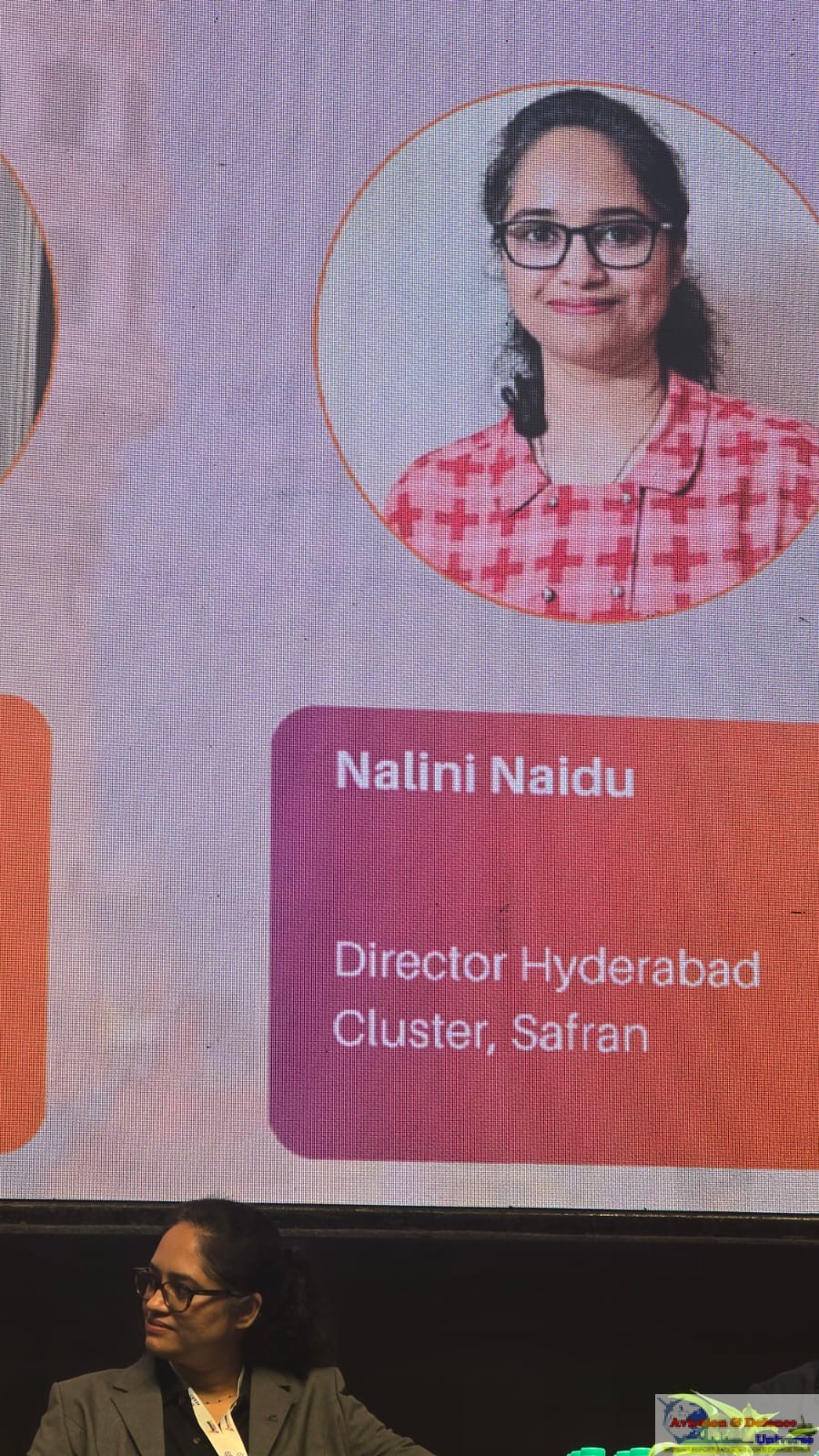 Highlighting the responsibility shared by industry, academia and government, she remarked, “People and talent are not the same. India is rich in terms of the large workforce it represents. But how industry-ready that workforce is—that is where corporates, academia, institutions and government agencies must all come together.” According to her, producing skilled professionals cannot be the responsibility of any single stakeholder. Instead, it requires an integrated ecosystem in which educational institutions, industries and policymakers work towards a common objective. Naidu explained that Safran’s investment extends far beyond infrastructure and manufacturing facilities.
Describing the company’s approach to talent development, she said, “The investment is not just in terms of money. It is also in terms of creating the workforce that the industry needs today. We are investing not only in technical skills but also in digital skills and leadership skills.” She stressed that tomorrow’s aerospace professionals must possess a combination of engineering competence, digital literacy and leadership qualities if they are to succeed in an increasingly technology-driven industry.
Offering the perspective of the broader aerospace industry, Mani B, Executive Director, Aerospace India Association (AIA), called for India to build an innovation-led aerospace ecosystem capable of designing and developing complete aircraft rather than remaining primarily a component supplier. Drawing upon his extensive experience with HAL, Collins Aerospace and now the Aerospace India Association, he said the Indian aerospace sector stands at a defining moment in its evolution. Speaking about the role of the Aerospace India Association, Mani explained that the organisation is working to create an ecosystem capable of unlocking India’s enormous growth potential.
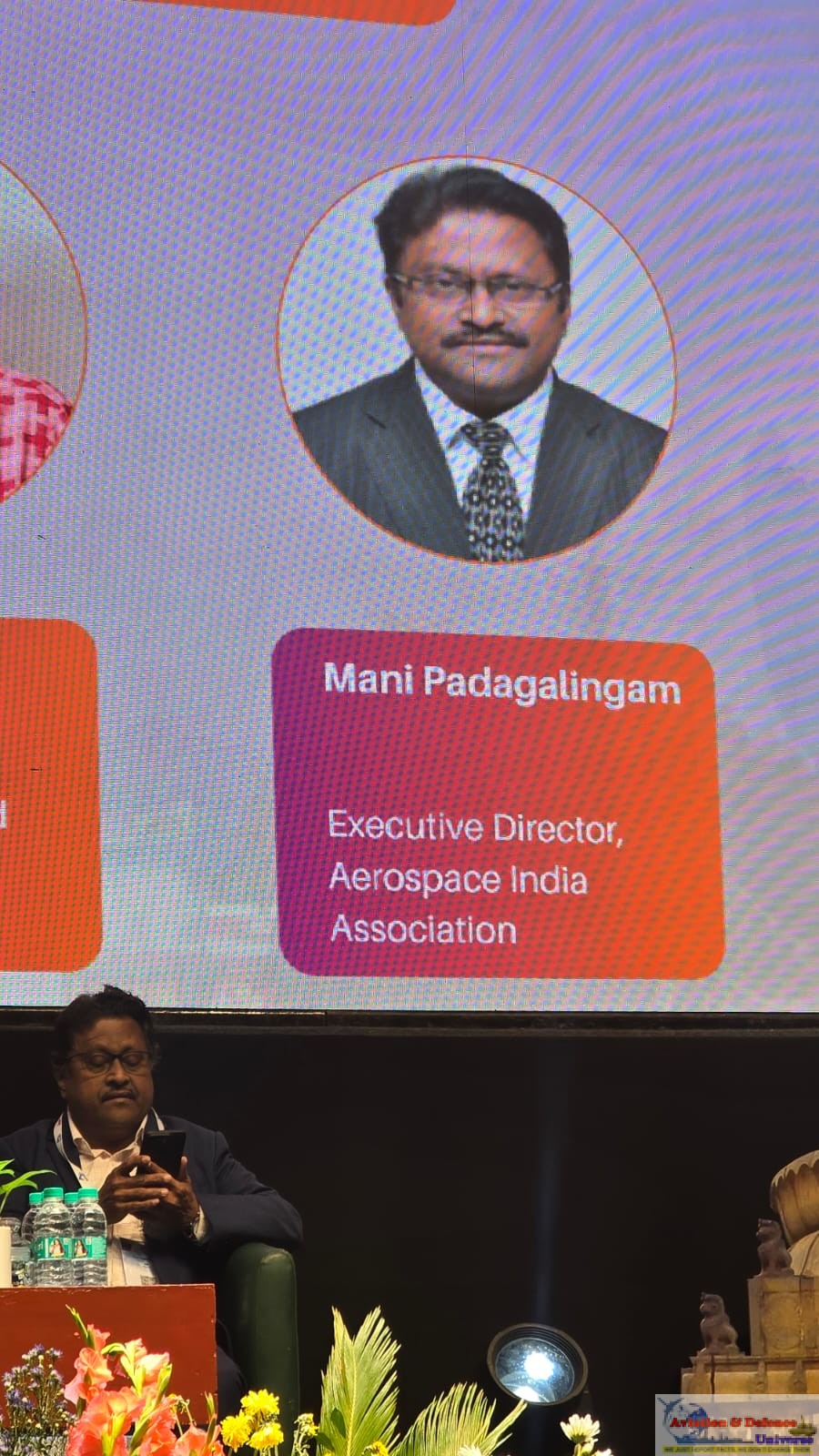 Highlighting the scale of opportunity ahead, he observed, “We are talking about an industry that is growing while many other industries globally are stagnating. India has tremendous untapped potential. Today we are still a relatively small aerospace economy, but we have the opportunity to grow many times over.” According to him, India’s next phase of growth will depend not only on investment but also on creating the skilled human capital capable of supporting a globally competitive aerospace industry.
Reflecting on the changing perception of India among international aerospace companies, Mani noted that India’s competitive advantage has fundamentally changed over the past two decades. Emphasising this transformation, he said, “Twenty years ago, people used to say global companies came to India because labour was cheap. That language has changed. Today global companies come to India because we have highly qualified talent.” He added that while this represents a major achievement, India cannot afford to become complacent.
Looking towards the future, Mani argued that technological disruption is fundamentally changing the nature of skills required by the aerospace industry. Highlighting the need for continuous learning, he remarked, “We need talent that can cope with changing technology, talent that can learn faster and continue learning throughout their careers.” He contrasted today’s environment with earlier decades, when technological change was comparatively gradual, observing that modern aerospace professionals must constantly update their knowledge to remain relevant.
As artificial intelligence increasingly becomes part of aerospace manufacturing and design, Mani cautioned against assuming technology can replace human capability. Offering one of the session’s most memorable observations, he stated, “We are talking about artificial intelligence, digitalisation and data science. I support all these developments. But at the end of the day, we still need intelligent people to handle artificial intelligence, deploy it properly and regulate it responsibly.” He stressed that AI should be viewed as a tool that enhances human capability rather than replaces skilled professionals. Perhaps the most ambitious vision presented during the panel came when Mani challenged India to move beyond supplying components to global OEMs. Presenting his long-term aspiration, he said, “Can we have a day when we have the talent in this country to develop an aeroplane of Indian origin? That is the trajectory we want this country to move towards.”
 He argued that India’s aerospace ecosystem should ultimately focus on complete indigenous design, engineering and manufacturing capabilities. Turning to workforce retention, Mani expressed concern over the increasing tendency of professionals to frequently change employers. Warning that aerospace requires long-term capability building, he observed, “If you stay in one company for more than three years, people say there is something wrong with you. I think this mindset has to change. Aerospace cannot afford that.” Instead, he urged organisations to create environments where employees can pursue long-term careers while contributing to innovation and technological excellence. Mani called for stronger collaboration between educational institutions and industry to prepare students for tomorrow’s aerospace challenges. Summarising his vision, he said, “We need to develop talent that can dream, talent that has vision and talent that can build something truly remarkable for the future of this country.”
Bringing together the perspectives shared by industry leaders, Prof. V Balakista Reddy, Chairman, Telangana Higher Education Council and Professor, NALSAR University of Law, presented the academic roadmap for creating a future-ready aerospace workforce. Speaking on behalf of Telangana’s higher education ecosystem, which caters to nearly two million students, he emphasised that universities must evolve beyond awarding degrees to becoming active partners in industrial development. Setting out the Council’s vision, he remarked, “Our mission is to make higher education accessible, affordable and inclusive without compromising quality. Aerospace and defence education are very much part of this vision because the future of these industries depends on the quality of human resources we create.” Prof. Reddy acknowledged that one of the biggest challenges facing higher education today is the disconnect between classroom learning and industrial expectations.
Highlighting the reforms initiated in Telangana, he said, “Universities are producing graduates, but industries often say they are not industry-ready. To bridge this gap, we have strengthened industry-academia collaboration so that education responds to the actual needs of industry.” He explained that educational institutions across the state are increasingly partnering with industries, including aerospace and defence companies, to redesign curricula and create stronger practical exposure for students.
 Prof. Reddy said Telangana has introduced experiential learning as a key pillar of higher education reform. Explaining the significance of this initiative, he observed, “Society and industry must become part of the education ecosystem. Through internships, projects, case studies and community engagement, we are ensuring that students gain practical exposure alongside academic knowledge.” He added that these practical activities are now recognised academically through credit-based evaluation, encouraging students to actively engage with industry. Returning to the broader national perspective, Prof. Reddy reiterated that India’s demographic profile offers a unique opportunity for aerospace growth.
Expressing confidence in India’s future, he said, “India’s population is not a liability; it is our greatest asset because it is a young workforce. That is why the entire world is looking towards India for talent.” He stressed that the country’s education system must now convert this demographic dividend into a globally competitive aerospace workforce. Prof. Reddy also highlighted the shortage of specialised academic programmes in aviation and aerospace despite the rapid expansion of the sector. Raising an important question, he asked, “India has added airports and airlines at an unprecedented pace, but do we have enough institutions offering programmes in airport management, airline management, airspace management and air traffic management?” He called upon universities to introduce more specialised programmes aligned with industry requirements.
The interactive session that followed centred on one of the most critical issues facing India’s aerospace industry—the widening employability gap between graduates and industry expectations. An audience member observed that despite rapid industrial growth, companies continue to struggle in recruiting industry-ready professionals and asked what concrete measures both academia and industry are taking to bridge this gap. Responding to the question, Prof. Reddy explained that the Telangana Higher Education Council has institutionalised industry partnerships. Highlighting the state’s approach, he said, “We have entered into several Memoranda of Understanding with industries. Students now undertake internships, project work and case studies, and these activities are recognised through academic credits because industry engagement cannot remain optional.”
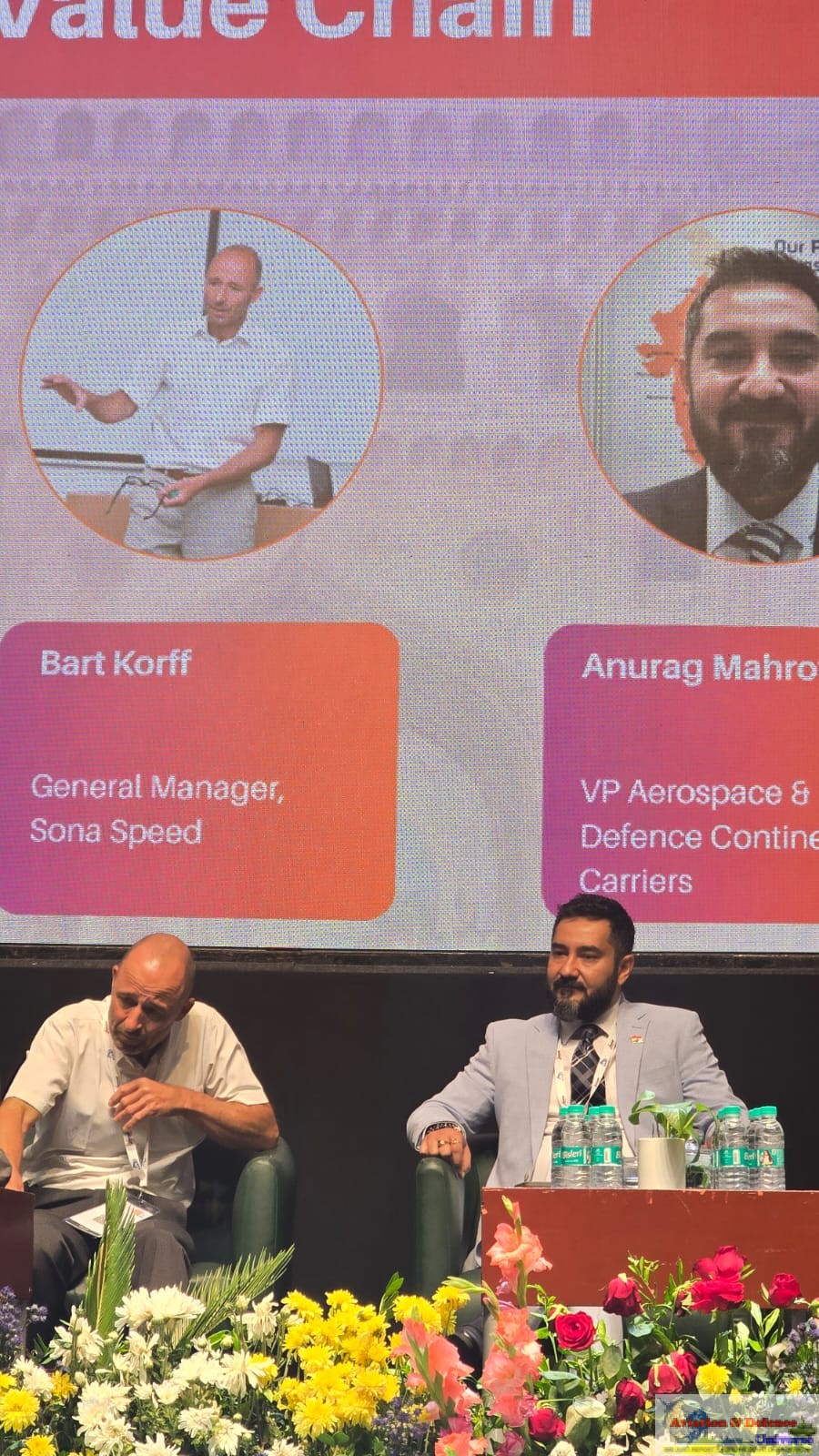 Supporting this approach, Anurag Mahrotra of Continental Carriers described how his organisation annually inducts students into structured internship programmes before offering them extended on-the-job learning opportunities. Adding another industry perspective, Devi explained that her organisation has partnered with educational institutions where experienced industry professionals regularly teach students, provide practical exposure and mentor them throughout their learning journey.
The discussion then took an interesting turn when Bart Karoff reminded the audience that aerospace growth depends not only on engineers and researchers but also on thousands of skilled shop-floor professionals. Drawing attention to this often-overlooked workforce, he observed, “Our factories are built on nearly 85 per cent blue-collar workers. Aerospace is about drilling holes, fastening rivets, assembling aircraft and maintaining quality every single day. Industry must take responsibility for developing this workforce.” Returning to the debate on qualifications versus competence, Devi summed up the discussion by explaining that academic degrees alone cannot guarantee professional success. She remarked, “Degrees may open the door, but skills determine how far you grow. Skill is knowing how and where to apply your knowledge effectively.”
Bringing the discussion to a close, Mani B emphasised that universities and industry must work together rather than operate independently. Summarising the spirit of the session, he concluded, “It has to be a two-way partnership. Universities must understand what industry needs, and industry must actively help prepare students for the future. Together we can build the talent India’s aerospace industry requires.”
The panel discussion concluded with a shared recognition that India’s journey towards becoming a global aerospace manufacturing hub will ultimately be determined by the strength of its human capital. Investments in infrastructure, technology, artificial intelligence and manufacturing capacity will yield lasting results only when supported by a skilled, adaptable and industry-ready workforce. From curriculum reforms and experiential learning to behavioural development, continuous upskilling and stronger industry-academia partnerships, the speakers presented a comprehensive roadmap for nurturing the next generation of aerospace professionals. As India accelerates its aerospace ambitions, the country’s greatest competitive advantage will continue to be its people—provided they are equipped with the skills, mindset and opportunities needed to lead the industry’s future.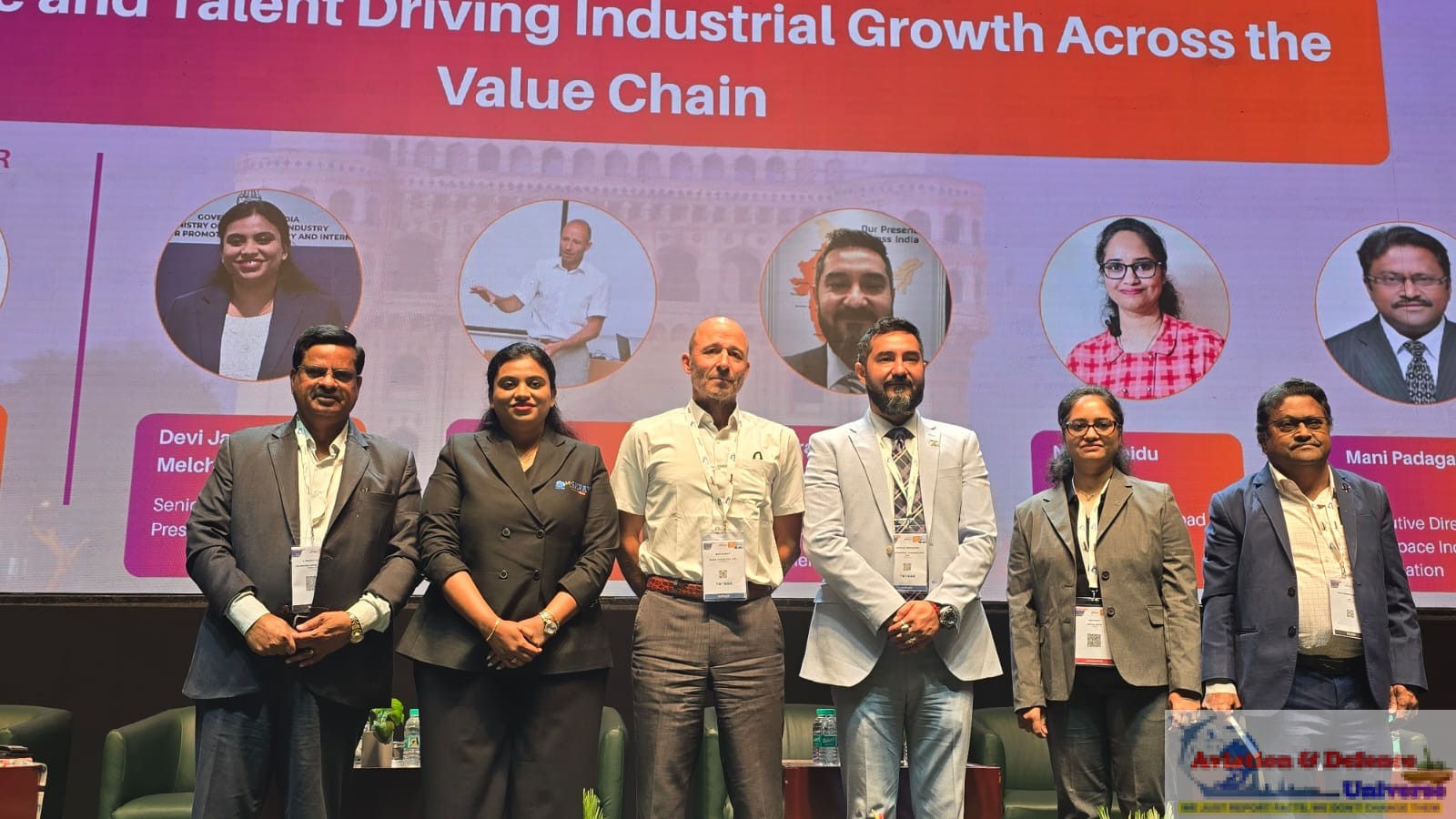































































-A4-Size-(2)_page-0001.jpg)