



















- No Collision, No Injuries: DGCA Investigates Taxiway Incident Involving Two A320s
- Highlights Importance of Ground Movement Vigilance & Potential Navigational Negligence
By Sangeeta Saxena
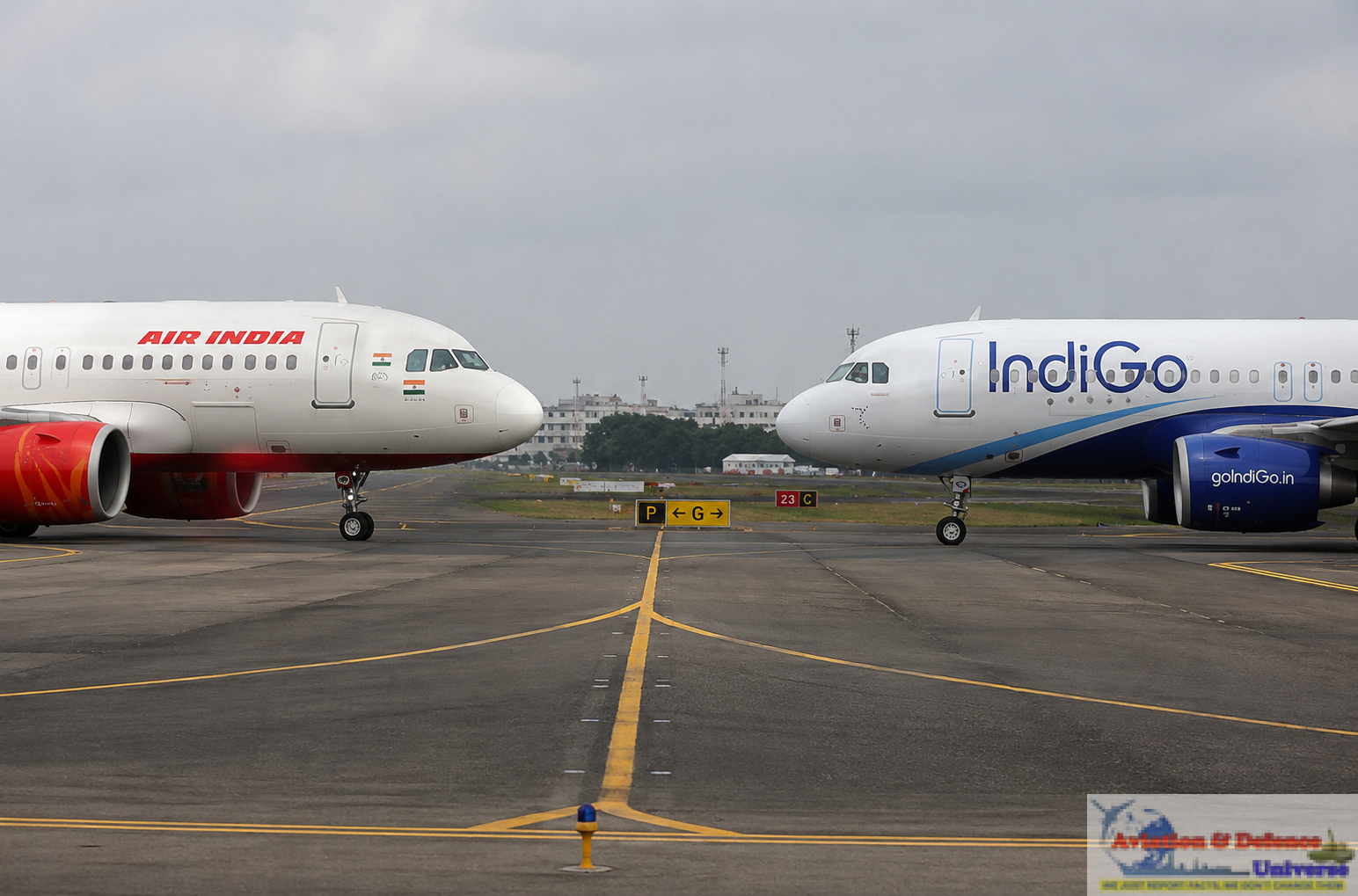
New Delhi. 25 June 2026. A potentially serious ground safety incident at Ahmedabad Airport on June 24, 2026, was averted after the flight crews of two Airbus A320 aircraft reacted promptly during taxi operations. An Air India aircraft, after landing from Mumbai, deviated from its assigned taxi route and came face-to-face with an IndiGo aircraft taxiing for departure. Both crews immediately brought their aircraft to a halt, maintaining a safe separation and preventing any collision. The Directorate General of Civil Aviation (DGCA) has launched an investigation into the occurrence to determine the sequence of events and identify any procedural or operational lapses. While the incident ended without damage or injuries, it underscores the critical importance of strict adherence to taxi clearances, situational awareness, and coordinated ground movement at busy airports.
In a statement by the MOCA Spokesperson, on 24.06.2026 Air India A320 aircraft VT-TQV operating flight AI2493(Mumbai-Ahmedabad) landed on Runway 23 at Ahmedabad. After clearing runway via taxiway “C” it was given taxi clearance to international apron following Taxy way “P” and Taxy way “G”. However, aircraft continued on Taxy way “P” instead of taking right turn on Taxy way “G towards international apron. Crew of Air India immediately stopped the aircraft on Taxy way “P”. Approximately at the same time Indigo A320 aircraft VT-IST operating flight 6E-5160(Ahmedabad-Mumbai) was taxiing on Taxy way “P” for its departure. The Indigo aircraft also stopped on TWY P. Both the aircraft had sufficient distance between them. The Air India aircraft was towed to parking stand. DGCA is investigating the occurrence.
While the Ahmedabad taxiway incident ended without injury or damage, it serves as a reminder that aviation safety depends on uncompromising adherence to procedures at every stage of a flight—including ground operations. Every taxi clearance, cockpit instruction and crew action has a direct bearing on passenger and personnel safety. Any lapse, whether caused by human error, procedural non-compliance or operational oversight, can significantly increase risk. Airlines bear a fundamental responsibility to ensure rigorous training, strict standard operating procedures, effective crew resource management and a safety-first culture where operational discipline is never compromised. With millions of passengers placing their trust in commercial aviation every day, protecting human life must remain the industry’s highest priority, and every incident—however minor—should be treated as an opportunity to strengthen safety practices and prevent future occurrences.























































-A4-Size-(2)_page-0001.jpg)