



• At the inauguration of its new headquarters in Bengaluru, Sarla Aviation becomes a DGCA Design Organisation Approval holder, the foundational step on India’s certified path to flight.

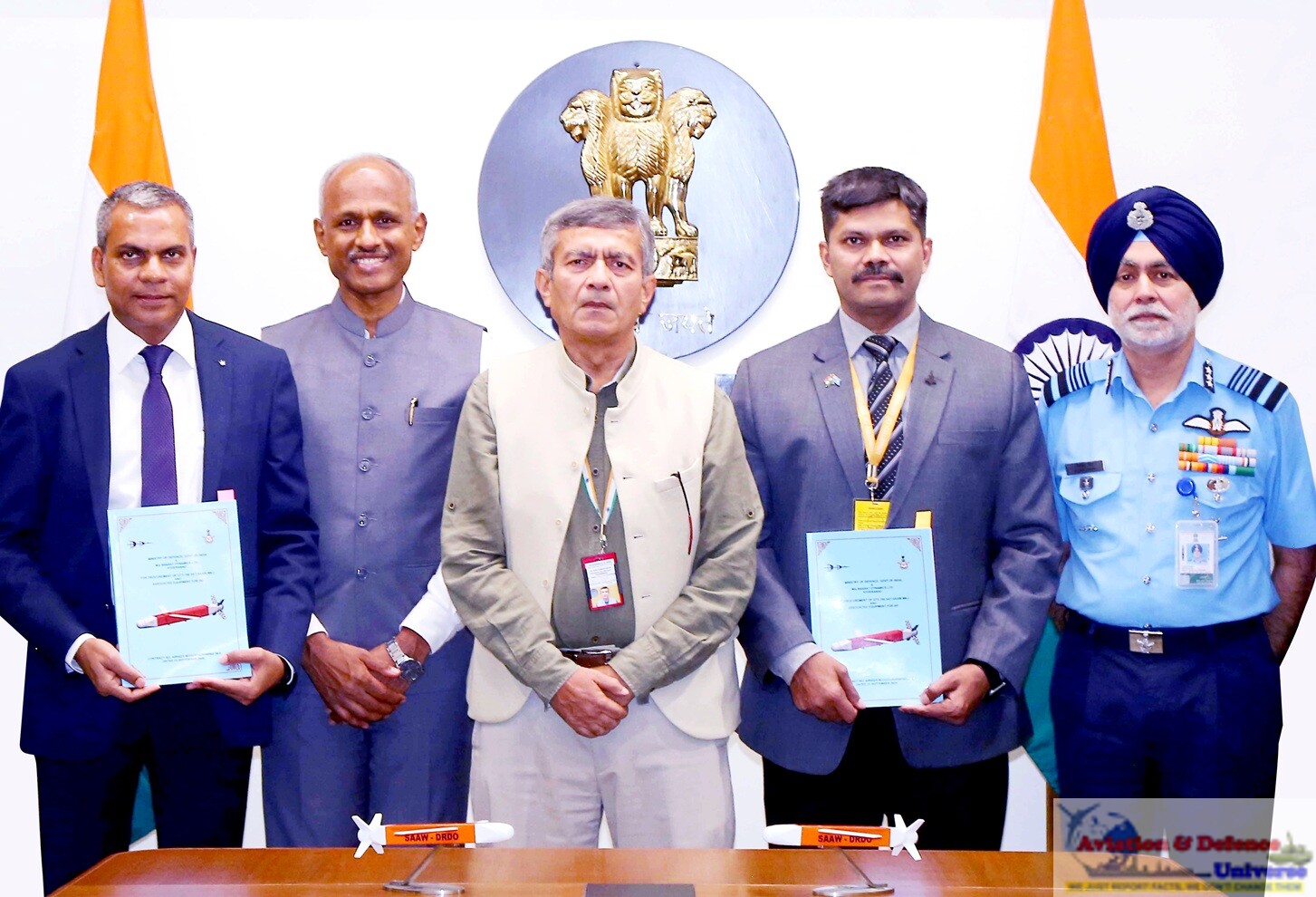
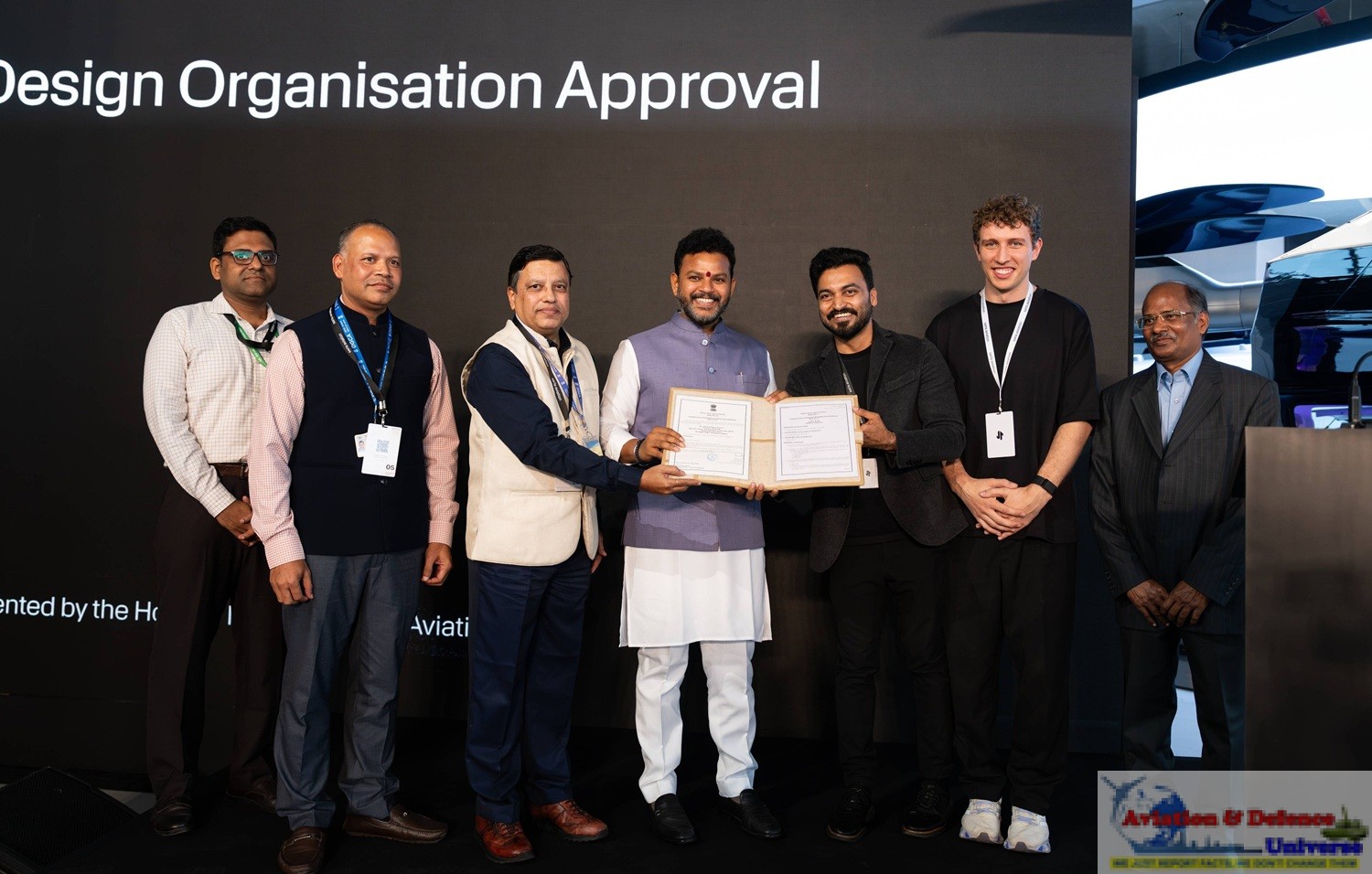
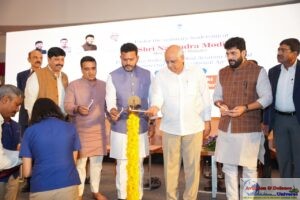
Bengaluru, August 10, 2026On 8 August, as Sarla Aviation opened the doors of its new headquarters in Bengaluru, the Honourable Minister of Civil Aviation, Shri Ram Mohan Naidu, handed the company something no Indian aerospace startup has ever received this fast: the Design Organisation Approval (DOA) from the Directorate General of Civil Aviation  DGCA). Granted to a company barely three years old, it is the fastest-ever DOA in Indian aviation history, and the foundational first step on the certified path to flight.

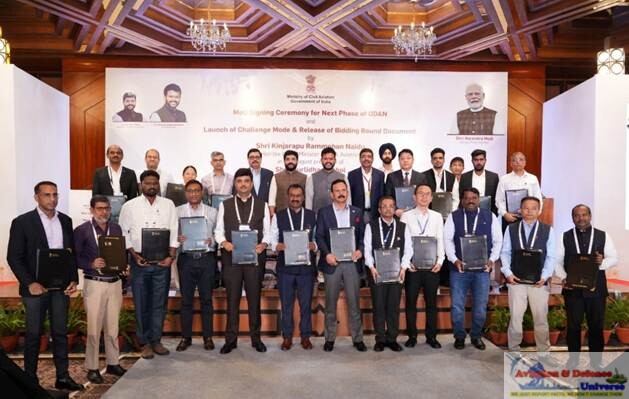
The approval was presented before an audience that included senior leadership of the Indian Air Force and the Indian Army, the Directorate General of Civil Aviation, representatives of the Government of Karnataka including Cabinet Minister Shri Rizwan Arshad, the leadership of Bengaluru International Airport, and partners spanning healthcare, energy, real estate, navigation, supply chain and engineering: a room that looked, for one morning, like the whole of India’s advanced air mobility ecosystem in a single place.

India’s Fastest-Ever Design Organisation Approval

The Design Organisation Approval is the DGCA’s formal recognition, under CAR 21 Subpart J, that an organisation has the design capacity, procedures and independent checking systems to design aircraft, systems and components to certified standards. With the DOA in place, Sarla Aviation is now qualified to take its designs forward for type certification with the DGCA, a significant milestone for indigenous aerospace design capability.

In his keynote address, Shri Ram Mohan Naidu, Hon’ble Minister of Civil Aviationsaid, “It is a very proud moment that we have a full-scale Indian eVTOL here, one that Indian engineers designed, Indian hands built, and which the Indian skies will proudly carry. Sarla Aviation is receiving the Design Organisation Approval today, which is a proud reflection of our Honourable Prime Minister Narendra Modi Ji’s vision of Atmanirbhar Bharat.”

The Minister described eVTOL as a priority for the Government of India and set out his expectation that air taxis become a mode of mass public transportation: “We have to ensure this is not only for a certain class of people, a certain segment, or just the urban metropolitan areas. We have to ensure these machines fly everywhere in the country.”

He also underlined the pace at which India’s regulatory framework is being built and that India published its eVTOL framework within 13 months, a process that took the West nearly a decade, supported by 100 per cent FDI in the sector and six dedicated working groups covering vertiports, eVTOL certification standards, crew licensing, air operator permits, unified traffic management and MRO. “At this speed, I believe that within two years we are going to see this ecosystem flourish in the country,” he said, adding a personal commitment to the industry: “Any time you feel there is a wall in front of you, let me come with whatever power I have and break that wall for you, so that you can move forward and fly high.”

A Home for Indian Aerospace

The new headquarters brings Sarla Aviation’s design, engineering, testing and commercial teams under one roof in Bengaluru, alongside a full-scale prototype of Shunya, India’s first indigenous eVTOL of its class. The company’s demonstrator programme has completed over 500 flight tests and 18 hours of flight testing, and guests toured 12 stations across the engineering floor, from indigenous motors and 800-volt powertrain architecture to the flight simulator on which future pilots will train.

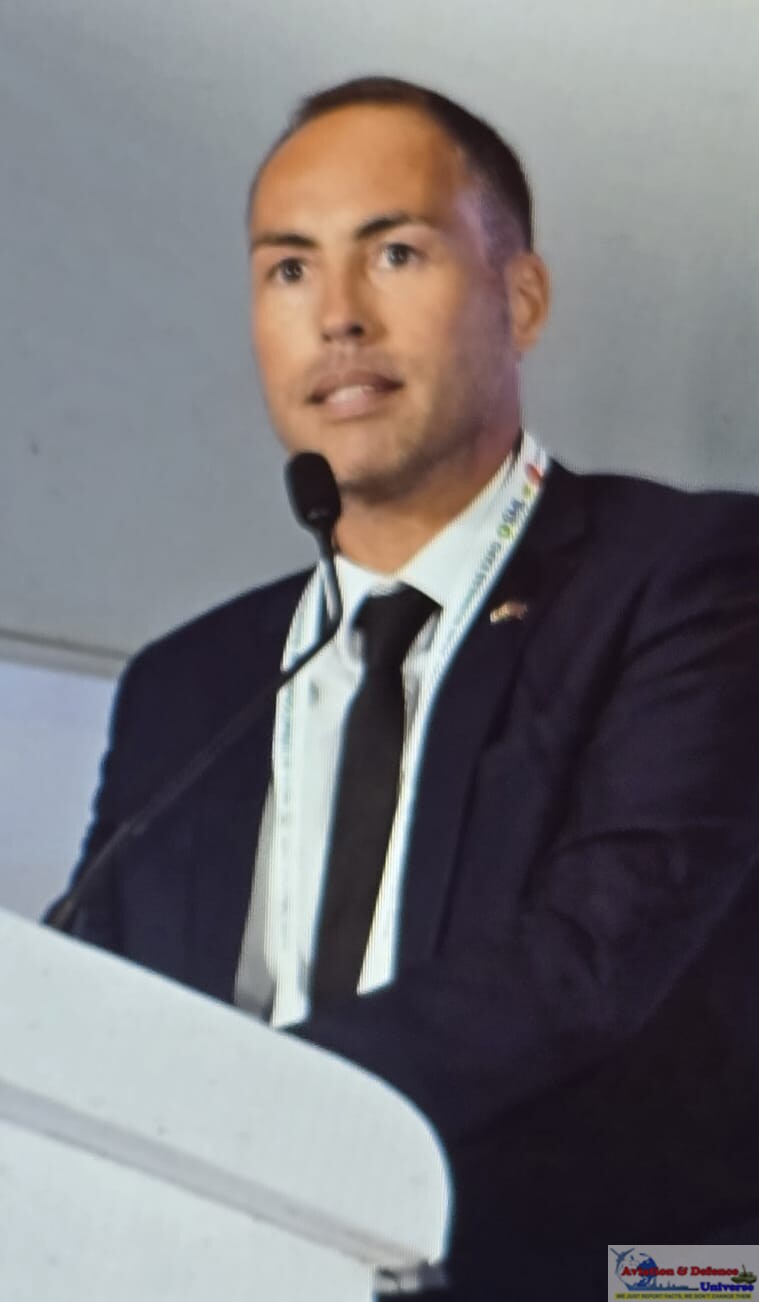
Adrian Schmidt, Co-Founder & CEO, Sarla Aviation, said: “5 Years ago the odds of this company getting built have been very little — but everyone in this room today is proof that this company needs to exist. India deserves an aerospace company that builds fully indigenous systems to transport people — something the country has never had. And with electric propulsion, we can finally indigenize the entire supply chain, the manufacturing and the IP ownership, right here in India.”

Rakesh Gaonkar, Co-Founder & CTO, Sarla Aviation, said: “Every 18 months, we deliver a new prototype. The next one arrives in January 2027 and will carry out our transition flight. Viksit Bharat 2047 will be built on air taxis and we are the team to make it happen.”

Voices from the Ecosystem

Air Commodore Vivart Singh of the Indian Air Force called the occasion historic. Drawing on more than three decades in the cockpit, much of it as an experimental test pilot, he observed that taking an aircraft from a blank sheet to a flight-worthy, certified machine is among the most demanding feats in aerospace, and that he recognised that same discipline in Sarla Aviation’s work on Shunya. He noted that an indigenous eVTOL ecosystem of airframes, automation, electric motors and avionics developed within the country also supports the indigenisation goals of the defence services.

Major General Bharat Mehtani, General Officer Commanding, Karnataka & Kerala, Indian Army, complimented Sarla Aviation on manufacturing and testing India’s first eVTOL platform of its class in an extremely short span of time, and said that vertical take-off and landing capability will be instrumental in the movement of troops and equipment, and in reducing the induction timings critical to the success of operations.

Girish Nayak, Chief Operating Officer of Bengaluru International Airport (BIAL), described advanced air mobility as a disruption of aviation’s oldest constraint, the runway itself, and an important milestone for last-mile connectivity. He confirmed that BIAL, Sarla Aviation and mobility partners are working on stitching together a seamless passenger journey from the airport to the doorstep.

An Ecosystem in Motion

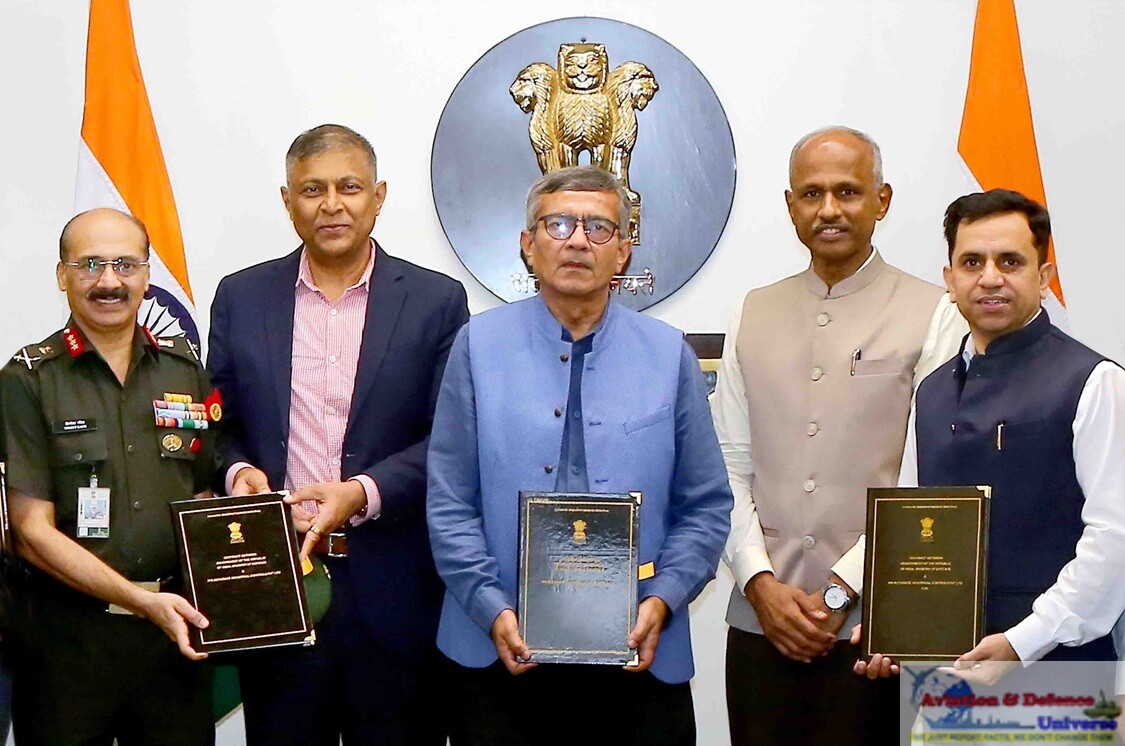
Six partnerships were signed at the inauguration, in the presence of the Hon’ble Minister:

  • Manipal Hospitals & Aeromed Air Ambulance: a tripartite agreement to build the protocols and infrastructure to take premium emergency medical transport to India’s tier-2 and tier-3 cities
  • Prestige Group: exploring vertiport-ready infrastructure within its development properties
  • Jio-bp: partnering on vertiport energy infrastructure, one hundred years after BP first began fuelling aircraft in 1926
  • Jeppesen ForeFlight: navigation, aerospace modelling and flight-deck software for Indian skies
  • Hexcel Composites: Collaborating with a global leader in advanced composite materials to build the next generation of lighter, stronger and more sustainable aircraft
  • Tata Elxsi: Advanced flight controls and autonomy powering the intelligence behind the aircraft