


 18th BRICS Summit












- From Anti-Drone Systems to QRSAM: BEL Expands Global Footprint
- BEL Eyes Global Markets as India’s Defence Industry Comes of Age
- Presents Bharat to the World
- ‘Taking the Pie from Global Majors Will Be Tough. But Let Me Tell You, We Are Tougher.’
By Sangeeta Saxena
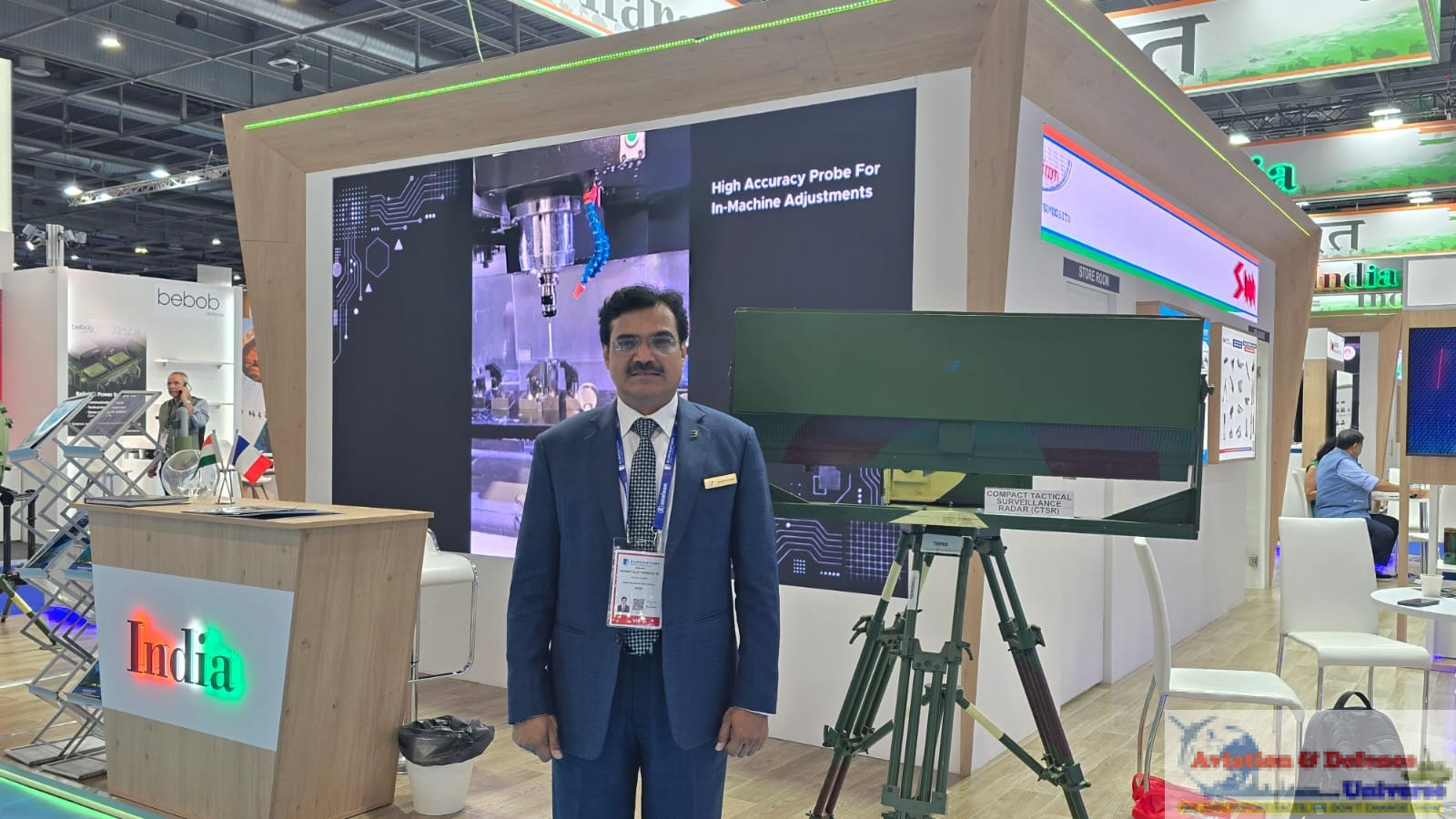
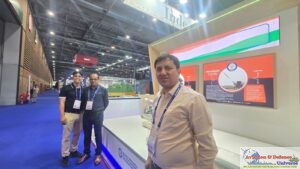
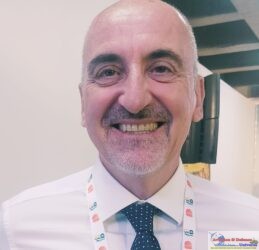
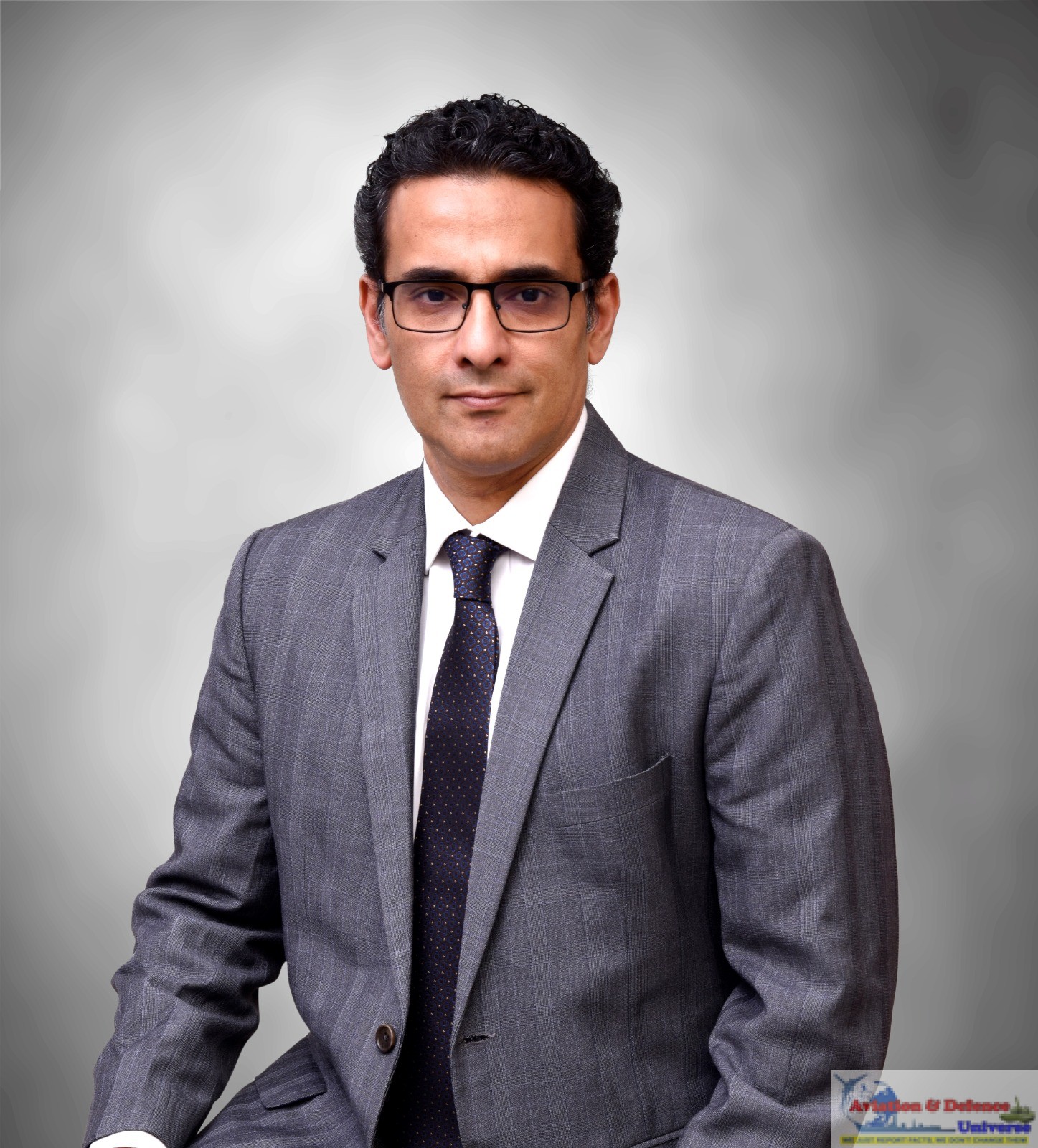
Parc Des Expositions, Paris. 18 June 2026. At Eurosatory 2026 in Paris, Bharat Electronics Limited (BEL), one of India’s leading defence electronics companies, is not merely exhibiting products—it is showcasing the growing capabilities of India’s defence ecosystem. As the organiser of the India Pavilion, BEL has brought together MSMEs, DPSUs and defence manufacturers under a common vision of “Make in India, Make for the World.” In this exclusive conversation with ADU, Rajnish Sharma, Director (Bangalore Complex), BEL, discusses the company’s global ambitions, new technologies on display, export growth, ecosystem development and India’s emergence as a major player in the international defence market.
ADU. We are meeting here at Eurosatory and BEL is showcasing as always. I believe it has also got the Indian Pavilion. What are you here with for the world? What are you showcasing?
Rajnish Sharma. I am proud to be representing Bharat Electronics at Eurosatory. It is a global event where we showcase our products and capabilities as Bharat Electronics. But I would like to take it a level higher—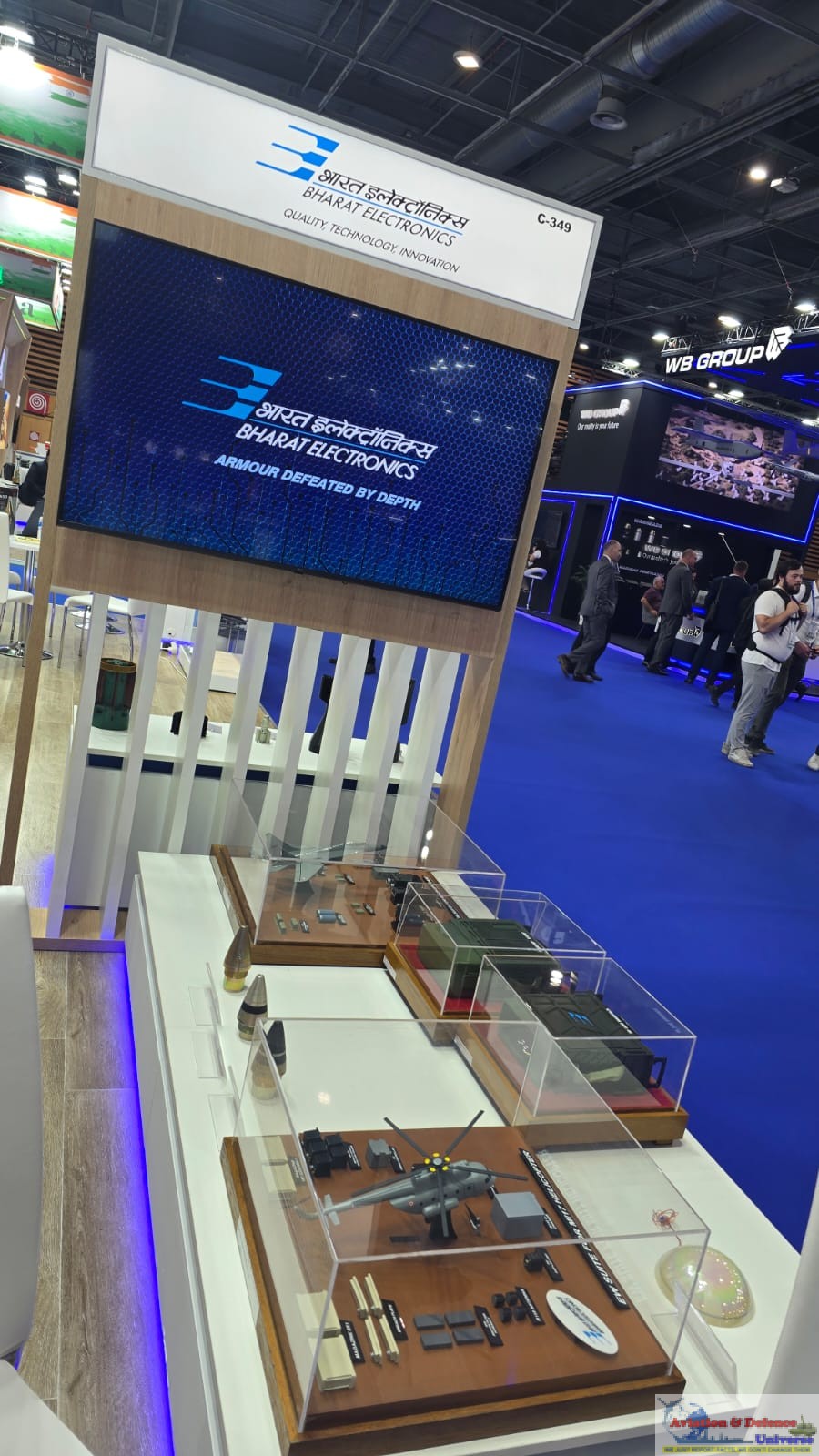 not only Bharat Electronics, but Bharat itself. BEL has been entrusted with setting up the entire India Pavilion, and many MSMEs, defence PSUs and other organisations are participating alongside us. We are carrying forward the vision of our Prime Minister—“Make in India” and “Make for the World.” This is the idea and concept that we are taking forward.
Speaking specifically about Bharat Electronics, BEL requires no introduction post Operation Sindoor. BEL has been in the news and nearly everybody who has some connection with India’s defence industry knows about us. When we look at the world, BEL has a myriad of products to offer. Eurosatory is one such exhibition where representatives of countries from across the globe gather. Whether it is exploring new markets for our products or seeking technological partnerships and joint development opportunities, this is one of the finest places to be.That is why BEL never misses an opportunity to participate in Eurosatory. We have been participating in previous editions as well.
ADU. At the moment, what are you showcasing? What is BEL’s agenda at this year’s Eurosatory?
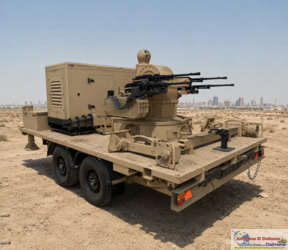
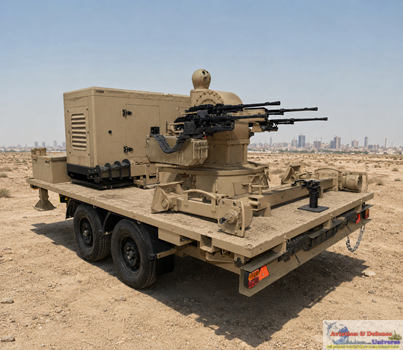
Rajnish Sharma. This year, we have come with new products and system solutions that we have developed. The most prominent among them is our anti-drone system. We are also showcasing naval and air force products, including the Quick Reaction Surface-to-Air Missile (QRSAM) system. Additionally, we are displaying various radar systems, communication equipment and Software Defined Radios (SDRs). We are also showcasing our Electronic Warfare (EW) products, many of which are part of the Tejas programme. We also look forward to contributing to the Advanced Medium Combat Aircraft (AMCA) project in the future. That is the direction in which we are moving.
ADU. Since it is Day One of the show, what has the footfall been like?
Rajnish Sharma. We had several scheduled meetings and, as expected on the first day, there has been tremendous enthusiasm. The engagement with visitors has been very encouraging. It has been a hectic day with rigorous interactions involving companies and delegations from various countries. We had opportunities to engage with French and other European companies, Israeli companies and Indian manufacturers who are part of the India Pavilion. Although many Indian companies are already in touch with BEL, exhibitions like these provide an opportunity for one-to-one interactions. In that sense, Eurosatory serves as a gap-filler and facilitates collaboration.
As Bharat Electronics, although we may be a defence major in India, we aspire to grow into a world major. In fact, our stall is located opposite Lockheed Martin’s. I was telling my colleagues that perhaps in a few years, people may find us there. That is the vision we are pursuing.
And when I speak of growth, I do not mean BEL alone. Every MSME and defence manufacturing company in the country must grow. The entire ecosystem has to develop. BEL’s growth alone will not be possible unless the ecosystem grows. That is one of the major efforts that, as Director of Bangalore Complex, and along with our Board, we work on every single day.
ADU. BEL has always participated in international shows, which means you already have an export market. How do you plan to diversify further?
Rajnish Sharma. Initially, BEL was not very active internationally, but in recent years we have significantly 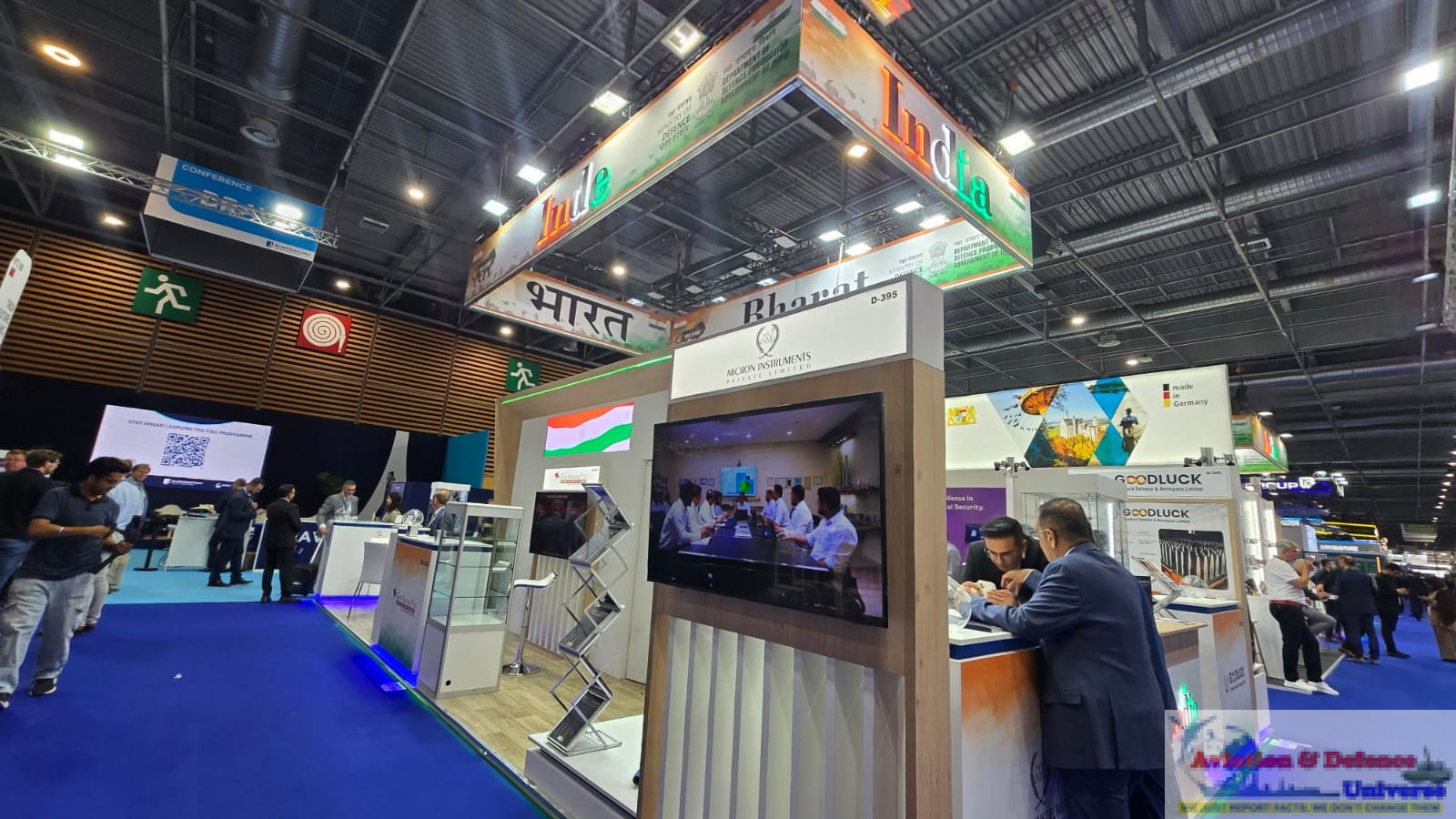 expanded our presence at major defence exhibitions across the globe. The primary objective is to establish our presence globally and enhance our export opportunities. Over the last five years, BEL’s exports have grown at around 25% annually. Last year, we achieved export revenues of approximately USD 142 million. However, that is not enough. Our target is that 10% of BEL’s turnover should come from exports by 2030. To achieve this, we need to strengthen our global presence. That is why we participate in nearly all major defence exhibitions worldwide.
Beyond exhibitions, we regularly interface with defence attachés in New Delhi, ministries of different countries and customers globally. Foreign delegations frequently visit BEL, especially our Bangalore facilities, which serve as the hub of many of our activities. We showcase our products and technologies to them.
One of BEL’s biggest strengths is indigenous development. Nearly 78–79% of our annual turnover comes from indigenously developed solutions. This places us in a very strong position when approaching foreign nations, including developing countries. Our proposition to them is simple: we can upgrade their existing systems, provide product support and establish MRO facilities. Such capabilities are only possible when you possess the underlying technology.
What we offer can often be delivered at costs far lower than those of original equipment manufacturers. Once this level of interface and trust is established, entering their markets becomes much easier. Indian defence products are already making waves globally. We have supplied radars and other equipment to countries such as Armenia, among others. The products are performing well, and we are doing good business. I look forward to continued growth, although I acknowledge that it will be difficult. The global defence domain is presently dominated by the United States, European nations and China. Taking a share of their market will be tough. But let me tell you—we are tougher.
ADU. At the moment, which regions or continents are BEL focusing on for exports?
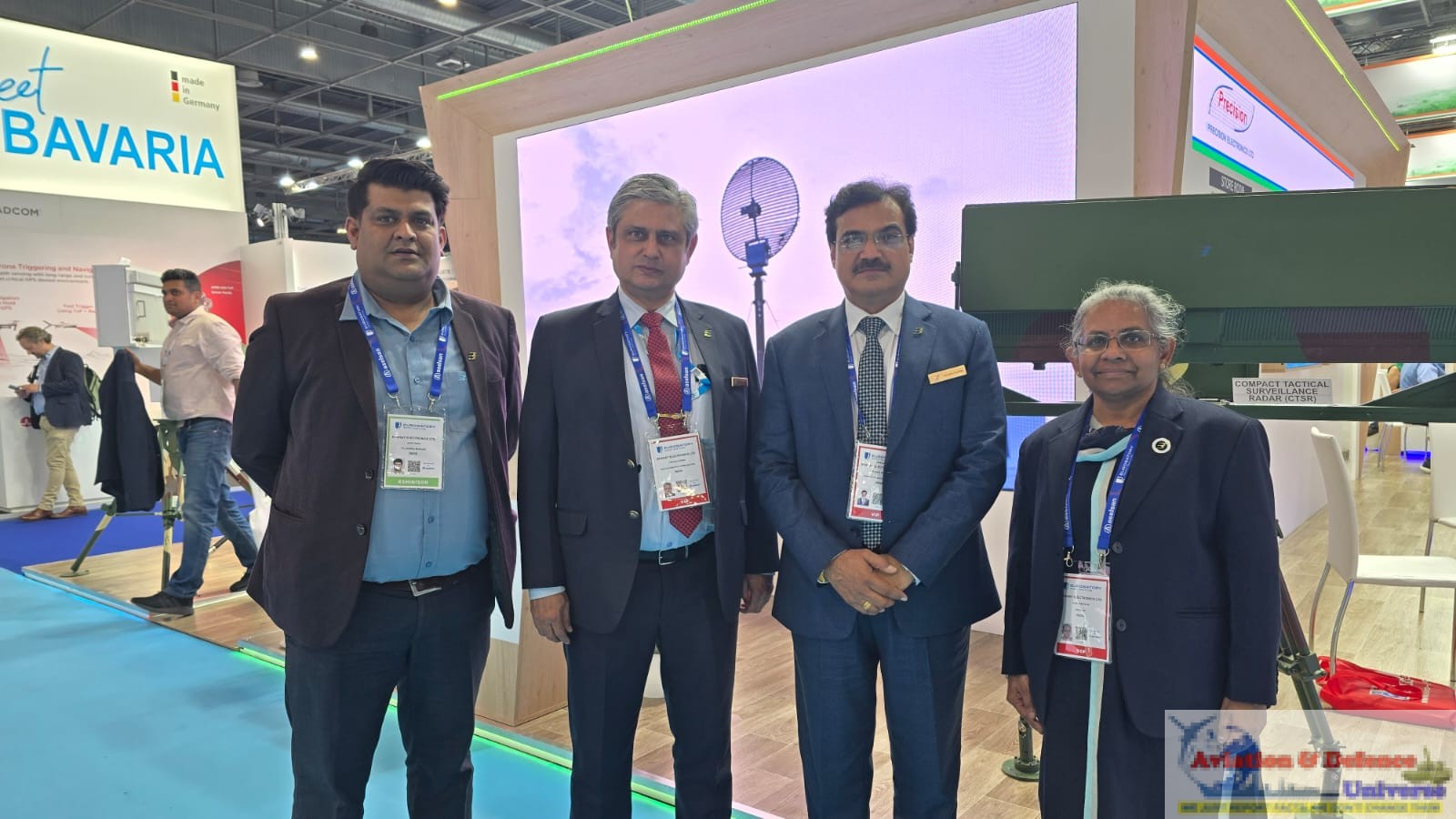
Rajnish Sharma. We are primarily focusing on several regions. African nations constitute an important market for us. Southeast Asia is another region of strong interest. We are also receiving encouraging leads from the Middle East. Additionally, we are exploring opportunities in the South American continent, where BEL regularly participates in defence exhibitions. These are the regions where we have significant focus and promising prospects.
ADU. International defence orders are also influenced by government-to-government relationships and geopolitics. How important are these factors?
Rajnish Sharma. Absolutely. International defence orders are significantly influenced by government-to-government (G2G) relationships. Geopolitical relationships play a major role. I am quite confident that the manner in which our government is presently handling international relations will go a long way in supporting BEL and the entire Indian defence industry. Credit must be given to External Affairs Minister Dr. S. Jaishankar and our Prime Minister for the kind of geopolitical engagements and partnerships they have established globally. These relationships will benefit not just BEL, but the entire industry.
ADU. Do you observe a change in India’s acceptability as a power abroad when you try to make business relations with foreign industry?
Rajnish Sharma. Today, when we travel abroad and present our Indian passport, the reaction from people is completely different. Often, they greet us with folded hands and say “Namaste.”That itself defines the transformation. There was a time when our passport did not command similar recognition. Today, there has been a world of change. India’s geopolitical standing has transformed significantly. Foreign relations have become very strong and the status of the country has risen globally. Many of us living within India may not fully realise this transformation because we do not travel abroad frequently. But our fellow Indians residing overseas truly understand the magnitude of this change. That transformation has been phenomenal.
ADU. When you speak about challenges and “tornadoes”, what exactly do you mean?
Rajnish Sharma. What I mean is that industry must invest more strongly in technology.When we examine MSMEs, we often find that sufficient investments are not being made in advanced technologies, equipment and manufacturing systems required to produce high-quality products.
The products ultimately supplied to defence forces must meet the highest standards because their reliability is critical. Sometimes shortcomings may occur not deliberately, but due to oversight. However, in defence there is very little room for error. Imagine a situation where a missile is to be launched during combat and, at the critical moment, you press the button and it does not launch. How would one feel? In reality, you may not even be left to feel anything because if you do not hit, you are hit. That is why quality, reliability and technological excellence are absolutely essential. As a nation, we must look ahead with a long-term perspective. These are major decisions and transformations that will take time. But I am confident that India will succeed.
ADU. You repeatedly emphasise the role of MSMEs and the larger ecosystem. Why is that so important?
Rajnish Sharma. Because BEL alone cannot grow unless the entire ecosystem grows.The strength of a 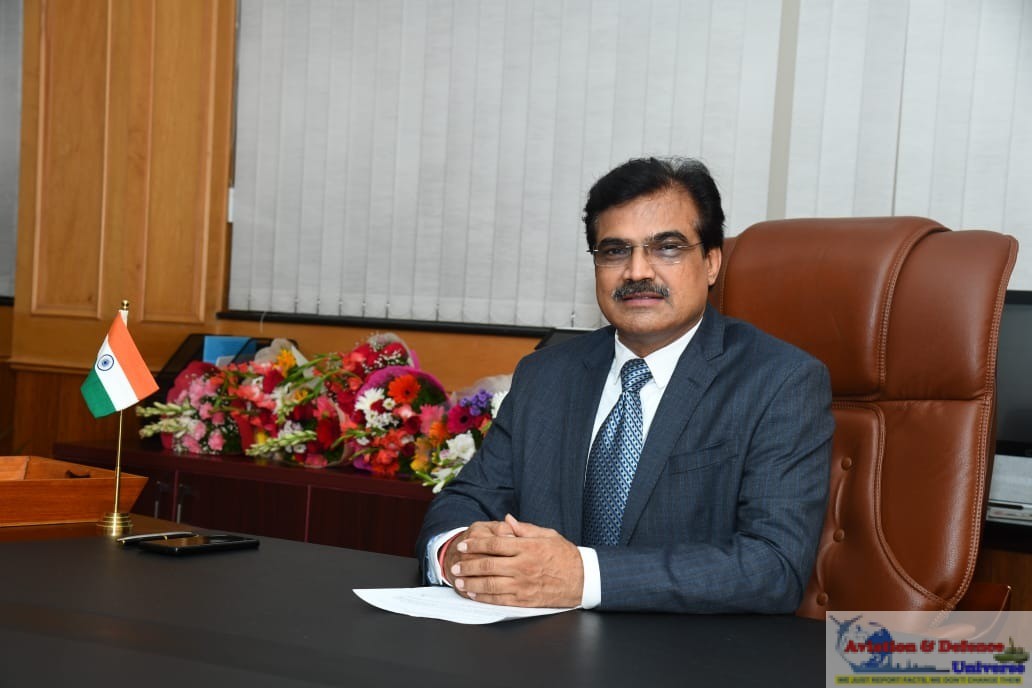 defence industry lies not merely in large companies but in the thousands of MSMEs and suppliers that support them. The ecosystem must rise together if India is to emerge as a global defence manufacturing hub. That is precisely why BEL has been actively hand-holding smaller industries and integrating them into larger programmes. Our objective is not just the growth of BEL but the growth of the Indian defence industrial base as a whole. Only then can India truly become a world leader in defence manufacturing.
ADU. Your vision seems to extend beyond corporate growth.
Rajnish Sharma. Certainly. When I speak of growth, I do not speak only of BEL. I speak of Bharat. We are carrying forward the vision of “Make in India” and “Make for the World.” The goal is to build an ecosystem that enables Indian companies—large and small—to compete globally and create technologies that serve not just India, but the world.
ADU. The supply chain that BEL has in its fold—is it largely Indian?
Rajnish Sharma. Because BEL operates primarily in electronics and high-end electronics, the supply chain has certain unique characteristics. Majorly, our designs are our own, or we are dependent on our technology partner, DRDO. As I mentioned earlier, nearly 78% of our turnover comes from indigenous designs. However, even within indigenous designs, certain critical components—particularly semiconductors—still need to be sourced from abroad. That is one area where we continue to depend on global supply chains. Other than that, a significant portion of our supply chain is within India.
 At the same time, we are actively hand-holding MSMEs to develop critical technologies and components domestically, including RF-related items and other specialised components. We are helping them grow with us so that we can progressively achieve greater indigenisation. In parallel, whenever we undertake a project, we identify the import constituents and simultaneously initiate R&D projects for those items.
Even if it takes three, four or five years to develop indigenous alternatives, the objective is that over time, if not all, at least half of those imported components become indigenised. That is the approach we are following.
ADU. Does that also mean that patenting and intellectual property are preserved in India?
Rajnish Sharma. That is the foundation. Make in India is important, but equally important is Own in India. We must have the patents, the intellectual property and the ownership of technologies. BEL began filing patents in a major way from 2016–17 onwards. Today, we have filed more than 1,200 patents, and around 350 patents have already been granted, although the number keeps changing because it is dynamic. It reflects the scale of our R&D efforts. We invest close to 7% of our turnover into R&D and nearly 35% of our profits towards research and development activities. Last year, our R&D expenditure touched around ₹1,900 crore, which was quite a phenomenal figure. This financial year, we are targeting approximately ₹2,200 crore. We are investing very aggressively when it comes to indigenous development of products and technologies.
ADU. Is there anything else you would like to add from your side? Something we may have missed out on?
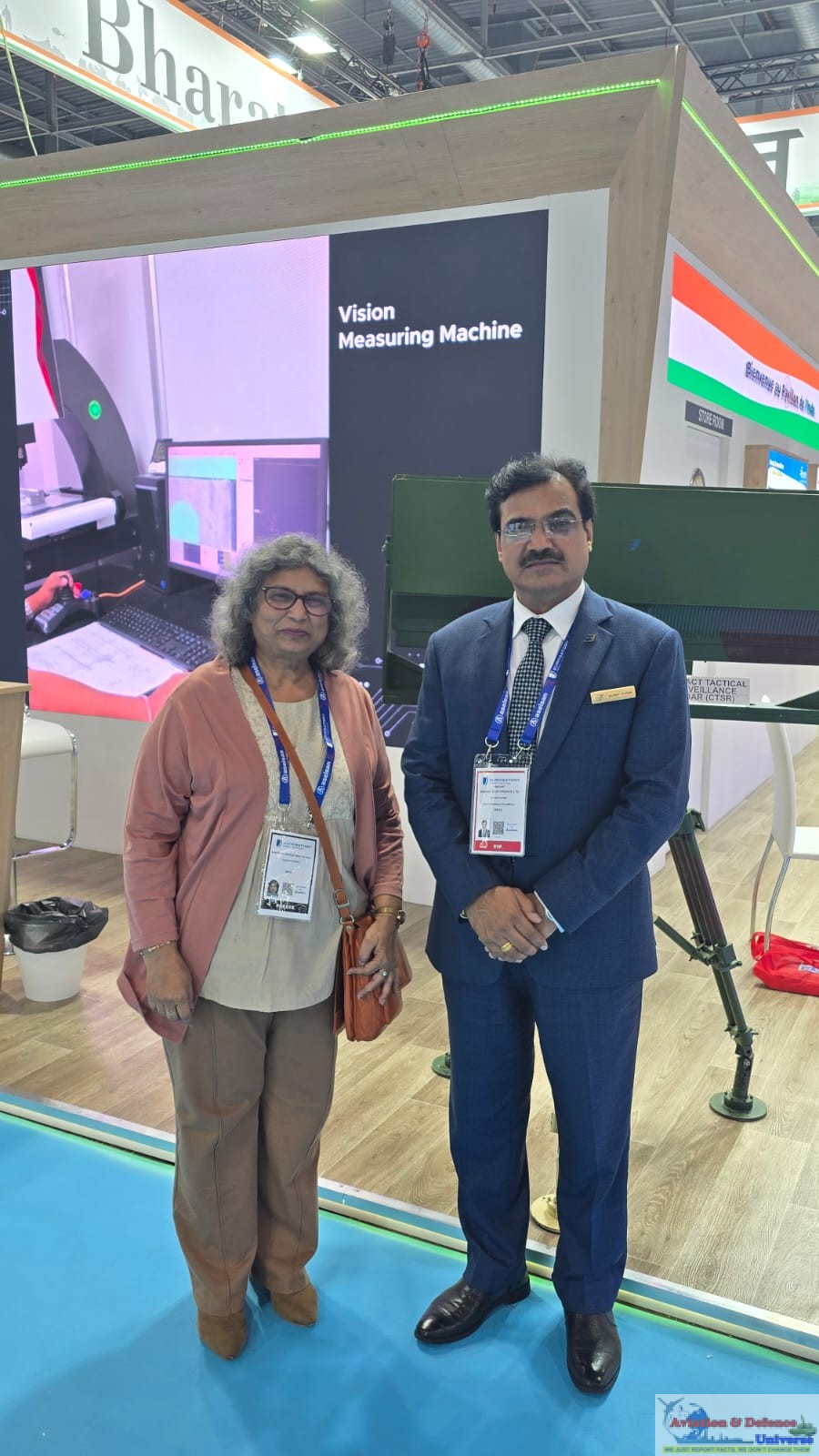
Rajnish Sharma. As a nation, I would say that while we have built an impressive defence ecosystem, we still have a long way to go. When I walk through exhibitions like Eurosatory and observe the products on display, I feel that despite the best efforts being put in by all stakeholders, there is still considerable ground to cover. But if the journey ahead is long, we must prepare well for it. Only then will the journey be fruitful and we will eventually reach our goals. We should not lose heart. There will be hurdles, problems and pitfalls along the way, but we must take them in our stride.
For this, the industry—particularly MSMEs—must hold their ground very strongly. There will be turbulences, there will be challenges, there will be what I call “tornadoes.” But with a firm vision and strong determination, industry must remain resilient. DPSUs are there to support. The Ministry of Defence is providing direction and support. We stand with the industry. However, industry must also become self-sustaining.
BEL’s presence at Eurosatory 2026 goes far beyond the showcasing of defence products—it reflects the broader transformation underway in India’s defence industrial ecosystem. From anti-drone systems and advanced radars to indigenous technologies, exports and global partnerships, the company is positioning itself not merely as a national champion but as an emerging global player. Rajnish Sharma’s vision extends beyond the growth of BEL alone; it encompasses the rise of MSMEs, technological sovereignty and a self-reliant defence ecosystem built on innovation and intellectual property. As India seeks to expand its footprint in global defence markets, BEL’s journey mirrors the larger national ambition of moving from “Make in India” to “Own in India” and ultimately, “Make for the World.”
As told to Sangeeta Saxena


































































-A4-Size-(2)_page-0001.jpg)