
















- Looks Beyond Manufacturing to Build a Full-Service Aerospace Ecosystem in India
- Chinook, Apache and P-8 Support Enter New Phase as Boeing Builds Long-Term India Capability
By Sangeeta Saxena
Farnborough, UK. 21 July 2026. In an era when armed forces are being asked to do more with existing fleets, sustain high operational tempos and ensure that frontline platforms remain mission-ready, Boeing is placing aircraft availability and long-term sustainment at the centre of its growing India strategy.
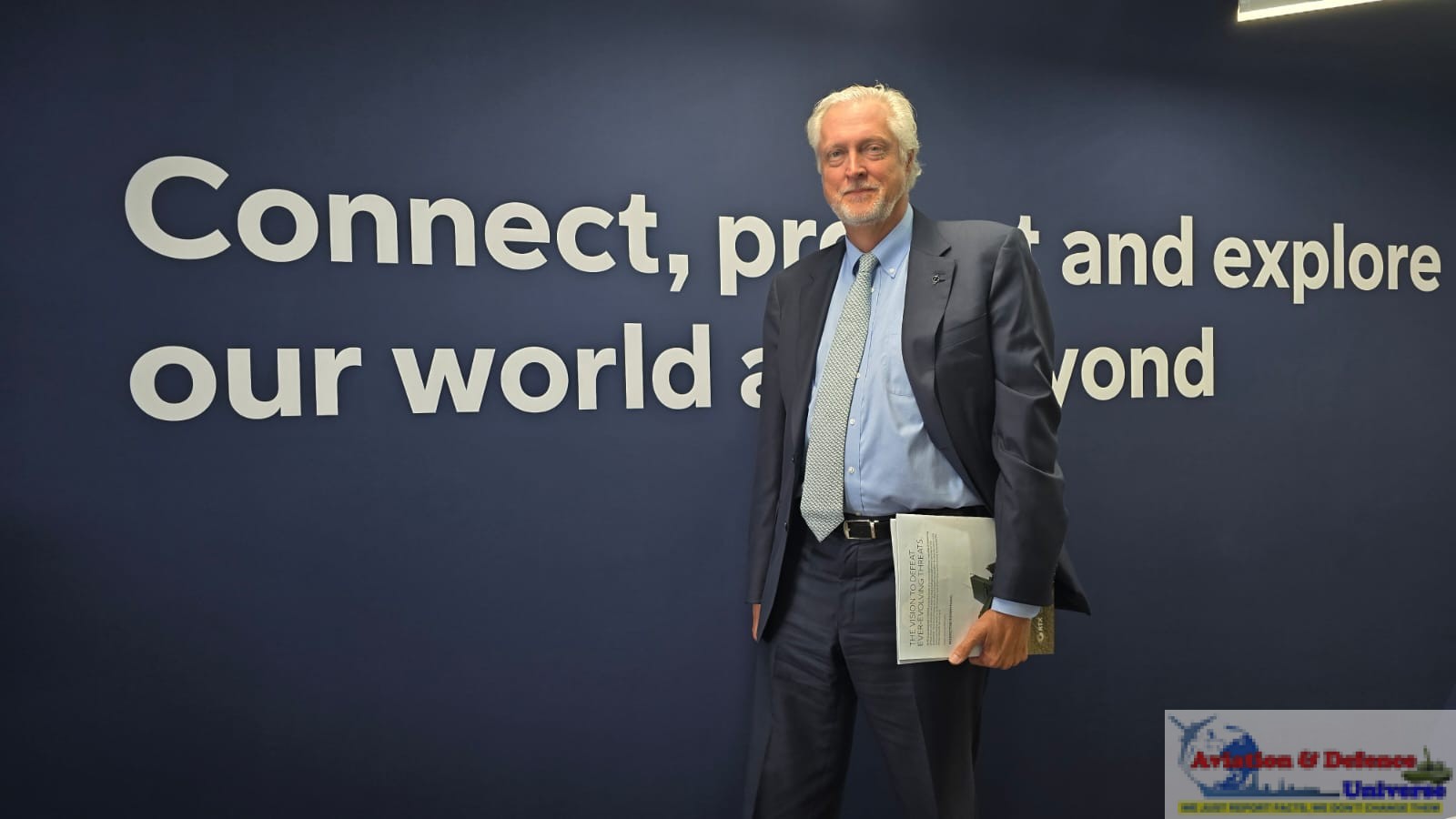
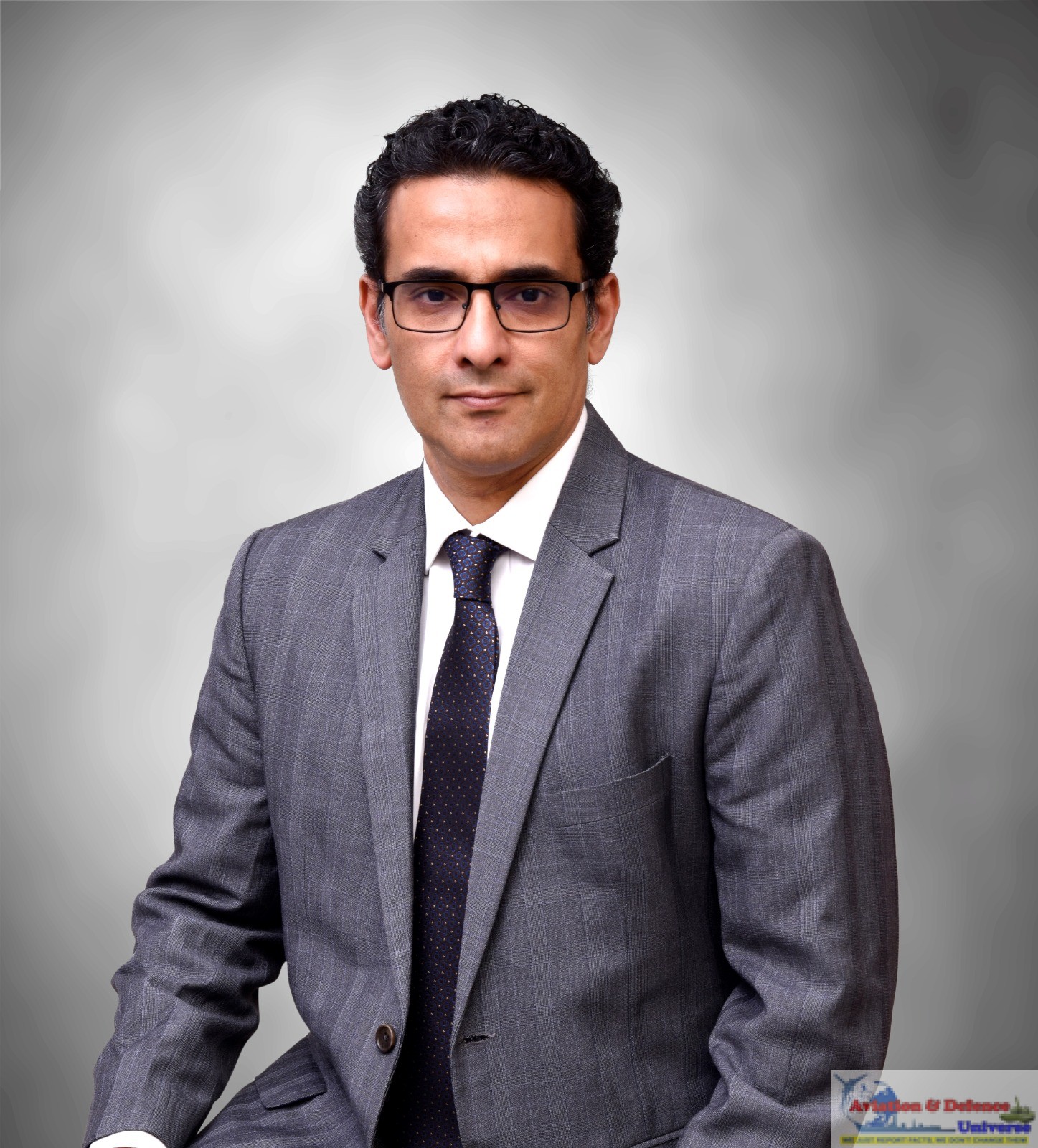
At an Indian media roundtable held during Farnborough International Airshow 2026, Turbo Sjogren, Vice President and General Manager, Government Services, Boeing Global Services, outlined how Boeing is moving beyond platform delivery in India towards a deeper, long-term support model covering supply chains, engineering, warehousing, digital systems, programme management, MRO, local sourcing and partnerships with Indian industry.
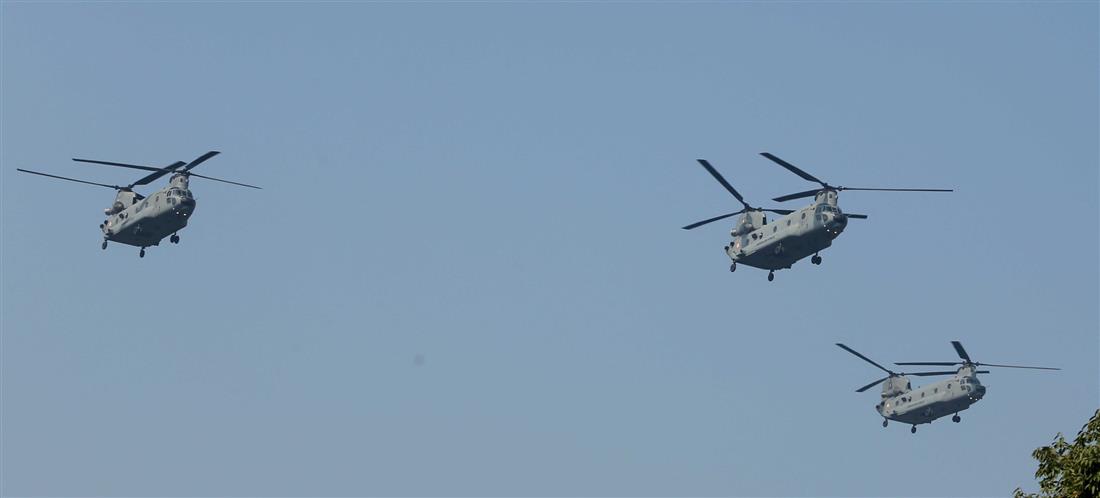
The central message was clear: readiness is now as important as acquisition. Sjogren revealed that Boeing has put in place a series of long-term support arrangements covering some of the most important Boeing platforms in Indian service. He said the company executed a five-year performance-based support contract for the Indian Air Force’s Chinook fleet in the fourth quarter of last year.
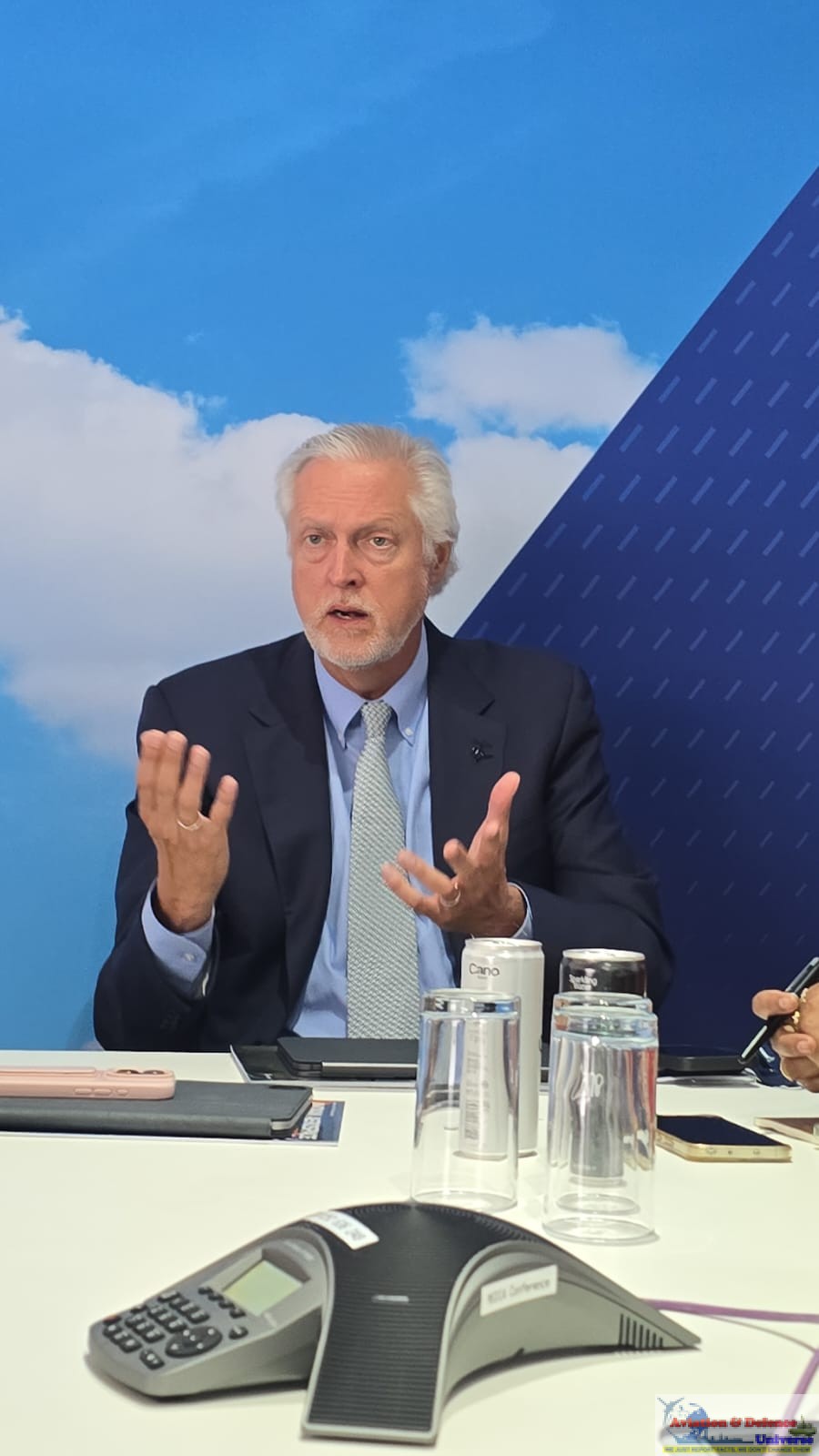 The agreement, he explained, marked the culmination of years of effort and represented a major milestone for Boeing Defence India. “We now have a five-year contract where we have the responsibility of doing the workload with supply chain, engineering, IT, warehousing, all of those disciplines to drive the reliability and the readiness of those aircraft,” he said. The importance of such a long-term arrangement, he added, lies in the predictability it gives Boeing to invest in people, systems, processes and infrastructure.
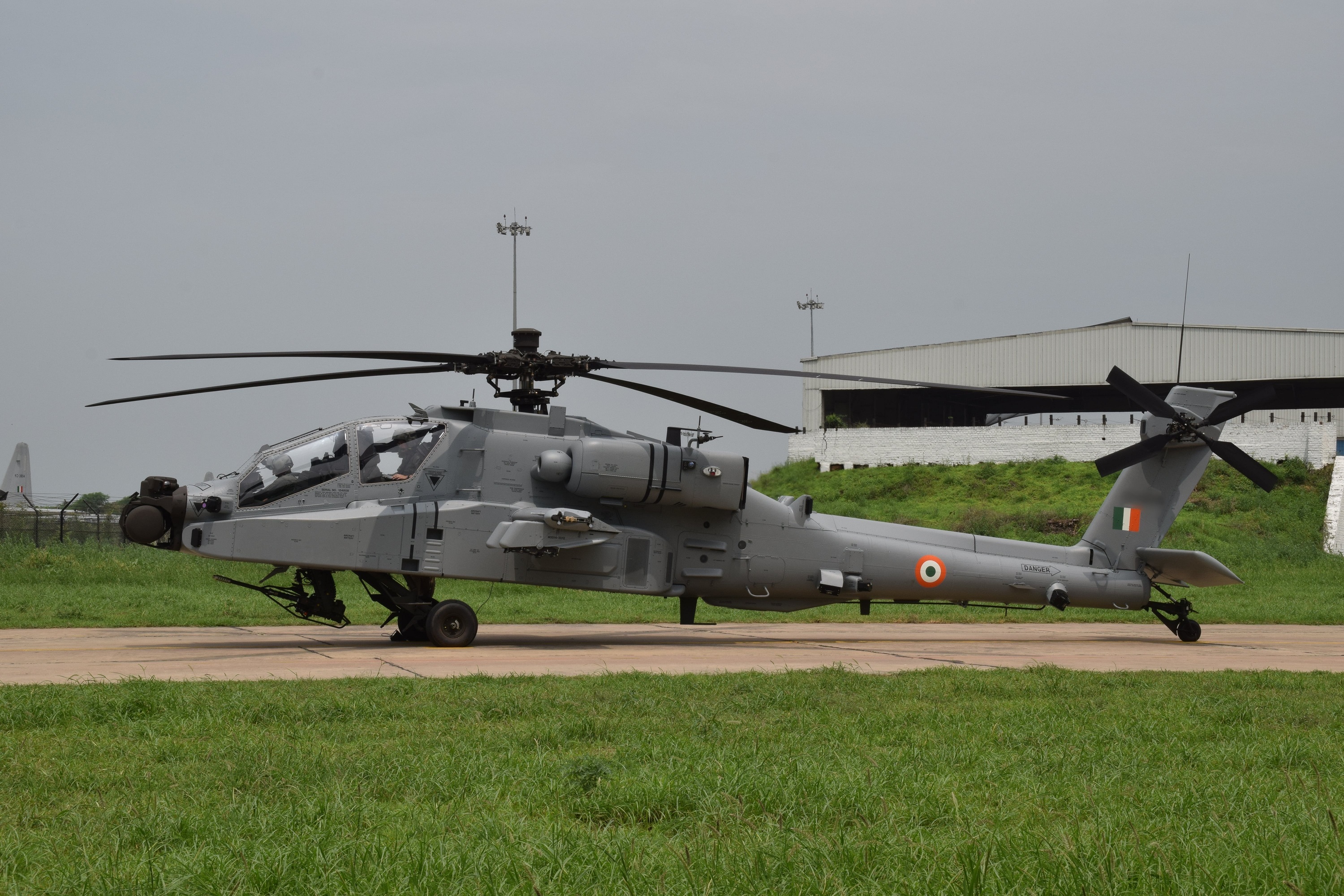
On the back of the Chinook agreement, Boeing also concluded long-term support arrangements for the Apache fleet, covering platforms operated by both the Indian Air Force and the Indian Army. “Those Apaches are subject of two separate long-term five-year PBL contracts,” Sjogren said, noting that both programmes have recently commenced. These contracts, he emphasised, are designed with one overriding objective: increasing aircraft availability and operational readiness.
The same approach is also being extended to the Indian Navy’s P-8I fleet. Boeing currently has a two-year support contract in place and is working towards transitioning that arrangement into a five-year contract. For Boeing Defence India, this emerging portfolio of long-term contracts creates a much more stable operating environment.
“For the next five years, we have to execute. We have, for the next five years, a steady demand, steady contract, which we can execute to,” Sjogren said. That predictability, he explained, will influence how Boeing recruits and trains personnel, develops supply chains, strengthens engineering support, deploys IT tools and builds programme-management systems in India.
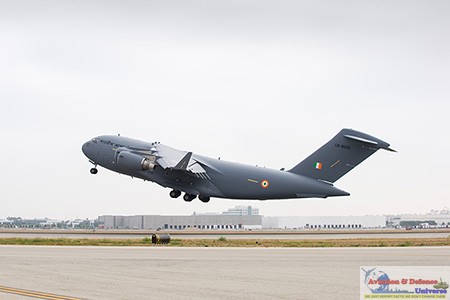
 The emphasis on readiness reflects a wider global reality. Sjogren said that defence customers around the world are increasingly focused on ensuring that platforms already in service remain fully mission-capable. “Everybody wants to modernise and have this capability or that capability. Right now, there’s never been a time where customers say, I have to have what I’ve got operate,” he said. Whether the platform is a C-17, Apache, Chinook or P-8, he said, customers increasingly expect those aircraft to be ready when required. Readiness is the new strategic imperative, he felt. The world, he observed, is operating in a highly dynamic security environment in which many military platforms are being used at high tempo. That higher usage naturally places greater pressure on maintenance, spares, repairs and support networks.
These long-term performance-based logistics contracts are therefore designed to help move aircraft from grounded or unavailable status back into full mission capability. Explaining the philosophy behind such arrangements, Sjogren said the objective is to maintain agreed levels of availability consistently, rather than merely respond after problems occur.
If, for example, a customer requires a defined percentage of a fleet to be available every day, Boeing’s responsibility under such contracts is to sustain that readiness level through coordinated management of spares, repairs, engineering and maintenance. Actual fleet readiness figures, he stressed, remain confidential and are a matter for the customer.
A major part of Boeing’s strategy will involve deeper participation by India’s MRO ecosystem. Sjogren confirmed that Boeing already has relationships with Indian MRO partners supporting military platforms and that these capabilities will be leveraged as the long-term support contracts mature. He referred to Boeing’s localisation efforts under its broader India repair development initiatives and said Indian MRO companies would be factored into future support arrangements wherever they meet requirements.
The logic is both operational and economic. Sending a component from India to the United States for repair and then returning it creates additional cost and turnaround time. If the same work can be carried out in India while meeting Boeing’s standards for cost, quality, safety and schedule, the benefits are considerable. “We save money, we save turnaround time. That is in the interest of the customer, that’s in our interest, and it is consistent with our strategy about doing work locally,” Sjogren said. The company is therefore looking not merely at sourcing components from India but at progressively building a more complete in-country sustainment architecture.
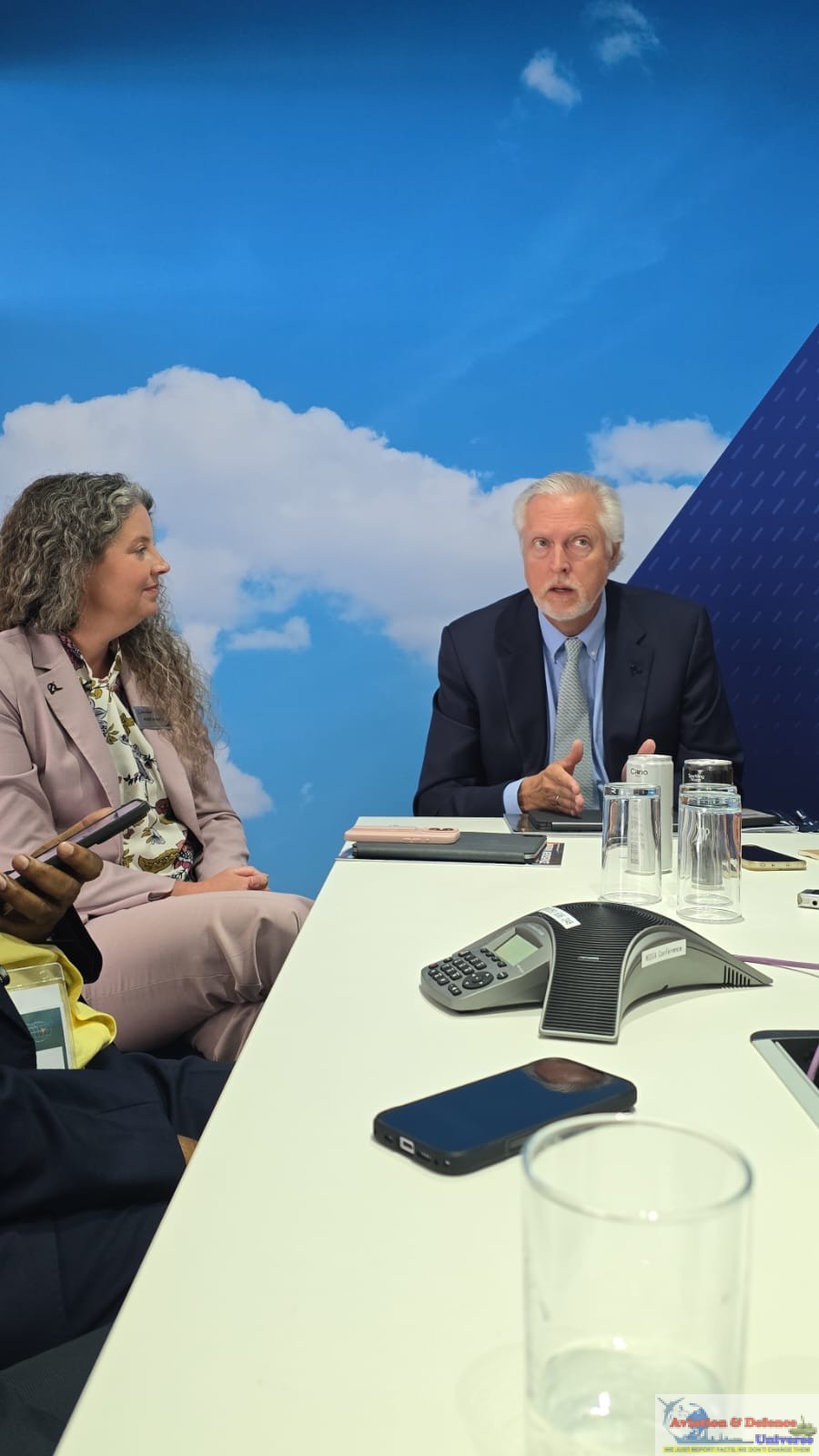 Boeing is also expanding its local supply-chain team in India as a direct consequence of the new government contracts. The company plans to strengthen its Delhi-based supply-chain organisation and has made infrastructure investments that will allow local teams to negotiate agreements and manage statements of work more independently. The aim is to identify Indian suppliers capable of supporting the Chinook, Apache and P-8 fleets and, where possible, integrate them into Boeing’s wider global supply chain.
The company already has a substantial Indian supplier base, but the long-term services contracts are expected to create opportunities in areas beyond traditional manufacturing. Boeing emphasised that local sourcing would not replace all overseas sourcing. However, wherever capability exists in India or can be developed competitively, the company intends to examine the possibility of sourcing locally.
That could include spares, repair work, components and other support activities. The broader ambition is not simply to build an India-only supply chain but to identify Indian companies that could eventually support Boeing programmes globally. “When we identify a local capability that can do it more affordably, more promptly, or better than it’s done elsewhere, that will absolutely become part of our consideration. Not just for the work we do in India, but obviously for the work we do elsewhere,” Sjogren said.
He was equally clear that Boeing’s engagement with Indian industry is not driven solely by policy requirements. “We were committed to Indian industry, irrespective of Atmanirbhar Bharat. We’re going to work with Indian industry no matter what. There’s a lot of capability there,” he said. He pointed to the longstanding manufacturing partnership between Boeing and Tata in India, including production of Apache fuselages, as evidence of the depth of the company’s existing industrial engagement. Atmanirbhar Bharat, he suggested, reinforces and accelerates a direction Boeing was already pursuing.
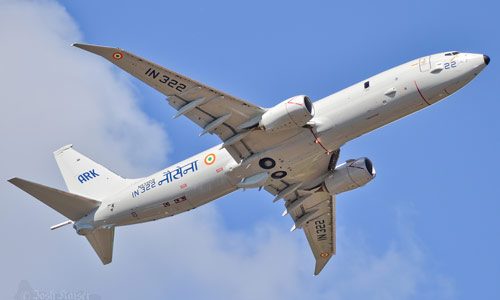 For Boeing, local capability makes strategic sense when it can improve affordability, reduce turnaround time, enhance responsiveness and strengthen supply-chain resilience. Quality remains non-negotiable. As local sourcing expands, Boeing stressed that quality standards would remain unchanged. Indian suppliers are expected to meet the same quality-management requirements applied to Boeing suppliers globally. The company has global source inspectors based in India who work directly with suppliers to ensure compliance with those standards. The principle is straightforward: once a repaired or manufactured component is returned to an aircraft, Boeing remains accountable for its performance under the support contract. “If we give you a part on a P-8, and we need you to repair it, and we put it back on the aircraft and there’s an issue, it’s our issue,” Sjogren said. That makes supplier qualification, training and oversight critical.The company said its supply-chain organisation works with suppliers to ensure they understand Boeing’s expectations and become qualified to perform the required work. The roundtable also highlighted an emerging dimension of Boeing’s India strategy: engagement with startups and small and medium enterprises. Boeing’s Ventures team is preparing to explore potential opportunities in India, particularly with startups and SMEs capable of contributing to the company’s services business. The engagement could take several forms, including partnerships and, in selected cases, small equity investments.
Boeing said its focus is on identifying companies whose technologies and capabilities can strengthen its services activities both in India and internationally. The company is looking particularly at startups aligned with key areas of product support. The objective is not necessarily to lock those companies into exclusive relationships with Boeing. Company representatives indicated that exclusivity is rare and that Boeing generally wants its venture partners to grow and succeed across a broader market.
 Where Boeing takes a stake, its interest naturally grows as the company develops. Over time, successful performance could potentially lead to deeper partnerships or increased investment. The emphasis, however, remains on identifying innovation that can make a meaningful difference to Boeing’s business and customers. A critical part of transitioning to long-term performance-based support involves detailed information sharing with the customer. Before Boeing assumes responsibility for readiness outcomes, it needs a clear understanding of fleet condition, available inventory, spares demand, aircraft entering maintenance or modernisation and the location of critical parts. That information then feeds directly into supply-chain planning.
Sjogren said this data-sharing process forms an essential part of contract preparation and the transition period following an award. Such visibility is necessary to ensure that the support system is built around the actual operational realities of the fleet rather than theoretical assumptions.
The roundtable also touched upon intellectual-property ownership when products or components are developed by Indian suppliers. Boeing said the approach depends on how the product originates. If Boeing provides the intellectual property and an Indian supplier manufactures a component on a build-to-print basis, the IP remains with Boeing.
However, where a supplier develops a product using its own engineering resources, that supplier would in many cases retain ownership of the intellectual property. Boeing therefore deals with both models and determines ownership on a case-by-case basis. The wider significance of Boeing’s strategy lies in the transition now taking place in India.
 For decades, discussions around major defence acquisitions often ended once a platform was delivered. But the new generation of long-term support agreements reflects a different relationship — one in which sustainement, readiness, repair, digital support, local sourcing and industrial participation become integral parts of the programme throughout its service life. For Boeing, India is increasingly not merely a customer but also a potential services, MRO, engineering and supply-chain partner.
As long-term support contracts for Chinook and Apache mature and the P-8 arrangement moves towards a longer-term framework, the pressure will now shift from agreement to execution. The company will have to demonstrate that an expanded Indian support ecosystem can deliver exactly what modern military customers increasingly demand: higher availability, faster turnaround times and reliable mission readiness.
And if that model succeeds, the implications could go beyond the Indian fleets themselves. Indian companies that prove their ability to meet Boeing’s global standards could find themselves moving from local sustainement partners into the company’s international supply and services network.
 The Indian media roundtable at Farnborough Airshow 2026 underlined a decisive shift in Boeing’s India engagement — from selling platforms to sustaining capabilities. With multi-year support contracts now covering Chinook and Apache fleets, a longer-term P-8 arrangement under development, an expanding Indian supply chain, deeper MRO participation and fresh interest in Indian startups, Boeing is building a much broader services ecosystem around its defence platforms.
At the heart of this strategy is a simple but increasingly critical requirement: readiness. In today’s high-tempo security environment, owning an advanced platform is no longer enough; it must be available, serviceable and mission-ready when required. Boeing’s growing India services footprint is therefore likely to be judged not only by how much work is localised, but by how effectively that localisation translates into higher availability for India’s armed forces.
Boeing Global Services is the services and sustainment arm of Boeing, supporting commercial and defence customers throughout the lifecycle of their aircraft and systems. Its portfolio spans maintenance, repair and overhaul, engineering, modifications and upgrades, parts and supply-chain management, training, digital solutions and performance-based logistics, with the overarching objective of improving fleet availability,  reliability and mission readiness. For defence operators in particular, Boeing Global Services plays a critical role beyond the initial acquisition of a platform by creating the long-term support infrastructure needed to keep aircraft operational throughout decades of service. In India, this approach is increasingly reflected in the sustainment of platforms including the C-17, P-8I, Apache and Chinook, alongside efforts to expand local MRO capabilities, develop Indian suppliers and integrate qualified companies into Boeing’s wider global services and supply-chain ecosystem.
If Indian suppliers, MRO companies and startups can consistently meet Boeing’s global benchmarks for quality, cost and delivery, the opportunity could extend well beyond domestic programmes. India could increasingly become part of Boeing’s wider global sustainment and services architecture — turning Atmanirbhar Bharat from a localisation objective into a pathway towards global aerospace integration.

































































-A4-Size-(2)_page-0001.jpg)