

 18th BRICS Summit






















- AI, Forensics and Cybersecurity: Building the Investigator of Today & Tomorrow
- The New Divide Is Between Those Who Understand AI and Those Who Do Not
- AI Can Analyse the Evidence, But Humans Must Deliver Justice
By Sangeeta Saxena
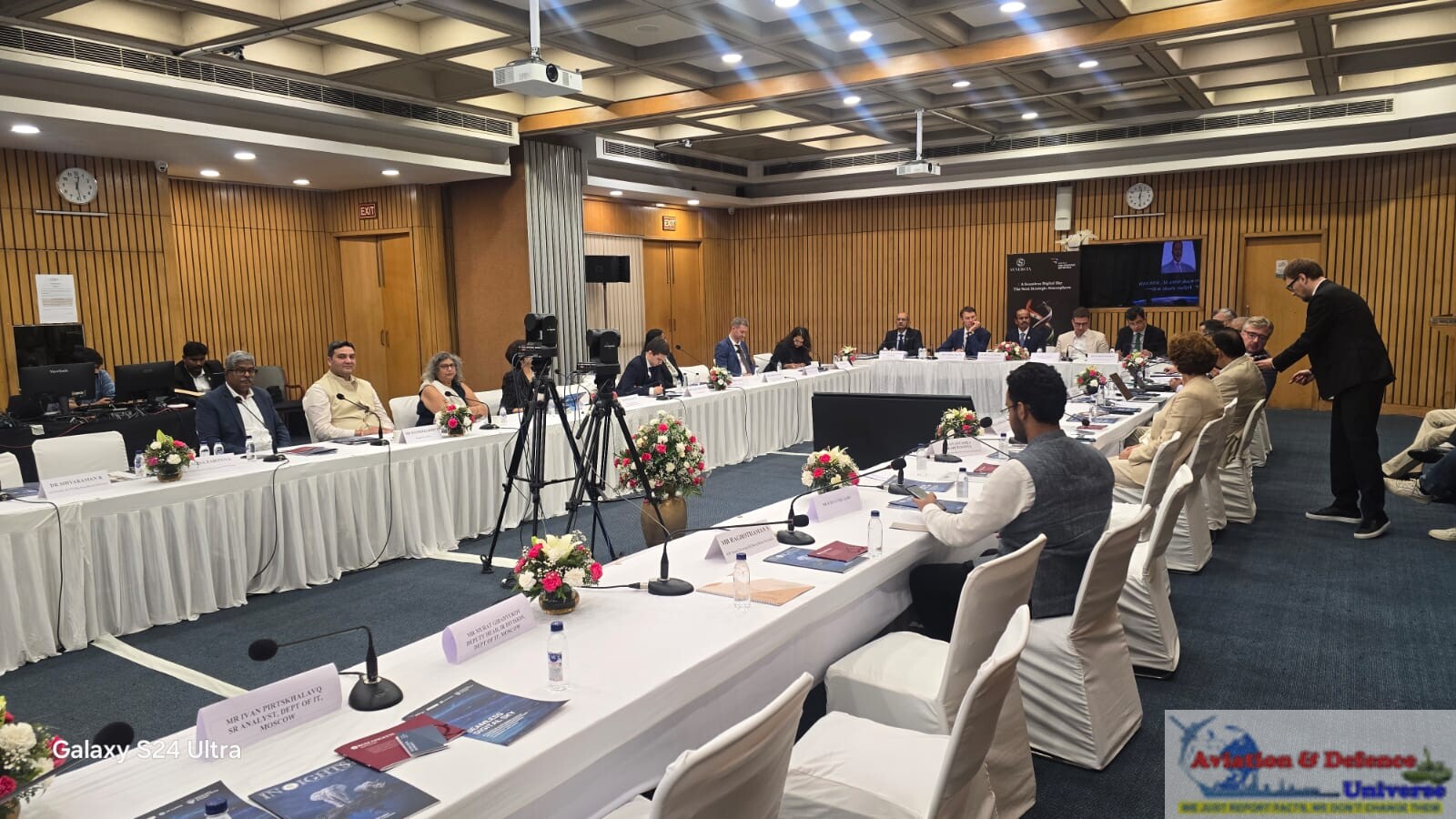
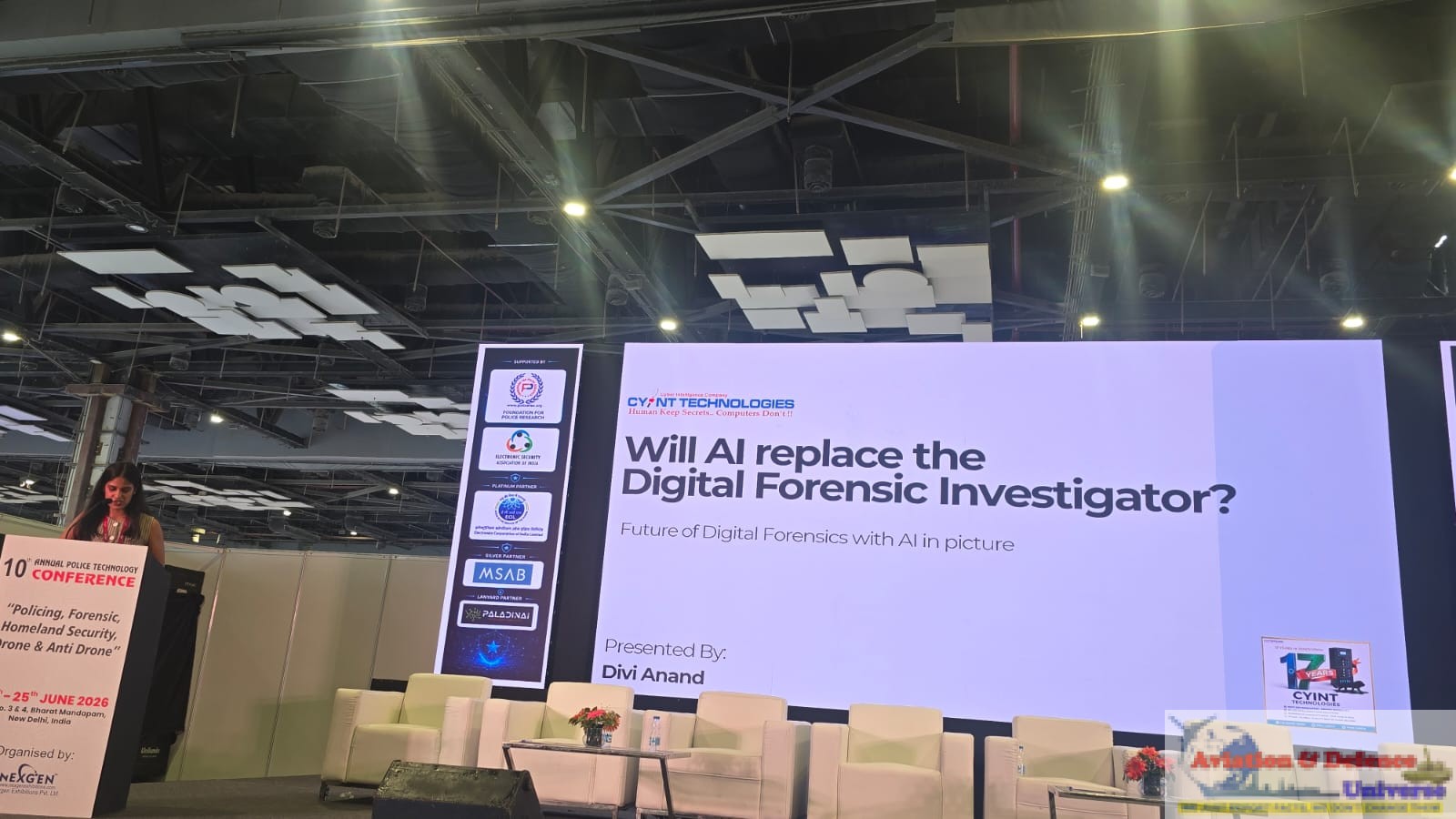
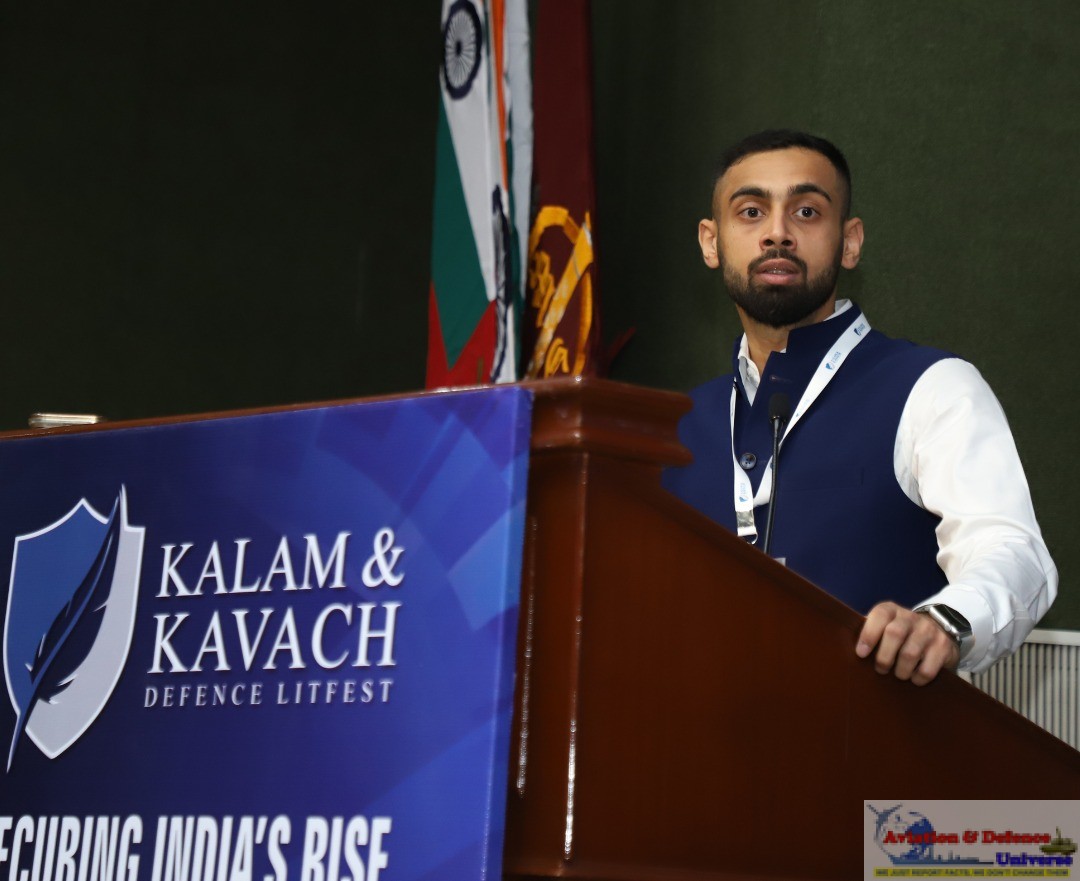
New Delhi. 24 June 2026. Artificial Intelligence is no longer a futuristic concept confined to laboratories and technology conferences. It is increasingly becoming a core component of everyday applications,  cybersecurity platforms, digital forensics tools and criminal investigations. Speaking at the Homeland Security Expo 2026, Divi Anand of Cyient Technologies highlighted how AI is transforming the way investigators process evidence, analyse data and combat increasingly sophisticated cybercriminals. While acknowledging the immense advantages AI brings in terms of speed and scale, she argued that technology remains a tool that complements—not replaces—the critical thinking, judgement and accountability of human investigators. Her address provided valuable insights into how AI-enabled investigative tools are reshaping law enforcement and security operations across the globe. Divi Anand, Manager – Cyber Defence Operations & Strategy is also the scion of the Anand family which owns the Cyint Technologies.
Challenging a common misconception about artificial intelligence, Anand began with a powerful observation, “The real conversation is not human versus AI. It is human and AI versus the increasingly sophisticated criminals that are using technology on the other end.” She pointed out that AI has already become embedded in the applications people use daily, from navigation systems and messaging platforms to social media and digital content creation tools. Emphasising AI’s growing ubiquity, she remarked, “Whether we realise it or not, AI is already part of our work.”
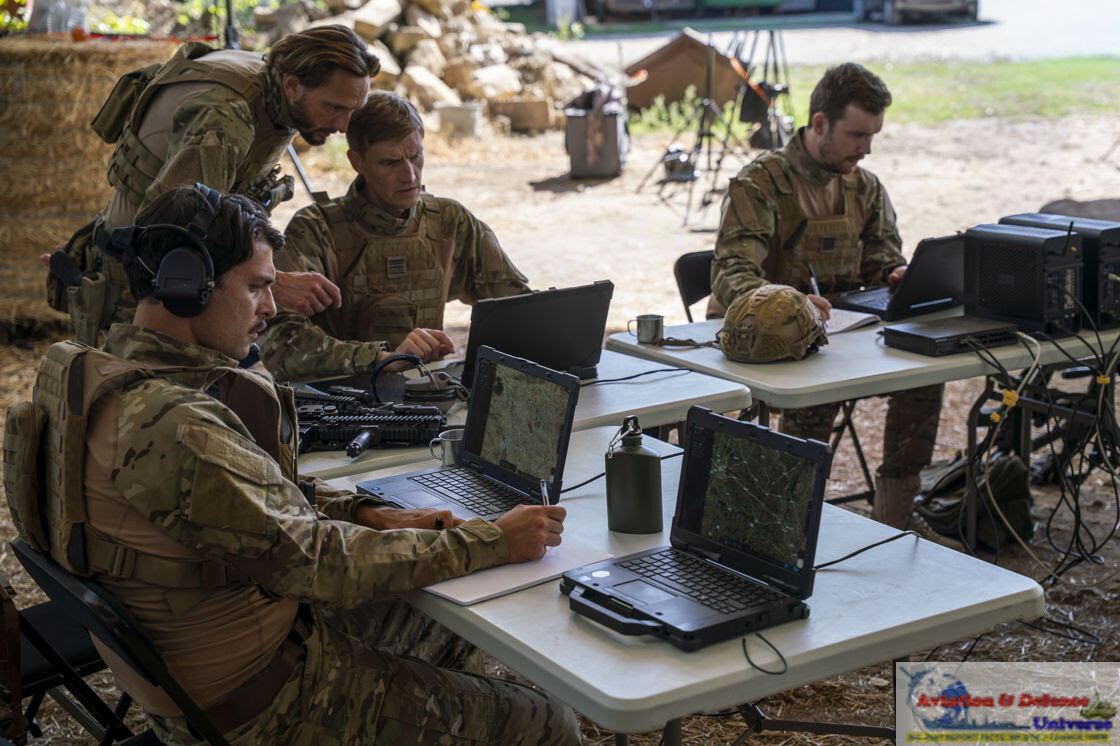
According to Anand, the security and forensic communities must accept this reality and learn how to leverage AI effectively in their operations. Highlighting the challenges investigators face, Anand noted, “A cybercrime case contains terabytes of data. Mobile extractions, transaction records, emails, cloud storage, so on and so forth.” Traditionally, processing such enormous datasets could take investigators weeks or even months. Explaining the advantage AI offers, she stated, “AI will process it in hours.” Summarising AI’s greatest strengths, she added, “AI definitely gives us two things. Volume and speed. And it does both exceptionally well.” She explained that modern AI tools can quickly prioritise evidence, identify relevant communications, build timelines and streamline complex investigations. Demonstrating a practical application of AI, Anand highlighted a blockchain investigation platform, “It helps you investigate cryptocurrencies.” She explained that criminals increasingly use cryptocurrencies to obscure financial trails and conceal illicit activities. Describing the benefits of AI-assisted analysis, she said, “A tool that is helping you do crypto-investigation in minutes rather than going through the data for hours, isn’t that much of a use?” Using automated tracing and analytics, investigators can now analyse complex cryptocurrency transactions far more efficiently than before.
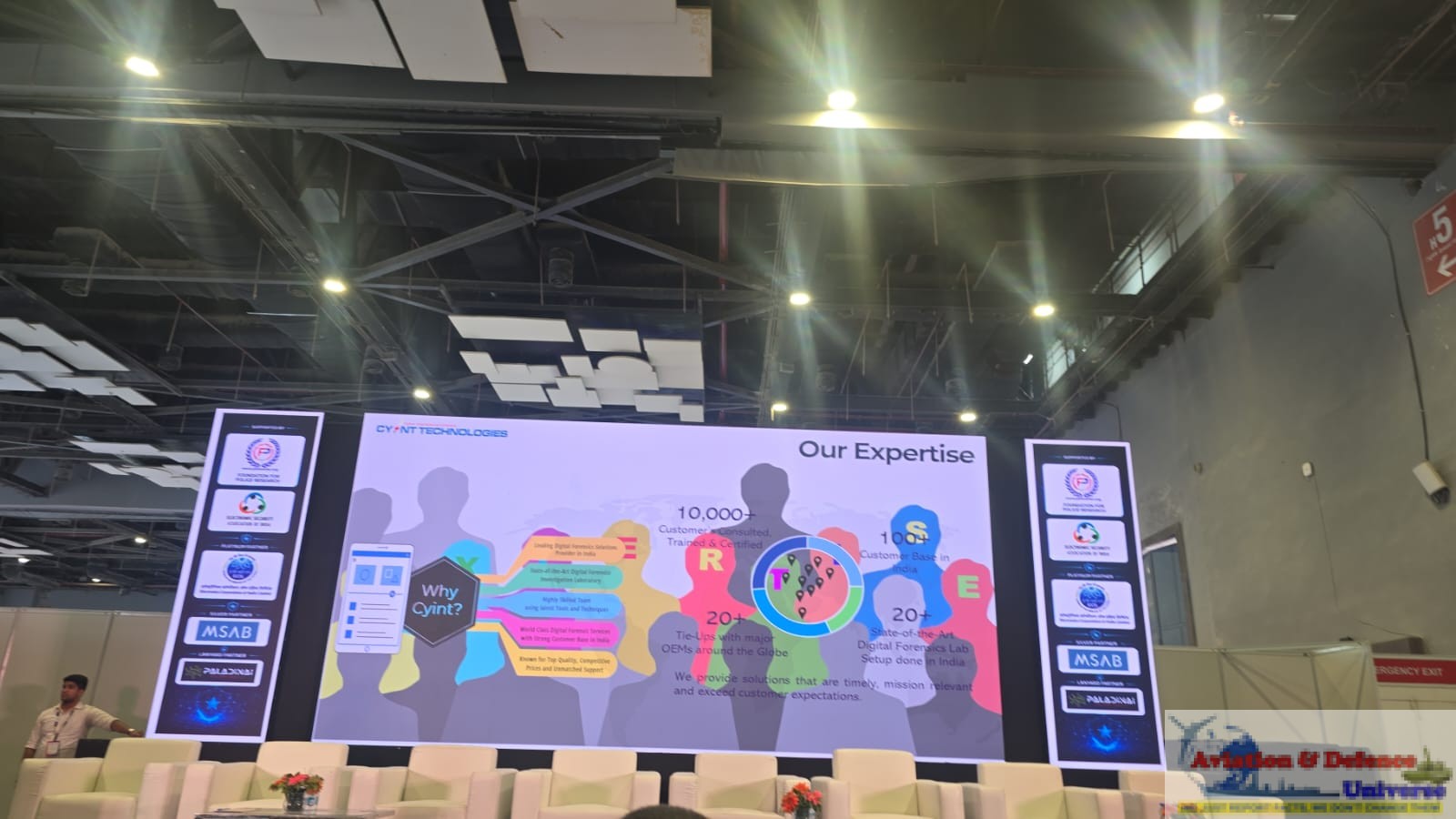 Moving to digital forensic investigations, Anand introduced another AI-enabled platform and observed, “You will be able to do your investigation within minutes.” She explained that AI can analyse large volumes of electronically stored information, identify objects within images, extract text and categorise content based on investigative requirements. Describing its capabilities, she noted, “It will be able to read and analyse text within the images.” She further added, “You will be able to detect them based on categories.” Such capabilities, she argued, allow investigators to process large volumes of evidence rapidly while reducing manual workloads.
Reflecting on the broader impact of AI, Anand observed, “When AI takes over the repetitive tasks, investigators gain something back.” Identifying that benefit, she said, “It is the time.” She elaborated that AI frees investigators to focus on higher-order activities. Listing these advantages, she remarked, “Time to think, time to analyse, time to ask better questions and time to focus on what actually matters.” According to her, this shift allows professionals to concentrate on critical investigative judgement rather than administrative or repetitive tasks.
Despite her enthusiasm for AI, Anand was equally clear about its limitations. Stressing the irreplaceable role of human investigators, she stated, “AI cannot sit across from a witness and build trust.” She continued, “It cannot sense hesitation.” Adding another crucial distinction, she remarked, “It cannot understand the emotion behind something.” Perhaps most importantly, she noted, “AI can tell you what was said, but it cannot tell you what was left unsaid.” According to Anand, investigations often involve nuanced human interactions, ethical considerations and contextual judgement that remain beyond the capabilities of current AI systems.
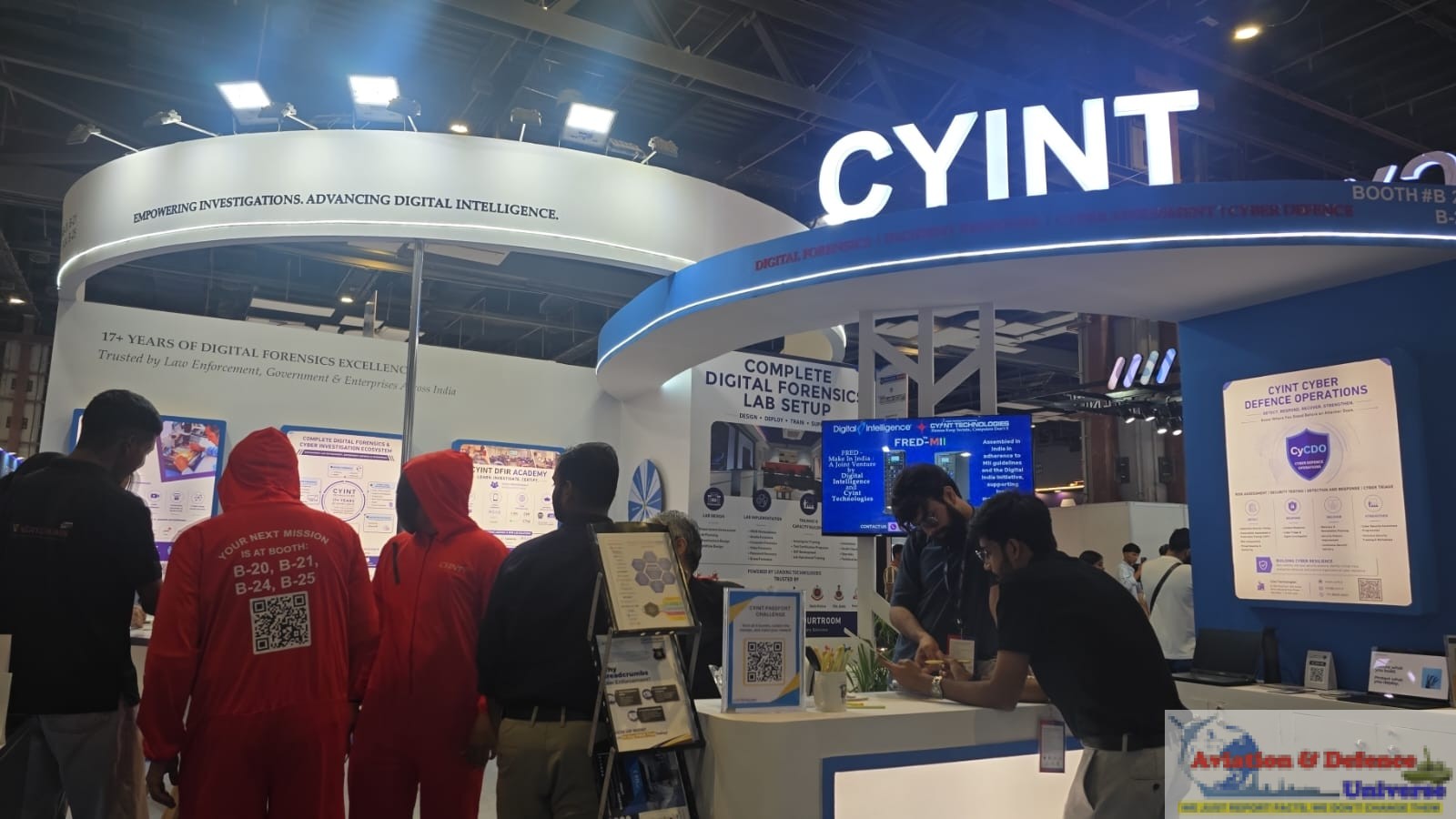 Emphasising on a critical legal and ethical principle, Anand observed, “Someone must consider the legal, ethical and human consequences.” She reminded the audience, “That responsibility still remains in your hands and not the algorithms.” Reinforcing the point further, she added, “AI cannot be held accountable.” She argued that while AI can support decision-making, accountability for investigative outcomes will always rest with human professionals.
Offering her vision for the future, Anand explained, “The gap is no longer between investigators and other emerging technologies like AI, quantum computing, machine learning, blockchain.” Instead, she argued, “The gap is between the investigators who understand AI and those who do not.” She stressed that future success will depend on the ability of investigators to combine traditional expertise with advanced technological tools. Summarising this shift, she stated, “The future belongs to the professionals who can combine this expertise with the modern tools.”
Encouraging continuous learning, she added, “Those who learn, those who adapt and those who stay curious.” Drawing from personal inspiration, Anand shared, “My father says that knowledge is power and I truly believe in it.” She urged investigators and security professionals to continually acquire knowledge and embrace technological change. Highlighting the importance of lifelong learning, she remarked, “The tools you need to work with only come with seeking knowledge.”
 Bringing her address to a close, Anand reminded the audience, “AI did not create itself. Humans created it.” Celebrating innovation, she added, “Every model, every algorithm, every breakthrough behind every piece of AI is human curiosity, human intelligence and innovation.” Delivering her central message, she declared, “AI will not replace investigators. It will empower investigators who choose to embrace it.” Looking toward the future, she concluded, “The future investigators are human equipped with better tools than any generation before.” Ending on an optimistic note, she said, “That future starts today.”
Divi Anand’s address at Homeland Security Expo 2026 highlighted the transformative impact of Artificial Intelligence on digital forensics, cybersecurity and criminal investigations. While demonstrating how AI-powered platforms can dramatically accelerate data analysis, blockchain investigations and evidence processing, she emphasised that technology remains an enabler rather than a substitute for human judgement. Trust-building, ethical decision-making, contextual understanding and accountability continue to reside firmly with investigators. Her message was clear that the future belongs not to machines alone, but to professionals who combine human intelligence, curiosity and expertise with the power of AI. As cybercrime and digital threats continue to evolve, success will depend on how effectively investigators embrace technology while retaining the uniquely human skills that no algorithm can replicate.






















































































-A4-Size-(2)_page-0001.jpg)