

 18th BRICS Summit













- Beyond Licensed Manufacturing: SSS Defence Bets on Original Indian pistols & Rifles
- From Indigenous Weapons to Counter-Drone Systems: SSS Defence Building India’s Future Arsenal
By Sangeeta Saxena
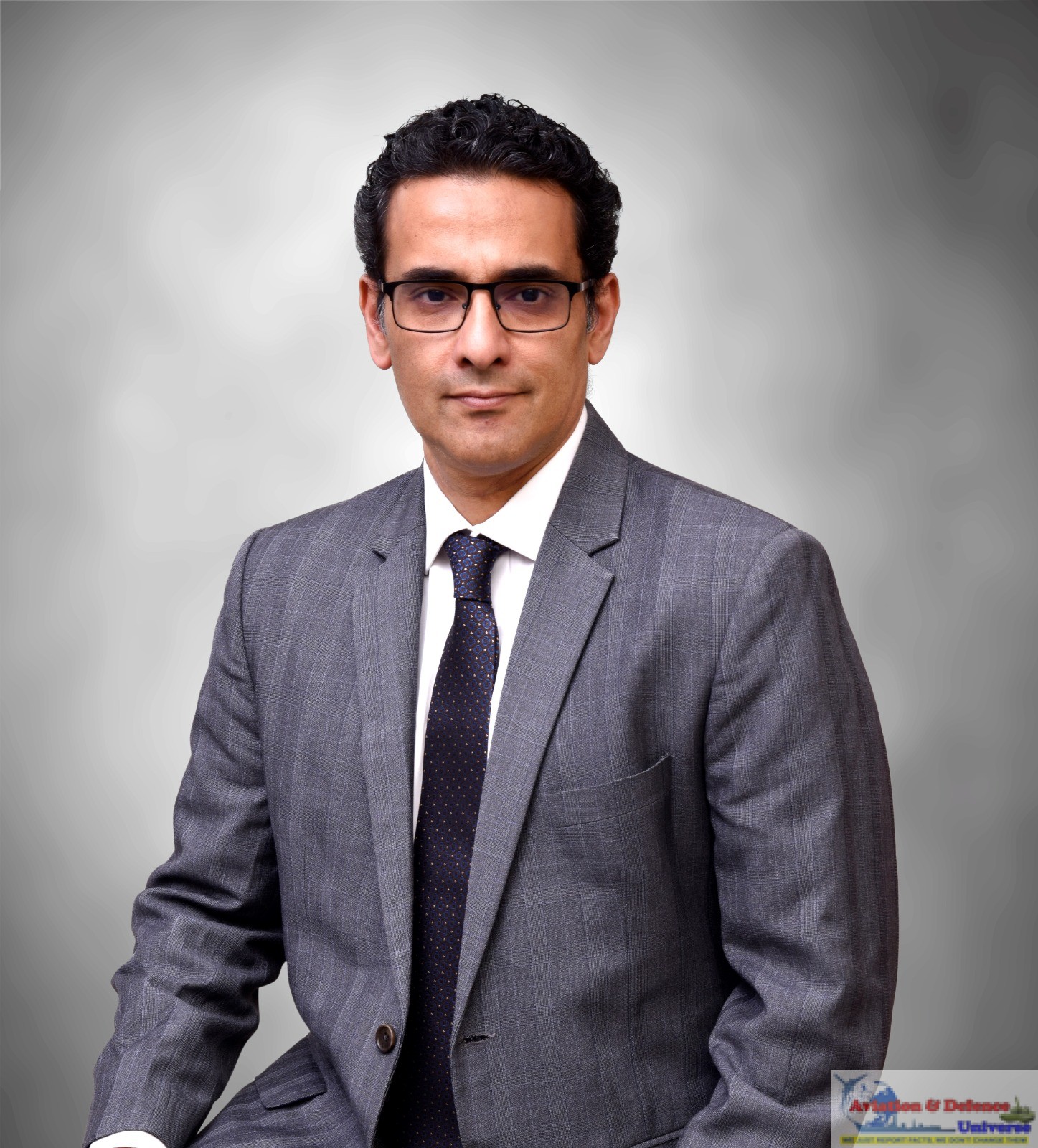
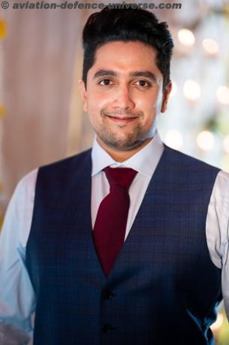
New Delhi. 26 June 2026. Long before tactical firearms became a subject of mainstream discussion, the Beretta pistol had already achieved iconic status through the early James Bond films. In the hands of the suave British secret agent 007, the compact Beretta became more than just a sidearm—it symbolised precision, elegance and understated lethality, captivating audiences across the world. Generations of cinema lovers admired not only Bond’s charisma but also the firearm that became part of his unmistakable identity before he later adopted the Walther PPK. For millions of fans worldwide, the fascination lay not in the weapon alone, but in what it represented on screen—professionalism, confidence and timeless cinematic storytelling that continues to inspire enthusiasts of defence history and military technology. And with this nostalgia this Editor interviewed the CEO of SSS Defence Vivek Krishnan, hoping that someday some Indian manufacturer would reach the same status and popularity.
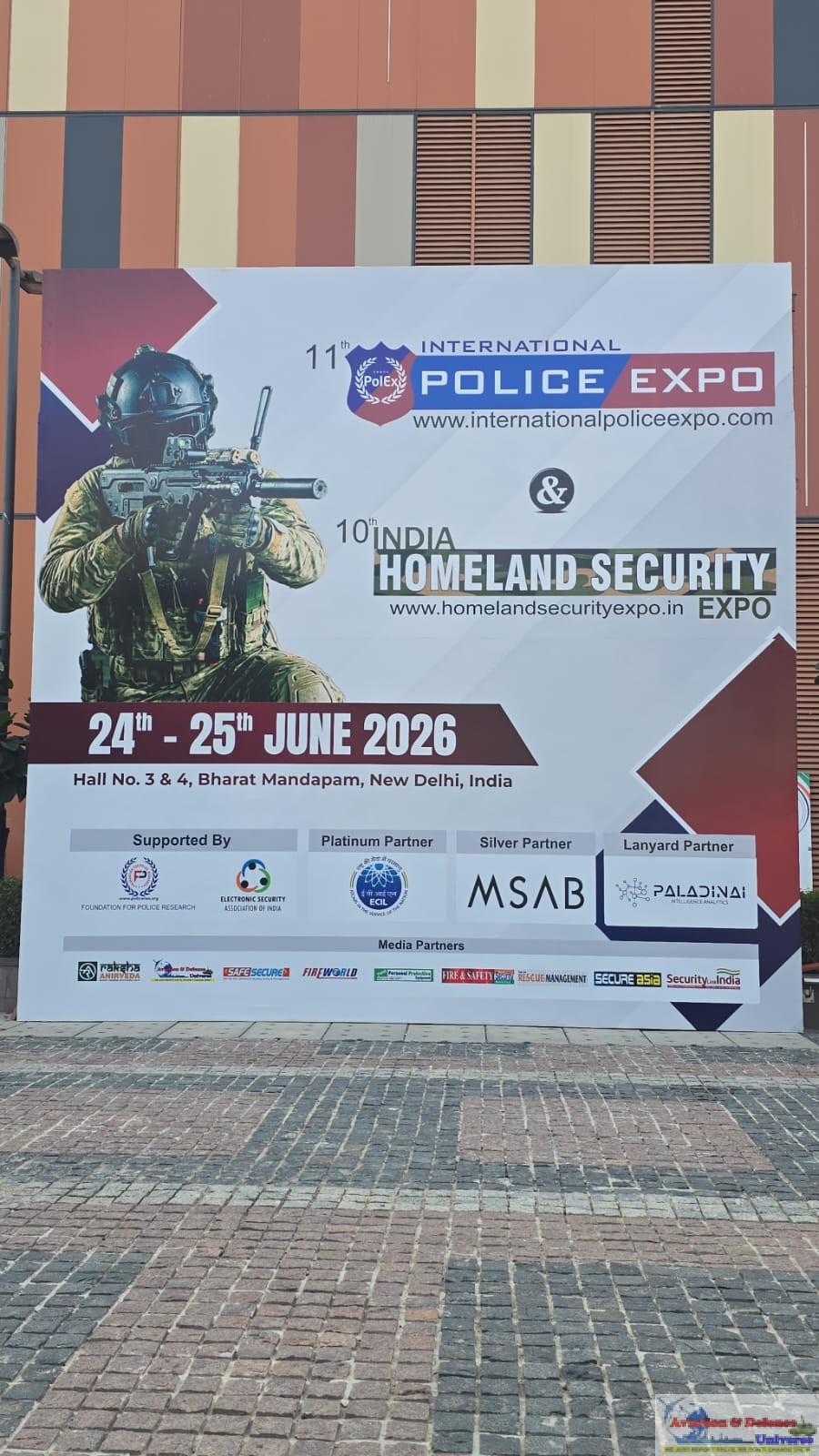
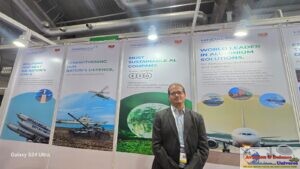
ADU. We are meeting here at the Homeland Security Expo, Police Expo and Drone Expo, where SSS Defence has one of the largest and busiest stalls. What are you showcasing this year?
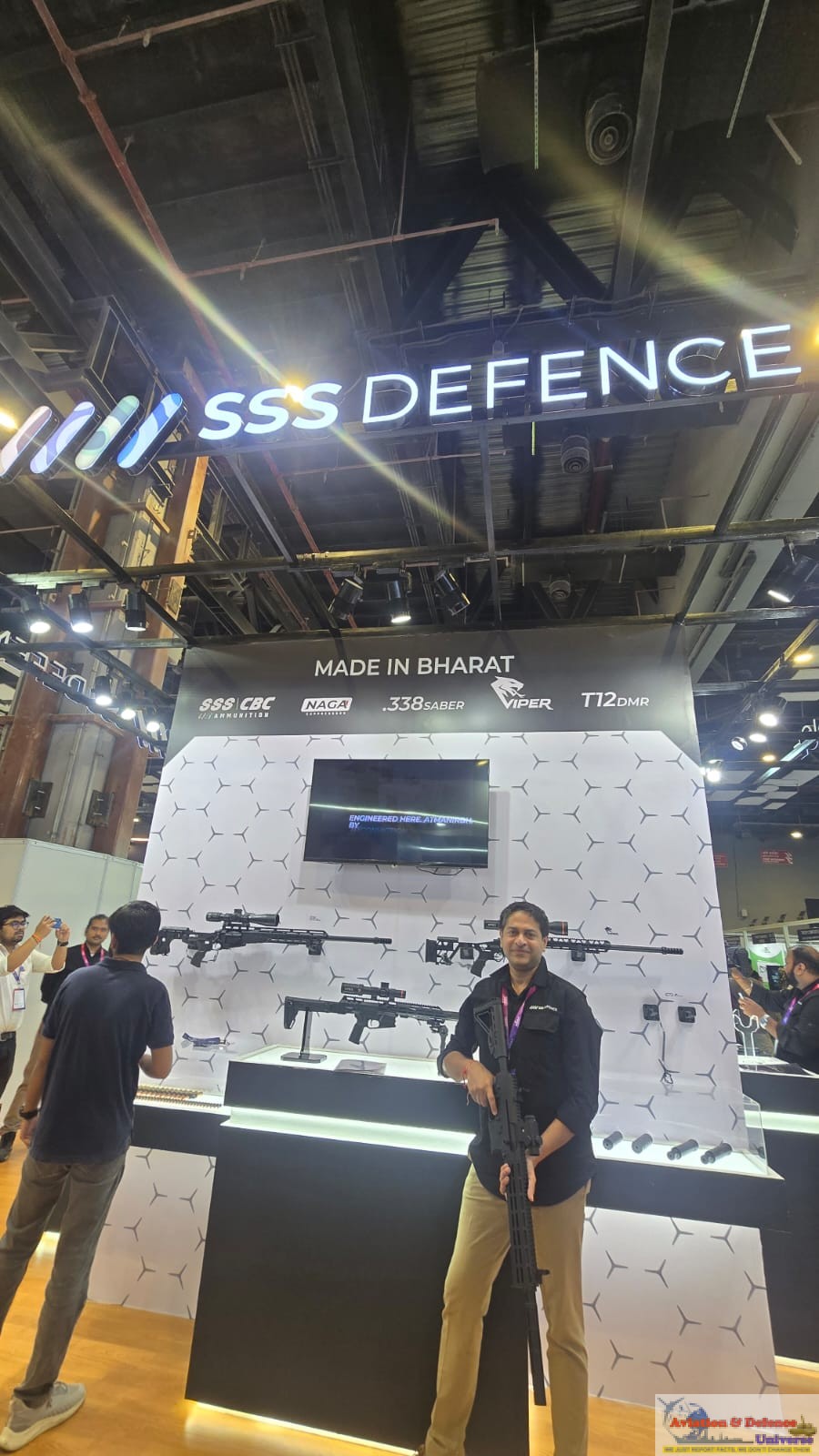
Vivek Krishnan. SSS Defence is a weapons Original Equipment Manufacturer (OEM), and I deliberately emphasise the word “Original.” Original signifies that we own everything associated with our products—from intellectual property to design, development, testing and certification. We are not licensed manufacturers. We are not merely assembling weapons. We design weapons ourselves, manufacture them, conduct the necessary testing and certify them for both domestic and international customers. I would actually go a step beyond the phrase “Make in India.” I prefer to call it “Own in India.” That is the real essence of defence self-reliance.
ADU. Every Police Expo seems to bring a new launch from SSS Defence. What have you unveiled this year?
 Vivek Krishnan. That’s right. We have made it a tradition to launch a new weapon system at every Police Expo. Last year, we introduced one of our Special Forces assault rifles called the Raptor, chambered in .300 Blackout. This year we have launched a completely new precision sniper rifle called Taito. It has been designed specifically for urban sniper and counter-sniper operations. I believe it is possibly one of the quietest precision sniper rifles available anywhere in the world today. The rifle uses the internationally renowned .300 Blackout cartridge, which is widely preferred by Special Operations Forces around the world. It is used by Special Forces in the United States, the Netherlands, Germany, Austria and many other countries. While the rifle was originally conceived for international markets, we are equally hopeful that specialised operational units in India will adopt it. It is particularly suited for organisations responsible for VIP protection, critical infrastructure security, strategic asset protection and specialised urban operations.
ADU. Your stall attracts a tremendous amount of attention at every exhibition. Does this interest eventually translate into business?
Vivek Krishnan. The role of exhibitions in India is somewhat different from those overseas. In India, defence exhibitions are primarily platforms to showcase technologies and capabilities. Customers visit to understand what technologies are available and how industry is progressing. International exhibitions are much more business-oriented. Outside India, exhibitions involve distributors, representatives, channel partners and commercial negotiations. In India, exhibitions are more about demonstrating innovation and engaging directly with prospective users and government customers.
ADU. Everything you manufacture is indigenous? Where are your production facilities located?
Vivek Krishnan. Our weapons manufacturing facility is located in Bengaluru. Our counter-drone and electronic systems are also designed and manufactured in Bengaluru. Our ammunition manufacturing facility is located in Anantapur. The ammunition facility is operated as a joint venture with CBC, which is the world’s second-largest ammunition manufacturer. However, our weapons business is completely indigenous. Everything—from conceptualisation and design to engineering and manufacturing—is carried out entirely by Indian teams. Similarly, our counter-drone capability has also been built from the ground up. One aspect that makes us particularly proud is the amount of reverse brain drain we have achieved. Several highly qualified professionals who were working with leading international aerospace and space organisations have returned to India to become part of SSS Defence.
ADU. Does your manufacturing ecosystem also have an indigenous supply chain?
Vivek Krishnan. On the weapons side, the answer is yes. We do not depend on foreign suppliers. 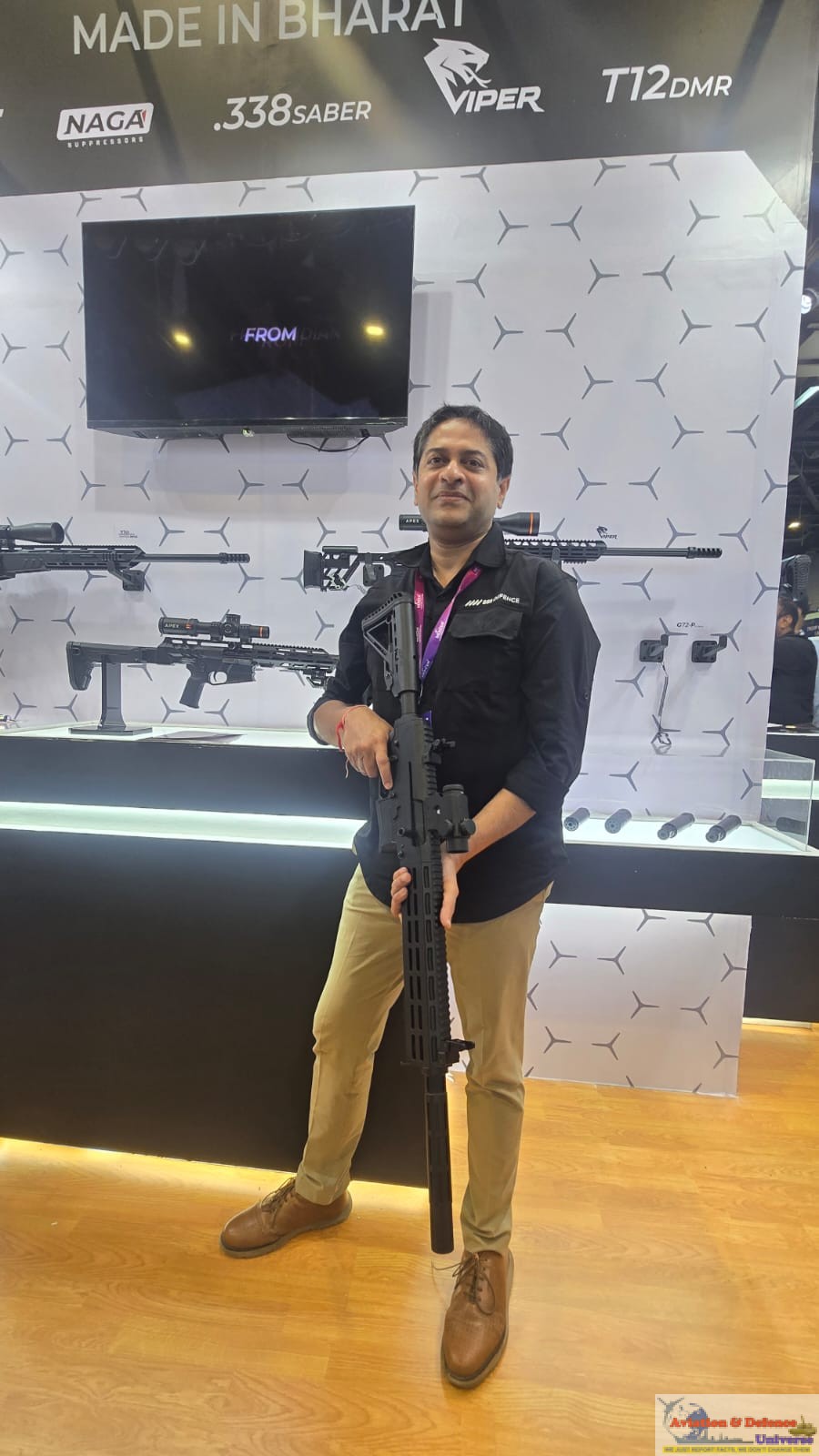 Everything—from steel and aluminium to screws, pins and springs—is manufactured in India. For several years now, we have had no dependence whatsoever on overseas suppliers for weapon manufacturing. The only area where imports continue is ammunition propellant. The reason is purely economic. Given the present market conditions, it is commercially unviable for us to manufacture propellant domestically. Everything else is produced within India.
ADU. SSS Defence has expanded beyond small arms into counter-drone technologies. Tell us more about this capability.
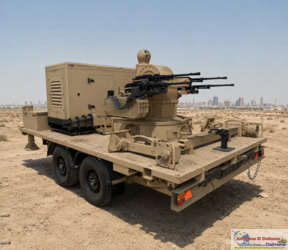
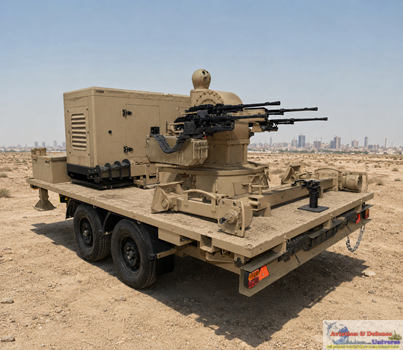
Vivek Krishnan. We entered the counter-drone domain from what I would call a hard-kill DNA. Hard kill simply means the ability to physically neutralise a threat. However, before you can engage a drone, you first have to detect it. That became our biggest technological challenge. If you cannot detect something, you obviously cannot shoot it down. To address this, our counter-drone team developed an acoustic sensing system capable of detecting, tracking and localising drones over long distances. Once the drone is detected, our system integrates with various hard-kill solutions.
These solutions can include a remote weapon station equipped with firearms, micro-missiles or even interceptor drones carrying warheads. The detection, localisation and engagement systems work together as a complete solution. We have now reached the commercialisation stage after several years of intensive research and development. Extensive trials have demonstrated our capability to detect drones at substantial distances. Another important advantage is that our system is passive. Unlike radar, it does not emit signals, making it highly suitable for stealth applications where revealing one’s own position is undesirable. Our customers are not confined to India. We are also engaging with international customers for these technologies.
ADU. Recent conflicts around the world have highlighted the growing drone threat. How has this changed customer requirements?
Vivek Krishnan. The ongoing conflicts have fundamentally changed perceptions. There is now almost 100 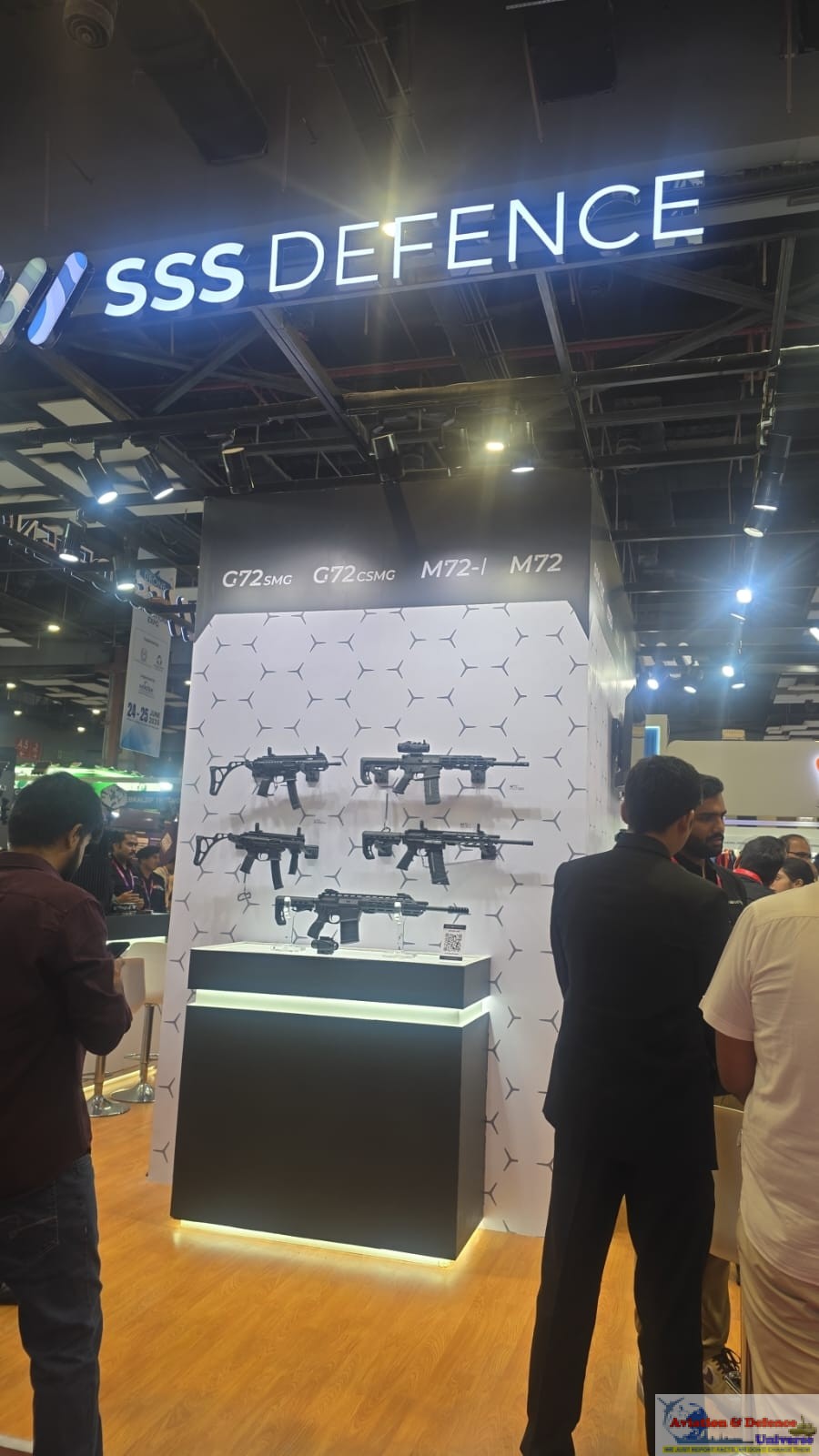 per cent confidence that relying only on soft-kill solutions is no longer sufficient. Two years ago, many people believed electronic jamming alone would solve the drone problem. Today, that belief has largely disappeared. Drone technology has evolved significantly, and many modern drones can overcome traditional electronic countermeasures. As a result, there is increasing recognition that hard-kill capabilities are essential for effective counter-drone defence.
ADU. With conflicts continuing in regions such as the Middle East, has the global security environment created greater business opportunities?
Vivek Krishnan. Absolutely. The answer is 100 per cent yes. Every conflict changes defence priorities. Governments are reassessing their capabilities, modernising their inventories and looking for proven technologies. That naturally creates significant opportunities for companies like ours.
ADU. Which international markets is SSS Defence currently serving?
Vivek Krishnan. Today, we are already exporting to around five countries. The Ministry of Defence of Armenia is a major customer for our weapons and ammunition. The Nepal Army is another important customer. We are also working with another neighbouring country where discussions are progressing well. Beyond the neighbourhood, we are actively engaged in three African countries and one country in Latin America. Most of these contracts are now in the final stages of signing. We expect them to conclude within the next three months, with deliveries scheduled during the current financial year.
ADU. What has been the response from the Indian market?
Vivek Krishnan. We have been fortunate to receive support from several important Indian customers. Our 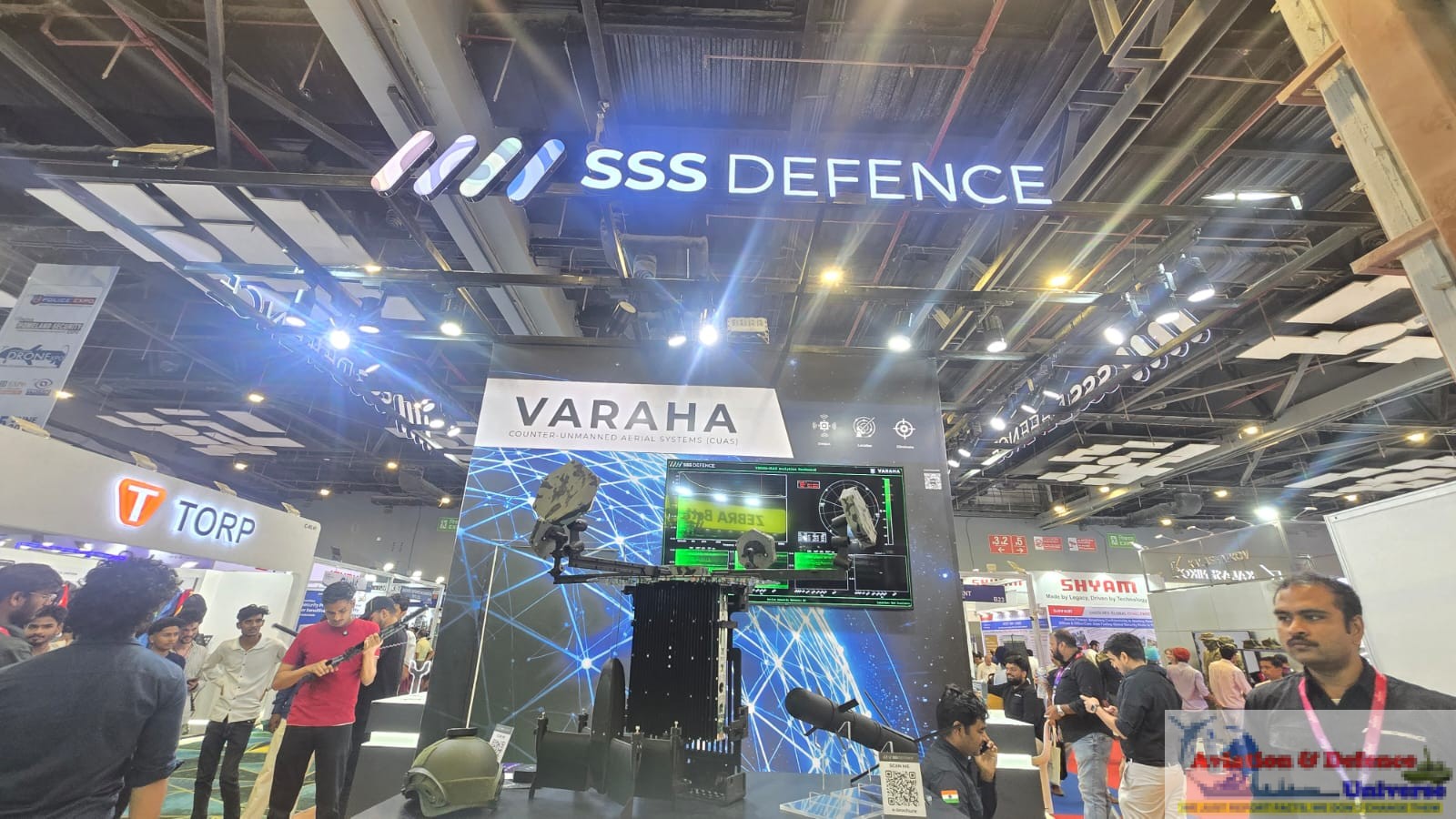 customers include the National Security Guard (NSG), the Indian Army, and the Indian Navy for certain products. Among state police organisations, we work with the Uttar Pradesh Police, Punjab Police, Haryana Police, Meghalaya Police, Telangana Police and Kerala Police, among others. We have also participated in trials for several other organisations, including the Central Industrial Security Force (CISF), the Central Reserve Police Force (CRPF) and the Indo-Tibetan Border Police (ITBP). In a few cases, we successfully cleared all technical evaluations and user trials but were not awarded contracts because we were not the L1 (lowest bidder). That is part of a competitive procurement environment. As manufacturers, we accept it. Successfully completing the trials itself validates the quality and capability of our products. The commercial outcome is a separate matter.
ADU. SSS Defence is no longer known for a single product. Was that always part of the strategy?
Vivek Krishnan. Absolutely. It is very easy for any company to develop one successful product and continue talking about it for years.That has never been our philosophy. Because we own the underlying intellectual property, every new development becomes the foundation for the next generation of products. Over the past decade, we have developed approximately 12 different weapon variants. We manufacture calibres that are common in global markets but were previously unavailable in India. Our objective has always been to provide Indian security forces with better weapon systems while simultaneously building the production capacity required to respond quickly whenever national requirements arise. No one knows when a conflict may begin. When it does, our armed forces should have immediate access to indigenous, world-class systems produced at scale within India.
ADU. What does the complete SSS Defence product portfolio look like today?
Vivek Krishnan. Today, our portfolio covers virtually the entire spectrum of small arms. We manufacture 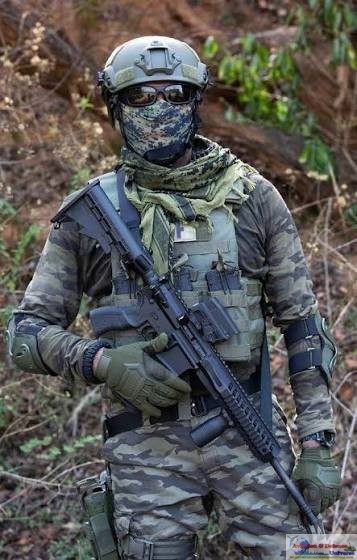 everything from a 9×19 mm pistol to long-range precision sniper rifles. Operationally, our weapon systems cover engagement distances from approximately 10 metres to 1.8 kilometres. Our philosophy has always been to offer complete solutions rather than isolated products, enabling security forces to select the right weapon system for every operational requirement.
ADU. As SSS Defence continues to expand, what is the larger vision for the company?
Vivek Krishnan. Our vision has remained consistent from the beginning. We want India’s security forces to have access to the very best weapon systems designed and built within the country. Because we own the intellectual property ourselves, we can continuously improve our products and respond quickly to changing operational requirements. Every generation of technology becomes the foundation for the next generation. That is how innovation should work. We are committed to ensuring that India not only becomes self-reliant in defence manufacturing but also emerges as a global supplier of advanced weapon systems. Equally important is our ability to scale production. No one can predict when conflicts or security challenges may arise. When they do, Indian armed forces and security agencies should have immediate access to indigenous weapon systems manufactured at scale within the country. That is where we see SSS Defence playing a significant role.
ADU. Is there anything we may have missed that you would like to add?
Vivek Krishnan. I think we’ve covered most aspects of what we do. Ultimately, our focus remains on building technologies in India, owning the intellectual property ourselves and continuously innovating for the benefit of both Indian and global customers. The defence sector is evolving rapidly, and our objective is to remain at the forefront of that transformation by delivering indigenous solutions that meet international standards.
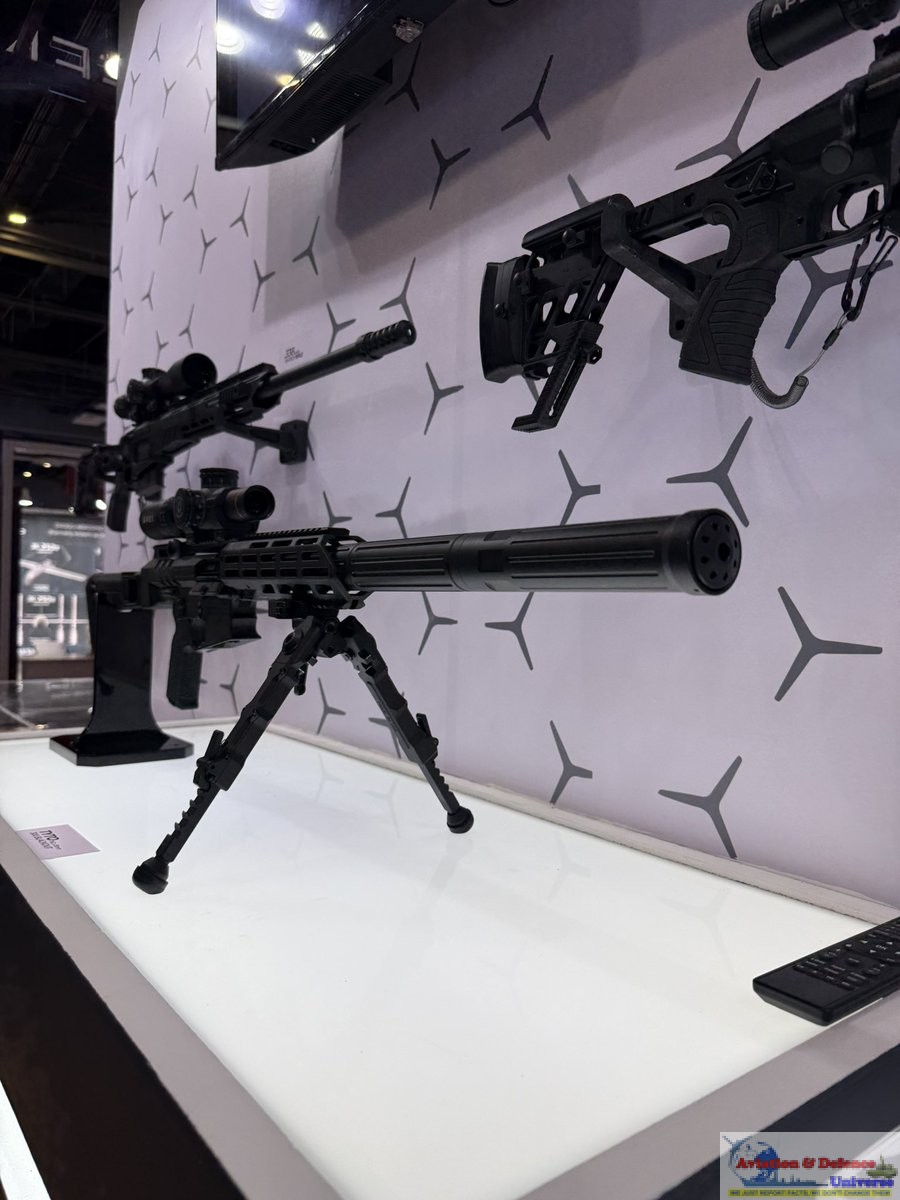 India’s defence manufacturing ecosystem is steadily moving beyond licensed production towards original design, indigenous intellectual property and globally competitive technologies. SSS Defence exemplifies this transformation through its commitment to designing, engineering and manufacturing its own weapon systems, ammunition and counter-drone technologies. As Vivek Krishnan explains, true self-reliance is not merely about manufacturing in India but about owning the underlying innovation that drives defence capability.
For decades, iconic firearms became part of popular culture not because of their technical specifications alone, but because cinema transformed them into symbols of character and identity. The Beretta, for example, became synonymous with the early James Bond films, embedding itself in the imagination of audiences worldwide. As India develops world-class indigenous defence products, companies such as SSS Defence have an opportunity to create a similar cultural identity around “Made in India” engineering—not by promoting weapons themselves, but by showcasing Indian innovation, precision manufacturing and technological excellence. If future Bollywood productions featuring military, police or special operations characters authentically depict Indian-designed equipment, audiences could begin to associate these homegrown platforms with professionalism and national capability in much the same way Hollywood once popularised European firearms. Such visibility would not replace technical merit or operational validation, but it could help elevate Indian defence engineering into the public consciousness, making indigenous innovation the real hero of the story.
As told to Sangeeta Saxena









































































-A4-Size-(2)_page-0001.jpg)