


















- Drone Swarms, Smart Missiles and AI: The Emerging Face of Warfare
- Lessons for India from Ukraine, Iran and the Middle East Wars
- Preparing for Sindoor 2.0: Why India Must Embrace Drone Dominance
By Cmde Ranjit B Rai
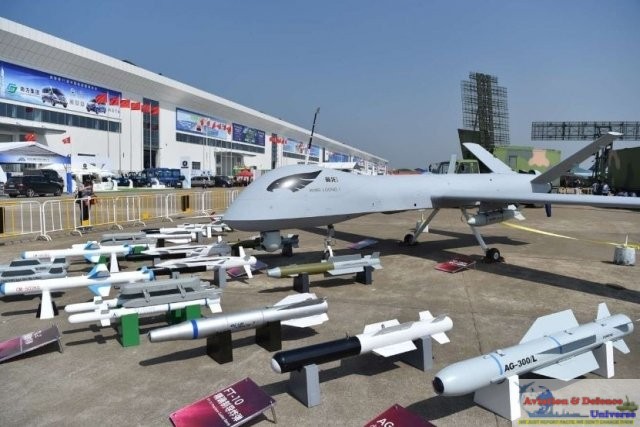
New Delhi. 24 June 2026. A semblance of peace has descended in the Middle East with an MOU between the USA and Iran. Russia’s military operation against Ukraine that began in 2022; the USA’s Op ‘Midnight Hammer’ aerial strike on Iranian nuclear facilities in June 2025; and the four-month-long USA’s ‘Operation Epic Fury’ and Israel’s ‘Operation Roaring Lion’ attacks against Iran from 28th February, 2026, have highlighted massive use of drones, bombs, and missiles, with high grade intelligence and GPS. In simple terms, a drone is an aircraft without a pilot. The details of drone warfare are being studied worldwide. Orders for drones are zooming, even in India.
 ll recent operations, including India’s Op Sindoor in May 2025, have demonstrated that inexpensive missiles and drones (including loitering and Kamikaze drones) equipped with Inertial Navigation Systems (INS) and GPS can hit targets with precision. USA’s Global Position System (GPS), Russia’s GLONASS, China’s Beidou (BDS), and Europe’s GALILEO are open to the world but not to M-grade GPS, which cannot be jammed or spoofed to send a weapon away from the target. India’s NAVIC/IRNSS satellite system is incomplete and restricted to a 1,500 km radius. China, it is reported, provided Bediou GPS with M-grade accuracy to Iran. India’s military has access to Russia’s GLONASS.
 Wars and conflicts give rise to new technologies and weapons, leading to what Soviet Marshal Nikolai Ogarkov called a “Military-Technical Revolution” (MTR) in the 1980s. In the 1990s, US strategist Andrew Marshall studied the Gulf Wars and how emerging technologies such as precision-guided munitions, space systems, and microelectronic chips) fundamentally altered the nature of war and termed it RMA (Revolution in Military Affairs). In all wars and conflicts, intelligence plays a big role in pinpointing targets, and human and technical intelligence provide exact latitudes and longitudes in real time for drone and missile attacks with no human in danger.
 Creditably, Iran long anticipated the war with threats from Israel and the USA and was apparently ready for it. Iran did not capitulate as President Trump had anticipated with the CIA’s inputs. Despite sanctions, Iran managed to have drones and missiles and command and control capability even after losing its top leadership to target US military bases, airfields, aircraft, and assets, and even claimed they struck the 100,000-ton aircraft carrier USS Ford not far from the Oman Sea, and an E-3 Sentry Boeing 707 at the Prince Sultan Air Base in Saudi Arabia.
Iran definitely had China’s support for communications and intelligence, as Iran exports oil to China in exchange for funds, technology, and military equipment. Russia supplied Iran with delta-wing Geran-2 drones, which were manufactured locally by Shahed Aviation Industries at the Alabuga SEZ Plant in Tartarstan. Iranians upgraded them to the Shahed-136 design and successfully used them. President Putin admitted Russia provided Iran with intelligence at the Economic Forum held in St Petersburg in early June, 2026. Iran also secretly managed to refine 600 kilograms of uranium to U-239 and has stored it underground. There are lessons for India for the NSA to do an assessment in camera of India’s intelligence data in retrospect of Iran’s military capabilities.
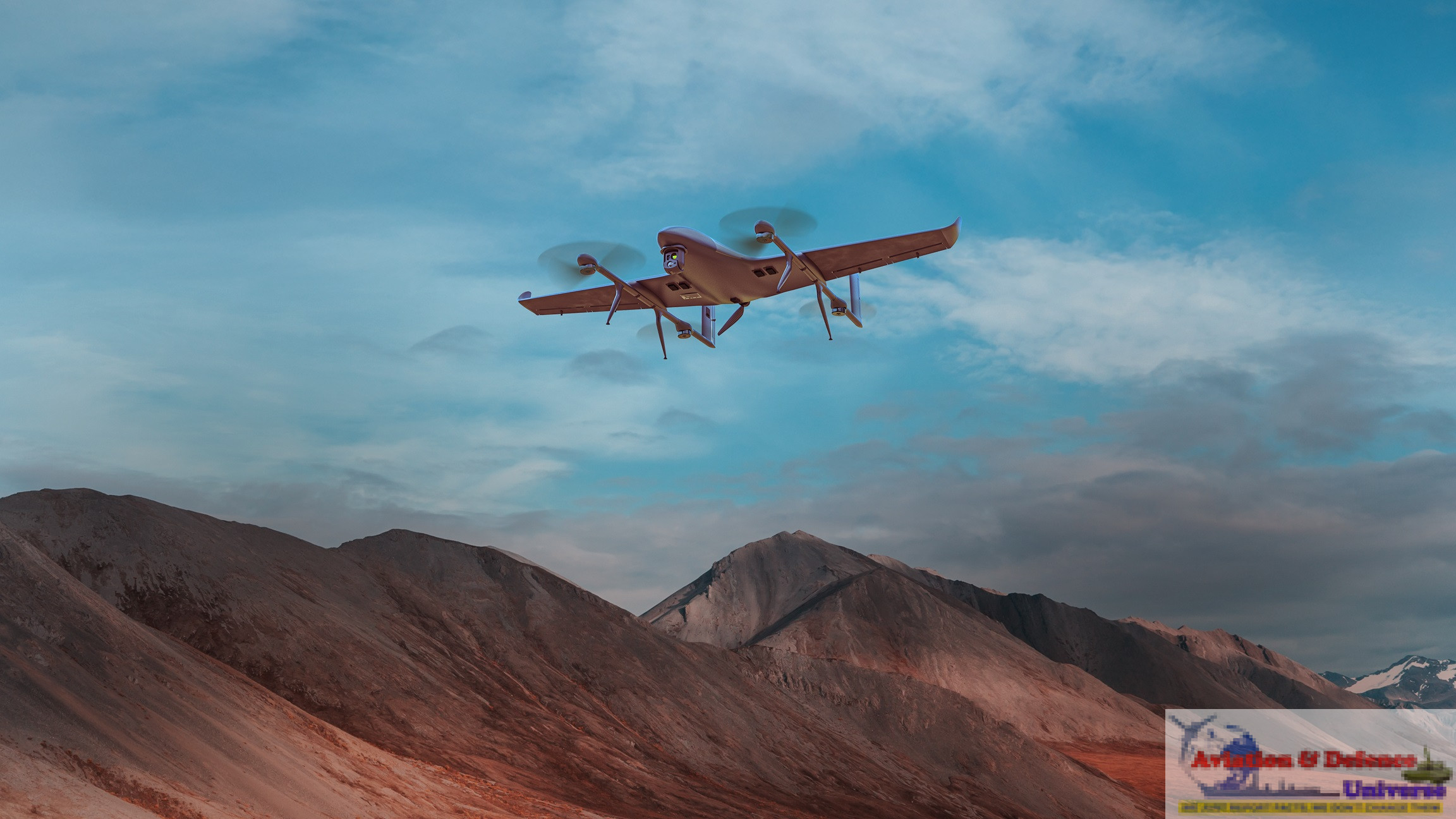
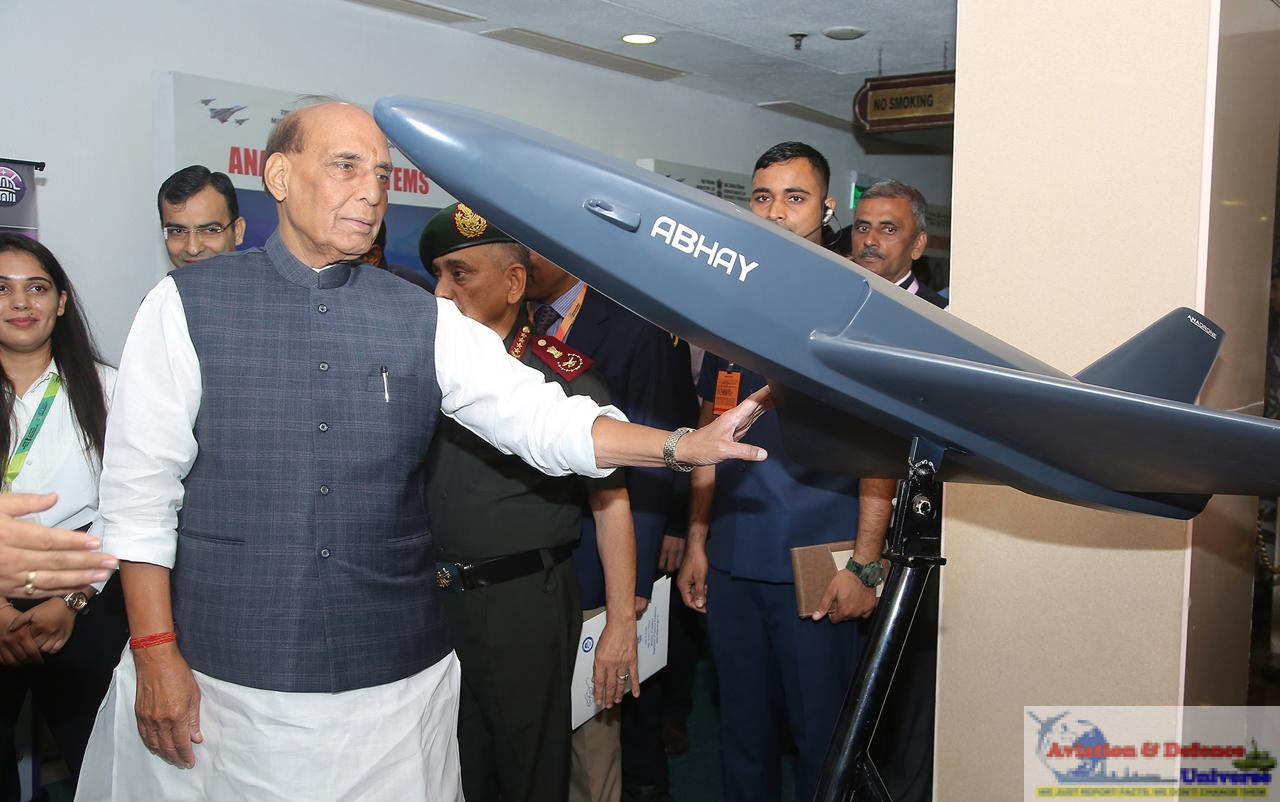 As control technologies have improved, drone and even small missile costs have fallen; their use has expanded across various fields in peace and war, and anti-drone and anti-missile systems are part of RMA. In India, drone defence, anti-drone measures, and ballistic missile defense are being given importance. The Indian Navy has long employed INS for navigation across all its submarines. The INS system, with gyroscopes, follows the path and distance set on torpedoes, drones, and missiles to the target. Inertial gyros drift, and the on-board GPS receiver, which, if fitted, corrects the INS position using a Kalman filter, an algorithm that estimates the true state of a system over time by combining physical predictions (like speed and direction) with the sensor data (like GPS or radar). In the final attack, photo-printing recognition of the target can also be used. India’s DRDO has this incorporated in some of India’s missiles, and the next step is to incorporate AI.
India’s Operation ‘Sindoor’ and The Reaction in Pakistan
The world applauded Prime Minister Narendra Modi’s leadership in India’s well-executed 87-hour Blitzkrieg Operation Sindoor 1.0 from 7th May,2025. India unleashed 7 precision-guided Brahmos and other missiles using Inertial Navigation Systems (INS) and Global Positioning Systems (GPS) from land-based launchers and IAF aircraft in a 25-minute window from 1.25 am that precisely struck the locations of the LET, Jaish-e-Mohammed, and Hizbul camps in Muzaffarabad, Kotli, Bhimber, Muridke, Bhawalpur, and Sialkot.
 In a call on the night of 9th May, PM Narendra Modi stated Vice President JD Vance warned him of a ‘huge’ impending attack by Pakistan, and he replied that it would cost them a lot, and it did till the ceasefire on 10th May, which President Trump claims credit for. The world worries that a nuclear exchange could take place in an India-Pakistan war. Pakistan retaliated with drone and aircraft attacks with Beyond Visual Range (BVR) missiles of Chinese origin, but with no success as India’s Akashteer system S-400s, Akash and Spyders AA systems responded. In retaliation, the Indian Air Force planes with BVR weapons attacked 11 Pakistani airbases, including Nur Khan (Chaklala), Rafiqui, and Sargodha, and damaged runways and destroyed operational infrastructure. Sindoor 1.0 was ceased, not ended.
In Pakistan, the military has a say in its policy towards India, and the self-upgradation of Gen Asif Munir to Chief of Defense Force (CDF) and Field Marshal on 20th May 2025, soon after Sindoor, has been analysed. The Pakistan military supported the promotion after Sindoor 1.0, as PM Shebaz Sharif restrained the military from launching a conventional missile towards Gujarat to deter India. It was unlike ‘Op Swift Retort’ after the IAF’s precision ‘Op Bandar’ attack on a Jaish-e-Mohammed (JeM) terrorist camp in Balakot on 26th February, 2019, with Mirage 2000s firing Israeli-made SPICE 2000 (Smart, Precise Impact and Cost-Effective) precision-guided munitions (PGMs), a response to the Pulwama terror attack on 14th February, 2019.
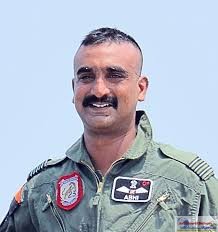 After Op Bandar, the Pakistani Chiefs approached PM Imran Khan for permission to respond, and after consulting US and Chinese intermediaries, Imran Khan permitted forces to act without crossing the Line of Control (LOC). Pakistan Air Force (PAF) launched ‘Swift Retort’ with 24 aircraft on 27th February, 2019, which resulted in the shooting down of a Mi-17 helicopter in Srinagar with 11 personnel by our own Spyder system called ‘Blue on Blue’, and a MiG-21 by a PAF-F-16, and the capture of Wing Commander Abhinandan Varthaman. He was paraded in Pakistan and returned at the Wagah border, and Pakistan claimed no damages and won the narrative, despite the loss of a PAF F-16 and its pilot. The media reported the return was at the USA’s goading. The USA has always feared that a war between India and Pakistan may go nuclear. The 1971 war and the 1999 Kargil war saw the USA broker a UN ceasefire, and Trump’s repeated claim that he facilitated it in Sindoor will be tested only if diplomatic messages and phone calls exchanged are released.
On 30th May, 2026, COAS General Upendra Dwivedi issued a stern warning to Pakistan, saying, “The Indian Army and all the three services are preparing well for Op Sindoor 2.0, if it takes place.” It needs noting that The Times of India (TOI) on 12th August 2025 had reported how Gen Asif Munir in Florida on a visit to the USA said, “If we go down” …Pakistan threatens to target RIL’s Jamnagar Refinery, showing intent to hit India’s economic assets.
Lessons for India’s Military and Strategic Leadership for Sindoor 2.0
Precision missiles and Swarm attacks by drones in Ukraine and Russia have created havoc, and missile and Drone attacks in the Iran war on US bases in the Middle East have proved successful to make the USA come to the table and sign an MOU. The USA used F-15 and B-2 bombers to drop cheap 500 kg bombs near ships trying to break through the US naval blockade. US warships remained off the Oman Sea, avoiding action near the Hormuz Straits.
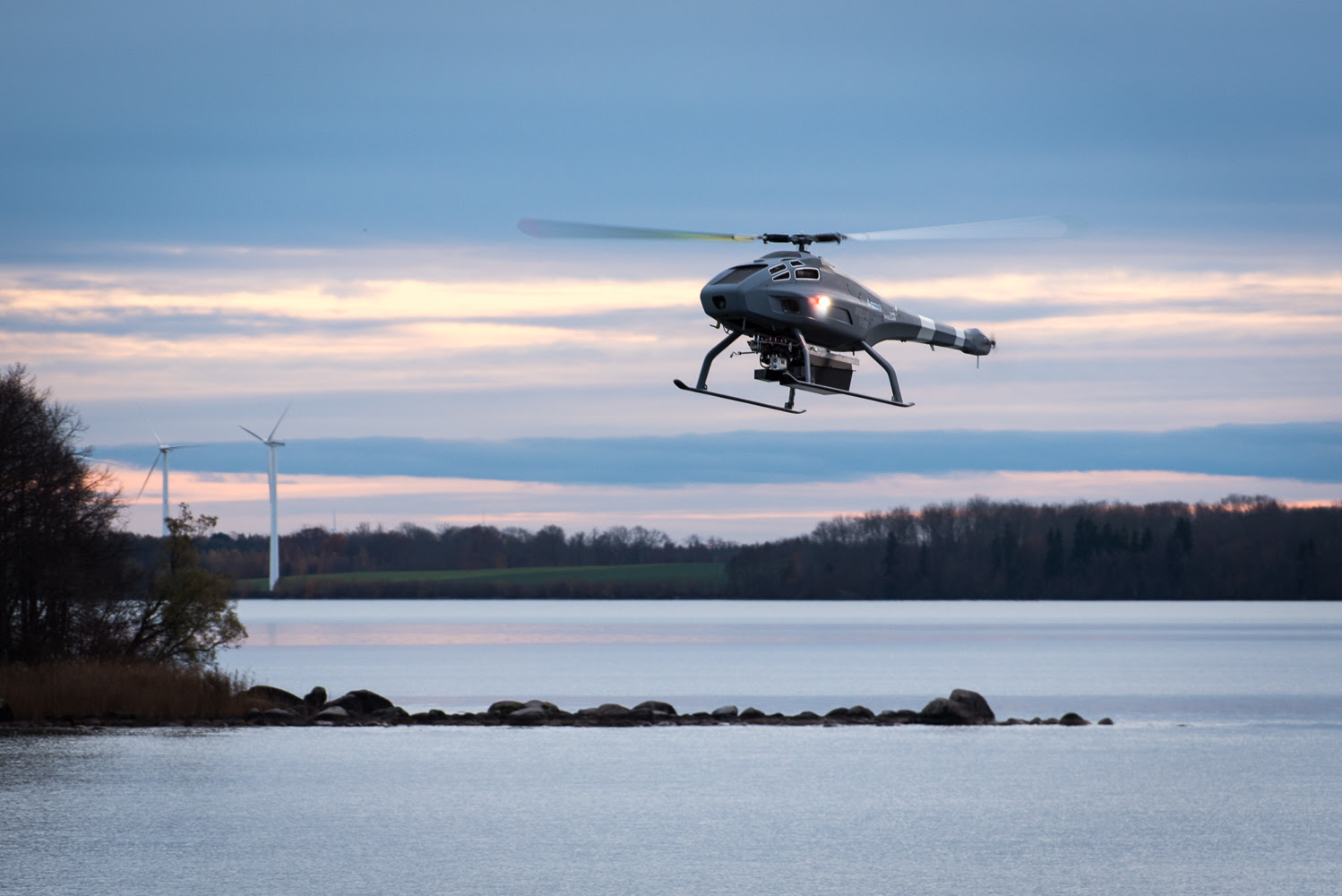 The Stockholm International Peace Research Institute (SIPRI) has released its Yearbook 2026, which shows that India has expanded its nuclear arsenal beyond Pakistan’s 170 to 190 warheads as of January 2026. No nation discloses its nuclear weapon strength or arming policy, especially on nuclear submarines, as ambiguity is part of nuclear deterrence. India will have to study the RMA and bear in mind that for Sindoor2.0, Pakistan will use its proximity to Iran and Turkey to learn lessons of drone and missile usage. Nations are preparing to establish UAV Drone regiments with more Ground Data Terminals (GDT). The USA has planned a Drone Command. Western countries are rebuilding weapons and drone stockpiles, and security alliances are being reshaped in Europe and between China, Russia, and even North Korea. Turkey, which is a NATO member, and Ukraine are seeking to capitalize on the growing global demand for drones and anti-drone systems, and could supply. Indian Armed Forces must prepare with the RMA for DRONE DOMINANCE.
(Cmde Ranjit B Rai Retd is an Author and Curates a Maritime Museum at C 443 Defense Colony, New Delhi. His latest book, India’s Elephant and China’s Dragon Navy with Neil Harvey, is now an eBook on Amazon ISBN 978-93-49834-73-3 for Rs 699/. Views are personal to the author.)






































































-A4-Size-(2)_page-0001.jpg)