


















- Calls Data Sovereignty India’s Next Strategic Frontier
- Data, Defence and Digital Dominance portray power
- Sovereign Data Centres and IP Ownership Take Centre Stage at CENJOWS
By Sangeeta Saxena
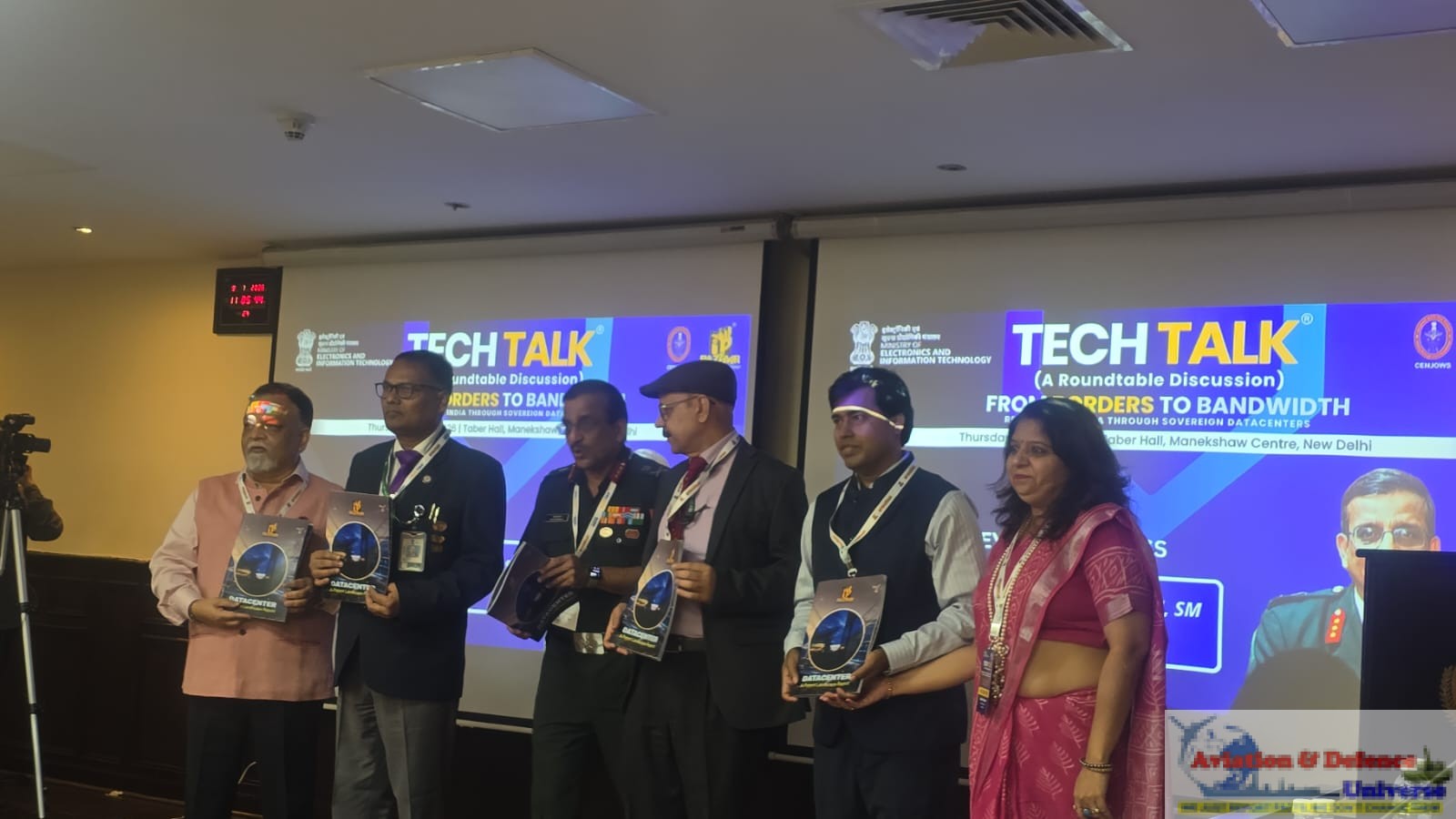
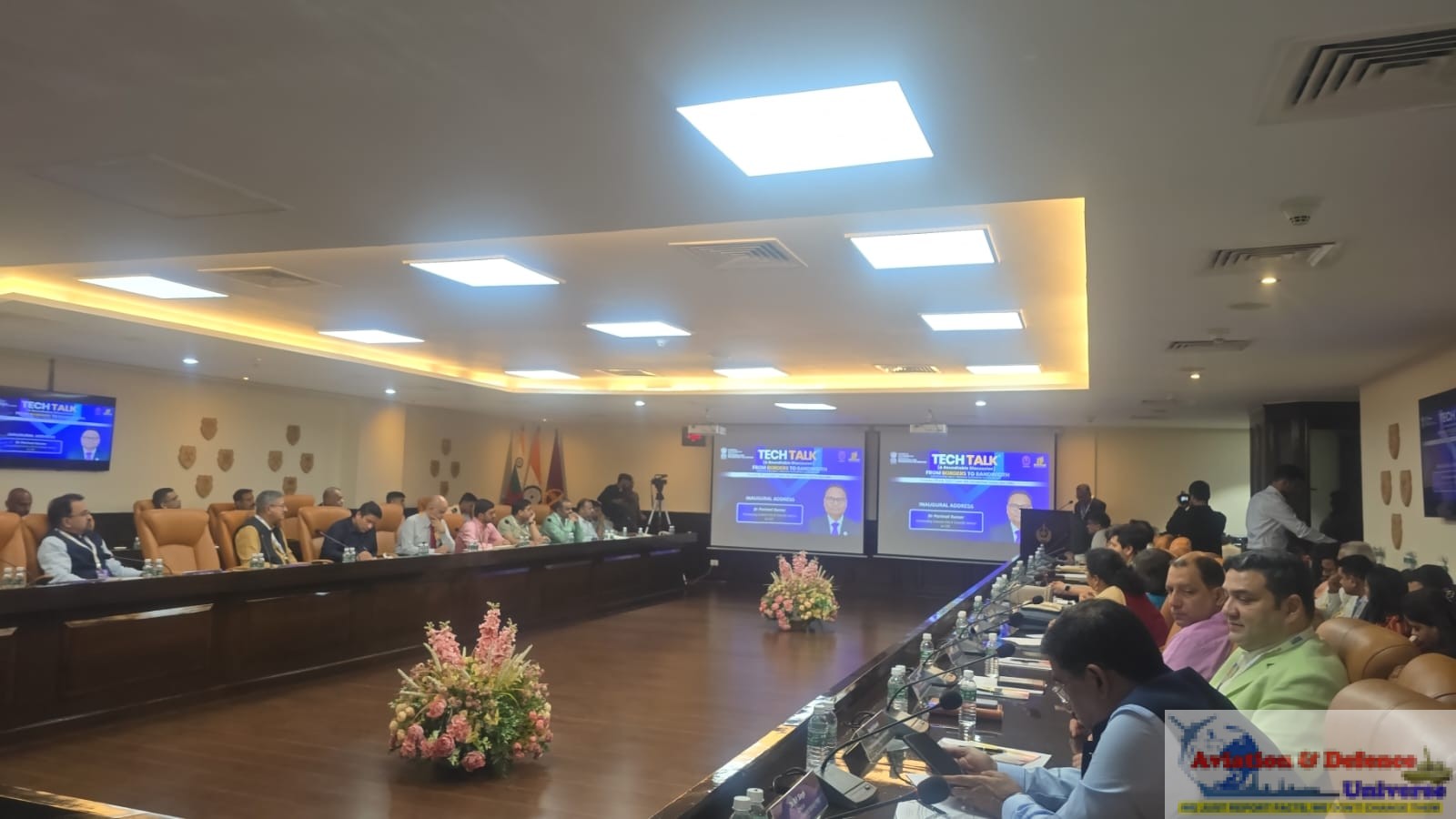
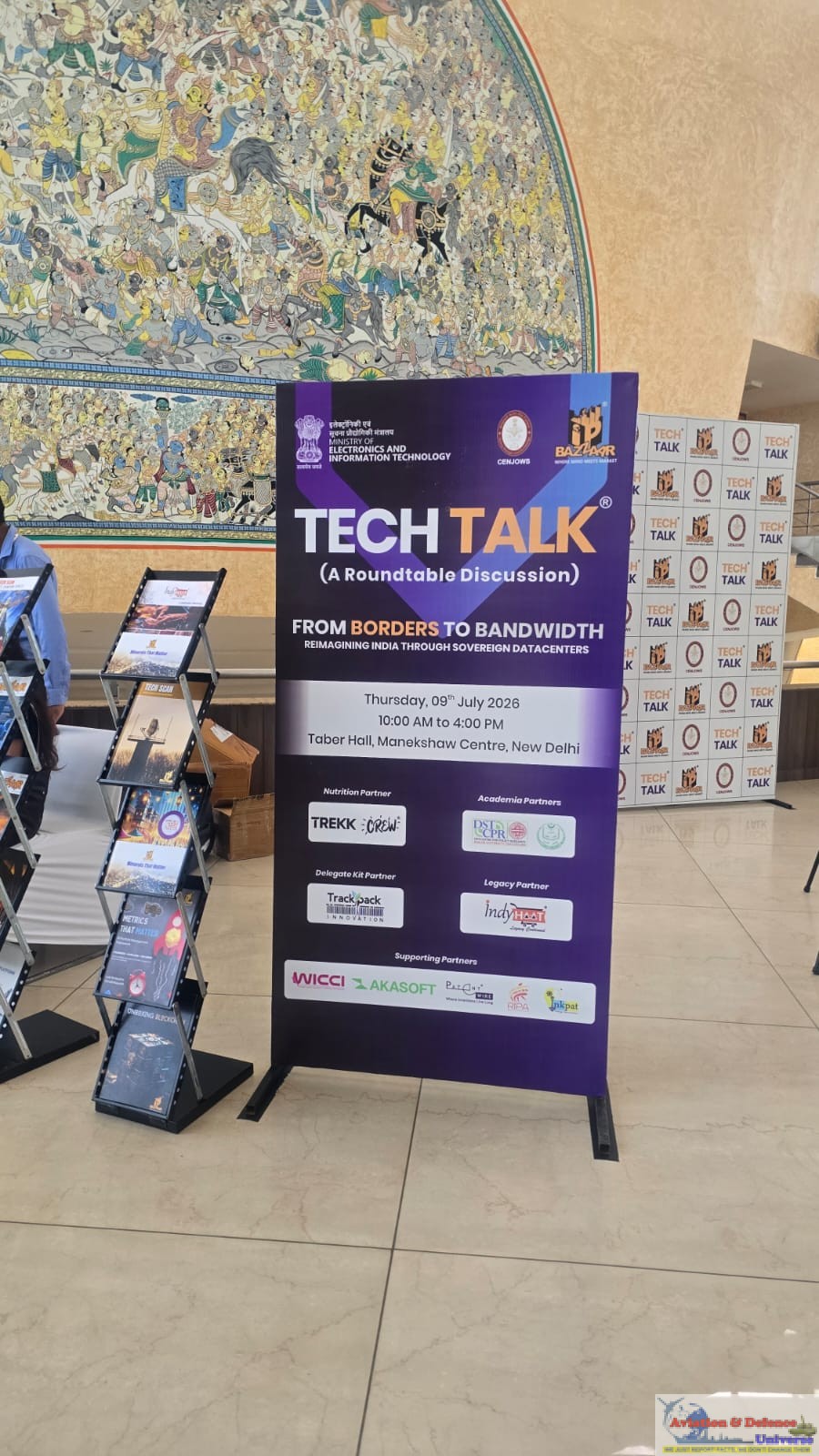
New Delhi. 09 July 2026. It was a roundtable with a difference. Instead of discussing tanks, missiles or next-generation weapon systems, the focus shifted to an invisible strategic asset that increasingly determines the outcome of modern warfare and national competitiveness—data. Organised jointly by the Centre for Joint Warfare Studies (CENJOWS), IP Bazaar and the Ministry of Electronics & Information Technology (MeitY), the day-long Tech Talk-cum-Roundtable Discussion on “From Borders to Bandwidth: Reimagining India Through Sovereign Data Centres” brought together military leaders, policymakers, scientists, intellectual property experts and industry to examine how data sovereignty, patents, indigenous technologies and intellectual property ownership have become inseparable from national security.
 The discussions made one point abundantly clear that the future of strategic autonomy will no longer be determined solely by territorial integrity or military strength. It will increasingly depend on who owns the data, who controls the digital infrastructure, who develops the technologies, and ultimately, who owns the intellectual property behind them.
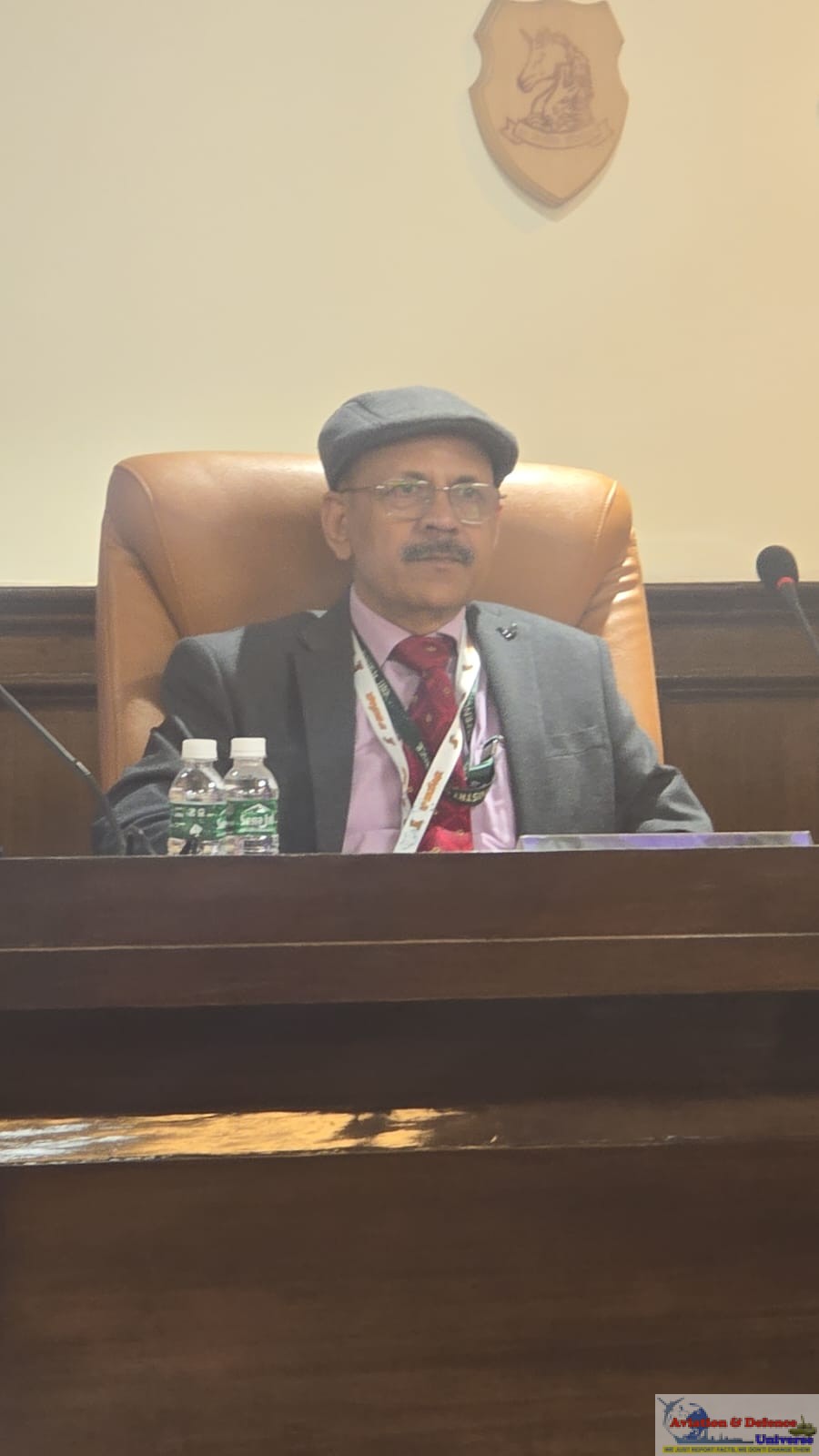
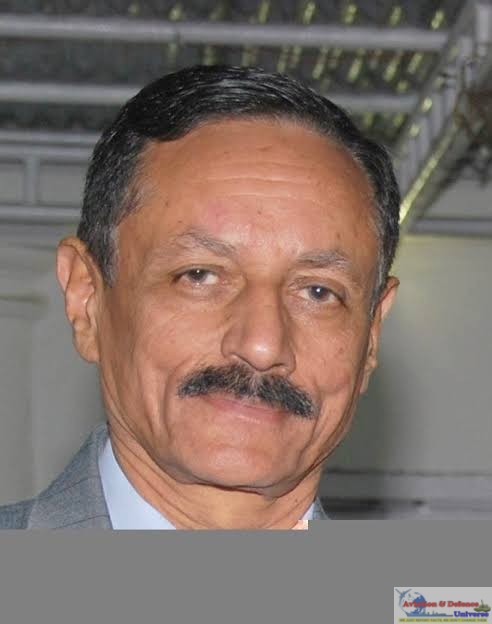
Welcoming the distinguished gathering, Maj Gen Ashok Kumar (Retd.), Director General, CENJOWS, immediately set the tone by explaining that the discussion was far more than an exercise in information technology—it was about safeguarding India’s strategic future in an era where conflicts are increasingly driven by information superiority rather than conventional firepower.
Describing the changing character of warfare, he observed, “The recent Tech Talk-cum-Roundtable Discussion, ‘From Borders to Bandwidth: Reimagining India Through Sovereign Data Centres,’ jointly hosted by CENJOWS and IP Bazaar, highlighted a critical shift in national security. The intensive deliberations concluded with a resounding consensus that India’s strategic autonomy in the 21st century will be decided as much by our digital infrastructure as by our physical frontiers.”
Drawing from decades of military service, the former General reflected on how the very definition of sovereignty is evolving. “For those of us who have spent our professional lives in uniform, sovereignty has traditionally been measured in territory, airspace and maritime domains. Today, we must recognise a critical new layer. A nation’s strategic space now encompasses its data, algorithms, computational infrastructure and the intellectual property that powers them.”
 He emphasised that while physical borders continue to matter, future conflicts will increasingly be won through superior digital capabilities. “The physical border remains vital, but the digital bandwidth has become paramount. The battlefield remains physical, but increasingly, the decision advantage is digital.”
Explaining how modern military operations function, he highlighted that today’s battlefields generate unprecedented volumes of information through satellites, drones, sensors and intelligence networks. “Collecting information is only the opening move. The true military advantage lies in storing it securely, processing it rapidly and delivering it to the right decision-maker at the right time. In future conflicts, the side that sees first gains an edge, the side that understands first gains a greater advantage, but the side that decides and acts first will ultimately shape the outcome.”
Maj Gen Ashok Kumar therefore argued that sovereign data centres must be viewed as strategic national assets rather than ordinary IT infrastructure. “This is why sovereign data centres are not merely commercial assets or IT solutions; they are foundational pillars of national security. Relying on external technologies and overseas control points creates a fragile equilibrium. Economic strength is necessary for national power, but it is no longer sufficient. True comprehensive national power requires absolute technological sovereignty.”
Building upon this strategic perspective, Dr Parimal Kumar, Outstanding Scientist and Scientific Advisor to the Chief of Integrated Defence Staff (CISC), explained that the event was intentionally designed to examine the relationship between digital infrastructure and national sovereignty.
Clarifying that the discussion extended well beyond patents, he remarked, “Today, we are having this Tech Talk. It is not only on patents, but it is on ‘From Borders to Bandwidth’. It basically says that not only physical infrastructure but the security of the bandwidth also leads to the sovereignty of our country.” Referring to lessons emerging from contemporary conflicts, Dr Kumar underlined how warfare itself has evolved.”In the recent wars we have seen that non-contact warfare is becoming increasingly important. Electronic warfare, cyber warfare and cognitive warfare are now central to military operations.” He explained that whether decisions are taken by humans or increasingly assisted by Artificial Intelligence, they ultimately depend upon trustworthy data. “Decision-making, whether by man or machine, is based on processing of data. When we say data, data storage becomes very important. There comes the role of data centres and their sovereignty.”
 Dr Kumar stressed that secure and sovereign infrastructure builds operational confidence across the armed forces. “If we are able to create a sovereign infrastructure on which we have reliable and secure data, then our users and services will have confidence that the decisions they are taking are based on data that is totally sovereign, uncompromised and reliable. That will lead not only to technological self-reliance but also to economic and military self-reliance.” Calling the workshop particularly timely, he noted that the diffusion of new ideas into institutions requires sustained engagement. “Percolation of any idea takes time. Tech talks like these are one way of creating awareness. Slowly these ideas influence policy, and once they become part of our work culture, they truly percolate.” Reiterating the central message of the inaugural session, he concluded, “We need to give importance to the sovereignty of bandwidth.”
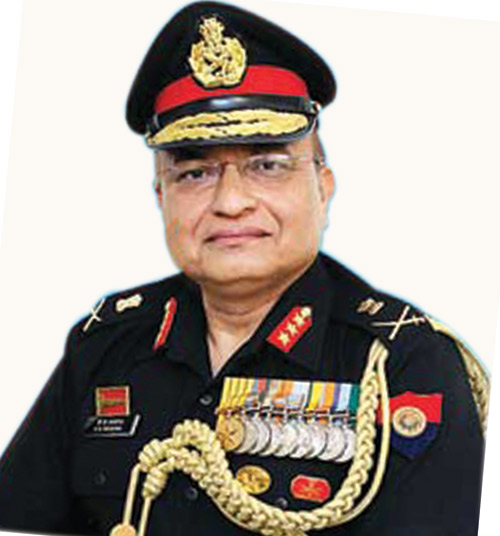
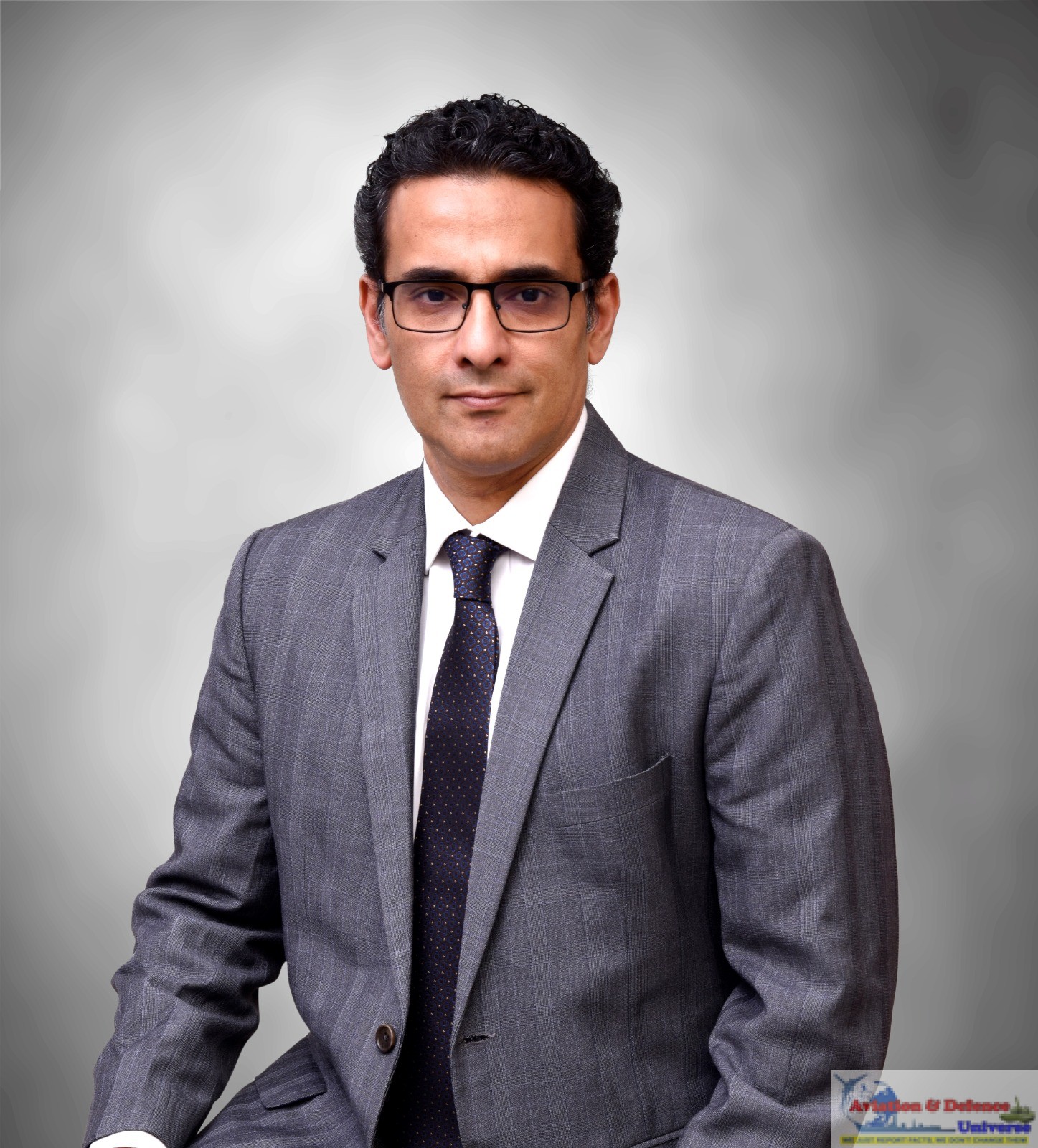
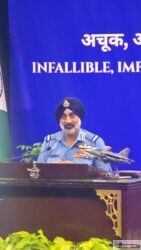
If Maj Gen Ashok Kumar established that data sovereignty has become central to national security and Dr Parimal Kumar explained why bandwidth now defines strategic autonomy, Lt Gen Vipul Singhal, Deputy Chief of Army Staff (Information Systems & Technology), took the audience into the operational heart of the issue. His keynote demonstrated how data has transformed warfare itself and why sovereign data infrastructure is now indispensable to military decision-making.
To illustrate how dramatically data management has evolved, he narrated an engaging anecdote from his early years in uniform. Recalling his days as a young company commander in the late 1980s, he spoke of maintaining accounts in handwritten notebooks before technology gradually entered Army units. “When I came back to my regiment after four or five years, I asked for the old register. The senior JCO looked at me and said, ‘Sahab, ab copy nahi hai… ab hamare paas floppy hai.’ We had moved from copy to floppy.” The anecdote served as a bridge to a far larger point—the extraordinary pace of technological transformation over the past three decades. Reflecting on his first military exercises as a young lieutenant, Lt Gen Singhal contrasted yesterday’s battlefield with today’s AI-enabled operations room. “Thirty-five years ago my first war game unfolded in a room dominated by large paper maps. Information arrived through handwritten notes and verbal updates. Young officers marked information manually, commanders studied the maps, took decisions and then operations followed.”
Today, he said, the environment has changed beyond recognition. “Today when I walk into an operations room, it looks like Star Wars has come alive.” Describing the modern command centre, he explained how live feeds from UAVs, drones, thermal imagers and multiple sensors are streamed continuously to commanders. “Data is being streamed continuously in real time. It is analysed by an AI layer which provides options to the commander for decision-making.” The famous military **OODA Loop—Observe, Orient, Decide and Act—**has compressed dramatically. “The OODA cycle is not able to breathe at all. Even seconds matter because exactly the same thing is happening in the adversary’s operations room.”
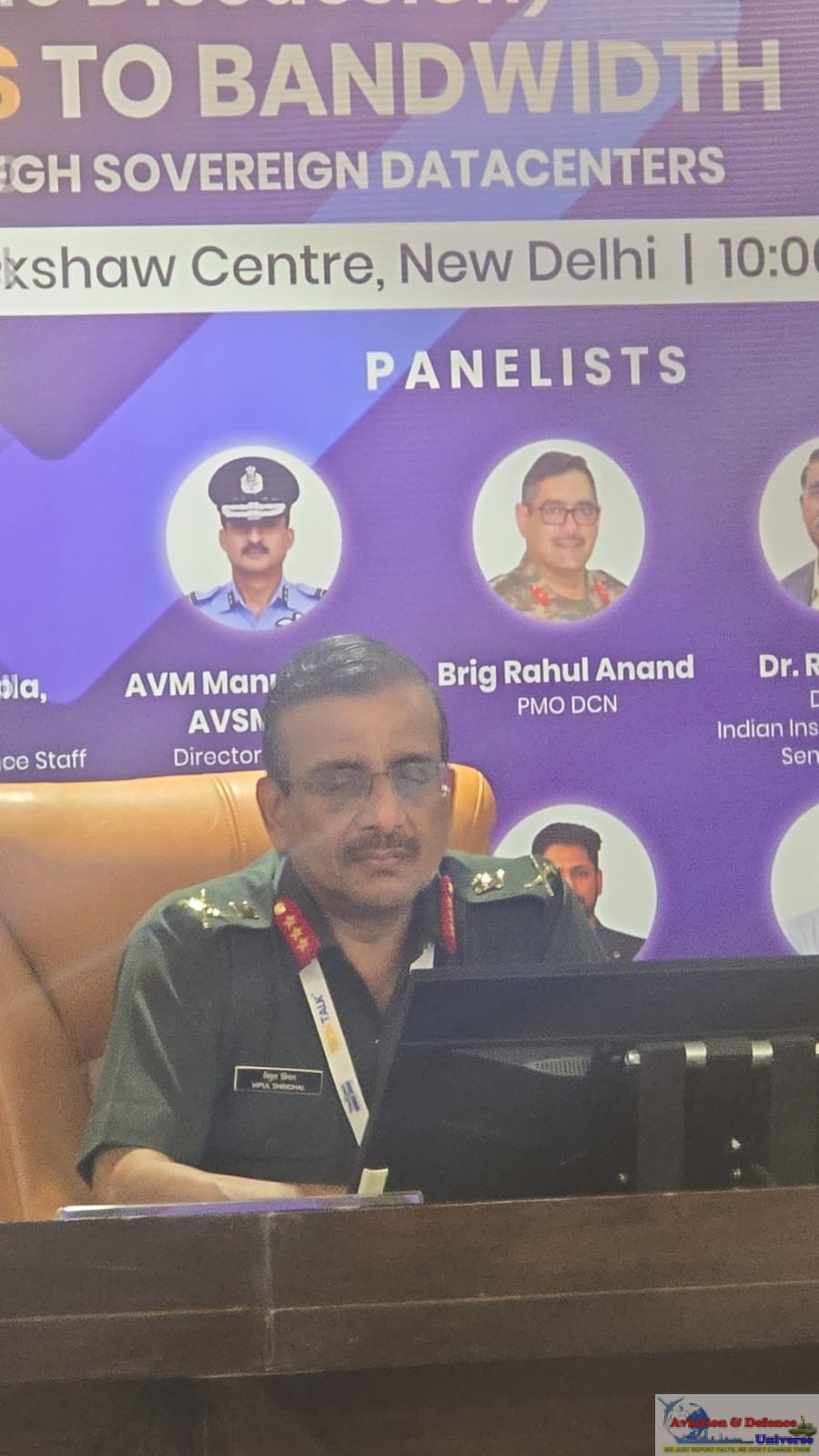 Having established the centrality of data to battlefield success, Lt Gen Shinghal explained why data sovereignty is now a military necessity rather than merely an IT concern. “The commander must have confidence that the data he is using is sovereign. It should reside within our own country, our own premises. It should not be manipulated or hallucinate. It should remain secure and available whenever required.” He revealed that the Indian Army is already building a layered digital architecture to support future operations.
“Today in the Indian Army we are creating National Data Centres, Digital Data Centres in our Command Headquarters and Edge Data Centres even further forward.” These facilities, he explained, are designed not merely to store information but to build an intelligence repository that will support commanders during conflict. “The data collected during peacetime will be used in war, conflict or operations to compare incoming information and provide decision support.” Lt Gen Singhal argued that data centres should now be viewed in the same category as traditional strategic infrastructure. “Data centres today are not just places which store data. They are strategic assets. They are like ports, communication centres and airfields. They are equivalent to that level of importance for the Indian Armed Forces.”
Acknowledging that India entered the AI and data infrastructure race later than countries such as the United States and China, he viewed this not merely as a disadvantage but also as an opportunity. “We have been a little behind the curve in analysing, structuring and storing data as well as in AI. But this also gives us an advantage—we can learn from the mistakes made elsewhere.” He referred to recent conflicts to demonstrate why security must become integral to infrastructure planning from the outset. “Amazon data centres in Bahrain and the UAE were physically targeted. Physical and cyber security must be designed into our data centres from the beginning. Retrofitting later is far more expensive.”
Suggesting that India think innovatively rather than imitate others, he observed that the country’s diverse geography offers unique opportunities. “We have deserts, mountains, forests and tunnels. We must think how to leverage India’s geography to hide and secure our data centres.” Drawing lessons from ongoing geopolitical conflicts, he added, “Iran has survived because of a highly distributed security architecture. That is something we probably need to learn from.”
He also welcomed the Government’s initiatives to promote sovereign data centres and noted that India’s rapidly expanding data generation places additional responsibility on policymakers and industry to build resilient digital infrastructure capable of supporting future national security requirements.
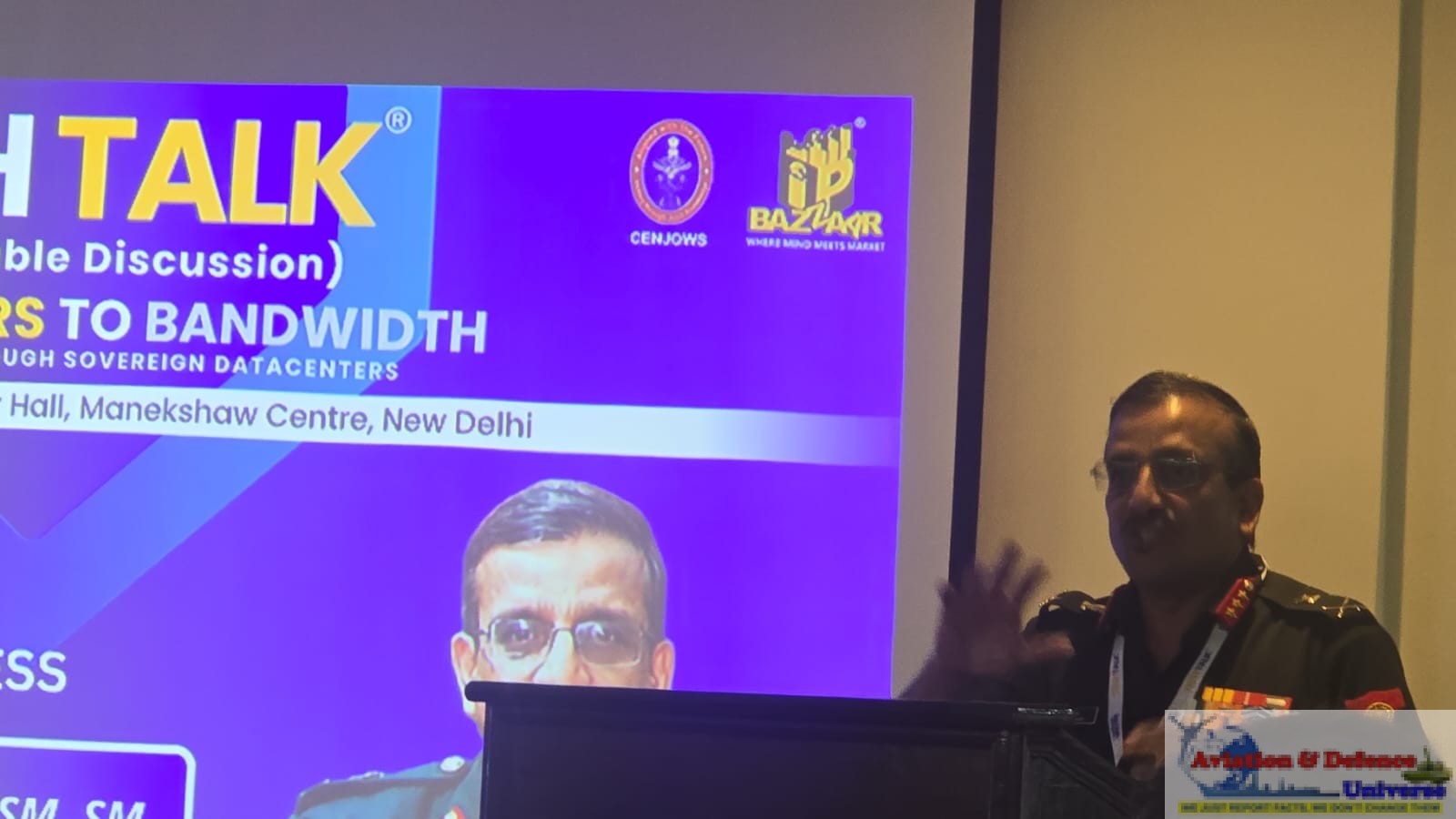 Summarising his vision, Lt Gen Singhal proposed what he called the Four S’s that should guide India’s digital infrastructure strategy. The first, he said, was Sovereignty. “Sovereignty is the key to safeguarding our data by ensuring it remains within the country, isolated from foreign interference and available during national crises.” The second pillar was Security. “Security should be a design requirement, not an afterthought. As political, financial, government and personal data increasingly flow into these facilities, the security requirement will only intensify.” The third was Sustainability, an issue he believes deserves far greater attention as Artificial Intelligence dramatically increases energy consumption. “Sustainability is not optional. It is absolutely critical.” Among the possibilities being explored globally, he mentioned dedicated small modular nuclear reactors powering hyperscale data centres. “One idea being discussed is that every major data centre may one day have its own safe, small nuclear reactor to generate power.” The final pillar, according to Lt Gen Singhal, was Skilling. He warned that India’s greatest challenge may not be infrastructure but trained human resources. “The skilling challenge is huge. We simply do not have enough people trained to secure, manage, operate and maintain modern data centres.”
In a thought-provoking suggestion, he proposed the creation of dedicated academic institutions specialising in data centre technologies. “Probably we need a Data Centre University—or a data-centric university—devoted entirely to education, research and skill development in this field.” He viewed India’s demographic advantage as an unprecedented opportunity. “We have a huge young demographic. The challenge is how we produce thousands and lakhs of professionals capable of managing this ecosystem.”
Concluding his address, Lt Gen Singhal left the audience with perhaps the day’s most memorable strategic message. He urged industry not merely to create infrastructure that performs efficiently under ideal conditions, but infrastructure capable of withstanding conflict. “Every nation that has built serious digital infrastructure has eventually had to answer a hard question—is this infrastructure built to perform, or is it built to survive?” Encouraging Indian industry to think beyond conventional approaches, he observed, “The investment is arriving. The scale is real. What we have to focus on is one simple discipline—build as though it will one day be tested.” He concluded by linking resilient digital infrastructure directly to India’s strategic autonomy. “If we get this right, India will not just have a competitive digital economy—it will have one that cannot be brought to its knees by its adversaries.”
 Calling upon the country’s young innovators to lead this transformation, he said: “We have already taken the lead through UPI and the India Stack. The next stack we have to build is a very robust Data and AI Stack.” Lt Gen Singhal’s keynote effectively bridged military strategy, artificial intelligence, cyber resilience and national development, reinforcing that in future conflicts, superiority will depend not merely on weapons but on the ability to collect, secure, process and own data.
If Lt Gen Vipul Singhal explained why sovereign data infrastructure is indispensable for military superiority, Lalit Ambashtha, Co-Founder, IP Bazaar, challenged the audience to confront an even deeper question: Who actually owns India’s digital future? His presentation shifted the discussion from infrastructure to intellectual property, arguing that true sovereignty cannot be achieved merely by hosting data within India if the technologies, patents and standards continue to be owned elsewhere.
Introducing what he termed “The Mirage”, Ambashtha urged participants to look beyond visible digital infrastructure and examine the hidden layers where ownership, control and economic value actually reside. Tracing humanity’s strategic evolution across centuries, he observed, “Throughout history, every generation has preserved one strategic asset. Thousands of years ago it was knowledge. Then it was land, then sea and ports, then oil, then semiconductors. Today, that strategic asset is data and data infrastructure.”
He explained why data has assumed such strategic significance. “Data is directly related to sovereignty. India is the largest generator of data in the world, and we are among the biggest data-generating societies.” While appreciating the Government’s insistence that data be stored within Indian territory, Ambashtha argued that localisation alone does not amount to sovereignty.
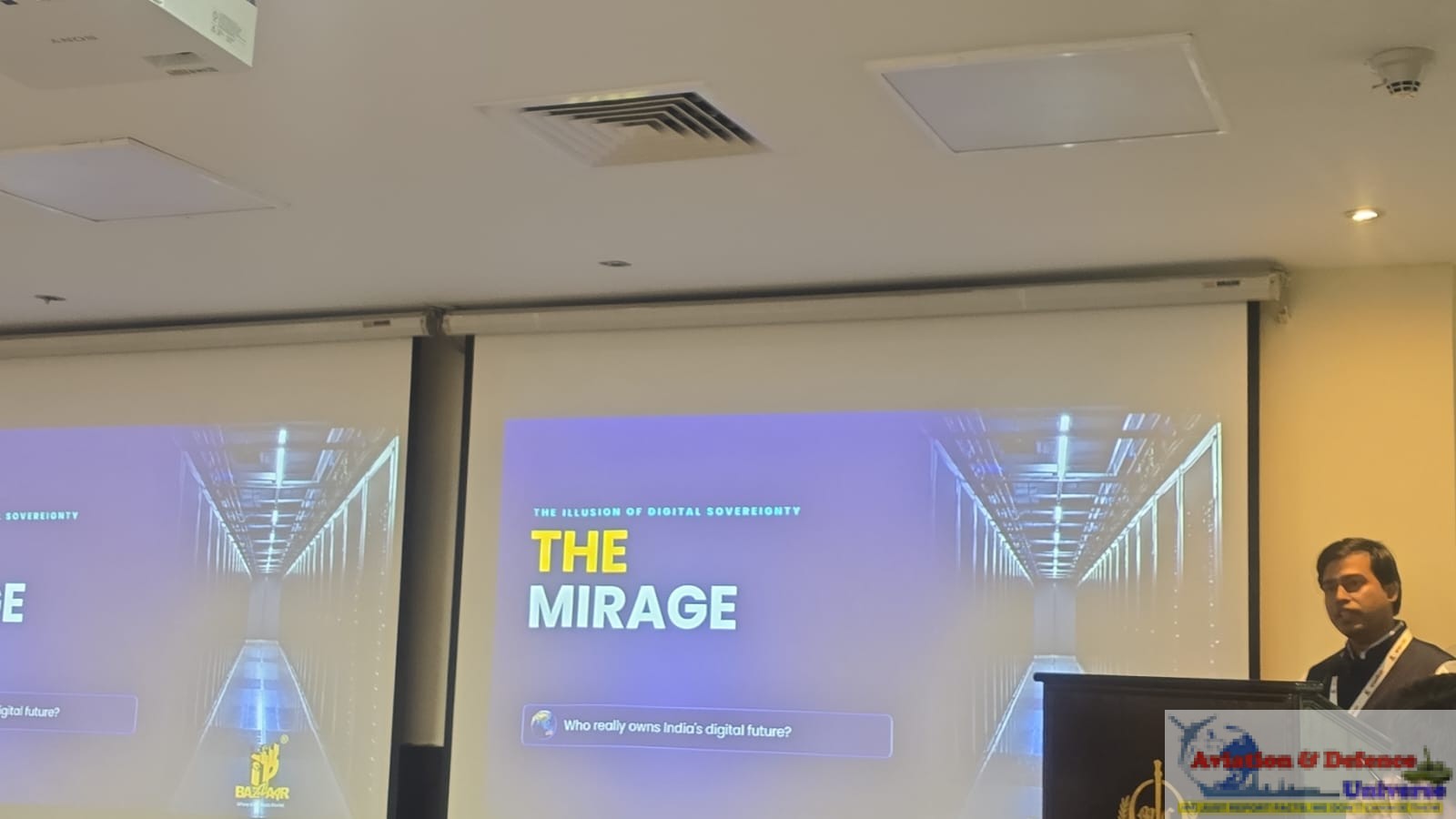 Posing a question that resonated throughout the hall, he remarked, “A road does not own the commerce that moves on it, and a warehouse does not own the goods stored inside it. Similarly, if our data is stored in foreign-owned data centres, can we truly claim data sovereignty?” Ambashtha challenged one of the most frequently used analogies in the digital economy. “Data is no longer just the new oil.” Explaining his reasoning, he said that unlike oil or land, digital technologies transcend geography.
“Earlier we focused on land, gold and oil because they were territorial assets. But data, computing and semiconductors are different. Without invading your land, someone can control your data. Whoever controls these technologies controls the future.” Using detailed data-flow diagrams and economic analysis, Ambashtha argued that India currently occupies the upstream portion of the digital economy while much of the downstream value accrues overseas. He explained, “We generate enormous amounts of data, but the downstream wealth resides elsewhere. We remain consumers inside our own digital ecosystem.”
Describing the digital journey of every citizen’s interaction, he noted that information passes through mobile networks, ISPs, DNS services, CDNs, cloud infrastructure, analytics engines, AI systems and patent-protected technologies before finally creating value. His central concern was unmistakable. “Which of these layers are really owned by India?” According to him, the answer explains why so much economic value generated by Indian users ultimately flows abroad.”Every layer creates value, but much of the ownership lies outside India. We generate the transactions; others own the layers.”
Ambashtha highlighted India’s achievements through Aadhaar, UPI and ONDC, but cautioned that these successes exist atop digital infrastructure that remains partially dependent on foreign technologies. “India owns Aadhaar and UPI. But much of the cloud, internet registry and digital infrastructure underneath remains foreign.” Using the example of a ₹1,000 digital transaction, he demonstrated how software licensing, cloud computing, AI processing, operating systems and internet infrastructure transfer a substantial share of economic value overseas. His conclusion was stark. “India generates the transactions, but who owns the layers? That is the real question.”
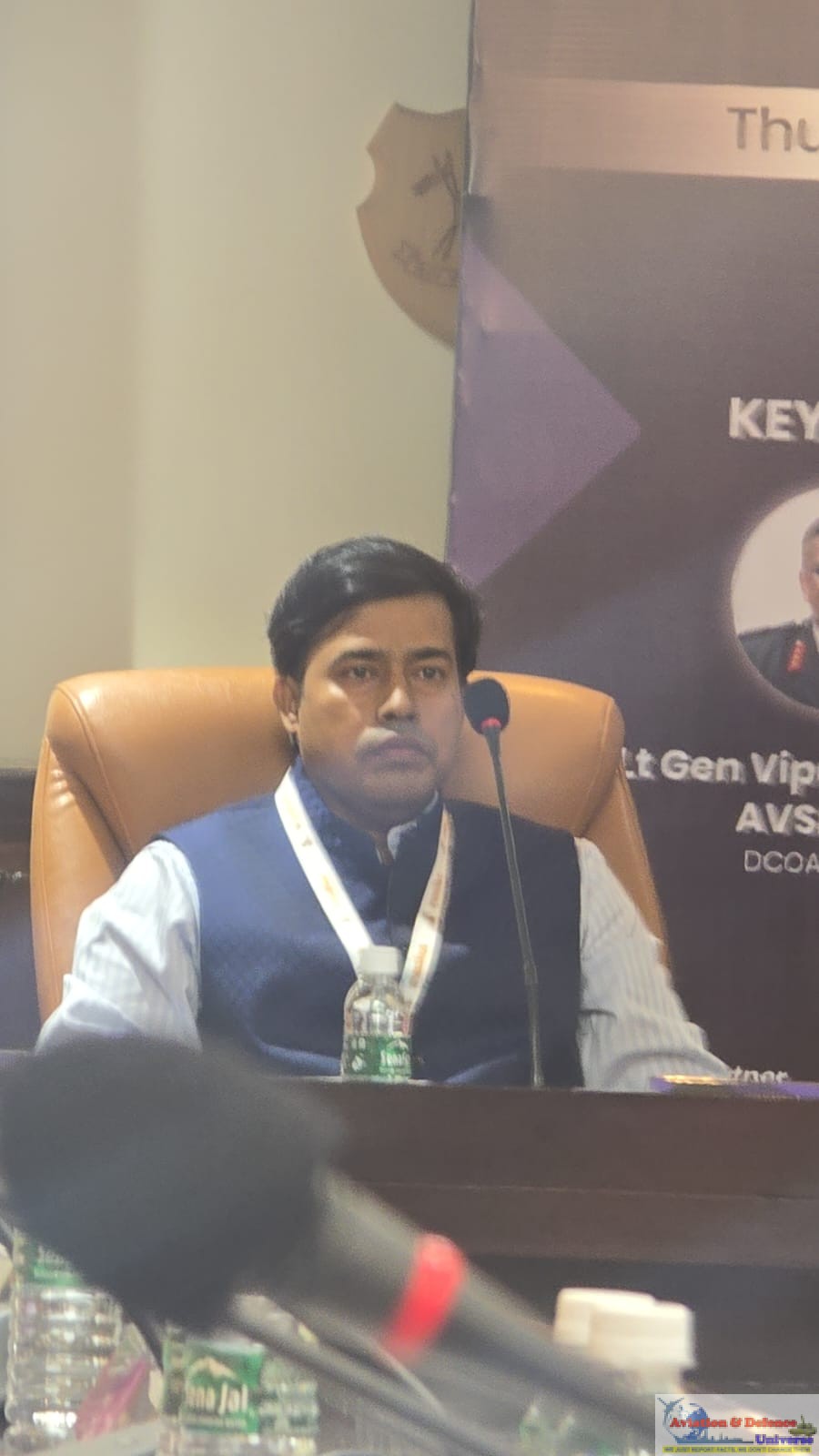 Moving from economics to intellectual property, Ambashtha presented findings from IP Bazaar’s patent landscape study. Although India has more than 300 data centres, he argued that ownership of core technologies remains extremely limited. “There may be over 300 data centres in India, but we do not own the technologies that power them. We are users—we are not owners.” Quoting patent statistics, he highlighted India’s limited contribution to globally filed technologies. “Our patent-to-product conversion rate is less than five per cent. That is where we are losing ownership.” He warned that dependence on imported processors, operating systems and storage technologies represents a strategic vulnerability. “If tomorrow another country stops supplying critical technologies or storage devices, what happens to our sovereignty?” Perhaps the most thought-provoking part of his address was his assertion that India has been discussing Artificial Intelligence without adequately discussing ownership. He observed, “Everybody talks about AI, cloud and data centres. Nobody talks about IP ownership, patent layering, source code, firmware, chip design, protocol ownership or standards.” According to him, these invisible technologies ultimately determine who controls the digital economy. “These are the things that convert into ownership. Only then do you achieve a truly sovereign India.”
Ambashtha urged every policymaker, government department, academic institution and corporate leader to ask five strategic questions before investing in technology: Which critical digital capabilities must India own to ensure long-term strategic resilience. Where are we most dependent on external technologies, and what is our mitigation strategy? Are we creating digital standards and assets that strengthen India’s strategic competitiveness? Do our investments build long-term national capability or merely deliver short-term operational efficiency? What decisions must be taken today so that five years from now India leads in critical technologies instead of depending upon them?
Concluding his address, Ambashtha argued that India’s technological ambition must evolve beyond familiar slogans. “Not Make in India. Not Host in India. Not Store in India. The next objective is Own in Bharat.” He explained what this means in practical terms. “Technology must be designed by Indians, built by Indians, controlled by Indians, computed by Indians, licensed by Indians and ultimately led by Bharat.” As he concluded, one message resonated throughout the inaugural session: digital sovereignty cannot rest solely on data localisation. It must extend to patents, standards, chip design, source code, cloud architecture and the intellectual property that defines tomorrow’s digital economy.
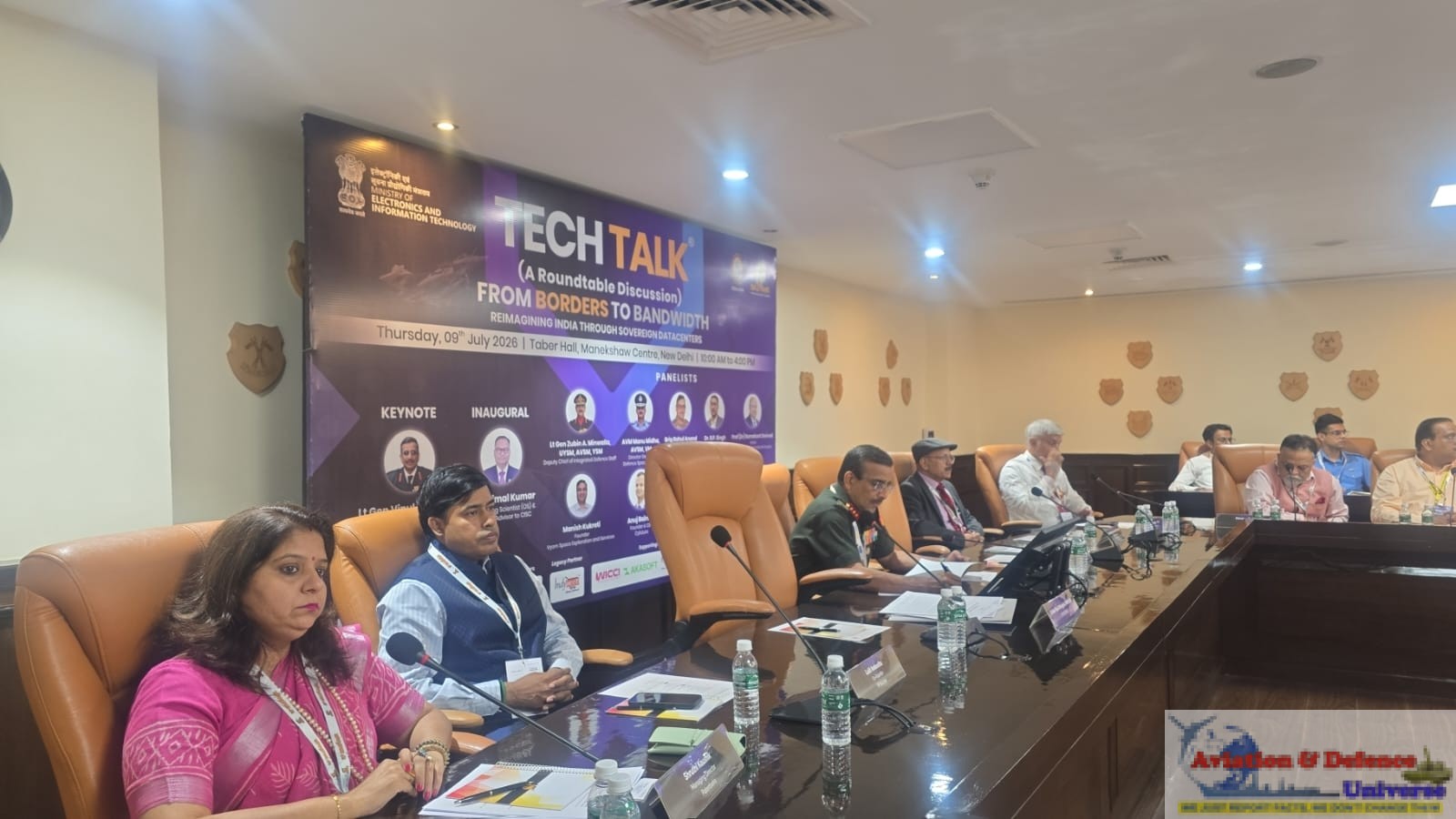 The inaugural session of the CENJOWS–IP Bazaar Tech Talk successfully reframed India’s digital discourse from one centred on infrastructure to one centred on ownership. Maj Gen Ashok Kumar (Retd.) established that data has become the newest domain of national security; Dr Parimal Kumar highlighted the centrality of sovereign bandwidth in modern warfare; Lt Gen Vipul Singhal demonstrated how AI-driven operations have transformed data into a strategic military asset; and Lalit Ambashtha challenged India to move beyond infrastructure creation towards intellectual property ownership. Together, the speakers articulated a compelling vision for Viksit Bharat—one where India’s strategic strength will depend not merely on generating the world’s largest volumes of data, but on owning the technologies, patents, standards and digital ecosystems that convert that data into national power. The roundtable made one thing abundantly clear: in the twenty-first century, digital sovereignty is national sovereignty.






































































-A4-Size-(2)_page-0001.jpg)