








- Positions Hyderabad as Global Aerospace Investment Hub
- Industry Endorses Telangana’s Aerospace Ecosystem
- CEOs See Hyderabad as India’s Next Manufacturing Powerhouse
By Sangeeta Saxena
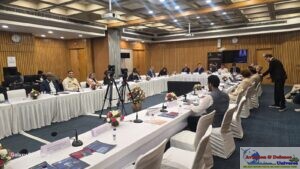
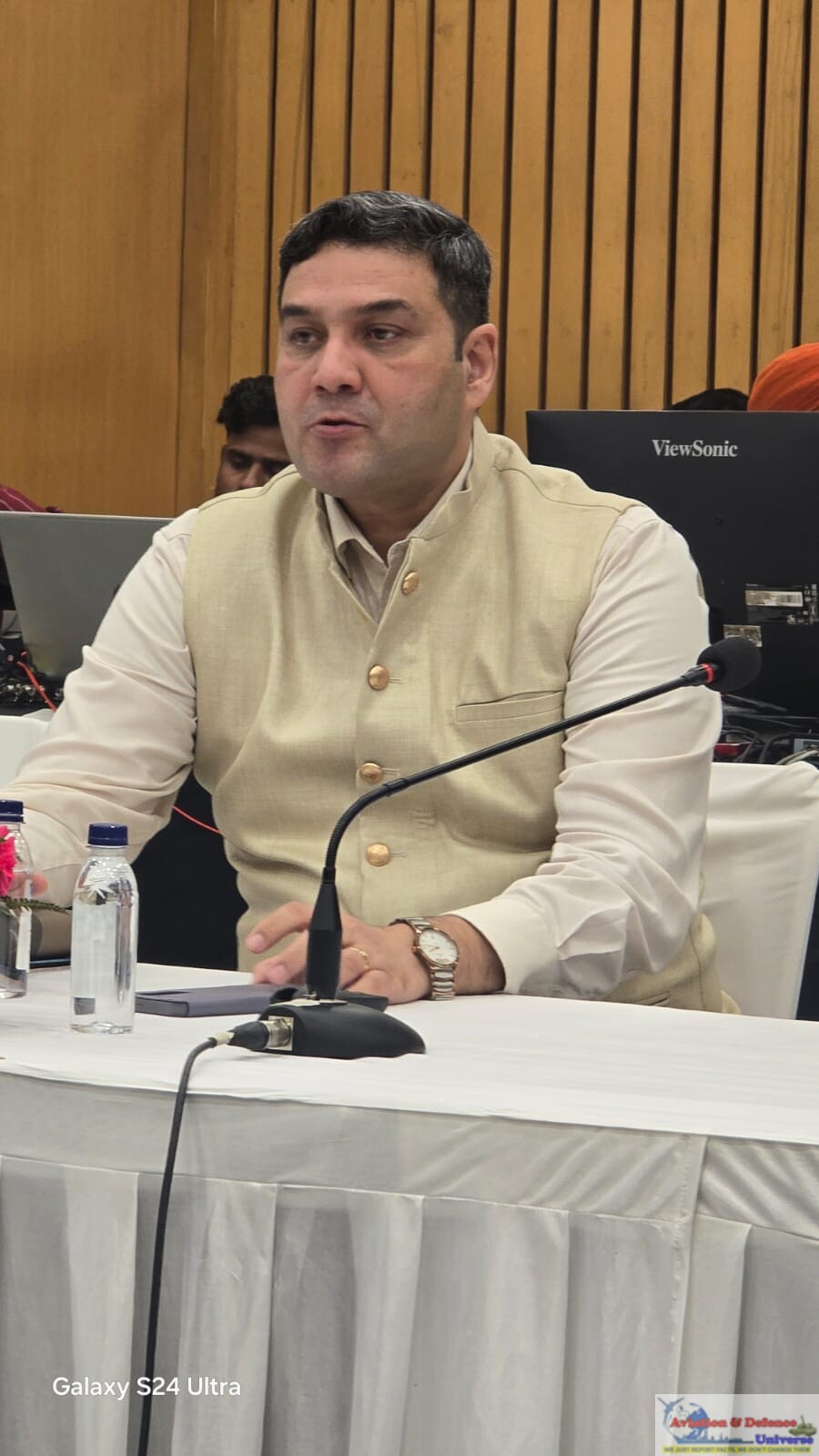
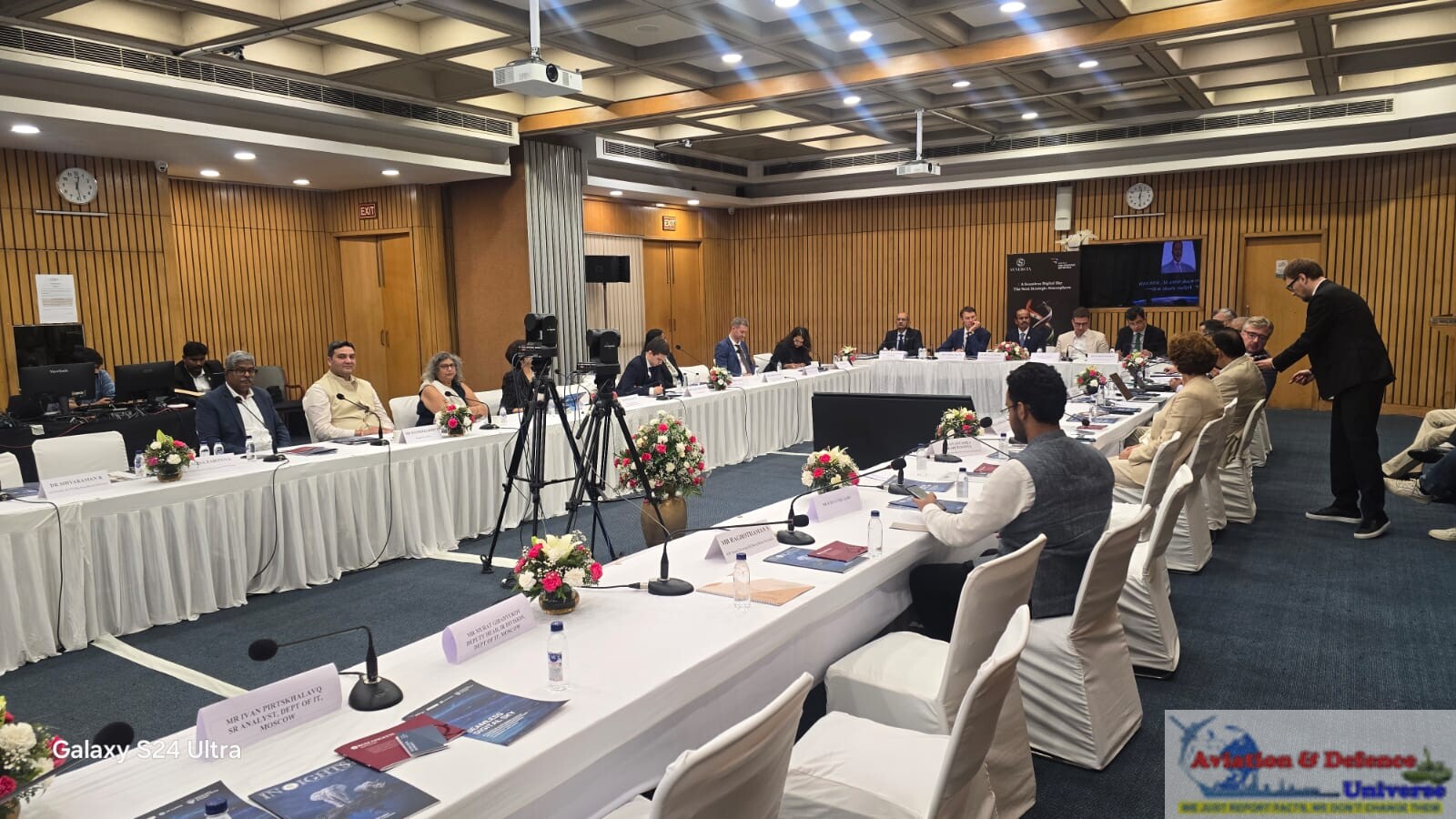
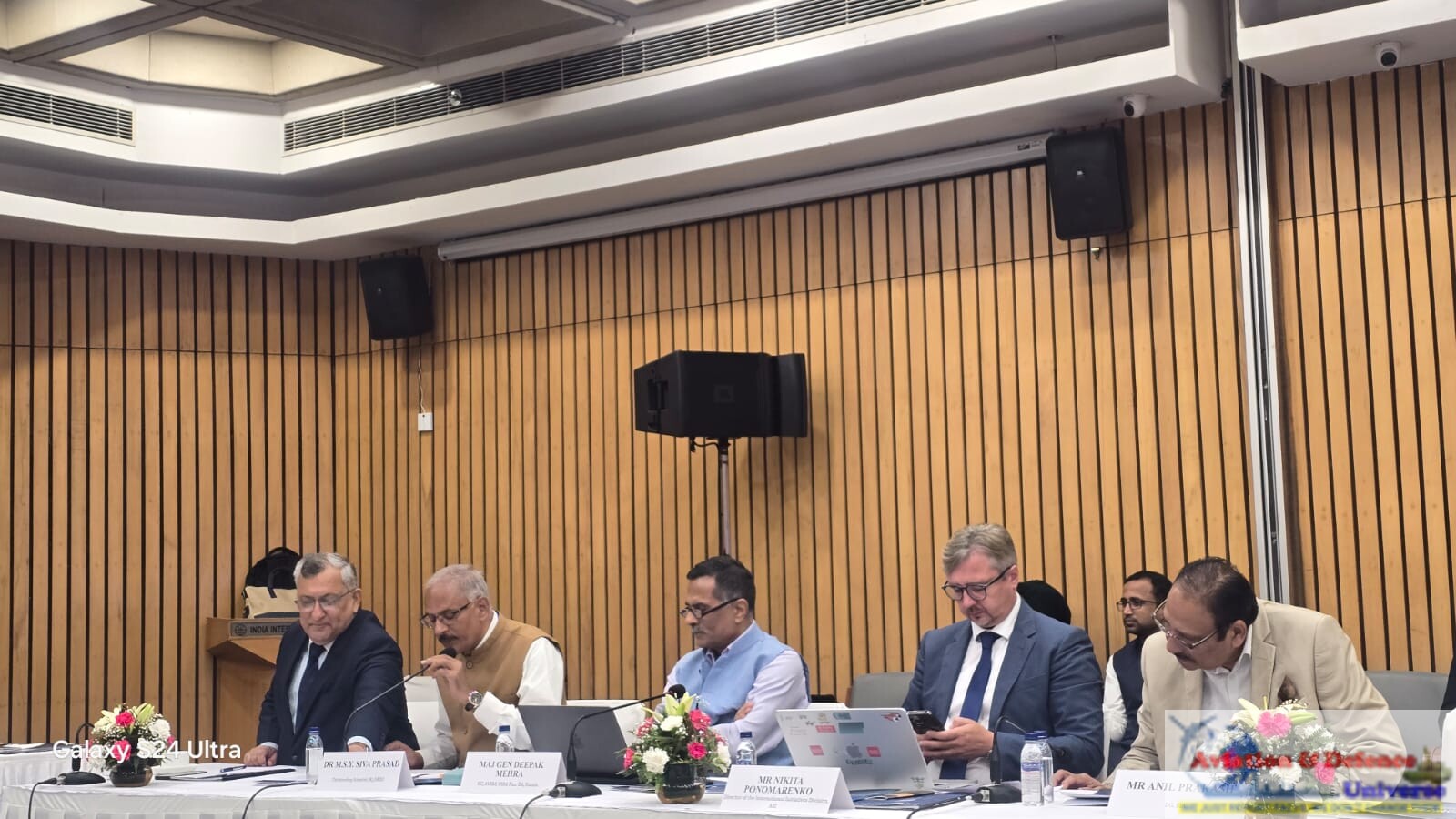
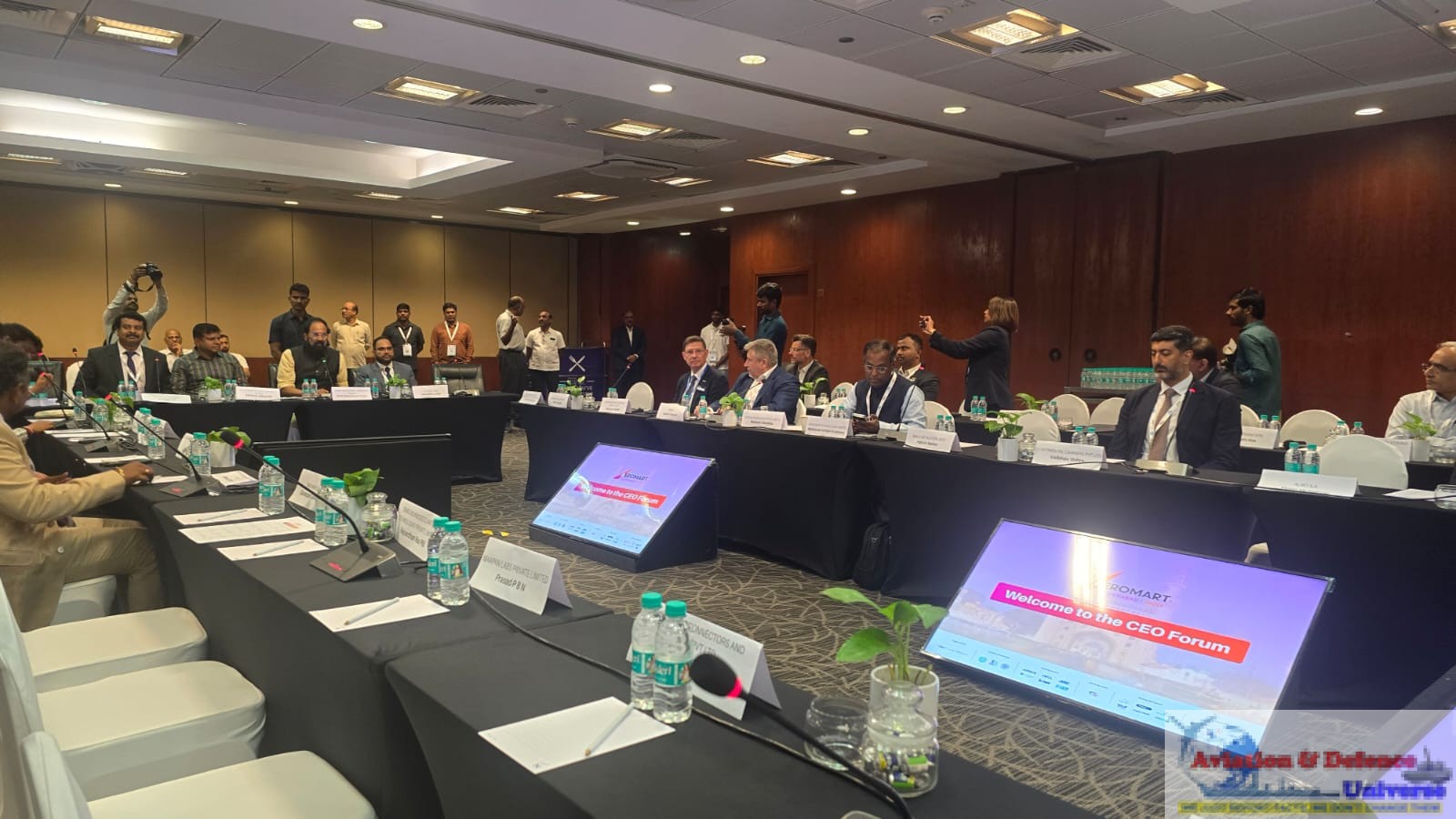
Hyderabad. 04 July 2026. If the inaugural sessions of Aeromart Hyderabad 2026 showcased India’s aerospace ambitions, the CEO Round Table, chaired by Uttam Kumar Reddy, Minister, Government of Telangana, transformed those ambitions into practical business conversations.
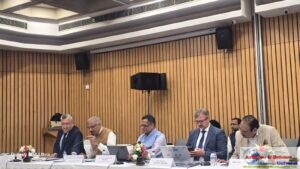
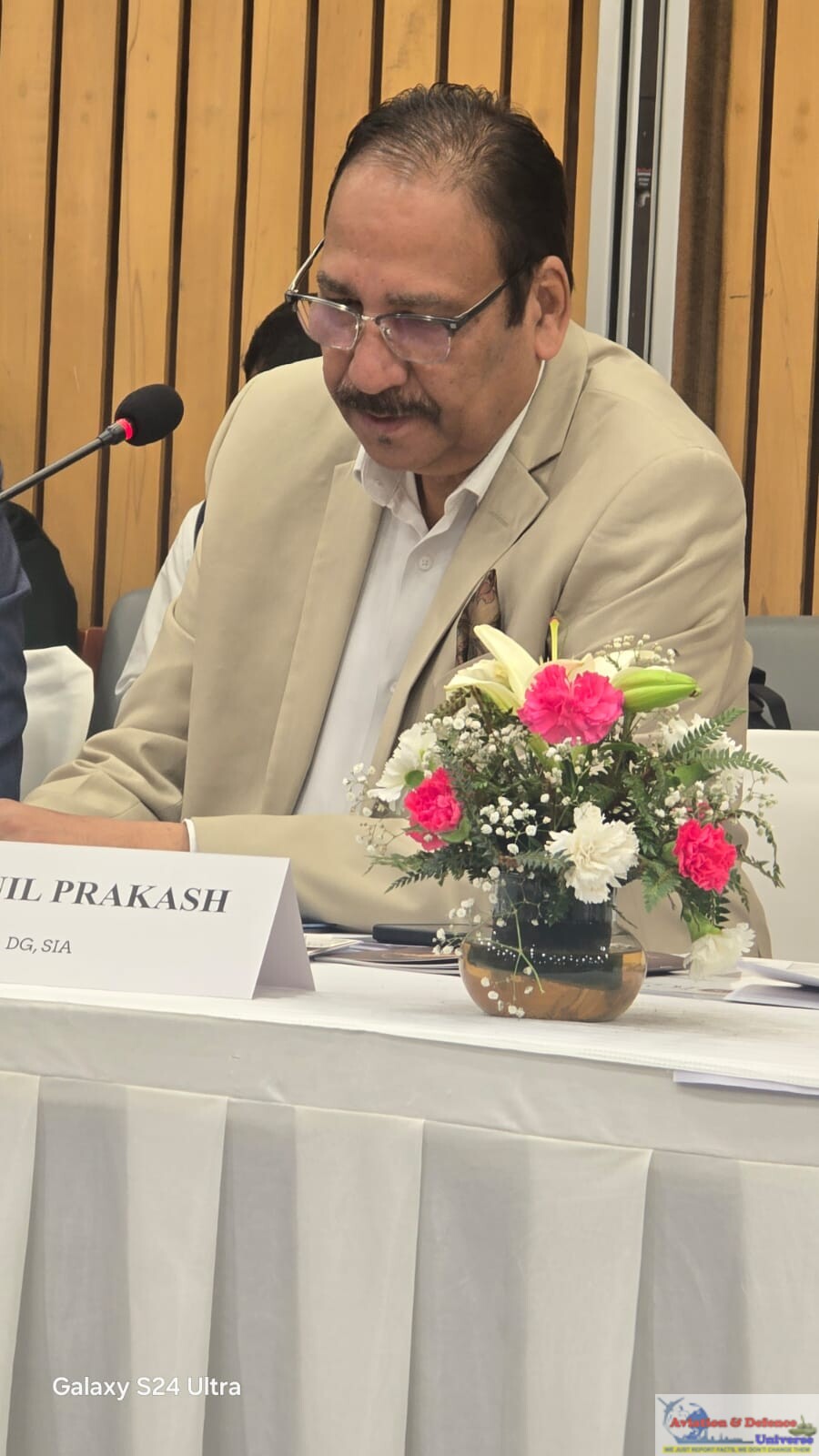
Held behind closed doors, the high-level forum brought together senior executives representing global aerospace OEMs, defence manufacturers, materials specialists, logistics providers, technology companies and Indian industry leaders. Unlike a conventional conference session, the CEO Round Table served as a strategic dialogue where industry leaders spoke candidly about investment plans, manufacturing expansion, localisation, supply chains, infrastructure requirements and the future of aerospace production in India.
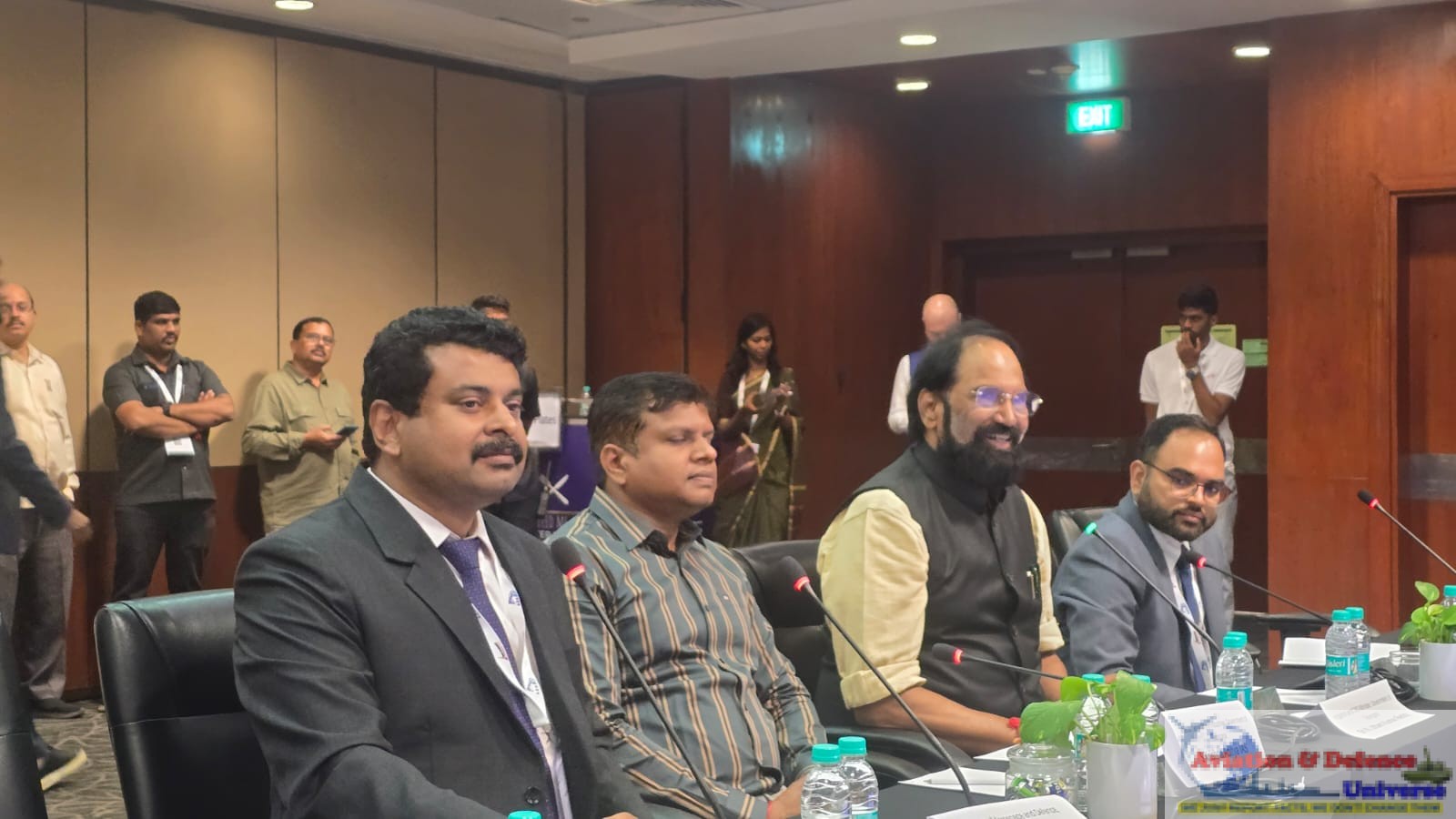 The interaction highlighted Telangana’s growing stature as one of the country’s foremost aerospace destinations while providing CEOs an opportunity to directly communicate their expectations to the Government. From French missile manufacturers and Canadian aerospace companies to Indian MSMEs developing indigenous engines and defence systems, every participant contributed to a larger narrative—that India’s aerospace ecosystem has reached a stage where collaboration, technology transfer and long-term industrial partnerships are replacing traditional buyer-seller relationships.
Chairing the CEO Forum, Uttam Kumar Reddy brought a unique perspective to the discussion. Before entering public life, he had served as a fighter pilot in the Indian Air Force, joining the National Defence Academy at the age of fifteen before flying the MiG-21 and MiG-23 during his Air Force career. Recalling those formative years, he remarked that aerospace and defence were deeply personal to him and remained “the best days” of his professional life.
The Minister then shifted the discussion from memories to opportunities. Inviting global companies to make Telangana their manufacturing home, he said, “Our government will roll out the red carpet for you in every way for investing in Hyderabad.”
Highlighting Hyderabad’s advantages, he described its globally benchmarked infrastructure, excellent law and order, abundant skilled manpower, competitive operating costs and investor-friendly governance. Encouraging companies to become long-term partners, he declared, “You are our partners in progress and together we will make Hyderabad not only India’s hub but an even greater global hub for aerospace and defence manufacturing.
Supporting the Minister’s vision, Shashanka, Vice Chairman & Managing Director, TGIIC, reiterated Telangana’s commitment to facilitating investments. Highlighting the state’s expanding ecosystem, he pointed to DRDO laboratories, public sector undertakings, specialised defence parks and a vibrant MSME sector led by companies such as Azad Engineering and Zen Technologies. He assured investors that the Government stood ready to facilitate land, approvals, infrastructure and incentive packages required for expansion. His message was straightforward, “We have the right ecosystem in place and we want to leverage it to make it much bigger.”
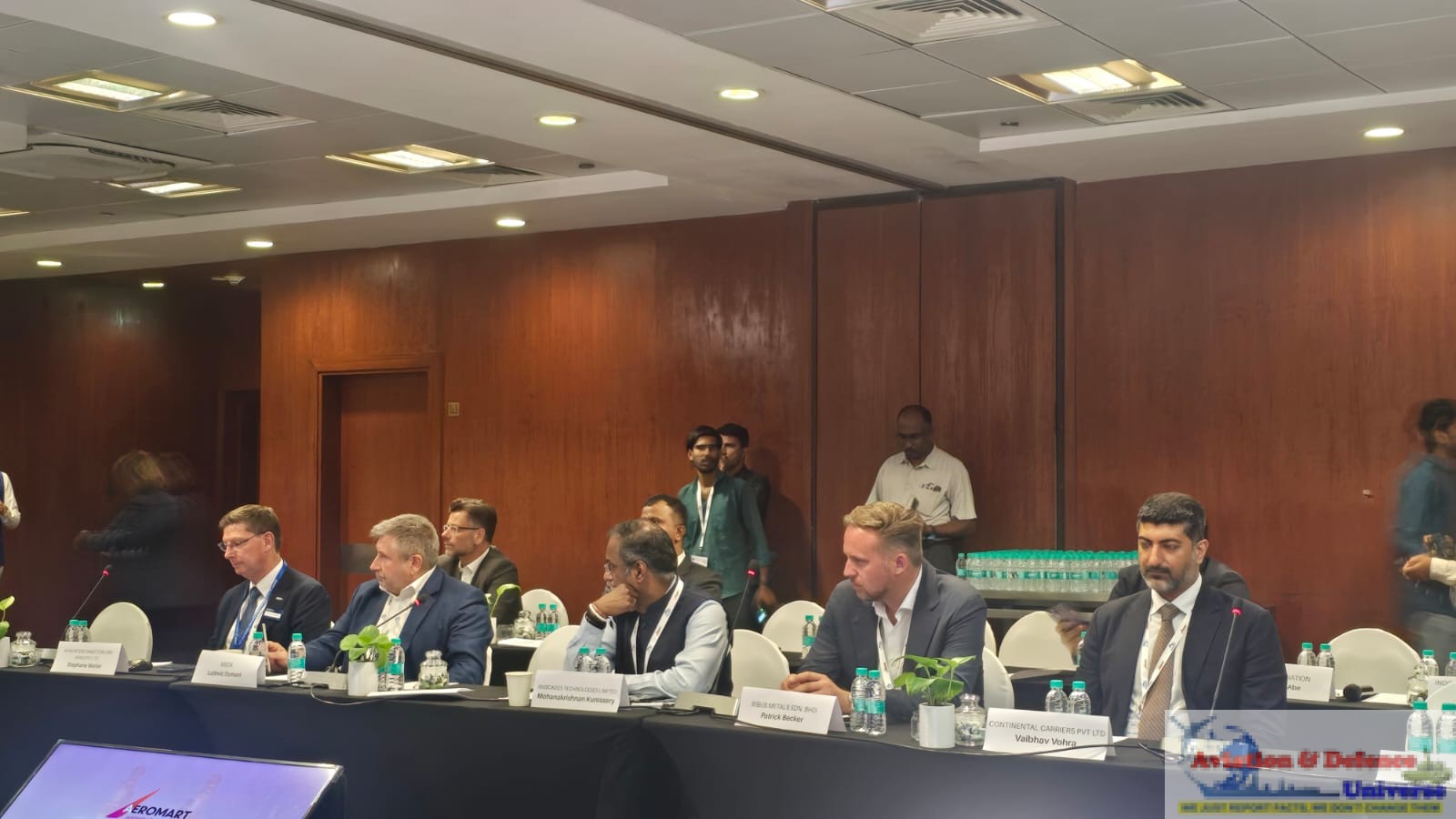 The CEO introductions that followed reflected the confidence international industry now places in India. Stephane Waltier, Global Manager, Axon Cable, the French manufacturer explained that although the company had entered India before the Make in India programme, its focus had now shifted towards supporting Atmanirbhar Bharat through localisation of advanced cable and connector technologies. He stressed that India must look beyond lowest-cost procurement.Emphasising quality, he observed that aerospace requires long-term thinking rather than merely pursuing the lowest bidder, adding that investment in quality ultimately delivers globally competitive costs.
Ludovic Dumont (often fondly referred to as “Ludo”), the General Delegate and Country Head of MBDA in India, explained that the company had been associated with India since the days of the Toofani aircraft, he revealed that MBDA had already produced over 43,000 missiles and missile systems in India, far exceeding comparable production volumes elsewhere in Europe.He underlined that MBDA was now looking for Indian partners willing to invest alongside the company in true win-win partnerships, rather than simply waiting for procurement contracts. He also announced that MBDA would soon inaugurate another manufacturing facility with its Indian partner, reinforcing the company’s long-term confidence in India.
One after another, global industry leaders used the CEO Round Table to announce expansion plans, new investments and long-term manufacturing strategies, many of them identifying Hyderabad as their preferred destination. Representing Axiscades, the company’s leadership outlined ambitious plans to expand aerospace, defence and electronics manufacturing in Telangana. Already working closely with DRDO, the Ministry of Defence and international OEMs such as MBDA, the company announced that a new defence manufacturing facility in Hyderabad would be inaugurated shortly, while indicating that even larger opportunities were under discussion with the state government.
The discussion then shifted to one of aerospace manufacturing’s most strategic requirements—speciality materials. Representing People’s Metal, Patrick Becker explained that his company is a global stockholder and processor of high-performance aerospace metals such as titanium and nickel alloys, materials that form the backbone of modern aircraft engines and structures. Having studied India for over a year, the company has already established a commercial presence through Malaysia and is now evaluating the creation of its own Indian entity. Significantly, Becker revealed that Hyderabad is emerging as the preferred location. He noted that because the company’s first Indian representative is already based in Hyderabad, there is a strong possibility that its future Indian headquarters will also be established in the city.
While aircraft manufacturing dominated much of the discussion, logistics leaders reminded participants that 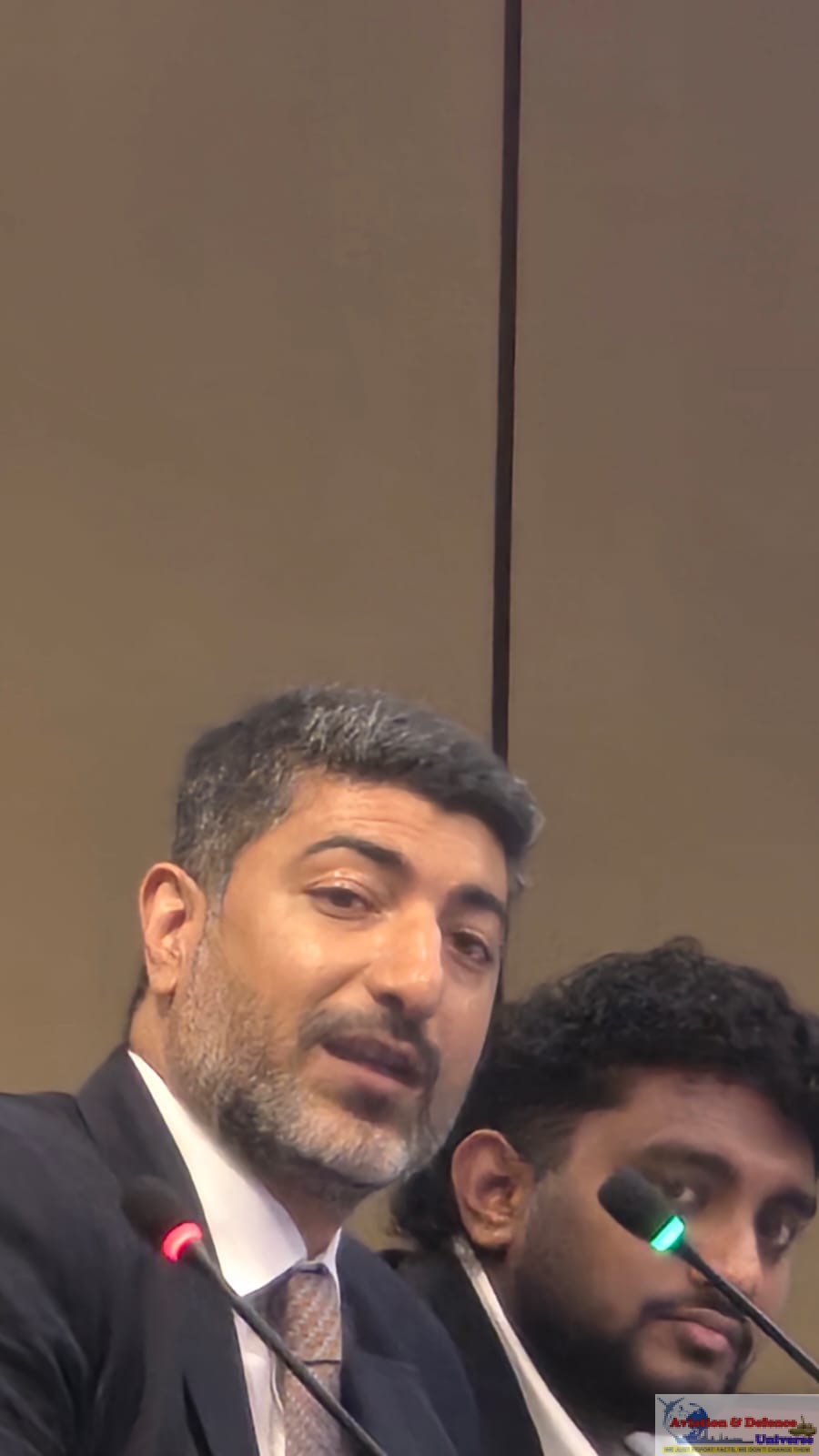 factories alone cannot create globally competitive aerospace ecosystems. Representing Continental Carriers, Managing Director Vaibhav Vohra emphasised that aerospace supply chains are inherently international. He explained that as aerospace manufacturing expands in Telangana, supporting logistics infrastructure—including off-airport cargo facilities and specialised air freight stations—must develop simultaneously. Calling for closer collaboration with the Government, he suggested that logistics infrastructure located near manufacturing facilities would significantly strengthen Hyderabad’s competitiveness as a global aerospace hub.
Supporting this perspective, representatives of K&A Logistics highlighted the company’s extensive nationwide logistics network, warehousing infrastructure and pioneering role in developing Air Freight Stations (AFS). Describing themselves not merely as service providers but as long-term partners to manufacturing industry, they reiterated their commitment to supporting India’s expanding aerospace supply chains.
The CEO Forum also reflected the growing confidence Canadian companies have begun placing in India’s aerospace ecosystem. Fresh from inaugurating its manufacturing facility at the GMR Aerospace & Defence Park a day earlier, Bradley C. Bourne, President & CEO of FTG Corporation, explained why Hyderabad had ultimately emerged as the company’s preferred investment destination. Having evaluated several locations across India, FTG selected Hyderabad because of its mature aerospace ecosystem, skilled workforce and attractive manufacturing environment.
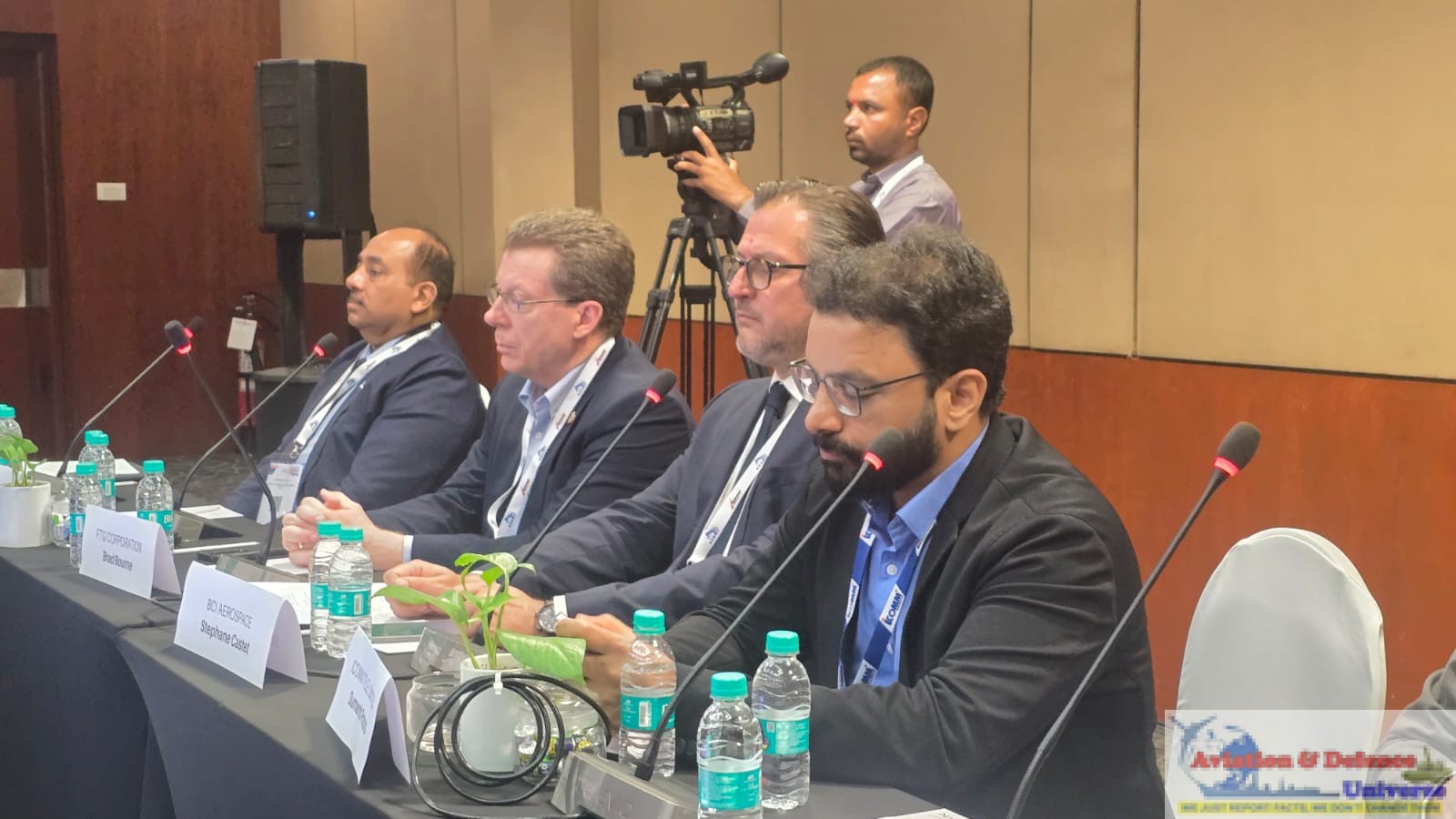 Bourne revealed that the company had already secured expansion options adjacent to its newly inaugurated facility, indicating that further investments may follow over the coming years. He also acknowledged the support extended by the Government of Telangana throughout the investment process, describing the experience as extremely positive.
If international companies highlighted India’s attractiveness as an investment destination, Indian manufacturers demonstrated how rapidly domestic technological capabilities have matured. Representing VEM Technologies, company leadership described Hyderabad as one of India’s most complete aerospace ecosystems. Spread across nearly 140 acres, the company today manufactures missile systems, electronic warfare equipment, composite structures, shelters and, more recently, indigenous sniper rifles and carbines for the Indian Armed Forces. The company noted that Hyderabad’s ecosystem—supported by DRDO laboratories, research institutions and private industry—had enabled companies like VEM to steadily move into increasingly sophisticated defence technologies.
Similarly, Latécoère outlined its growing Indian operations. Already employing around 200 professionals in Telangana in electrical wiring systems, the French aerospace major announced plans to manufacture elementary aircraft door components in India while evaluating further localisation opportunities. However, the company also highlighted one important challenge that continues to affect Indian aerospace manufacturing.
Its representative pointed to the limited domestic availability of aerospace-grade raw materials, suggesting that strengthening this capability would significantly improve both competitiveness and efficiency across the industry. Responding immediately, Telangana officials highlighted the state’s upcoming Composite Park, noting that more than 60 companies are already establishing operations there, alongside several new materials manufacturers.
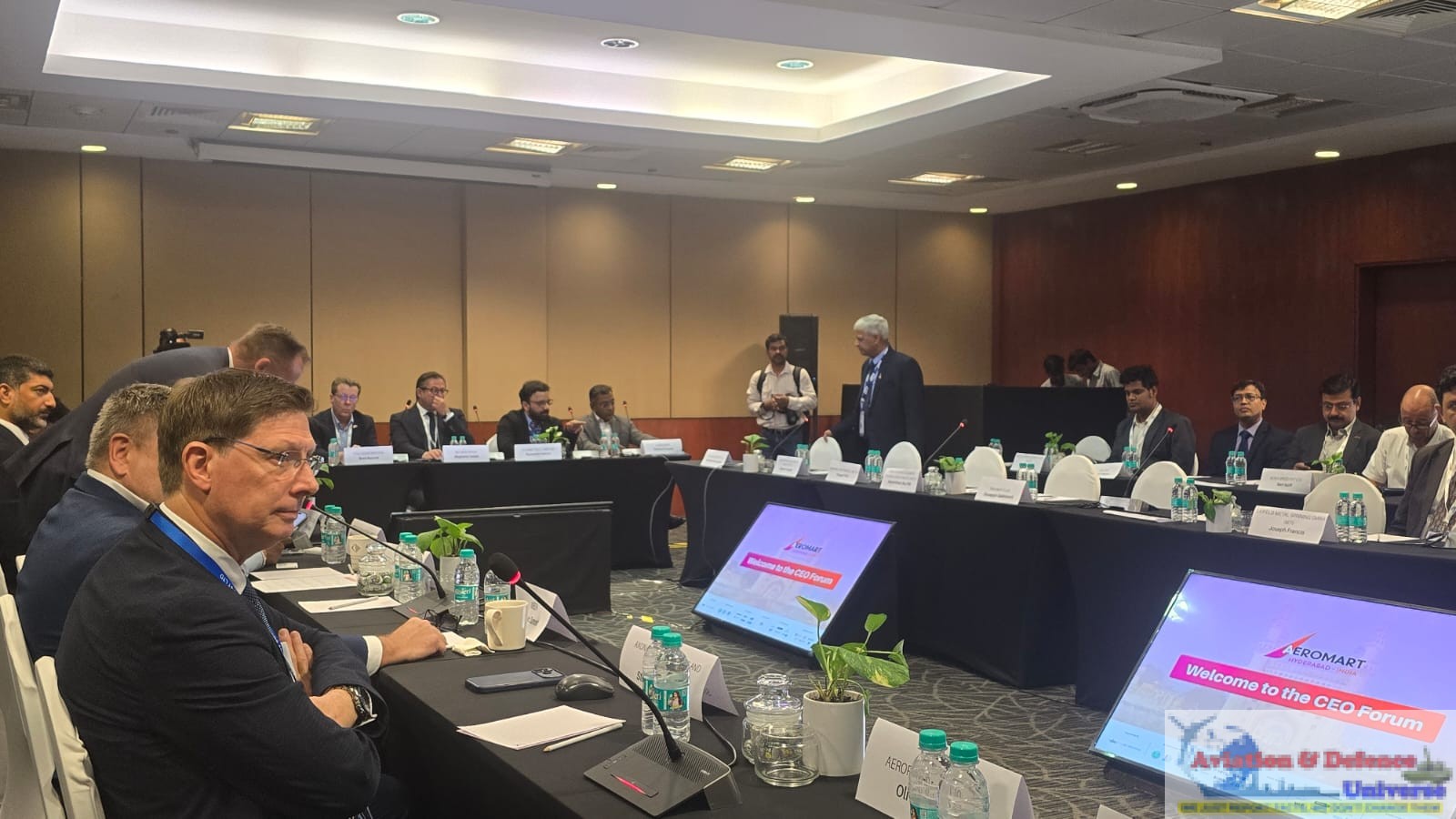 One of the strongest messages emerging from the CEO Round Table was that Indian aerospace companies are steadily moving beyond manufacturing individual components towards developing complete platforms, systems and technologies. Representing HFCL, the company’s leadership outlined ambitious expansion plans spanning telecommunications, defence electronics and ammunition manufacturing. The company revealed that it is investing approximately ₹1,200 crore in a major ammunition complex near the Andhra Pradesh–Karnataka border. The facility will manufacture electronic fuses for artillery ammunition, multi-mode hand grenades using DRDO-developed technologies, and several other defence systems.
HFCL also highlighted its growing portfolio in tactical communications, ground surveillance radars, drone detection radars and advanced defence electronics. Expressing interest in international partnerships, the company emphasised its willingness to collaborate with global organisations participating at Aeromart Hyderabad.
The discussion also highlighted India’s growing capabilities in engineering materials and advanced manufacturing technologies. Representatives of Ensinger India, the German high-performance engineering plastics manufacturer, explained that after establishing manufacturing operations in Bengaluru, the company is now evaluating further expansion in India, with aerospace representing one of its key focus sectors.
Similarly, Machine Tools India Ltd., a company with nearly a century of experience, described its role in supplying high-end manufacturing equipment sourced from Europe, Japan and the United States to India’s aerospace industry. The company explained that precision metrology and advanced machine tools remain critical enablers for India’s ambitions to manufacture world-class aerospace components domestically.
Another major industrial player announced plans to establish an optical fibre preform manufacturing facility near Hyderabad. The proposed investment, valued at nearly ₹1,000 crore, would significantly strengthen India’s strategic optical fibre manufacturing capabilities while complementing the state’s growing high-technology manufacturing ecosystem.
The attractiveness of Telangana’s aerospace ecosystem was further reinforced by international material suppliers. Representing Scott Metal India, whose parent company has its roots in Israel, the company’s CEO explained that while operations are currently headquartered in Bengaluru, Hyderabad’s rapidly expanding aerospace cluster has encouraged plans to establish another warehouse within the state.
He praised both the Government of Telangana and the industrial ecosystem that has developed around Hyderabad Airport, observing that the state’s continued infrastructure development is creating the confidence international suppliers require before making long-term investments.
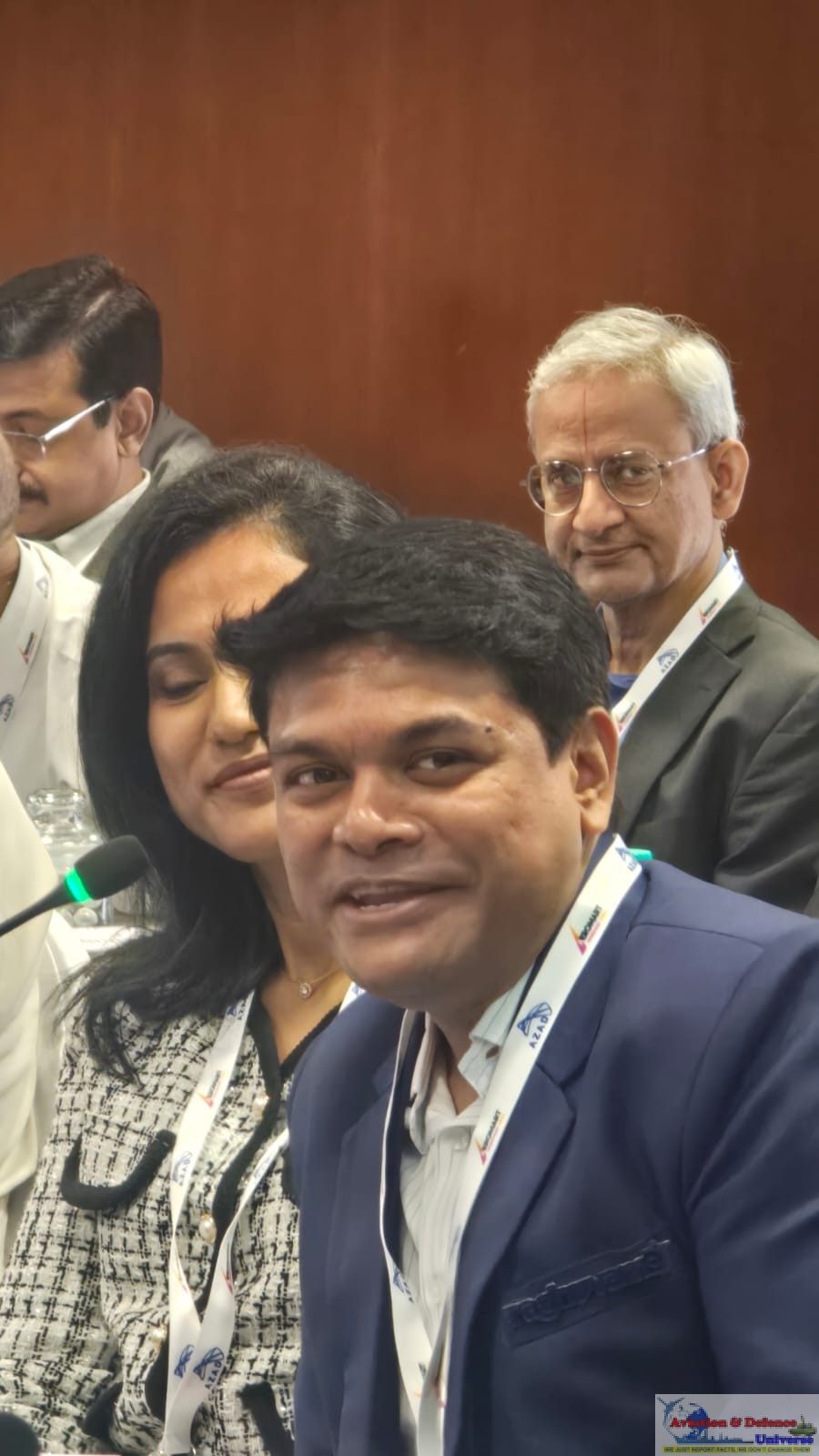 Among the most inspiring interventions came from Vamsi Vikas, Managing Director of Raghu Vamsi Aerospace, whose company has become a symbol of India’s rapid technological advancement. Tracing the company’s evolution, he explained that while Raghu Vamsi had initially established itself by manufacturing precision aero-engine components for global OEMs including GE Aerospace, Pratt & Whitney, Honeywell and Collins Aerospace, the company had deliberately moved higher up the aerospace value chain during the past five years. Today, it has become one of the first Indian companies to develop a micro turbojet engine, representing a significant milestone for indigenous aerospace propulsion technology. The company also announced that a new manufacturing facility located near Hyderabad Airport would become operational later this year. This facility will manufacture jet-powered unmanned aerial vehicles (UAVs) from design through production, significantly expanding India’s indigenous unmanned systems capability.
Acknowledging the consistent support extended by the Government of Telangana, Vamsi Vikas credited the state’s proactive policies for enabling companies like Raghu Vamsi Aerospace to expand rapidly. Looking ahead, he appealed for the creation of a new dedicated Aerospace & Defence Park, explaining that existing industrial parks were nearing capacity and fresh infrastructure would be required to support the next phase of industrial growth.
Bringing the discussion towards its conclusion, Dr. G. Satheesh Reddy, Member, National Security Advisory Board and former Chairman, DRDO, reflected upon the remarkable transformation he has witnessed over the past decade. He observed that India’s aerospace ecosystem has undergone a profound structural change. Where Indian industry once consisted of only a few hundred suppliers, today well over 1,000 companies contribute to aerospace and defence manufacturing, with that number continuing to grow rapidly. He highlighted the unprecedented increase in defence production, the rapid expansion of indigenous manufacturing under Atmanirbhar Bharat, and the opening of defence manufacturing to private industry.
According to Dr. Reddy, Hyderabad has emerged as one of the country’s strongest aerospace ecosystems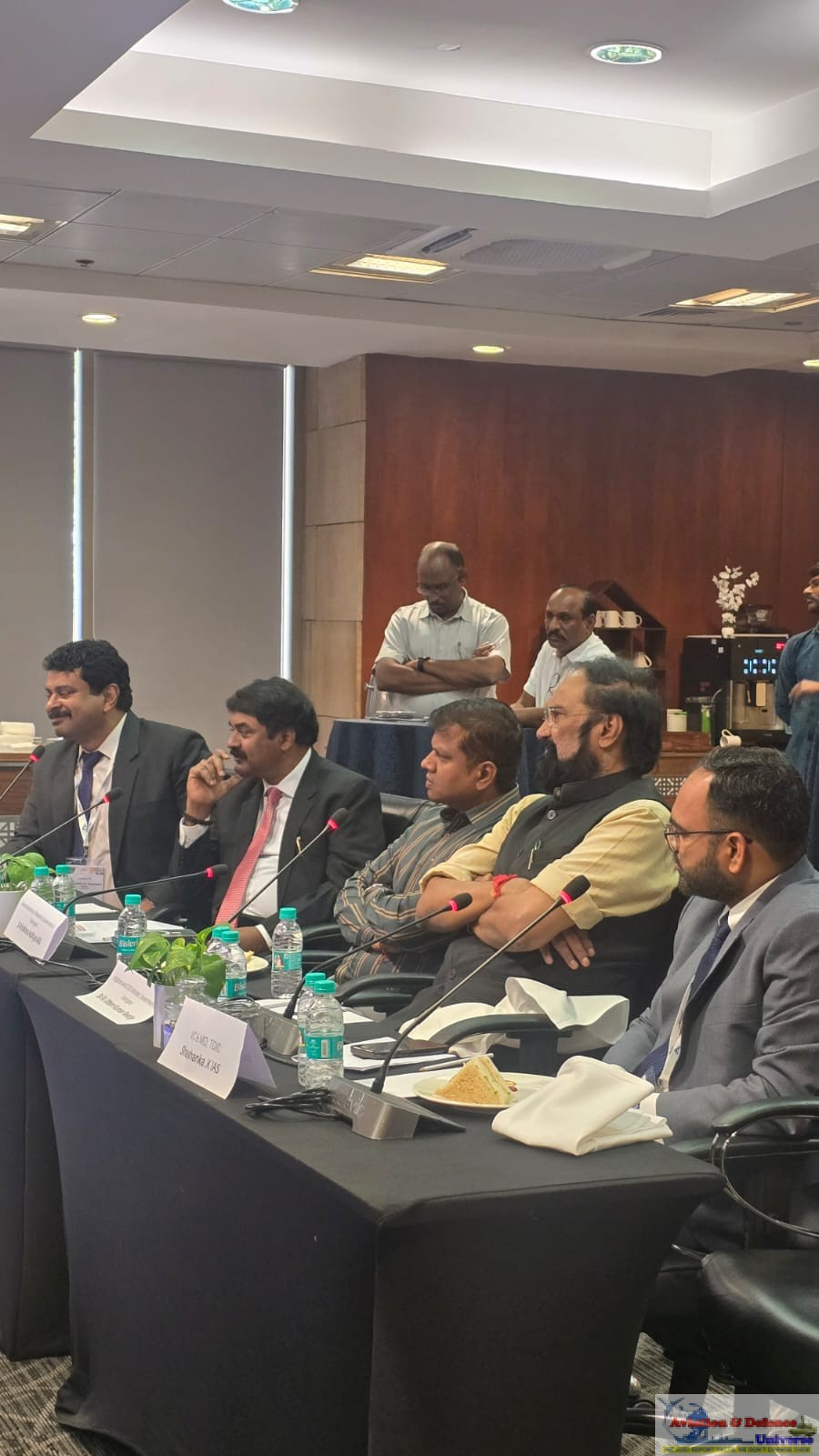 because of the unique coexistence of DRDO laboratories, public sector undertakings, research organisations, MSMEs and globally competitive private companies. Encouraging international companies to collaborate with Indian industry, he emphasised that the ecosystem has now matured sufficiently to support advanced technologies, complete systems and future-generation defence products.
His concluding message was simple yet powerful: the opportunities before global industry are no longer confined to traditional aerospace manufacturing; entirely new technological domains are opening up, and India is prepared to participate as an equal partner.
The CEO Round Table at Aeromart Hyderabad 2026 demonstrated that the global aerospace industry increasingly views India not merely as a manufacturing destination but as a strategic innovation partner. From French missile manufacturers and Canadian aerospace investors to German materials specialists, Israeli suppliers and India’s own rapidly expanding defence companies, every participant shared a common confidence in Telangana’s industrial ecosystem. Equally significant was the willingness of Indian companies to move beyond precision machining towards complete systems, propulsion technologies, UAVs, defence electronics and advanced manufacturing. The discussions also underscored the importance of infrastructure, logistics, raw materials and collaborative policy support in sustaining this momentum. More than a dialogue between government and industry, the CEO Forum became a blueprint for the next phase of India’s aerospace transformation—one driven by investment, technology, localisation and enduring international partnerships that are positioning Hyderabad among the world’s leading aerospace and defence hubs.































































-A4-Size-(2)_page-0001.jpg)