














- From Tuscany to Hyderabad: Sesta Lab Looks to Power India’s Aerospace Future
- Combustion Technology Holds the Key to India’s Aerospace Self-Reliance: Sesta Lab
- Italy’s Sesta Lab Wants to Help India Build Indigenous Aircraft Engine Technology
By Sangeeta Saxena
Hyderabad. 05 July 2026. India and Italy are steadily strengthening their strategic partnership through expanding cooperation in aerospace, defence, advanced manufacturing and innovation. While Italy brings decades of expertise in precision engineering, propulsion systems, aerospace testing, helicopters, avionics and industrial technologies, India offers one of the world’s fastest-growing aerospace ecosystems backed by world-class engineering talent, a thriving manufacturing base and ambitious programmes such as Make in India and Atmanirbhar Bharat. The elevation of bilateral relations to a Strategic Partnership has further 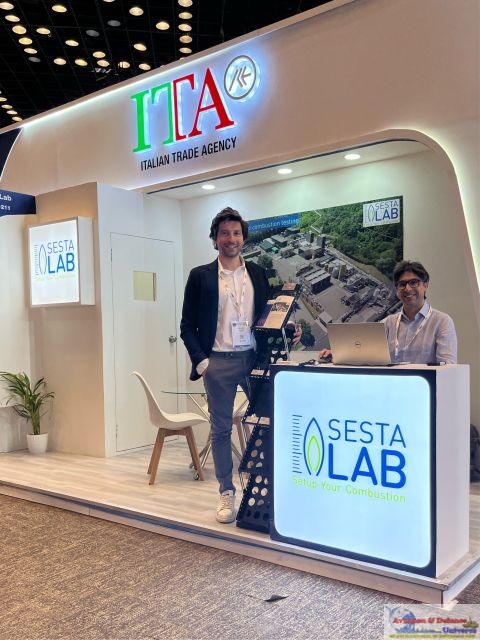 accelerated opportunities for joint ventures, technology transfer, co-development and supply-chain integration. Platforms like Aeromart Hyderabad are enabling companies from both nations to forge new collaborations in aircraft systems, propulsion, space technologies, advanced materials and defence manufacturing, reinforcing the complementary strengths of both countries.
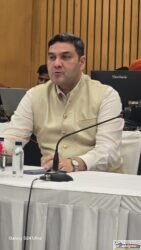
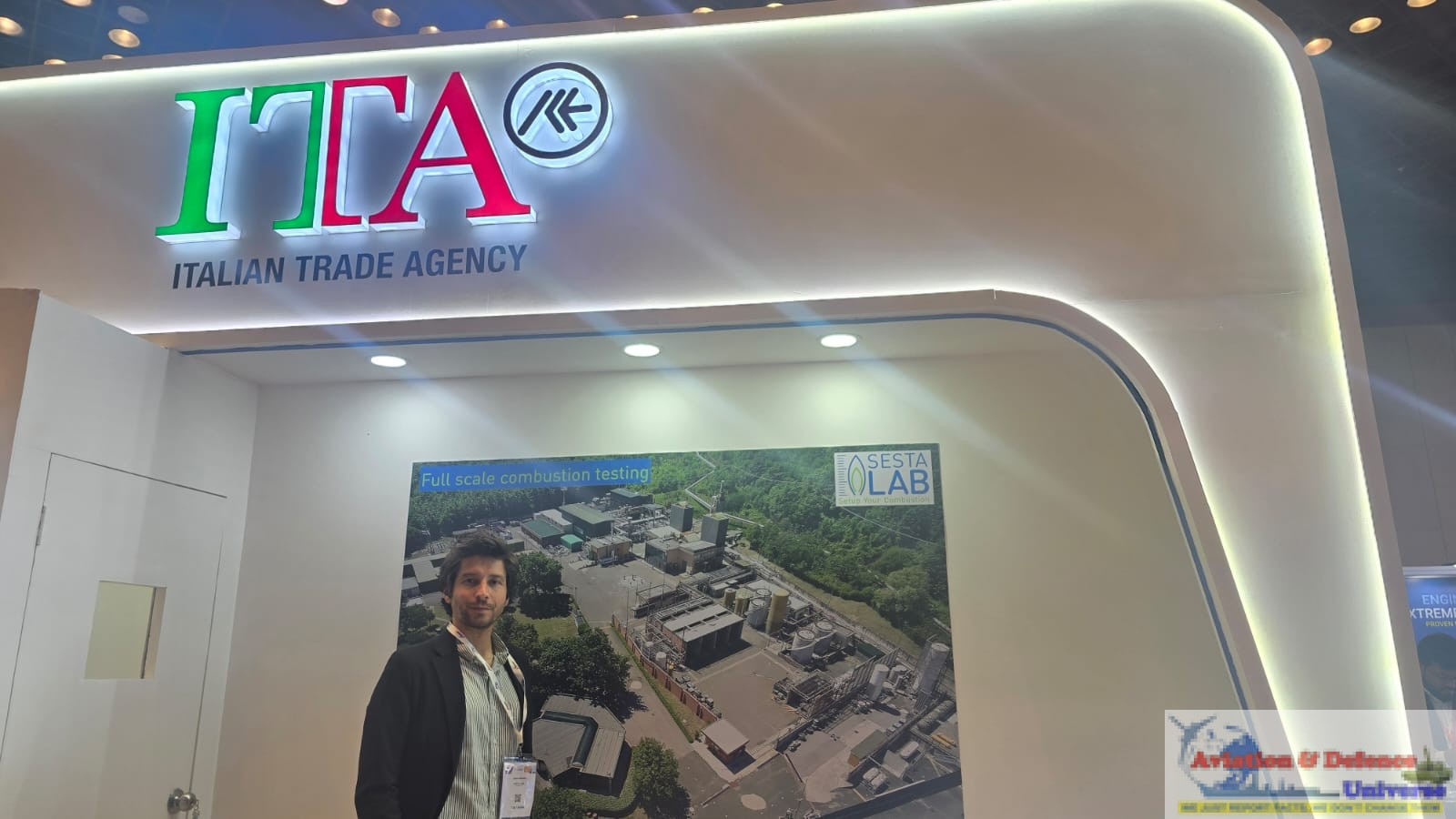
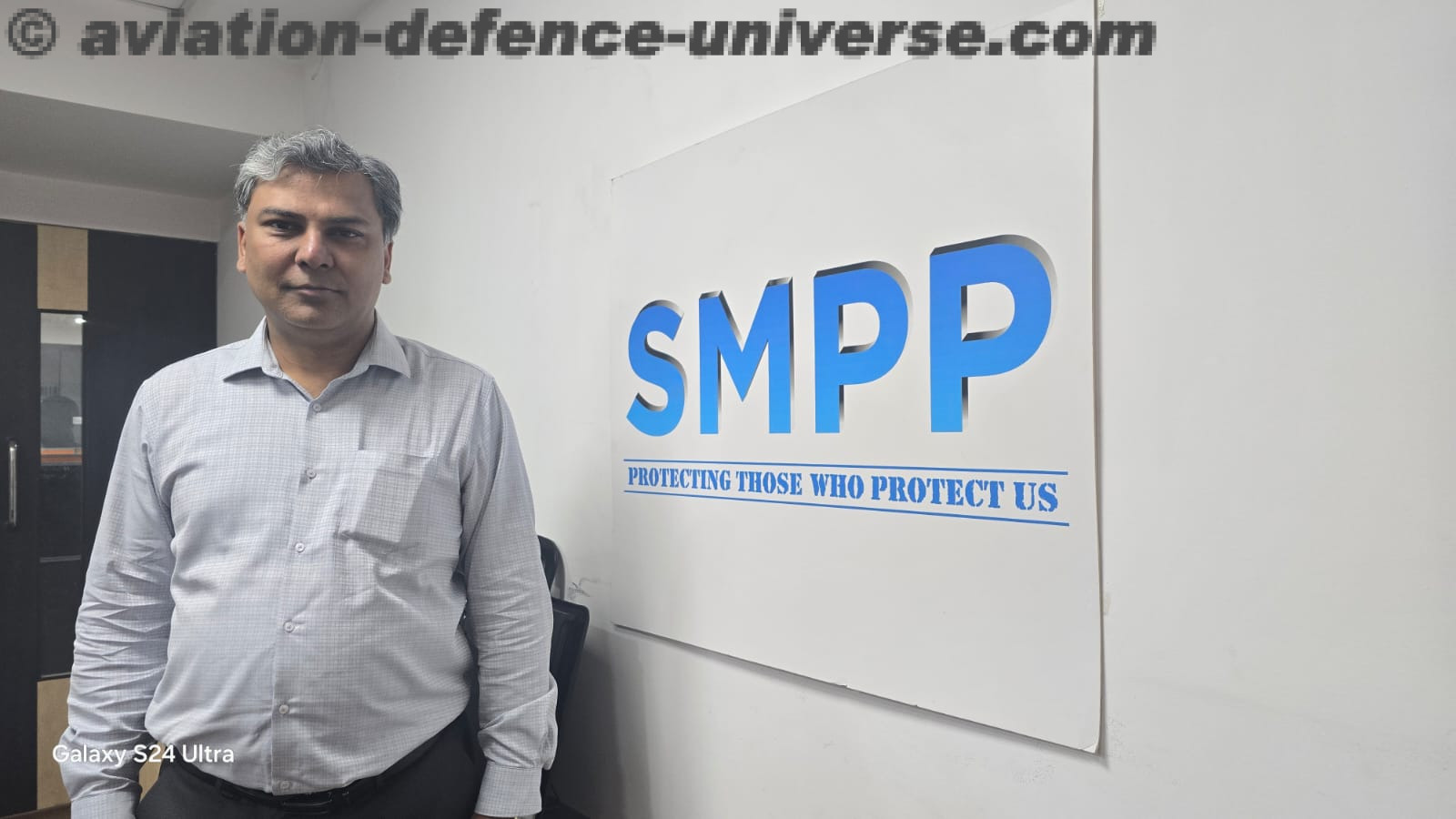
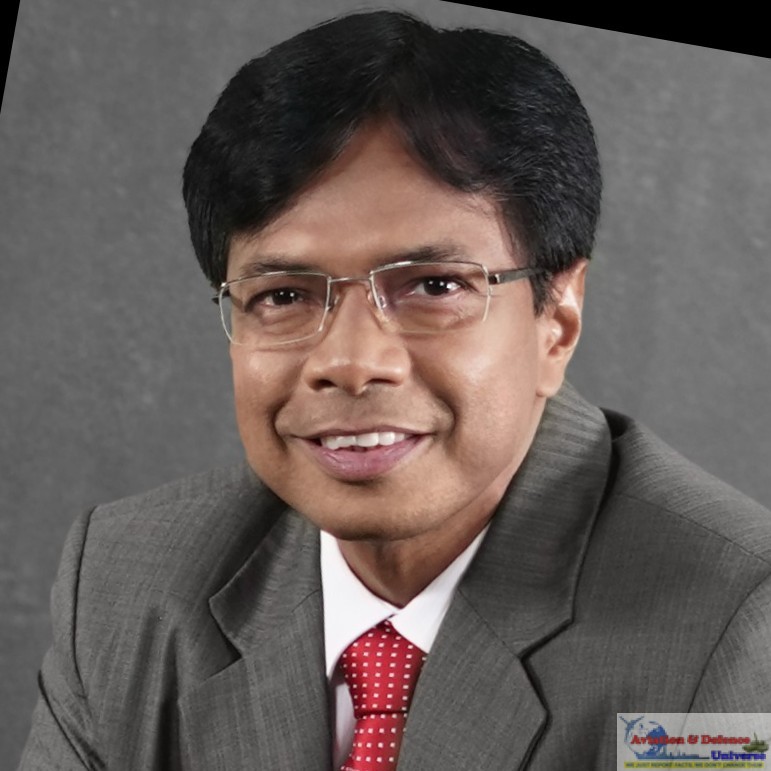
As India steadily advances from being one of the world’s largest aerospace markets to becoming a global manufacturing and technology hub, the next frontier lies in developing indigenous propulsion and aero-engine technologies. Among the companies exploring this opportunity at Aeromart Hyderabad 2026 was Sesta Lab, Italy’s internationally recognised combustion research and testing centre. Speaking exclusively to Aviation & Defence Universe (ADU), Giulio Grassi, Director, Sesta Lab, discusses why India must invest in indigenous combustion technologies, how Sesta Lab can support Indian aerospace programmes, the opportunities for Indo-Italian collaboration, and why the journey towards technological self-reliance begins with taking the very first step.
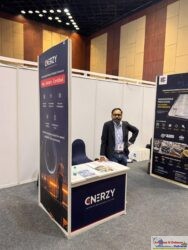
ADU. Sesta Lab has a stand in the Italian pavillion at Aeromart Hyderabad 2026. What is the company showcasing here?
Giulio Grassi. First of all, thank you for this opportunity. This is our first visit to India and we are here because our business is highly strategic. Sesta Lab specialises in supporting the development of combustion systems for gas turbines. These technologies are used in aircraft engines, energy generation systems, and oil and gas applications. Here in India, our primary focus is aerospace. Until now, India has largely been a buyer  of aerospace products. Today, however, India is becoming a producer, and the next logical step is to become a producer of its own technologies.
We are here to understand whether Indian organisations are ready to invest in indigenous aircraft engine technology. If an Indian company or organisation wants to develop its own combustion system for an aircraft engine, we can support it through comprehensive testing at our facilities in Italy. We help validate whether a combustion prototype performs as expected, after which the technology can be industrialised and manufactured in India.
This is a unique capability. Worldwide, there are perhaps only one or two organisations that provide this level of specialised combustion testing. Our customers come from the United States, Korea and several other countries. Developing combustion technology is not easy. It is technically demanding, time-consuming and requires long-term commitment. But if India wants to become truly independent in aero-engine technology, it has to invest in this strategic capability. That will make the country more self-reliant and better prepared for the future. Personally, I do not know whether this is exactly the right moment, because perhaps India is still at an early stage in this specific area. But I am convinced that within the next five to seven years someone in India will certainly begin this journey.
ADU. Are we talking only about military aircraft or does this technology have wider applications?
Giulio Grassi. Both. The same combustion technology can be used in military aircraft, civil aircraft, helicopters and naval applications. Beyond aerospace, it is also used for electricity generation and in oil and 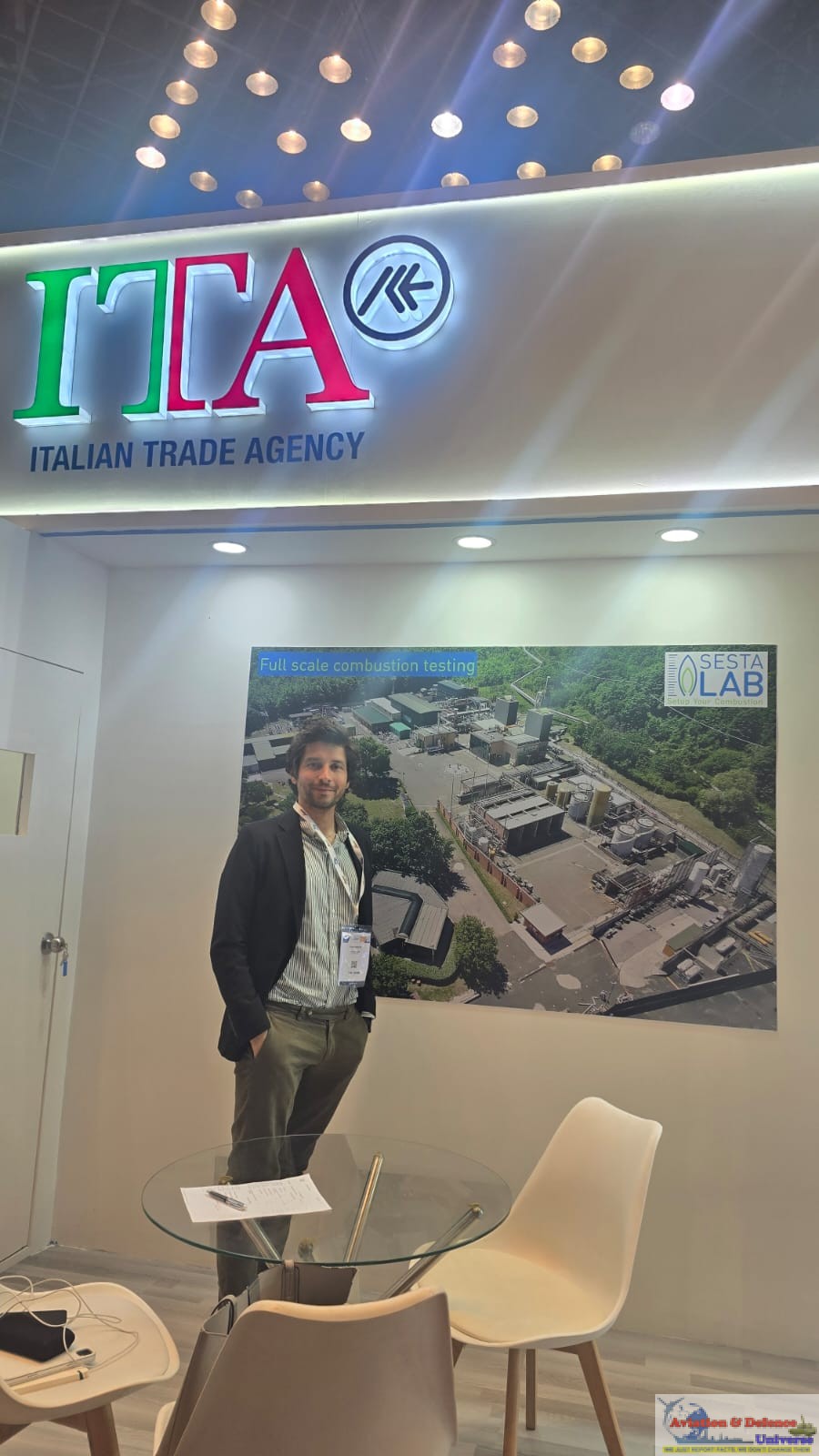 gas industries. It is a long journey, but as I always say— “If you don’t start, you cannot arrive.” Developing indigenous combustion technology takes time, investment and determination, but every advanced aerospace nation has begun somewhere. India has the industrial capability and engineering talent. The next step is investing in original technology.
ADU. This is your second day at Aeromart Hyderabad as part of the Italian Trade Agency delegation. How has the response been? Have you found Indian companies interested in your specialised technology?
Giulio Grassi. As I mentioned earlier, perhaps we are a little early for the market. However, the response has been encouraging. We have met several Indian organisations that are interested in supporting an indigenous initiative. Some companies have approached us saying they can contribute on the design side, while others can support instrumentation and testing. They are keen to be part of a future Indian programme. At the moment, no one has said, “Yes, we are starting a combustion technology programme tomorrow.” But what we have found is an ecosystem that is willing to support such an initiative once a major organisation decides to move forward.
Our role is to help lower the entry barrier. Thanks to our testing facilities in Italy, Indian organisations do not have to build everything from scratch before validating their concepts. Developing this kind of combustion testing infrastructure independently takes nearly ten years. It is extremely complex and requires substantial investment. By partnering with us, Indian organisations can accelerate that journey considerably.
ADU. Is this testing facility your own?
Giulio Grassi. Yes. The facility is located in Tuscany, Italy, and it is a government-backed facility under the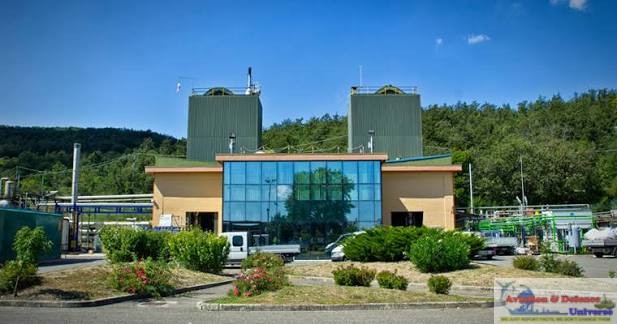 regional government of Tuscany. Because of this, we are not merely a commercial organisation. We also have a public mission to support technological development and international cooperation. India and Italy have enjoyed excellent relations for many years, and today those geopolitical ties are stronger than ever. That makes this the right time to explore collaborative aerospace programmes. We are completely open to supporting Indian initiatives in developing indigenous combustion technologies and aero-engine capabilities.
ADU. India and Italy today enjoy excellent bilateral relations, especially in aerospace and advanced manufacturing. That should certainly help.
Giulio Grassi. Absolutely. Strong government-to-government relations create confidence for industry. When countries work together strategically, companies find it much easier to collaborate, exchange knowledge and develop long-term technology partnerships. That is exactly why we are here—to build those relationships and understand how we can contribute to India’s aerospace ambitions.
ADU. Is there anything else you would like to add?
Giulio Grassi. Certainly. Over the coming years we would like to understand the Indian ecosystem even better and see who is ready to take this important technological step. I have been deeply impressed by the hospitality we have received in India. The enthusiasm, the energy and the openness of the people have made this visit truly memorable. I would also like to extend my sincere appreciation to the Italian Trade Agency (ITA) for organising this delegation so professionally. The B2B meetings yesterday were extremely well 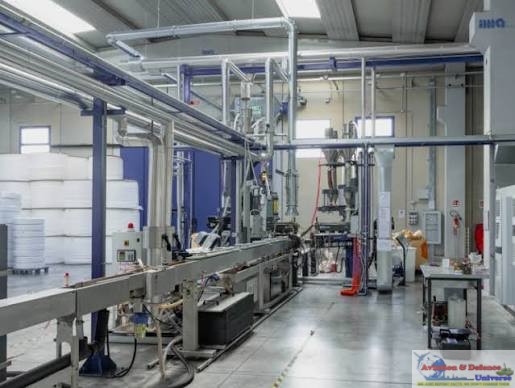 organised and have created valuable opportunities for interaction between Italian and Indian companies. I sincerely hope we return to India in the near future and find partners ready to build something truly special for the future of Indian aerospace.
Giulio Grassi’s vision extends far beyond offering a specialised testing service. His message is about enabling India’s next technological leap—from manufacturing aerospace components to mastering one of the most complex technologies in aviation: aircraft engine combustion systems. As India accelerates its pursuit of self-reliance in aerospace and defence, collaborations with internationally renowned research organisations such as Sesta Lab can significantly shorten the development cycle of indigenous propulsion technologies. His memorable observation—”If you don’t start, you cannot arrive”—perfectly captures the challenge and opportunity before India’s aerospace industry. With strong Indo-Italian relations, an expanding manufacturing ecosystem and growing policy support for indigenous technologies, the foundation has been laid for deeper collaboration in one of aerospace engineering’s most demanding frontiers.
As told to Sangeeta Saxena




























































-A4-Size-(2)_page-0001.jpg)