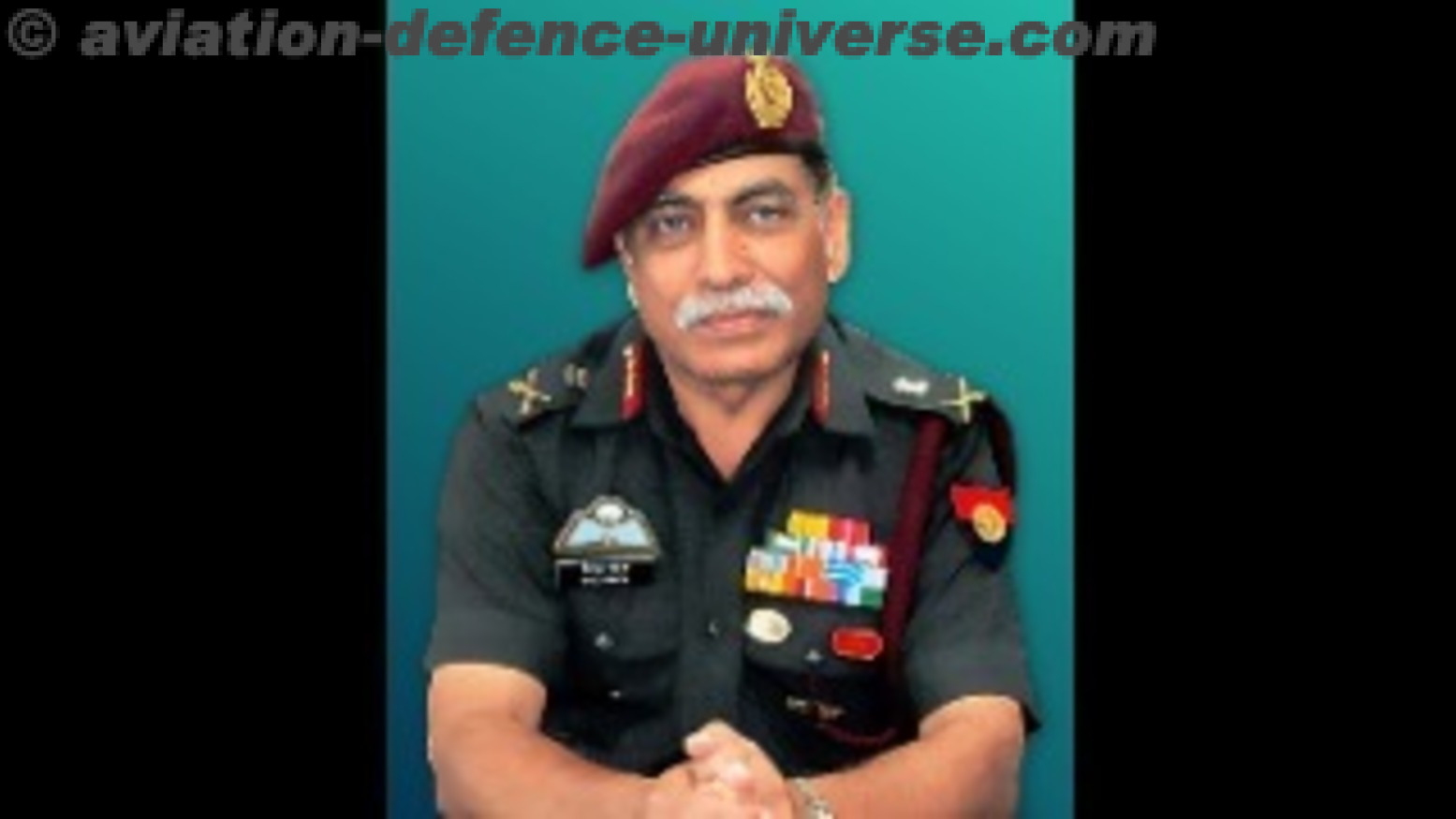

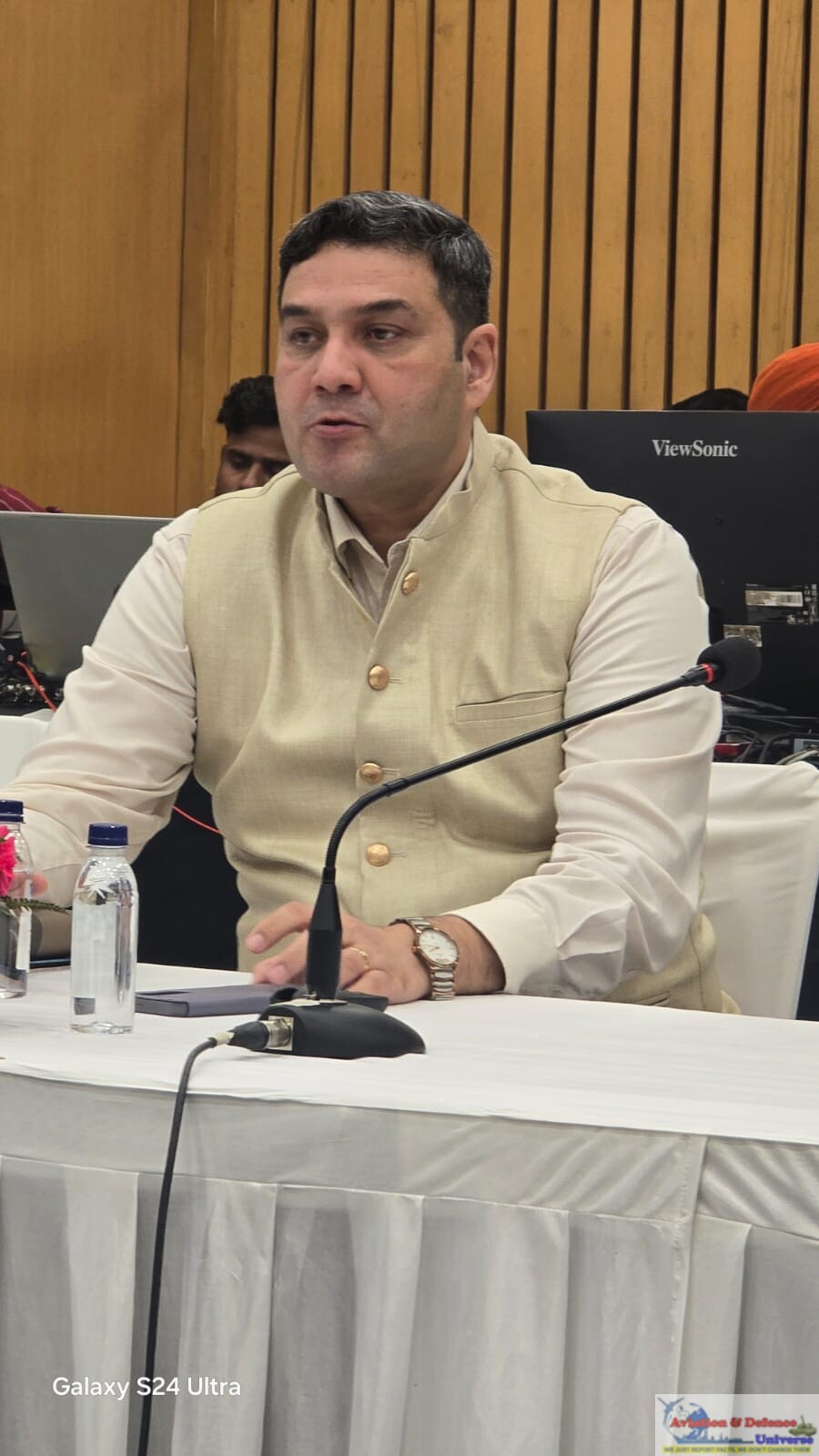





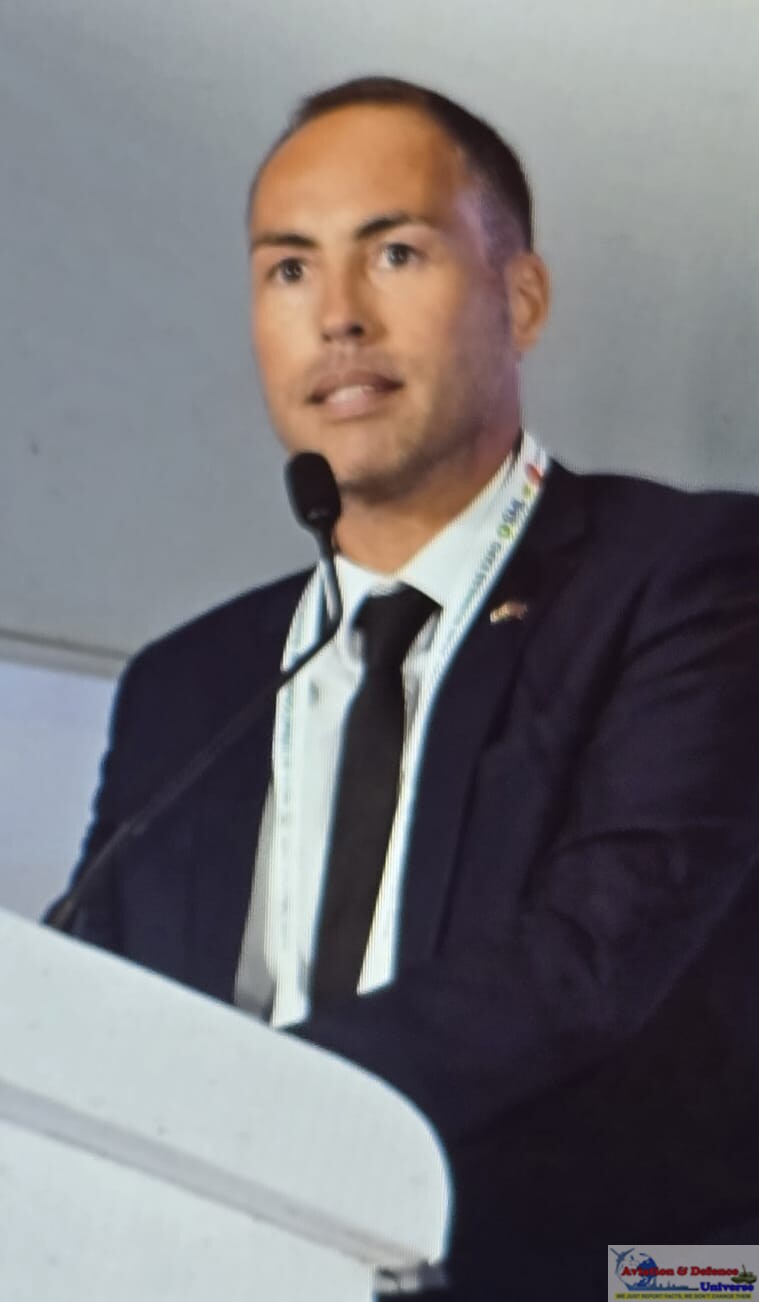




- Sankalp Shrivastava: C-390 Can Strengthen India’s Airlift and Aerospace Self-Reliance
- Embraer Sees MTA as More Than an Aircraft Deal—It’s an Industrial Opportunity for India
- Build C-390s, Develop Supply Chains, Create Aerospace Capability
By Sangeeta Saxena
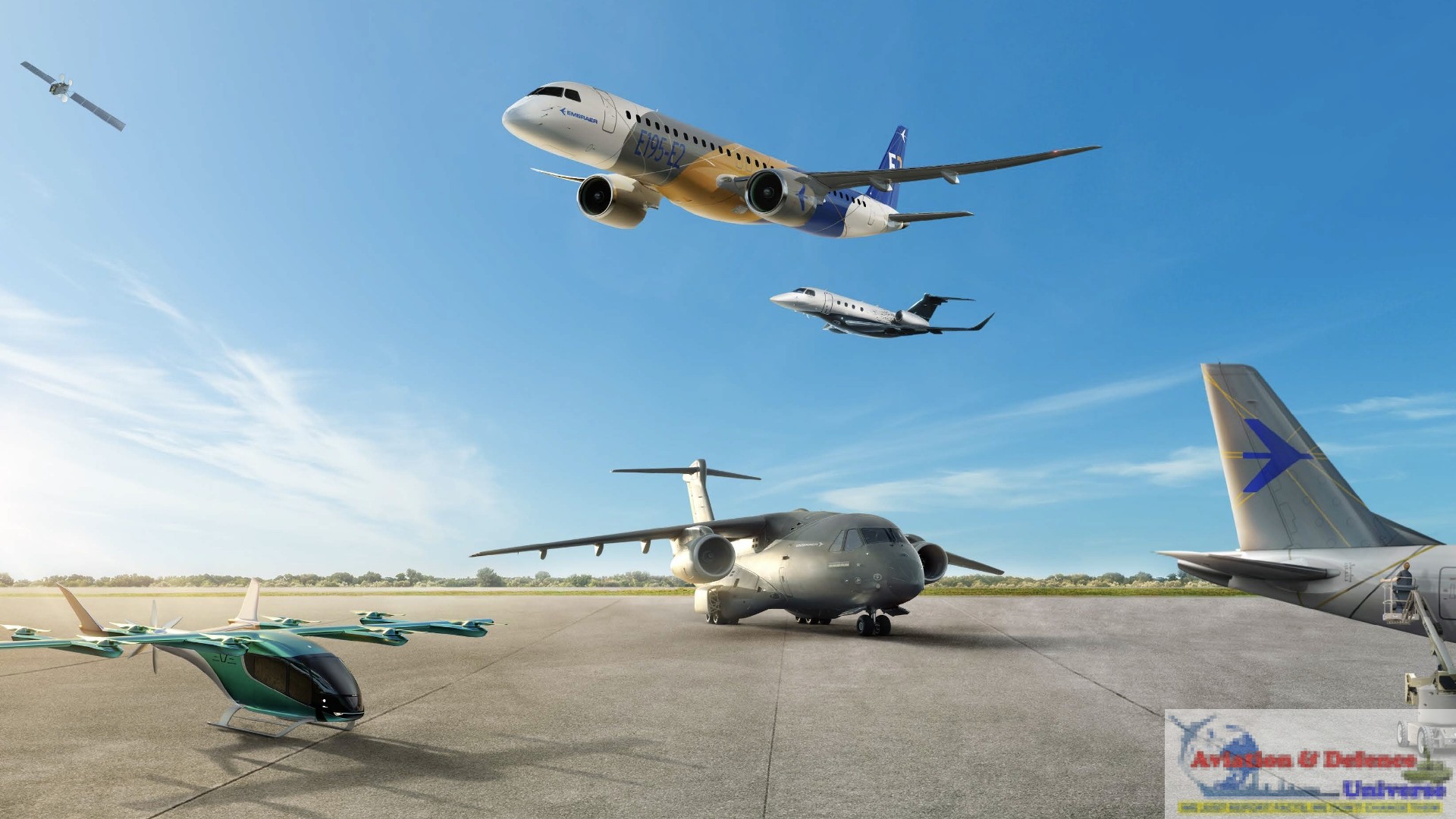
New Delhi. 14 August 2026. From creating an indigenous eye in the sky to offering the country a new-generation military airlifter that could potentially be built on Indian soil, Embraer’s relationship with India is preparing for its next big leap. More than two decades after the Brazilian aerospace major’s ERJ145 became the flying platform for India’s indigenous NETRA Mk1 Airborne Early Warning & Control System, Embraer  is now positioning the C-390 Millennium at the centre of an ambitious proposition for the Indian Air Force’s Medium Transport Aircraft programme—one that goes far beyond selling aircraft. In an exclusive interview with Aviation & Defence Universe (ADU), Sankalp Shrivastava, Country Head & Director, Embraer Defense & Security, India, outlines a vision in which an Indian C-390 selection could potentially establish the country as Embraer’s second assembly location and a regional manufacturing and MRO hub. In partnership with the Mahindra Group, Embraer envisages an ecosystem encompassing aircraft assembly, manufacturing, engineering, training, maintenance and supply-chain development, backed by localisation and technology transfer.
ADU. As India celebrates its 80th Independence Day, what are Embraer’s plans for collaboration with India?
Sankalp Shrivastava. Embraer has been a proud partner to India for more than two decades in advancing India’s Aerospace & Defence (A&D) capabilities. From the ERJ145-based NETRA Mk-1 AEW&C Systems that help protect India’s skies to the Embraer Executive Jets serving as the VIP transport fleet for the Indian Government and Armed Forces, Embraer remains committed to supporting the nation’s strategic needs. As India ushers in a new era of strategic independence in Aerospace & Defense, Embraer sees an opportunity to build on the relationship with India, buoyed by the strengthening economic and strategic ties between India and Brazil.
ADU. India is looking at indigenous innovation and Atmanirbharta as the key pillar for A&D in the coming decades, where does Embraer fit in?
Sankalp Shrivastava. As the global defence and geopolitical landscape evolves, India is rapidly advancing the modernization of its defense fleet to meet the demands of the coming decades. Embraer is looking to partner with India on – the Medium Transport Aircraft (MTA) and any possible future needs for the Indian Air Force’s (IAF) NETRA Mk1 AEW&C (Airborne Early Warning & Control) System given the expertise and proven capability Embraer have.
As one of India’s most important defence acquisition programmes, the MTA must not only strengthen future airlift capability but also advance domestic aerospace manufacturing, technology development, and self-reliance. Embraer’s commercial and defense platforms are technologically benchmark offerings in their segments, backed by strong localization/industrialization plans tailored for India. Embraer is completely aligned with the ‘Make in India’ vision towards ‘Atmanirbhar Bharat’ and has been working towards attaining ‘self-reliance’ by the means of localization – sourcing from India, to begin with.
ADU. You spoke about the NETRA Mk1 AEW&C, could tell us a little bit more about the program, and where India stands for any future procurement?
Sankalp Shrivastava. Embraer is honoured to have played a part in building the Netra AEW&C based on 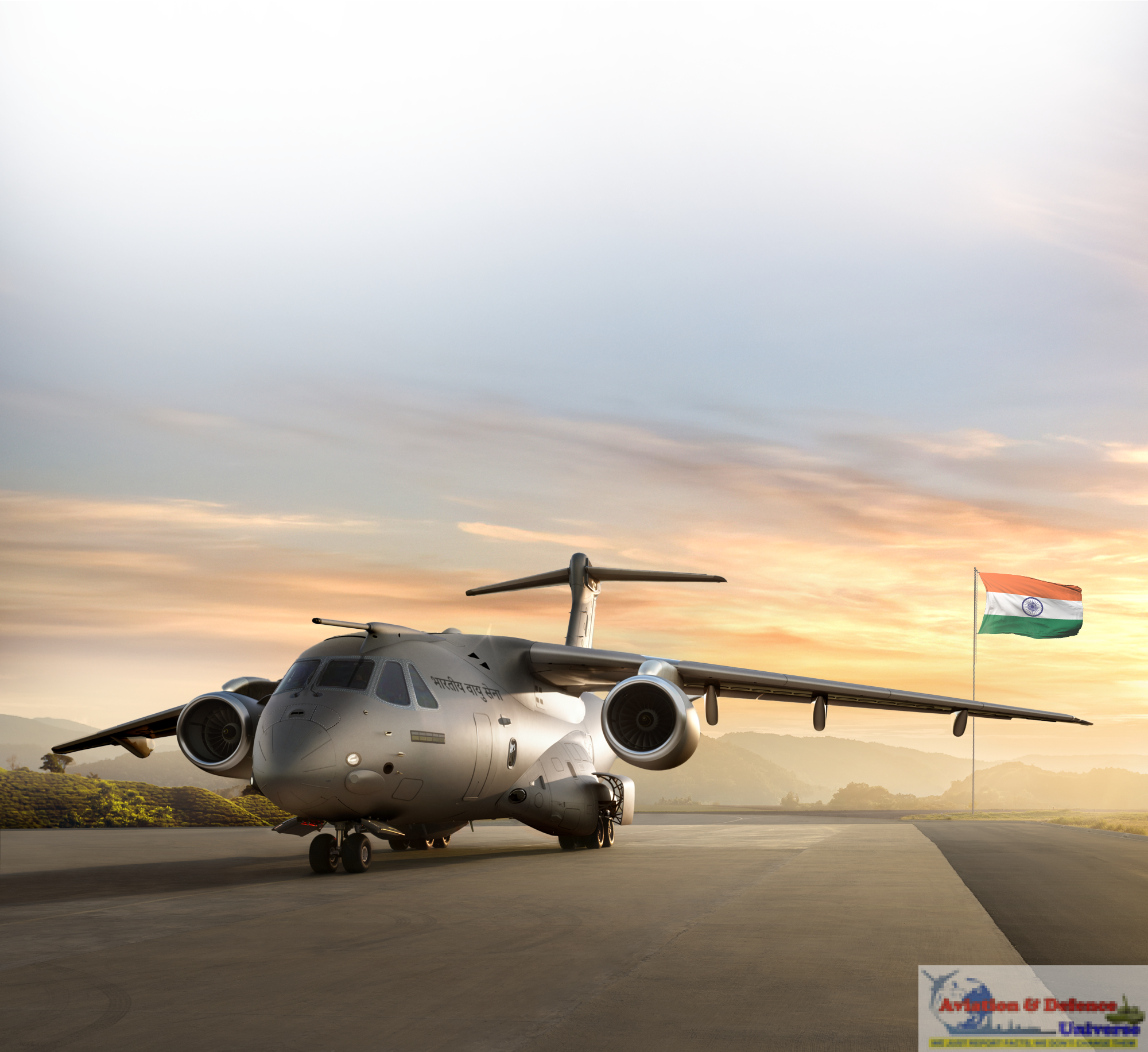 the Embraer ERJ145 platform together with the Defence Research and Development Organisation (DRDO) through the Centre for Air Borne systems (CABS). The aircraft received its Final Operational Clearance in June 2026. NETRA project always holds a special place for us, and we can proudly say that this was one of the very first examples of co-development/ Make in India, starting way back in 2000s.
A technically demanding program; it involved structural modification of a baseline commercial aircraft to integrate radar and other mission systems. The platform was also equipped with aerial refuelling capability and a self-protection suite (SPS), rare & challenging requirements incorporated in Commercial platforms.We are proud of the successful development of this system. The three Netra AEW&C aircraft in service have delivered proven performance and reliability in real-time operations. The feedback has been encouraging, and we remain ready to support the Indian Air Force in any possible future requirements.
ADU. You have the C-390 on offer for the MTA Program – what sets the C-390 apart and why should India look at this platform?
Sankalp Shrivastava. The Indian Air Force’s (IAF) Medium Transport Aircraft (MTA) programme is a landmark defence acquisition initiative aimed at modernising India’s airlift capability. At the centre of Embraer’s MTA proposal is the C-390 Millennium, a next-generation military transport aircraft designed to meet evolving operational requirements. Designed and built in the 21st century, the C-390 Millennium is the most modern military transport aircraft in its class. It carries more payload than comparable medium-lift transporters, while flying higher, faster and farther. The C-390 can perform a wide range of missions, including cargo and troop transport, equipment and personnel airdrops, medical evacuation, search and rescue (SAR), firefighting, and humanitarian assistance missions, while operating from temporary or unpaved runways.
India’s geography demands an agile transport aircraft capable of operating across diverse environments and the C-390 can operate from temporary and semi-prepared runways, perform at high-altitude airfields, and rapidly switch between mission profiles using modular configuration kits. The aircraft combines a payload capacity of up to 26 tonnes with the speed advantages of a twin-jet design.
Operational performance is another key differentiator. The C-390 has achieved mission completion rates above 99% and a mission-capable rate of minimum 93%. It also offers significantly lower operational and life-cycle costs while being closely aligned with India’s requirements.
ADU. This has been a good year for the C-390 in terms of global orders, could you tell us more about the recent acquisitions?
Sankalp Shrivastava. Increasingly seen as NATO’s modern military transport aircraft of choice, the C-390 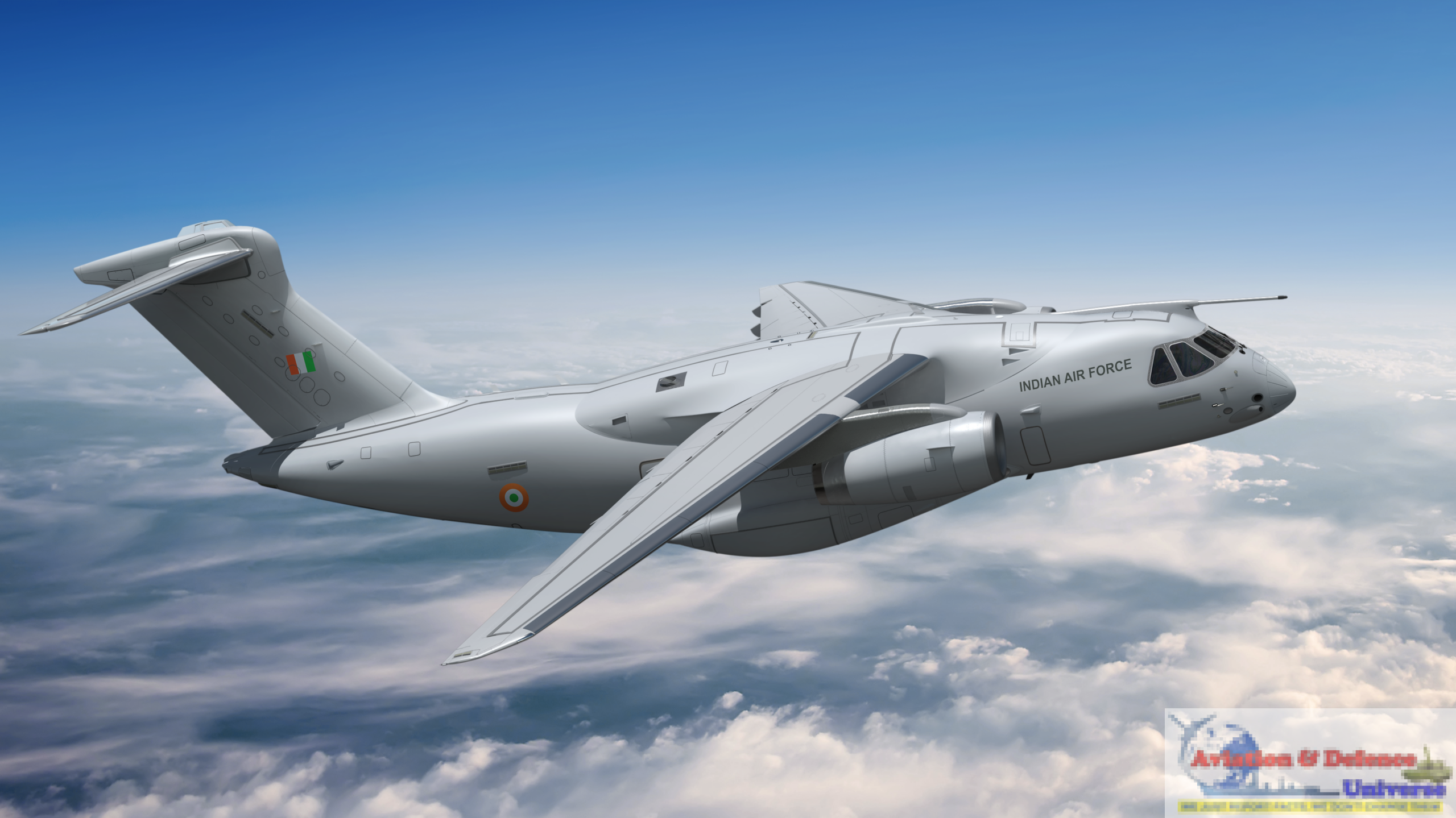 Millennium delivers unmatched capability, reliability, versatility, and performance while offering seamless interoperability. Recent orders in 2026 from the UAE and Colombia have further expanded the programme’s international footprint, demonstrating confidence in the aircraft’s performance across diverse operational environments.
The C-390’s growing international adoption is a testament to its future-ready capabilities. In addition to the Brazilian Air Force, the aircraft has been acquired by the air forces of Portugal, Hungary, the Republic of Korea, the Netherlands, Austria, the Czech Republic, Uzbekistan, Sweden, the United Arab Emirates, and Colombia, and it has been selected by Slovakia and Lithuania. For India, this growing operator community offers significant benefits through interoperability, shared best practices, and long-term fleet evolution.
ADU. You spoke of a strong Industrialization plan in place for the C-390, if selected for the MTA – could you elaborate more on your future vision?
Sankalp Shrivastava. Embraer has a partnership with the Mahindra Group and if selected, the C-390 programme would not only establish India as Embraer’s second assembly line, potentially, but also position the country as a MRO destination, serving as the regional C-390 Hub for manufacturing & service.
Embraer and Mahindra envision a comprehensive aerospace ecosystem around the aircraft, encompassing manufacturing, assembly, supply chain development, engineering, training, and maintenance capabilities within India. Together, the two companies aim to support the objectives of ‘Make in India’ and ‘Atmanirbhar Bharat’ through meaningful localisation, technology transfer and cooperation, and long-term capability development. Embraer has already begun expanding its local industrial footprint through committed collaborations with companies such as Hindalco and Bharat Forge, integrating Indian industry into its global supply chain.
ADU. How much technology transfer do you see happening to India – are there any restrictions?
Sankalp Shrivastava. In terms of capability, operational cost, lifecycle cost, customization, localization and technology transfer, the C-390 remains undoubtably the best solution for IAF’s MTA program. As nations, 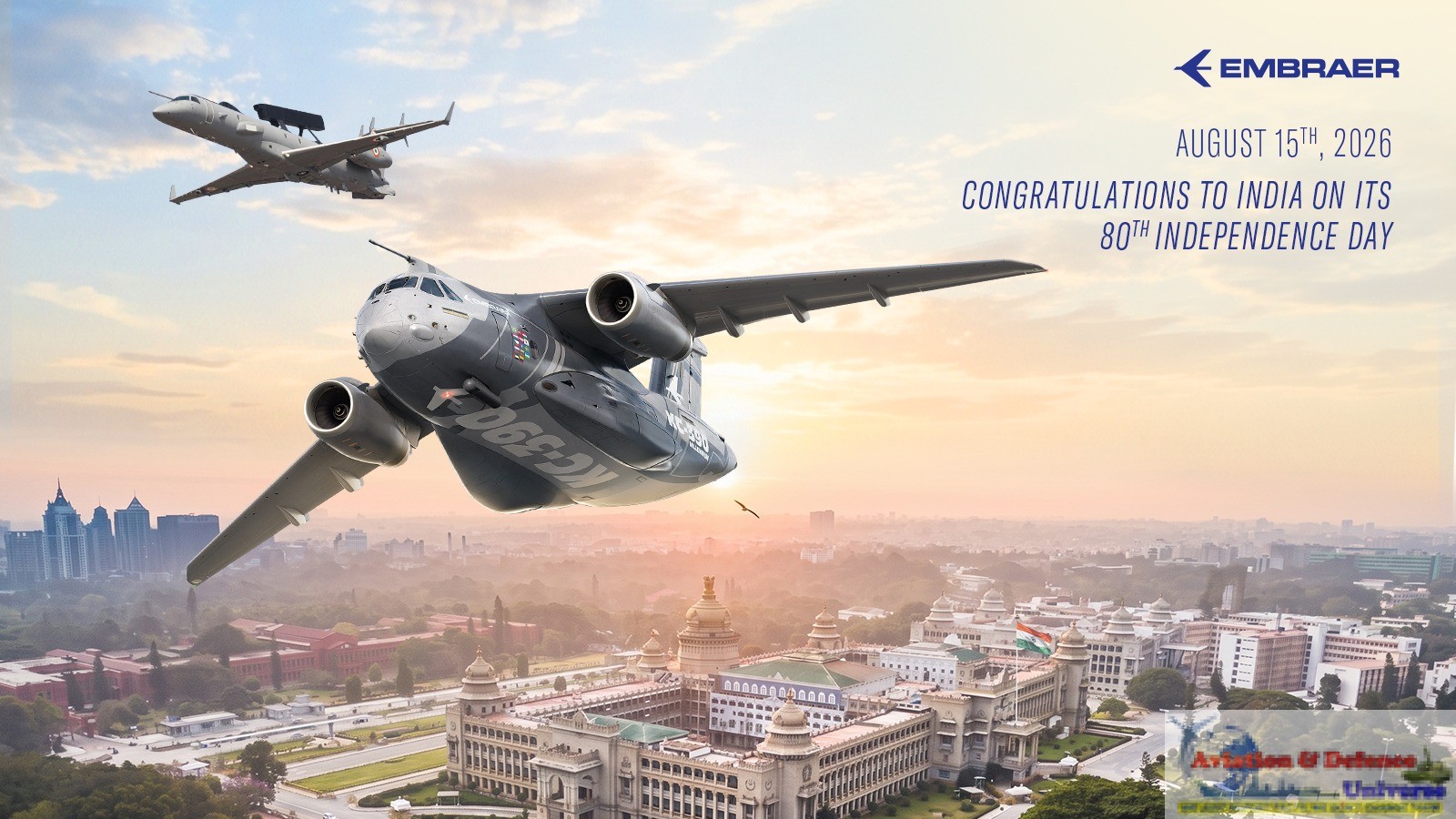 India and Brazil are natural partners, and Embraer is offering the most capable and advanced aircraft. As the IAF evaluates options for the MTA programme, the decision should be as much about strategic value as aircraft performance. The C-390 Millennium offers both: a modern, versatile aircraft and a long-term industrial partnership backed by significant technology transfer. As India’s aerospace and defence industry integrates into the programme and advances its capabilities, the resulting expertise, investment, and industrial growth could help strengthen future indigenous strategic programmes. The MTA programme therefore represents an opportunity not only to strengthen India’s airlift capability, but also to accelerate the development of a globally competitive aerospace and defence ecosystem.
Embraer’s proposition is industrial. The company and Mahindra envisage creating an Indian ecosystem around the C-390 encompassing manufacturing, assembly, engineering, training, maintenance and supply-chain development. Embraer has already begun widening its Indian industrial footprint through collaborations with companies including Hindalco and Bharat Forge, bringing Indian industry into its global supply chain. For the IAF, Embraer describes the C-390 as a 21st-century airlifter capable of carrying up to 26 tonnes while undertaking missions ranging from troop and cargo transport to medical evacuation, search and rescue, airdrop, firefighting and humanitarian assistance, including operations from temporary and semi-prepared runways.
As told to Sangeeta Saxena




























-A4-Size-(2)_page-0001.jpg)