
 Israel and Morocco Deepen Defense Cooperation: Israel MOD Director General Leads Delegation to Morocco to Strengthen Defense Ties















- Experts examine how AI, emerging technologies and multi-domain operations are reshaping air power and the priorities for India’s military preparedness
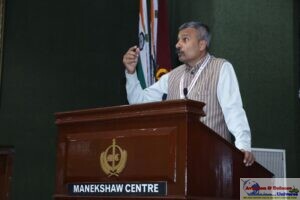
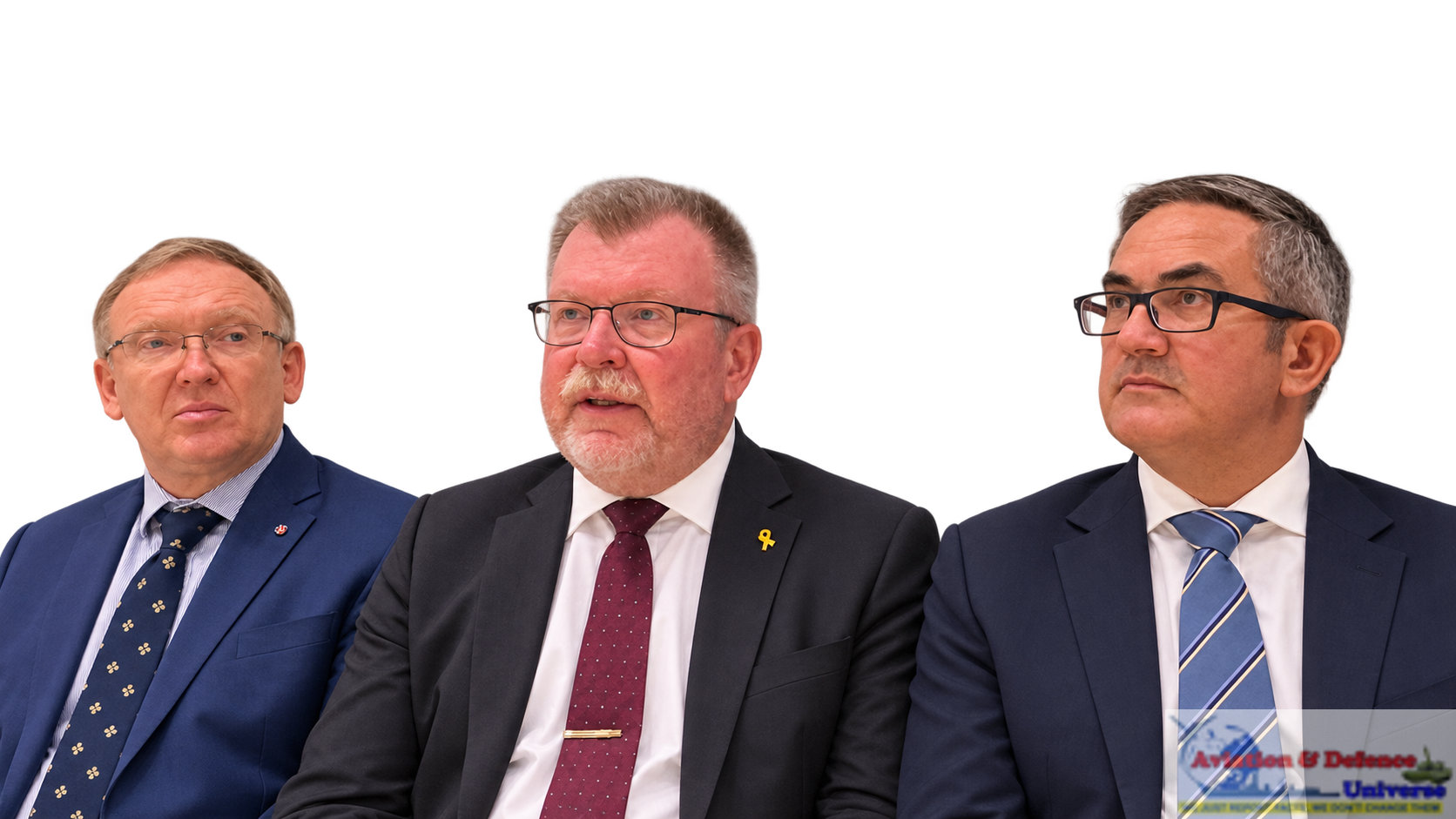
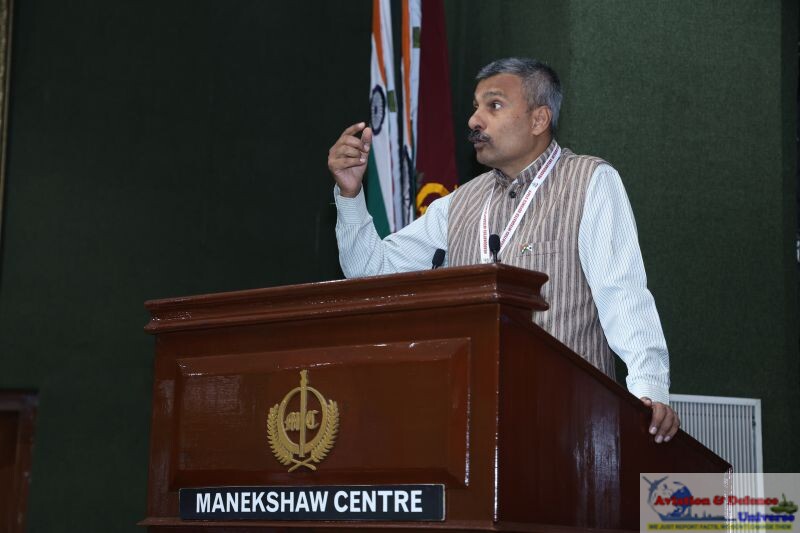
New Delhi, November 16, 2026: As warfare evolves with the growing convergence of artificial intelligence (AI), autonomous systems, cyber capabilities, space assets and electronic warfare, multi-domain integration and faster decision-making are emerging as critical determinants of military preparedness. Against this backdrop, Synergia Foundation, in collaboration with the Centre for Aerospace Power and Strategic Studies (CAPSS), convened a closed-door conference, The conference brought together defence leaders and strategic experts to examine the changing nature of combat and the capabilities required to prepare for future conflicts.
A key takeaway from the discussions was the need to move beyond conventional platform-centric warfare towards integrated multi-domain operations, combining air, land, maritime, cyber and space capabilities to improve operational effectiveness.
MULTI-DOMAIN INTEGRATION AND THE CHANGING BATTLESPACE
Tobby Simon, Founder & President, Synergia Foundation, drew attention to the growing asymmetry emerging from AI and cyber capabilities, emphasising the need to anticipate threats to critical infrastructure and strengthen resilience.
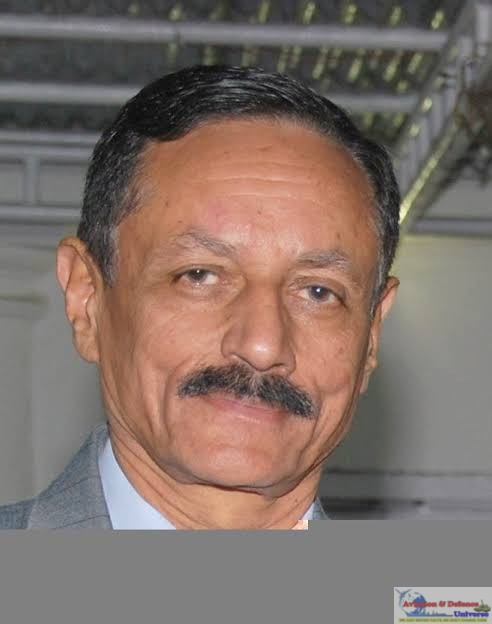
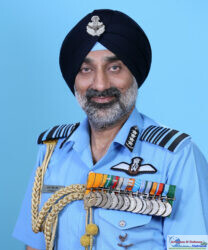
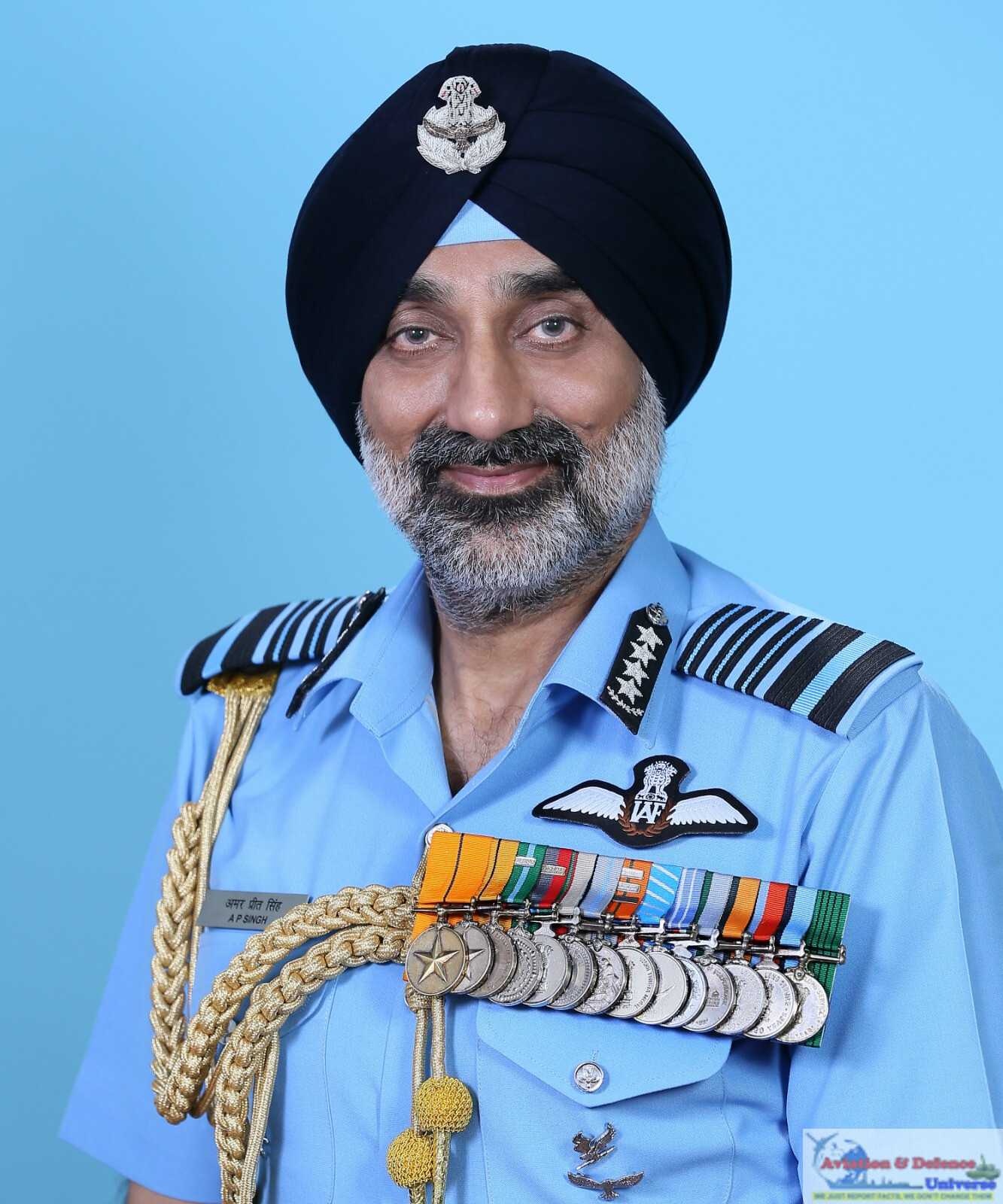
Air Marshal Surat Singh highlighted the need for greater integration of military assets, stronger inter-service coordination and reduced decision-making cycles. He emphasised that future warfare would require coordinated military and civilian capabilities to strengthen national preparedness.
Dr. Gopalan Jagadeesh (IISc) highlighted the growing importance of space-based assets, pseudo-satellites and sovereign AI and data infrastructure in shaping future air power.
SPACE, CYBER AND COUNTER-DRONE WARFARE
Speaking on Space, Cyber and Electromagnetic Warfare, Dr. Sudhir Mishra of BrahMos highlighted the increasing dependence of modern air operations on space-based capabilities, including intelligence, navigation, communications and missile warning systems. He emphasised the need to protect these critical assets against jamming and cyber threats.
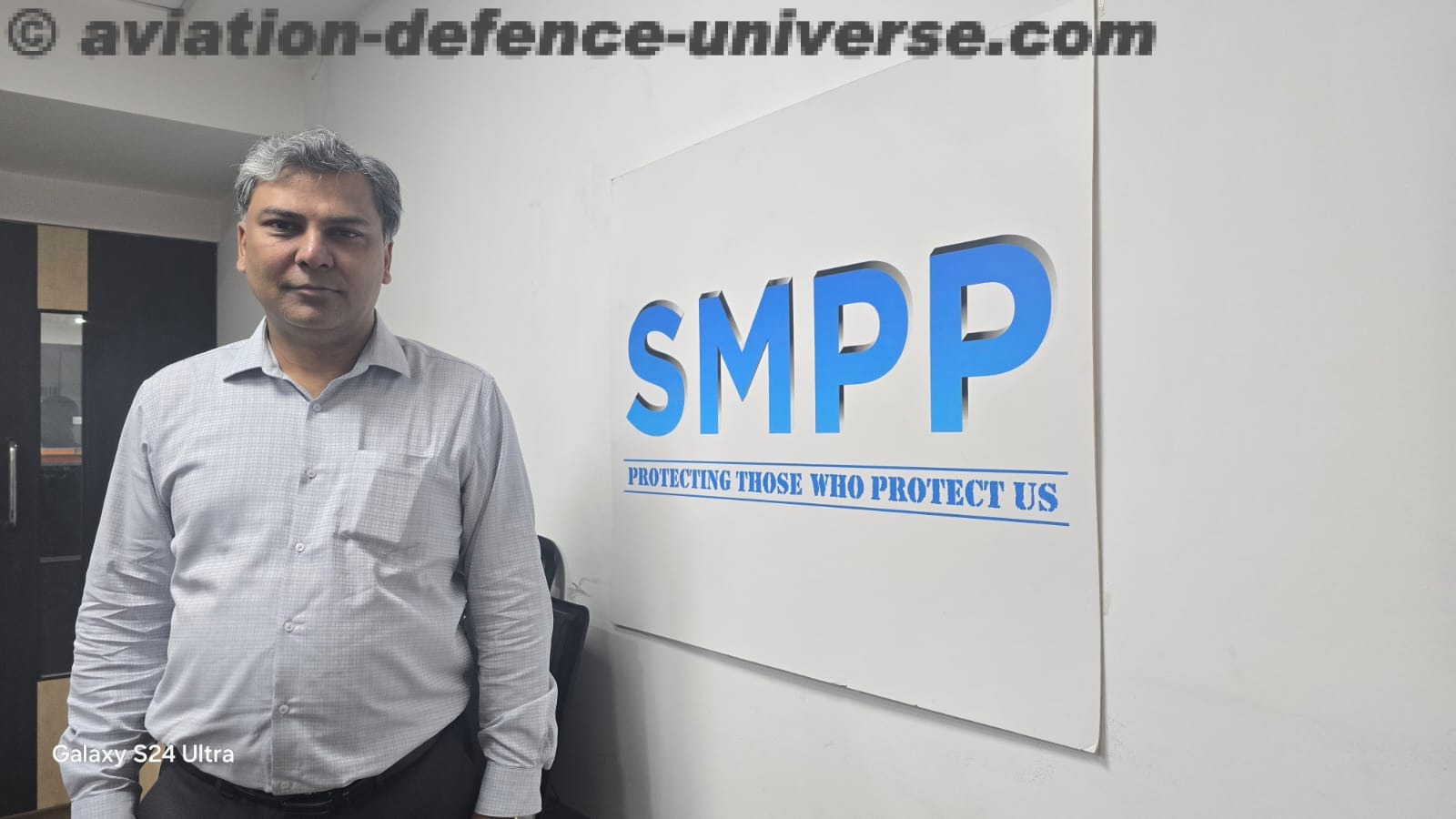
The conference also examined the growing challenge of unmanned aerial systems. Tarini Dhar Prabhu highlighted the need for a value-based approach to air defence, focusing on protecting high-value assets through cost-effective interception systems. Emerging technologies discussed included AI-directed jamming, passive cellular sensing and autonomous interceptors.
BUILDING INDIA’S FUTURE AIR POWER CAPABILITIES
Looking towards the 2030s, discussions highlighted the need for manned–unmanned teaming, attritable drones, electronic warfare capabilities, space-based surveillance and layered counter-drone systems.
The conference underscored that future air power will depend not merely on advanced platforms, but on the ability to integrate capabilities across domains, strengthen operational resilience and achieve decision superiority in increasingly contested environments.