
 Israel and Morocco Deepen Defense Cooperation: Israel MOD Director General Leads Delegation to Morocco to Strengthen Defense Ties









- From Flying Schools to Flight Decks: India Charts a New Course for Pilot Training
- Pilots, Simulators and the MPL Debate: Aviation INDIA 2026 Puts Training Under the Scanner
- From Cockpit Shortages to Training Supremacy: India’s Aviation Industry Searches for Its Next Flight Plan
By Sangeeta Saxena
New Delhi. November 2026. India can order aircraft by the hundreds, build airports by the dozens and dream of becoming a global aviation powerhouse. But who will sit in those cockpits? Who will train the pilots, standardize their skills, develop their judgment and ensure that the country’s aviation expansion is matched by an equally ambitious safety and training ecosystem? And can India transform itself from a country that sends aspiring aviators abroad into one that trains pilots for the world?
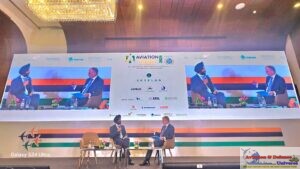
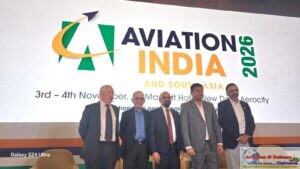
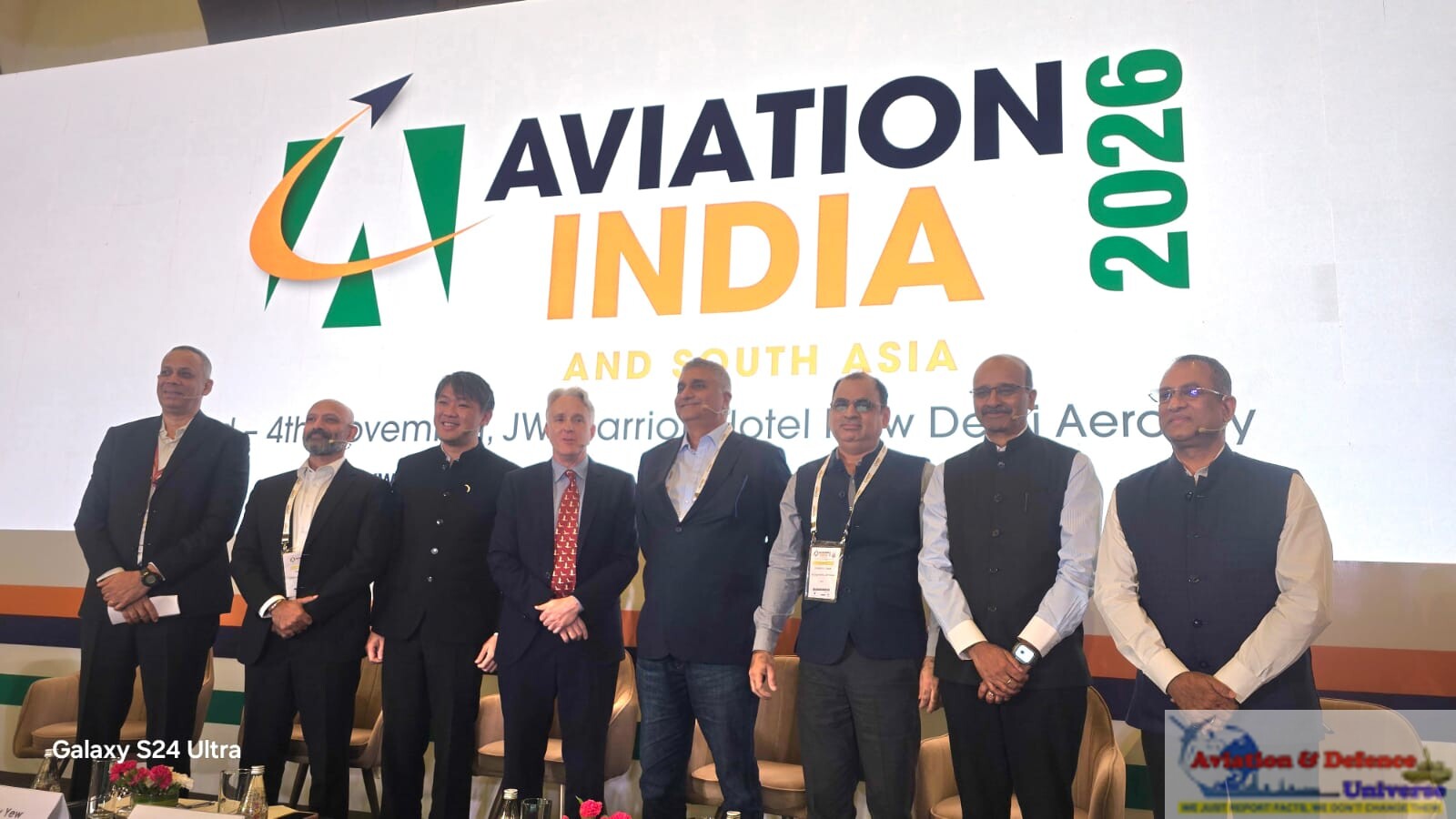
 These were the questions that dominated the concluding discussions at Aviation INDIA and South Asia Summit & Exhibition 2026, held at JW Marriott, Aerocity, New Delhi. In a session that moved from airline recruitment strategies to flying school economics, simulator infrastructure, regulatory reform and artificial intelligence, the aviation industry confronted one of its most pressing challenges: building a sustainable pipeline of airline-ready pilots without compromising safety or training standards.
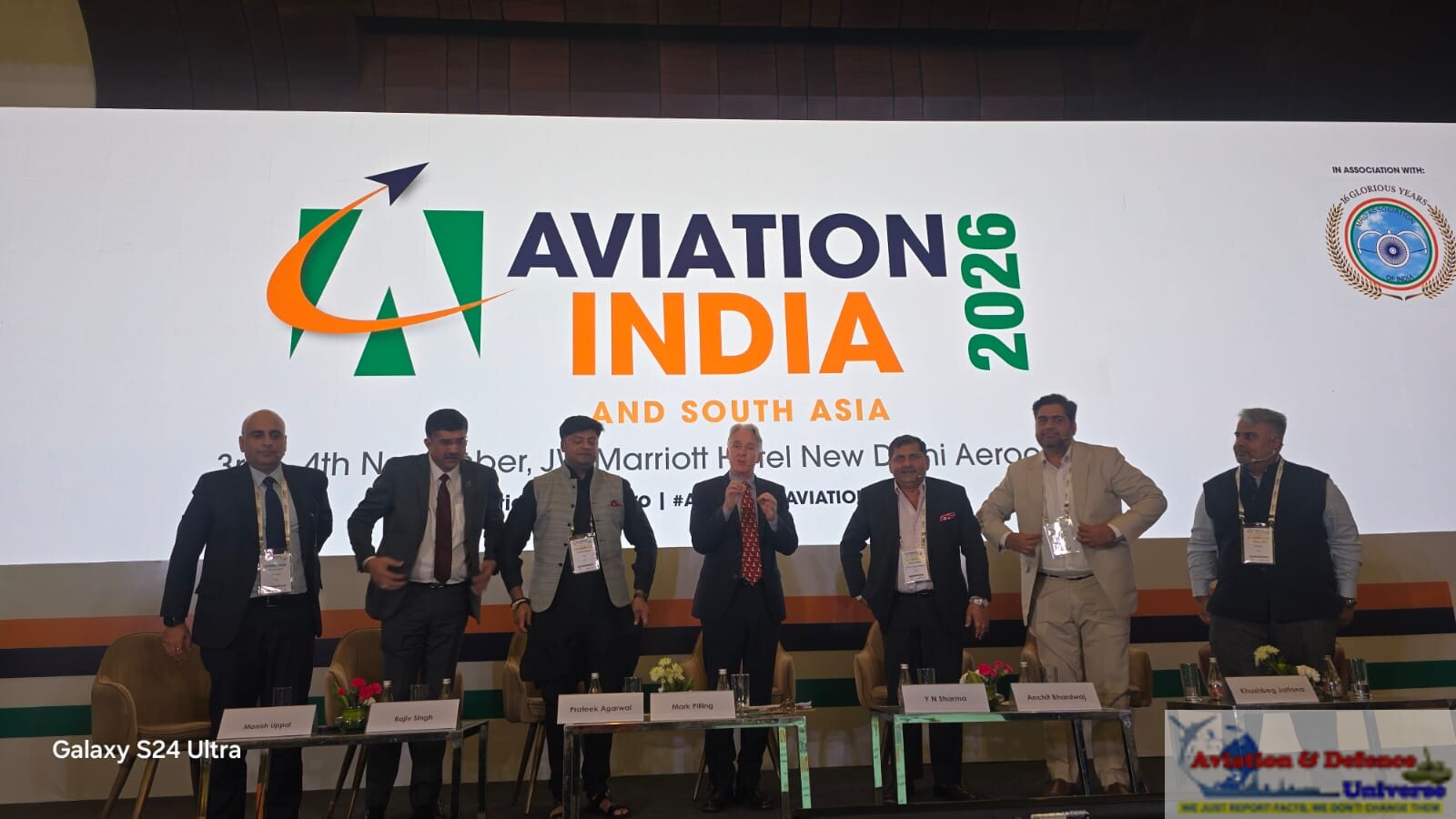
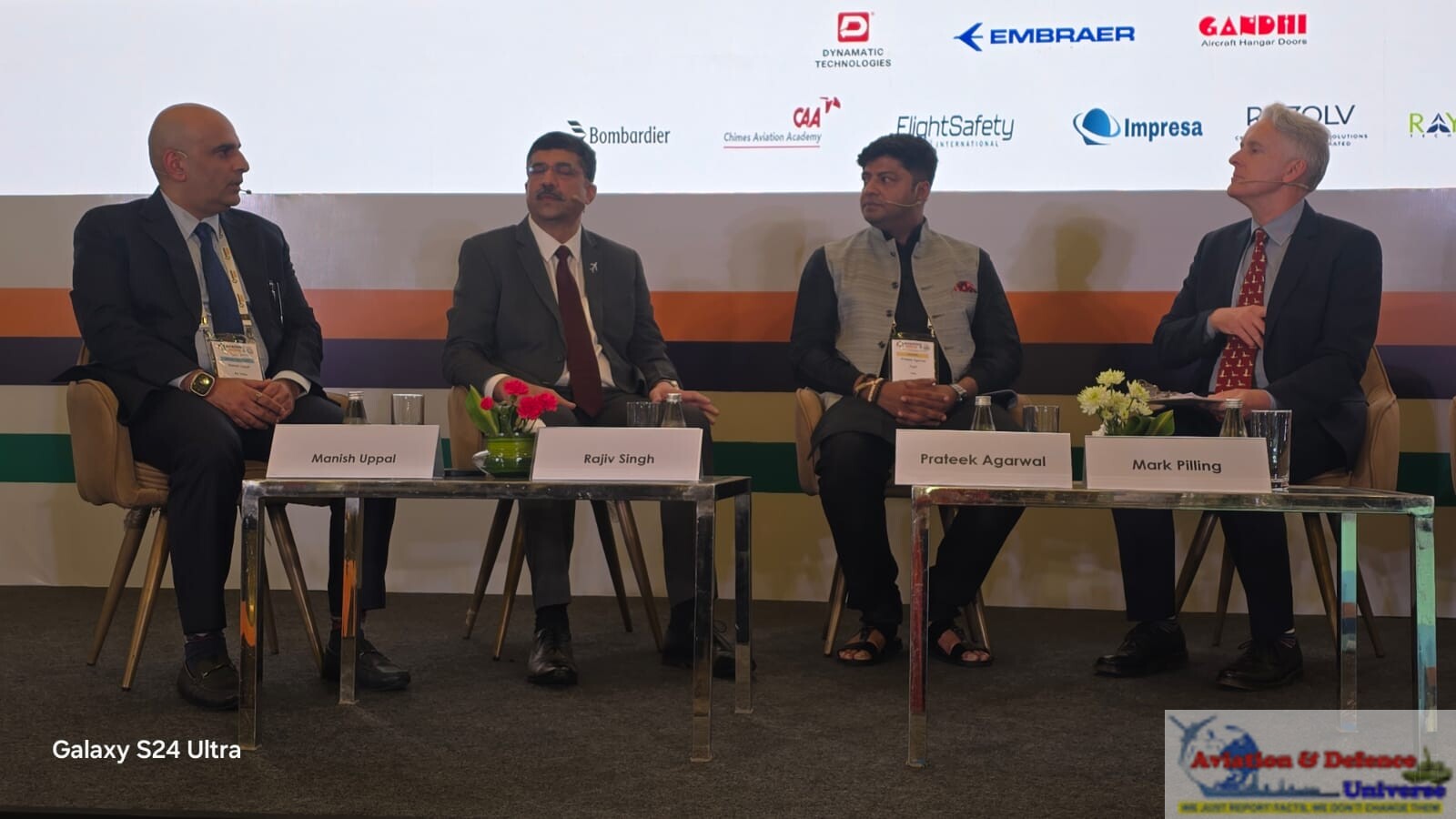
Moderated by Mark Pilling, the discussion unfolded in two stages. The first brought together airline operations and training leaders — Manish Uppal, Head of Flight Operations, Air India; Rajiv Singh, Vice President, Training, Flight Operations; and Prateek Agarwal, Vice President Operations, FLY91. The second widened the conversation to the training industry, with YN (Bobby) Sharma, CEO, Chimes Aviation Academy; Anchit Bhardwaj, CEO, Skynex Aero and Khushbeg Jattana, General Manager, Sim Aero India Pvt Ltd, joining the stage.
What emerged was not merely a discussion about producing more commercial pilots. It was a debate about the kind of pilots India needs, the training systems that can produce them, the investments required to sustain the industry and the regulatory changes that could determine whether India’s aviation growth becomes a domestic training opportunity or another source of business for overseas academies.
Airlines Need Pilots, But Quality Cannot Be Compromised
Mark Pilling began by examining the scale of pilot recruitment required to support India’s expanding airline fleets. Aircraft orders were creating long-term visibility for airline growth, but the corresponding training infrastructure needed to be developed well before the aircraft arrived.
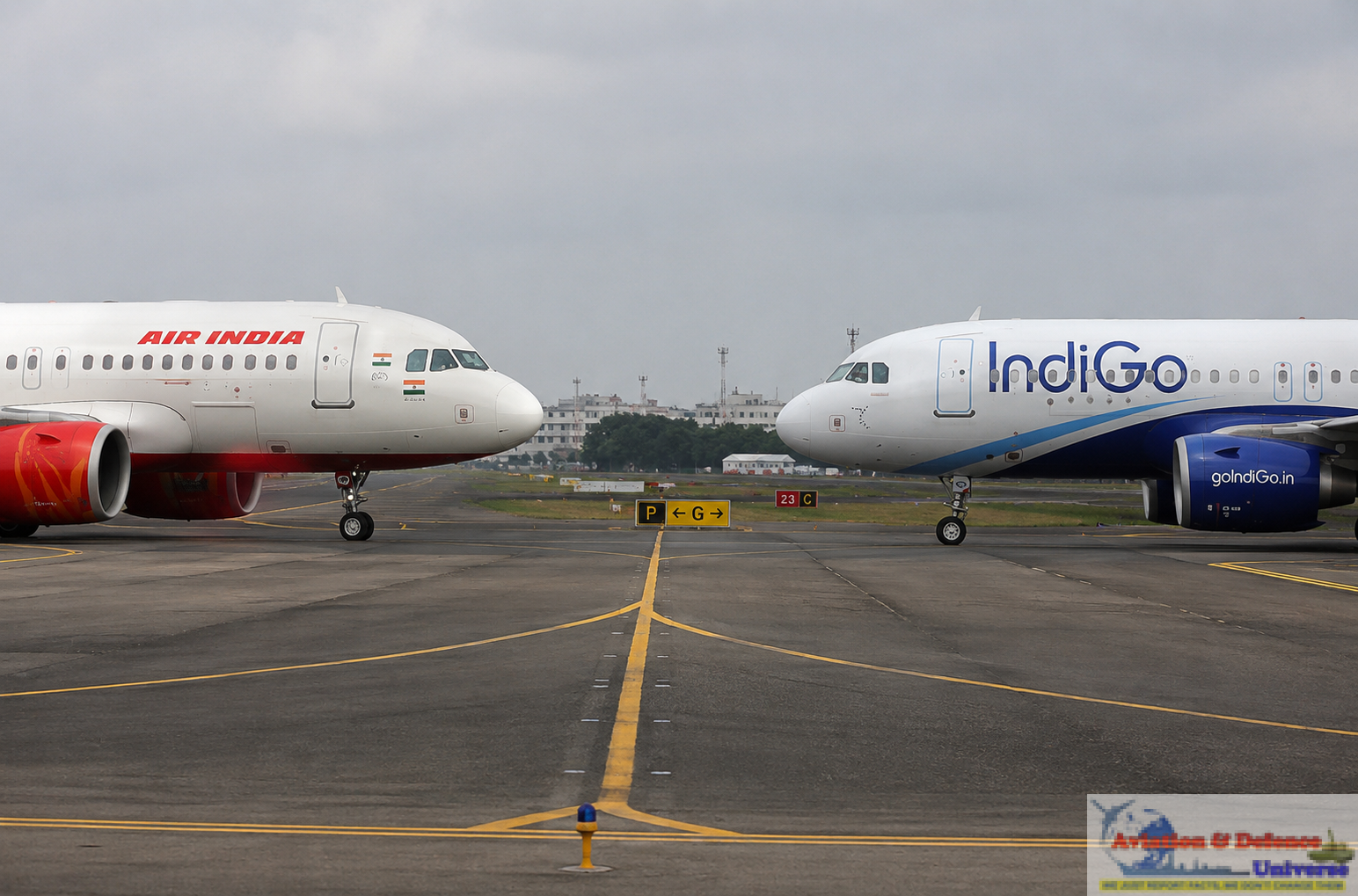
Turning to Rajiv Singh, who discussed IndiGo’s training requirements, Pilling asked how the airline was shaping its pilot recruitment pipeline, what annual intake it expected and how it intended to ensure consistent training standards.
Rajiv estimated that the airline would need approximately 600 to 800 pilots annually at the entry-level first officer stage. He emphasised that the objective was not simply to recruit sufficient numbers but to create a dependable pipeline through structured cadet programmes.
The airline wanted aspiring pilots to acquire the right discipline, competencies and operating philosophies early in their training so that they could transition smoothly into commercial airline operations. “The quality is the biggest challenge,” he observed.
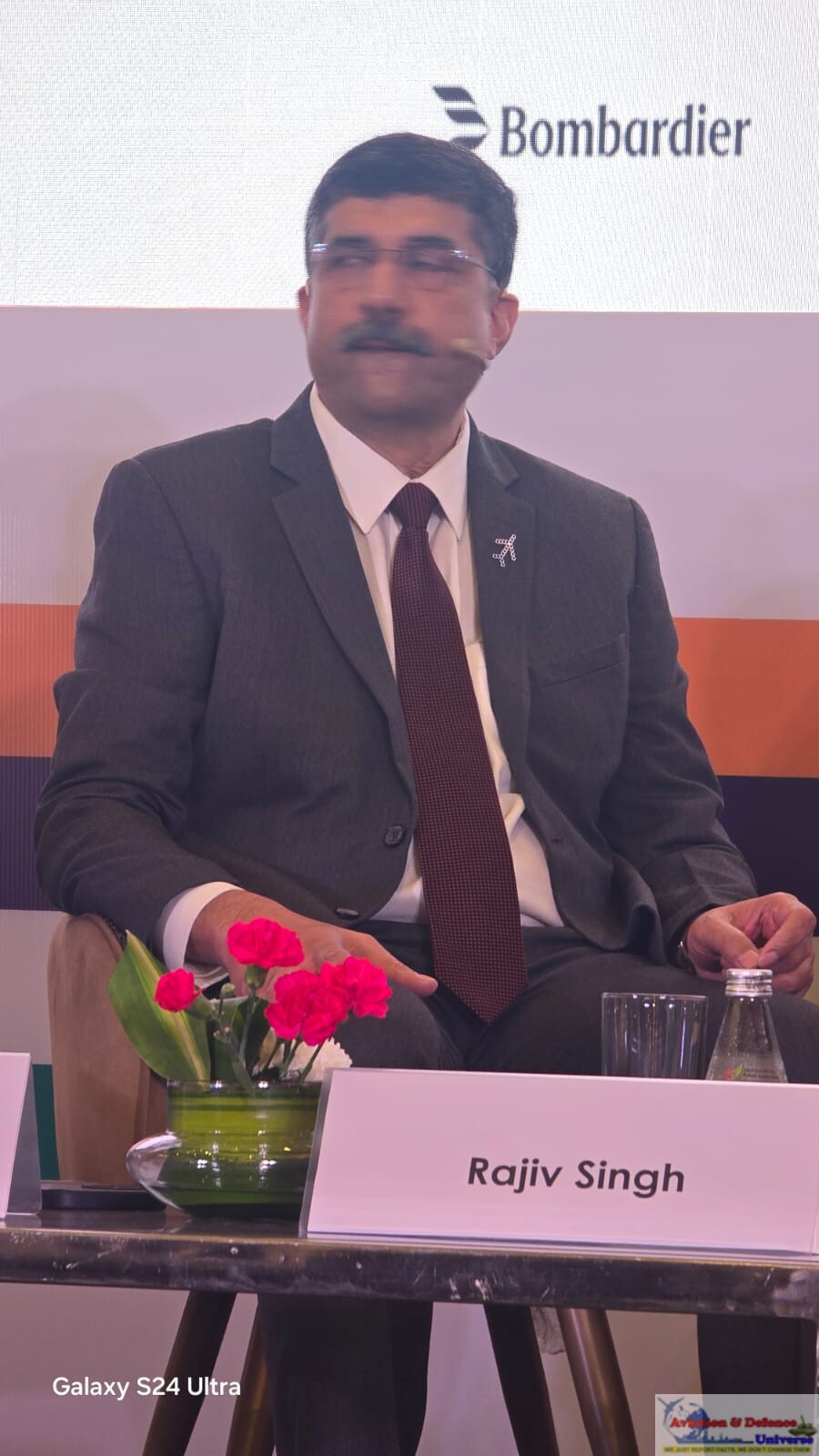 Rajiv explained that the long-term ambition was to recruit pilots predominantly through the airline’s cadet programme, allowing greater oversight of the flying schools and training processes involved. He acknowledged that existing cadet capacity was not yet sufficient and that the airline was expanding partnerships with flying training organisations (FTOs).
Pilling pressed him on whether the airline intended to establish its own flying school or continue relying on partnerships. Rajiv clarified that the airline did not operate its own FTO and preferred to work closely with training partners. The objective was to obtain the benefits of a controlled training environment without necessarily entering the flying school business itself.
The programme involved overseas schools, including facilities in New Zealand and Australia, alongside Indian training partners. Rajiv said additional schools were being evaluated to meet future requirements. The selection process included due diligence, regular monitoring, visits by airline teams and assessments of training quality. Pilling highlighted the contrast between this partnership-led strategy and Air India’s decision to invest directly in its own training infrastructure.
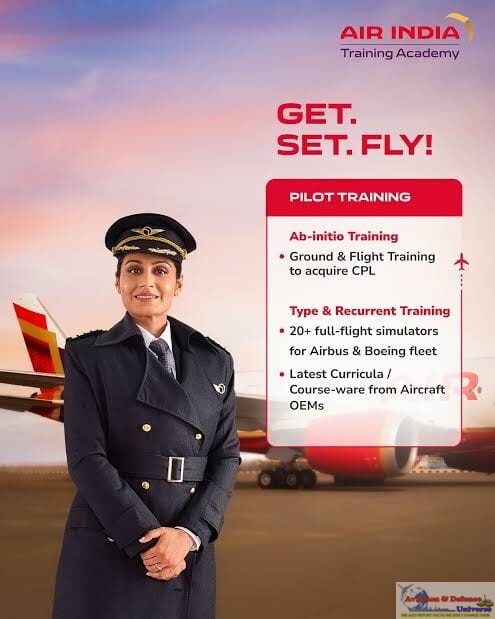
Air India Builds Its Own Pilot Pipeline
Turning to Manish Uppal, Pilling asked how Air India intended to meet its requirements across a more complex fleet structure. Uppal explained that Air India’s operations involved multiple aircraft types, creating different training and career progression requirements for pilots.
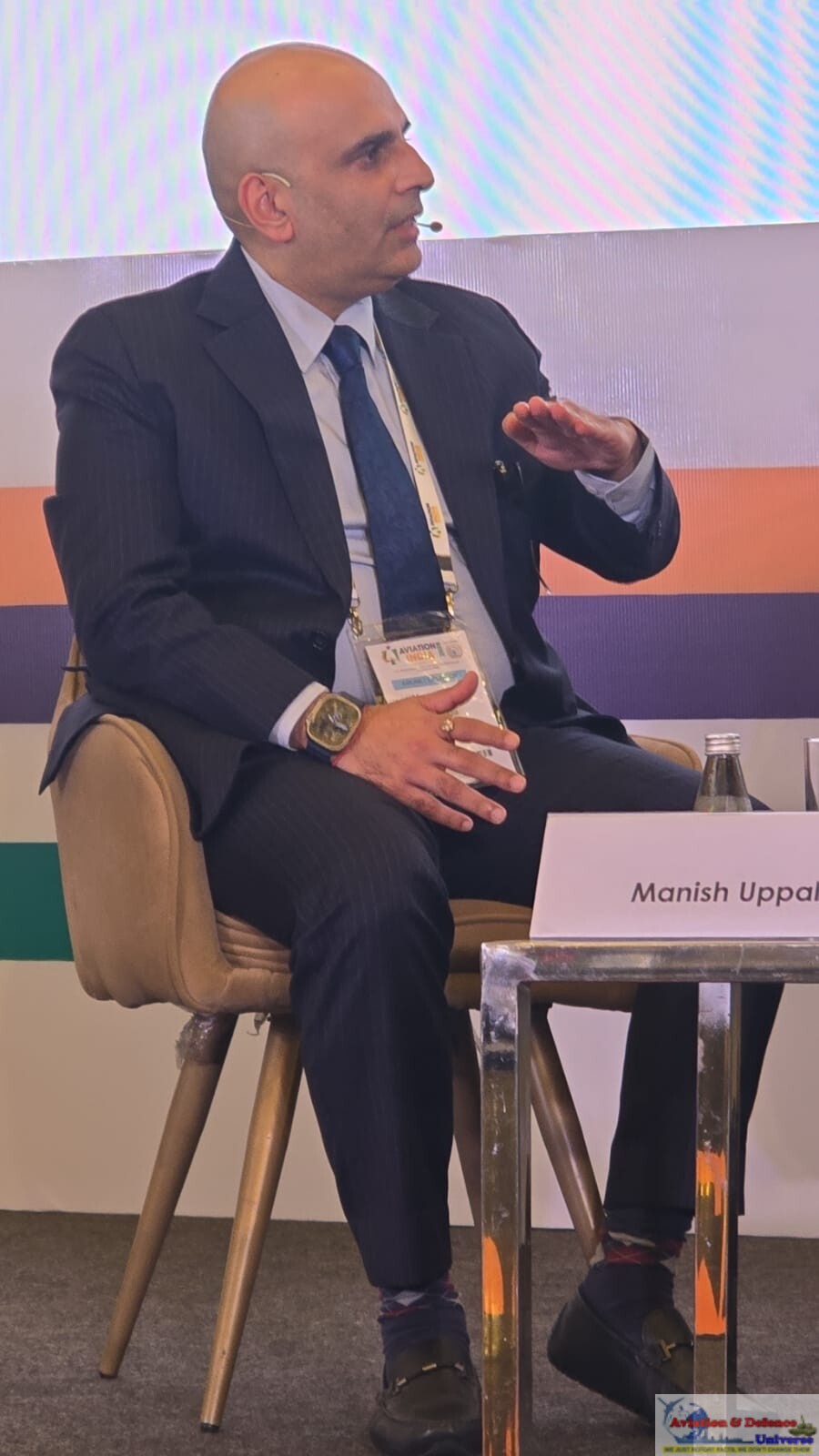 He highlighted the integration achieved during the merger process, particularly the creation of a common pilot seniority framework. “Four became two, but pilots became one,” he said, describing the consolidation of the airline group’s pilot workforce.
According to Uppal, Air India was prioritising internal career progression, particularly the movement of pilots from narrow-body operations to wide-body aircraft. This approach would create opportunities for existing pilots while allowing the airline to recruit and train new entrants for its narrow-body fleet.
Uppal explained that Air India was pursuing three interconnected approaches: cadet recruitment, selective direct-entry hiring and internal development programmes designed to prepare first officers for command. He acknowledged that relying heavily on external captain recruitment would be difficult in a market dominated by two major airline groups.
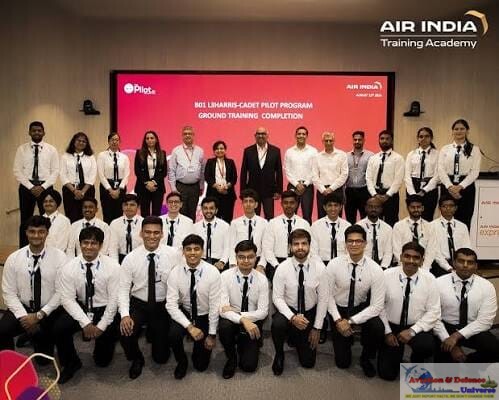
The airline therefore needed a robust training and promotion pipeline. He also stressed that the pressure to expand could not justify lowering standards. Air India’s training infrastructure included its Gurugram facility, with extensive classroom capacity, airline training organisations and plans to expand simulator capacity. Uppal referred to an ambition of approximately 22 simulators over the next three to five years. The airline was also drawing on international aviation expertise and relationships with its aircraft manufacturing and airline partners.
Air India’s Flying School: Taking Control from the First Lesson
Pilling asked whether Air India’s decision to establish its own flying school had emerged from its post-privatisation transformation programme. Uppal confirmed that the initiative formed part of the airline’s broader transformation strategy and had been envisaged during its initial planning.
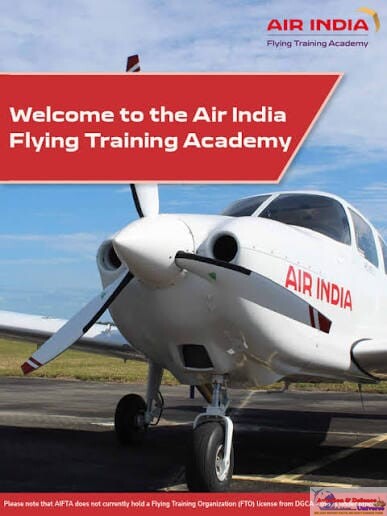 The purpose was to create greater control over the complete training journey, beginning at the flying school and continuing through advanced training to airline induction. Air India wanted to reduce unnecessary delays between the stages of training while maintaining safety and quality. Uppal explained that its new flying school at Amravati was designed to expose cadets to an airline environment from the beginning.
The facility had approximately 34 training aircraft, comprising 31 single-engine and three twin-engine aircraft, according to his presentation. He highlighted the value of operating from controlled airspace, enabling cadets to experience procedures and operating conditions closer to those they would encounter in commercial aviation.
The school was also incorporating airline culture into its initial training. Uppal explained that the first weeks included familiarisation with airline operations, safety management systems, organisational culture and the Tata Code of Conduct.This was intended to ensure that students understood the professional responsibilities of airline pilots before progressing through their flying syllabus.
“The critical part to me is how close that school is to meeting the airline standard,” he explained, in a lightly edited rendering of his remarks. He said approximately 20 to 30 cadets from earlier overseas training partnerships had completed their licenses and were progressing through the airline’s training system.
When Pilling asked whether Air India intended to offer third-party training services, Uppal said the airline’s immediate priority was meeting its own requirements. External training opportunities could be considered later, but they were not central to the current plan.
FLY91: A Regional Airline’s Different Training Equation
The discussion then turned to Prateek Agarwal of FLY91.Pilling noted that the requirements of a regional carrier differed substantially from those of India’s largest airlines.A smaller airline needed to develop its pilot pipeline around a more limited fleet and a different pace of expansion. He asked how FLY91 selected training partners and whether it specified the competencies required of pilots entering its operations.
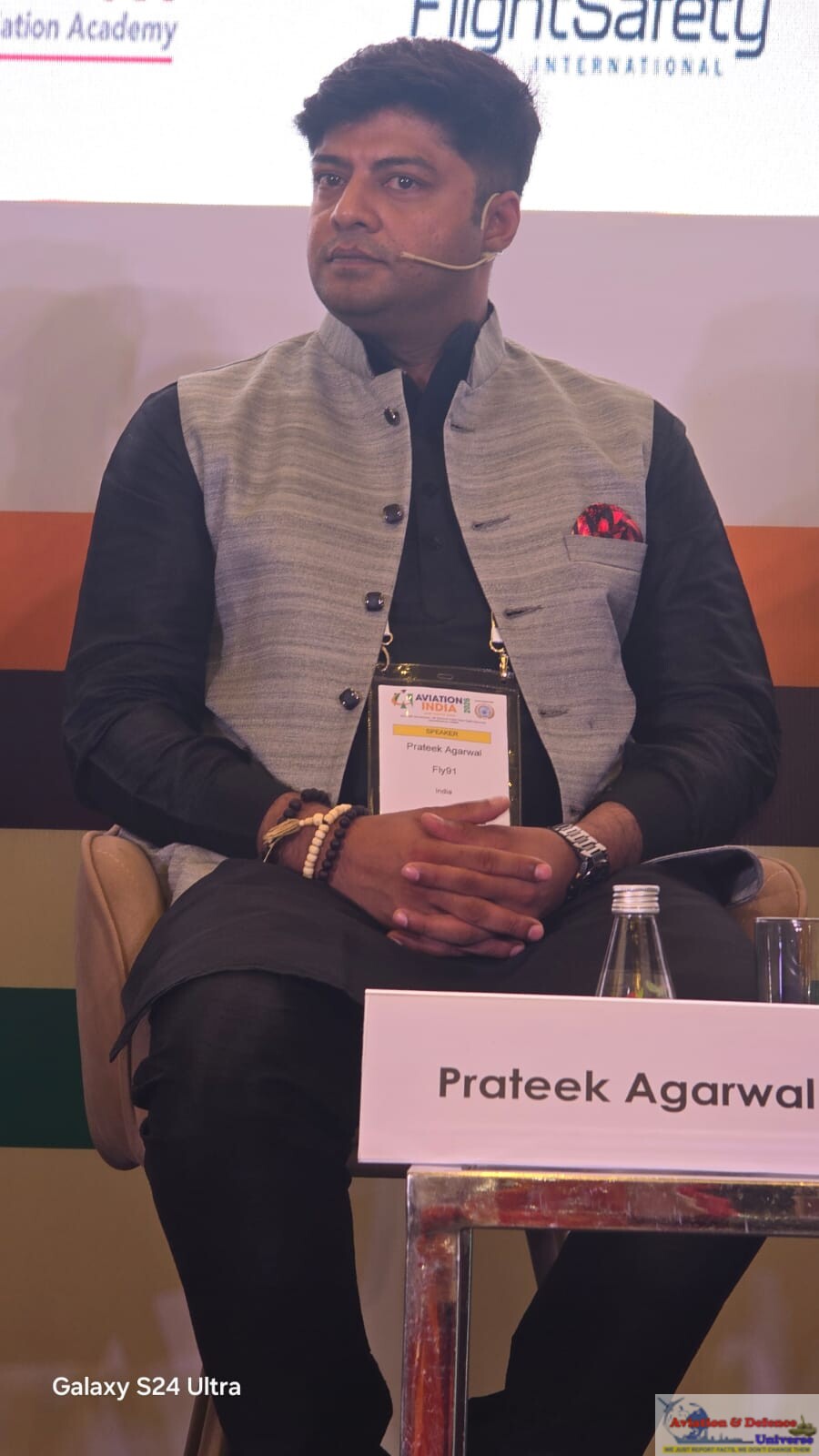 Agarwal indicated that the airline worked with training partners to establish standards and monitor the quality of training. However, he also emphasised the need to balance training ambitions with the realities of a smaller operation. Unlike large airlines requiring hundreds of pilots annually, regional carriers needed recruitment and training systems aligned with their actual fleet induction schedules.
The discussion touched on the possibility of developing greater in-house training capabilities as the airline expanded. Agarwal suggested that the airline’s approach would evolve with its operational scale. His contribution illustrated a broader challenge for India’s aviation training industry: one training model may not suit every airline. The requirements of a large international carrier, a domestic low-cost airline and a regional operator differ in volume, fleet structure, training resources and financial capacity.
Attrition: Can Airlines Retain the Pilots They Train?
Pilling next raised the issue of pilot attrition. International airlines frequently conduct recruitment campaigns in India, offering opportunities to experienced pilots and potentially disrupting the workforce planning of domestic carriers.
 He asked whether the airlines were experiencing increased attrition and how they accounted for it in their recruitment strategies. Rajiv acknowledged that losing experienced pilots and instructors was undesirable but explained that attrition was incorporated into workforce planning.
He indicated that departures remained within the range anticipated by the airline and were not disrupting operations. Uppal similarly observed that pilots moving between Indian and international airlines was not a new phenomenon.
Airlines needed to understand historical attrition patterns and build sufficient flexibility into their training and recruitment plans. He emphasised the importance of internal career progression as a retention tool. When pilots could see a credible pathway from first officer to captain, they had an additional incentive to remain with the airline.
Uppal suggested that a pilot could progress towards command in approximately four years under favourable circumstances, although individual timelines would depend on training, experience and operational requirements. He also referred to an average career association of eight to ten years as an important consideration in workforce planning.
Pilling expanded the discussion to the industry’s tendency towards a boom-and-bust approach to pilot training.He observed that airlines sometimes recruited aggressively during expansion and then reduced training activity when market conditions deteriorated. Such fluctuations could create instability throughout the training ecosystem. The discussion highlighted the importance of long-term planning, with airline representatives describing the benefits of maintaining training pipelines even during periods of disruption.
The Real Challenge: Producing Airline-Ready Pilots
Pilling then shifted the debate from numbers to competencies. He asked whether conventional flying schools were producing pilots with the skills required to operate in modern airline cockpits. Rajiv explained that traditional flying training focused heavily on individual aircraft handling and solo flying.
 Airline operations, however, required additional competencies, including teamwork, leadership, communication, decision-making and problem-solving. A cadet flying alone in a training aircraft did not necessarily acquire the full range of skills required in a multi-crew commercial cockpit. This made airline engagement with FTOs essential. Rajiv described how the airline worked with training partners to introduce greater discipline in pre-flight procedures, communication standards, instructor standardisation and competency development. He emphasised regular assessments, structured feedback and monitoring.
Pilling underlined that the relationship between an airline and its training partner was more than a commercial arrangement. It was also a quality and safety partnership. Uppal explained that Air India assessed potential training partners against two broad principles: scalability and the quality of their organisational culture and processes. The airline examined whether an FTO possessed sufficient infrastructure and whether its training environment was compatible with airline operating standards. The objective was to make the transition from flying school to airline cockpit as seamless as possible.
MPL Versus CPL: The Debate That Divided the Stage
The second stage of the concluding session brought the flying training and simulator industry into the conversation. Pilling invited YN (Bobby) Sharma, Anchit Bhardwaj and Khushbeg Jattana to join the airline representatives.
 The central issue was the potential introduction of the Multi-Crew Pilot Licence (MPL) in India and its implications for the established Commercial Pilot Licence (CPL) training system. The discussion exposed differences between airlines seeking more integrated, competency-based training and training providers concerned about the infrastructure, cost and regulatory implications of a new licensing pathway.
The MPL model integrates training more closely with airline operations, placing greater emphasis on multi-crew competencies and simulator-based instruction. Airline representatives argued that it could help produce pilots better prepared for commercial operations.
They also suggested that simulator-based training could provide more predictable schedules and allow instructors to expose cadets to situations that would be difficult or unsafe to reproduce in ordinary training aircraft.
Rajiv explained that a simulator could recreate operational challenges and emergencies, allowing instructors to assess how cadets responded under pressure. He argued that such training could develop resilience and decision-making skills that conventional solo flying did not fully address. The airline representatives also identified scalability as a potential advantage.
Establishing new flying schools required substantial land, aircraft, instructors and infrastructure, whereas additional simulator training capacity could potentially be developed within a smaller physical footprint. However, the industry representatives questioned whether India was ready for an immediate transition.
Bobby Sharma: MPL Is an Alternative, Not an Immediate Necessity
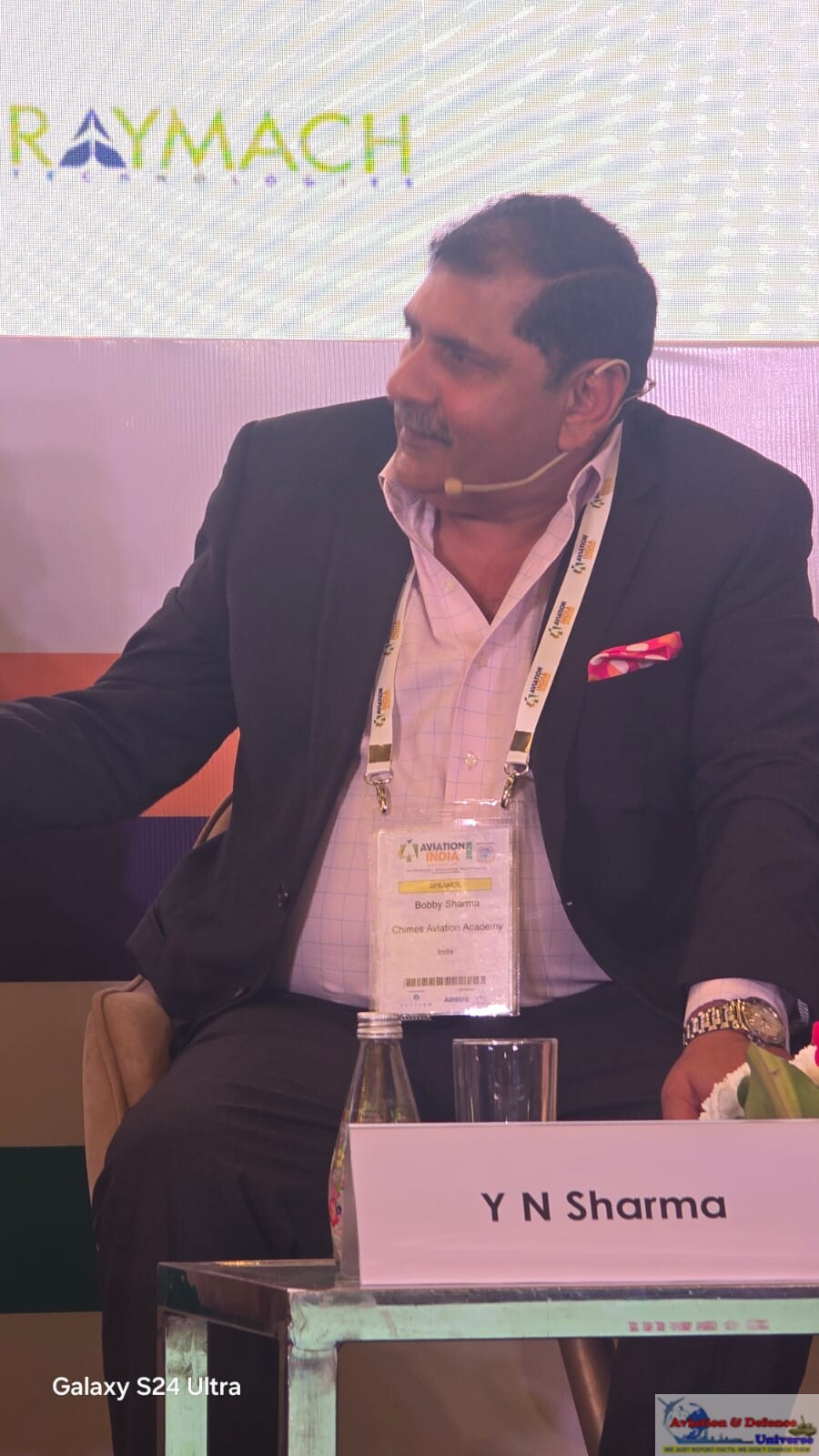
YN (Bobby) Sharma, CEO of Chimes Aviation Academy, offered a measured assessment. He described MPL as an alternative pathway to becoming an airline pilot rather than an automatic replacement for conventional CPL training. “Both have their advantages and disadvantages,” he observed.
Sharma acknowledged that simulator-based instruction could offer significant benefits, particularly in exposing trainees to emergencies and complex operational situations. However, he cautioned that the practical requirements of implementing MPL on a large scale needed careful examination.He raised questions about simulator availability, the volume of training hours required and the investment necessary to support large numbers of cadets.
 Sharma also stressed that the existing flying training ecosystem had expanded considerably and was continuing to improve. He argued that India should assess its own requirements and infrastructure before adopting a new training model. He did not oppose MPL in principle but questioned whether it should be treated as an immediate necessity.
Later, responding to the wider debate, Sharma acknowledged that conventional training also required improvement. He emphasised the importance of making the existing 200-hour training syllabus more productive and more closely aligned with airline operations. The objective, he suggested, should be better training outcomes rather than simply accumulating flying hours.
He also challenged the assumption that overseas flying schools were uniformly superior to Indian institutions. Some international schools were excellent, he acknowledged, but quality varied considerably across the global training industry. Indian flying schools, he argued, were increasingly capable of meeting high standards.
Anchit Bhardwaj: India Needs a Hybrid Approach
Anchit Bhardwaj, CEO of Skynex Aero, approached the debate from the perspective of a developing training organisation. He questioned whether India should divert its attention entirely from an existing licensing system towards a new model whose suitability for domestic conditions had not yet been fully established.
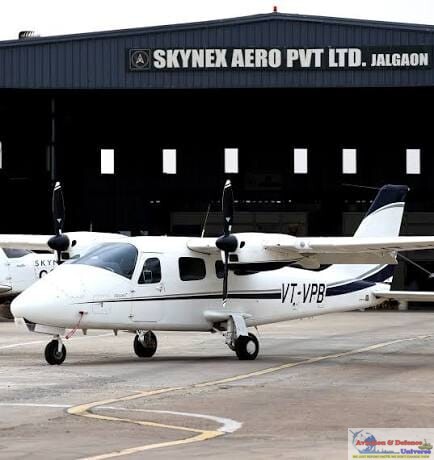 Bhardwaj argued that the aviation industry needed to identify the actual competencies required from pilots before deciding how best to structure training. He suggested that India could initially strengthen the conventional CPL pathway by incorporating elements of competency-based training and assessment (CBTA).
“Maybe a hybrid, I suppose, where we add a CBTA concept to the current CPL,” he suggested. Such an approach would allow the industry to improve existing training while continuing to evaluate the potential benefits of MPL. He emphasised that any new framework should be developed collaboratively. “It has to be jointly developed. It can’t be one entity or one participant in the process,” he argued.
Bhardwaj called for engagement among airlines, flying schools, regulators and other stakeholders, beginning with a clear understanding of the skills pilots needed at different stages of training.His contribution brought the discussion back to a central principle: reform should begin with the desired training outcomes, not simply with the adoption of a new licensing structure.
Khushbeg Jattana: MPL Needs Simulators, Investment and Instructors
Khushbeg Jattana, General Manager of Sim Aero India Pvt Ltd, examined the MPL proposal from the perspective of simulator infrastructure. He acknowledged that greater reliance on simulation would create business opportunities for training providers. However, he cautioned that the industry needed to confront the investment requirements involved.
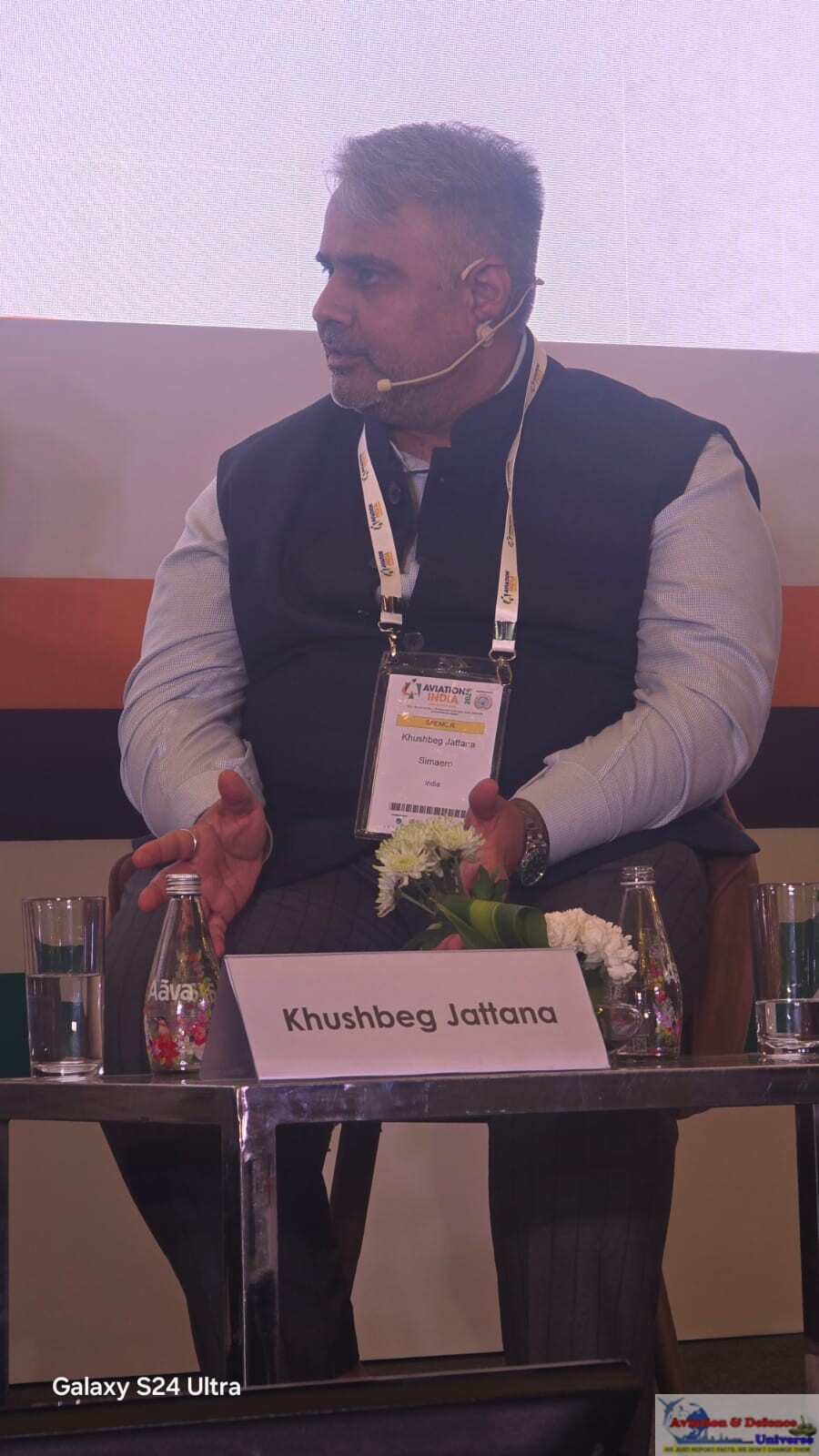 Jattana referred to approximately 40 simulators in India and suggested that the country could require at least another 40 over the coming years. He also highlighted the need to replace older simulators as aircraft technology and regulatory requirements evolved. The challenge was not limited to purchasing equipment.
Simulator operations required specialised instructors, qualified technical personnel, maintenance support, regulatory approvals and substantial capital investment. Jattana questioned whether the existing ecosystem possessed sufficient capacity to support a rapid MPL rollout. “Are we there? We are not. Do we have the infrastructure? No. Do we have the regulations? No. Do we have the skilled manpower? No,” he said.
His remarks illustrated the difference between the theoretical attractiveness of MPL and the practical requirements of implementing it. The industry could see the potential benefits of an integrated training system, but those benefits would depend on the availability of the necessary resources.
Sim Aero Sees India as an International Training Hub
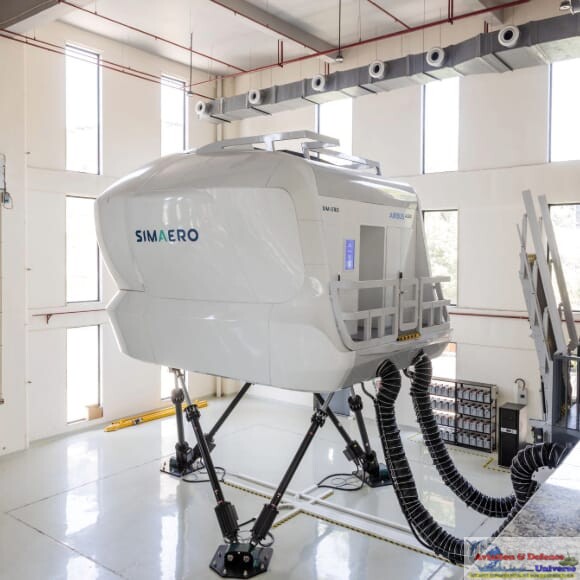 Pilling asked Jattana about the progress of Sim Aero’s new training facility. Jattana explained that the facility was progressing through the necessary regulatory approval processes, which had taken longer than originally anticipated. He said the centre was designed to accommodate up to eight simulators.
Beyond domestic demand, Jattana identified opportunities to attract international customers. He pointed to neighbouring regions, including parts of Central Asia, where advanced simulator training infrastructure was limited. India, he argued, could develop facilities capable of serving airlines and pilots from these markets.
He also highlighted the importance of pursuing international approvals and recognised quality standards rather than relying exclusively on domestic certification. The broader opportunity was to develop India as an aviation training destination, attracting business that might otherwise go to established overseas centres. This would require investment in infrastructure, stronger regulatory processes and training standards capable of meeting international expectations.
Can India Become a Global Aviation Training Centre of Excellence?
The debate subsequently broadened beyond MPL and CPL. Pilling asked whether the combined expansion of airlines, flying schools and simulator centres could create an opportunity for India to become a major international training hub. The airline representatives argued that the country’s expanding training ecosystem could support a larger ambition.
 India could potentially develop both conventional CPL and MPL pathways, creating different options for domestic and international customers. However, the industry needed to move beyond isolated investments towards a more coordinated training ecosystem. The discussion highlighted the importance of collaboration among airlines, FTOs, approved training organisations, simulator providers and regulators.
Sharma supported the ambition but emphasised that Indian training institutions needed to continue improving quality. He argued that the country’s flying schools had made significant progress and that training providers were increasingly working with airlines to make their programmes more relevant to commercial aviation. The opportunity was therefore not merely to train sufficient pilots for Indian carriers but to build a training industry capable of competing internationally.
Artificial Intelligence Enters the Pilot Training Debate
During the audience interaction, a participant asked how artificial intelligence could influence the next generation of pilots. The question addressed whether AI would primarily assist pilots in decision-making and flight operations or eventually reduce the need for human pilots. Rajiv responded that AI applications in aviation training were still evolving.
 He explained that IndiGo was increasingly capturing training information digitally, creating a foundation for more sophisticated analysis. Such data could eventually support AI-based applications in assessing pilot performance, identifying training needs and improving training effectiveness. However, he emphasised that regulatory requirements would remain important.
The discussion suggested that AI’s more immediate value could lie in supporting training analysis and competency development rather than replacing pilots.
Bhardwaj also contributed to the discussion, raising concerns about excessive dependence on technology and the need to preserve independent knowledge and judgement. The exchange reinforced the importance of ensuring that technological advances strengthened rather than weakened essential piloting skills.
The Student’s Dilemma: CPL or MPL?
Another audience participant raised a question that brought the discussion directly to the aspiring pilot. If India introduced MPL alongside CPL, which pathway should a student choose? The question was  particularly important because pilot training represents a substantial financial commitment for students and their families. Sharma declined to recommend one pathway universally. He reiterated that CPL and MPL represented different approaches, each with advantages and disadvantages.
He expressed confidence that MPL would eventually become part of India’s training landscape but maintained that students should evaluate their circumstances and available options carefully. The discussion highlighted the need for transparent information about training costs, licensing conditions, airline sponsorship, employment prospects and the transferability of qualifications. For prospective pilots, regulatory reform would need to provide clarity rather than create additional uncertainty.
Will Aircraft Eventually Fly Without Pilots?
The audience also raised the possibility of pilotless commercial aviation. The discussion acknowledged that automation was advancing rapidly, but participants remained cautious about the prospect of eliminating pilots from commercial aircraft. The regulatory, operational and safety challenges associated with single-pilot and pilotless operations remained substantial.
The conversation did not identify an imminent transition to pilotless airline operations. Instead, the emphasis remained on developing pilots capable of operating increasingly sophisticated aircraft while maintaining professional judgement and situational awareness.
Human Factors: Training Must Continue Throughout a Pilot’s Career
The final audience questions returned the discussion to aviation safety. A participant asked how airlines ensured that experienced pilots continued to meet professional and behavioural standards throughout their careers, particularly in light of incidents involving trained cockpit crews.
 The response highlighted the increasing importance of human factors training. Airline representatives explained that human factors formed a critical part of pilot development from initial induction through recurrent training and professional assessments. The discussion emphasised that airlines and regulators had strengthened checks, training processes and oversight.
Although individual incidents could undermine public confidence, the speakers stressed the professionalism of the wider pilot community and the multiple safeguards embedded in commercial aviation. The broader message was that pilot training could not end with the award of a licence or an aircraft type rating. It needed to remain a continuous process throughout an aviator’s career.
Mark Pilling’s Closing Message: India’s Training Ecosystem Is in Good Hands
Bringing the discussion to a close, Pilling acknowledged the candour of the speakers and the differences in their perspectives. The debate had exposed genuine concerns about investment, infrastructure, regulation and the pace of change, but it had also demonstrated a shared commitment to improving the quality of pilot training.
 Airlines wanted greater control over training outcomes and more predictable pilot pipelines. Flying schools wanted practical reforms that recognised the strengths and limitations of existing systems. Simulator providers saw significant opportunities but cautioned that infrastructure and instructor capacity needed to expand.
Pilling concluded on an optimistic note. “I personally feel that we are in good hands,” he told the audience. He praised the experience and expertise represented on stage, from established industry veterans to newer participants entering the training ecosystem. His closing remarks reflected confidence in the industry’s ability to confront its challenges through dialogue, innovation and collaboration.
India Must Train for the Aviation Future It Is Building
 The concluding session of Aviation INDIA 2026 demonstrated that India’s aviation ambitions cannot be fulfilled through aircraft orders and airport construction alone. Every additional aircraft requires trained pilots, instructors, simulators, maintenance support, regulatory oversight and a training system capable of sustaining growth without sacrificing safety.
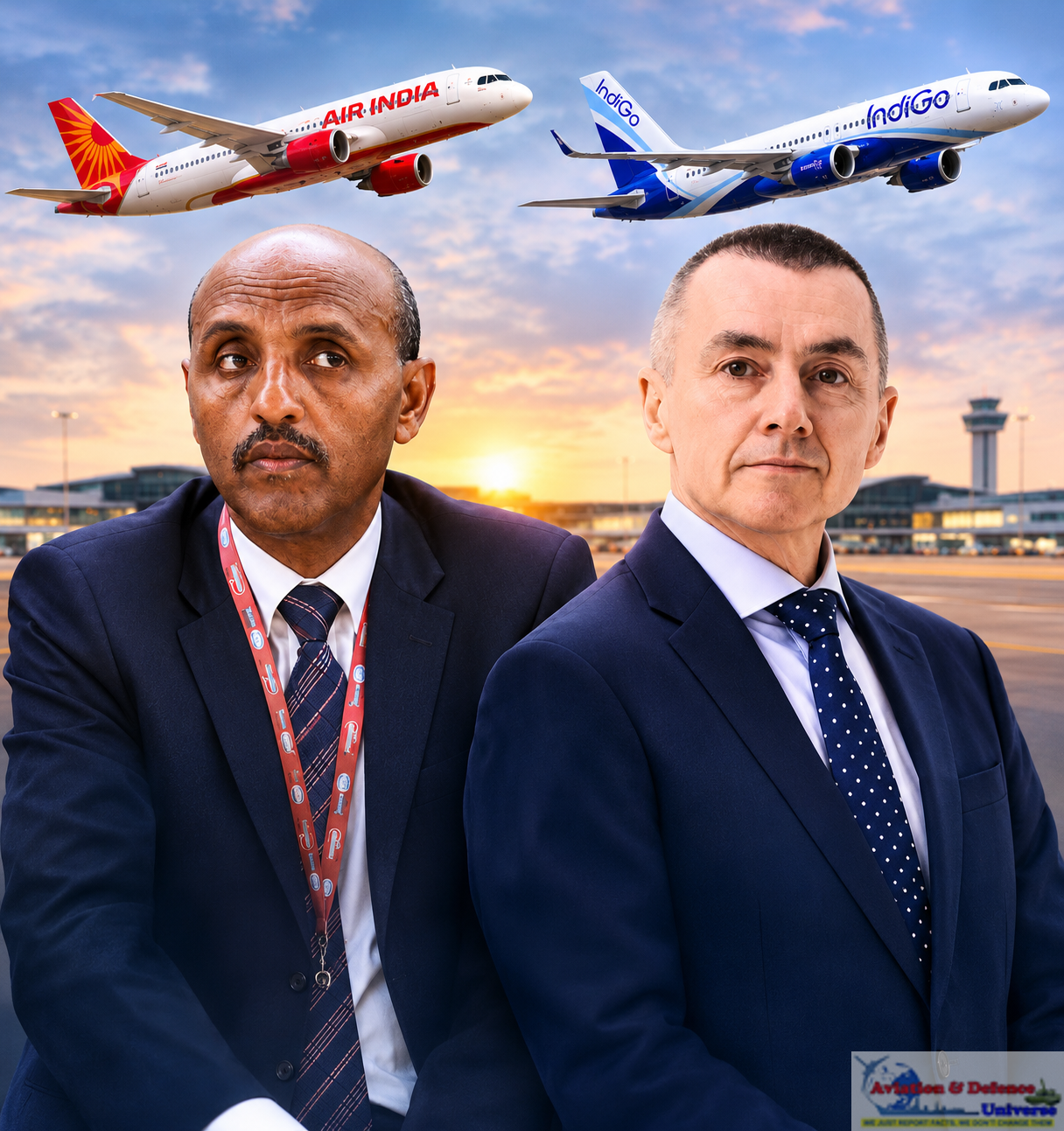
The discussion also revealed that there is no single solution. Air India is investing in its own flying school and simulator infrastructure. IndiGo is building an extensive network of training partnerships. FLY91 is adapting its approach to the requirements of regional aviation. Flying schools are strengthening their programmes, while simulator providers are preparing for greater demand.
The MPL debate may continue, but the industry’s direction is becoming clearer: training must move beyond the accumulation of flying hours towards the development of airline-ready professionals with strong technical skills, sound judgement, communication abilities and operational discipline.
For India, the opportunity is larger than meeting its own requirements. With coordinated investment, regulatory support and internationally competitive standards, the country could emerge as a major global centre for pilot training. India has placed its aircraft orders. Its airports are expanding. Its airlines are preparing for the next decade of growth. Now comes the most important investment of all — the people who will fly those aircraft safely.
Because aircraft can be purchased, airports can be constructed and simulators can be installed. But competent captains cannot be manufactured overnight. They must be trained, mentored, tested and trusted. India’s aviation future will ultimately be measured not merely by the number of aircraft in its skies, but by the quality of the professionals in their cockpits.