
 Israel and Morocco Deepen Defense Cooperation: Israel MOD Director General Leads Delegation to Morocco to Strengthen Defense Ties













- Regional Routes, MRO Revenues and a 2032 Fleet Target: Airline’s Growth Equation
- Chooses Stability Over Speed as Fleet Expansion Target Moves to 2032
- Small Cities, Big Profits, Cautious Expansion
By Sangeeta Saxena
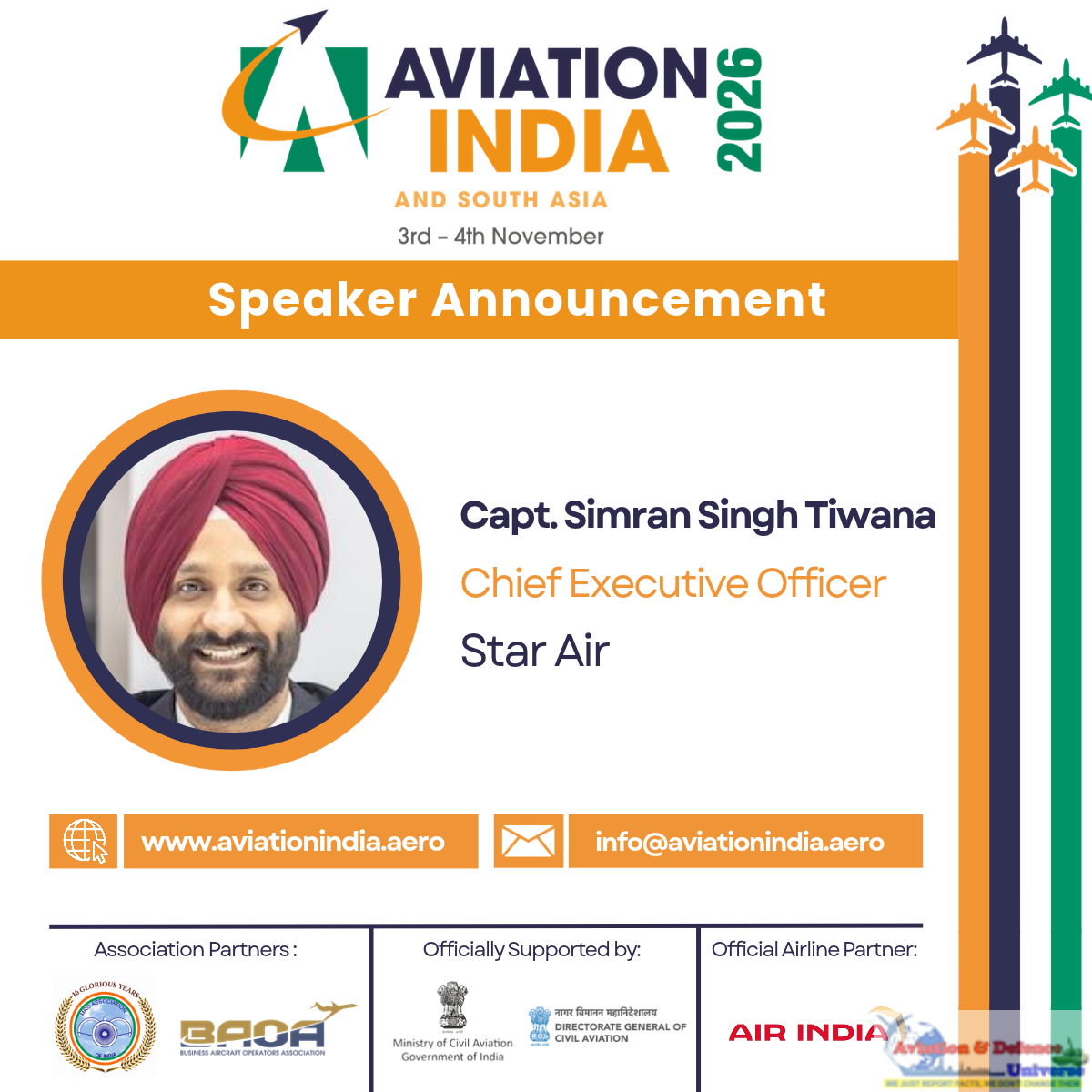
New Delhi. November 2026. India’s regional aviation revolution is taking an interesting turn. While the country’s largest airlines are racing to induct hundreds of aircraft, expand international networks and capture market share, one regional carrier is choosing to recalibrate its expansion plans without compromising its ambitions. Star Air, which has built its business around connecting underserved Indian cities, has pushed back its target of operating 50 jets from 2030 to 2032. For CEO Simran Singh Tiwana, the decision reflects the importance of balancing expansion with financial sustainability in an industry confronting rising costs and operational uncertainties.
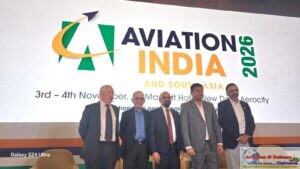
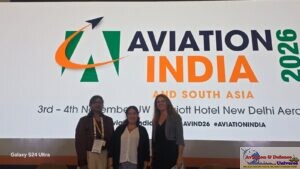
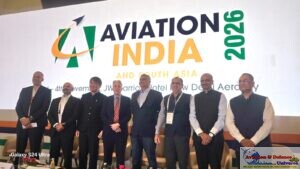
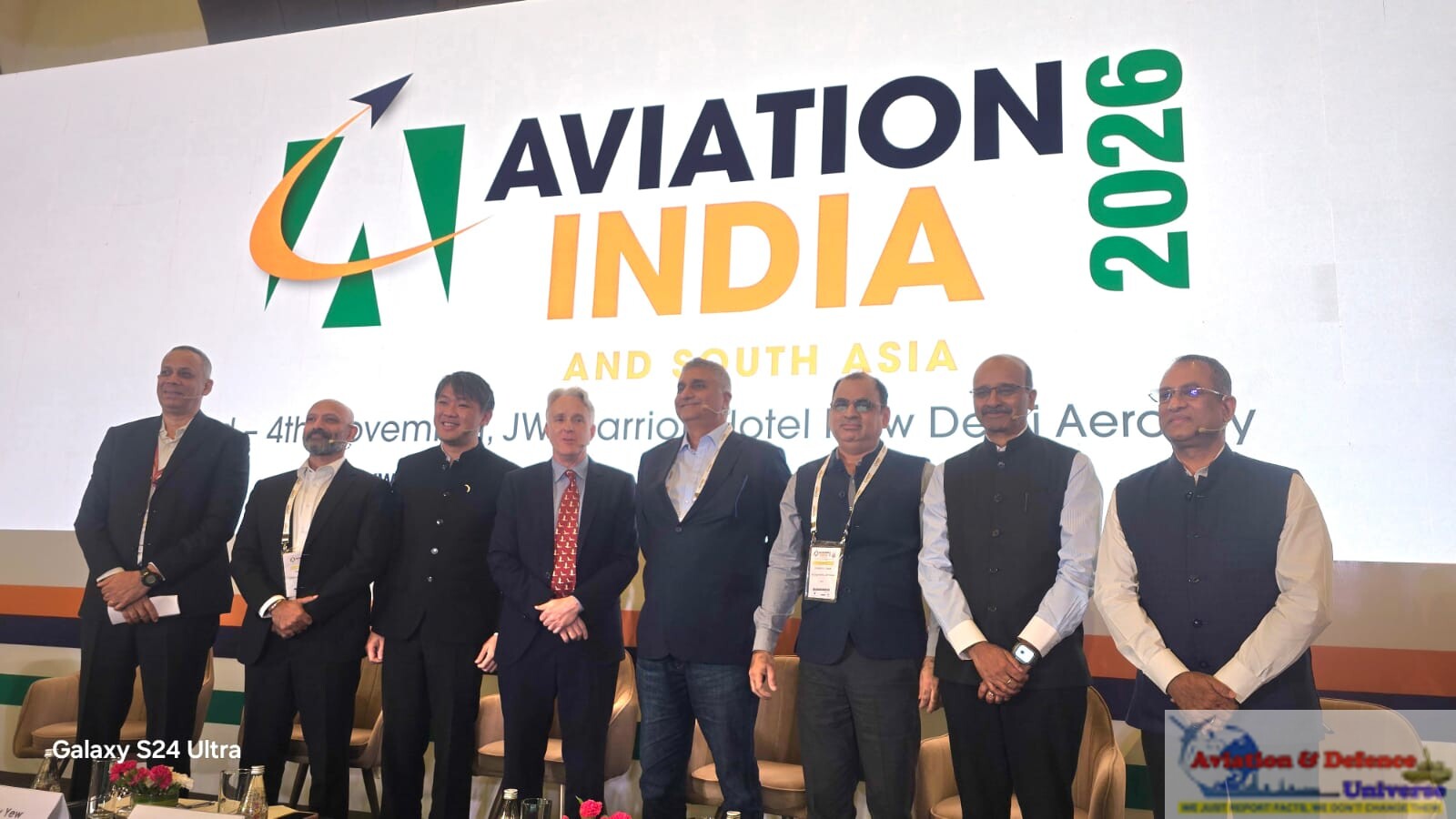
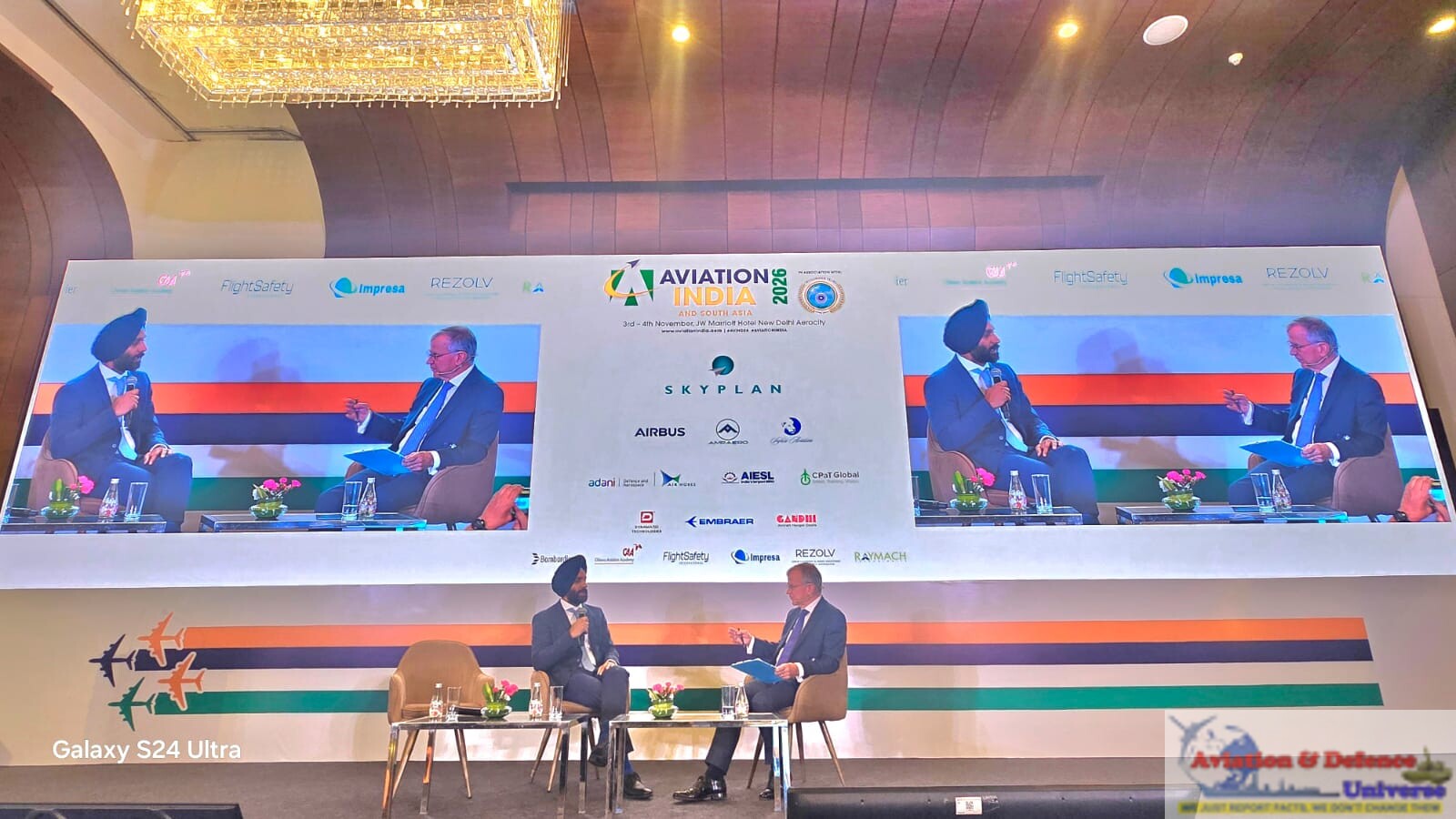
 Speaking during an engaging fireside chat with Airline Consultant Willie Boulter at the third edition of the Aviation INDIA and South Asia Summit & Exhibition 2026, held at JW Marriott, Aerocity, New Delhi, Tiwana offered insights into the economics of regional aviation, the airline’s profitable smaller-city routes, its expanding maintenance, repair and overhaul (MRO) capabilities and its approach to future fleet growth.
The conversation provided a perspective different from the large-scale fleet acquisition and international expansion strategies dominating India’s commercial aviation landscape. For Star Air, the opportunity lies in identifying markets where flying can fundamentally transform travel patterns, building an engineering ecosystem that supports its operations and creating additional revenue streams through aircraft maintenance.
Star Air’s 50-Jet Dream Gets a New Deadline
One of the significant developments emerging from the discussion was Star Air’s decision to revise its fleet expansion timeline. The privately owned regional airline had originally envisaged reaching a fleet of 50 jets by 2030. That target has now been extended by approximately two years to 2032.
The revised schedule comes at a time when India’s aviation industry is facing substantial financial and operational challenges. Fuel costs, economic uncertainties and the need to maintain operational efficiency have reinforced the importance of aligning fleet expansion with commercial sustainability. During the discussion, Tiwana acknowledged the difficult operating environment and emphasised the airline’s immediate priority.
“Right now, like I said, our goal is to keep the ship stable,” he stated.
The comment captured the philosophy behind Star Air’s measured approach to expansion. The airline continues to pursue a larger fleet and a stronger regional network, but the revised timeline provides additional room to balance growth with operational and financial requirements.
The decision is particularly relevant in a market where fleet expansion is frequently presented as the primary indicator of airline success. Star Air’s revised plans suggest that the timing and economics of expansion are equally important.
The Golden Routes Are Not Where One Might Expect
The Boulter steered the conversation towards an interesting aspect of airline economics: the difference between newly launched routes, developing routes and the highly profitable services that airlines regard as their golden routes.
He asked Tiwana to identify the routes generating the strongest returns for Star Air. Tiwana initially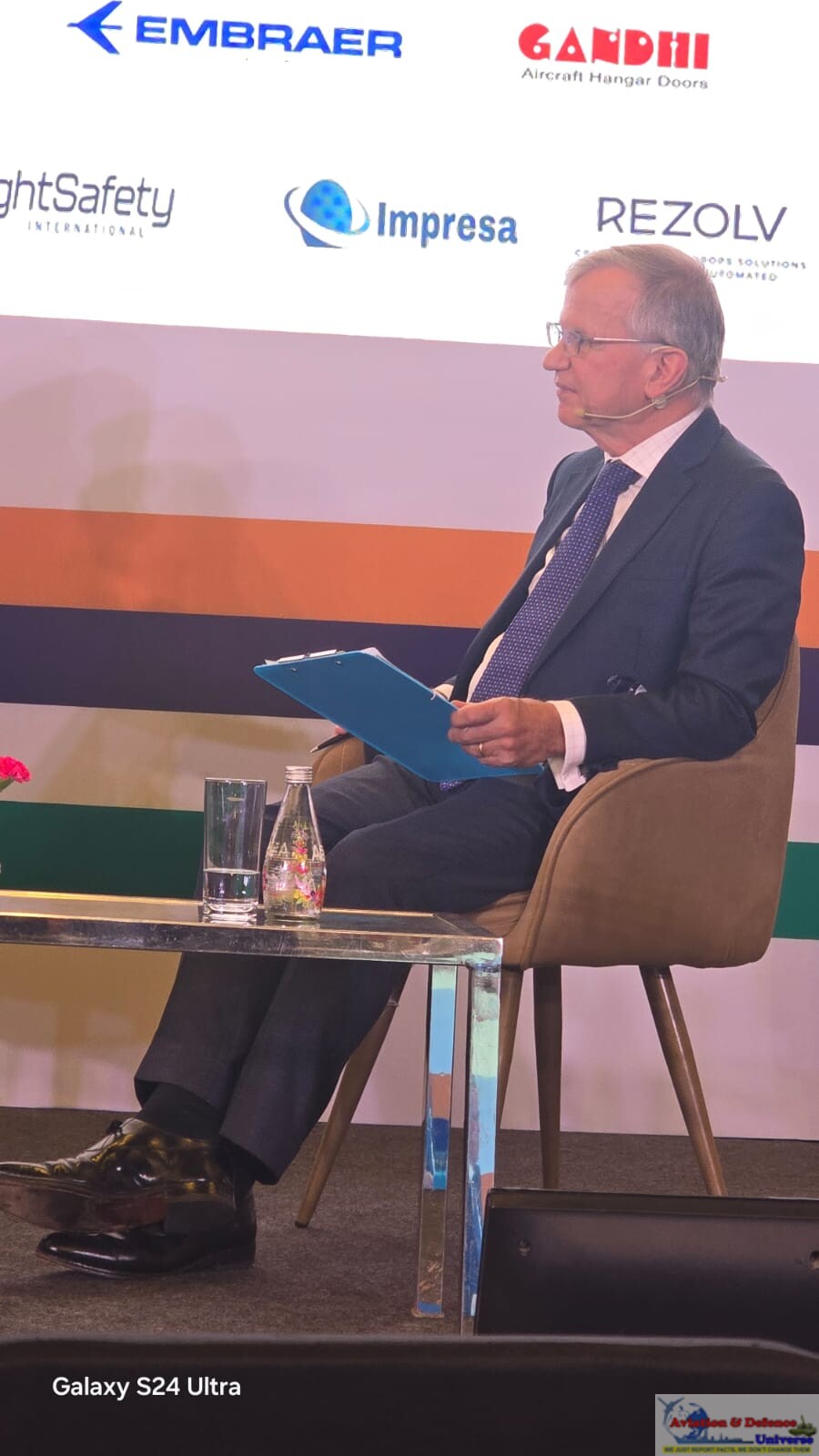 responded with humour, observing that his revenue management team might not appreciate him revealing too much commercially sensitive information. However, he offered an insight into the airline’s business model. “You will be surprised that the maximum money that we make comes out of smaller cities,” he revealed.
The observation challenged the conventional assumption that the most lucrative aviation markets are necessarily those connecting India’s metropolitan centres. Tiwana explained that several of the destinations served by Star Air had no scheduled air connectivity when the airline commenced operations. These markets represented an opportunity to create demand rather than merely compete for passengers already accustomed to flying. For Star Air, the commercial potential of regional aviation lies in identifying communities where air connectivity can dramatically reduce travel times.
Converting 15-Hour Journeys into 90-Minute Flights
Willy ‘s question about profitable routes led Tiwana to explain the fundamental principle guiding Star Air’s network development. The airline was not primarily attempting to persuade passengers to abandon relatively short road journeys. Instead, it was targeting travellers who routinely spent long hours travelling by bus or train.
“We are not converting passengers who can travel by car for four or five hours. We are trying to convert passengers who are travelling 10–15 hours in an overnight bus or train to try a flight of one and a half hours. That’s what our goal is,” Tiwana explained, in a lightly edited rendering of his remarks.
The distinction is significant. For travellers in smaller cities, aviation can offer an alternative to journeys that consume an entire day or night. By reducing travel times substantially, regional air connectivity can improve access to business opportunities, education, healthcare, tourism and family travel. For the airline, such routes can create a passenger base that might otherwise remain outside the aviation market.
The strategy also demonstrates that regional aviation need not depend exclusively on competing with established carriers on high-density routes. Instead, it can generate demand by connecting cities where the value of time saved provides a compelling reason to fly.
Building an Airline That Can Maintain Its Own Aircraft
The conversation then moved to Star Air’s MRO business. The Boulter asked Tiwana to explain how the airline had developed its aircraft maintenance capabilities and what role they played in its broader strategy.
 Tiwana traced the initiative to the early years of Star Air’s operations and the opportunities created during the COVID-19 pandemic. The airline commenced operations in 2019, and its management began exploring the development of maintenance capabilities relatively early.
The pandemic, although deeply disruptive for aviation, provided an opportunity to focus on building technical infrastructure. Tiwana explained that Star Air began undertaking heavy maintenance checks within approximately one and a half years of starting operations.
The airline initially developed capabilities for its ERJ 145 aircraft before gradually expanding its engineering activities. Over time, its maintenance facilities evolved from supporting the airline’s own fleet to providing services to third-party customers.
“We not only maintain our own aircraft and carry out heavy checks, but we also render services to other operators, especially in the business jet segment,” Tiwana explained, in an edited rendering of the transcript. Star Air’s capabilities now include heavy maintenance, aircraft painting and interior modifications. Tiwana also referred to work undertaken for customers in India. The development of these facilities has enabled Star Air to diversify its activities beyond scheduled passenger operations.
MRO Becomes a Separate Profit Centre
Boulter followed up with a commercially important question: had the maintenance business developed into a profit centre? Tiwana confirmed that it had. “It is a separate profit centre, yeah. And we are looking at expanding that even further,” he said. Star Air has developed a third-party maintenance team serving customers, particularly in the business aviation segment.
 According to Tiwana, one of the advantages of its offering is the combination of base maintenance capabilities with access to line maintenance support through the airline’s wider network. He referred to arrangements covering 14 stations, giving customers access to additional maintenance and local technical support.
This integrated approach allows the airline to use its existing infrastructure to provide services beyond its own operational requirements. For a regional carrier, the commercial benefits can be substantial. An in-house MRO capability can help improve aircraft availability, strengthen technical control and reduce dependence on external maintenance providers. Third-party maintenance services can simultaneously create an additional source of revenue. The model also aligns with India’s wider ambition to develop a stronger domestic MRO industry and reduce reliance on overseas maintenance facilities.
Thirty Cities and the Ambition of Engineering Self-Reliance
The Boulter connected Star Air’s maintenance capabilities with its future fleet expansion. He observed that the airline was serving approximately 30 Indian cities and asked whether reaching the aspirational fleet size of 50 aircraft would enable Star Air to become substantially self-contained in engineering and maintenance. Tiwana confirmed that engineering self-reliance was a major objective.
“That is what our goal is. At least on the airline side, our goal is to be self-contained,” he responded, in an edited rendering of the recorded exchange. The significance of this ambition becomes greater as an airline expands. A larger fleet requires greater maintenance capacity, more engineering personnel, reliable component support and efficient aircraft scheduling.
Developing these capabilities internally can improve operational resilience and provide greater control over maintenance costs and aircraft availability. Star Air’s existing third-party MRO business also creates opportunities to support further investment in technical infrastructure. As the airline works towards its revised 2032 fleet target, the development of engineering capabilities will remain an important part of its expansion strategy.
Financial Headwinds and the Need to Keep the Ship Stable
The Boulter then turned to the financial pressures confronting India’s aviation industry. Fuel costs, operating expenses and the wider economic environment have created difficulties for airlines of different sizes. He asked Tiwana how Star Air was navigating these challenges and what implications they held for its future plans.
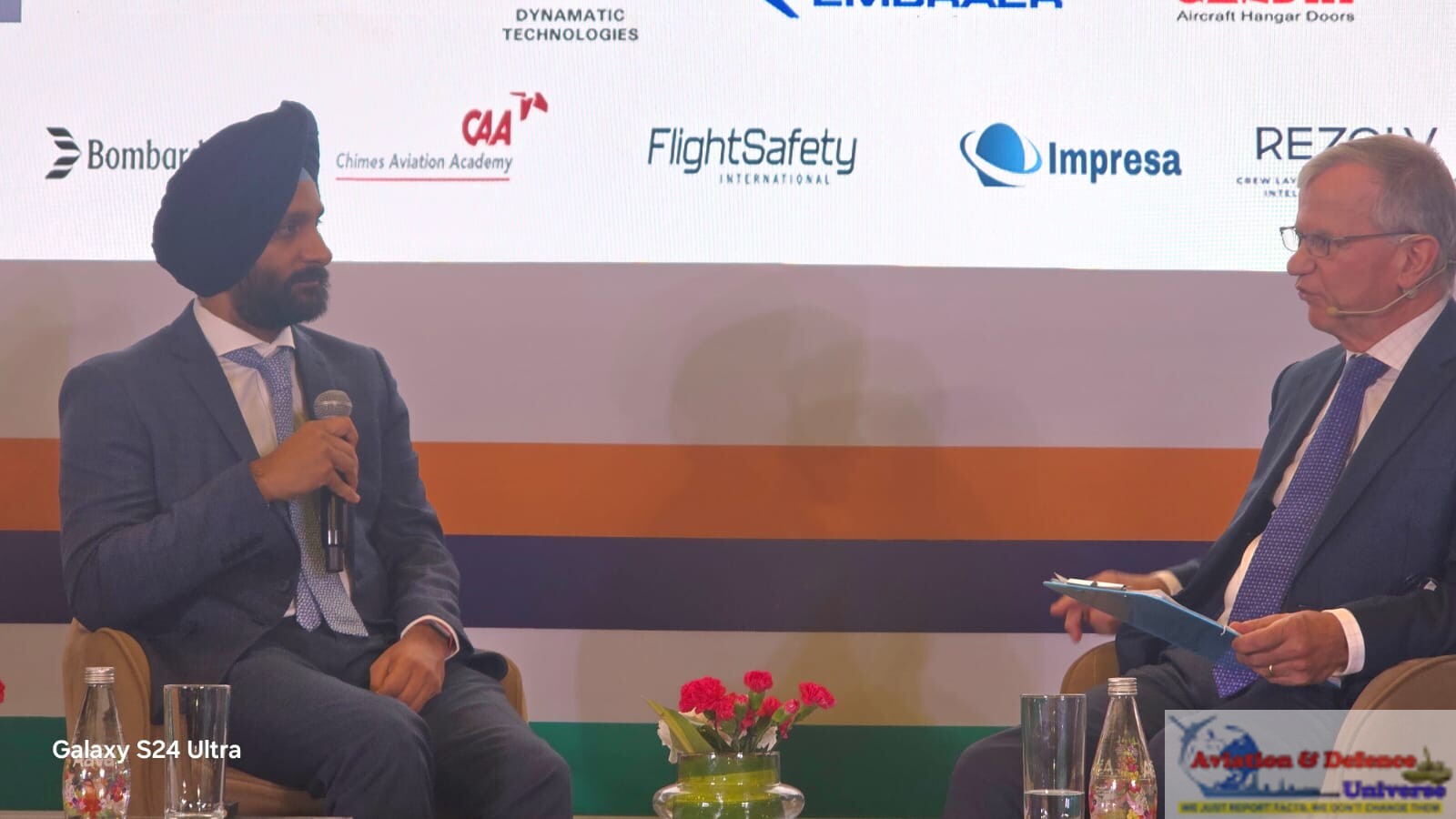 Tiwana acknowledged the pressures and contrasted the current operating environment with the extraordinary disruption experienced during the pandemic.During COVID-19, aircraft were grounded and airlines faced an unprecedented interruption to normal operations.
The present circumstances were different. Airlines could continue flying, but the economic pressures associated with operations remained considerable. For Star Air, maintaining stability was therefore an immediate priority. “Right now, like I said, our goal is to keep the ship stable,” Tiwana reiterated.
His remarks reflected the importance of financial discipline in regional aviation, where route economics, aircraft utilisation and operating costs can have a significant impact on profitability. The airline’s revised fleet expansion timeline must be viewed against this broader backdrop. Rather than pursuing growth solely to achieve a numerical target, Star Air is seeking to develop its operations at a pace compatible with its financial and technical capabilities.
A Different Growth Model for India’s Regional Aviation
The fireside chat offered an important contrast to the strategies being pursued by India’s largest carriers. While major airlines are investing heavily in fleet expansion and international connectivity, Star Air is concentrating on smaller markets where demand remains relatively underserved.
Its strategy rests on three closely connected elements: identifying profitable regional routes, developing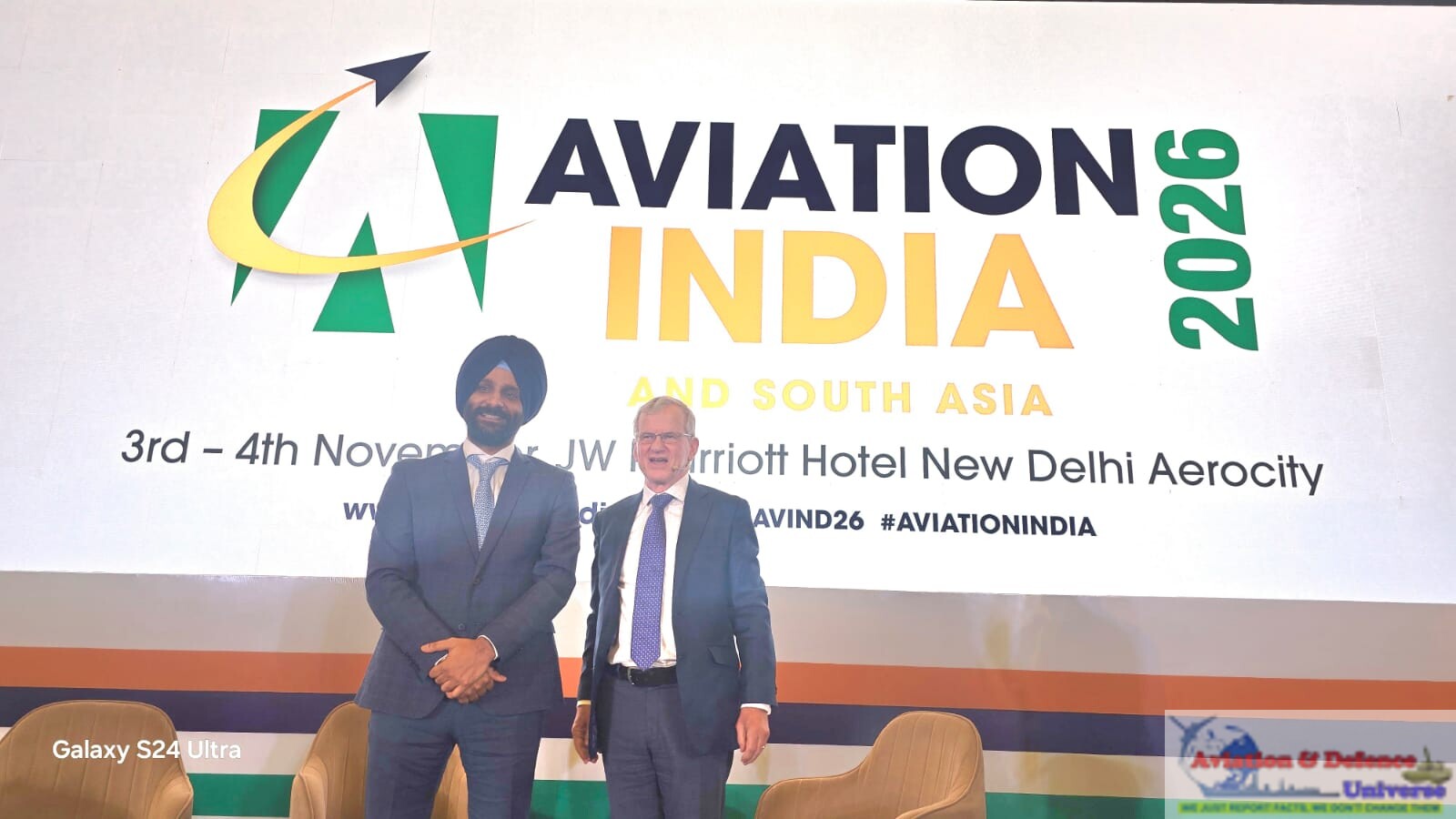 technical self-reliance and creating additional revenue through third-party maintenance. The decision to extend the 50-aircraft target to 2032 adds a fourth element: measured expansion. For the wider aviation industry, Star Air’s experience illustrates the opportunities and complexities of regional airline operations.
Connecting smaller cities can unlock demand that conventional airline networks have historically overlooked. However, achieving sustainable profitability requires careful route selection, efficient aircraft utilisation, dependable maintenance support and disciplined investment. Star Air’s MRO business provides an interesting example of how a regional airline can diversify its operations while strengthening the capabilities required to support future growth.
Slower Expansion, Stronger Foundations
As the fireside chat concluded, Simran Singh Tiwana’s message was one of ambition tempered by pragmatism. Star Air still envisages a significantly larger fleet, stronger regional connectivity and greater engineering self-reliance. Its decision to extend the 50-jet target from 2030 to 2032 does not diminish those ambitions, but it underlines the importance of building an airline capable of sustaining them.
The carrier’s experience also reinforces an important lesson for India’s aviation growth story: commercial  opportunity is not confined to major metropolitan routes. Some of the most promising markets may lie in smaller cities where passengers have long depended on exhausting overnight journeys and where reliable air connectivity can fundamentally change travel patterns.
For Star Air, the road ahead involves expanding its network, strengthening its maintenance business and ensuring that growth remains financially manageable. While India’s aviation giants race towards larger fleets and international markets, Star Air is taking a different flight path — connecting smaller cities, building its own engineering strength and choosing sustainable growth over the race for numbers. The destination remains 50 aircraft. The arrival date is now 2032. And for Star Air, the priority is not merely getting there, but ensuring that the airline is stronger when it arrives.