




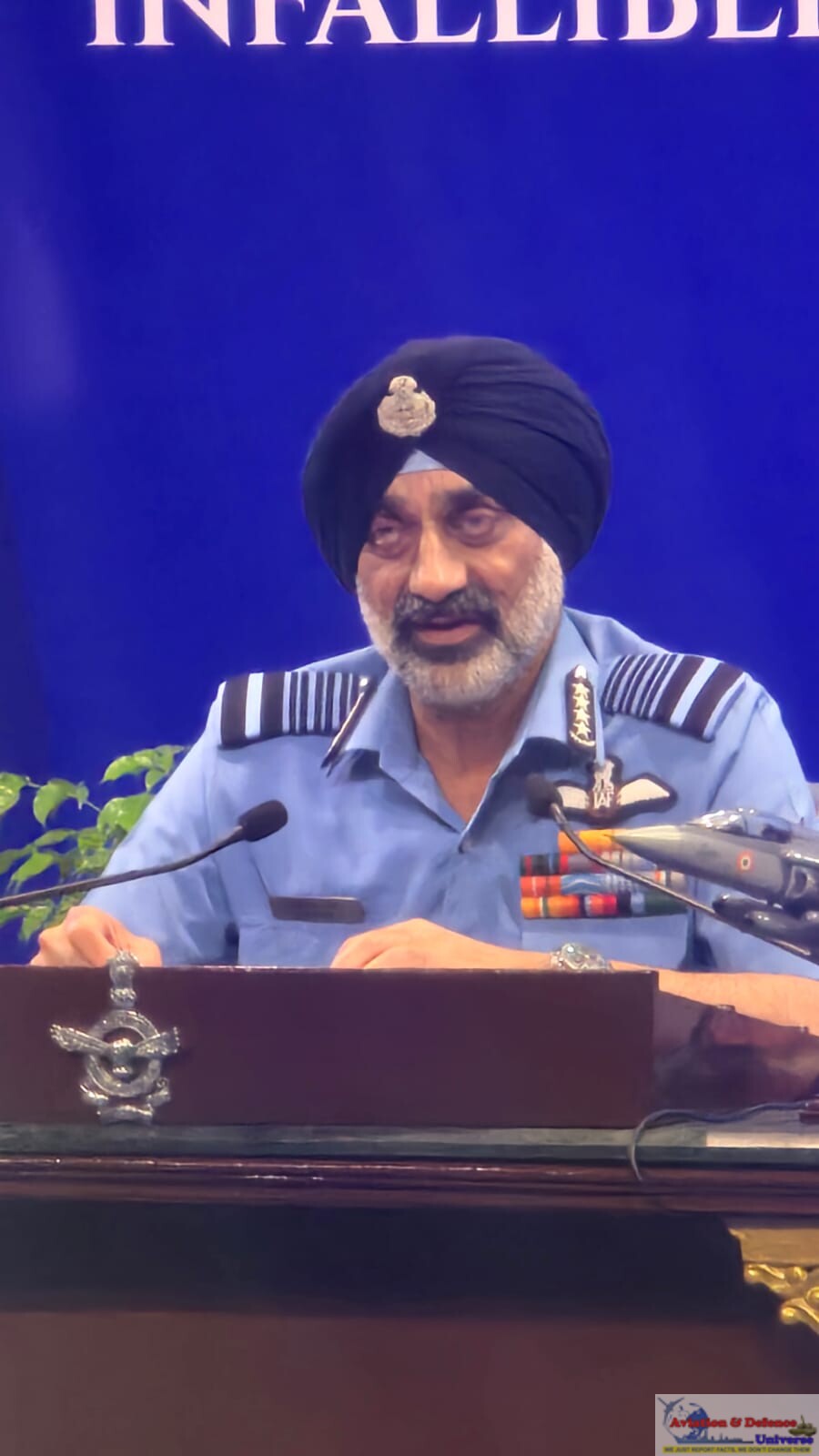

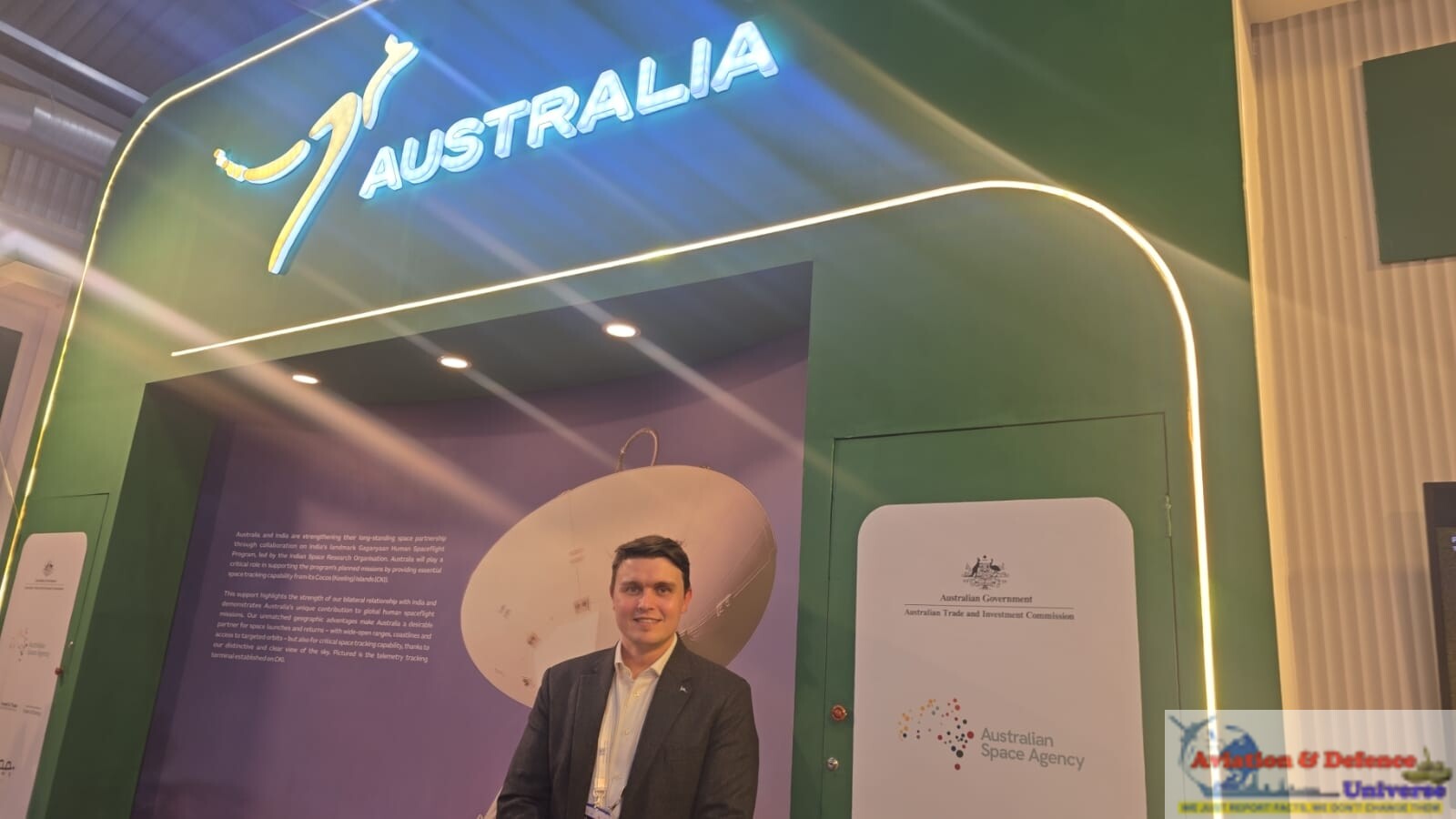
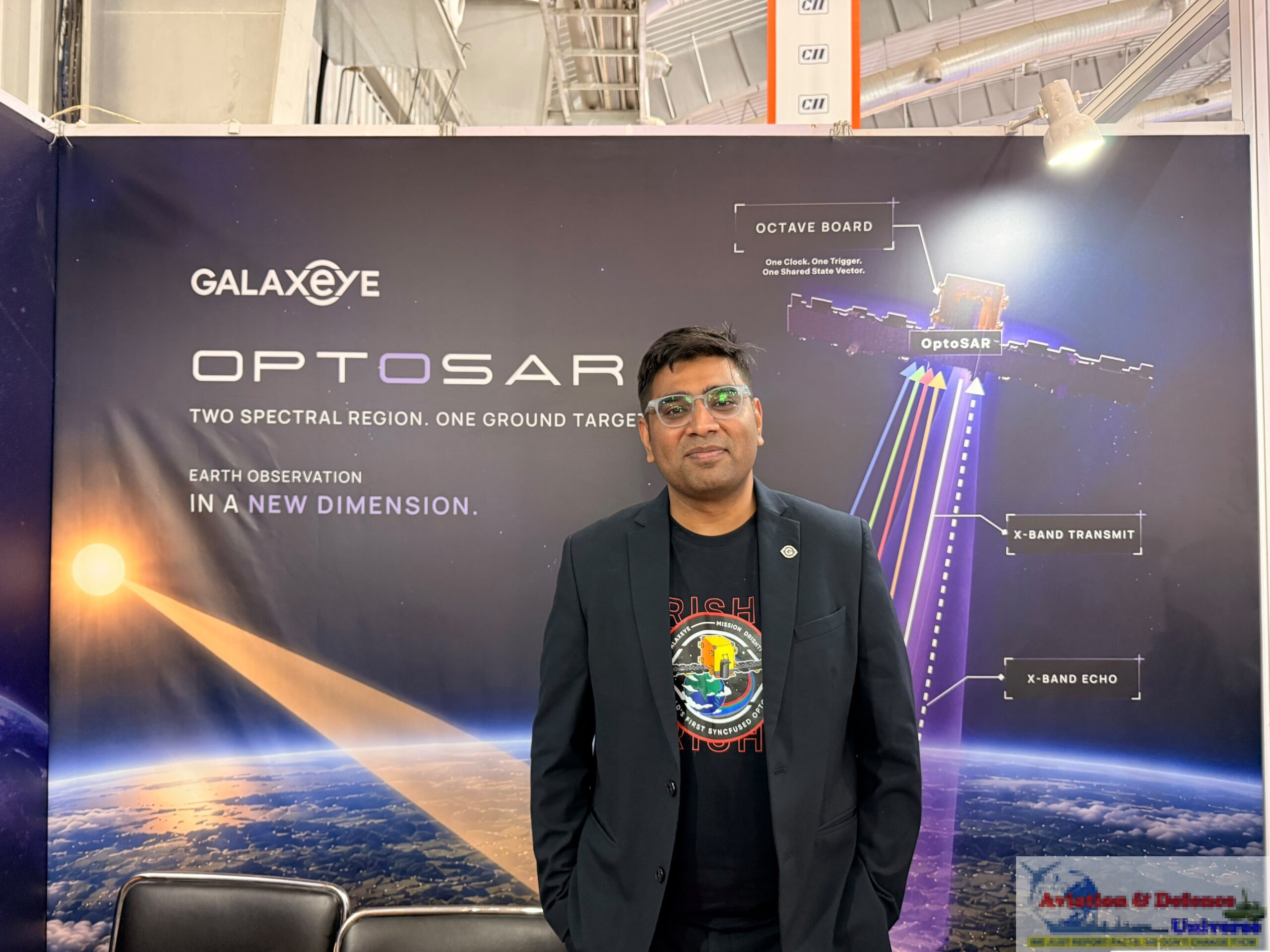




HYDERABAD, July 7: Aeromart Hyderabad concluded its second edition last week after three days of business meetings, industry discussions and policy engagement, bringing together more than 500 companies from over 25 countries and facilitating nearly 8000 pre-arranged B2B meetings.
Held from June 30 to July 2, the event was organised by BCI Aerospace in partnership with the Government of Telangana, Telangana Rising and TGIIC. It brought together global original equipment manufacturers (OEMs), Tier 1 and Tier 2 suppliers, startups, small and medium enterprises, investors and government representatives from the aerospace, defence and space sectors. Organisers said the event was approximately twice the size of its inaugural edition in 2024.
Across the exhibition floor, exhibitors represented virtually every stage of the manufacturing process, from raw materials and precision engineering to final systems integration. Companies displayed aerospace-grade metals, forgings, castings, precision-machined components, composite structures, industrial tooling, specialised fasteners, wiring systems and electrical interconnection technologies. Other exhibitors showcased avionics, defence electronics, radar technologies, satellite subsystems, unmanned systems, testing and inspection equipment, additive manufacturing solutions and advanced engineering software. Engineering service providers, digital simulation firms, certification specialists, logistics companies and industrial automation providers further illustrated the extensive network of capabilities required to support modern aerospace production.
The exhibitor profile reflected Aeromart’s role as a business convention centred on supplier development and industrial collaboration. While major OEMs including Airbus, Safran, Dassault Aviation, Embraer, GE Aerospace, Collins Aerospace, Leonardo, Pilatus, Saab and Tata Advanced Systems were represented, much of the exhibition was occupied by Tier 1 and Tier 2 suppliers, specialised manufacturers and SMEs seeking to integrate into global supply chains through pre-arranged B2B meetings. The mix of exhibitors highlighted the increasingly specialised nature of aerospace manufacturing, where suppliers compete on highly certified components, processes and engineering capability rather than complete aircraft.
International participation extended beyond individual companies. National pavilions, trade organisations and investment agencies from France, Italy, Malaysia, Morocco, Japan, Germany and the United Kingdom exhibited alongside Indian manufacturers, creating opportunities for supplier matchmaking, bilateral engagement and cross-border partnerships. Their presence reflected Aeromart’s role not simply as an exhibition but as a platform for integrating Indian manufacturers into global aerospace value chains.
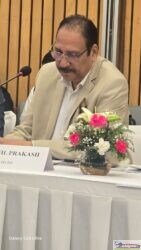
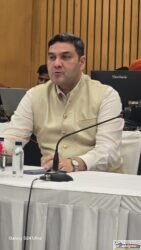
The event opened with a ribbon-cutting and traditional lamp-lighting ceremony and was officially inaugurated by Shri N. Uttam Kumar Reddy, Honourable Minister, Government of Telangana, who attended as the chief guest. The opening programme also featured remarks from Airbus, the Consul Generals of France and Italy, representatives of the Government of Telangana and BCI Aerospace, along with a keynote address by Dr G. Satheesh Reddy. As the conference programme began, delegates also began the event’s pre-arranged B2B meetings, which ran throughout the three-day convention.
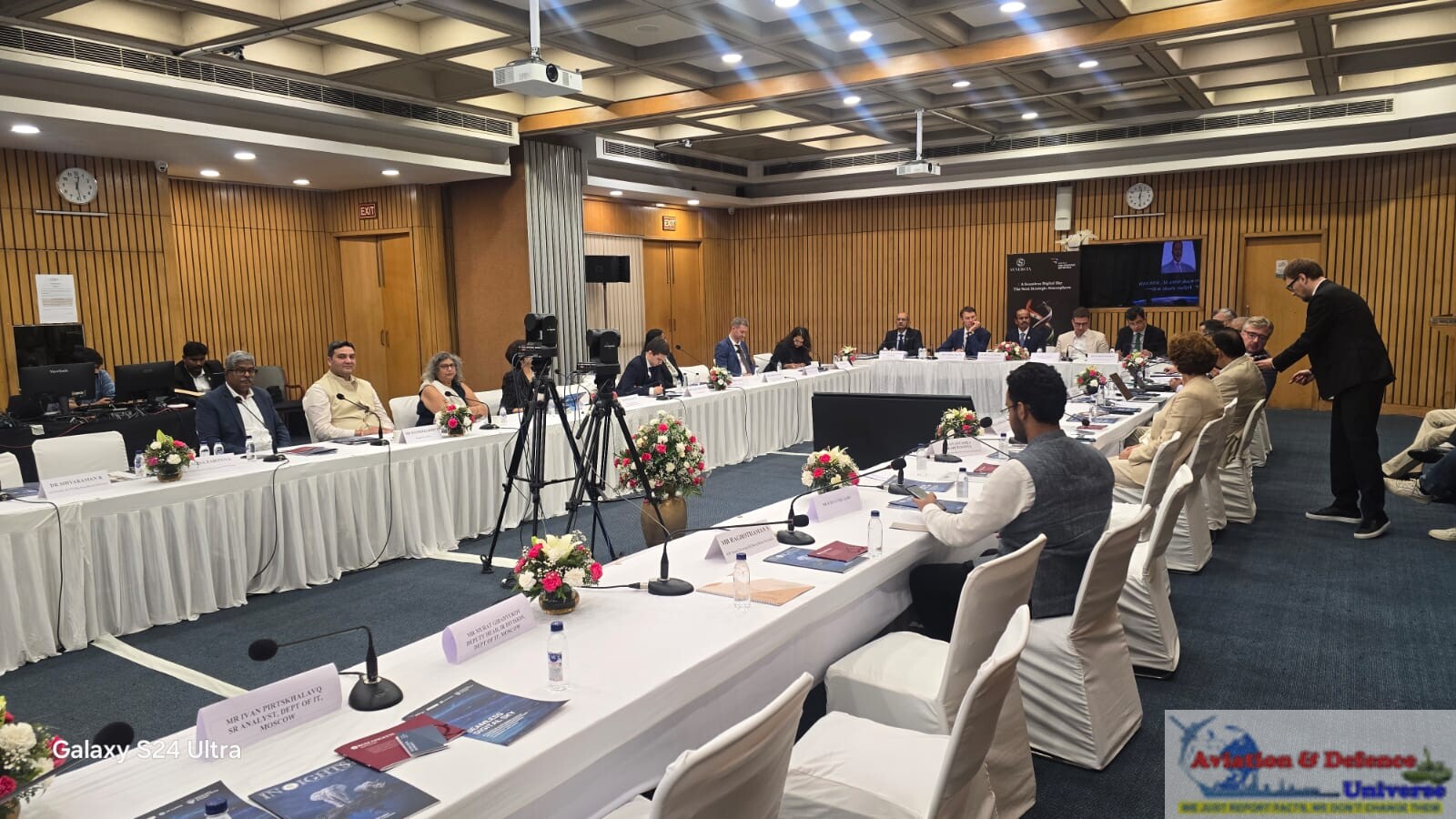
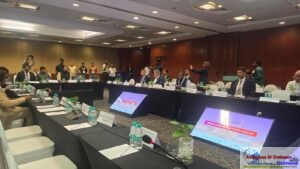
Following the inauguration, the programme moved to a closed-door CEO Forum attended by senior industry executives, investors and government officials. The discussions focused on the continued development of Telangana’s aerospace, defence, space and manufacturing ecosystem before the public conference sessions began.
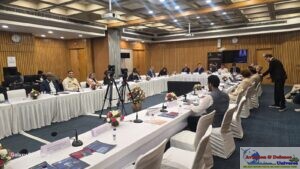
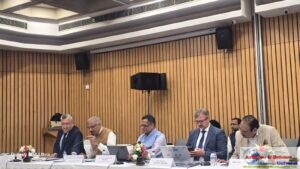
The public sessions focused on India’s changing role in the global aerospace industry. Multiple speakers described India as an increasingly important manufacturing and sourcing destination rather than solely a growing market for aircraft sales. Industry representatives pointed to expanding aircraft backlogs and increasing procurement opportunities for Indian suppliers as evidence of that shift.
International engagement also extended beyond diplomatic representation. Trade bodies and industry associations conducted dedicated country sessions focused on bilateral trade, industrial cooperation and long-term partnerships, with discussions referring to recently signed strategic agreements and future trade targets.
Telangana also discussed plans to expand its aviation infrastructure beyond Hyderabad by developing three new aviation sites. Speakers said the projects’ long-term success would depend on parallel investment in infrastructure, technical education and industrial capacity.
While B2B meetings remained active across the exhibition floor on the second day, the conference programme centred on manufacturing competitiveness. During a panel on Make in India, industry representatives argued that India’s competitive advantage increasingly lies in quality, certification and technical capability rather than labour costs. One panelist said an Indian supplier had been selected over an established European supplier because it completed a more demanding quality certification process more quickly.
A subsequent discussion on aerospace cluster development examined how Telangana could strengthen its manufacturing ecosystem by drawing lessons from established international clusters. Speakers agreed that developing a globally competitive aerospace ecosystem requires sustained collaboration between manufacturers, suppliers, government and academic institutions over many years. Later sessions on manufacturing and the space sector focused on supply chain depth.
Business meetings remained active on the final day as the event shifted its focus to workforce development through Workforce Day. University students from across Telangana met directly with aerospace companies, suppliers and OEMs to discuss internships, entry-level opportunities and careers in the industry while companies continued holding scheduled business meetings across the exhibition floor.
Safran’s Hyderabad Cluster Director delivered the opening keynote on talent development before a closing panel brought together representatives from industry, government and academia to discuss collaborative approaches to workforce development. Across several sessions and discussions, industry representatives emphasised that curiosity, adaptability and continuous learning are valued alongside formal qualifications.

























-A4-Size-(2)_page-0001.jpg)