



















- Balancing History, Sovereignty and Strategic Interests
- From Managing New Challenges in an Evolving Regional Order
- Navigating Strategic Competition and Shared Civilisational Bonds
By Jai Kumar Verma
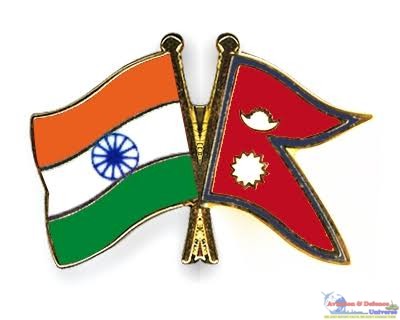
New Delhi. 06.July 2026. For centuries, Nepal has occupied a unique place in India’s strategic and civilisational imagination. Bound by an open border, shared religious traditions, cultural affinities, and deep people-to-people ties, the relationship between the two countries has often been described as unlike any other in South Asia. Millions of citizens on both sides of the border interact freely, creating a level of social and economic integration that few neighbouring countries enjoy.

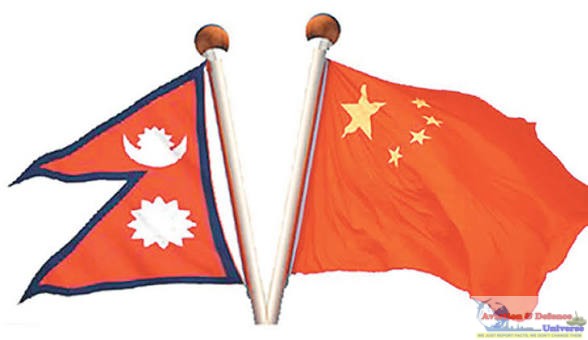
Today, however, the geopolitical landscape of the Himalayas is undergoing a significant transformation. Over the past decade, China has steadily expanded its presence in Nepal through infrastructure projects, investment commitments, political outreach, connectivity initiatives, and growing diplomatic engagement. From roads and hydropower projects to discussions surrounding trans-Himalayan connectivity under the Belt and Road Initiative, Beijing has emerged as an increasingly influential player in Kathmandu’s strategic calculus.
For India, this development raises important questions. Nepal is not merely a neighbouring state; it is a critical component of India’s northern security architecture and a vital partner in regional stability. Yet the challenge before New Delhi is not how to exclude China from Nepal—an objective that is neither realistic nor desirable. The more pressing question is whether India can adapt to a changing geopolitical reality and reinforce its partnership with Nepal through trust, economic cooperation, connectivity, and mutual respect. The answer to that question may shape the future balance of power in the Himalayan region.
Understanding China’s Expanding Presence
China’s engagement with Nepal has expanded substantially since the mid-2010s, driven by strategic, economic and geopolitical considerations. A key turning point came after the 2015 disruption of cross-border supplies during protests along the India–Nepal border. Although India denied imposing an official blockade, the episode highlighted Nepal’s dependence on Indian transit routes and encouraged Kathmandu to diversify its external partnerships.
 Nepal formally joined China’s Belt and Road Initiative (BRI) in 2017, opening avenues for cooperation in transport, energy, digital connectivity and cross-border infrastructure. Proposed projects include the Trans-Himalayan Multi-Dimensional Connectivity Network, the Kathmandu–Kerung railway, highways, hydropower plants, transmission lines and industrial parks. While implementation has been slower than anticipated due to financial, technical and geographical constraints, Chinese investment has become an important component of Nepal’s long-term development strategy.
China has also expanded its diplomatic engagement across Nepal’s political parties, government institutions, business community and provincial administrations. Alongside economic cooperation, Beijing places considerable emphasis on border management, security cooperation and preventing anti-China activities linked to Tibet. For Nepal, closer engagement with China reflects a broader policy of strategic diversification rather than replacing its traditional relationship with India.
China is Nepal’s second-largest trading partner after India and the second-largest source of imports. However, bilateral trade remains heavily skewed in China’s favour. During FY 2024–25, Nepal exported goods worth only USD 17.5 million to China while importing goods valued at approximately USD 2.264 billion, resulting in a trade deficit of about USD 2.246 billion. Nepal’s exports consist mainly of herbs, agricultural products and handicrafts, whereas imports comprise manufactured goods. Despite China’s duty-free market access, Nepal’s exports continue to face production, logistical and non-tariff challenges.
Chinese assistance has financed several major infrastructure projects, including Pokhara International Airport, the Upper Marsyangdi A Hydropower Project, the Pokhara International Exhibition Centre and the Kathmandu Ring Road Improvement Project. Additional projects under the updated BRI framework include roads, transmission lines, industrial parks and educational institutions, although many remain under implementation.
 Beyond economic cooperation, China has emerged as a significant development and security partner by extending grants, concessional loans and technical assistance. Defence cooperation focuses on military grants, non-lethal equipment, training, disaster relief, engineering support and periodic joint exercises on humanitarian assistance and counter-terrorism. These initiatives reflect Beijing’s broader objective of strengthening its strategic presence in Nepal while supporting the country’s infrastructure development, economic growth and security capabilities.
Why Nepal Matters to India
Nepal occupies a position of exceptional strategic importance in India’s foreign and security policy. India’s concerns regarding Nepal extend beyond competition with China and are rooted in deep historical, geographical, economic and civilisational linkages. Situated along India’s northern frontier, Nepal forms a vital part of the Himalayan buffer that has historically separated the Indian subcontinent from the Tibetan plateau. Consequently, any significant external military, economic or political influence in Nepal directly affects India’s national security, border management and regional strategic environment.
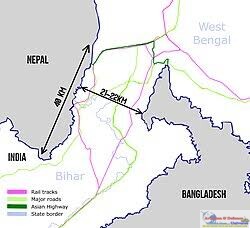
The two countries share an open border of over 1,750 kilometres, allowing the free movement of people, goods and services. Millions of Nepali citizens live and work in India without requiring visas, while thousands serve with distinction in the Indian Army’s Gorkha Regiments, reflecting a unique security partnership. Nepal is also crucial for India’s water security, as several major Himalayan rivers originating in Nepal flow into northern India, making bilateral cooperation essential for irrigation, hydropower generation and flood management.
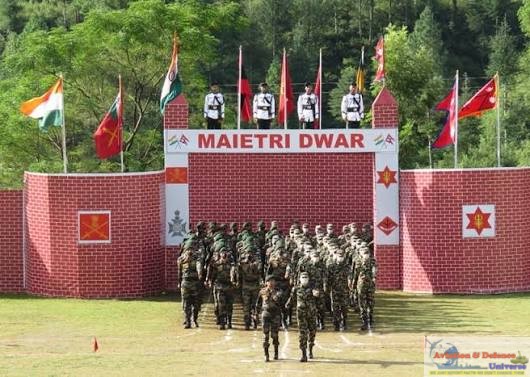 Beyond strategic considerations, India and Nepal share centuries-old civilisational, cultural and religious ties. Pilgrimage circuits, linguistic similarities, intermarriages and close people-to-people contacts have created an unparalleled relationship that cannot be replicated by any external power. Ensuring a stable, friendly and sovereign Nepal is therefore fundamental to India’s security, economic interests and long-term regional stability.
India should avoid viewing Nepal solely through the lens of strategic competition with China. As a sovereign state, Nepal has legitimate interests in diversifying its external partnerships. A zero-sum approach or perceived political pressure may foster anti-India sentiment, whereas respecting Nepal’s strategic autonomy can strengthen mutual trust and long-term bilateral cooperation.
Delivering on Connectivity and Infrastructure
India has emerged as Nepal’s principal connectivity partner through sustained investments in transport, energy and border infrastructure. The Jaynagar–Kurtha–Bijalpura cross-border railway is operational, while construction of the final Bijalpura–Bardibas section and the Jogbani–Biratnagar rail link is ongoing. The proposed Raxaul–Kathmandu broad-gauge railway has completed preliminary surveys and remains under detailed planning.
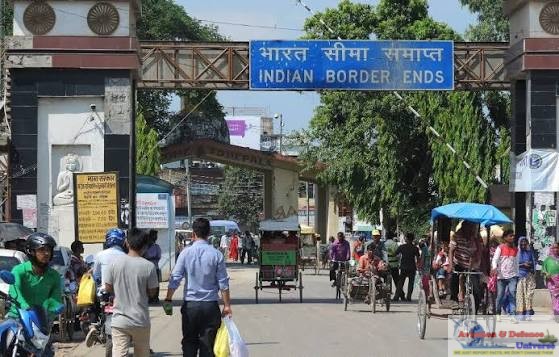 India has operationalised Integrated Check Posts (ICPs) at Birgunj, Biratnagar, Nepalgunj and Bhairahawa, significantly improving cross-border trade and passenger movement. Construction of the Dodhara Chandani ICP and dry port is also underway with Indian assistance.
Energy cooperation has advanced through the operational Motihari–Amlekhgunj petroleum pipeline, its extension towards Chitwan, and the proposed Siliguri–Jhapa pipeline. India has also developed multiple cross-border transmission lines, enabling Nepal to export surplus hydropower to the Indian market under a long-term power trade framework. Major Indian-backed hydropower projects, including Arun III and Upper Karnali, continue to progress.
Beyond connectivity, India is supporting the Hulaki (Terai) Road Project, the National Police Academy, high-impact community development projects, health and education infrastructure, and post-earthquake reconstruction, reinforcing its role as Nepal’s largest development partner.
Making Economic Integration Deeper
India should deepen its economic partnership with Nepal by leveraging its position as Nepal’s largest trading partner, key investor and principal transit route. Expanding market access for Nepali exports, promoting manufacturing, tourism, digital payments and cross-border start-ups, and improving logistics and customs infrastructure can accelerate growth. Hydropower cooperation, including long-term electricity trade and joint investments in generation and transmission, offers immense mutual benefits. Enhanced cross-border connectivity, financial integration and private-sector collaboration will foster sustainable prosperity while reinforcing bilateral ties through shared economic interests rather than strategic competition.
Investing in People-to-People Relations
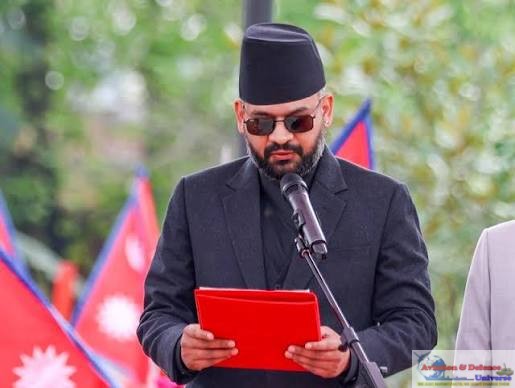
While China can finance infrastructure, India’s greatest comparative advantage in Nepal lies in its enduring people-to-people ties. Shared religious traditions, cultural heritage, linguistic affinities, open borders, family 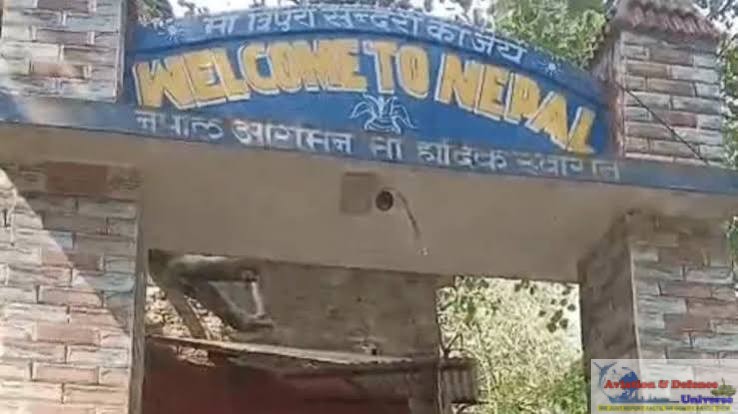 relationships, educational exchanges and employment opportunities have created a unique social fabric between the two countries. India should expand scholarships, university collaborations, cultural and youth exchange programmes, tourism initiatives and digital education partnerships. Notably, Nepal’s current Prime Minister, Balendra (Balen) Shah, pursued his postgraduate education in Bengaluru, reflecting the long-standing educational linkages between the two countries. Millions of Nepalis have studied, worked or travelled in India, making these human connections a lasting strategic asset that strengthens bilateral relations beyond economic or geopolitical considerations.
A Long-Term Partnership Based on Trust
India’s long-term approach should be founded on respect for Nepal’s sovereignty and strategic autonomy, recognising its right to engage with multiple international partners. Rather than pursuing zero-sum competition, India should strengthen trust through regular political dialogue, regional cooperation in trade, energy, connectivity, disaster management and climate resilience, and greater sensitivity to Nepal’s domestic priorities. As China’s presence in Nepal continues to grow, India should build on its enduring advantages—geographical proximity, economic interdependence, shared cultural heritage, democratic values and strong people-to-people ties—to ensure that the bilateral partnership remains indispensable, trusted and mutually beneficial.
Current key friction points
Current friction points between India and Nepal stem from territorial, geopolitical, security, and economic concerns. The most significant is the Kalapani–Lipulekh–Limpiyadhura boundary dispute, intensified by Nepal’s 2020 political map claiming territory administered by India, along with the unresolved Susta border issue. Nepal’s expanding engagement with China, including cooperation under the Belt and Road Initiative (BRI) and efforts to diversify transit routes, has raised strategic concerns in India. Delays in implementing 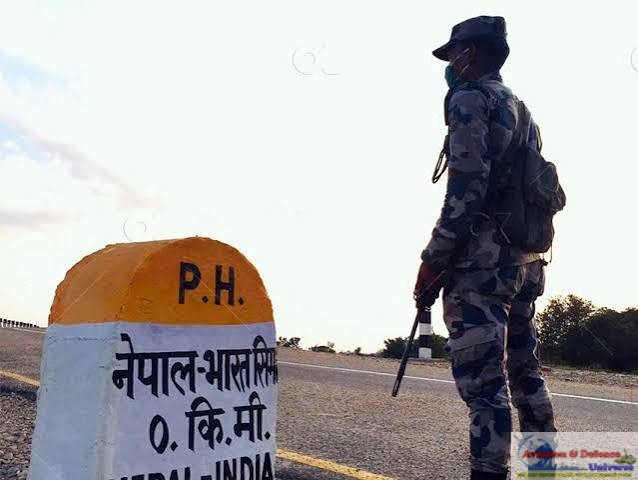 bilateral projects, particularly the Pancheshwar Multipurpose Project, have contributed to periodic trust deficits. Security issues include Nepal’s suspension of Gorkha recruitment into the Indian Army under the Agnipath scheme and challenges arising from the open border, such as smuggling and trafficking. Economically, Nepal continues to express concerns over its large trade deficit with India. Additional areas of friction include periodic disagreements over water-sharing and hydropower projects, perceived Indian interference in Nepal’s domestic politics, and the lingering impact of the 2015 border disruption on public perceptions. Political instability following the 2025 protests when KP Sharma Oli was forced to resign in September 2025 due to anti administration protests and demonstrations. A new government under Prime Minister Balen Shah was sworn in, which have created fresh diplomatic uncertainties and a more cautious approach towards engagement with India.
Since assuming office in March 2026, Prime Minister Balen Shah has signalled a more assertive and independent foreign policy, seeking to diversify Nepal’s external engagements while maintaining balanced relations with both India and China. His government has reiterated Nepal’s claims over the Kalapani, Lipulekh, and Limpiyadhura regions, emphasizing their resolution through diplomatic dialogue based on historical treaties and maps. Nepal has also objected to the resumption of the Kailash Mansarovar Yatra through the disputed Lipulekh Pass without its consent, maintaining that the area forms part of its sovereign territory. India, however, continues to regard the boundary issue as a strictly bilateral matter and rejects any third-party involvement. These differing positions, together with Nepal’s increasingly independent diplomatic posture, have contributed to periodic tensions and underscore the need for sustained bilateral dialogue to preserve the traditionally close India–Nepal relationship.
According to reports in May 2026 Shah declined to meet Indian Foreign Secretary Vikram Misri and US Special Envoy Sergio Gor pursuant to his government’s “equal stature” diplomatic protocol, under which he meets only foreign dignitaries holding the rank of Foreign Minister or higher. This marked a departure from Nepal’s previous diplomatic practice and signalled a more assertive foreign policy. Shah in his first parliamentary address also mentioned that not only India encroached Nepali territory but Nepal has also encroached Indian areas. However, India with a view to maintain bilateral engagement, hosted Rabi Lamichhane, Chairman of the ruling Rastriya Swatantra Party, for a high-level party-to-party visit in June 2026.
India and Nepal share a relationship that transcends conventional diplomacy, rooted in centuries of civilisational ties, cultural affinity, economic interdependence and close people-to-people linkages. Yet, as recent developments demonstrate, historical proximity alone cannot insulate bilateral relations from 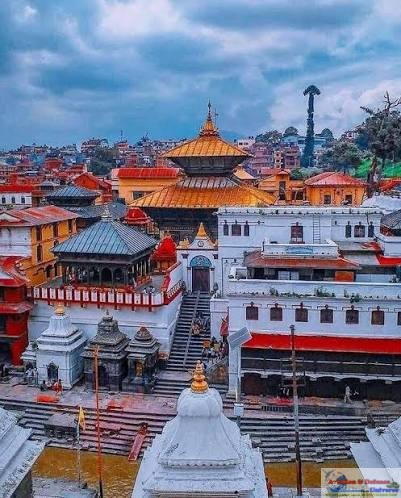 emerging geopolitical, political and strategic challenges. Differences over boundary issues, evolving domestic politics in Nepal, growing external influence in the region and unresolved economic concerns have introduced new complexities into the partnership. At the same time, both countries have much to gain from cooperation in areas such as connectivity, hydropower, trade, tourism, security and climate resilience. The need of the hour is sustained political engagement, mutual sensitivity to each other’s concerns and a renewed commitment to resolving differences through dialogue. India must continue to engage Nepal as a sovereign partner with legitimate aspirations, while Nepal must recognise the enduring value of its closest neighbour. The future of India–Nepal relations will ultimately depend on trust, pragmatism and a shared vision for regional stability and prosperity.
India and Nepal possess a relationship that no external power can easily replicate, founded on centuries of shared history, geography, culture and economic interdependence. However, preserving this unique partnership in an increasingly competitive strategic environment will require both nations to move beyond historical assumptions and address contemporary realities with maturity and foresight. Sustained political dialogue, accelerated connectivity, deeper economic integration, greater sensitivity to each other’s concerns and continued investment in people-to-people ties will be essential to rebuilding trust. As the Himalayan geopolitical landscape evolves, the future of India–Nepal relations will depend not on zero-sum competition, but on a shared commitment to sovereignty, mutual respect and long-term regional stability and prosperity.
(Jai Kumar Verma is a Delhi-based strategic analyst and Life Member of United Services Institute of India and member of The Manohar Parrikar Institute for Defence Studies and Analyses. The views in the article are solely the author’s. He can be contacted at editor.adu@gmail.com)













































































-A4-Size-(2)_page-0001.jpg)