





















- Airport Modernisation Summit 2026 Opens with Vision for a Smarter Aviation Future
- ‘Infrastructure Will Decide India’s Aviation Future
By Sangeeta Saxena
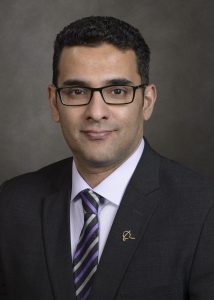
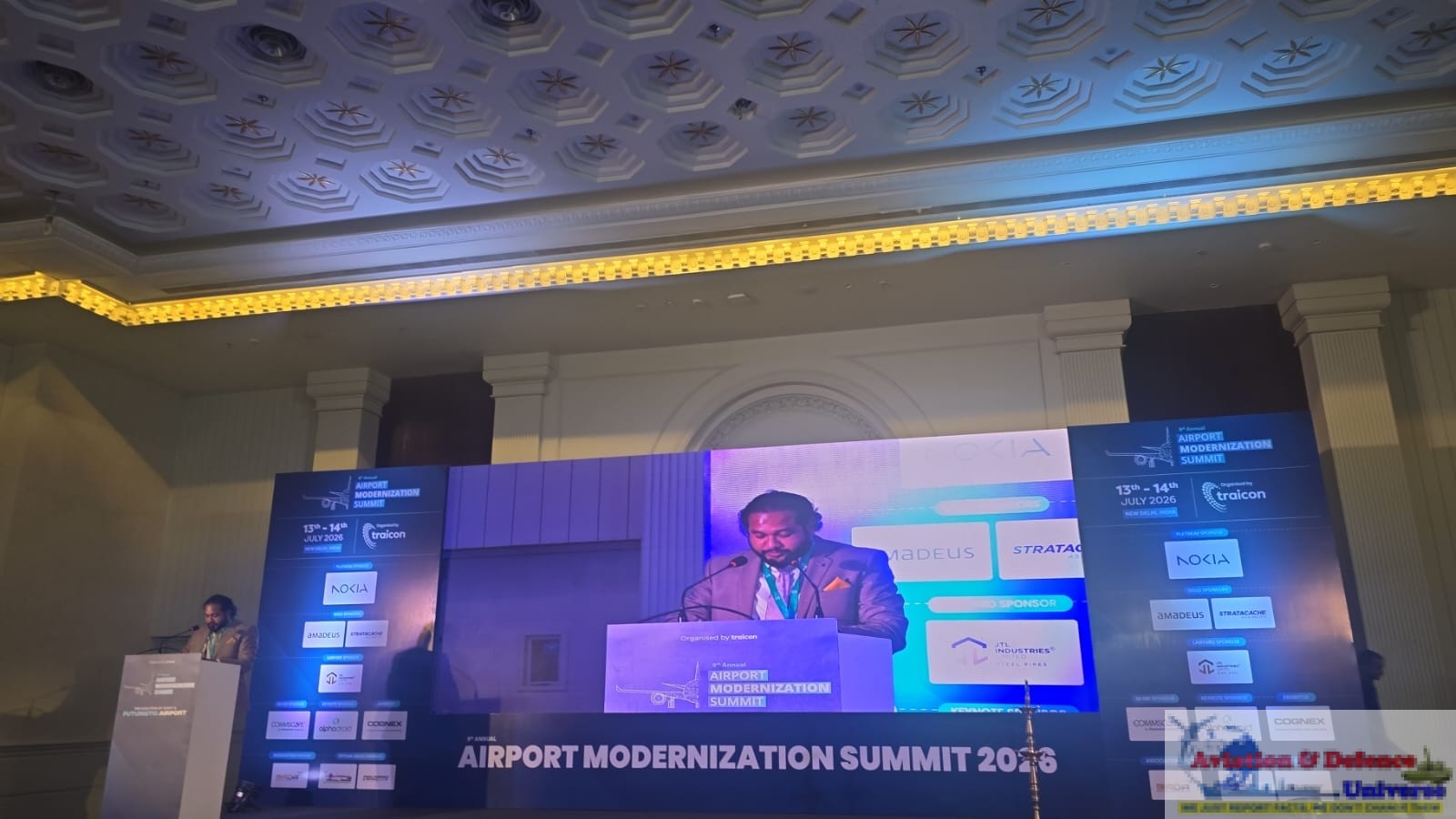
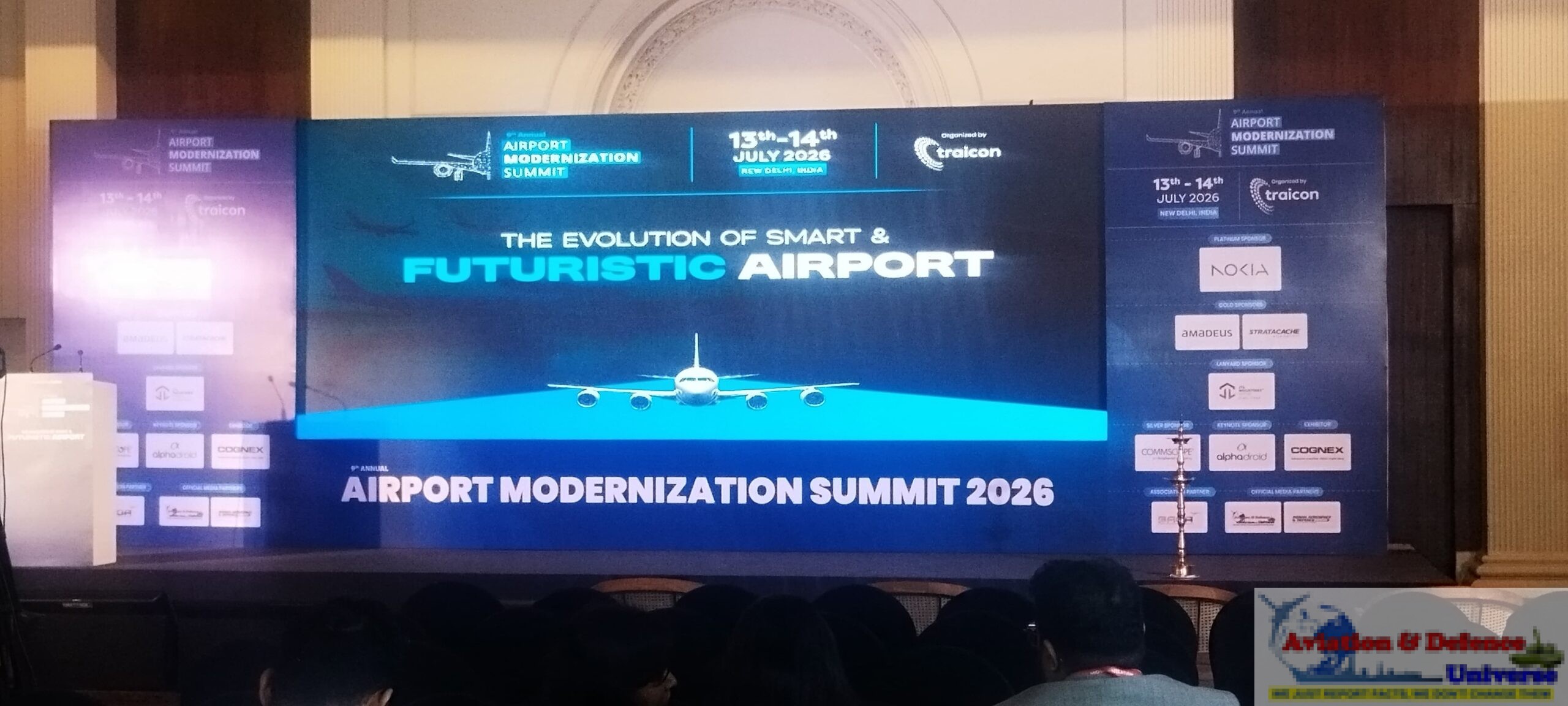
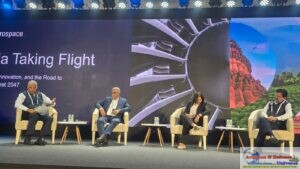
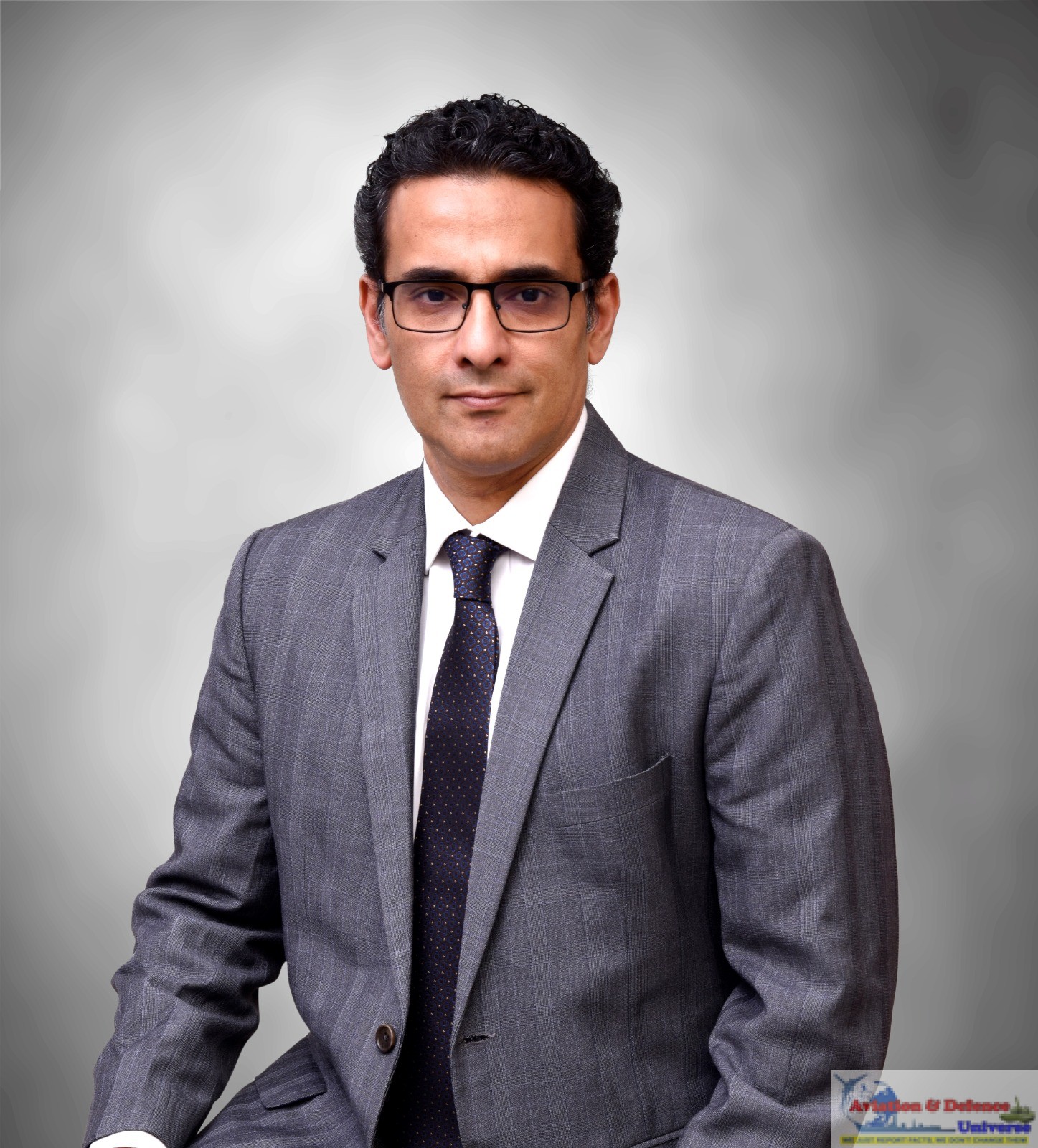
New Delhi. 13 July 2026. The Airport Modernisation Summit 2026 commenced with an optimistic vision for India’s aviation future as Dr. Sumeet Suseelan, Member, Ministry of Civil Aviation, Government of India, delivered the inaugural keynote address. Against the backdrop of India’s emergence as the world’s third-largest aviation market, Dr. Suseelan presented a compelling roadmap for the country’s airport infrastructure, highlighting the unprecedented expansion that lies ahead. Stressing that India’s aviation ambitions cannot be fulfilled merely by building more airports, he called for the creation of smart, sustainable and technology-driven aviation infrastructure capable of supporting the country’s long-term economic transformation. His address underscored the importance of collaboration between government, industry and technology providers in shaping airports that are not only efficient but also future-ready.
 Opening his address, Dr. Suseelan invited delegates to reflect on the remarkable transformation of Indian aviation over the past few decades.Setting the tone for his keynote, he said, “Today I want to talk to you about something simple but very important—the growth story of Indian aviation and why the work all of you are doing right now matters more than ever.” Describing India’s remarkable rise in global aviation, he observed, “India is now the third-largest aviation market in the world.”
Reflecting on the country’s journey, he remarked that only a few decades ago India had a limited number of airports and flying remained beyond the reach of most citizens. Today, however, the country has become one of the fastest-growing aviation markets anywhere on the planet. Highlighting the scale of recent growth, he noted, “Last year, more than 412 million passengers travelled through Indian airports. That is more than the entire population of the United States flying within one single year in our country.” Emphasising that this growth trajectory is only accelerating, he added, “We are not slowing down—we are just getting started.”
Looking ahead to the centenary of India’s Independence, Dr. Suseelan outlined an ambitious roadmap for the aviation sector. He explained, “By 2047, the year we celebrate 100 years of Independence, passenger traffic in India is expected to grow eight-fold.” He elaborated that India is expected to move from handling around 376–412 million passengers annually today to between 3 and 3.5 billion passengers every year by 2047, while international traffic alone could account for 10–12 per cent of this remarkable expansion. Summing up the magnitude of this transformation, he observed, “This is not a small target. This is a national transformation.”
Turning to infrastructure, Dr. Suseelan emphasised that airport development will be central to achieving India’s aviation ambitions. He announced, “Today India has 162 airports. Our plan is to take that number to 300 airports by 2047.” To achieve this, he explained, India will need to either construct or significantly upgrade approximately one airport every year over the next two decades.
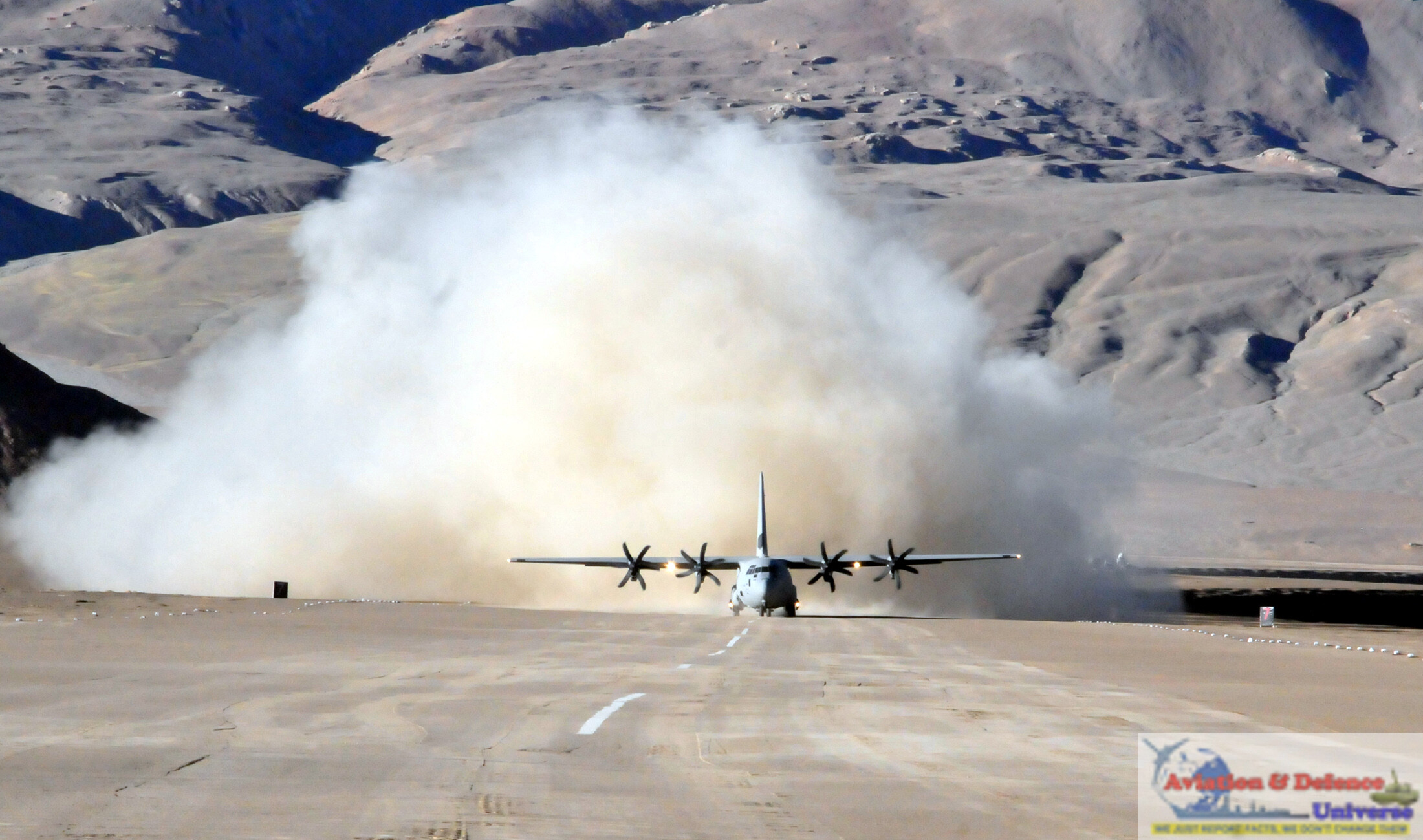
He highlighted that around 70 existing airstrips have already been identified for conversion into full-fledged airports capable of handling narrow-body aircraft such as the Airbus A320 and Boeing 737, while another 40 airstrips are being considered for smaller aircraft operations. In locations where existing infrastructure cannot be upgraded, new greenfield airports are planned in cities including Kota, Puri and Kottayam.
 The Government, he added, is investing nearly ₹36,000 crore in 21 greenfield airports, forming part of a much larger national airport infrastructure programme. For Dr. Suseelan, infrastructure expansion alone will not define India’s aviation future. Introducing the central message of the summit, he said, “It is not enough to simply build more airports. We have to build airports that are smart, sustainable and ready for the passengers of tomorrow.” He explained that next-generation airports must be powered by advanced digital technologies, including facial recognition, automated passport controls, smart baggage systems and Internet of Things (IoT)-enabled operations, creating seamless passenger journeys while improving operational efficiency. Equally important, he stressed, airports must embrace renewable energy, reduce carbon emissions and be integrated into broader urban development strategies so that they become engines of regional economic growth rather than merely transportation facilities.
Concluding his address, Dr. Suseelan reminded delegates that India’s aviation transformation cannot be achieved by government alone. Addressing airport operators, engineers, consultants, technology companies and investors present at the summit, he said, “Every person in this room today… is not just attending a summit. You are a part of building the infrastructure that will carry India’s next generation.” He urged participants to use the summit as a platform for collaboration. Encouraging active engagement, he appealed, “Talk to each other. Share ideas. Challenge each other. Build partnerships.” Ending on an inspiring note, he declared, “The future of Indian aviation will not be built by the government alone. It will not be built by industry alone. It will be built together—right here in this room.”
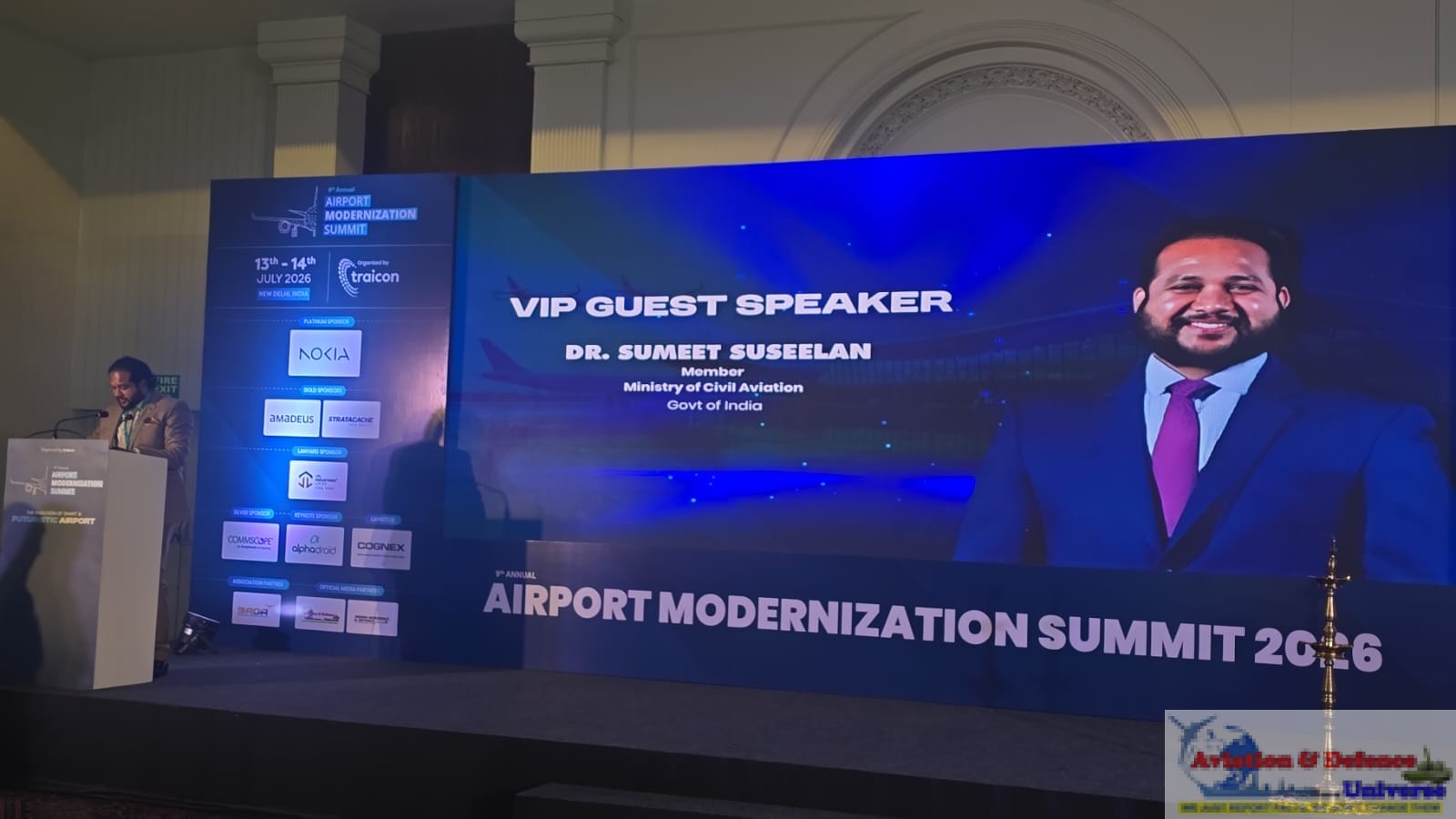 Dr. Sumeet Suseelan’s inaugural address set an ambitious yet optimistic tone for the Airport Modernisation Summit 2026, presenting airport infrastructure as a cornerstone of India’s broader economic transformation. His vision extended well beyond expanding airport capacity, focusing instead on intelligent, digitally enabled and environmentally sustainable aviation ecosystems capable of supporting billions of passenger journeys in the decades ahead. By calling for deeper collaboration between policymakers, airport operators, technology innovators and investors, he reinforced that India’s journey towards becoming a global aviation leader will depend not only on infrastructure investment but also on collective innovation, strategic partnerships and a shared commitment to building the airports of tomorrow.









































































-A4-Size-(2)_page-0001.jpg)