











- Strategic Partnerships, Not Buyer-Seller Models, Will Shape India’s Defence Future
- “Two Countries Sign Defence Deals, Not Two Companies”
- From Make in India to Co-Creation: Industry Leaders Discuss Defence Collaboration
- International Collaboration and Atmanirbharta Can Coexist, Say Defence Industry Leaders
By Sangeeta Saxena
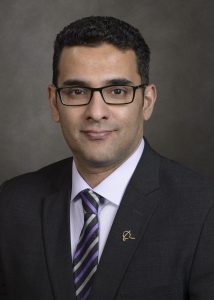
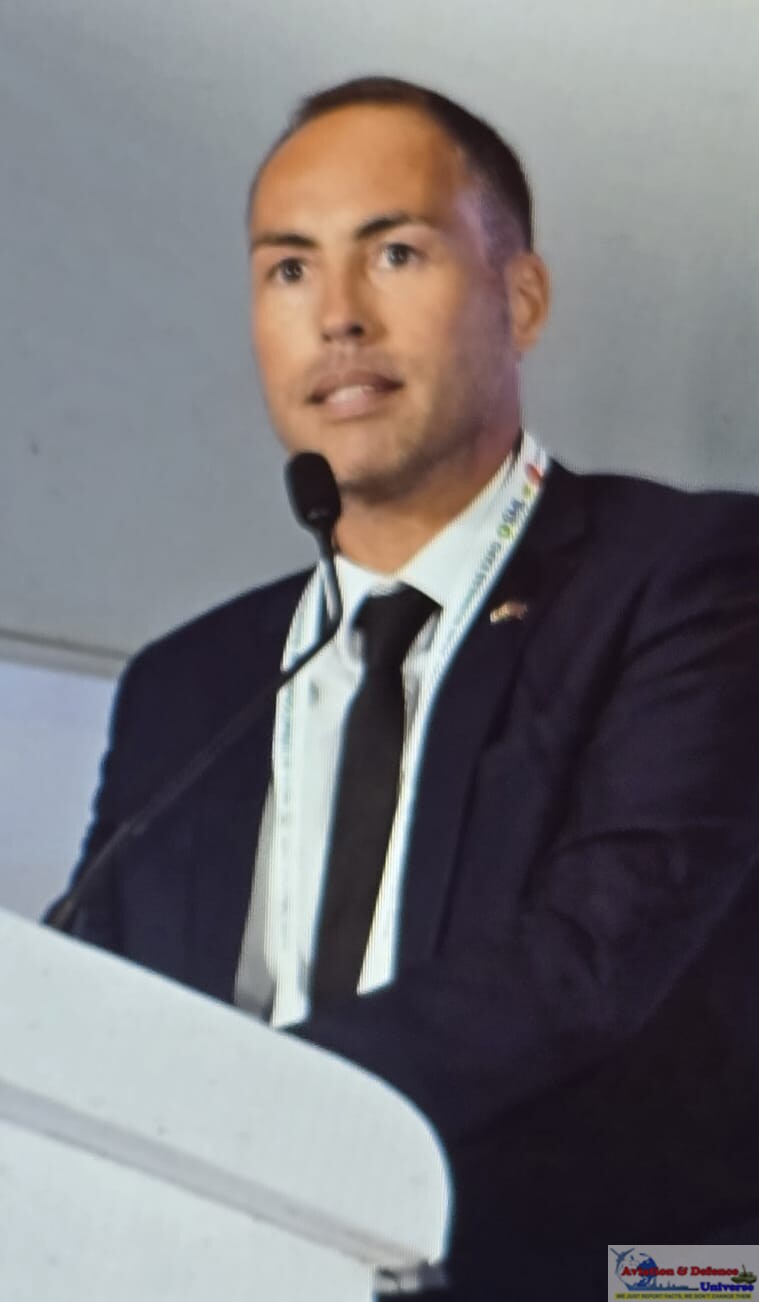
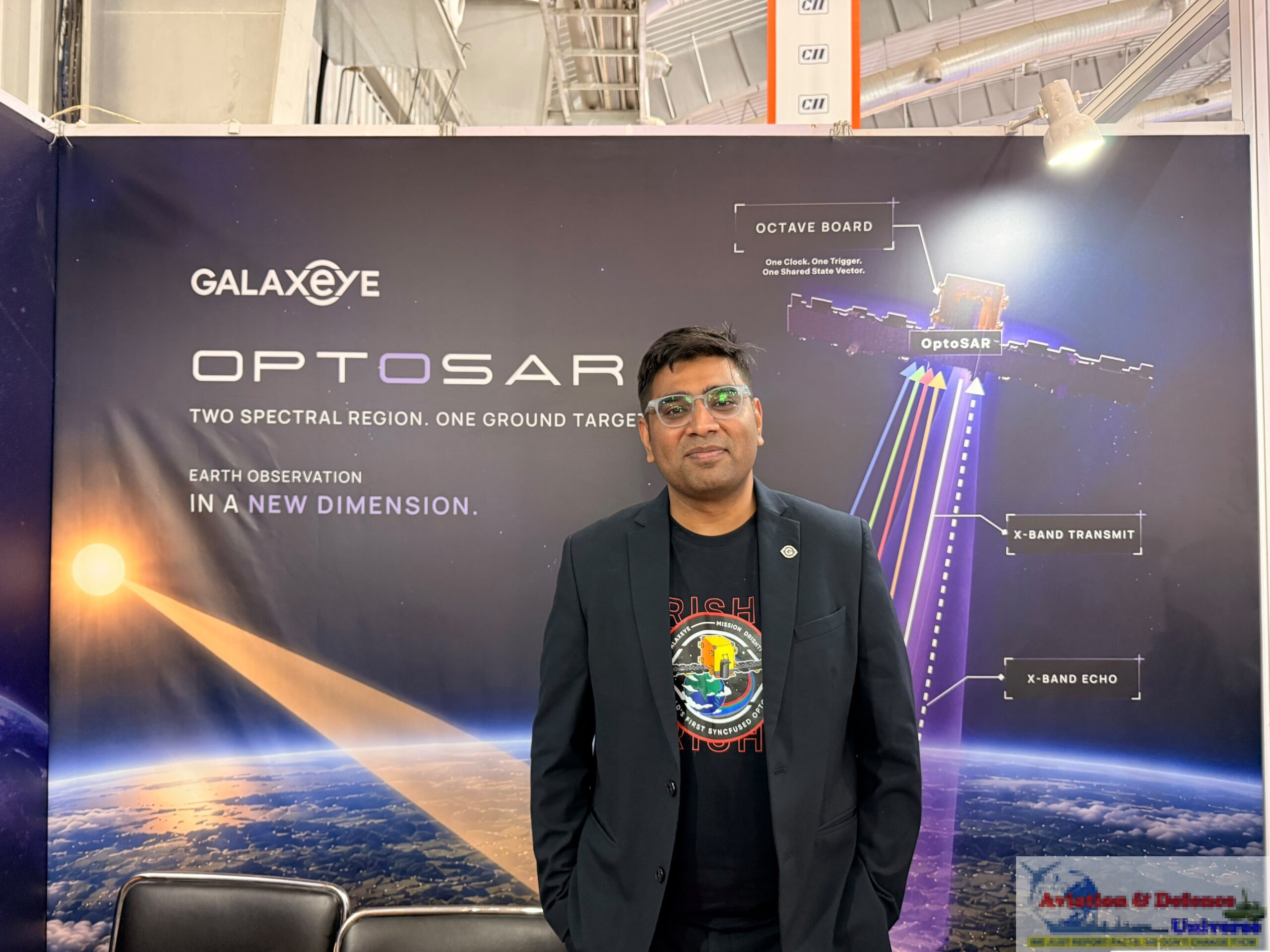
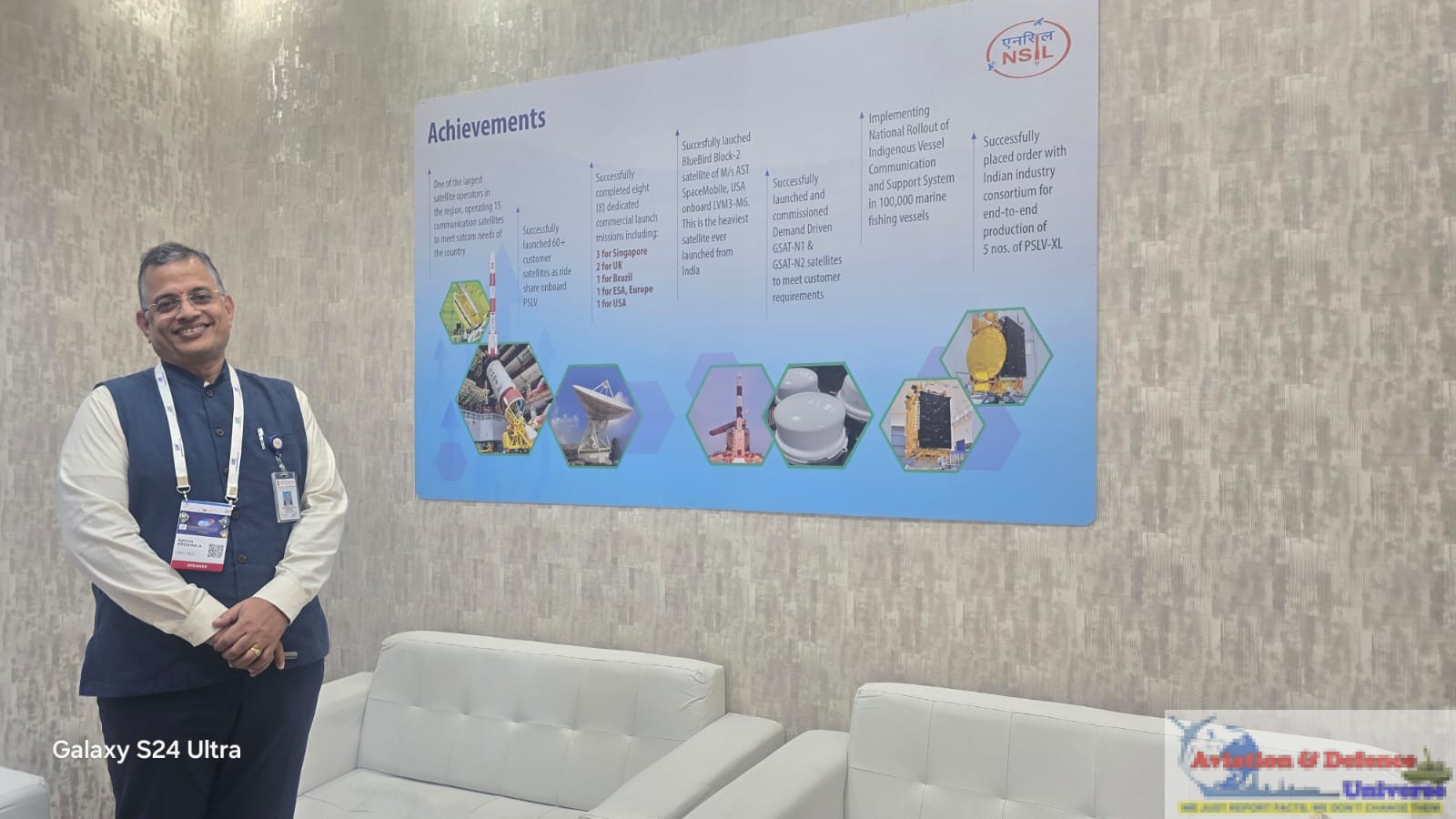
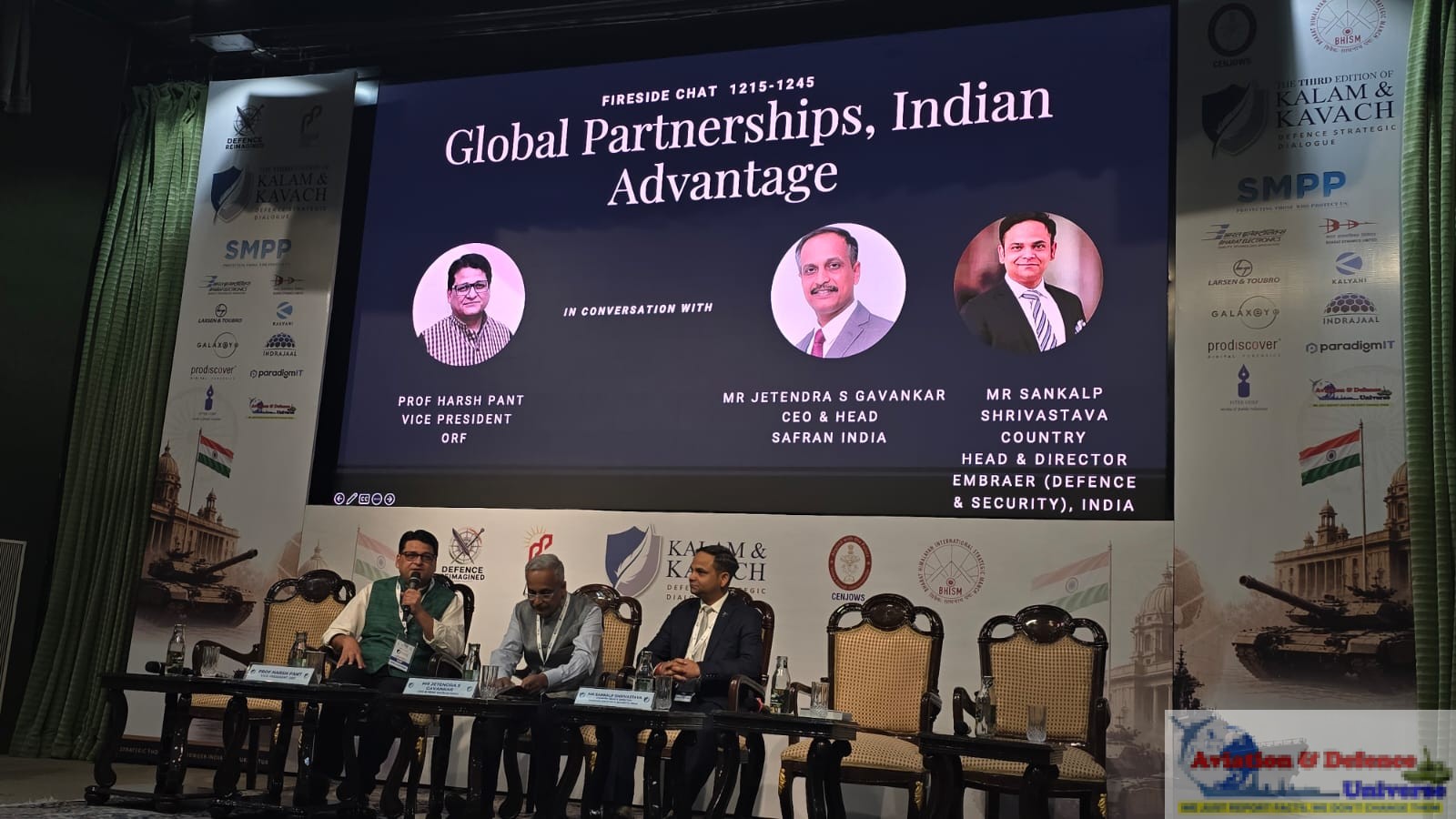
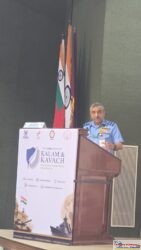
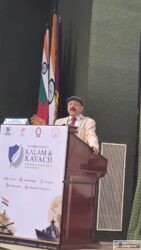
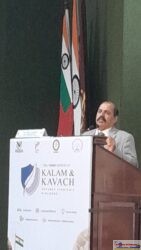
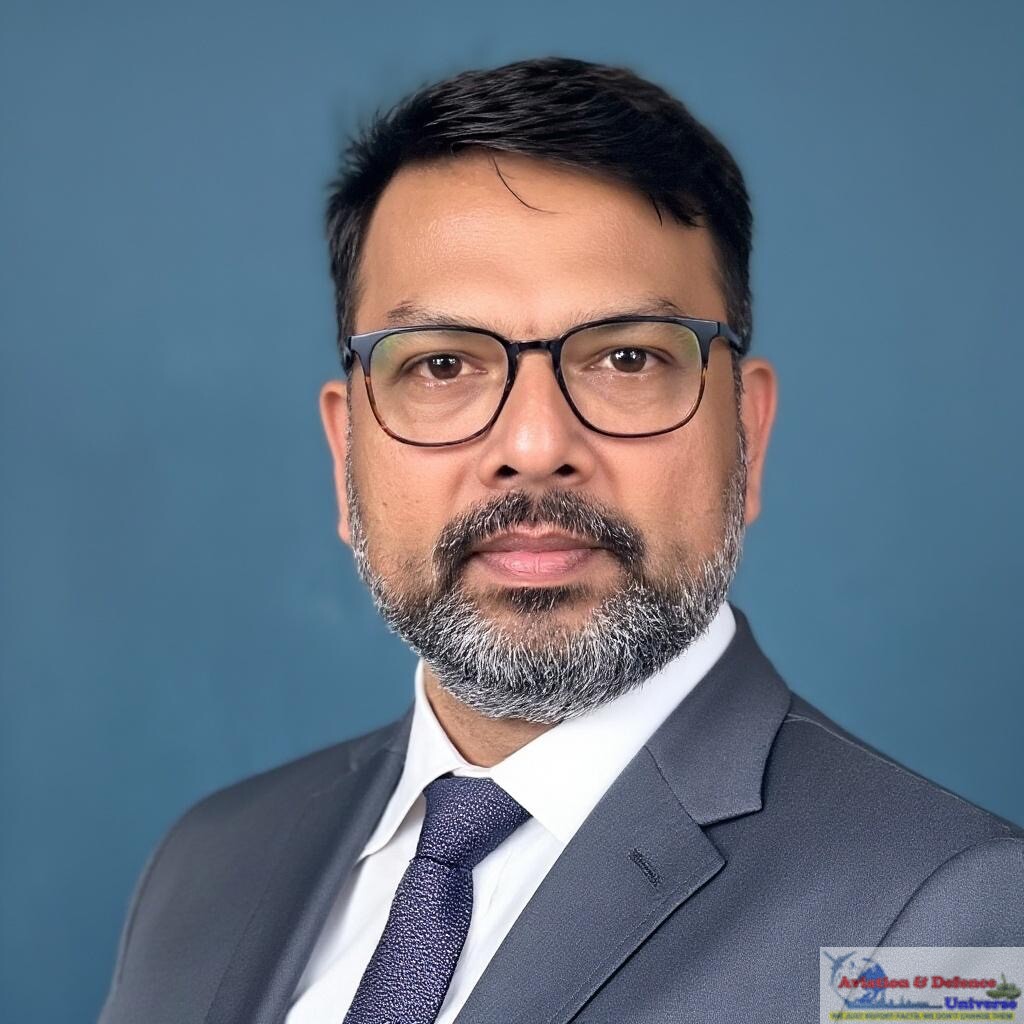
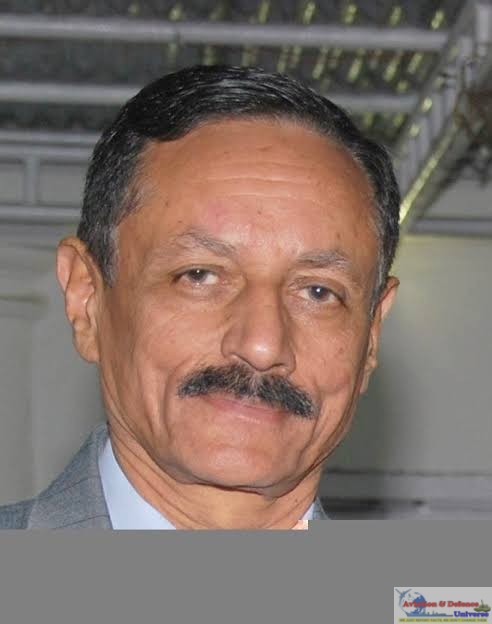
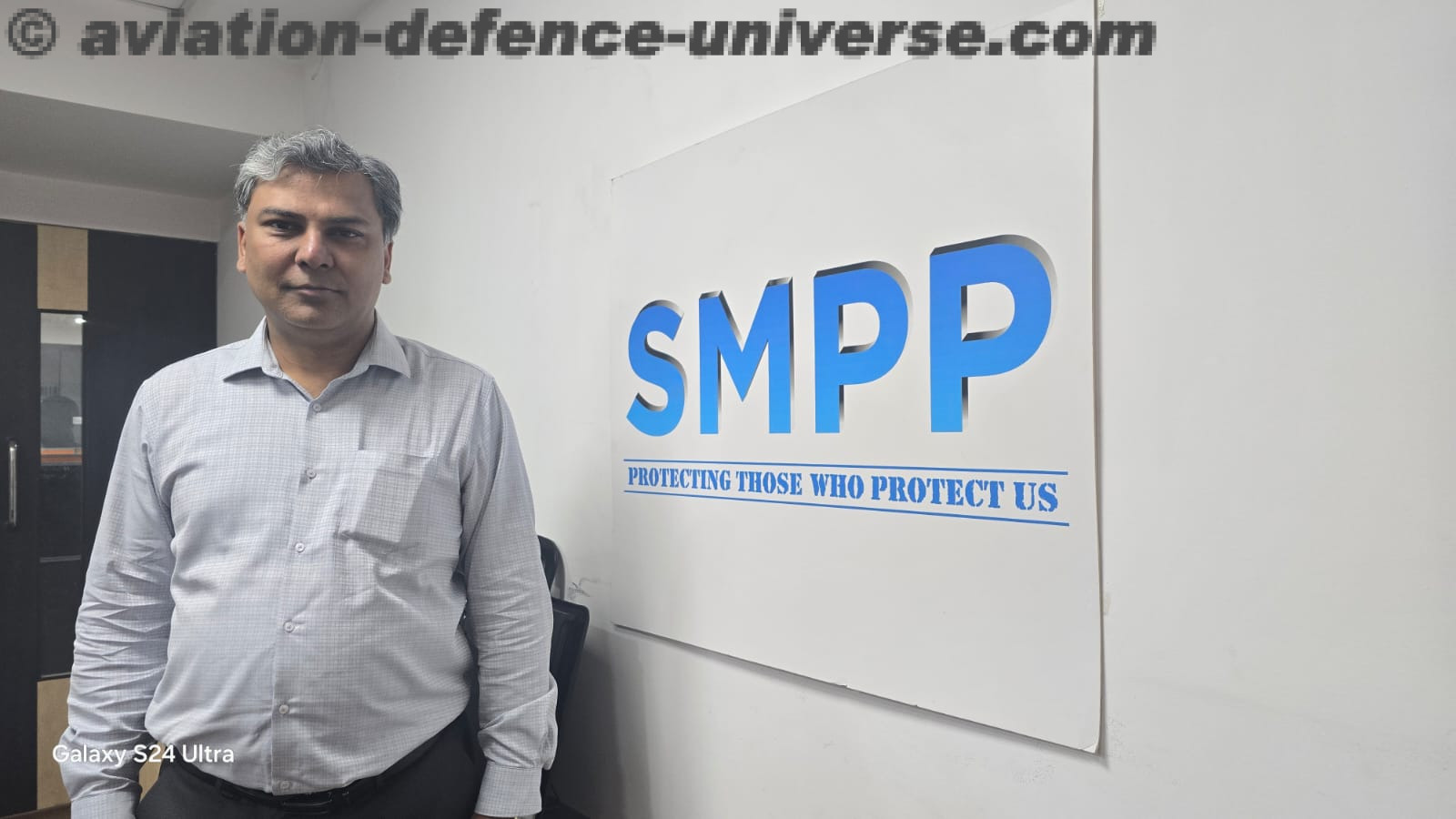
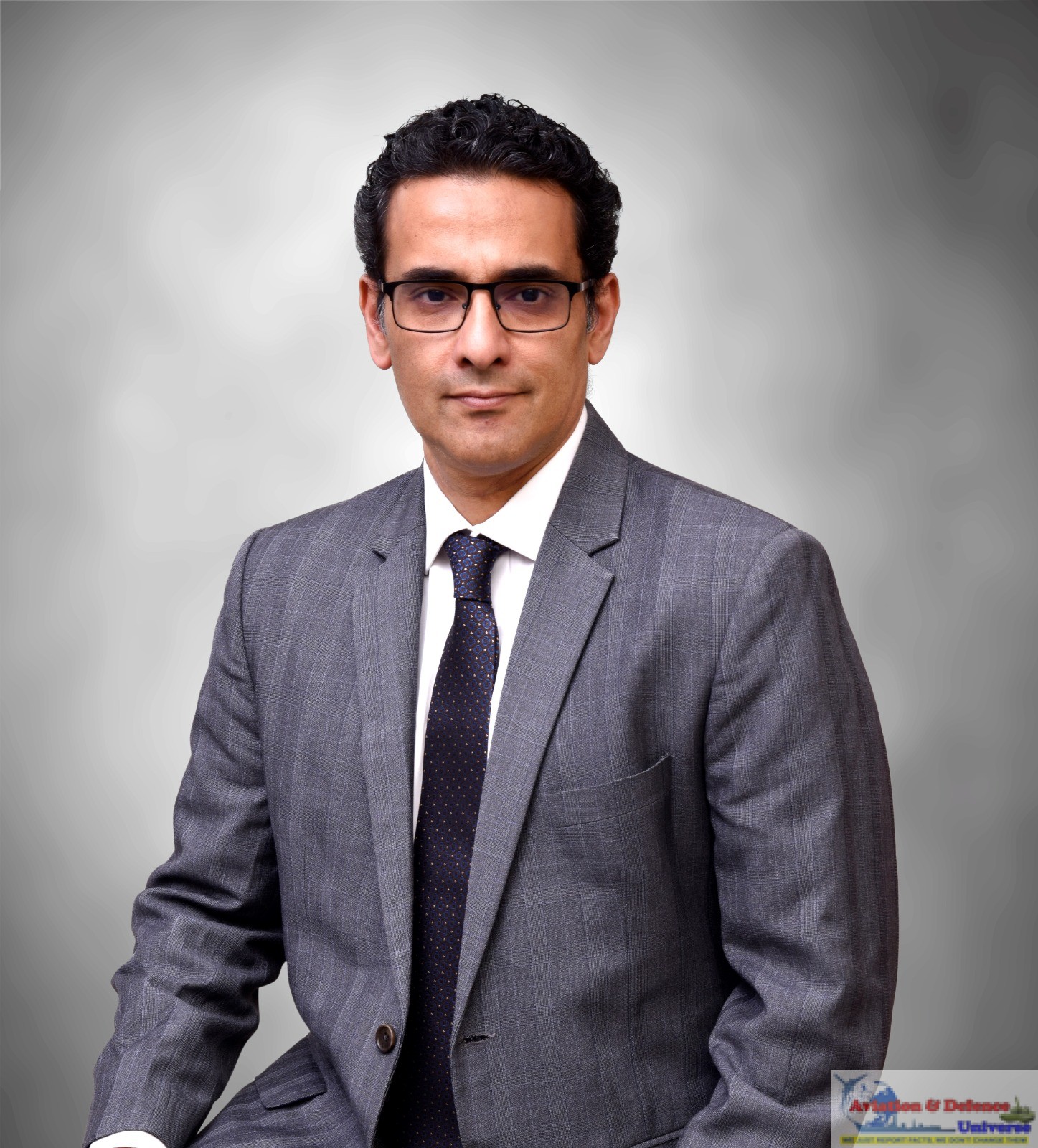
New Delhi. 16 May 2026. The evolving relationship between global strategic partnerships and India’s push for indigenous defence capability formed the core of an insightful fireside chat at Kalam & Kavach 3.0 titled “Global Partnerships and Indian Advantage.” Conducted by Professor Harsh Pant, Vice President, Observer Research Foundation (ORF), the discussion featured Jetendra S. Gavankar, CEO & Head, Safran India, and Sankalp Shrivastava, Country Head & Director, Embraer Defence & Security India.
The conversation explored how geopolitical shifts, defence-industrial partnerships, technology collaboration and India’s growing strategic importance are reshaping the global defence ecosystem. The speakers highlighted the increasing recognition that international collaboration and Atmanirbharta are not competing ideas but complementary pillars essential for building a resilient, technologically advanced and globally competitive defence manufacturing ecosystem in India.
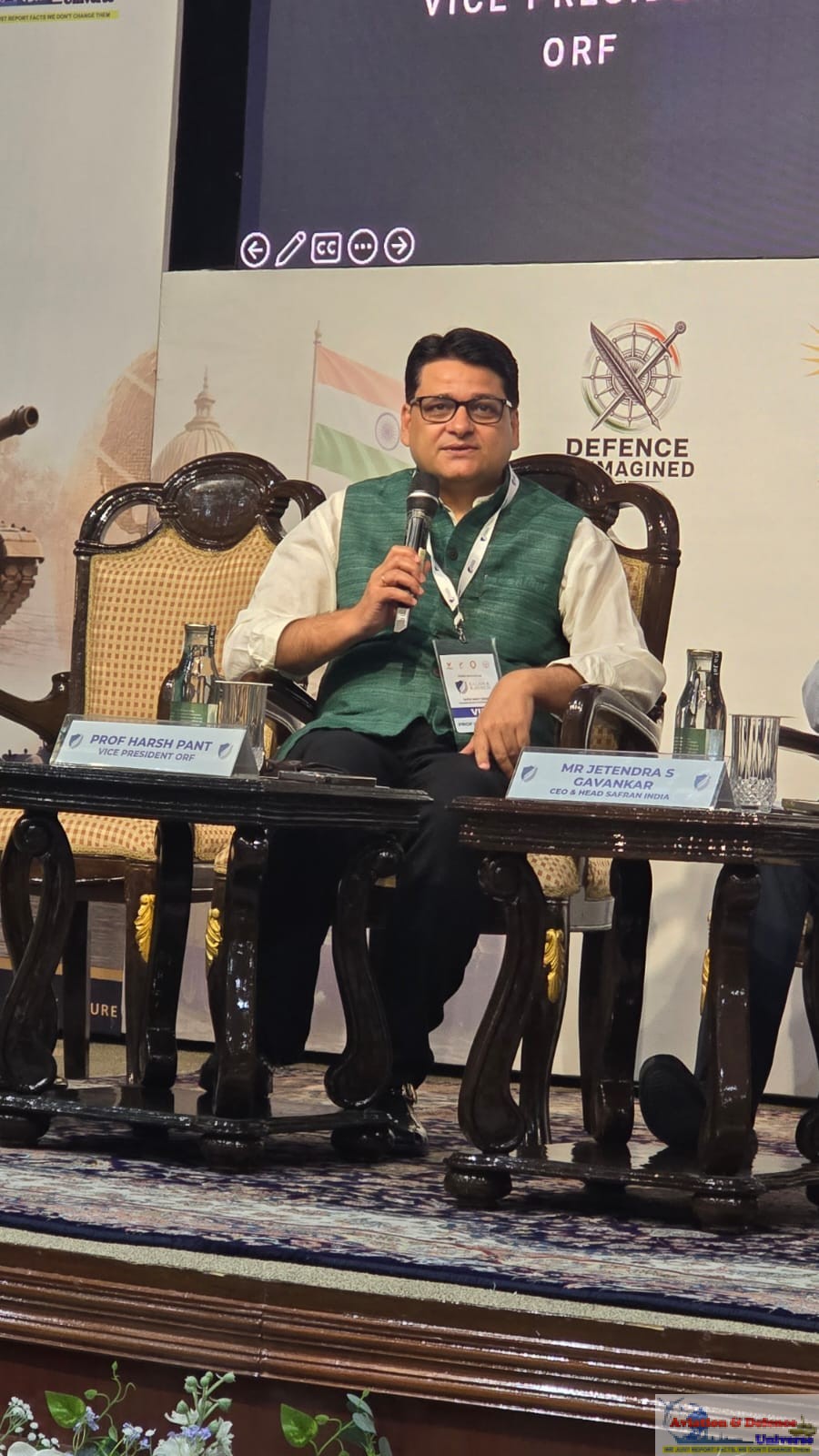 Opening the session, Professor Harsh Pant framed the discussion around the larger transformation taking place in India’s defence partnerships amid changing geopolitical realities.“What does it mean to be a trusted defence partner?” he asked. “And how does it impact the business models and propositions that global companies bring to India?”
Responding to the question, Jetendra S. Gavankar of Safran India stressed that the debate between indigenisation and international collaboration is now gradually giving way to a more balanced and pragmatic approach. “For a long time, we heard conversations around 100 percent Atmanirbharta and 100 percent indigenisation,” he said. “But now we are hearing more about international collaboration and indigenisation coexisting.” According to Gavankar, this evolution reflects the realities of modern defence ecosystems where no country can operate entirely in isolation. “There is no wishing away of international collaboration,” he remarked. “We believe in the spirit of international cooperation and co-creation.”
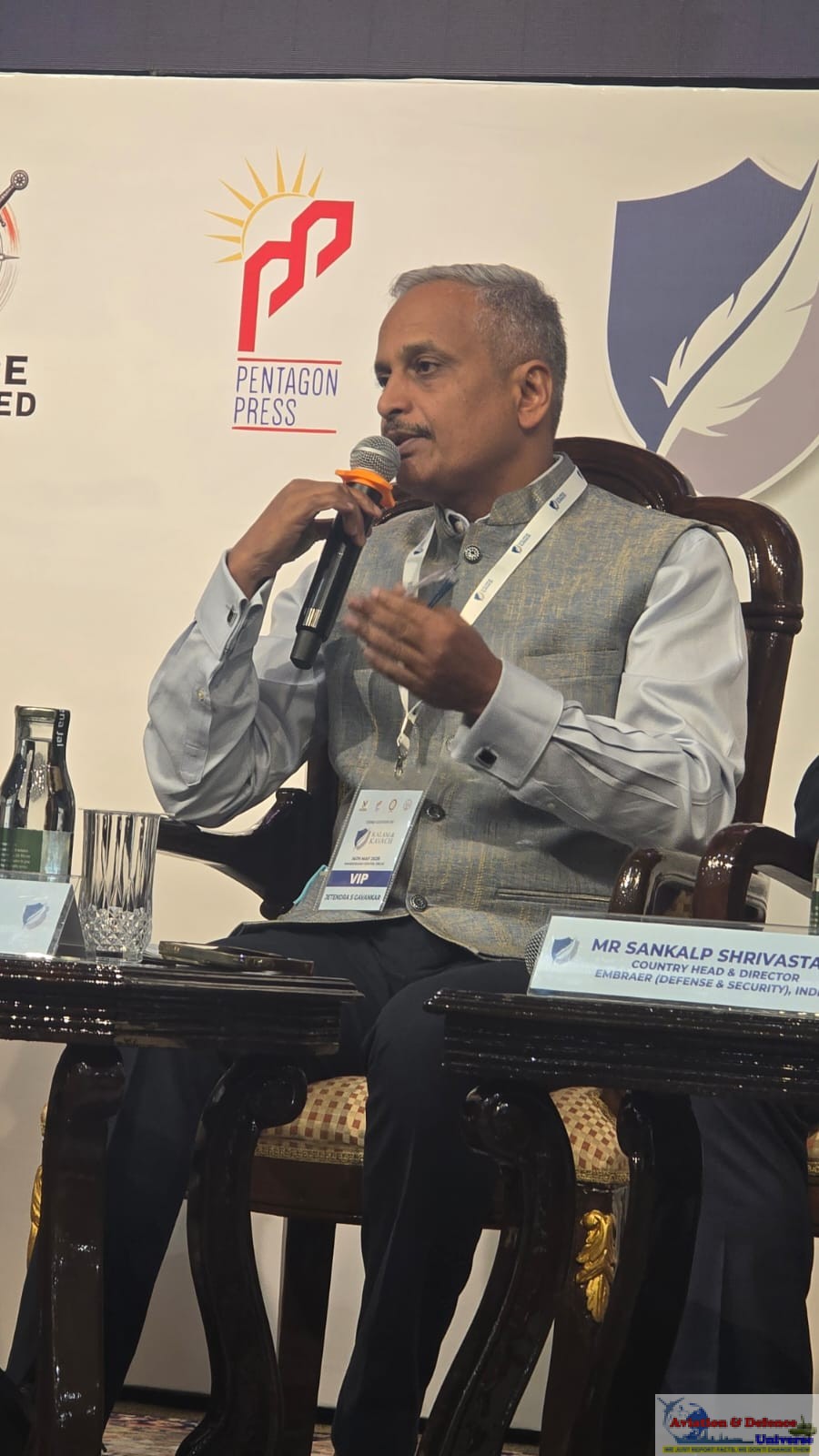 He emphasised that defence partnerships differ fundamentally from ordinary commercial transactions. “Buyer-seller relationships are not for defence,” Gavankar stated. “Two countries actually sign defence deals, not two companies. Companies are just the medium.” Highlighting the strategic nature of defence agreements, he added, “When Safran signs something, it is France signing. When Embraer signs something, it is Brazil signing. That is the level of strategic alignment required.”
Sankalp Shrivastava of Embraer reflected on the company’s long-standing engagement with India and how India’s procurement ecosystem has evolved over the past two decades. “Embraer is not new to India,” he said. “We have close to two decades of experience with the Indian Ministry of Defence procurement process.” He referred to Embraer’s involvement in the Indian Air Force’s VIP transport aircraft fleet and the Airborne Early Warning & Control (AEW&C) platform developed with DRDO.“That system is neither completely Brazilian nor completely Indian,” Shrivastava observed. “It is a very good example of partnership.”
According to Shrivastava, India’s defence procurement ecosystem has undergone a visible shift from transactional procurement toward strategic partnerships.“We have seen a paradigm shift,” he stated. “Earlier the process was largely centred on procurement and transactional engagement. Now we are talking about partnership.”
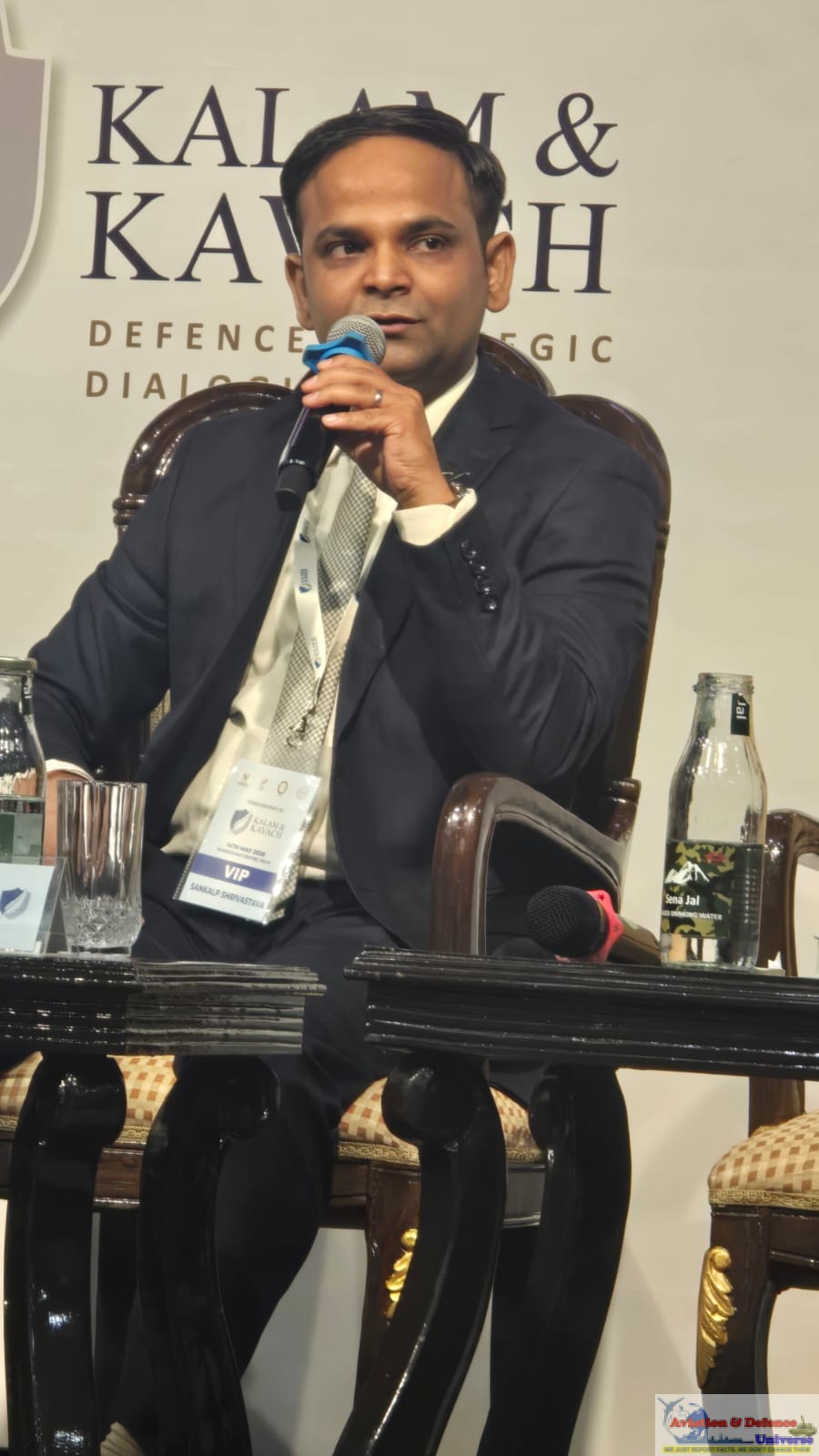 He also highlighted the changing mindset within India’s defence establishment regarding the role of industry. “Gone are the days when companies were called vendors,” he remarked. “Now we are termed as partners, and that is a very positive shift.” Shrivastava praised the policy reforms introduced through DAP 2020 and ongoing efforts toward future revisions of the Defence Acquisition Procedure. “The Ministry of Defence and the leadership of India are doing a great job,” he said. “We are totally aligned with the vision of Make in India and self-reliant India.”
He further explained how Embraer is integrating Indian suppliers into its global supply chain ecosystem. “We already have partnerships with Indian companies for supply of forged material,” he said. “And that is not just for India, but for our global supply chain.”
Professor Harsh Pant then raised the broader question of whether this growing emphasis on partnerships is being driven more by geopolitics or by India’s own strategic awakening. Responding to this, Shrivastava argued that India’s defence ecosystem has already been evolving organically for years. “When Make in India started, we had already begun examples of collaboration much earlier,” he noted while referring to Embraer’s work with DRDO. He described the AEW&C platform as a symbol of successful collaboration and strategic integration. “The AWACS platform has proven to be a Kavach,” he said while linking the project to the broader themes of Kalam & Kavach 3.0.
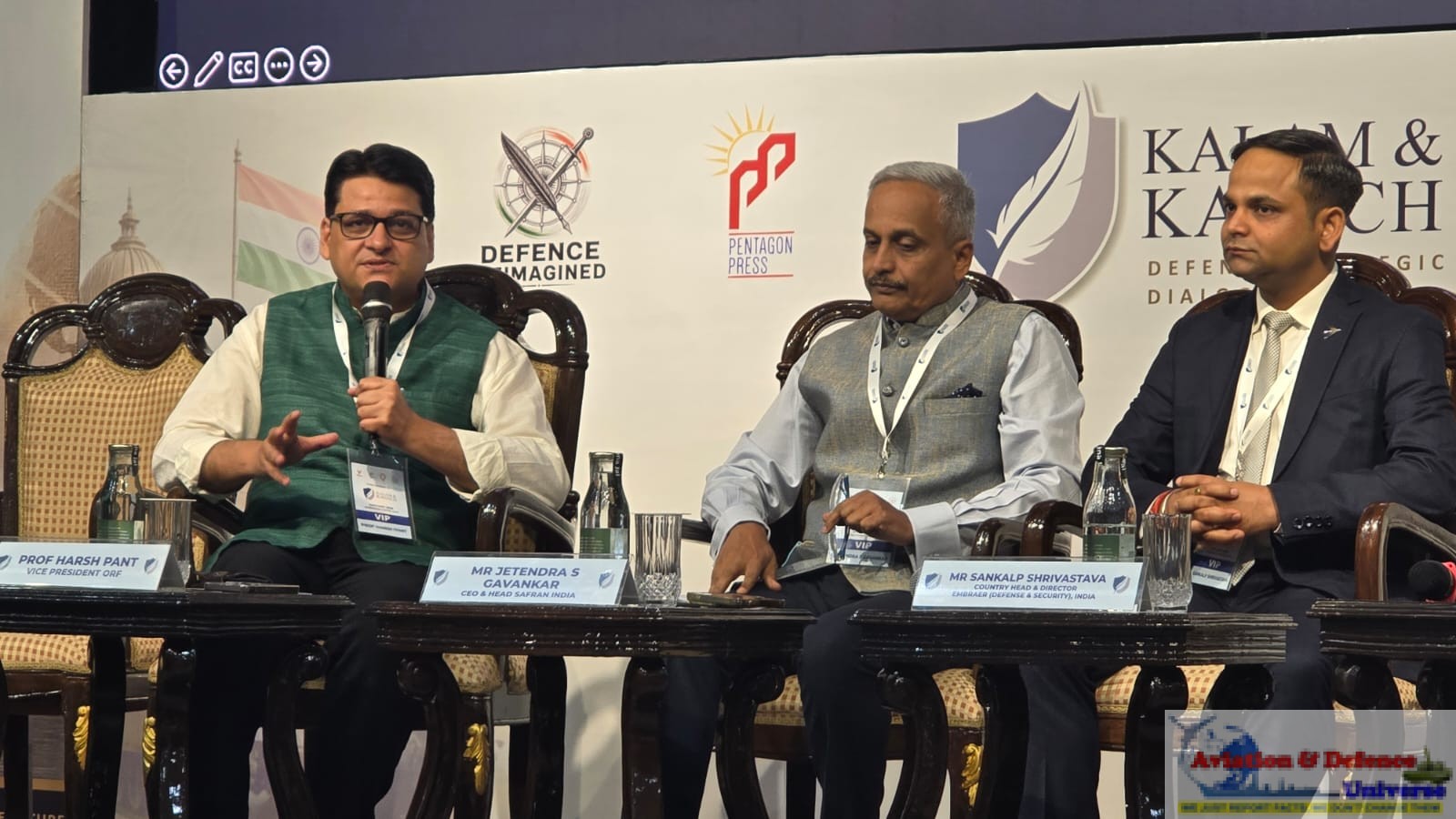 At the same time, Shrivastava acknowledged that gaps still remain within India’s defence procurement ecosystem, particularly in acquisition timelines and procedural speed. “It is a moving target,” he remarked. “Rapidly evolving global developments and India’s requirements are putting pressure on the ecosystem.” According to him, the single biggest challenge facing the ecosystem today is time. “The biggest gap is procurement speed and order certainty,” he stated. “Just give us order certainty and speed, and industry can handle the rest.” He also criticised prolonged acquisition cycles in major defence programmes. “Some projects have taken more than two decades,” he observed. “That is not a good timeline.” The discussion repeatedly returned to the importance of strategic trust and policy stability in encouraging deeper industrial collaboration. “We are there to work locally, to have local partnerships and to integrate into India’s ecosystem,” Shrivastava emphasised.
Meanwhile, Gavankar reiterated that future defence cooperation must be viewed through a geopolitical and strategic lens rather than purely commercial calculations.“Beyond business, it is all geopolitics,” he said. The fireside chat at Kalam & Kavach 3.0 highlighted the growing maturity of India’s defence-industrial ecosystem and the increasing convergence between Atmanirbharta and international strategic collaboration. Through the perspectives of Safran India and Embraer Defence & Security, the discussion reinforced the idea that future defence capability development will depend not on isolation, but on trusted partnerships rooted in co-development, co-creation and long-term strategic alignment.
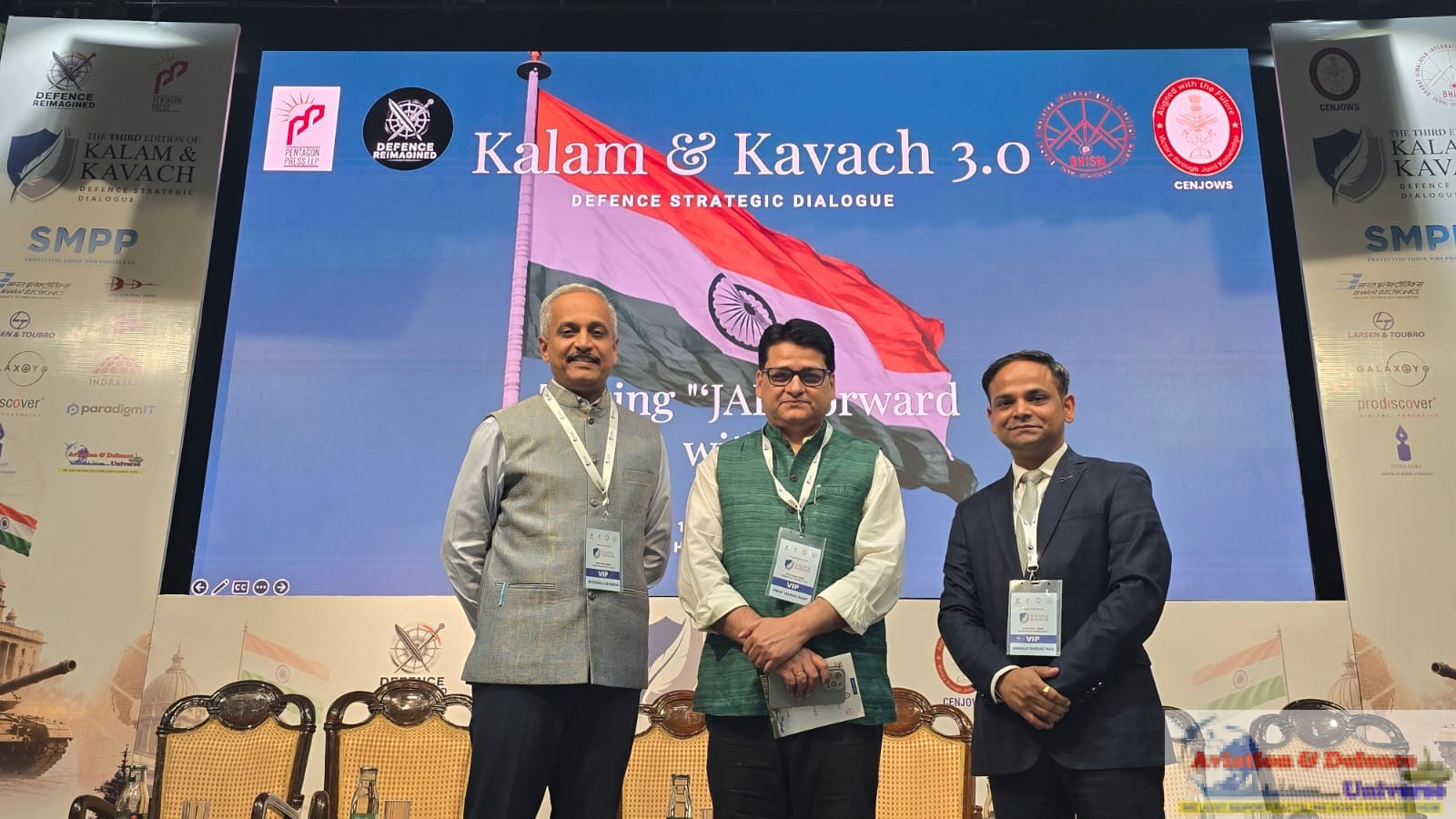 The conversation also reflected how India’s evolving procurement ecosystem, policy reforms and geopolitical rise are gradually transforming the country from a traditional buyer into a strategic industrial and technology partner. At the same time, concerns around procurement timelines and order certainty underscored the need for faster and more agile acquisition frameworks capable of matching the pace of technological change and strategic requirements.
As India seeks to position itself as a major global defence manufacturing and innovation hub, the session demonstrated that international collaboration, domestic capability building and strategic trust will remain central to shaping the future trajectory of the country’s aerospace and defence ecosystem.


































































-A4-Size-(2)_page-0001.jpg)