












- Says Future Wars Will Demand Integration Across New Domains From Theatre Commands to Cognitive Warfare
- “We Dominated the Escalation Matrix”: CDS Reflects on Operation Sindoor at Kalam & Kavach
- Advocates Speed, Scale and Simultaneous Reform in Military Transformation
- Future Warfare, Jointness and Strategic Reform Take Centre Stage in CDS’ Fireside Chat
By Sangeeta Saxena
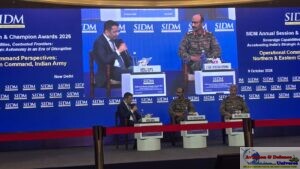
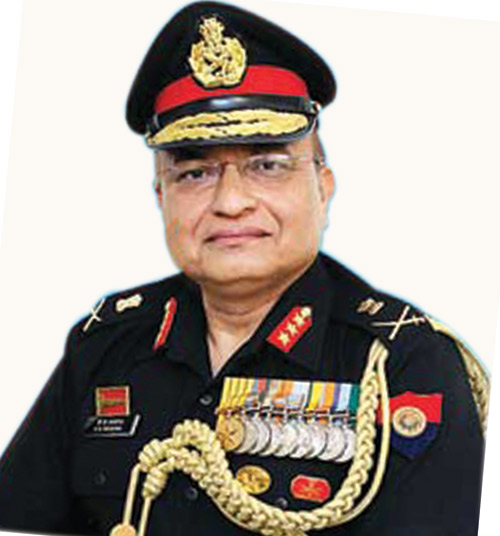
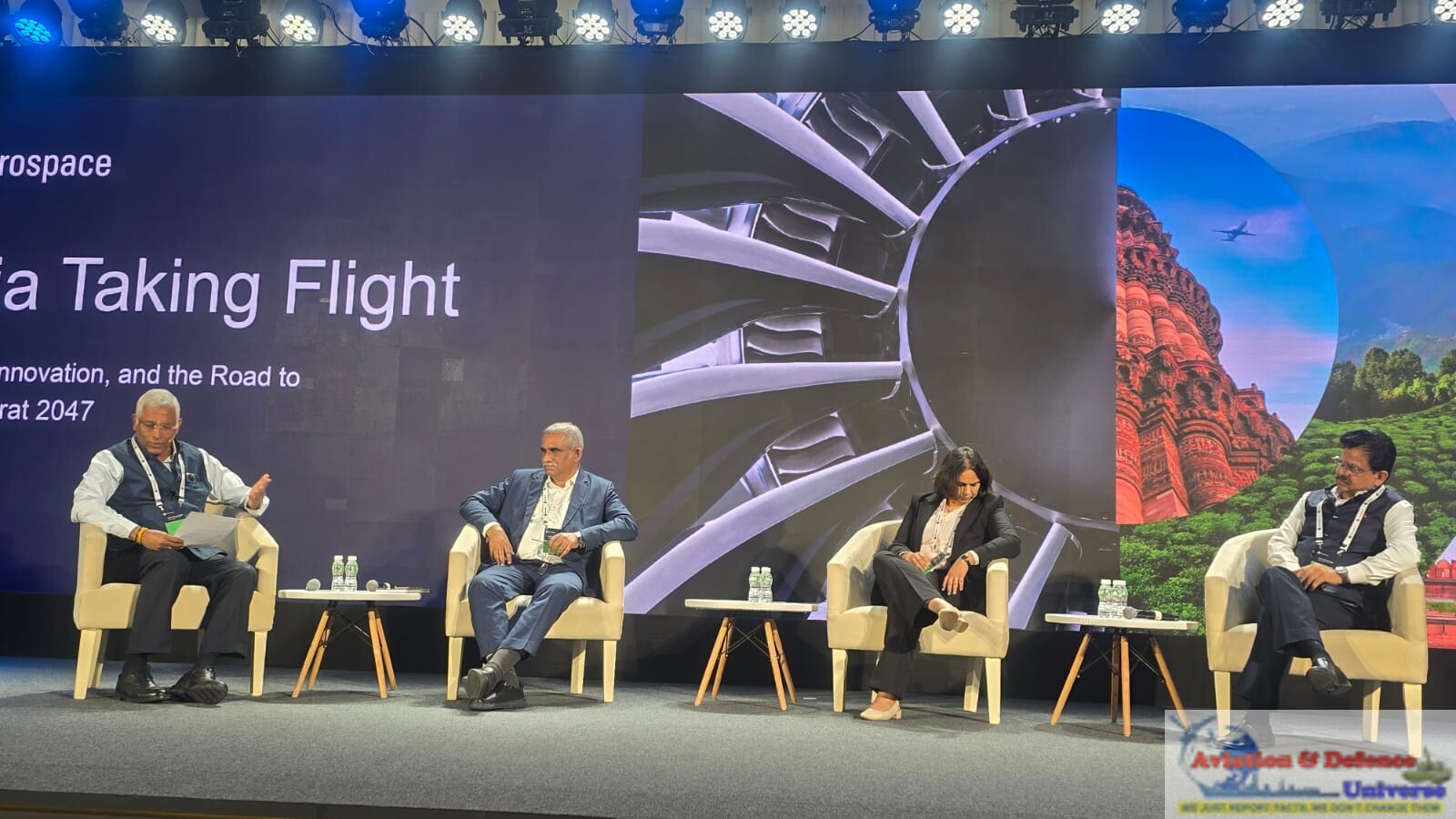
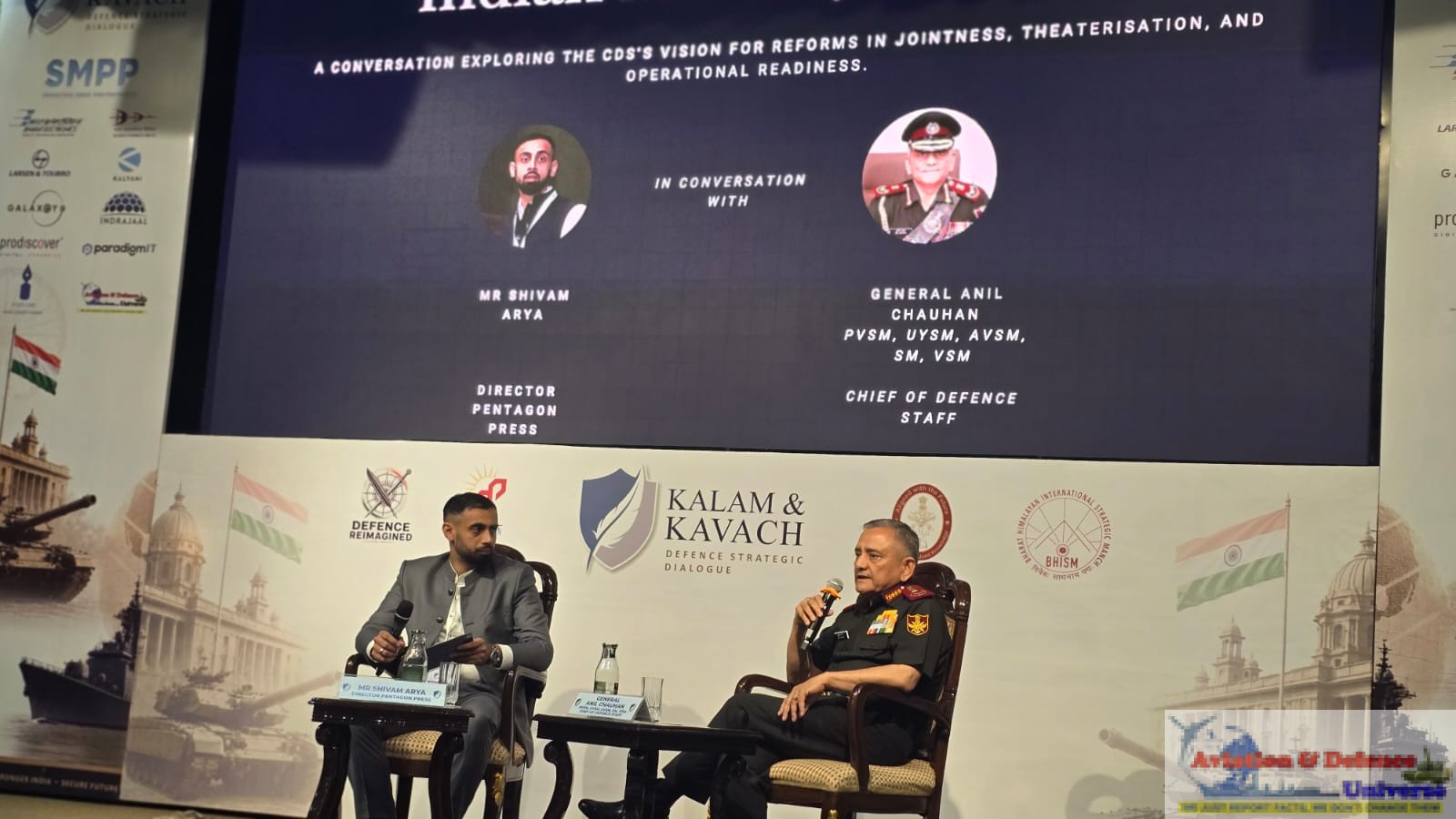
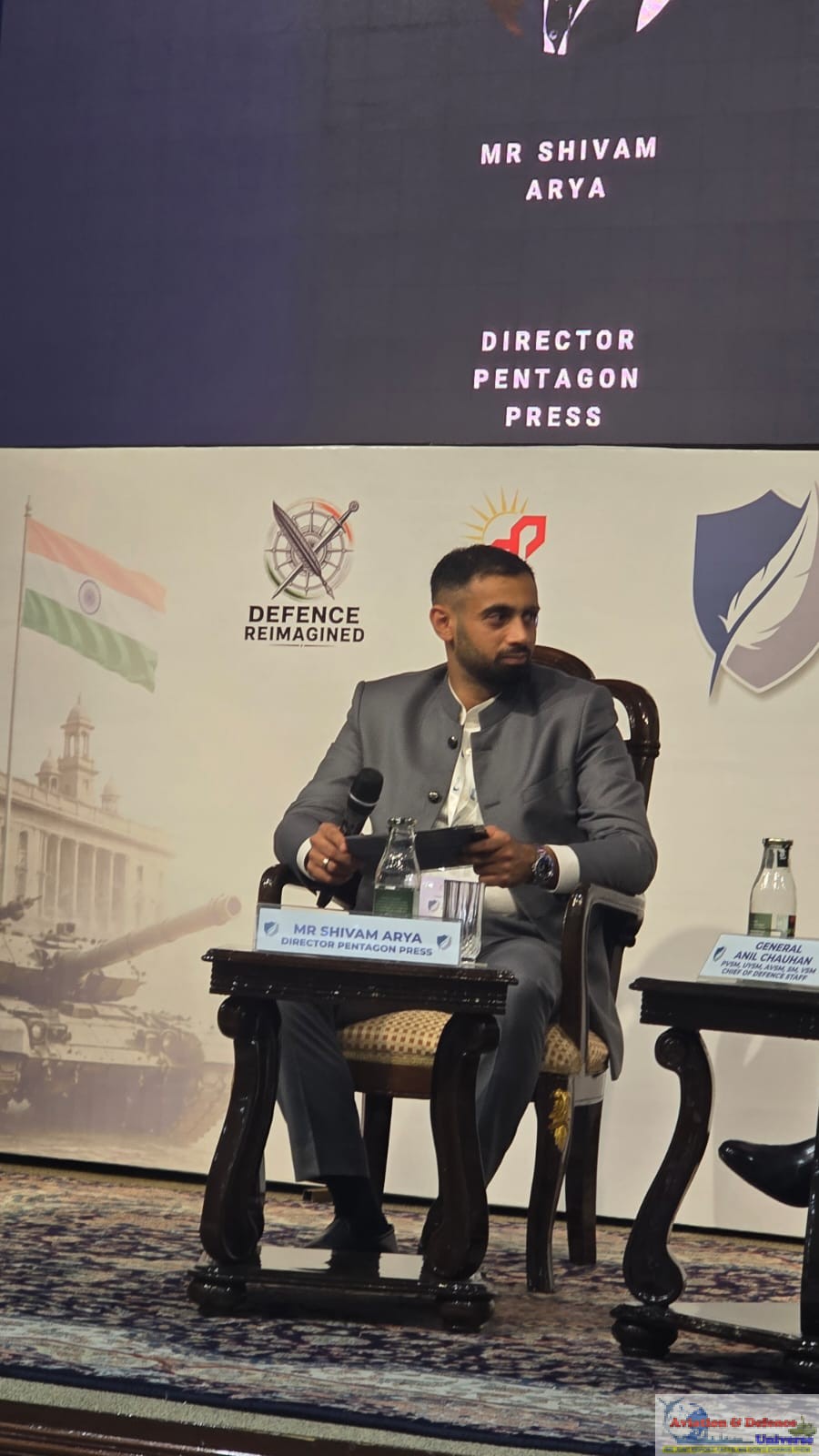
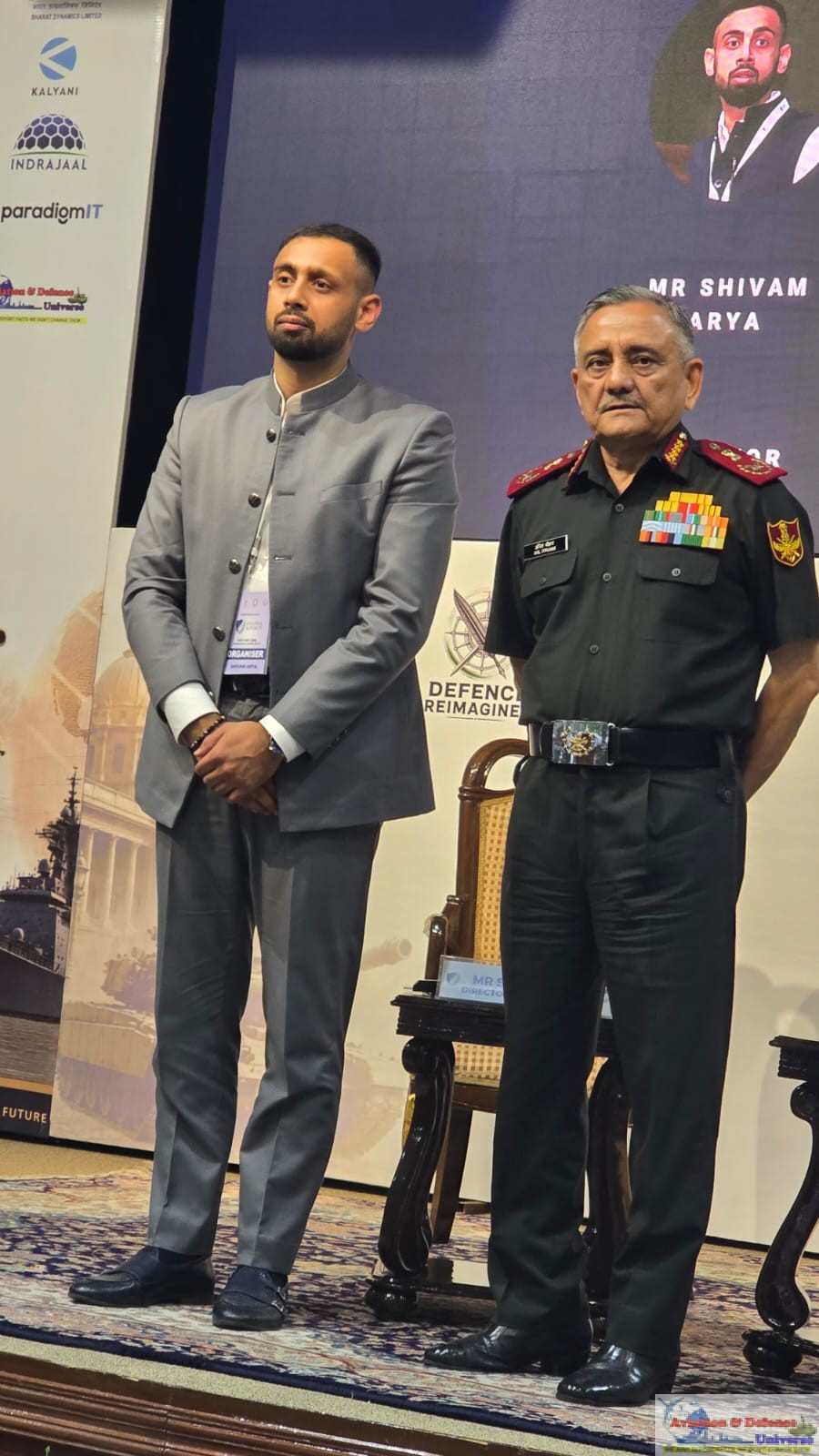
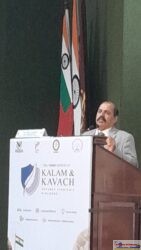
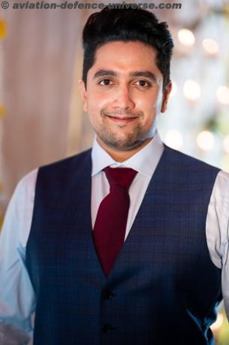
New Delhi. 14 May 2026. In a wide-ranging and deeply strategic fireside conversation at Kalam & Kavach 3.0, Chief of Defence Staff (CDS) General Anil Chauhan outlined India’s ongoing military transformation, the evolving nature of warfare and the growing importance of jointness, integration and future warfare preparedness. In conversation with Shivam Arya, Convenor of Kalam & Kavach 3.0, the CDS spoke candidly about theatre command reforms, multi-domain operations, cognitive warfare, military innovation and the need for continuous adaptation in a rapidly changing strategic environment.
General Chauhan emphasised that India’s military reforms are among the most transformative undertaken since Independence and highlighted that the biggest challenge was not structural change, but changing mindsets within the system. Reflecting on emerging domains such as cyber, space, artificial intelligence and information warfare, he said future conflicts would increasingly demand integrated responses across both traditional and non-traditional battle spaces.
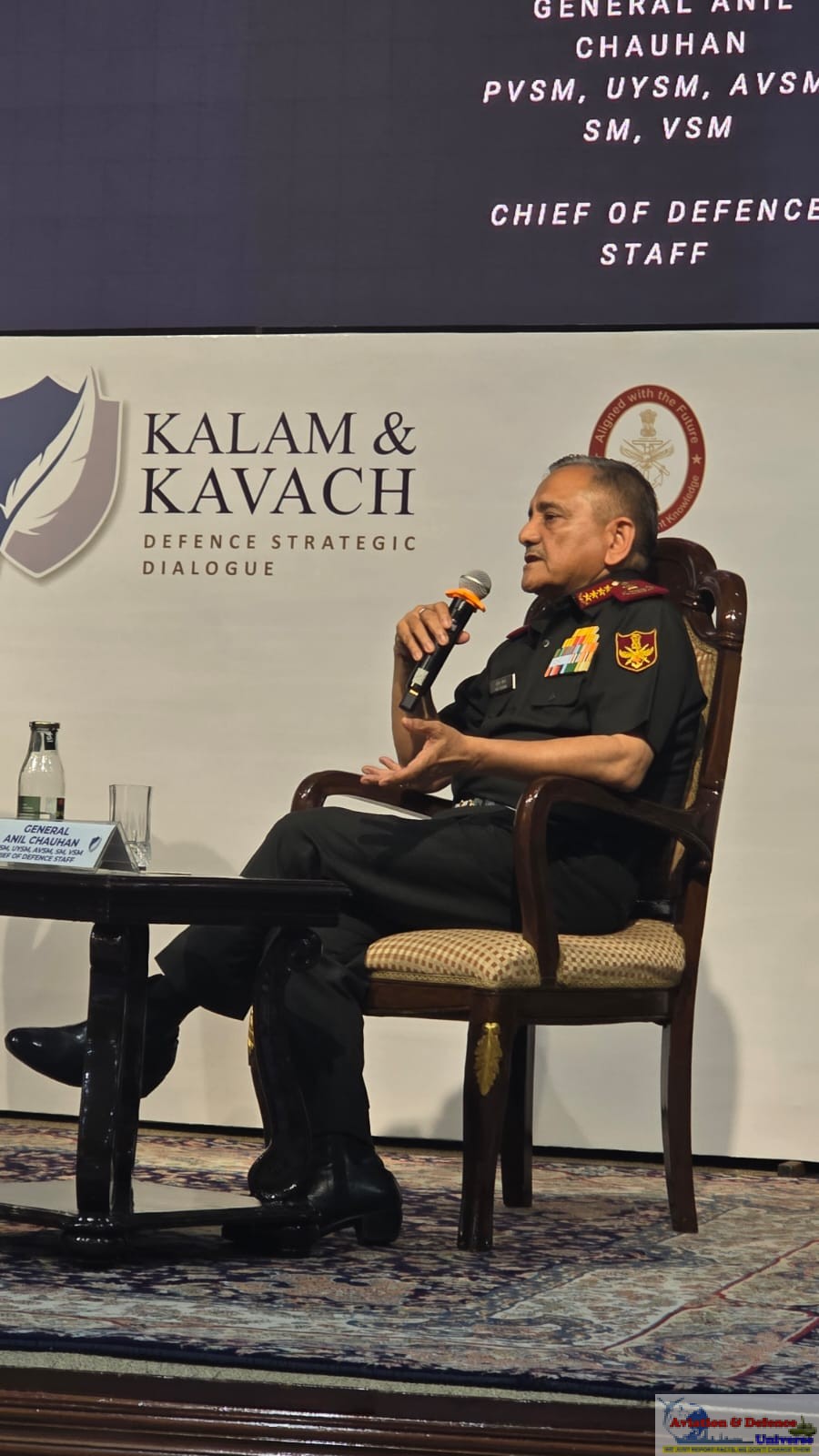 During the fireside chat, General Anil Chauhan described jointness, integration and Atmanirbharta as interconnected pillars of India’s evolving military and strategic architecture. “If you look at defence manufacturing, then DRDO comes in, Atmanirbharta comes in, R&D comes in, the services come in, policies come in,” he said. “Innovation becomes the binding force between all these pillars.”
Speaking about his mandate as CDS, General Chauhan called joint military structures one of the “most transformative reforms” India has attempted. “We are not the first nation doing this and we won’t be the last,” he remarked. “Without fail, in all countries there have been differences between the services. That is natural.” He explained that India’s approach towards theatreisation and integration was based on building consensus rather than imposing change through rigid directives. “I tried to work through consensus,” he said. “Consensus meant taking everyone along and spreading awareness among people.”
General Chauhan revealed that he had personally addressed close to 90–100 military institutions to build awareness around the need for reform.“The moment you change the narrative that we have to be ready to fight a future war of multi-domain character, people understand why things must be done together,” he said.
 Addressing misconceptions around the Headquarters Integrated Defence Staff (HQ IDS) and the Department of Military Affairs (DMA), the CDS clarified the distinct roles played by both institutions. “Headquarters IDS is military in character, while DMA is part of the Ministry of Defence,” he explained. “HQ IDS looks at newer domains like cyber, space and cognitive warfare and integrates functions between the three services.” According to General Chauhan, the greatest challenge in military reform has been changing institutional mindsets. “Structural changes are not the challenge. The challenge is always changing mindsets,” he stated. “Once the mindset changes, the rest follows automatically.”
Discussing the pace of military reforms, he acknowledged that India was “10 to 15 years behind” several countries in synchronisation and integration but stressed that the armed forces are now attempting reforms simultaneously and at scale. “We are attempting things at a larger scale and a larger speed,” he said, citing the rapid publication of eight doctrines as an example of accelerated reform. General Chauhan also highlighted the operational importance of integration in modern warfare.
“We are integrating for better situational awareness and battlefield transparency,” he said. “Since we had better battlefield transparency and situational awareness during conflict, we were better off in every situation.” On multi-domain operations, the CDS said integration must now extend beyond traditional military domains into newer operational areas.
 “Till now we were trying to integrate the three services. Now we need to think about integrating newer domains like space, underwater awareness, cognitive warfare and sentiment analysis,” he explained. Speaking on cognitive warfare and information operations, General Chauhan observed that militaries worldwide are still learning how to deal with these emerging forms of conflict.“We are all on a learning curve,” he said. “We are experimenting on how to improve influence operations, counter fake news and integrate these with kinetic operations.”
The CDS also offered advice to the younger generation of officers regarding social media and psychological operations.“Try to keep your sentiments to yourself,” he advised. “Today many of our sentiments are publicly available and can be exploited.”
Discussing his books Ready, Relevant and Resurgent, General Chauhan said they were intended to spread awareness about strategic thinking and military transformation. “I wanted to reach a larger audience and help develop a strategic culture,” he explained. “The books are an academic way of looking at how transformation takes place.”
On the next phase of military reforms after theatreisation, General Chauhan stressed that reform is an ongoing process. “Theatre commands are not the end state of reform,” he remarked. “Tomorrow there will be a need to integrate emerging technologies like artificial intelligence, quantum technologies and electromagnetic warfare.”
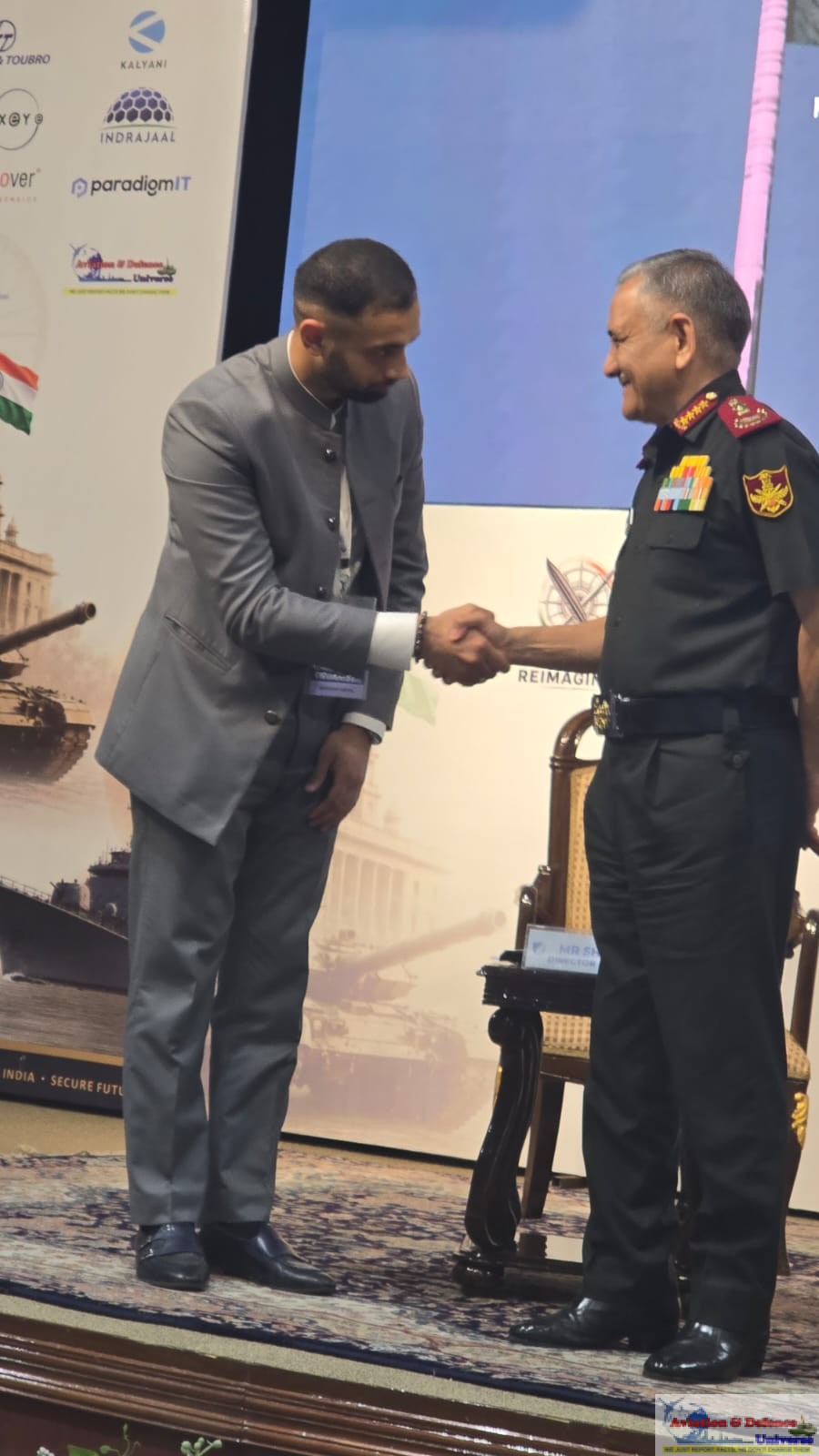 Reflecting on his tenure, the CDS said the process of jointness and integration had now become irreversible within the Indian military system. “When I started, there was only an understanding of functions,” he said. “Today we have a common understanding of jointness and integration. It has become part of the military vocabulary.” Using a metaphor to describe the reform process, he added, “It was like introducing a new religion or a new culture,” he said. “Now I have a few converts who will continue this process further.” General Chauhan stressed that military reform must remain continuous. “If you are static and do not reform yourself, then one day you will become extinct,” he warned.
Answering questions from the audience, the CDS reflected on the future battlefield and lessons from Operation Sindoor. “We dominated the escalation matrix on all four days because we had superior situational awareness,” he said. “That happened because we had integrated systems.”
He also noted the rapid rise of drones, missiles and hypersonic weapons in modern warfare. “Future challenges are huge,” General Chauhan said. “Today it is accurate attacks with drones, missiles and hypersonic weapons.” Concluding the discussion, the CDS suggested that future editions of Kalam & Kavach should continue focusing on “future warfare” as a central theme. “If we talk about future warfare, then the silos which services have will slowly disappear,” he remarked. “Focus on future warfare.”
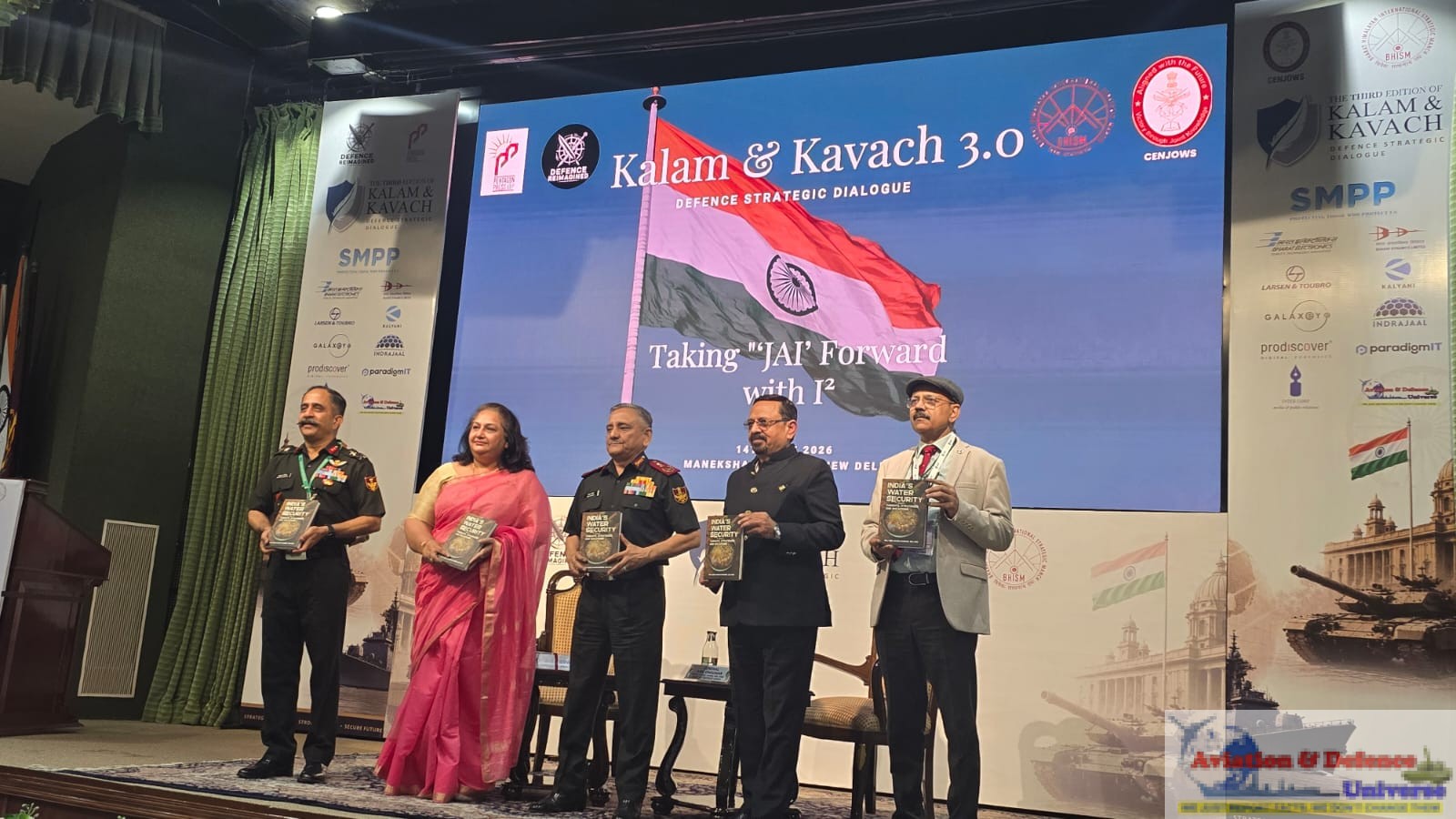 The fireside chat with CDS General Anil Chauhan at Kalam & Kavach 3.0 offered rare insights into the ongoing transformation of India’s military structure, doctrine and operational philosophy. From theatre commands and jointness to cognitive warfare and future technologies, the discussion reflected the complexity of preparing the armed forces for an increasingly multi-domain and technology-driven battlespace.
General Chauhan’s emphasis on mindset transformation, simultaneous reforms and integrated situational awareness underscored the evolving priorities of India’s defence establishment. His remarks also reinforced the idea that military reform is not a one-time exercise but a continuous strategic process shaped by emerging threats, operational lessons and technological disruption.
As India accelerates its journey toward integrated warfighting capability and future warfare readiness, the CDS’s conversation at Kalam & Kavach 3.0 highlighted both the scale of the transformation underway and the importance of strategic adaptability in shaping the military of tomorrow.
































































-A4-Size-(2)_page-0001.jpg)