 18th BRICS Summit

















- Capability Saved Is Capability Acquired : Rethinking Aviation Safety
- Safety and Efficiency Are Not Opposites: Air Marshal Bedi Sets the Record Straight
- Safer Skies Are a Choice : A Strategic Perspective on Aviation Safety
By Sangeeta Saxena
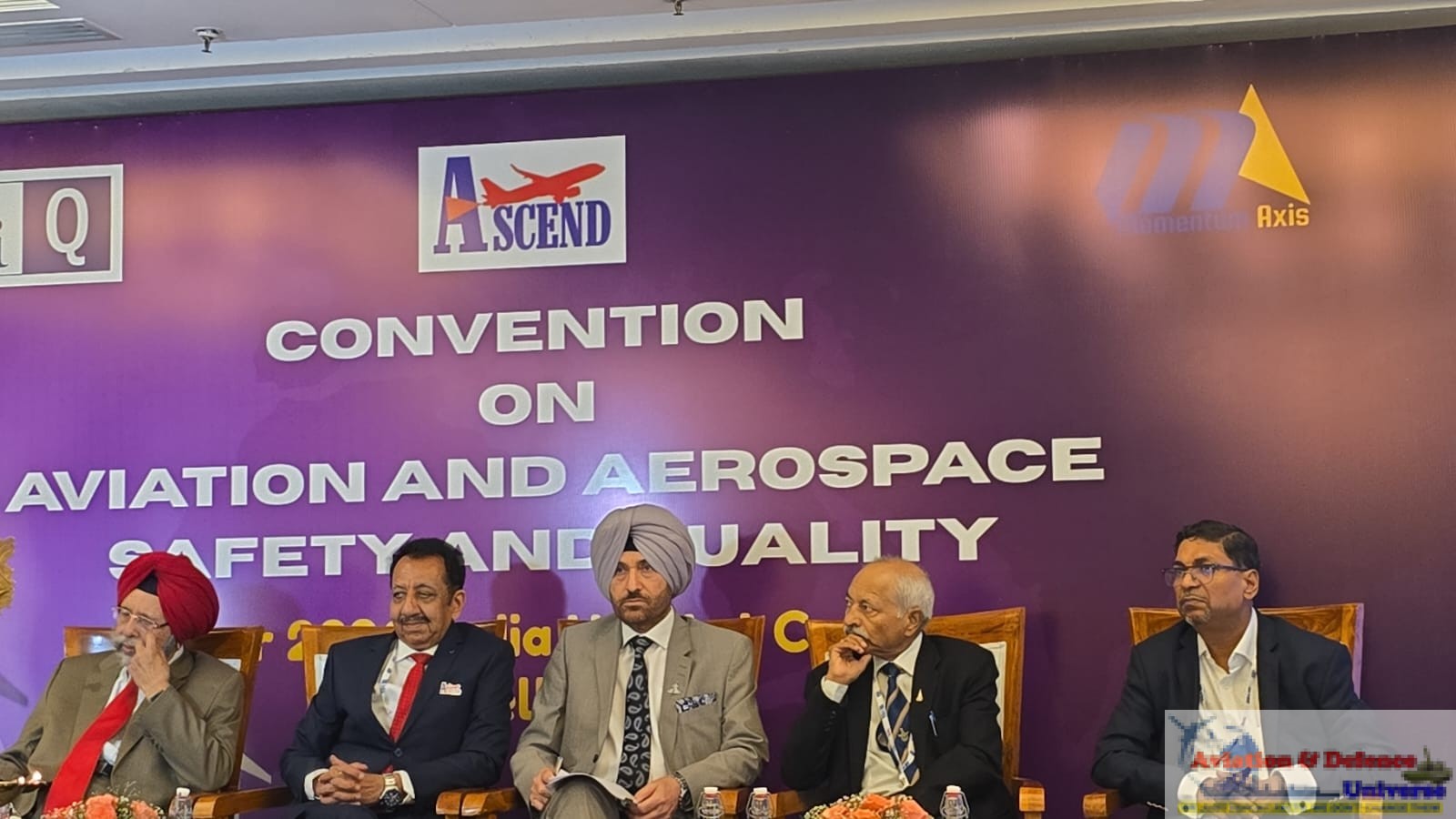
New Delhi. 18 April 2026. Robust processes and rigorous quality assurance are the backbone of aviation safety, ensuring that every operation—from design and manufacturing to maintenance and flight execution—meets the highest standards of reliability and precision. In an environment where even minor deviations can have disproportionate consequences, well-defined processes provide consistency, reduce human error, and enable repeatable, safe outcomes.
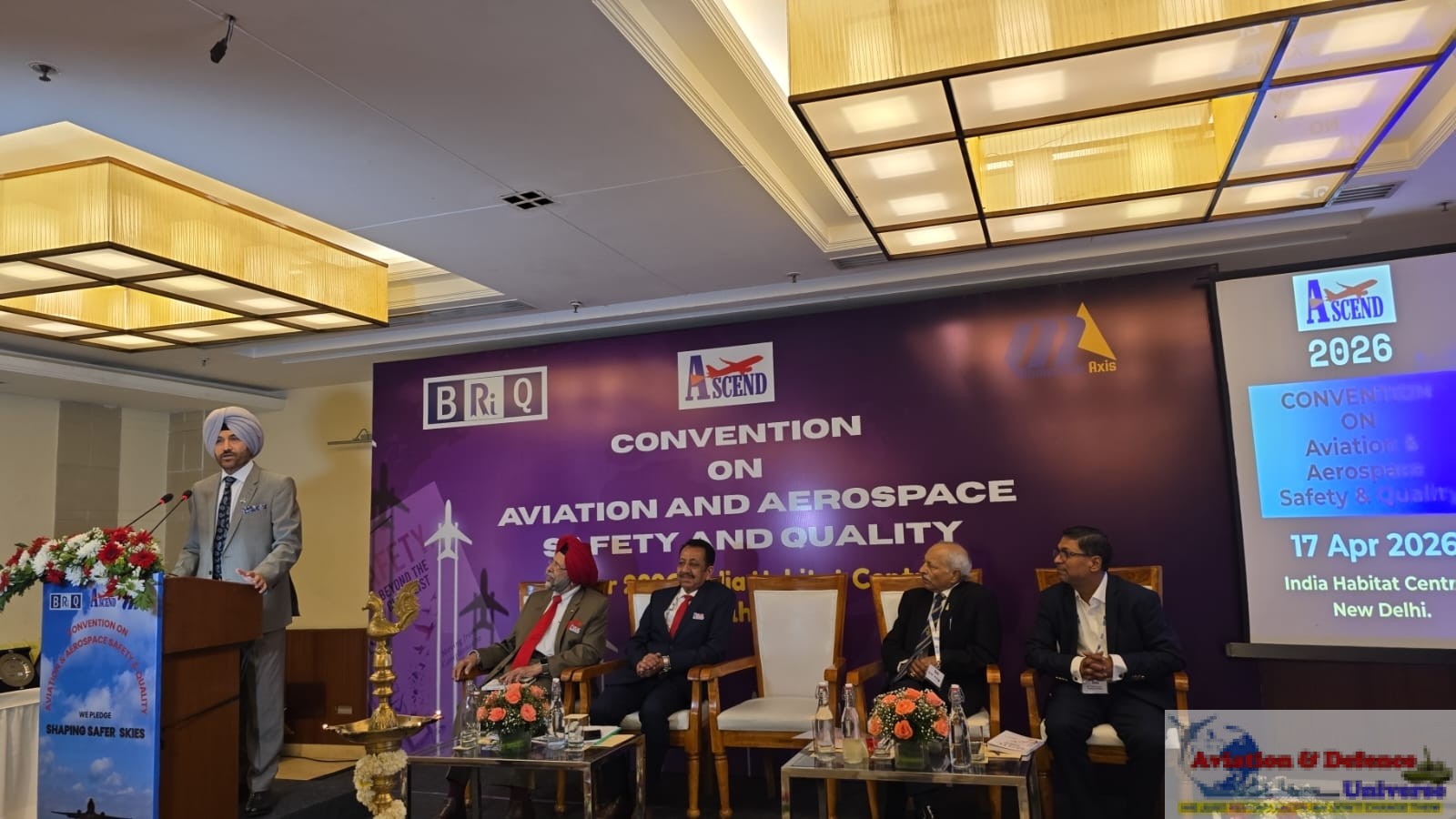
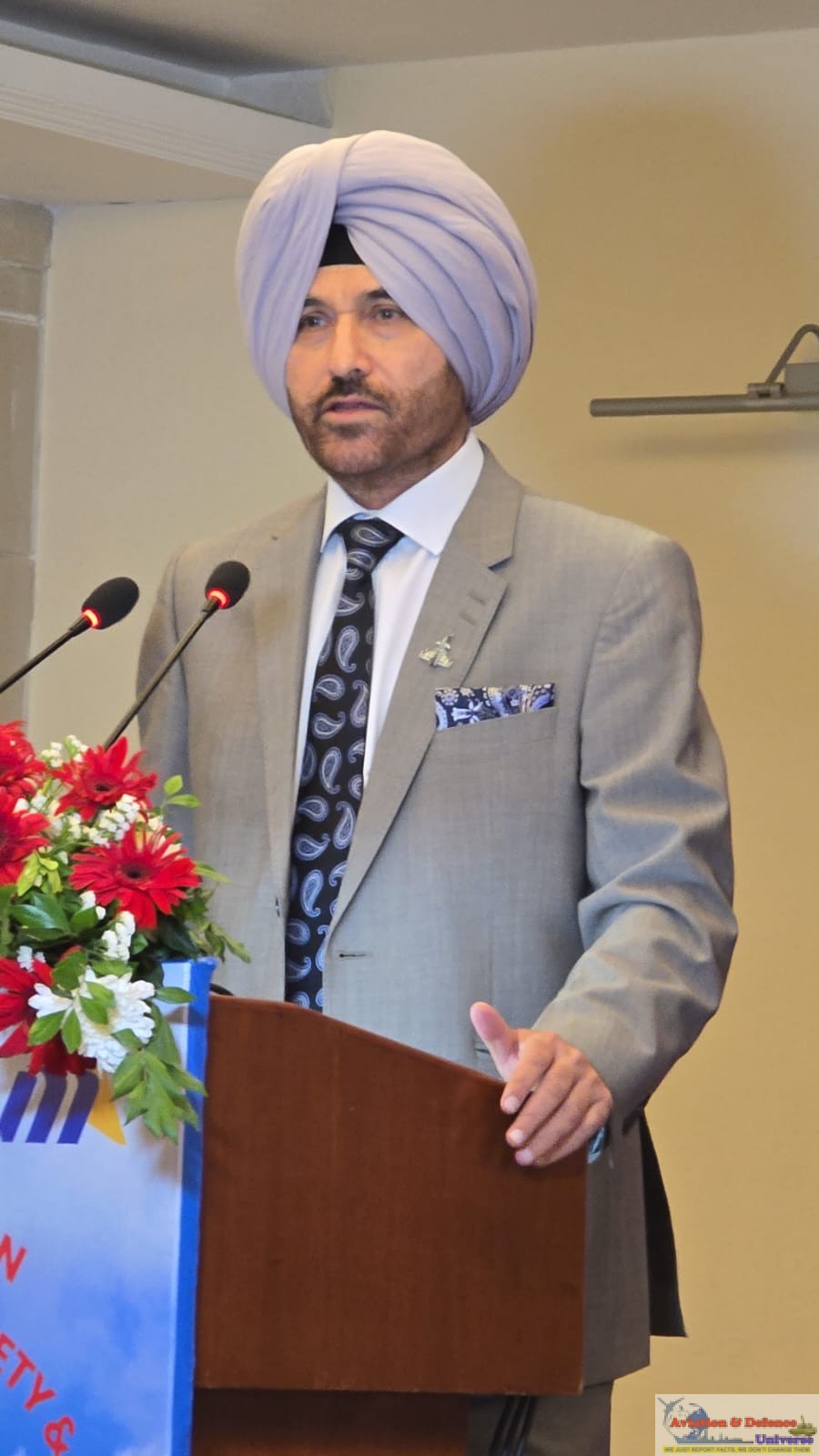
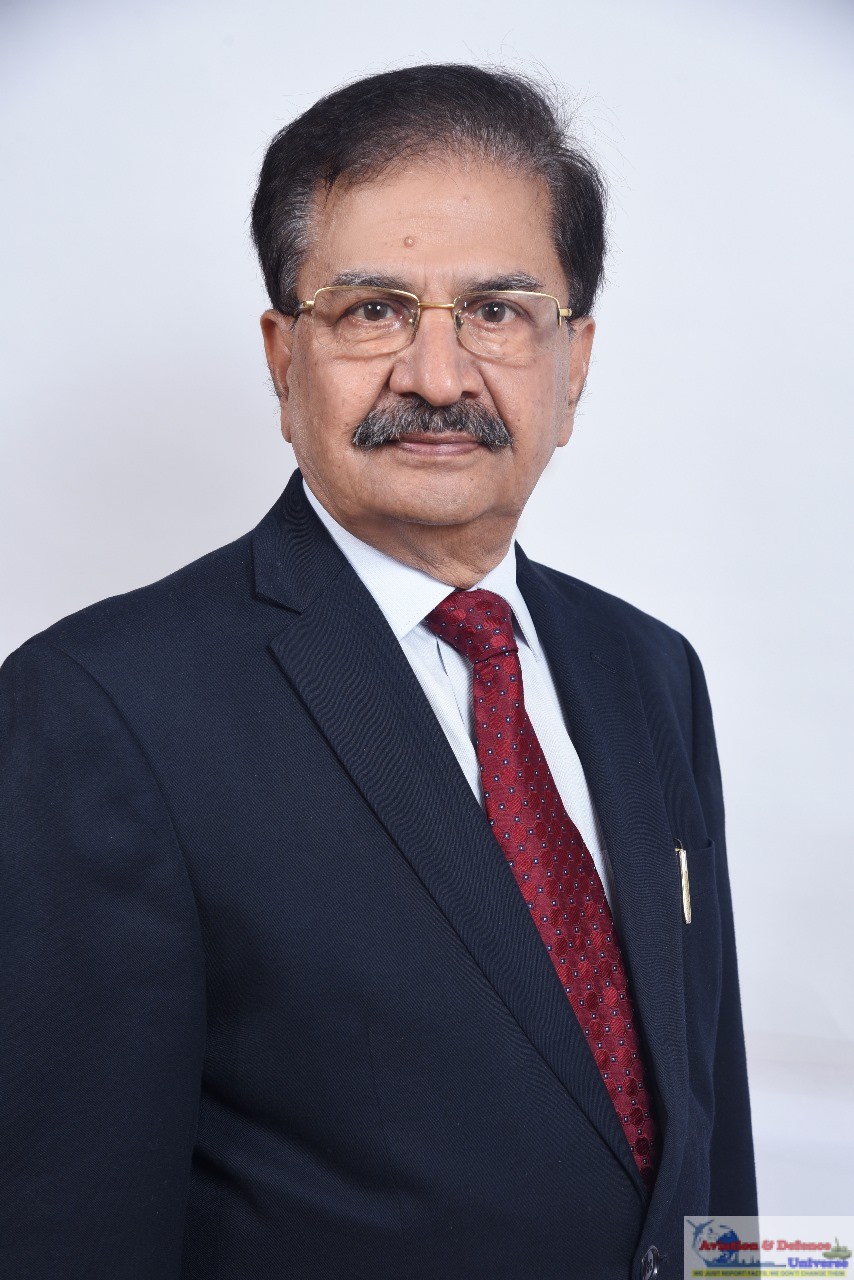
Speaking at the Convention for Aviation & Aerospace Safety and Quality, Air Marshal G.S. Bedi (Retd.) delivered a deeply insightful and experience-driven address on the centrality of safety in aviation operations. Drawing from over three decades of service and extensive operational exposure, the former Director General of Inspection and Flight Safety emphasised that aviation safety is not merely a regulatory requirement but a fundamental pillar of operational capability, leadership and organisational culture.
Opening his address, Air Marshal Bedi underlined the personal significance of the subject, stating, “aviation safety is very close to my heart.” Reflecting on accident analysis, he emphasised its purpose, noting, “you are not looking at them just for statistics… you look at them that how this could have been avoided.” He highlighted the operational impact of accidents, stating, “capability saved is capability acquired if I was able to save hundred aircraft, it’s almost like purchasing hundred more aircraft.” Describing the aviation environment, he remarked, “aviation is an industry where your precision, discipline and judgement come together in a matter of seconds.” He stressed that safety is intrinsic to all operations, stating, “safety in aviation is not just a regulatory requirement… it is the very foundation on which trust, reliability and survival depend.”
 Quality assurance acts as the critical oversight mechanism, continuously verifying compliance, identifying gaps, and driving corrective actions before they escalate into incidents. Together, they create a disciplined ecosystem where safety is not left to individual judgment alone but is embedded into systems, procedures, and organisational culture. In modern aviation, where complexity is increasing with advanced technologies and high operational tempos, strong processes and quality assurance are indispensable in sustaining trust, performance, and operational readiness.
Further reinforcing this, he added, “in our profession, safety is not a separate activity it is a thread that runs through training, maintenance, operations and leadership.” A key theme of the address was the relationship between safety and performance. Addressing a common misconception, he stated, “efficiency and safety actually are not contradictory they complement each other.”
Explaining this through practical examples, he differentiated between regulatory violations and physical limitations, noting, “you cannot violate laws of physics at all.” He illustrated how violations of procedures—even when seemingly minor—can lead to catastrophic outcomes, stating, “you may succeed 8 out of 10 times one time it will get you and when it gets you, it will be catastrophic.”
Using relatable analogies, he explained how rules can be selectively relaxed under controlled conditions, as in emergencies, but only when the operational environment is properly managed.
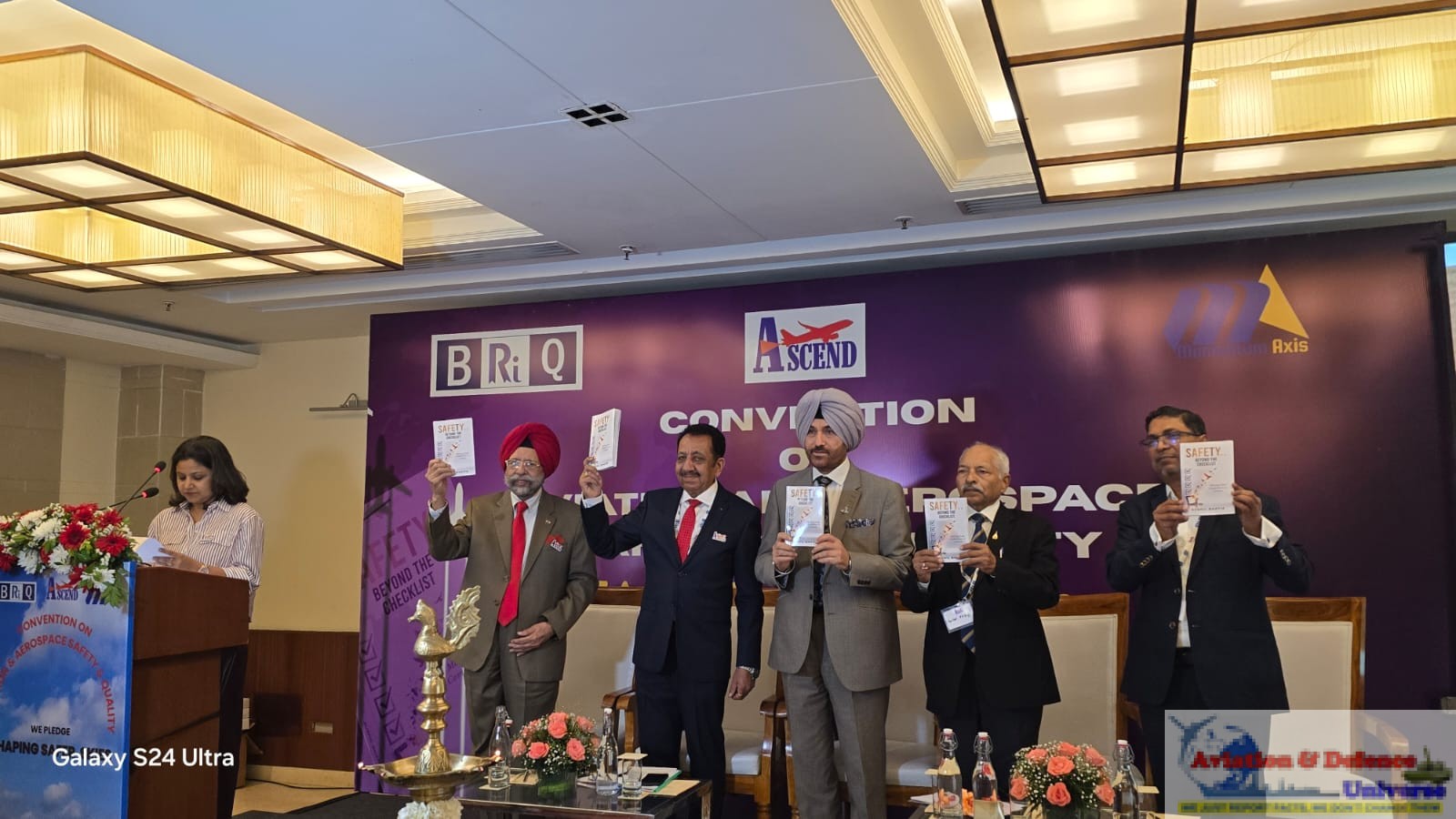 Drawing insights from the book Safety Beyond the Checklist authored by Gp Capt. Sushil Bhatia (Retd.) he emphasised leadership and culture as the foundation of safety, stating, “safety is not merely about compliance it’s about leadership and culture.” He highlighted the importance of management commitment, noting that “if leadership does not visibly support safety, no policy or procedure will truly work.” On organisational culture, he warned, “if people fear blame safety weakens quickly.”
Conversely, he emphasised the role of trust, stating, “when trust exists and learning is encouraged, safety becomes part of organisation’s identity.” Another critical aspect discussed was the balance between operational performance and safety, with the assertion that “safety is not enemy of performance… it is what makes performance sustainable.”
A particularly insightful segment of the speech focused on understanding the “why” behind procedures. He explained, “unless we understand the why of it, we easily drift into compliance.” Using aviation-specific examples, he demonstrated how lack of understanding can lead to errors, particularly in critical phases like landing, where procedural awareness must be complemented by conceptual clarity.
 He stressed the responsibility of trainers and leaders, stating, “it is the duty of the instructors to explain that why this rule is made.” Concluding his address, Air Marshal Bedi delivered a powerful message on the essence of safety, stating, “safety is not a slogan it is a daily discipline, a leadership responsibility and a shared professional value.” He ended with a defining thought, “safer skies are not created by chance… they are created when people choose to do the right thing every time.”
Air Marshal G.S. Bedi’s address offered a profound and practical perspective on aviation safety, rooted in operational experience and strategic insight. By emphasising the interplay between leadership, culture, discipline, and understanding, he highlighted that safety is not an isolated function but an integrated aspect of every aviation activity. The distinction between compliance and comprehension, and the call to internalise the “why” behind procedures, underscores the need for a deeper cultural shift within the aviation ecosystem. Ultimately, the speech reinforced a timeless truth: safety is not achieved through rules alone—it is sustained through commitment, awareness, and the collective responsibility of every individual in the system.












































































-A4-Size-(2)_page-0001.jpg)