



















- Diplomatic Effort Falls Short: Islamabad Talks End Without Consensus
- Trump Orders Naval Blockade of Strait of Hormuz, Tensions Spike
By Sangeeta Saxena
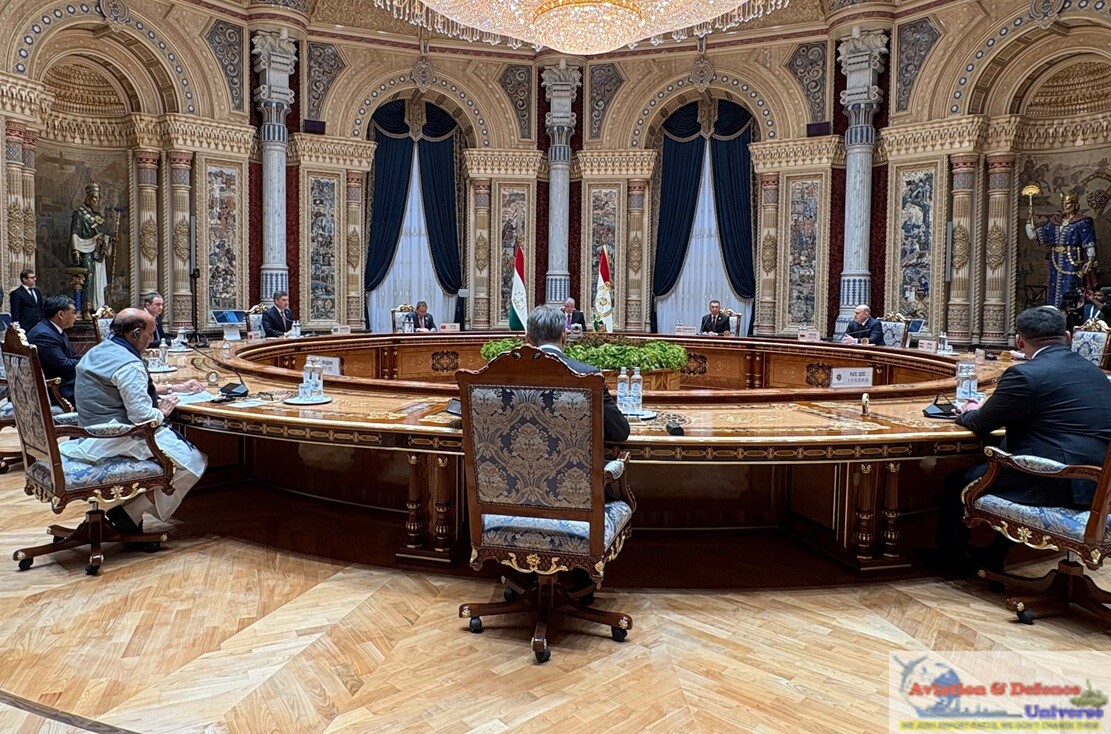
New Delhi. 12 April 2026 . The wirld watched, Islamabad held it’s breath and yet no deal. In a significant diplomatic effort to stabilise the fragile ceasefire following the recent Iran conflict, high-level talks between the United States and Iran concluded in Islamabad without a formal agreement. The two-day negotiations, widely viewed as a critical step toward de-escalation, marked the first direct high-level engagement between the two countries since 1979. Mediated by Pakistan, the talks brought together senior political, diplomatic, and security officials in an attempt to prevent further escalation and lay the groundwork for a long-term resolution.
Both the parties US and Iran took to the Twitter to announce the result of the talks on completion. US Vice President JD Vance tweeted after the talks in Islamabad, Pakistan, “We’ve had a number of substantive discussions with the Iranians. That’s the good news. The bad news is that we have not reached an agreement — and I think that’s bad news for Iran much more than it’s bad news for the United States of America.”
Spokesperson of the Islamic Republic of Iran also tweeted, “Discussions in Islamabad covered points from our 10-item proposal and the other side’s notes. While some understandings were reached, gaps remain on 2-3 key issues, and the talks did not lead to a final agreement.”
And as the day ended the situation looked terse and tense when US President Donald J. Trump official Twitter handle posted, “Effective immediately, the United States Navy, the Finest in the World, will begin the process of BLOCKADING any and all Ships trying to enter, or leave, the Strait of Hormuz.”
The Islamabad Talks, held on 11 and 12 April, were convened against the backdrop of heightened regional instability following the 2026 Iran war. The conflict, which began in February, had triggered widespread disruption across West Asia, including threats to global energy supplies due to tensions in the Strait of Hormuz.
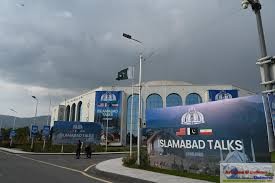
In the days leading up to the high-stakes talks, Islamabad found itself on tenterhooks—transformed almost overnight into the global epicentre of diplomacy. For perhaps the first time in decades, the Pakistani capital became the cynosure of international attention not for security concerns, but for its role as a mediator in a major geopolitical crisis. Authorities declared public holidays on 9 and 10 April to ensure smooth conduct of the negotiations, effectively slowing down the city’s routine life. Government offices and educational institutions were shut, while only essential services such as hospitals, utilities, and law enforcement remained operational. The Jinnah Convention Centre was designated as the media hub, reflecting the intense global scrutiny and presence of international press.
Security across Islamabad was unprecedented, with over 10,000 personnel deployed, supported by paramilitary forces and military coordination. The city was placed on high alert, with the Red Zone completely sealed and multiple entry points closed, turning the capital into a tightly controlled diplomatic enclave. The Serena Hotel, located within this fortified zone, was cleared of guests and repurposed as the main venue for negotiations. Movement across the city was heavily regulated, with traffic diversions and strict surveillance measures in place. At the same time, the government facilitated international media coverage through visa-on-arrival provisions and dedicated transport corridors, underscoring the global significance of the event and Islamabad’s rare moment at the centre of world diplomacy.
Pakistan played a central mediating role, having earlier facilitated the ceasefire that temporarily halted hostilities. The talks were conducted under tight security in Islamabad, with extensive arrangements including the deployment of over 10,000 security personnel, sealing of key zones, and restrictions on movement across the capital.
The United States delegation, led by Vice President JD Vance, included a large team of senior officials and advisors, reflecting the high stakes involved. Iran’s delegation, led by parliamentary speaker Mohammad Bagher Ghalibaf and Foreign Minister Abbas Araghchi, also comprised key political and security figures.
Despite the scale and importance of the engagement, the talks ended after approximately 21 hours of discussions without a formal agreement. Key sticking points included Iran’s nuclear programme and the status of the Strait of Hormuz—both critical issues with far-reaching geopolitical and economic implications.
Officials on both sides indicated that the absence of an agreement was not unexpected at this stage, with Iranian representatives suggesting that a resolution would require multiple rounds of negotiations. Pakistani officials emphasised that the primary objective of the talks was to sustain the ceasefire and create space for continued dialogue.
International reactions to the talks reflected cautious optimism. Russia called for restraint and a responsible approach from all parties, while France urged both sides to use the negotiations to achieve lasting de-escalation. Other regional actors expressed support for continued diplomatic engagement, recognising the broader implications for regional stability and global energy markets.
The talks also highlighted the complexity of the geopolitical landscape, with multiple stakeholders and overlapping interests influencing the outcome. Continued tensions in parts of the region, including proxy conflicts, underscored the fragility of the ceasefire and the challenges of achieving a comprehensive settlement.
While the Islamabad Talks with the 300 strong US delegation and 70 in the Irani delegation did not produce an immediate breakthrough, the continuation of diplomatic channels offers a pathway toward stabilisation, even as major differences remain unresolved. For the international community, the focus now shifts to sustaining the ceasefire and building momentum for future negotiations. In a region marked by volatility and strategic competition, the outcome of these talks will have lasting implications for regional security, global energy flows, and the broader balance of power.









































































-A4-Size-(2)_page-0001.jpg)