














- From Indigenisation to Indigenous Development Highlights AI, Quantum and Autonomous Systems as Future Warfare Priorities
- “If We Want Different Results, We Must Change the Paradigm”
- Whole-of-Nation Approach Key to India’s Defence Transformation, Says DRDO Scientist
- “International Collaboration Must Not Come with Strings Attached”
By Sangeeta Saxena
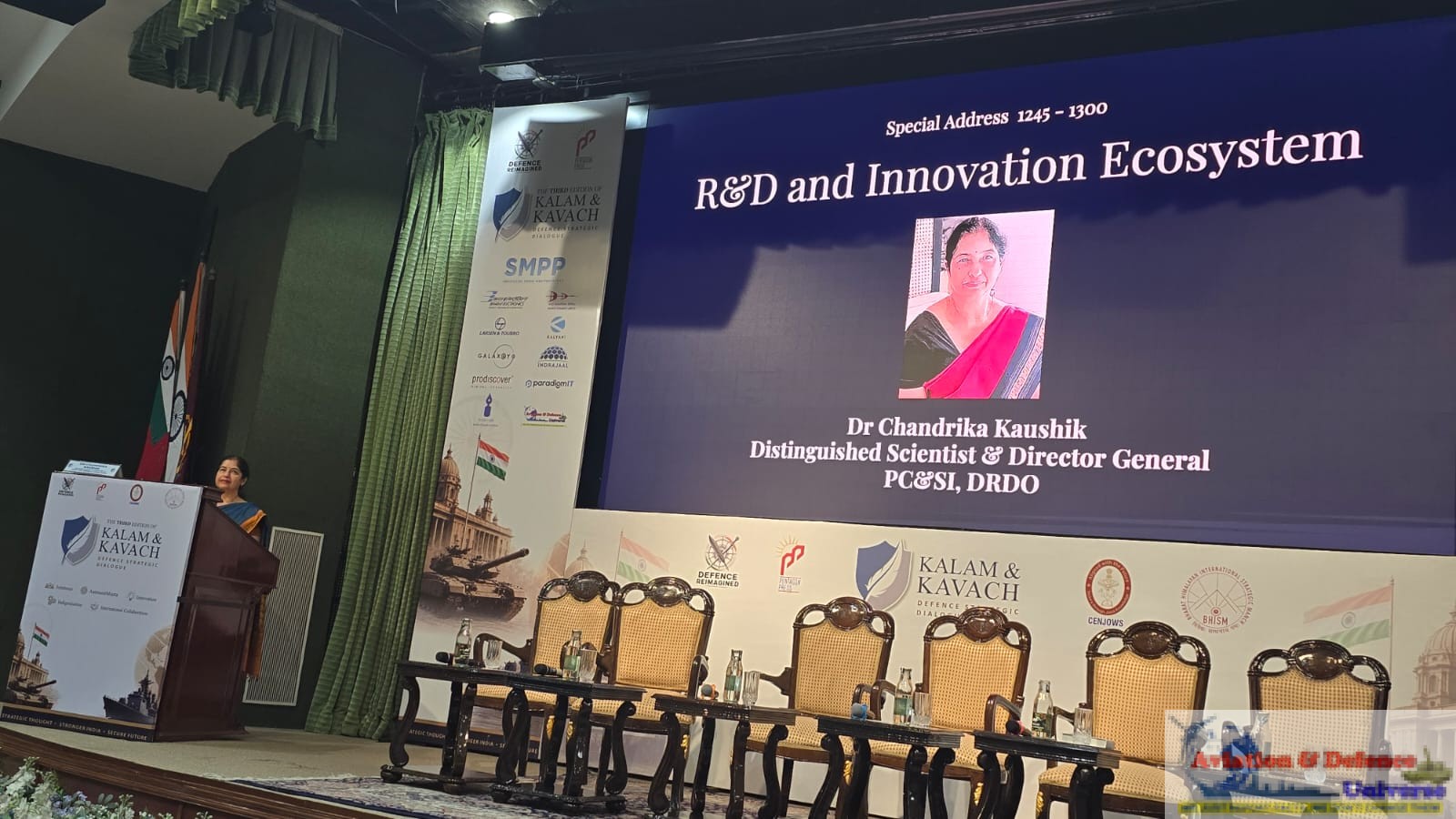
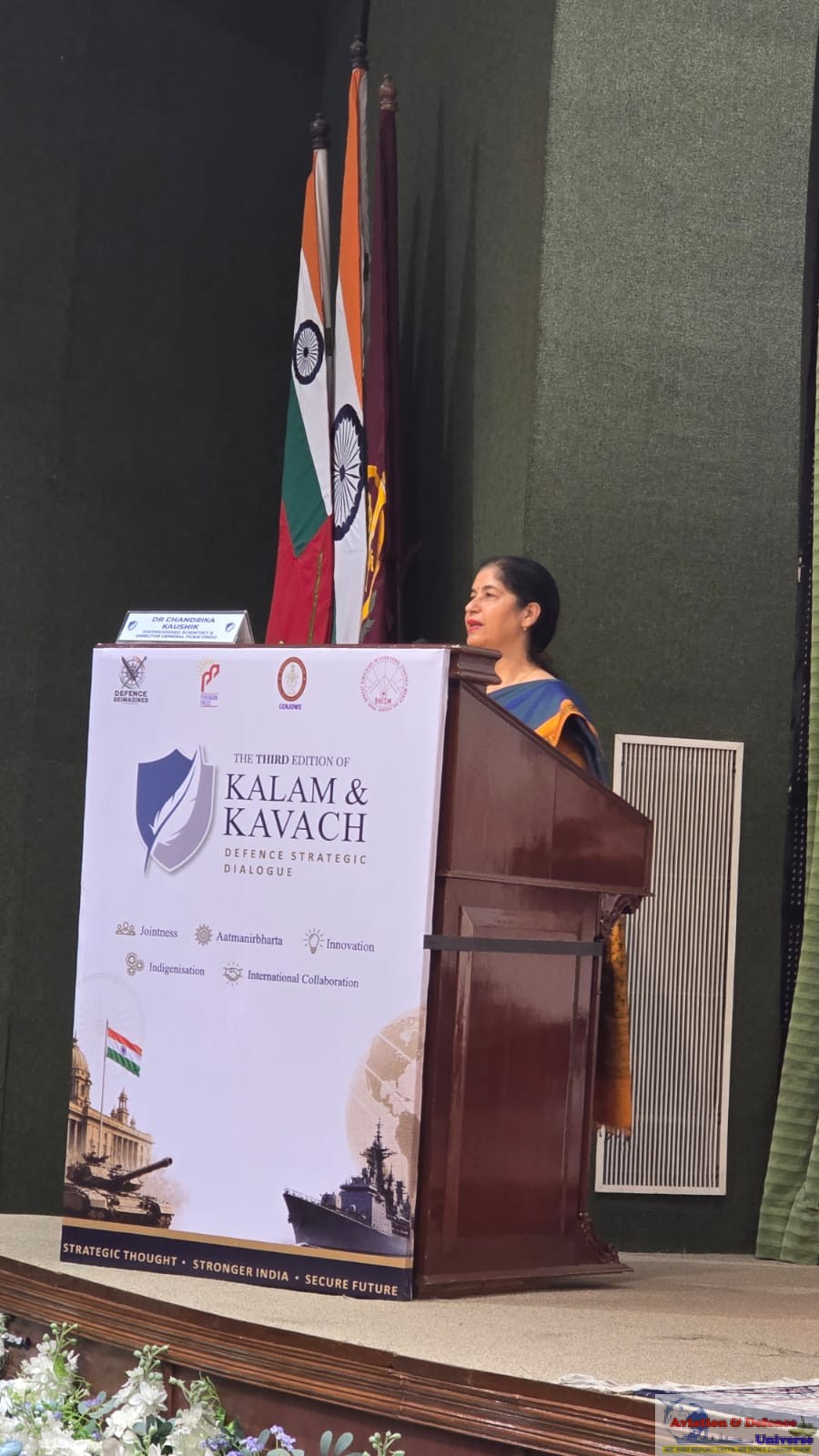
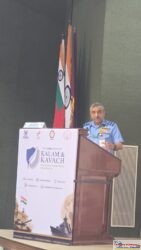
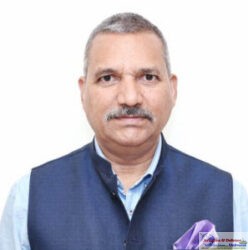
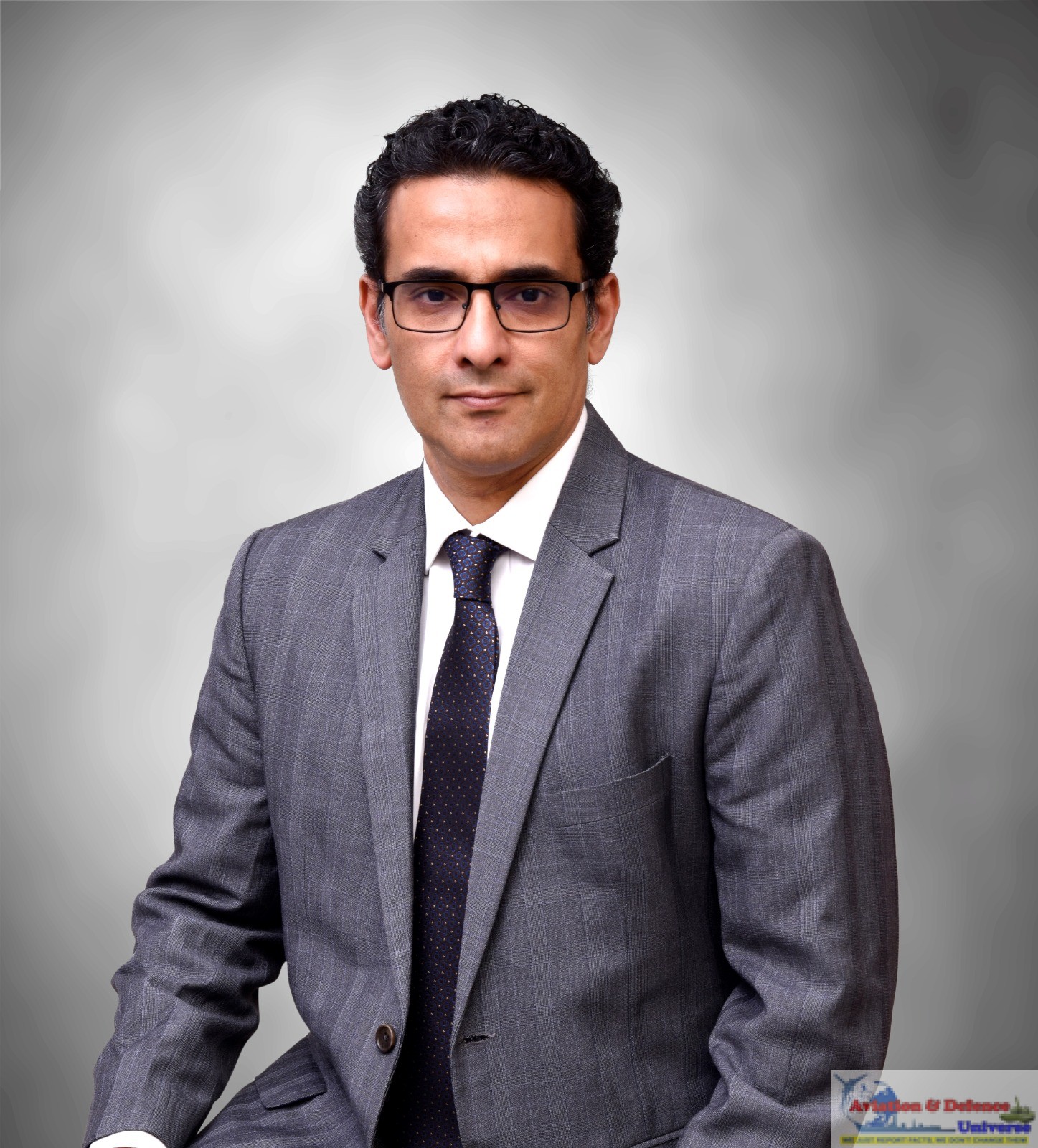
New Delhi. 16 May 2026. Emphasising the urgent need to transform India’s defence capability development ecosystem, Distinguished Scientist and Director General (PC&SI), DRDO, Dr. Chandrika Kaushik delivered a forward-looking special address at Kalam & Kavach 3.0 focused on indigenous capability building, emerging warfare technologies and the future of India’s defence innovation architecture.
Addressing military leaders, policymakers, scientists, industry representatives and strategic experts, Dr. Kaushik highlighted how rapidly evolving global conflicts and technological disruptions are forcing militaries worldwide to rethink traditional development timelines, procurement processes and operational doctrines.
The DRDO scientist stressed that India can no longer afford decade-long capability development cycles in an era dominated by AI-enabled warfare, autonomous systems, drones, quantum technologies and real-time battlefield intelligence. Advocating a “whole-of-nation” approach involving industry, academia, startups, MSMEs and strategic institutions, Dr. Kaushik argued that India’s future defence ecosystem must combine indigenous development with carefully structured international collaboration while ensuring sovereign control over intellectual property and critical technologies.
Opening her address, Dr. Chandrika Kaushik reflected on the traditional process of defence capability development and the growing need to rethink existing systems.“Typically, defence capability building involves conceptualising systems based on operational requirements, scenarios and global developments, followed by design, development, trials and induction,” she explained.
 However, according to her, the pace of modern warfare no longer permits slow development cycles. “Looking at the way wars are being fought today, I do not think we can afford to spend a decade from conceptualising a system to bringing it to the war front,” she said. Dr. Kaushik repeatedly stressed that incremental changes will not be sufficient to meet future challenges.“We need to do things fundamentally different from the way we have been doing them till now if we want different results,” she remarked.
Leaving the audience with a broader strategic question, she urged policymakers and defence stakeholders to rethink the entire ecosystem. “What should be done differently from the current process to get different results?”she asked. “If we are not able to change this paradigm, we will end up with the same timelines and similar capabilities.”
Addressing the larger theme of Atmanirbharta, Dr. Kaushik highlighted the importance of building systems suited to India’s unique operational requirements and indigenous technological strengths.“To have indigenous systems, we need to conceptualise capabilities based on our own field conditions and technologies that are homegrown,” she stated. At the same time, she acknowledged the challenges involved in achieving complete self-reliance. “We do not have all the ingredients ready today,” she said. “But where there is a will, there is a way.”
One of the most significant aspects of her address was his distinction between “indigenisation” and “indigenous development.” “I have a fundamental difference,” Dr. Kaushik remarked. “We should not be talking only about indigenisation. We should talk about indigenous development.” Explaining the difference, she noted that indigenisation often refers to reproducing systems based on external intellectual property, whereas indigenous development requires sovereign technological ownership. “Indigenisation may involve using IP that comes from outside,” she said. “But in international collaboration, the IP and control of the systems should firmly lie with the Indian ecosystem.” According to Dr. Kaushik, this balance between international cooperation and sovereign control is critical for India’s long-term defence capability.
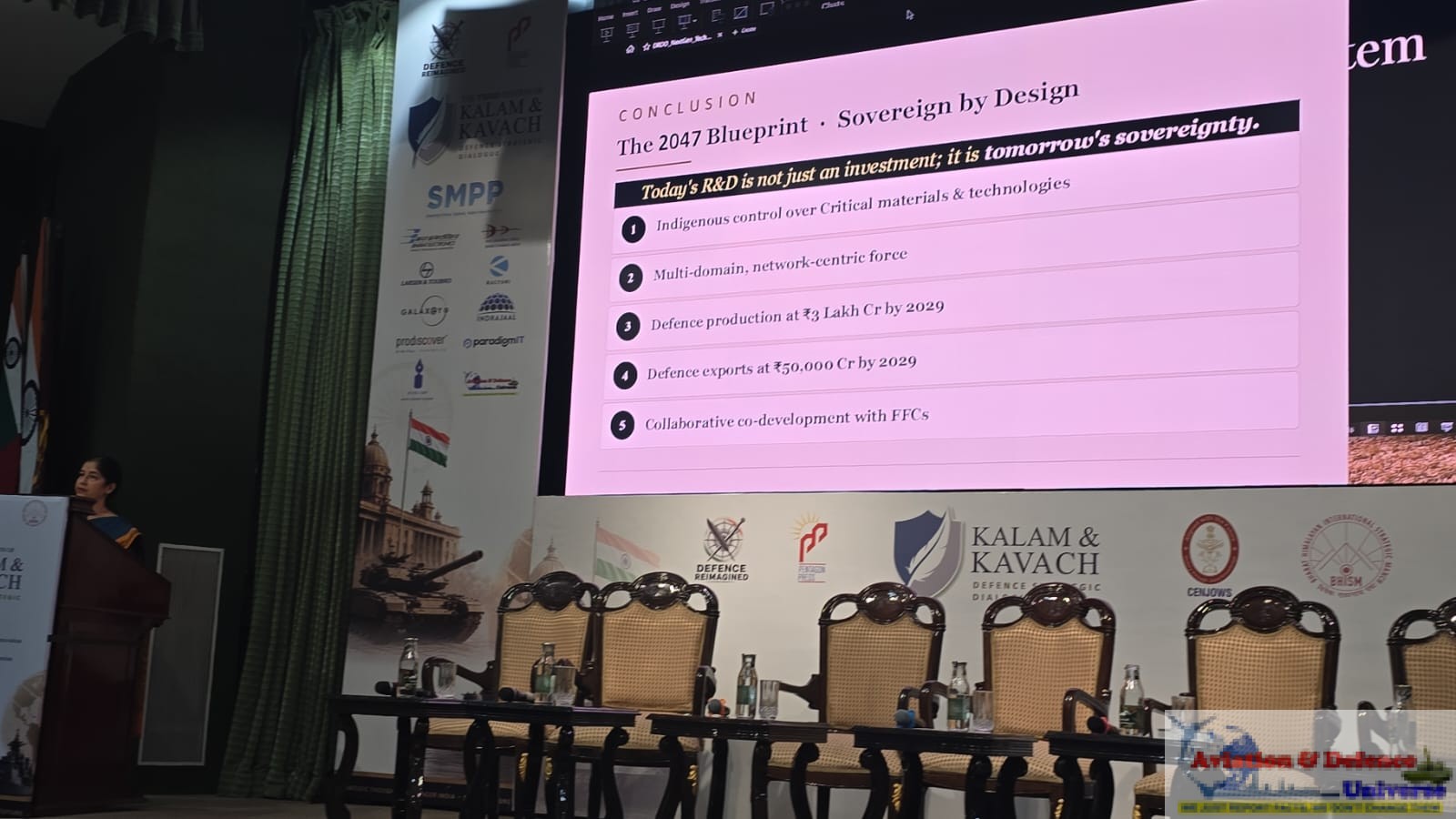
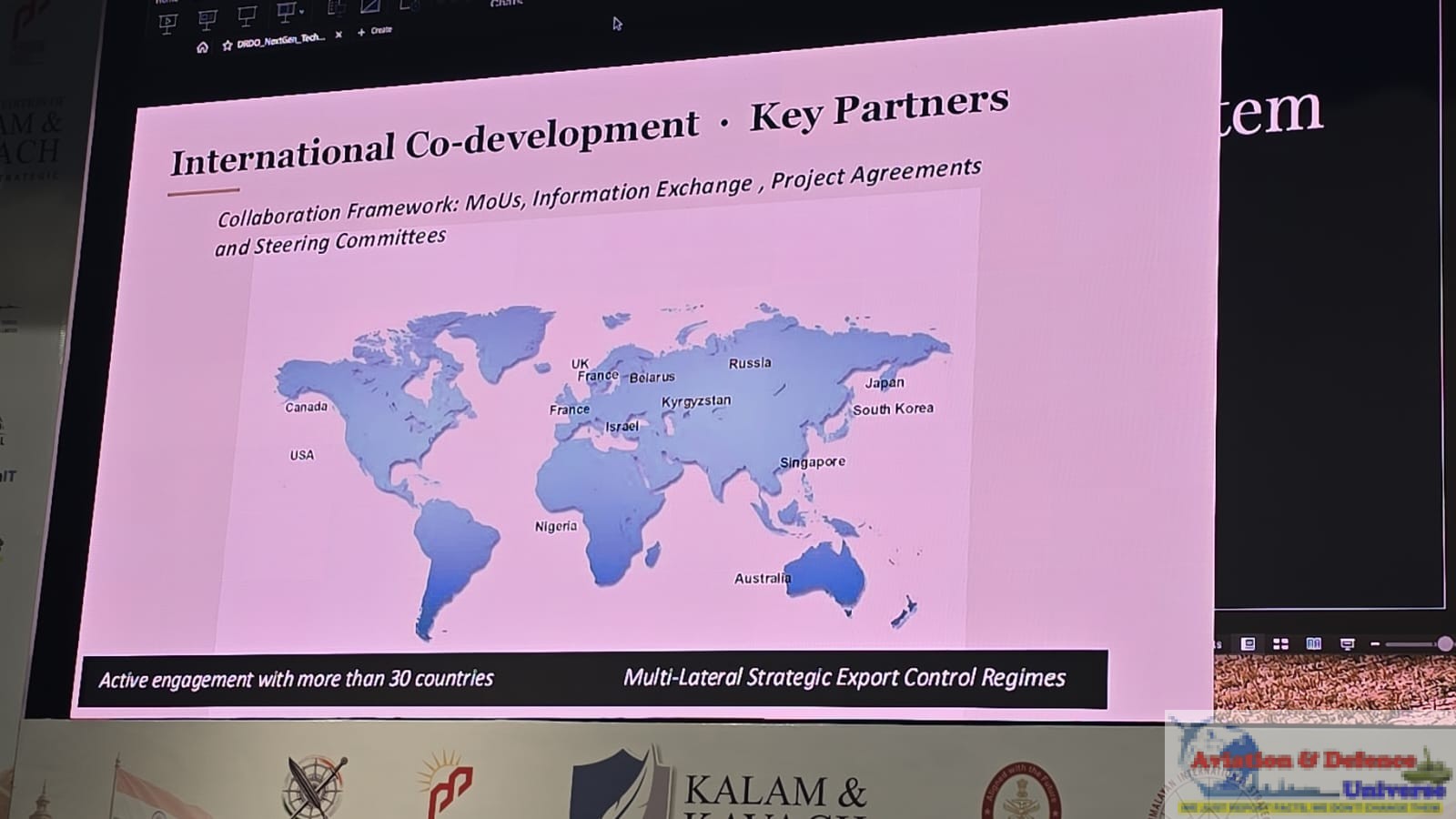 “Both indigenous development and international collaboration are important if we need to build capability in shorter timeframes,” she stated. Linking her remarks to India’s long-term strategic vision, she referred to the goals of Viksit Bharat 2047 and India’s ambitions for defence production and exports. “We aspire to become a 30 to 40 trillion-dollar economy,” she said. “We have set targets of ₹3 lakh crore defence production and ₹50,000 crore exports by 2029.” However, she warned against entering collaborations that limit India’s strategic autonomy. “When we do international collaboration, we cannot afford to have strings attached for production and exports,” she emphasised.
Referring to contemporary conflicts around the world, Dr. Kaushik noted that the character of warfare is changing rapidly. “The systems, doctrines and operational requirements conceived earlier must now be re-examined in today’s scenario,” she observed.
She highlighted autonomous systems, drones, anti-drone technologies and directed energy weapons as some of the emerging “war enablers” shaping the future battlefield. “The prevalence of drones, anti-drone systems and directed energy weapons are shaping the environment today,” she said. Describing DRDO’s role as a defence capability builder, Dr. Kaushik explained how the organisation operates through a collaborative ecosystem. “Any large platform or system is a whole-of-nation effort,” she remarked. “At least 100 industries, multiple MSMEs, startups and academic institutions work together.”
According to her, DRDO’s primary role is to act as an “anchor” connecting science, engineering, industry and operational requirements into integrated capability development. “We try to connect the dots between operational requirements, science, innovation and engineering,” she explained.
 Dr. Kaushik also identified the technologies that will dominate the future battlespace and determine India’s military competitiveness. “Quantum, AI, cyber and advanced technology verticals are areas where we need to spend a lot of time,” she said. She stressed that future capability development must increasingly focus on shortening the OODA loop and enabling real-time operational awareness. “We need technologies that shorten the OODA loop so information reaches the warfighter in real time,” she stated.
The DRDO scientist repeatedly emphasised that future technological progress would require deep collaboration across sectors. “It has to be a whole-of-country approach,” she said while referring to national missions in semiconductors, AI and quantum technologies. She also highlighted DRDO’s ongoing collaborations with global partners. “We work with the Russians, Israelis and Americans through various mechanisms including co-development,” she noted. Concluding her address, Dr. Kaushik reiterated the importance of enabling industry participation through policy interventions and ecosystem support mechanisms. “Multiple initiatives have been taken to ensure industry contributes more and more towards developing indigenous systems,” she said.
Dr. Chandrika Kaushik’s address at Kalam & Kavach 3.0 highlighted the scale of transformation required within India’s defence capability development ecosystem as warfare rapidly evolves into a technology-driven, AI-enabled and autonomous battlespace. By stressing the limitations of traditional development cycles and the urgent need for faster innovation frameworks, she emphasized on the growing importance of agility, sovereign technological ownership and integrated national capability building.
 Her distinction between indigenisation and indigenous development also reflected a broader strategic shift toward creating genuinely sovereign defence technologies while leveraging international collaboration in carefully structured ways. At the same time, her emphasis on quantum technologies, AI, cyber systems, drones and real-time battlefield integration reinforced the reality that future military competitiveness will depend increasingly on technological ecosystems rather than isolated platforms alone.
As India advances toward Viksit Bharat 2047 and seeks to become a major defence manufacturing and innovation power, Dr. Kaushik’s remarks underscored the need for a whole-of-nation approach where the military, DRDO, industry, startups, academia and policymakers work together to build future-ready, indigenous and globally competitive defence capability.




































































-A4-Size-(2)_page-0001.jpg)