














- India Must Back Startups Like National Assets: Industry Voices at Kalam & Kavach 3.0
- From Defence Exports to Deep-Tech Innovation: Key Takeaways from ‘From Partnership to Capability’ Session
- “Value Indian Talent”: Industry Experts Push for Startup-Led Defence Transformation
- Defence Leaders Call for Risk-Taking, Innovation and Indigenous Capability Building
By Sangeeta Saxena
New Delhi. 15 May 2026. International collaborations have both become increasingly important in strengthening India’s defence manufacturing ecosystem and advancing the vision of Atmanirbhar Bharat. In a rapidly evolving technological and geopolitical environment, strategic partnerships with global defence companies and advanced industrial nations allow India to access cutting-edge technologies, modern manufacturing practices, research expertise and critical know-how that can accelerate indigenous capability development. These collaborations are no longer viewed merely as procurement arrangements but as pathways for technology transfer, co-development, co-production and integration into global supply chains.
By combining India’s engineering talent, industrial scale and growing innovation ecosystem with international expertise in areas such as aerospace, cyber systems, AI, naval platforms and advanced electronics, such partnerships help build long-term sovereign capability within the country. At the same time, they support the growth of Indian MSMEs, startups and private defence industries, strengthen domestic R&D and enhance export potential. The broader objective is to create a self-reliant yet globally connected defence ecosystem where India not only meets its own strategic requirements but also emerges as a trusted defence manufacturing and innovation hub for the world.
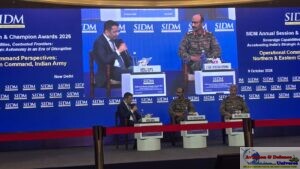
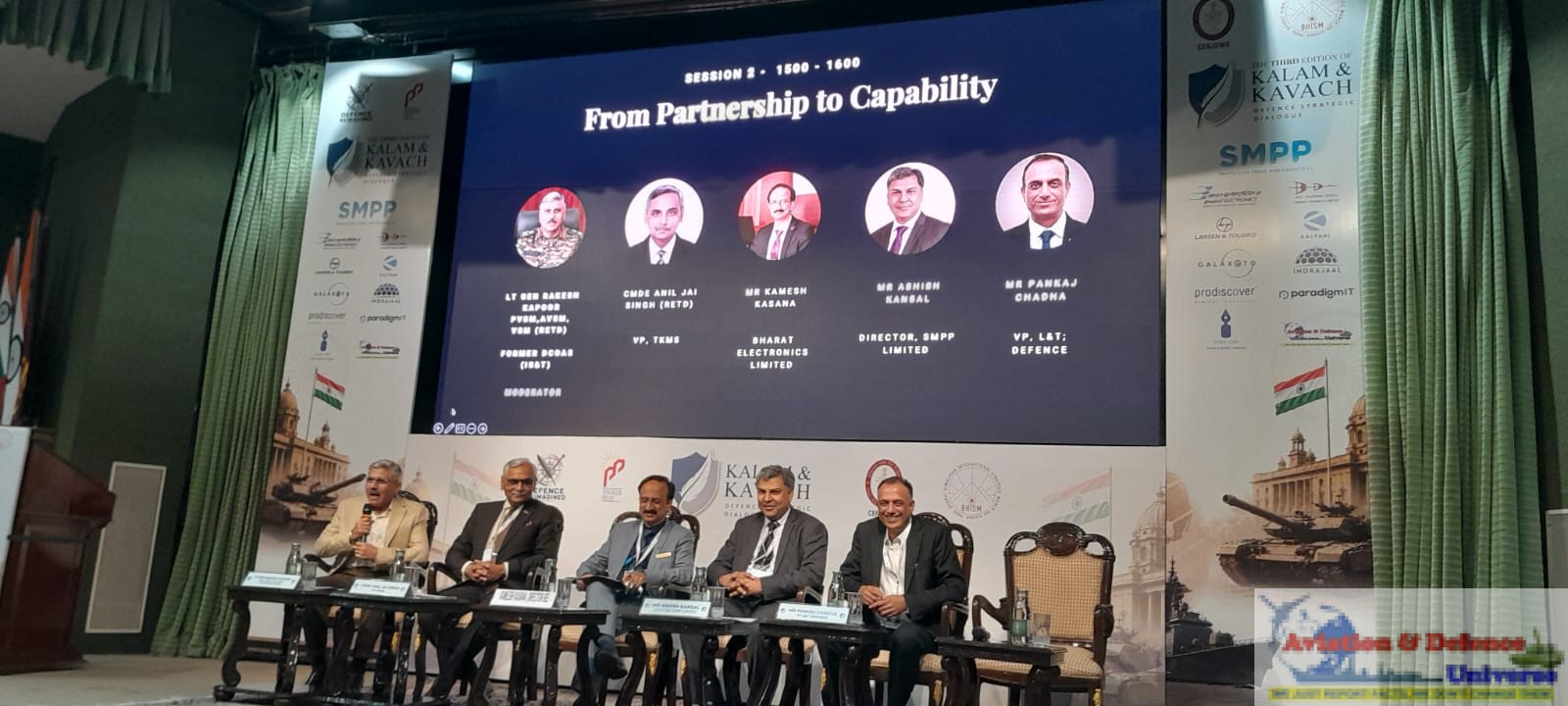
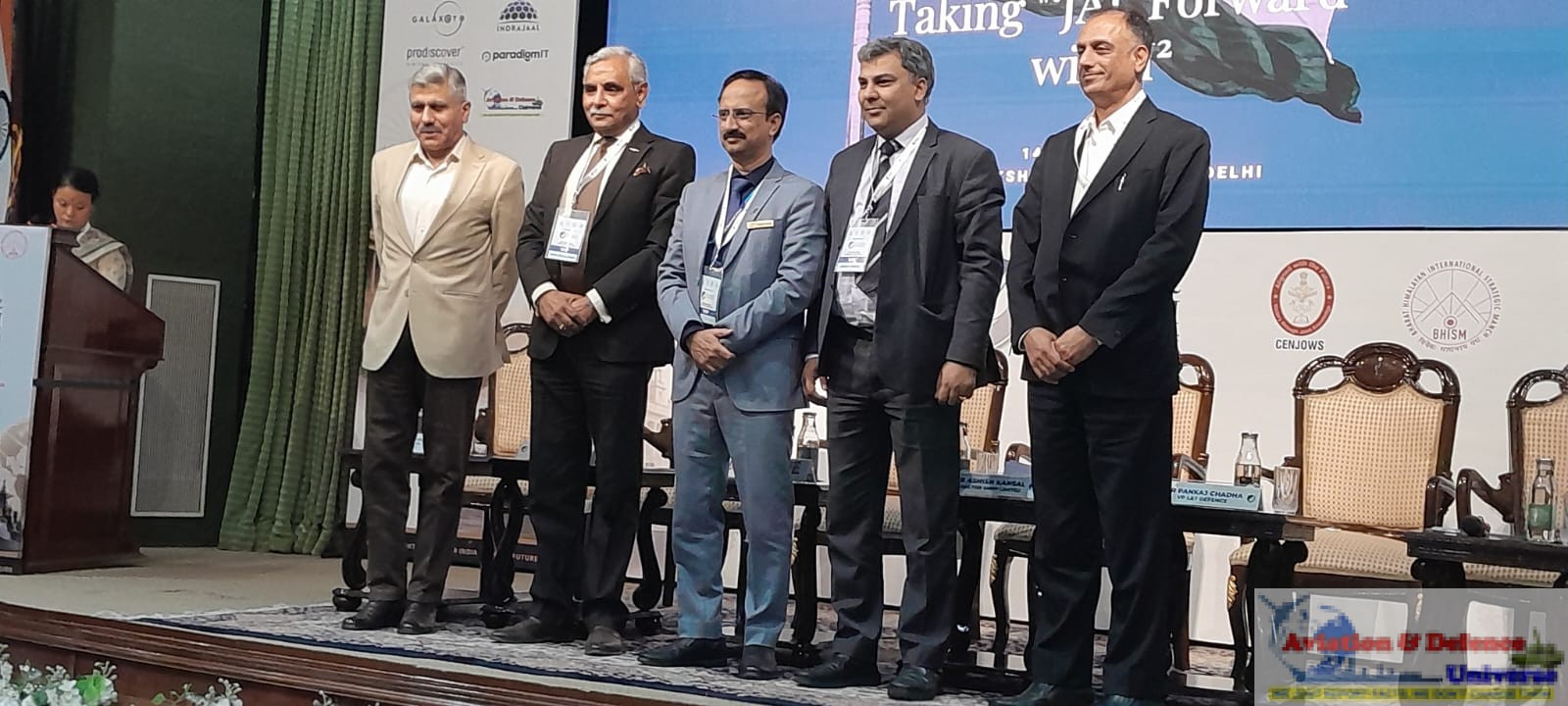
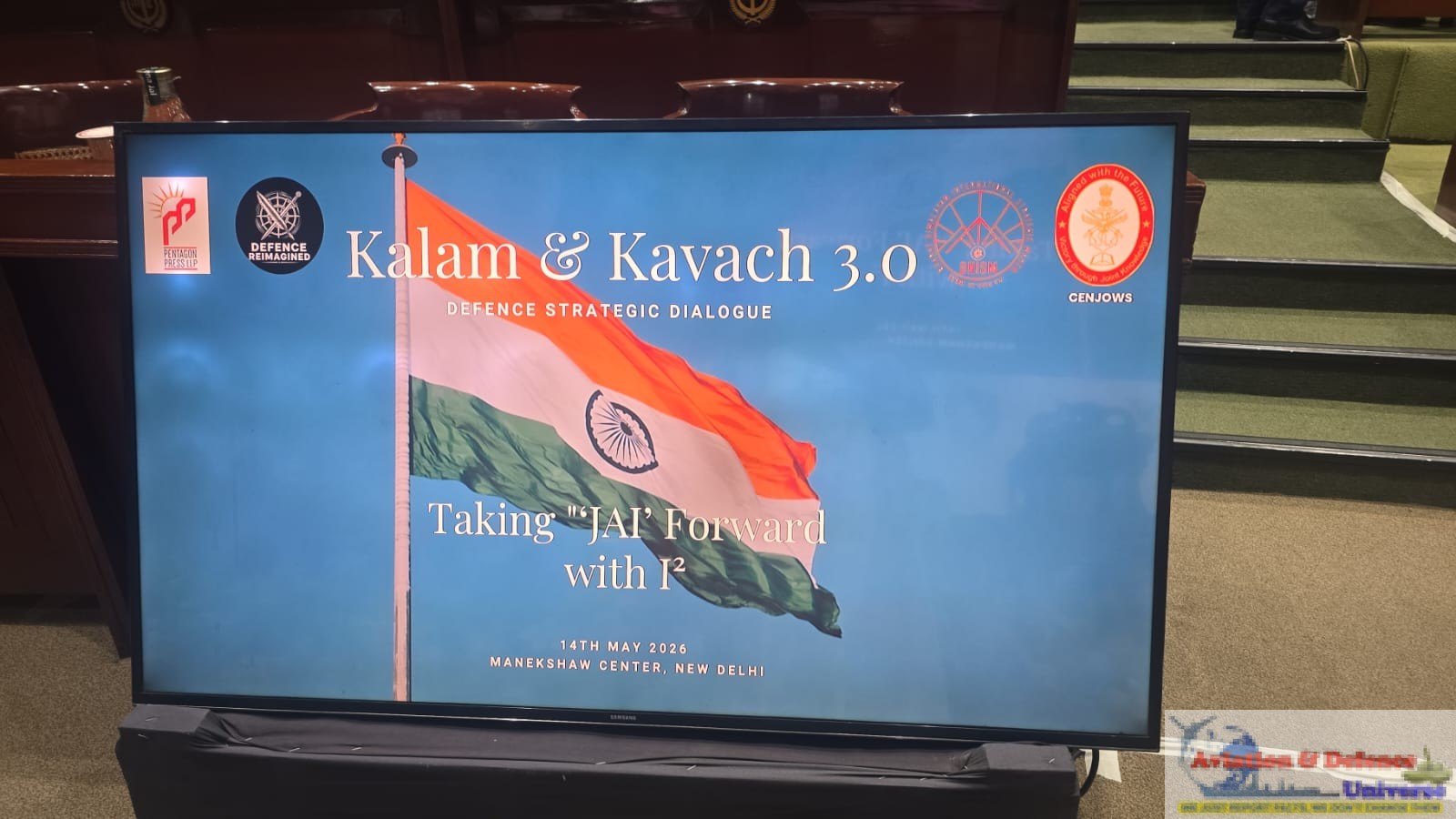
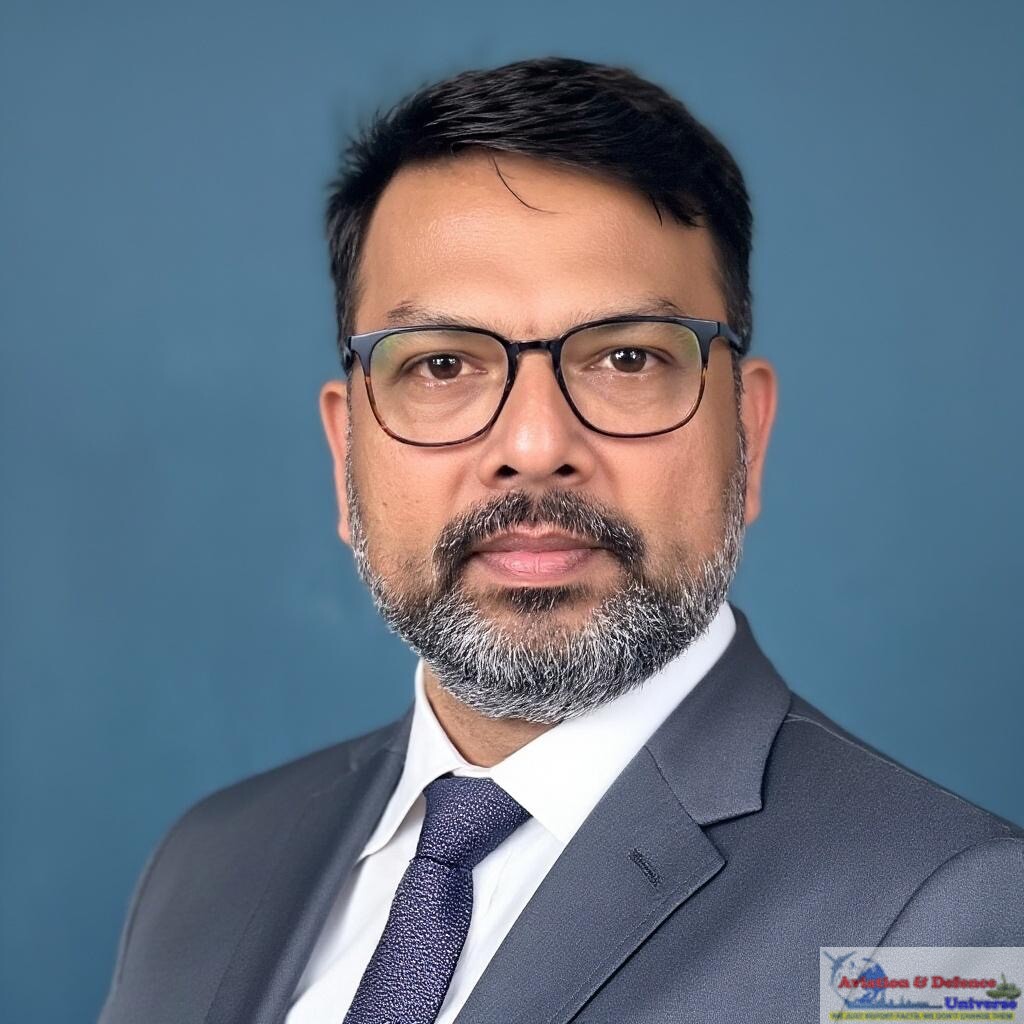
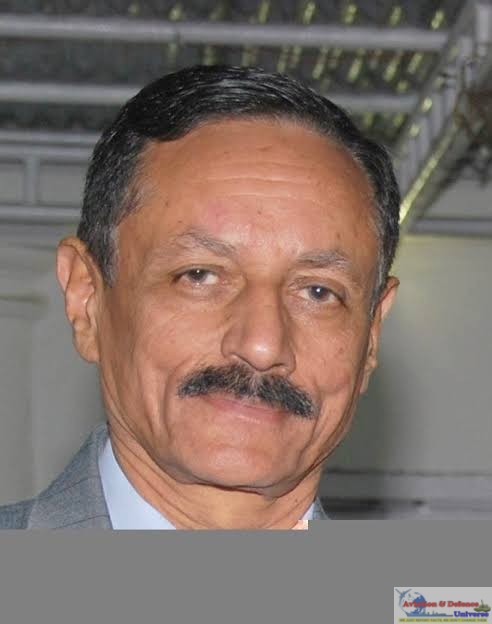
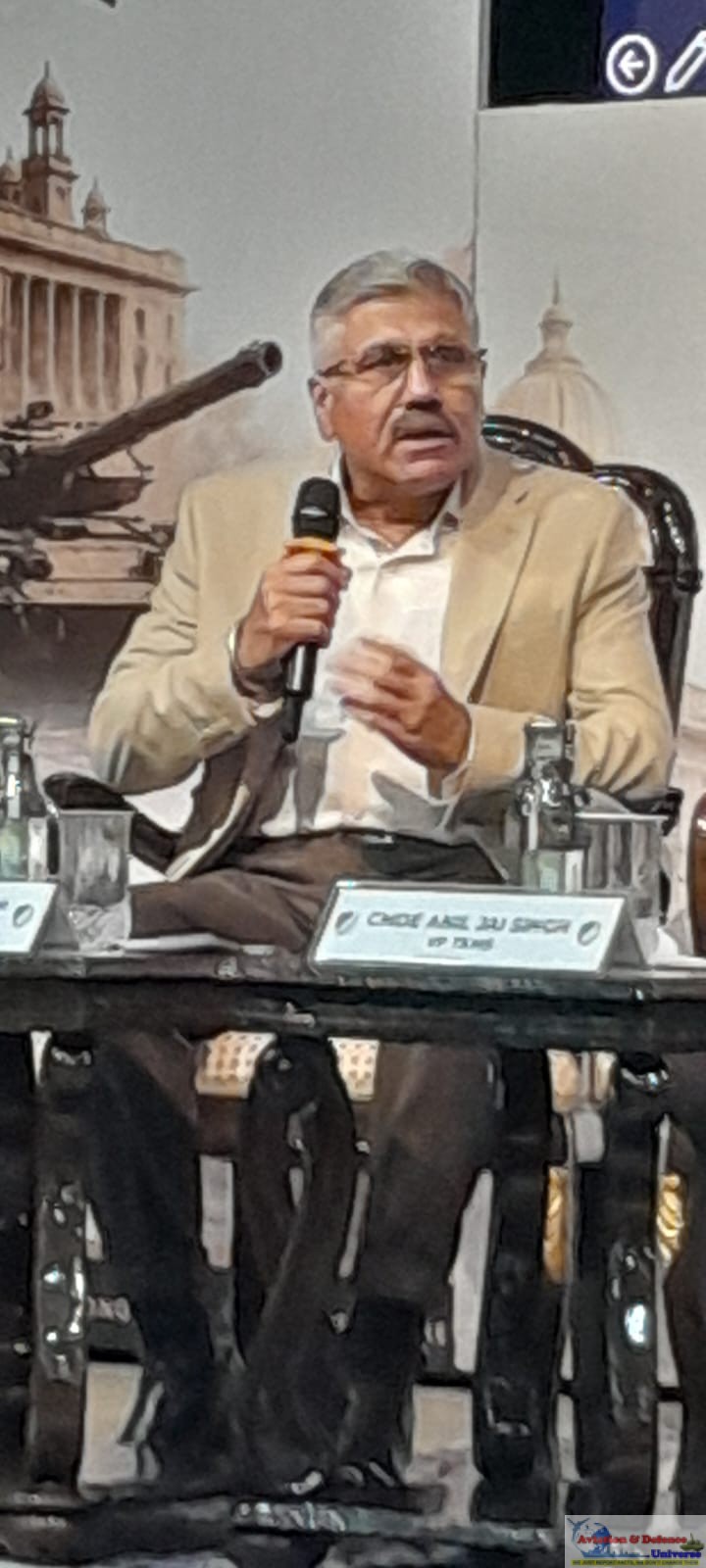 The evolving role of strategic partnerships, indigenous capability development and startup-driven innovation in India’s defence ecosystem took centre stage during a panel discussion titled “From Partnership to Capability” at Kalam & Kavach 3.0. Moderated by Lt. Gen. Rakesh Kapoor, the session brought together senior industry leaders including Mr. Ashish Kansal, Director, SMPP Ltd.; Mr. Pankaj Chaddha, Vice President, L&T Defence; Mr. Kamesh Kasana, Director, BEL; and Commodore A.J. Singh (Retd.), Vice President, TKMS.
The discussion explored critical themes such as defence manufacturing, technology partnerships, startup incubation, deep-tech funding, MSME participation, defence exports and India’s growing strategic role in the Global South. Panelists also debated how India could move beyond buyer-seller relationships toward a capability-driven ecosystem powered by innovation, industrial collaboration and long-term strategic vision.
The session began with discussions around retaining talent and building indigenous technological capabilities within India’s defence ecosystem. Ashish Kansal stressed the need to move beyond the mindset that only large companies can create strategic capability. “We just need to get over this concept that small companies cannot become big,” Kansal remarked. “If there is capability and innovation, startups should be supported and scaled.”
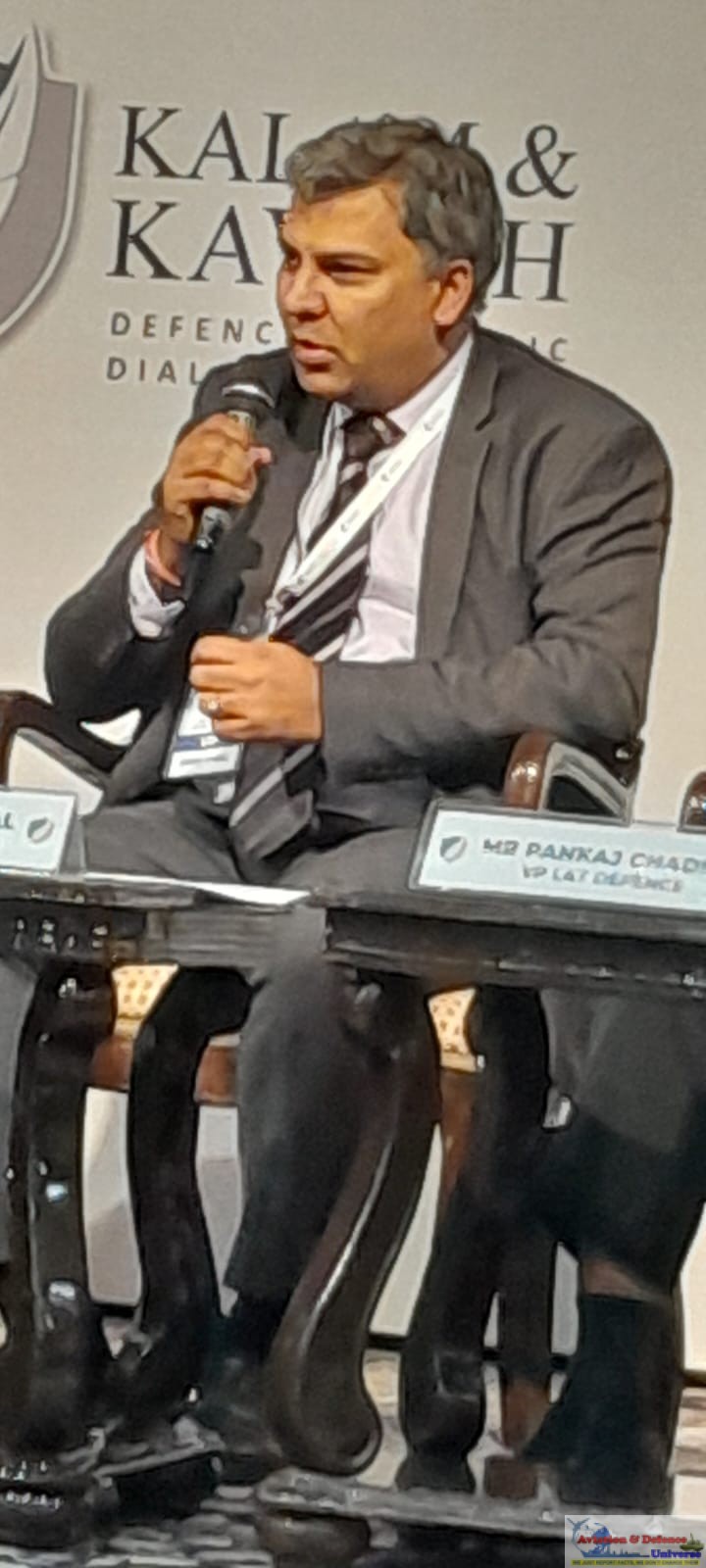 Referring to examples from the United States, Kansal highlighted how governments there back promising companies aggressively once they demonstrate technological capability. “If there is a startup which has built a beautiful product, pick it up, handle it, take it to the level it needs to go to, and you will have your talent retained here,” he said.
Domestic partnerships are emerging as a critical pillar in strengthening India’s defence manufacturing ecosystem and achieving true indigenisation under the vision of Atmanirbhar Bharat. Collaboration between the armed forces, DRDO, DPSUs, private industry, MSMEs, startups, academia and innovation hubs is essential for building an integrated and self-sustaining defence industrial base. Such partnerships help bridge the gap between operational requirements and technological development by enabling faster innovation, efficient manufacturing, indigenous R&D and the creation of scalable defence solutions tailored to India’s strategic needs. Startups and MSMEs bring agility, niche technologies and disruptive ideas, while larger defence companies provide manufacturing infrastructure, integration capability and long-term industrial support.
The discussion then moved toward the role of larger defence companies in supporting startups and technology incubation. Responding to questions from the moderator, Kansal argued that nurturing startups should not rest solely on large corporates. “It’s the government’s job because these startups are national assets,” he said.
 At the same time, the panel acknowledged the importance of established defence companies investing in innovation ecosystems. Pankaj Chaddha of L&T Defence noted that large organisations are increasingly building internal innovation frameworks. “In L&T, we have something called the L&T Innovation Fund,” Chaddha explained. “We are continuously engaging with startups and investing in technologies that fit strategically into our future product ecosystems.”
At the same time, collaboration with academic institutions and research centres accelerates deep-tech development in areas such as AI, robotics, cyber systems, advanced materials and autonomous platforms. Domestic partnerships also reduce import dependency, strengthen supply-chain resilience and create employment and technological expertise within the country. Most importantly, they foster a culture of innovation and strategic self-reliance, ensuring that India develops not just defence products, but an entire ecosystem capable of sustaining long-term military preparedness and global competitiveness.
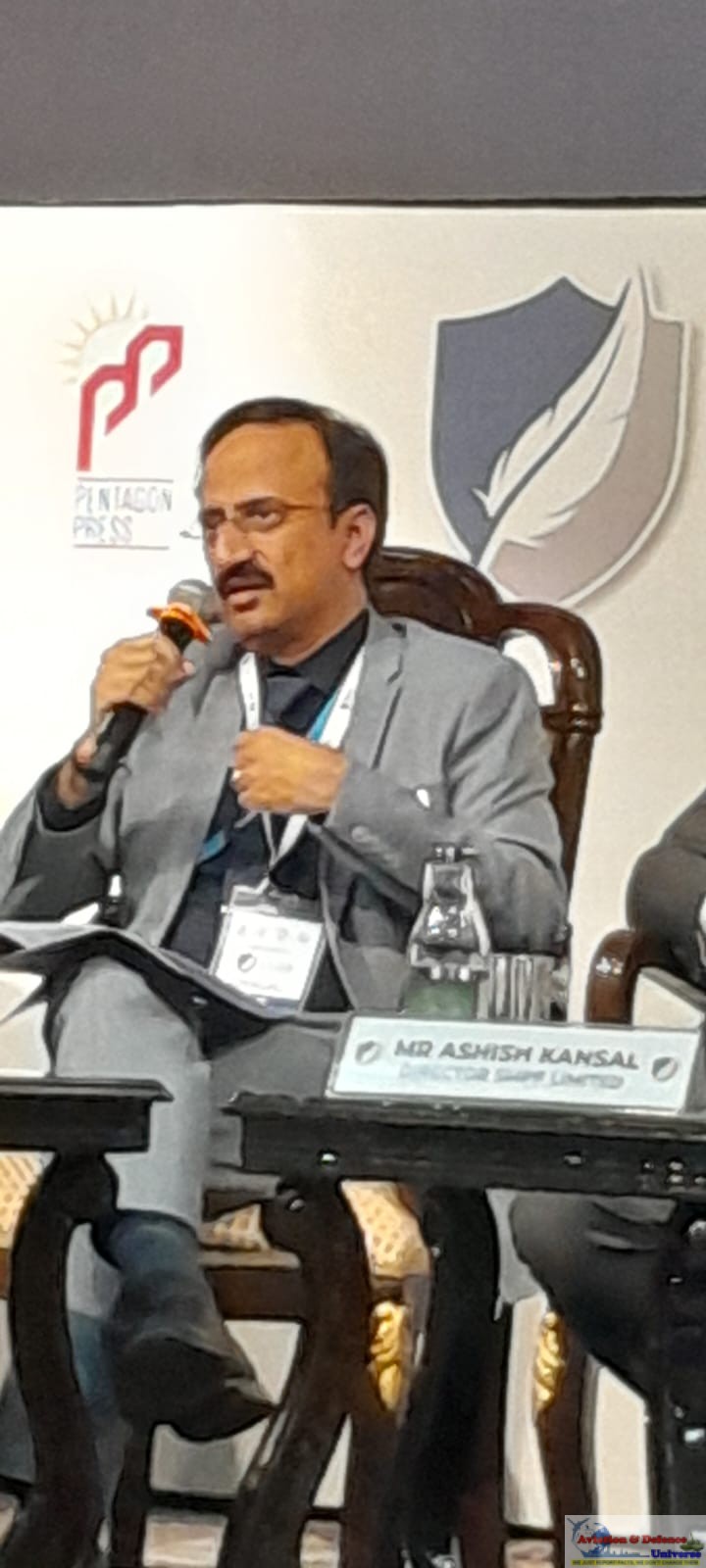 Kamesh Kasana of BEL highlighted how public-sector defence companies are changing procurement and funding models to encourage greater startup participation. “We are funding them in such a way that even if they fail to build up the technology, there will not be any financial loss to them,” Kasana said. “Even if they fail, they will not be penalised.” Kasana added that BEL is attempting to build a wider R&D ecosystem around MSMEs and startups rather than relying solely on internal development. “With this philosophy, we are finding more and more MSMEs ready to work with us in technology areas,” he said.
The conversation also explored India’s strategic opportunities in the Global South. Commodore A.J. Singh (Retd.) argued that India possesses the industrial and strategic potential to emerge as a major defence capability provider for developing nations. “India has tremendous potential to be the leader of the Global South, particularly when it comes to developing defence capability,” he said. Referring to India’s growing defence exports and maritime partnerships, Commodore Singh pointed to shipbuilding as one of India’s success stories.
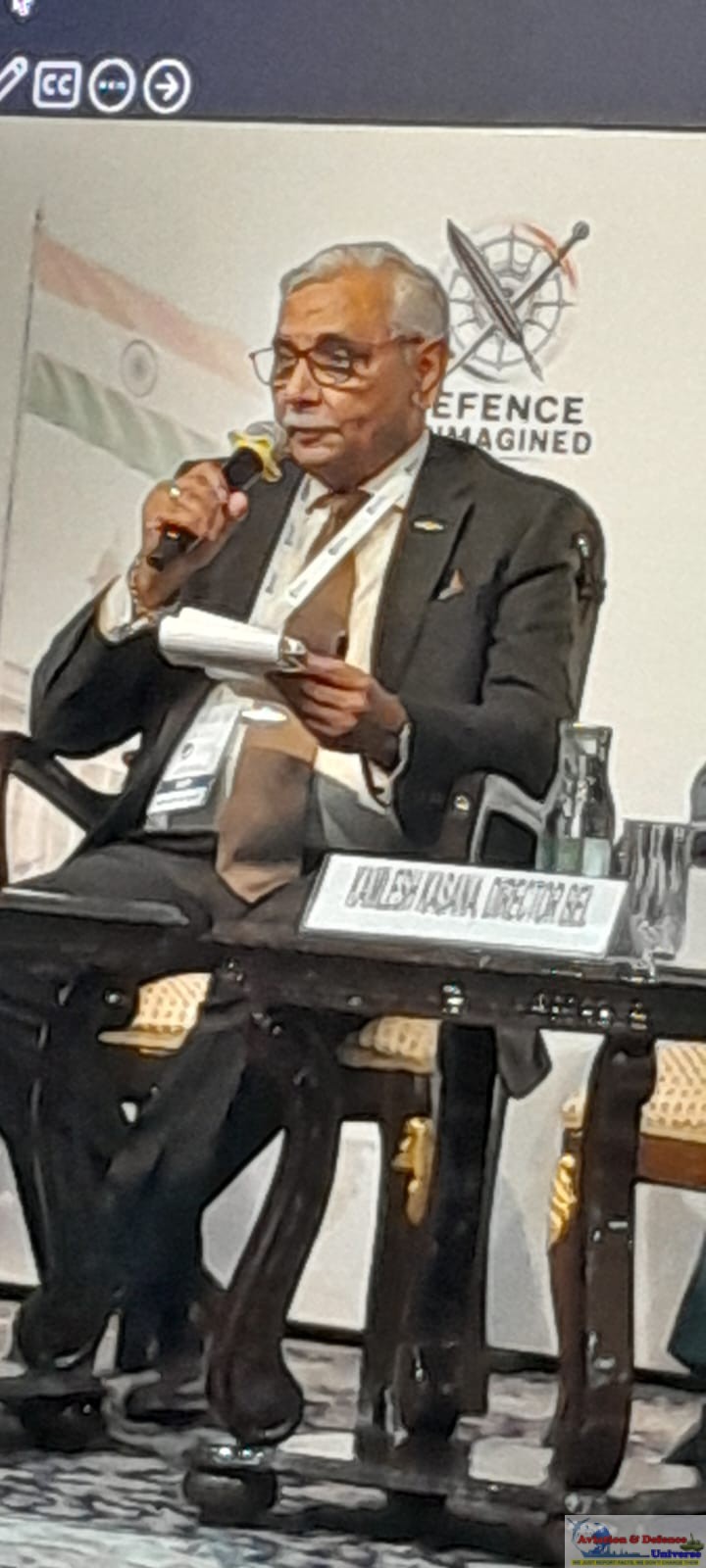 “We are already exporting to nearly 100 countries, most of them from the Global South,” he observed. “Security will underpin all future strategic partnerships.” He further stressed that India’s future role should not be limited to exports alone but should include helping partner nations build industrial and defence capacities. “It’s not just about giving equipment. It is about inclusive capacity building,” he remarked.
The panel also focused extensively on deep-tech funding and the challenges faced by defence startups in accessing long-term capital. During the audience interaction, concerns were raised about the absence of Technology Readiness Level (TRL)-based funding systems and the reluctance of private venture capital firms to invest in defence innovation due to long gestation periods.
Responding to this, Kansal strongly supported the idea of TRL-based government funding. “If the government can fund large institutions, then it is high time we start TRL-level funding for new technology holders,” he said. “These companies are developing national assets.” Another audience member stressed that India’s biggest challenge was not talent availability but ecosystem support. “Private venture capital wants quick returns, but defence innovation requires patience,” the participant observed while citing examples such as DARPA and Anduril in the US ecosystem.
 The session also featured an important exchange on institutional mindset and innovation culture. One participant argued that India continues to classify companies excessively through labels such as MSMEs and SMEs instead of focusing on capability and innovation. “Apple and Google were also started by just two individuals,” the participant noted, urging a shift in institutional thinking.
Toward the conclusion, the moderator requested each panelist to leave the audience with a final message in a few words. Pankaj Chaddha said, “Be optimistic. The glass is half full. Together we will fill the rest.” Ashish Kansal’s closing remark was, “Value Indian talent.” Kamesh Kasana declared, “India is the best country in the whole world.” Meanwhile, Commodore A.J. Singh (Retd.) summed up the broader sentiment of the discussion by stating, “Change your mindset. Very important.”
The “From Partnership to Capability” session at Kalam & Kavach 3.0 highlighted the growing convergence between innovation, defence manufacturing, strategic partnerships and startup-driven capability development within India’s defence ecosystem. The discussion reflected a broader consensus that India’s future military and industrial strength will depend not only on indigenous production but also on the ability to nurture agile innovation ecosystems, support deep-tech startups and build long-term strategic capabilities.
 Panelists repeatedly stressed the need for mindset transformation, risk-taking and patient investment in technology development while also underlining the importance of creating sustainable industrial partnerships across the Global South. From defence exports and shipbuilding to startup incubation and TRL-based funding, the session showcased how India’s defence sector is gradually shifting from a procurement-driven model toward a capability-driven strategic ecosystem.
As India advances toward greater self-reliance and technological leadership, the conversation reinforced that partnerships, innovation and institutional adaptability will remain central to building the defence architecture of the future.






































































-A4-Size-(2)_page-0001.jpg)