


























- The Future Battlefield at the Speed of Thought: She Addresses BCI Seminar
- Calls for Ethical and Strategic Preparedness in BCI Technologies
- Synthetic Telepathy, Cognitive Warfare and Neuro-Enhanced Soldiers are the Future of Warfare
By Sangeeta Saxena
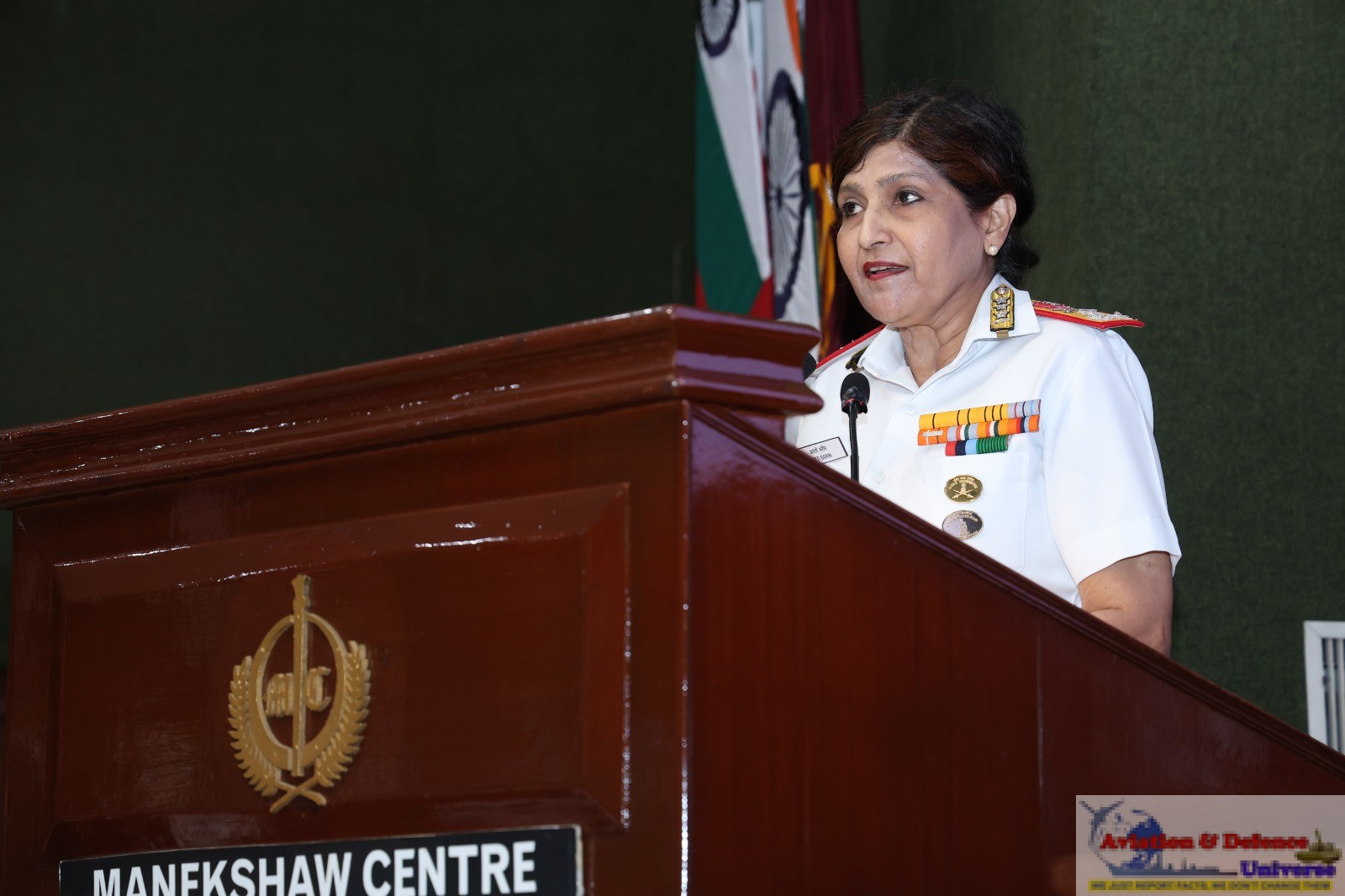
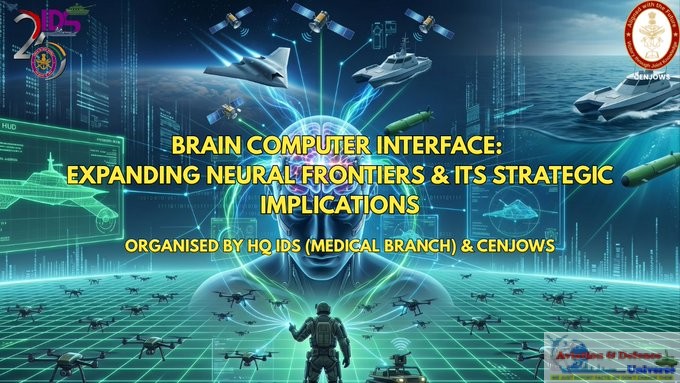
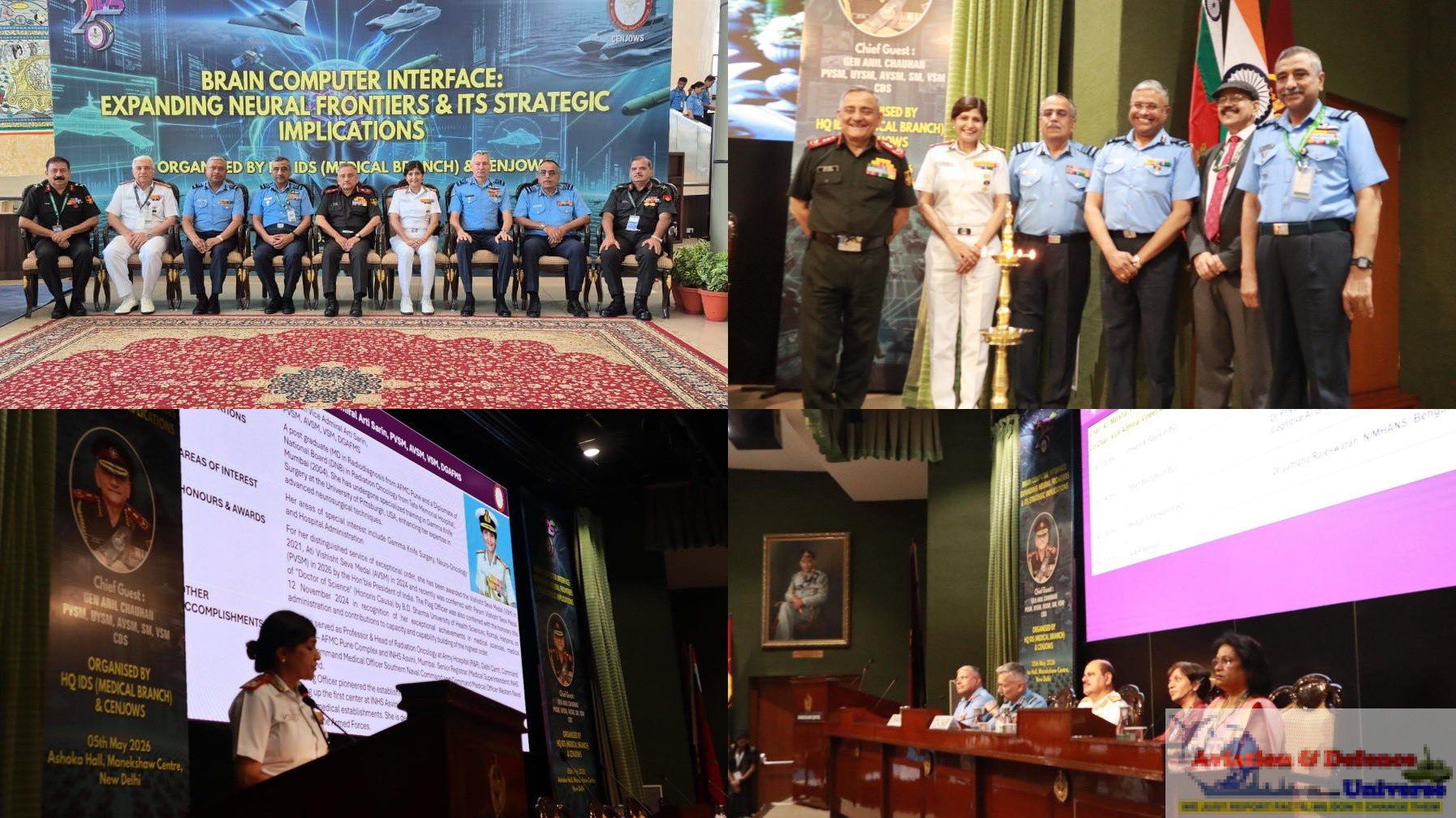
New Delhi. 07 May 2026. The rapid convergence of neuroscience, Artificial Intelligence, and advanced computing is opening unprecedented possibilities in both medicine and military operations, with Brain-Computer Interface (BCI) technology emerging as one of the most transformative frontiers of the future. Against this backdrop, a seminar on Brain-Computer Interface and its strategic implications was organised, bringing together senior military leaders, medical experts, researchers, policymakers, industry representatives, and start-ups to deliberate upon the evolving landscape of neurotechnology and future warfare.
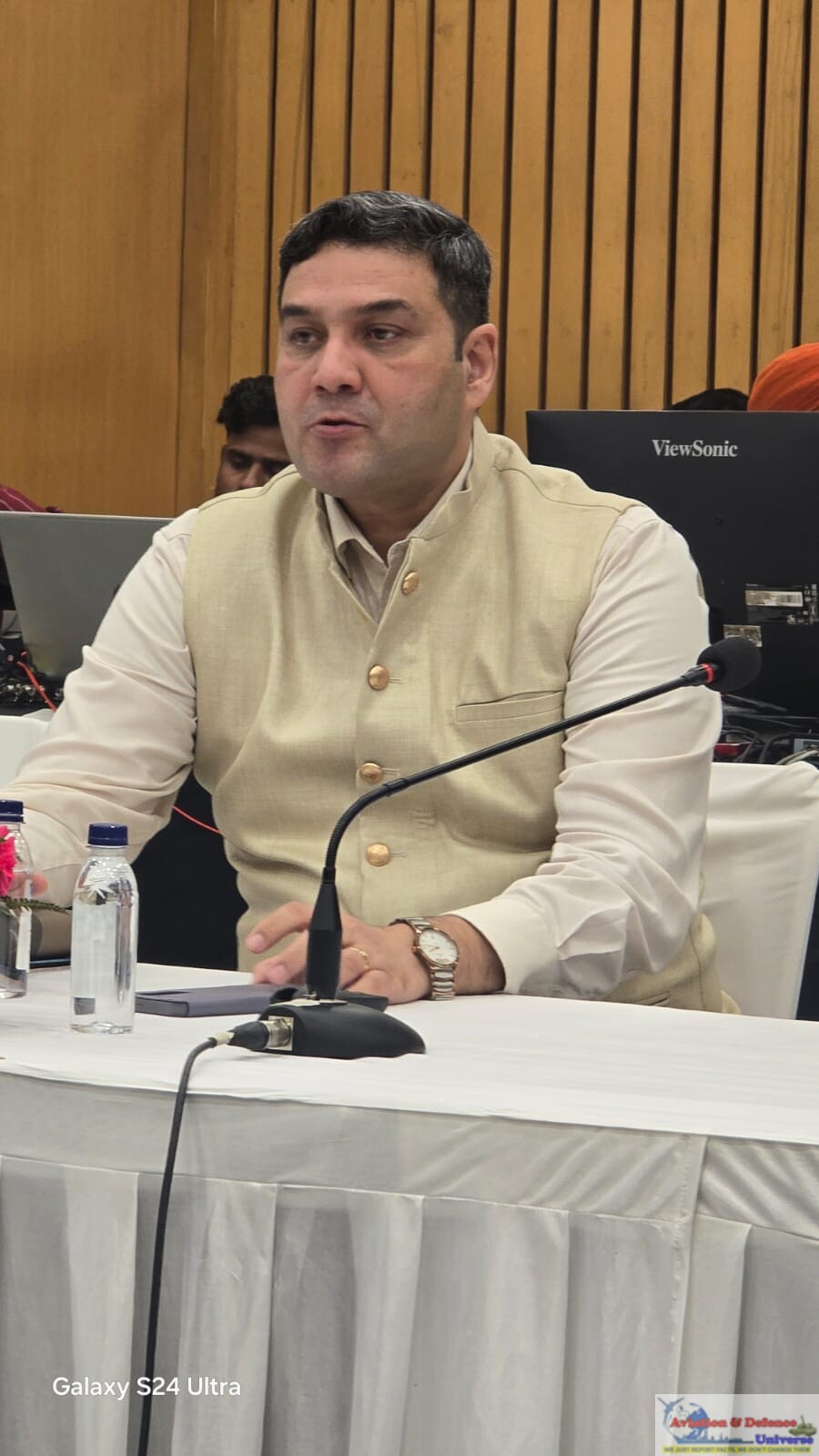
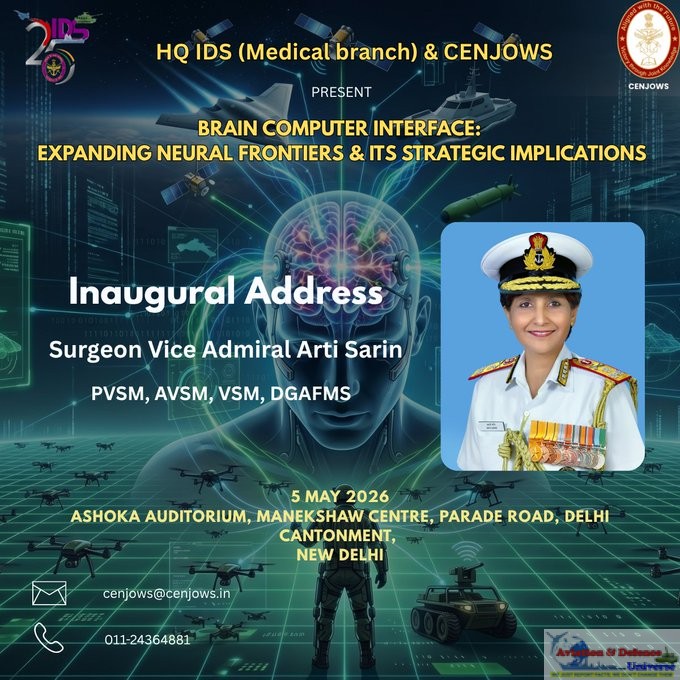
Delivering the inaugural address, Vice Admiral Arti Sarin, Director General Armed Forces Medical Services (DGAFMS), emphasised that BCI is transitioning from the realm of science fiction into a credible domain of scientific, clinical, and strategic application, with the potential to fundamentally redefine the relationship between human cognition and computational systems. She highlighted the transformative implications of BCI across medicine, defence, and national security. Addressing a distinguished gathering comprising senior military leadership, medical experts, researchers, industry representatives, start-ups, and members of the media, she described Brain-Computer Interface technology as a field positioned “at the crossroads of medicine, technology and the evolving character of warfare.”
 Vice Admiral Sarin observed that humanity is witnessing the transition of BCI from a concept traditionally confined to science fiction into a credible scientific and clinical reality. Emphasising the role of technological innovation in shaping warfare and national power, she remarked that every major technological breakthrough has historically transformed not only military operations but also the very nature of power itself. Describing BCI as a profound technological shift, she stated that the technology introduces the possibility of direct interaction between the human brain and external computational systems. According to her, “The distinction between cognition and computation, which has traditionally remained separate, is now beginning to merge and converge in ways that were once considered speculative.”
Vice Admiral Sarin noted that although early BCI developments were largely focused on healthcare and neuro-rehabilitation, recent advancements have expanded the technology into a dual-use domain with growing relevance for national security. She explained that BCI is steadily moving beyond controlled laboratory environments and specialised medical interventions toward becoming a transformative field with applications across healthcare, Artificial Intelligence, human augmentation, and strategic military systems. Highlighting the significance of the seminar, she pointed out that BCI technology currently stands at a critical transition point between experimental research and practical application. However, she cautioned that the broader discourse remains fragmented, with a noticeable gap between technological advancements and the strategic, ethical, and policy frameworks necessary to regulate and guide their development responsibly.
Referring to global trends, Vice Admiral Sarin stated that major powers are investing heavily in neuro-technologies due to their potential impact on future military capabilities, intelligence operations, and decision-making processes. She observed that the military industry has emerged as one of the principal drivers of innovation in this domain, with investments focused on enhancing the operational effectiveness and cognitive capabilities of service personnel. She emphasised that Brain-Computer Interfaces are no longer speculative technologies and are already being tested by countries such as the United States, China, parts of Europe, and Australia for military applications. According to her, BCI systems could significantly improve battlefield survivability by reducing reaction times through direct brain-to-system communication, thereby enabling soldiers to perceive and respond to threats more rapidly.
 Vice Admiral Sarin further explained that portable BCI technologies now possess the capability to enhance human cognition, accelerate decision cycles, and enable direct neural control of systems, potentially redefining operational effectiveness and military resilience. She highlighted the emergence of new concepts such as “cognitive warfare,” the “neuro-enhanced soldier,” and “militarised rehabilitation” as indicators of how future warfare may evolve. Emphasising on the importance of indigenous innovation, she noted that BCI aligns closely with India’s strategic priorities of technological self-reliance and innovation-driven growth. At the same time, she warned that the technology raises serious concerns related to data security, ethical governance, technological dependence, and the potential misuse of neuro-technologies. She stressed the need for greater collaboration among academia, medical professionals, defence planners, policymakers, and industry leaders, observing that these stakeholders often operate in separate domains with limited opportunities for cross-sector engagement. She stated that BCI, by its very nature, requires an integrated and multidisciplinary approach.
Discussing future military applications, she referred to concepts such as “warfare at the speed of thought,” where thought-controlled drones and autonomous systems could become operational realities. She explained that BCI technologies could also assist in monitoring soldiers’ stress levels, improving situational awareness, and enabling advanced forms of communication described as “synthetic telepathy.” She highlighted the role of military medicine in integrating neurofeedback and adaptive AI systems into training and operational planning, particularly in scenarios where maintaining cognitive resilience under stress is critical. According to her, the dual-use nature of BCI makes it especially significant in the context of national security, as technologies initially developed for therapeutic applications can also be adapted for operational military purposes.
 Vice Admiral Sarin also referred to experimental demonstrations by researchers in the United States and Australia where robotic systems, including robotic dogs and aircraft, were controlled through brain signals with approximately 94 percent accuracy. She observed that despite rapid technological advances, there remains limited doctrinal clarity and no comprehensive policy framework governing the development and deployment of BCI technologies. Calling for responsible innovation, she stressed the need for governance mechanisms that promote safety, inclusivity, scientific collaboration, and ethical oversight. She advocated for safeguards to protect personal brain data and emphasised the importance of ethics-by-design approaches, standardisation, corporate self-governance, and advisory mechanisms.
In one of the most striking segments of her address, Vice Admiral Sarin narrated a futuristic scenario involving a military medic operating autonomous evacuation systems and triage robots through a brain-computer interface without the need for physical controls or spoken commands. She remarked that such scenarios “no longer belong to science fiction.” Congratulating the organisers from Headquarters Integrated Defence Staff and the medical branch for conceptualising the seminar, she expressed confidence that the conference would assess the current state of BCI development, identify technological and policy gaps, encourage indigenous innovation, and contribute toward establishing a roadmap for future research and operational integration.
 Concluding her address, Vice Admiral Sarin reminded the audience that despite the strategic and military potential of Brain-Computer Interface technologies, medical ethics must remain central to their development and application. Quoting renowned American ethicist George Annas, she stated that military doctors must always remain “first and foremost doctors bound by universal medical ethics.” She ended with the invocation “Sarve Santu Niramaya” — may all be free from disease — reinforcing the principle that technological advancement must ultimately serve humanity responsibly.
The seminar reiterated the growing strategic significance of Brain-Computer Interface technology as an emerging domain capable of transforming healthcare, defence preparedness, and future warfare. The inaugural address by Vice Admiral Arti Sarin highlighted how BCI is rapidly evolving from experimental research into practical application, with implications ranging from neuro-rehabilitation and cognitive enhancement to autonomous systems, human-machine integration, and cognitive warfare. At the same time, the discussions reinforced the need for ethical governance, technological self-reliance, policy frameworks, and responsible innovation to ensure that such transformative capabilities are developed in a secure and humanitarian manner.
The seminar also reflected India’s growing recognition of the importance of neuro-technologies in the future security landscape. By bringing together stakeholders from the armed forces, academia, medicine, research institutions, industry, and start-ups, the event created a critical platform for interdisciplinary dialogue on one of the most disruptive technological frontiers of the coming decades. As the boundaries between cognition and computation continue to converge, Brain-Computer Interface technology is poised to influence not only military effectiveness and operational decision-making, but also the broader relationship between humans and machines in the future battlefield environment.











































































-A4-Size-(2)_page-0001.jpg)