


 18th BRICS Summit

















- From Clausewitz to Cognitive Warfare: A Whole-of-Nation Call for MDO
- We Must Act Together and Now : Urgent Push for Multi-Domain Transformation
- Cognitive Domain Emerges as the New Centre of Gravity in Warfare
By Sangeeta Saxena
New Delhi. 12 April 2026. Multi-Domain Operations (MDO) are rapidly reshaping armies across the world, moving them beyond traditional land-centric warfare to fully integrated, cross-domain combat forces. Modern armies are now designed to operate seamlessly with air, naval, cyber, space, and information assets, enabling them to deliver coordinated effects in real time. This shift allows ground forces not only to fight battles, but to influence the entire battlespace through precision targeting, data-driven decision-making, and networked command structures. Leading militaries are investing heavily in AI, autonomous systems, and integrated C4ISR networks to compress decision cycles and achieve superiority over adversaries. In an era of hybrid threats and continuous contestation, MDO enables armies to act faster, adapt smarter, and create multiple dilemmas for opponents, making it a cornerstone of modern land warfare strategy.
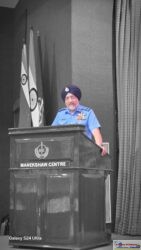
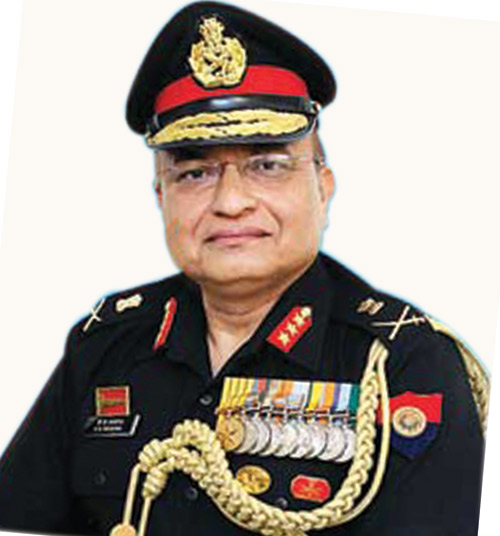
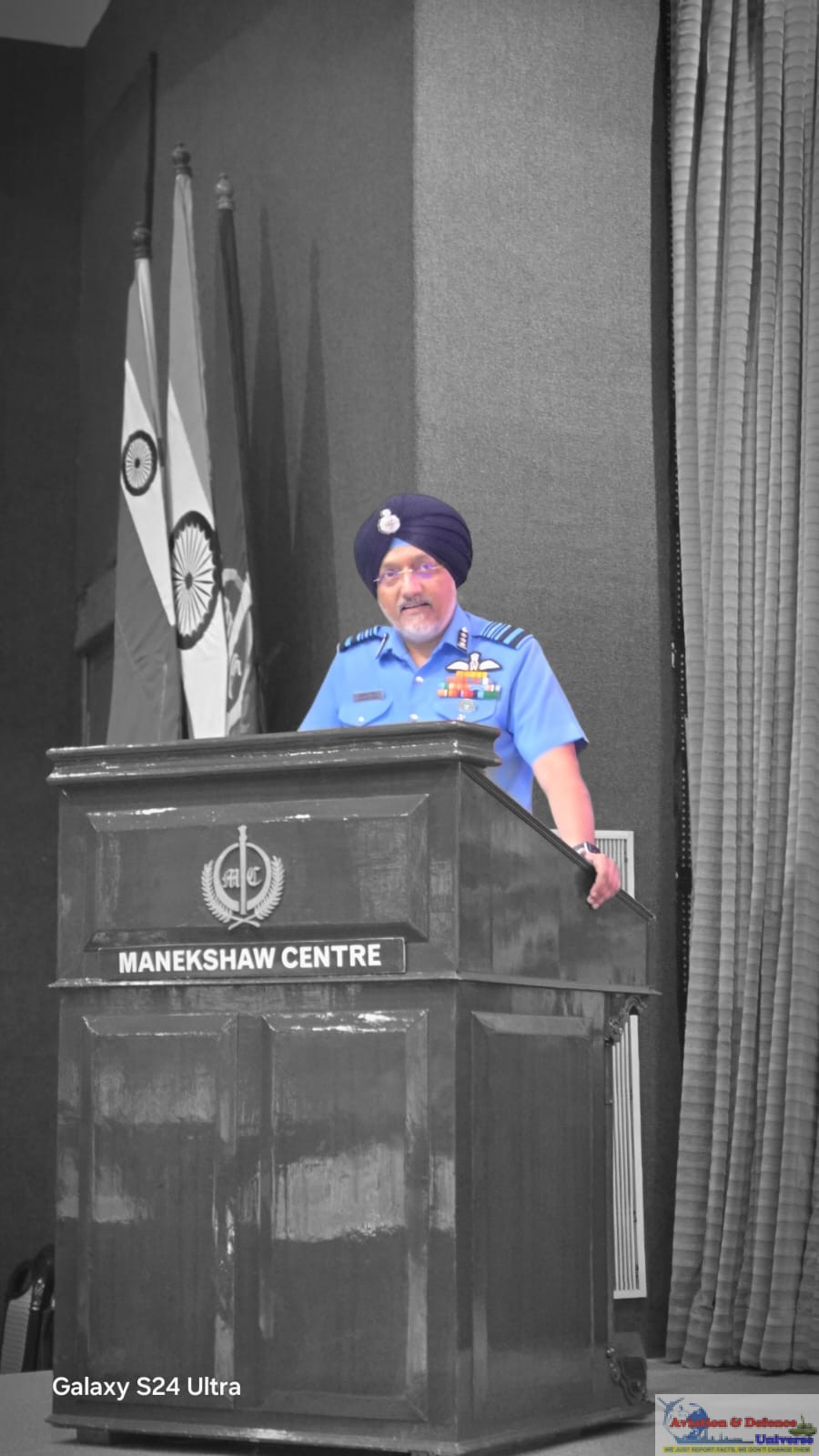
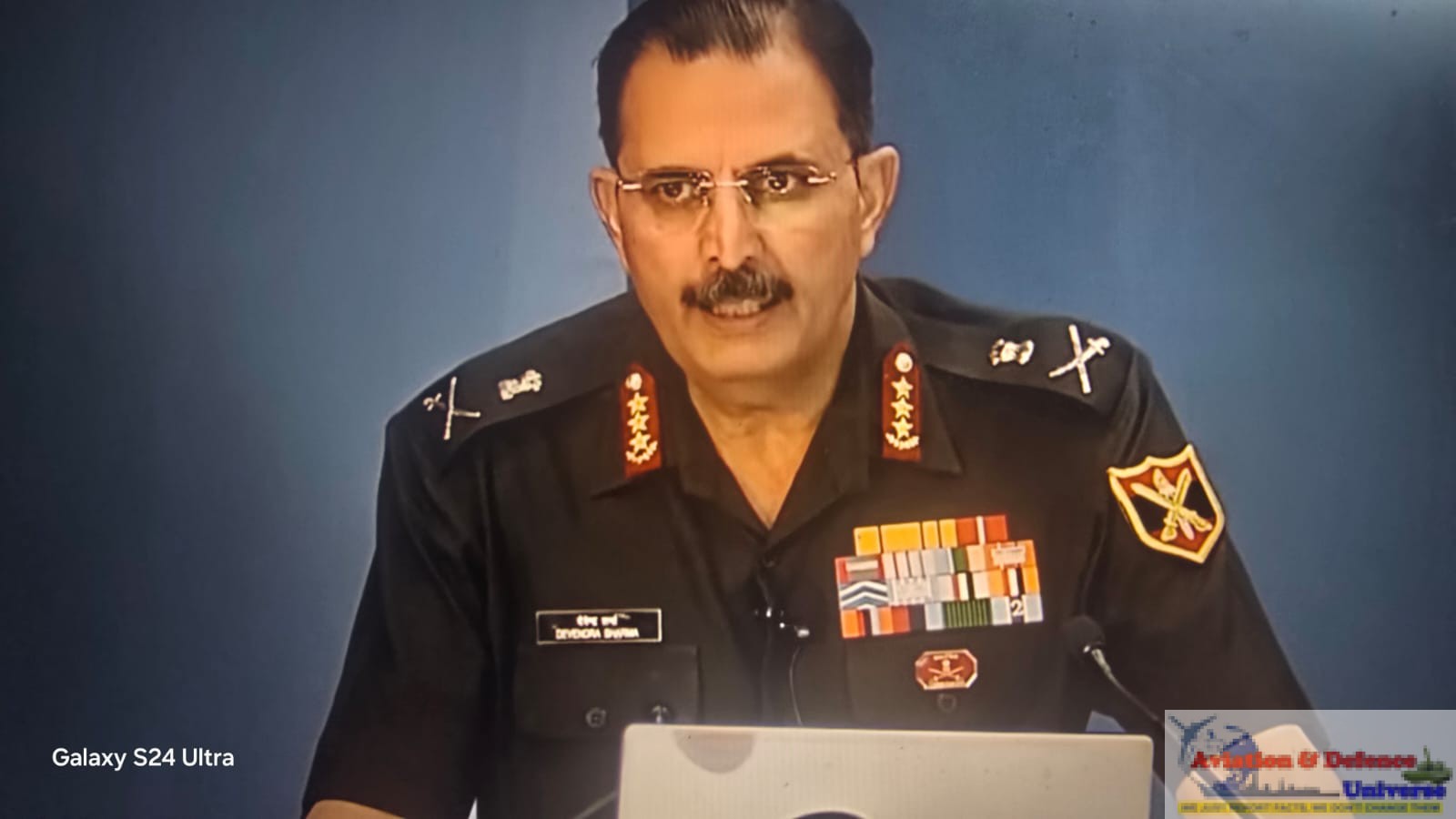
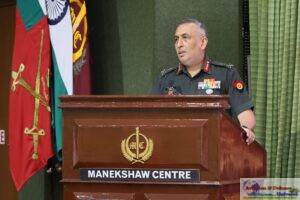
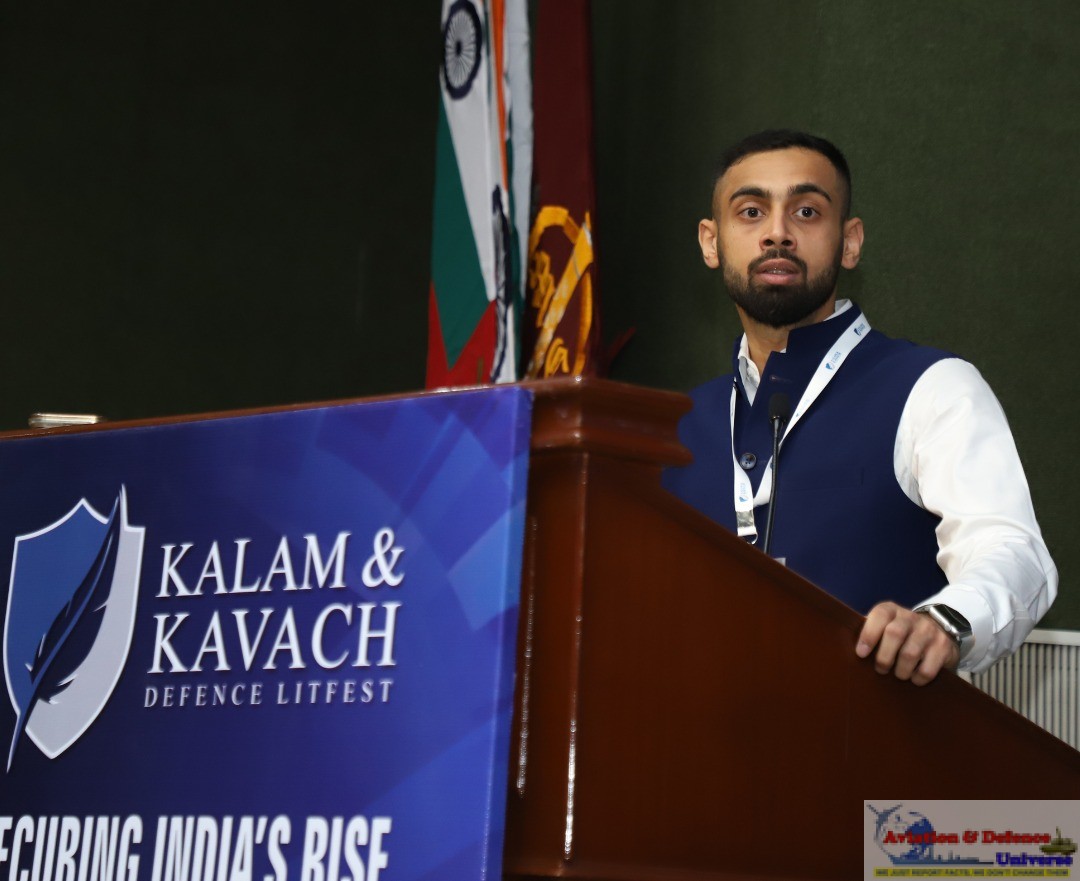
In a powerful and introspective address at Ran Samvad 2026, Lieutenant General Devendra Sharma, Param Vishesh Seva Medal, GOC-in-C, Army Training Command, delivered a comprehensive assessment of India’s preparedness for Multi-Domain Operations (MDO), blending classical strategic thought with modern realities of cognitive warfare and technological disruption. The speech went beyond doctrine to highlight India’s structural strengths, identify critical vulnerabilities, and lay out a roadmap for a whole-of-nation approach to future conflict.
Opening with a fundamental question, he framed the essence of warfare, stating, “What truly determines success in war?” and drawing upon classical theory to answer, “Clausewitz gave us the answer… the government… the military… and the people. “Expanded this framework to the modern era, he noted, “the people provide the technological capability, the industrial capacity and the economic resilience.”
The importance of balance among these elements was emphasised with the observation, “War loses coherence the minute one of these elements is misaligned.” Highlighting India’s strengths, the GOC-in-C pointed to its technological diversity, stating, “we operate the most diverse defence technology portfolio in a multi-domain conflict and this provides optionality.” India’s democratic framework was described as a key advantage, with the remark, “our democratic character… is a cognitive warfare asset of incalculable value.”
However, the speech also delivered a stark warning on emerging vulnerabilities, particularly in the cognitive domain. Reflecting on recent experiences, the speaker revealed, “15% of our operational tempo was consumed fighting disinformation.” He further noted, “we had no standing cognitive warfare architecture to counter it at speed.”This led to a critical insight into modern conflict, stating, “our adversaries are conducting cognitive operations continuously, not just when the moment of conflict begins.” The speaker highlighted the transformation of the battlespace, asserting, “the decisive domain is the narrative through billion screens.”
Turning to structural challenges, he pointed out key gaps in integration, stating, “the C4ISR… infrastructure… remains fragmented, non-interoperable, and in places obsolete.” He added that, “we have no common all-domain operational picture and the three services are operating on different communication systems.” On industrial readiness, the speaker cautioned about sustainability in prolonged conflict scenarios, highlighting the need for stronger defence production capacity.
The speech then outlined a comprehensive roadmap centred on a whole-of-nation approach. Emphasising societal resilience, he proposed, “a national cognitive resilience mission with counter disinformation, media literacy and a cognitive warfare research centre.” He also stressed scaling innovation, stating the need to move “from a programme of hundreds to ecosystems of thousands.” A key recommendation was the creation of a national defence technology reserve to leverage India’s vast talent pool. On governance, he proposed institutional reforms, including “a national multi-domain operations coordination council” to align national power across domains.
He also emphasised the need for legal frameworks, stating, “we need a cyber information operations act with clear authority, limits and accountability.” For the military, he called for decisive structural changes, urging, “operationalise theatre commands, the debate must end.” He further recommended the establishment of “a cognitive warfare command… with civilian specialists embedded.” The need for integration was reinforced through the call for “a common all-domain operational picture.”
Concluding with urgency, he emphasised alignment across all elements of national power, stating, “the whole of nation approach is… an operational necessity.” He ended with a powerful call to action: “we have the doctrine, we have the talent, we have the will, we must act together and now.” Lt. General Devendra Sharma’s address at Ran Samvad 2026 offered a deeply reflective and forward-looking roadmap for India’s transition to Multi-Domain Operations. By blending classical strategic theory with modern technological realities, the speaker highlighted both India’s strengths and its critical vulnerabilities—particularly in the cognitive and information domains. The emphasis on a whole-of-nation approach, supported by institutional reforms, technological integration, and societal resilience, reflects the evolving character of warfare where narratives, data and decision-making are as decisive as kinetic force. As adversaries continue to exploit these domains, the message was clear: India must act with urgency, coherence and unity to secure its strategic future.











































































-A4-Size-(2)_page-0001.jpg)