















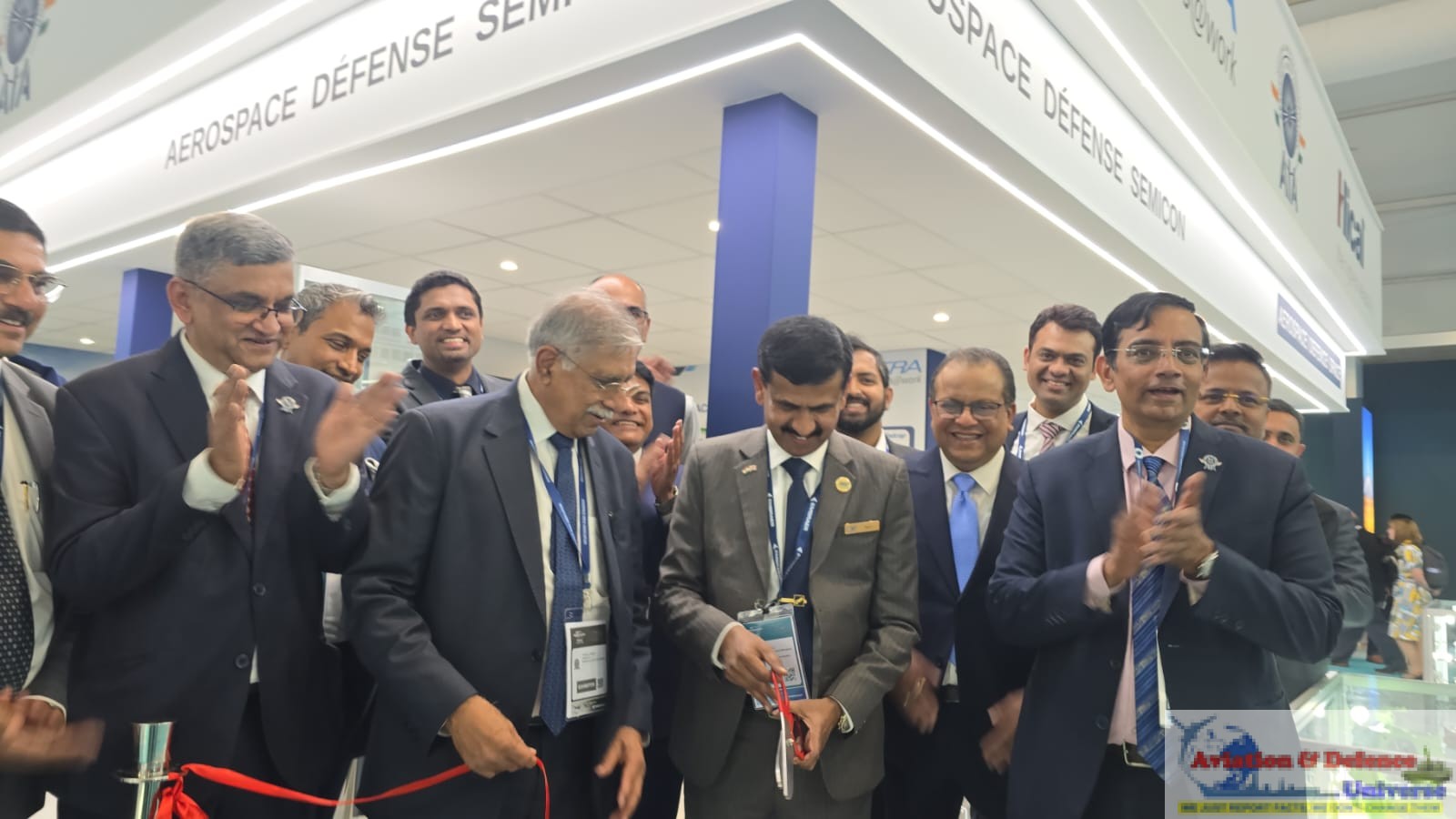
HAL CMD inaugurates AIA India Pavilion : Charts a New Flight Path for Indian Aerospace
• Showcases from Manufacturing to Design to IP
• AIA Sets Sights on 10% of Global Aerospace Supply Chain in the Next Decade
• India Eyes $20 Billion Aerospace Exports as AIA Takes the Global Stage
By Sangeeta Saxena
Farnborough. 20 July 2026. India’s growing ambition to move from being one of the world’s largest aerospace markets to becoming a major global design, manufacturing and supply-chain powerhouse received a prominent international platform on the opening day of Farnborough International Airshow 2026, with the Aerospace India Association (AIA) marking its presence at the India Pavilion in Hall 4. Brought together by the Association, the pavilion placed the depth and diversity of India’s aerospace industrial ecosystem before the global community at one of the world’s most influential aerospace gatherings.
 The Farnborough presence represents an important international milestone for the Aerospace India Association, which was launched in New Delhi on December 19, 2024. AIA has been created with a vision to drive sustainable Indian national aerospace programmes and a mission to build a robust ecosystem encompassing aerospace design, manufacturing and raw materials, while maximising value addition within India. Its larger ambition is to help Indian industry emerge as a global leader in aerospace product design and manufacturing by driving quality throughout the domestic aerospace supply chain.
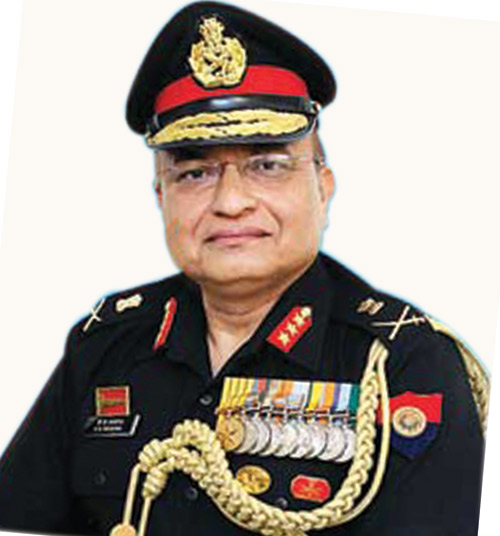
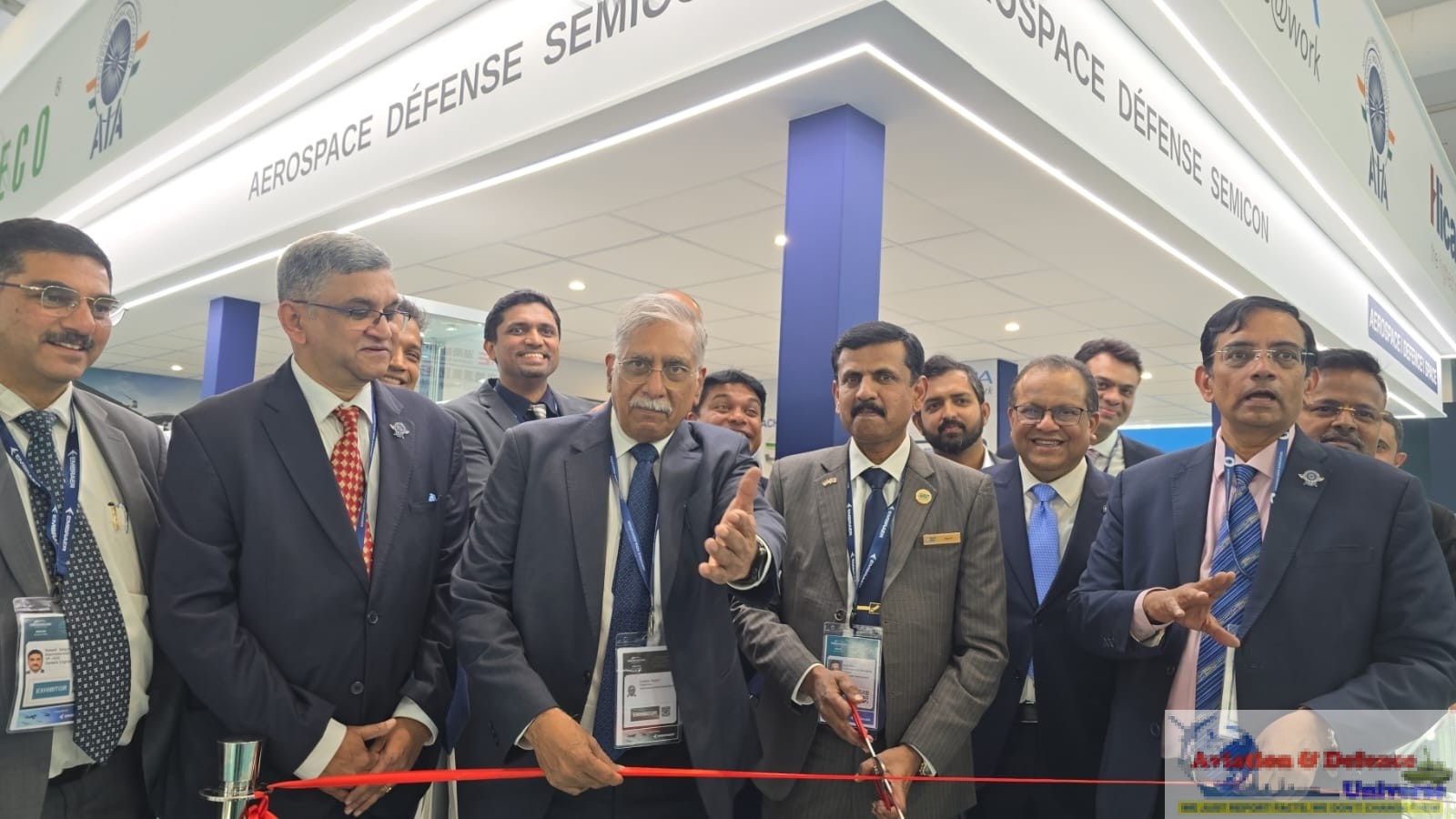
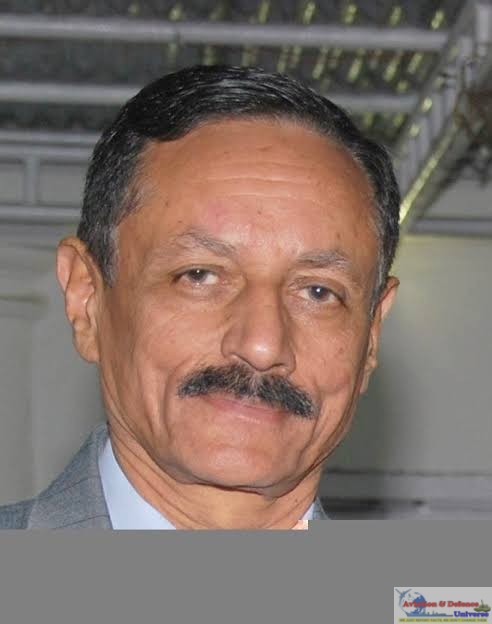
The Aerospace India Association’s presence at Farnborough International Airshow 2026 received a significant boost with the inauguration of the Association’s India Pavilion in Hall 4 by Ravi K, Chairman and Managing Director of Hindustan Aeronautics Limited (HAL). The inauguration on the opening day brought together members of India’s expanding aerospace ecosystem and marked an important moment for AIA as it showcased the collective capabilities of Indian industry before the global aerospace community. The presence of the HAL chief, representing the country’s largest aerospace and defence manufacturer, added weight to AIA’s vision of creating a stronger, integrated and globally competitive Indian aerospace supply chain. With participating companies spanning design, engineering, advanced materials, precision manufacturing, aerostructures and emerging technologies, the inauguration sent a clear message from Farnborough: Indian aerospace industry is seeking to come together as one ecosystem, scale its global footprint and move decisively towards greater indigenous value addition, design ownership and a larger share of the international aerospace supply chain.
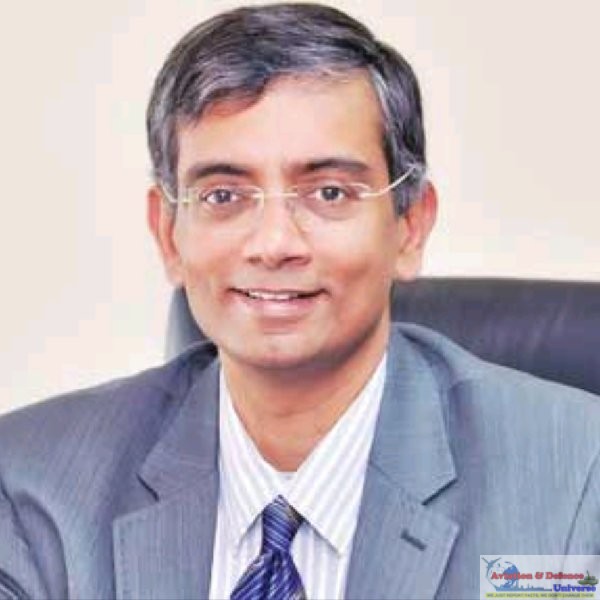 Dr. S Dwarakanath, the Director General of Aerospace India Association said, “Our ambition is clear: to build an aerospace ecosystem in India that competes globally on quality, capability, innovation, and reliability. The next decade presents a defining opportunity for India to move from a major aviation market to a leading aerospace manufacturing nation.”
The Association has set itself ambitious targets for the coming decade. It seeks to develop a National Aerospace Roadmap to drive industry growth and increase India’s share of the global aerospace supply chain from less than one per cent to 10 per cent within ten years. It also aims to propel Indian civil aerospace exports from less than $2 billion to $20 billion over the same period. Equally significant is its goal of increasing value addition within the country from the present 15-30 per cent to more than 60 per cent by 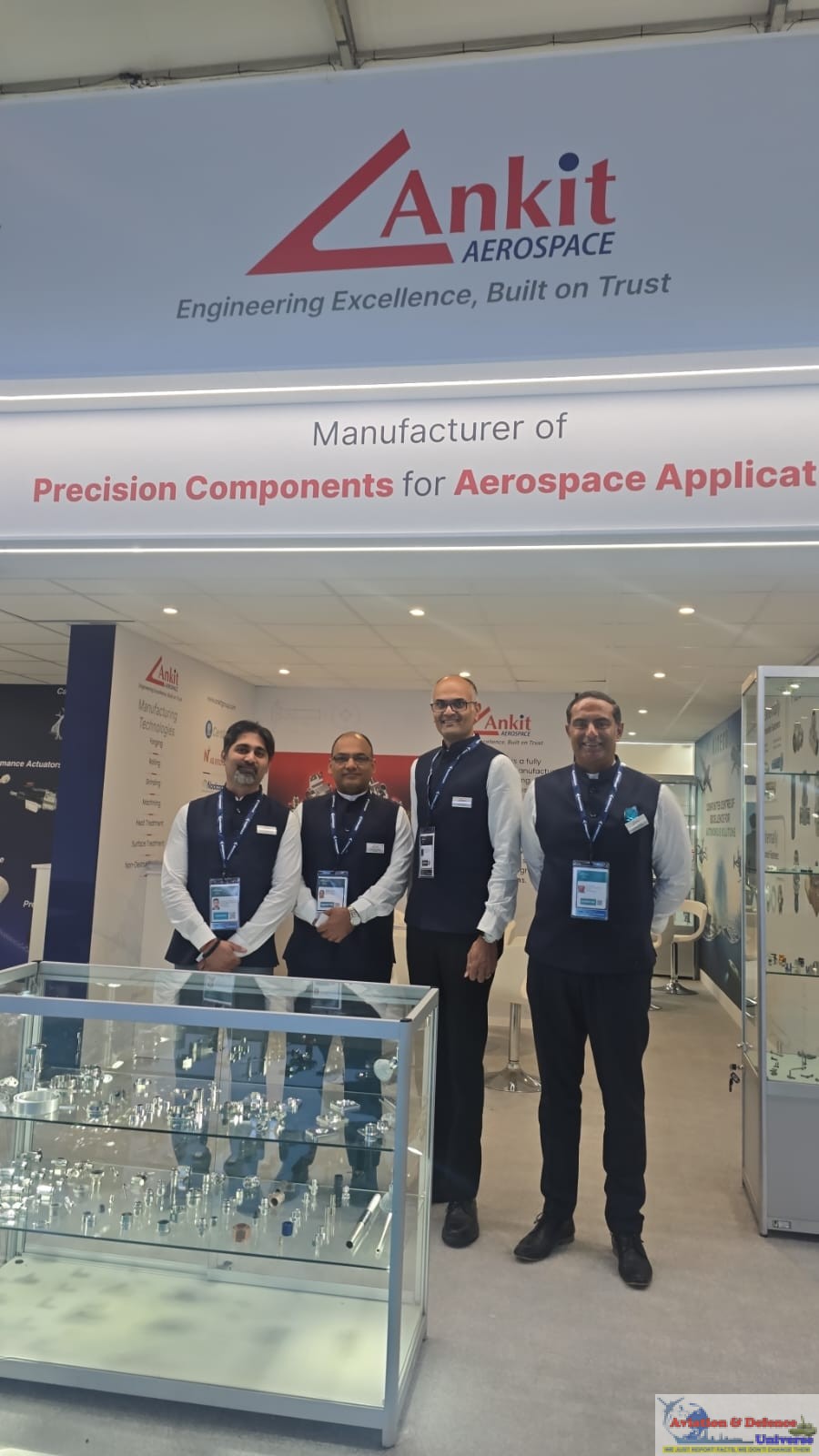 concentrating on product design, indigenous raw materials and the creation of intellectual property. AIA estimates that India’s aviation and aerospace supply chains could create four million jobs over the next decade, with approximately five to eight per cent of these expected to be in manufacturing.
The India Pavilion at Farnborough reflected the broad industrial base that AIA seeks to nurture and represent. The Association’s brochure showcases a diverse group of aerospace companies and organisations associated with the ecosystem, spanning engineering, precision manufacturing, aerostructures, electronics, advanced materials, machining, technology and emerging aviation. The companies featured include Aequs, Aerospace Engineers Private Limited, Anand Rathi Investment Banking, Ankit Aerospace, Axirium Aerospace, AXISCADES, Azad Engineering, CSIR-NAL, Cyient DLM, Godrej, Hexcel, Hical, Hindalco, HALMANE Aerospace, Igniting Minds, JEH Aerospace, Kineco, Latecoere, Magellan Aerospace, Raghu Vamsi Machine Tools, Rangsons Aerospace, Sansera Engineering, SASMOS, Sika Advanced Systems, TASE, Tata Advanced Systems, The ePlane Company, Unimech, Val-Met, Valiant, Wave Mechanics, WILQTS Weavers, Wipro Aerospace and Woodward.
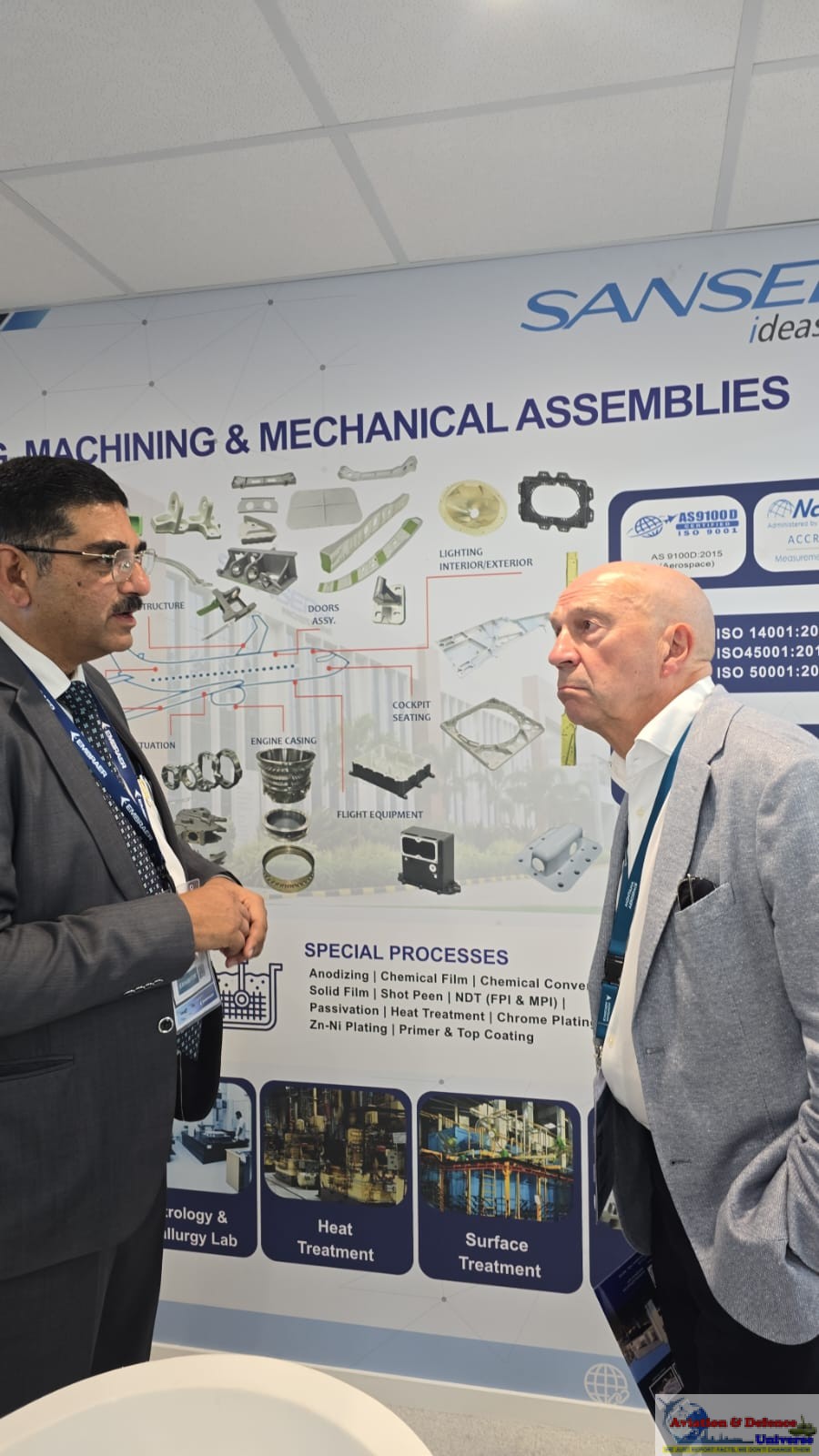
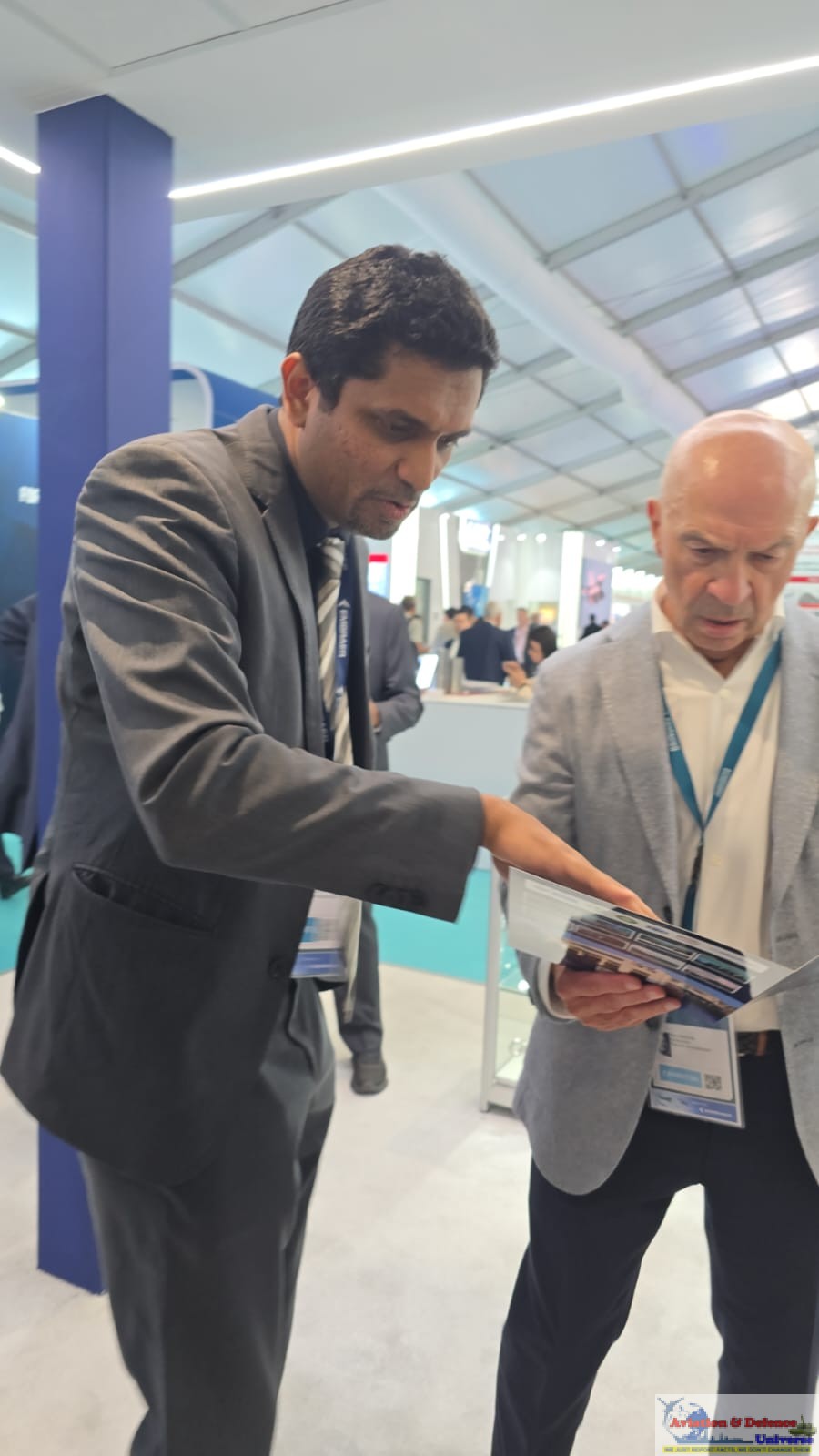 At the helm of the Association is F.R. Singhvi, Joint Managing Director, Sansera Engineering, as President, with Rajeev Kaul, Managing Director, Aequs, as Vice President, and Dr S. Dwarakanath as Director General. The AIA leadership also includes Shripad Ramanathan, Vice President and CFO, Wipro Aerospace; Sujaya Shashikiran, Executive Chairperson, Hical Technologies; Kopal Agrawal, CEO – Downstream, Aluminium, Hindalco; Shekar Sardesai, Chairman, Kineco; Anuj Jhunjhunwala, CEO, JJG Aero and JJG Machining; and Kaushal Jadia, SVP and CTO, Cyient DLM.
AIA’s appearance at Farnborough is closely aligned with its fundamental scope — to promote globally the end-to-end capabilities of Indian aerospace companies across the design, manufacturing and servicing of aircraft, aerospace products and solutions. By bringing Indian companies together at a premier international aerospace platform, the Association is seeking to create greater visibility for the country’s expanding industrial capabilities while opening doors to deeper engagement with global original equipment manufacturers, Tier-I companies and international supply chains.
The Association’s objectives go beyond international promotion. AIA intends to work with Indian government bodies to drive aerospace policies, promote Indian companies globally for long-term value creation within the country and collaborate closely with major international aerospace associations. It also plans to establish an aerospace-specific skilling ecosystem capable of scaling manpower availability for Indian industry and to promote a culture of quality by enabling global-standard quality management systems throughout the Indian aerospace supply chain.
 A central element of AIA’s strategy is the creation of specialised sub-committees designed as collaborative industry platforms to strengthen capability, competitiveness and sustainable growth across India’s aerospace ecosystem. The Raw Materials sub-committee will focus on improving access to certified aerospace-grade materials through resilient supply chains and indigenous production capability. Product Design and Certification will work towards globally recognised design and certification capabilities, including regulatory bilateral arrangements between India’s DGCA and international regulators such as the FAA and EASA.
Quality Across the Supply Chain is another major focus, aimed at promoting world-class quality systems and operational excellence. The Aerospace Skill Development initiative seeks to create a future-ready workforce through industry-driven skills and competency development, while the Common Facility Centres initiative envisages shared world-class infrastructure and advanced capabilities that can strengthen the competitiveness of Indian companies, particularly those that may not individually have access to expensive specialised facilities.
The Association also envisages a wide range of services for its members, including industry seminars and conferences, advocacy and government relations, technical workshops and training programmes, international collaboration and trade missions, webinars and knowledge-sharing platforms, start-up mentorship and networking, market research and data analysis, access to research and development and innovation support for SMEs. Significantly, AIA also proposes to drive a consortium approach to global procurement, including critical requirements such as raw materials, potentially allowing Indian aerospace companies to leverage collective scale.
 The vision has received support from India’s civil aviation leadership. At the Association’s launch, Civil Aviation Minister Kinjarapu Ram Mohan Naidu underlined the need for a robust aerospace design and manufacturing ecosystem with maximum value addition in India and called for closer collaboration among key stakeholders. The government’s focus, as highlighted in the AIA brochure, is on strengthening the country’s end-to-end aerospace capabilities, building resilient supply chains and ultimately developing more aircraft and components made in India.
The launch and presence of the Aerospace India Association at the India Pavilion in Hall 4 on the opening day of Farnborough International Airshow 2026 therefore carries significance far beyond an exhibition stand. It represents an attempt to give India’s diverse and rapidly expanding aerospace industry a collective voice on the world stage. As global OEMs search for resilient, competitive and geographically diversified supply chains, India sees an unprecedented opportunity to move higher up the aerospace value chain — from build-to-print manufacturing towards design ownership, intellectual property, certification, advanced materials and complete aerospace systems.
At Farnborough, where the future of global aerospace is negotiated as much in meeting rooms as it is displayed on the tarmac, AIA’s message is clear: India does not intend to remain merely one of the world’s biggest buyers of aircraft. Its ambition is to design more, manufacture more, export more and create significantly greater value at home.
This India Pavilion in Hall 4 provides the global aerospace industry with a window into that ambition. And for the Aerospace India Association, Farnborough 2026 marks an important step in transforming a collective national vision into international partnerships, global supply-chain opportunities and a stronger place for India at the aerospace high table.





































































-A4-Size-(2)_page-0001.jpg)