















- Beyond Glass and Runways: The Engineering That Holds Modern Airports Together
- Hidden in Plain Sight: The Structural Backbone of the Modern Airport
- Software Needs Hardware: Why Structural Steel is Critical to Airport Modernisation
By Sangeeta Saxena
New Delhi. 15 July 2026. The future of aviation may be dominated by conversations around artificial intelligence, digital transformation, automation and sustainable flight, but every digital innovation ultimately depends upon something reassuringly physical—the infrastructure that holds it all together. Behind the sweeping roofs, vast column-free halls and soaring architectural statements of the modern airport lies an engineering backbone that passengers rarely notice but upon which millions of journeys depend: structural steel.
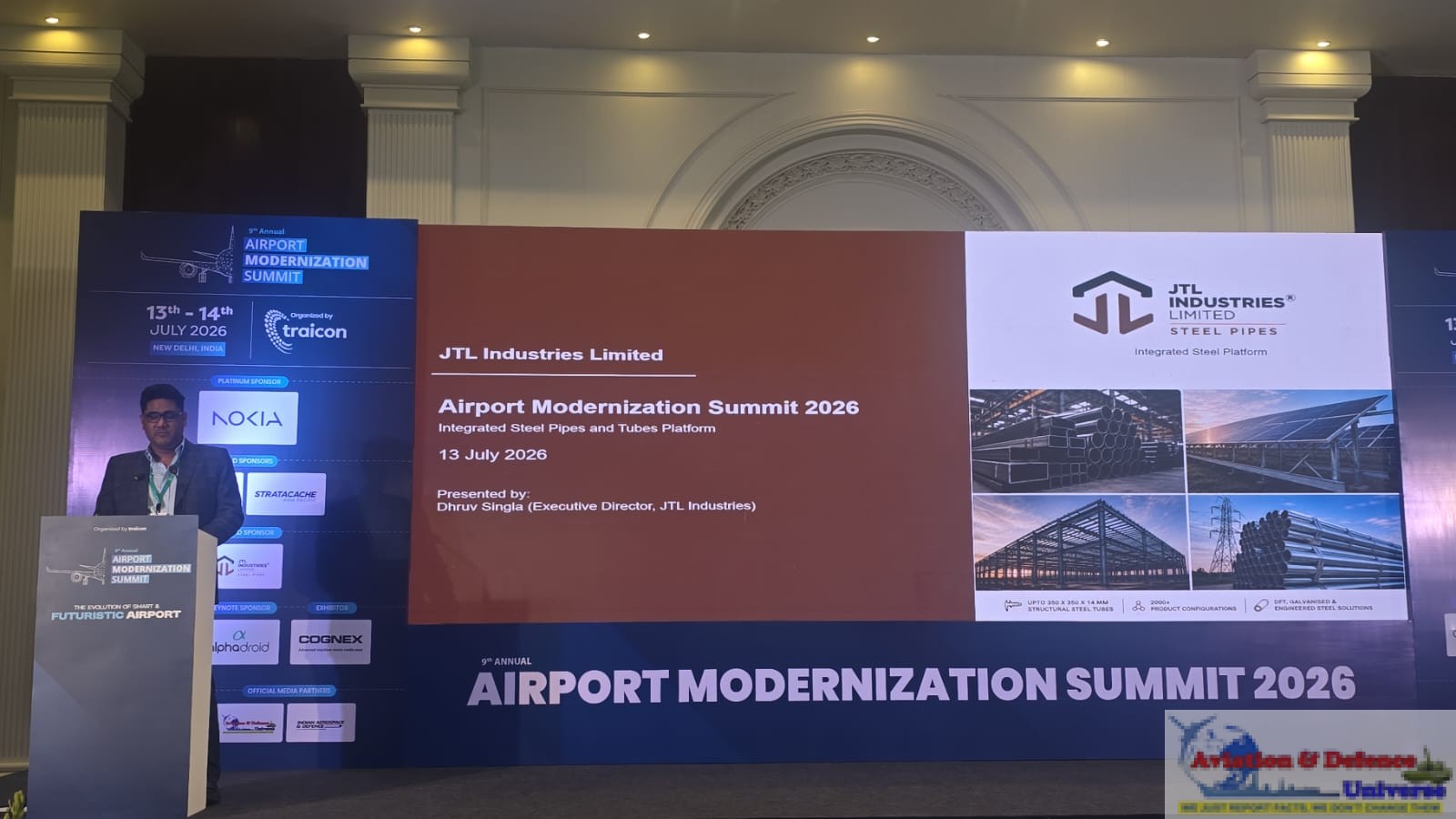
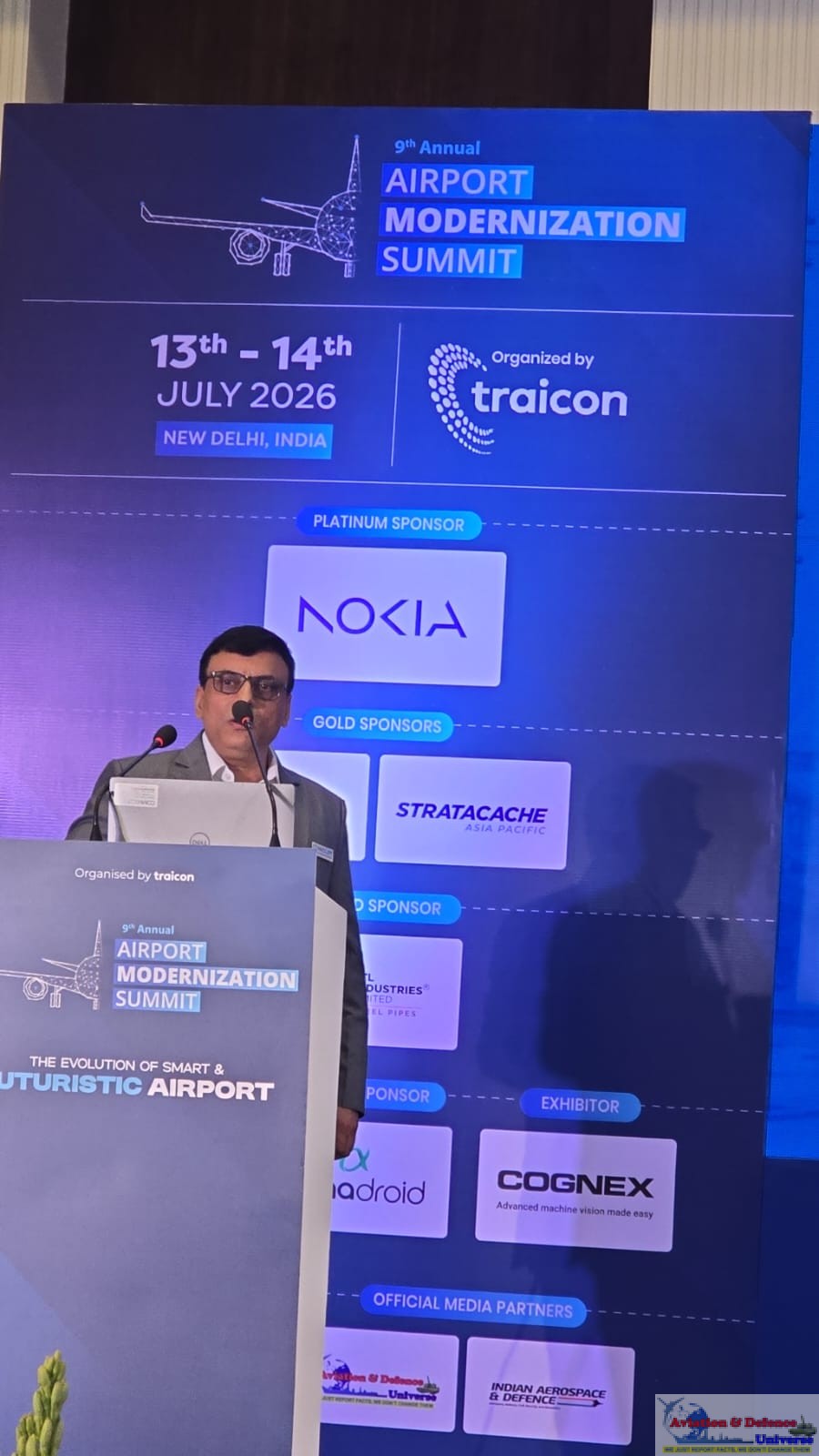
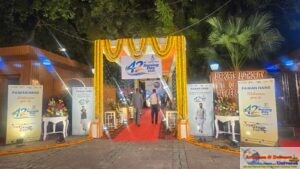
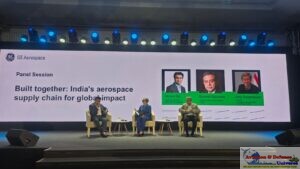
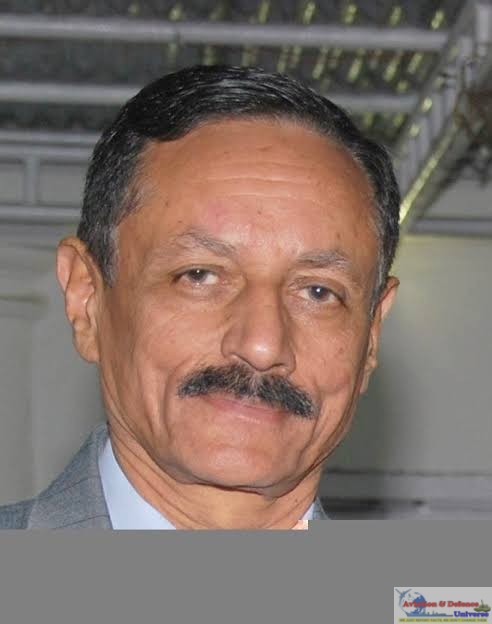
Addressing the Airport Modernisation Summit, Dhruv Singla, Executive Director, JTL Industries Ltd., brought this often-invisible element of airport development into focus. Drawing upon more than 14 years of experience in the tube and pipe industry, Singla explored how structural steel tubes are enabling airports to become larger, lighter, faster to construct, more architecturally ambitious and increasingly sustainable. His message was particularly relevant at a time when many airports must expand without stopping operations: modernisation is not only about what we build, but increasingly about how we build it.
Behind Every Digital Airport is a Physical Structure
As the aviation industry looks towards digital transformation and smarter infrastructure, Singla reminded the audience that technology cannot exist independently of the physical environment that supports it. Putting the relationship simply, he said,
“Software means hardware.” Millions of passengers moving through the aviation system require infrastructure that is safe, expansive and capable of lasting for decades. Airport modernisation therefore fundamentally involves rewriting the architectural and structural parameters of terminal buildings.
Modern terminals are moving away from conventional enclosed forms towards expansive structures characterised by sweeping canopies, long spans and vast column-free spaces. These architectural ambitions demand materials capable of delivering high structural performance without imposing excessive weight or limiting design freedom. Hidden within many of these visually striking structures, Singla pointed out, are hollow structural steel sections.
Giving Architects Freedom and Engineers Confidence
 Large-diameter circular sections, rectangular tubes and square structural sections have become important elements of contemporary terminal architecture. According to Singla, steel’s high strength-to-weight ratio allows architects greater freedom to create expressive geometries while providing structural engineers with the resilience required for buildings accommodating very large numbers of people.
This becomes particularly important in infrastructure that must withstand demanding environmental conditions, including seismic activity and extreme wind loads. The result is a material that serves two purposes simultaneously: it allows architecture to become more ambitious while enabling engineering to remain firmly rooted in safety and structural integrity. For airport terminals, where visual identity increasingly matters as much as functional efficiency, this combination has particular significance.
The Bigger Challenge is How We Build
Singla identified one of the defining challenges confronting airport modernisation in 2026. “The biggest challenge in airport modernisation isn’t just what we build, it’s how we build.” Unlike greenfield developments constructed on empty sites, many airport modernisation programmes involve retrofitting, expanding and upgrading existing terminals while aircraft continue operating and passengers continue moving through them.
This creates an exceptionally demanding construction environment. Traditional building methods can be slow and disruptive. At a busy operational airport, prolonged construction can interfere with passenger movement, constrain airport capacity and create costly bottlenecks. The industry therefore needs construction systems that can dramatically reduce work at the project site without compromising structural performance. It is here, Singla argued, that modular and pre-engineered steel construction can play a transformative role.
From Months of Construction to Weeks of Assembly
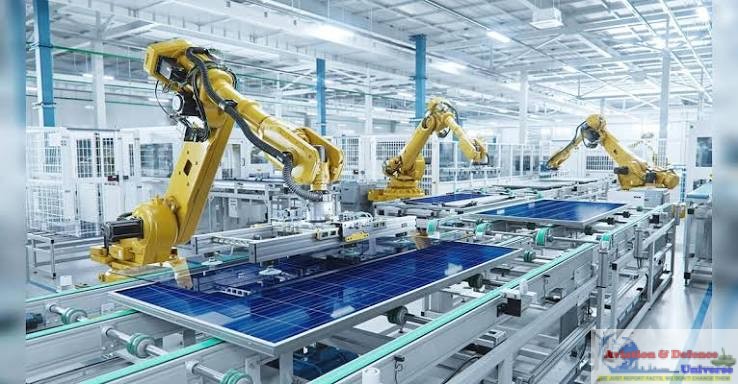
 Structural steel tubes are particularly suited to modular and pre-engineered construction because components can be manufactured and finished in controlled factory environments before being transported to the airport for assembly.
This shifts a significant portion of the construction process away from the operational airport. Rather than undertaking extensive fabrication at the terminal itself, structural sections can be prepared in advance and assembled rapidly on site. Singla said this approach has the potential to reduce construction timelines from months to weeks, while also lowering on-site labour requirements and minimising operational downtime.
For airport authorities undertaking capacity expansion while maintaining uninterrupted operations, such time savings can have enormous commercial and operational significance. The principle effectively changes airport construction from a largely site-based activity into a more controlled industrial manufacturing and assembly process.
Modernising Airports Without Closing Airports
This capability is becoming increasingly important as aviation infrastructure enters an era of continuous expansion. Passenger numbers are rising, airports are adding capacity and terminals are being repeatedly upgraded to accommodate new technologies and evolving operational requirements. But airports cannot simply stop functioning while construction takes place.
Structural solutions that allow large portions of a project to be fabricated elsewhere and installed quickly can therefore become crucial to the future of airport modernisation. The challenge is no longer merely constructing the next generation of airport infrastructure. It is doing so around millions of passengers without disrupting the journeys the infrastructure exists to serve.
Steel and Aviation’s Sustainability Challenge
Singla then turned to what he described as the defining challenge of the current generation—sustainability. Much of aviation’s decarbonisation conversation understandably focuses on aircraft emissions and Sustainable Aviation Fuel. But the environmental footprint of aviation infrastructure must also become part of the equation.
Airport terminals consume enormous quantities of materials and energy during construction. The choice of structural systems can therefore influence their embodied environmental footprint. High-strength structural steel can provide the required load-bearing capability while using comparatively less material weight. Lower structural weight can also reduce the energy required to transport construction materials to the project site.
But Singla highlighted another characteristic that gives steel an important role in the circular economy: its recyclability. “Structural steel is 100% recyclable.” Rather than inevitably becoming construction waste at the end of a building’s life, structural steel can remain within the material cycle and be reused or recycled into future applications. As Singla put it, the structural components being manufactured today can represent a continuing material resource rather than something destined for landfill.
Structural Steel Across the Airport Ecosystem
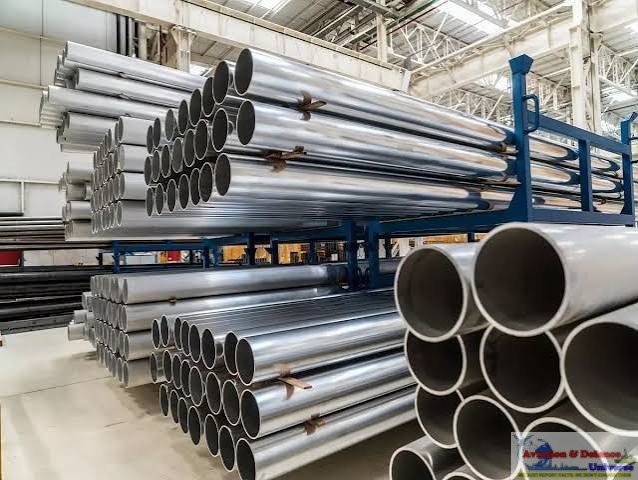 The application of structural steel tubes extends well beyond the main terminal frame. Singla outlined their potential use across airport infrastructure, including roof trusses, structural columns and passenger walkways, along with numerous other architectural and infrastructure applications. This versatility makes steel tubing relevant to both large structural systems and smaller components across an airport development.
The manufacturing process itself begins with sourcing hot-rolled coils from established steel producers, which are then converted into pipes and tubes before undergoing additional processes such as galvanisation according to project requirements. Precision manufacturing, corrosion protection and longevity become particularly important for airport structures designed to operate continuously over long service lives.
JTL Industries Positions for Infrastructure Growth
Presenting his company’s capabilities, Singla described J&K Industries Ltd. as a manufacturing organisation with a presence across multiple locations in India and a portfolio of structural steel tube and pipe products. The company’s focus, he explained, is centred on precision, structural integrity and manufacturing capability. For Singla, however, the importance of such manufacturing extends beyond the individual product.
Every structural component supplied for a terminal becomes part of a much larger piece of national infrastructure—one expected to carry millions of passengers, support economic activity and remain operational for decades. That responsibility places quality and structural reliability at the heart of manufacturing.
Collaboration Must Build the Airport of Tomorrow
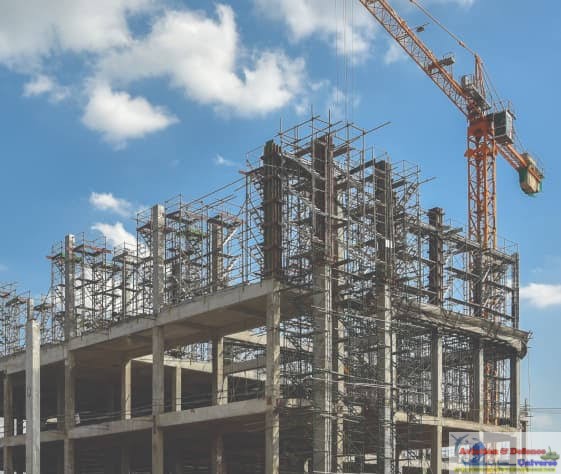 Concluding his address, Singla called upon architects, engineers, manufacturers, airport operators and innovators to work together. The airports of the future, he argued, must simultaneously meet several demands. They must withstand structural and environmental stresses, be capable of rapid development, provide architects with the freedom to create inspiring spaces and respond meaningfully to the sustainability challenge. His vision was summed up in a call for collaboration, “Let us collaborate to design and build airport ecosystems that are structurally resilient, rapidly developable, architecturally inspiring and deeply sustainable.” And with that, he positioned the steel industry not simply as a material supplier but as an important participant in aviation’s infrastructure transformation.
As airports become smarter, more connected and digitally sophisticated, the infrastructure beneath that transformation cannot be forgotten. Every automated passenger journey, intelligent baggage system and digital airport platform ultimately operates inside a physical structure that must remain safe, resilient and functional around the clock.
 Dhruv Singla’s address brought attention to the engineering that often remains hidden behind the visual grandeur of modern terminals. Structural steel is enabling architects to imagine larger and more expressive spaces, helping engineers design for demanding conditions and allowing airport authorities to expand infrastructure with potentially less disruption to ongoing operations. Its suitability for modular construction and its recyclability also place it firmly within the industry’s conversation about speed and sustainability.
Steel plays a critical role in modern airport construction, providing the strength, flexibility and durability required to create vast terminals, sweeping roofs, long-span structures and expansive column-free spaces capable of handling millions of passengers. Its high strength-to-weight ratio gives architects the freedom to design visually striking and complex structures while enabling engineers to meet stringent requirements for seismic resilience, wind resistance and structural safety. Steel is particularly valuable in airport expansion and modernisation projects because components can be precision-manufactured and prefabricated off-site before being rapidly assembled, reducing construction time and minimising disruption to live airport operations. Its applications extend across terminal frameworks, roof trusses, structural columns, passenger walkways and other critical infrastructure. Equally significant is its contribution to sustainability: high-strength steel can achieve required load capacities with comparatively less material, while its recyclability supports the principles of a circular economy. As airports evolve into larger, smarter and more architecturally ambitious gateways, steel remains the often-unseen backbone that makes their scale, resilience, speed of construction and design possibilities achievable.
The future airport may be defined by digital intelligence, but it will still need a physical backbone strong enough to carry that future. And as aviation infrastructure expands at unprecedented speed, the steel hidden in plain sight may prove to be one of the most important enablers of the airport modernisation story.



































































-A4-Size-(2)_page-0001.jpg)